Roasteries / Garage Coffee Bros

Garage Coffee Bros
Verona, Veneto, Italy
Founded by brothers Davide & Mattia Cobelli. Davide is 2020 Italian Barista Champion. Artisan roasting with a specialty-forward approach.
17
coffees
Italy
base
Coffees
17 coffees
Limited-edition natural Ethiopian, roasted with a profile tuned specifically for capsules. Medium-low body but velvety and persistent, with an aromatic burst of ripe yellow fruit, blueberry and violet — sweet and balanced, no bitter or burnt notes.
Ripe Yellow Fruit, Blueberry, Violet

Dried coffee-cherry cascara from San Adolfo, Colombia — brewed as an infusion rather than roasted coffee. Enveloping apricot and tropical-fruit notes with a gentle sweet acidity, served hot or cold.
Apricot, Tropical Fruit

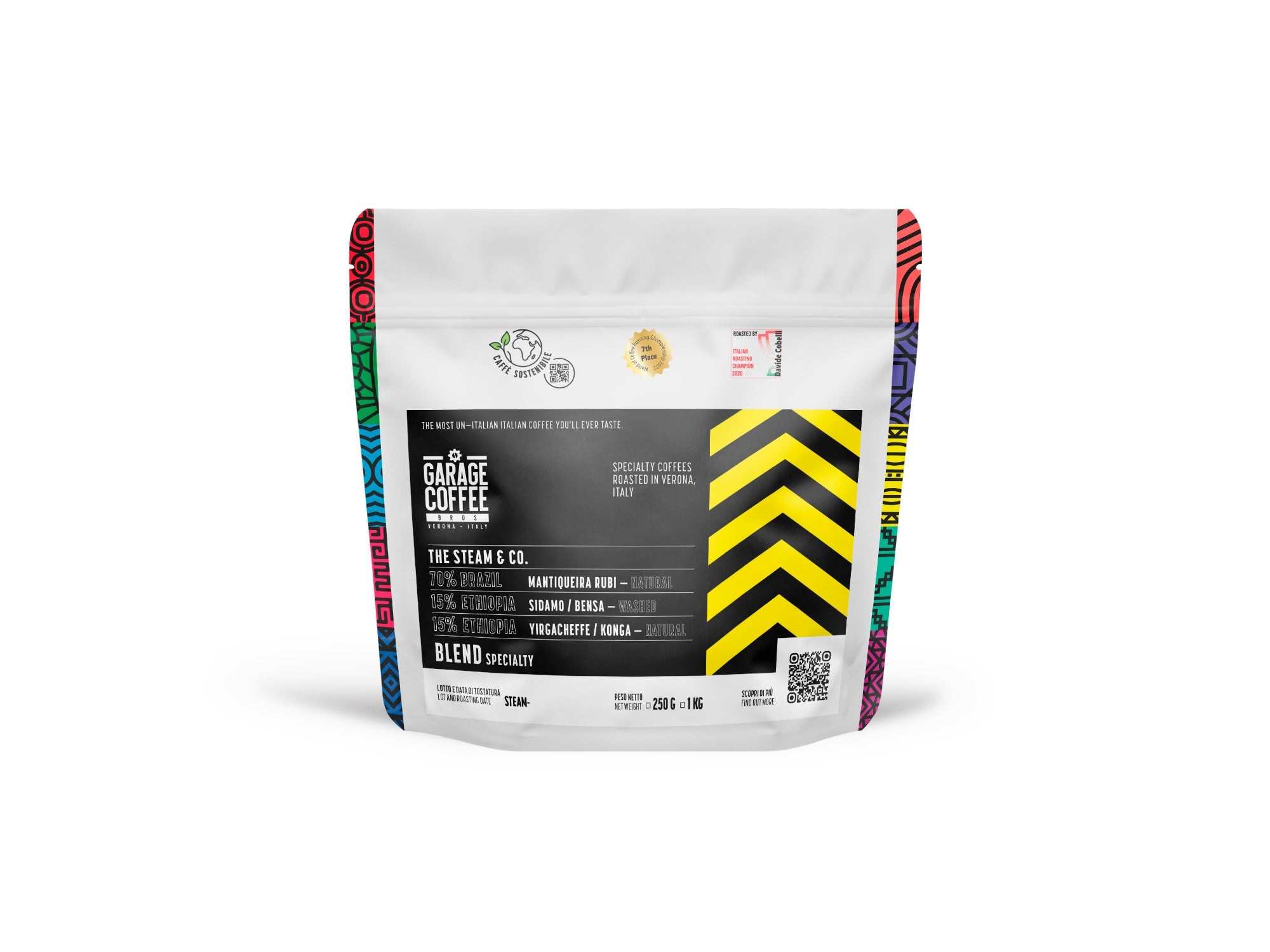
Three-origin blend built for cold brew: body and depth from a Brazilian natural, floral character from an Ethiopian natural, and sweetness with citrus notes from a Colombian.
Floral, Citrus

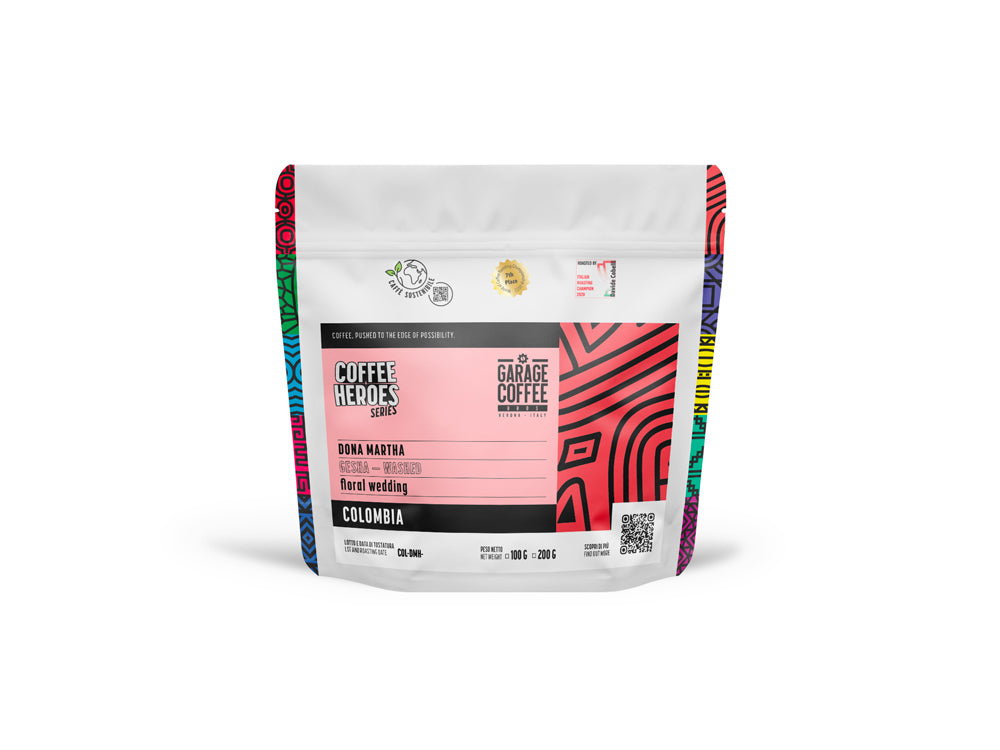
Washed Geisha grown at 1,750 masl in Huila by Nestor & Adrian Lasso — a competition lot from Garage Coffee Bros' Coffee Heroes series. Pure floral elegance in the cup: jasmine, bergamot and tropical-fruit aromatics, with a bouquet recalling jasmine, rose and lavender.
Jasmine, Magnolia, Orange Blossom

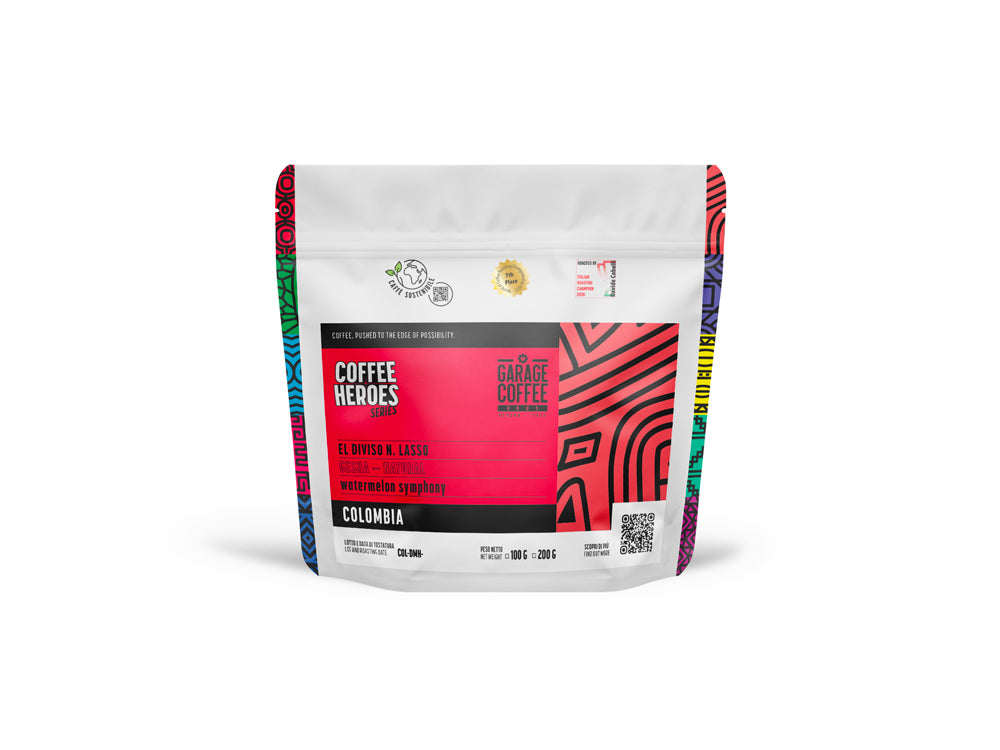
Natural Geisha grown at Finca El Diviso in Bruselas, Huila, by Nestor Lasso — part of Garage Coffee Bros' Coffee Heroes series. Lasso, trained at SENA, is known for experimental fermentation protocols (anaerobic phases, oxidation, cherry leachate) on distinctive varieties like Bourbon Ají, Sidra and Ombligón; his anaerobic natural Sidra featured in the routine that won the 2022 World Barista Championship.
Watermelon, Tropical Fruit, Mandarin

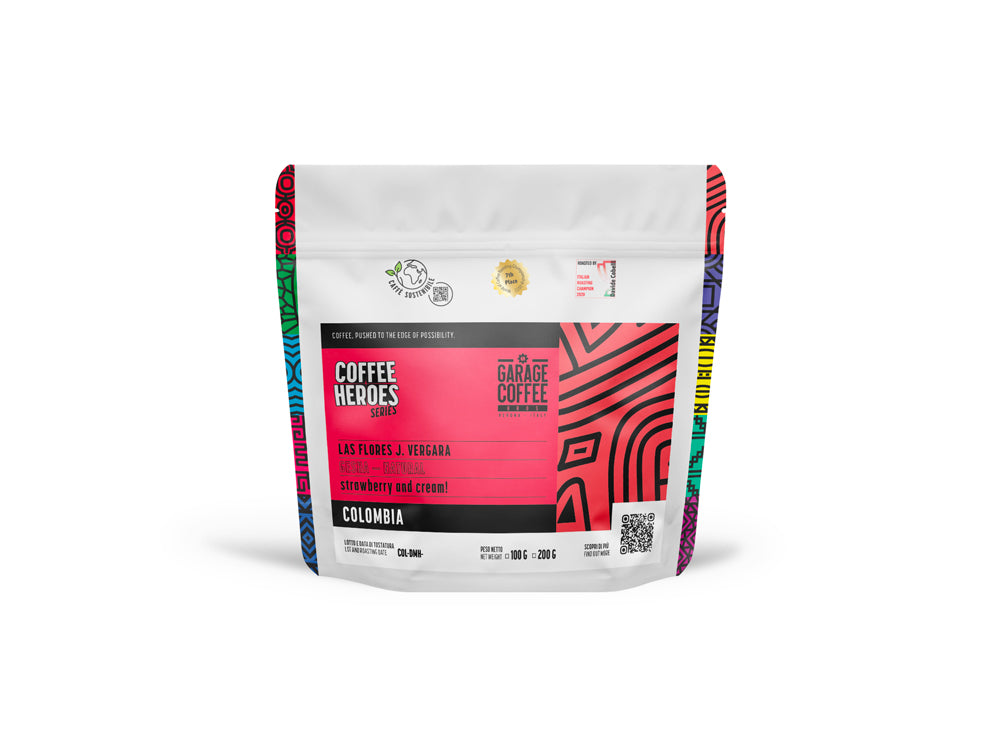
Natural Geisha from the roughly 16-hectare Finca Las Flores in Acevedo, southern Huila. Jhoan Vergara, a third-generation coffee grower, took over the farm in 2018 and converted it from commodity production to specialty varieties (Pink and Red Bourbon, Tabi, Java, Chiroso, plus experimental Sidra and Ombligón). A cup-taster and roaster himself, he won South Korea's "Master of Coffee" contest in 2019 and runs an on-farm microbiology lab using thermal-shock fermentation control.
Wild Strawberry, Fresh Cream, Apple

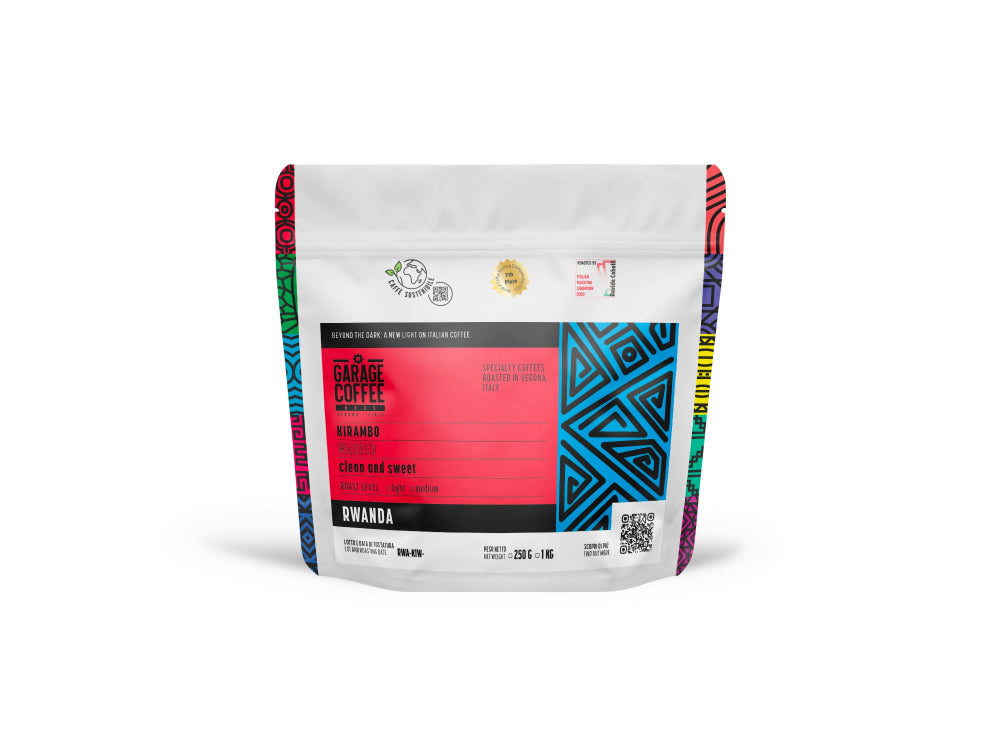
Grown on the steep trails of Nyamasheke above 1,500 masl, where Red Bourbon cherries ripen slowly in thin mountain air. Deep brown-sugar sweetness up front, refreshed by a bright apple note over elegant acidity and a round body, finishing with red fruit.
Brown Sugar, Apple, Red Fruit

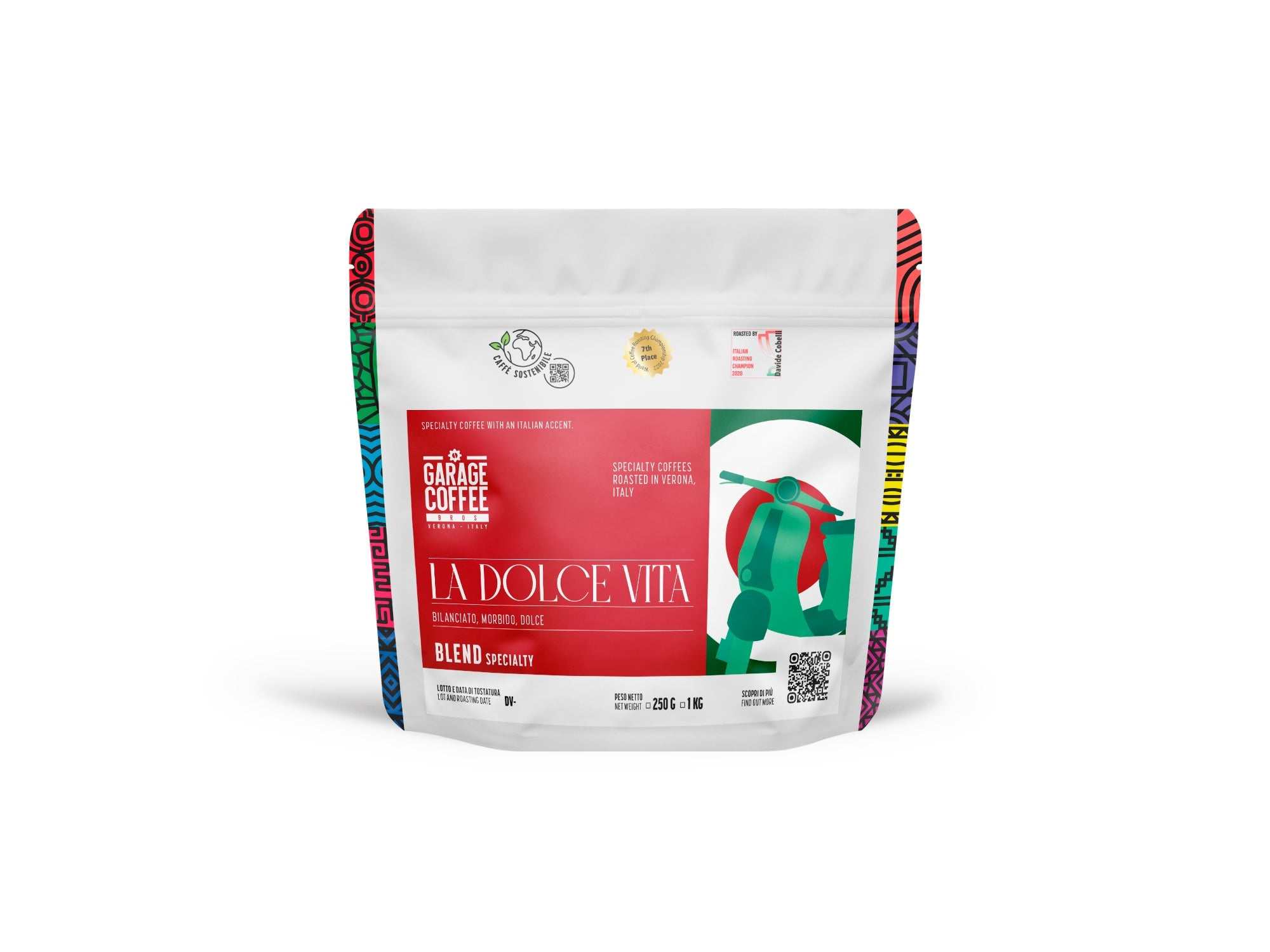
House-signature 100% Arabica specialty blend, built to be easy-drinking and balanced: soft, low acidity, full body and a clean finish, with notes of maple syrup, brown sugar and blueberry.
Maple Syrup, Brown Sugar, Blueberry

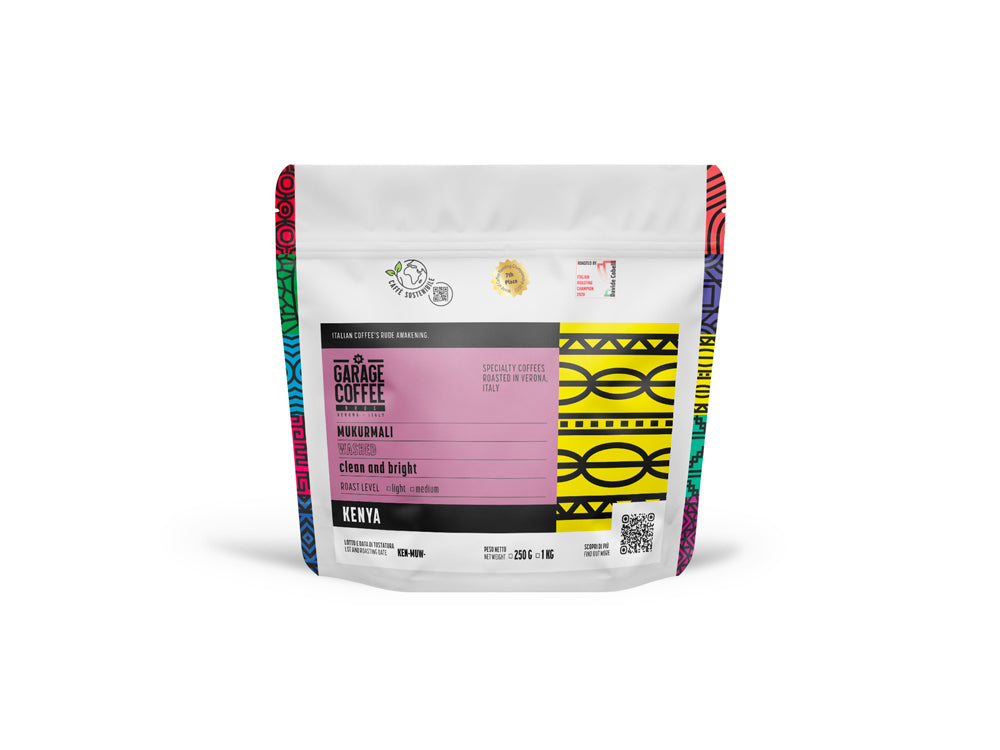
Pure microlot of 100% SL28 grown by smallholders on the slopes of Mount Kenya, marketed through the farmer-owned Kenya Cooperative Coffee Exporters (KCCE, founded 2009). Grown in Mukurweini, Nyeri, on red volcanic soils at 1,700–1,850 masl. Traditional Kenyan washed process with aerobic fermentation and slow open-air drying.
Bright, Complex, Structured

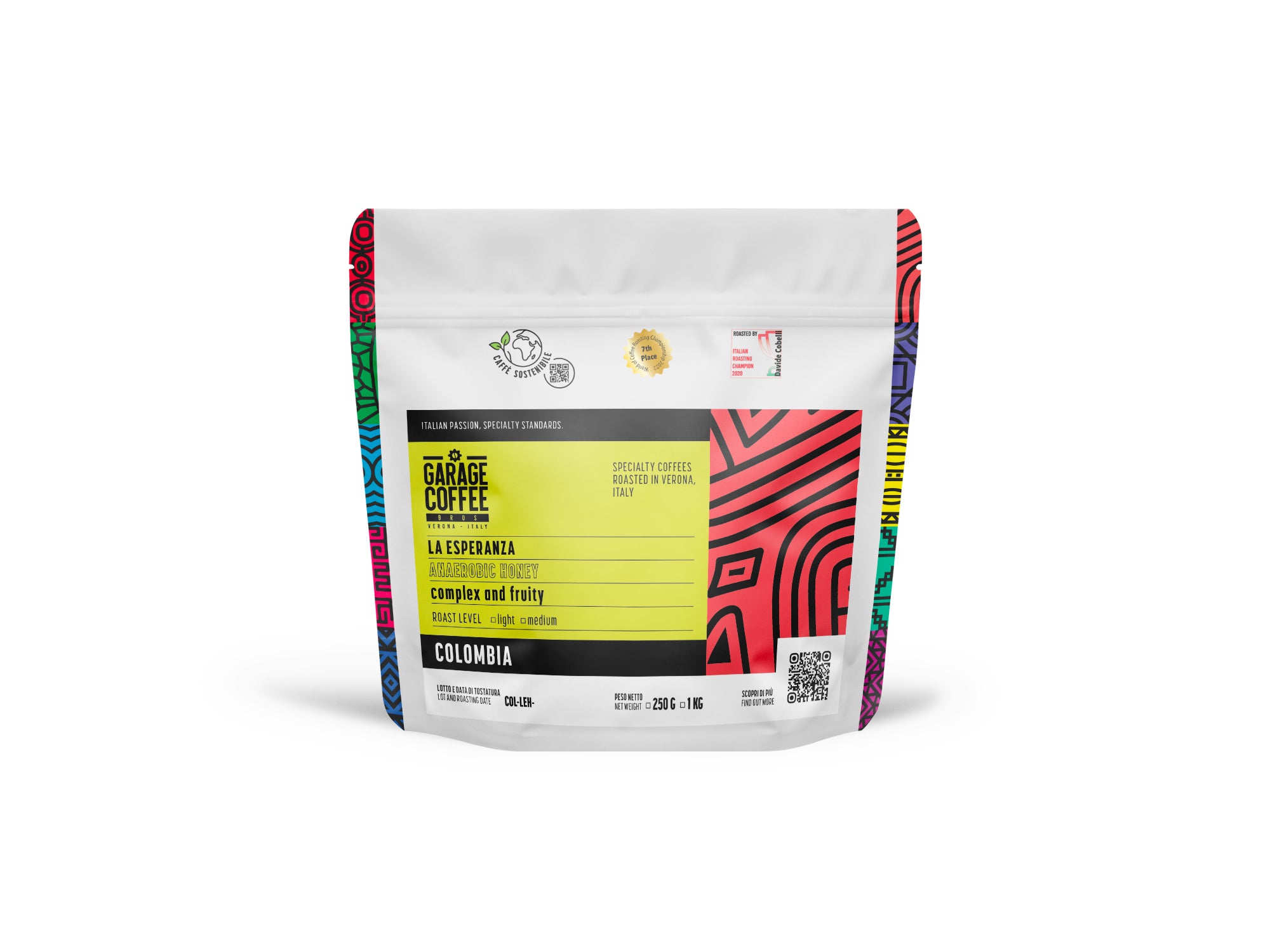
Natural from the heart of Huila, grown under the Mare Terra research project together with five partner families. Intensely fruity and sweet in the cup, with a long finish.
Candied Orange, Grand Marnier, Vanilla

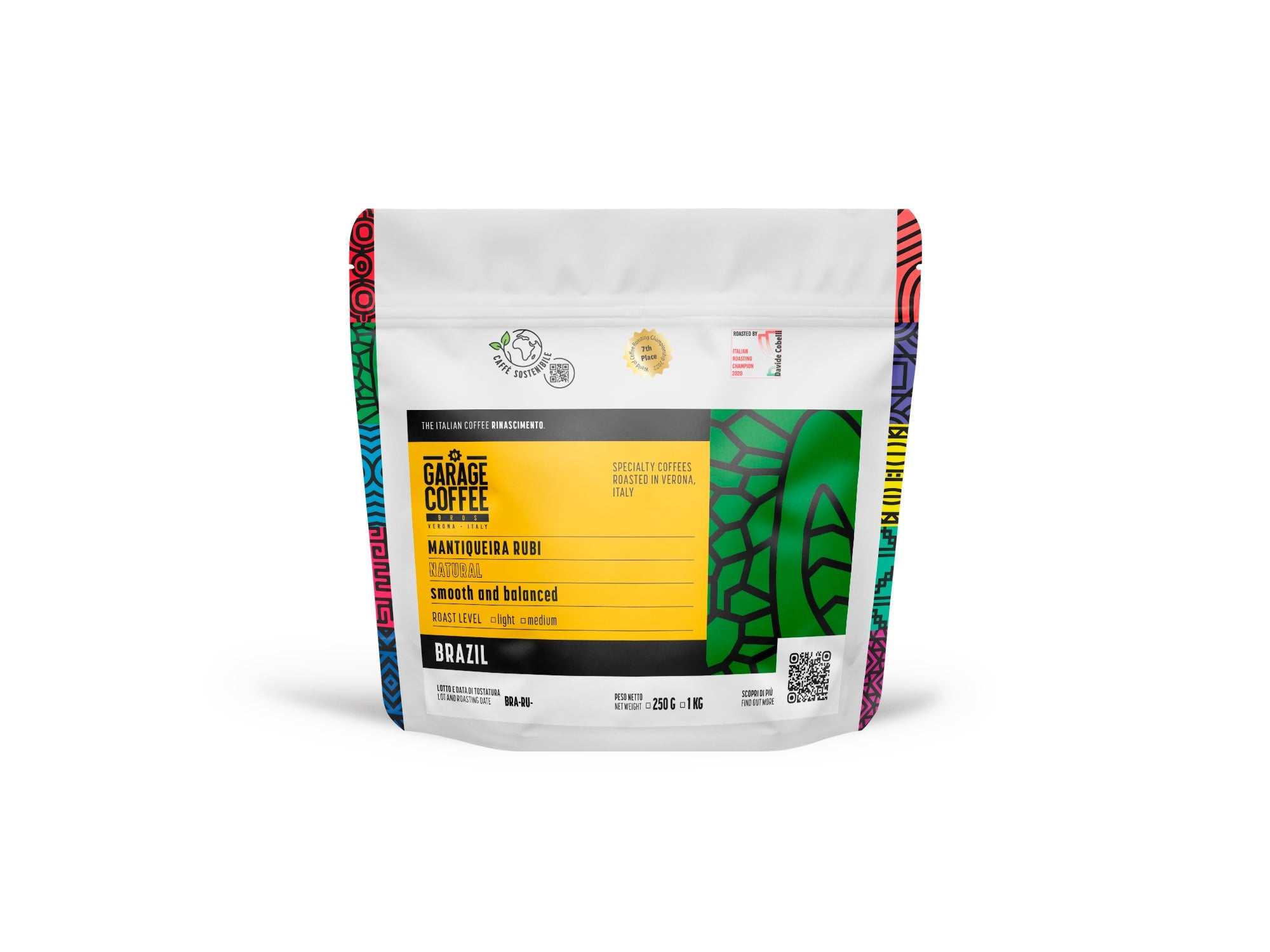
A fixed-lineup single origin from Minas Gerais, Brazil's best-known coffee-growing state, sourced from a cooperative of more than 1,000 producers. The Rubi microlot is balanced and soft — an easy specialty-grade cup for every day.

Limited to 50 packages — a competition lot from Garage Coffee Bros' Coffee Heroes series, produced by Adrian Lasso at Finca El Diviso. The Duo Cherry Velvet process runs a 60-hour immersion fermentation with microorganisms cultured from the same variety, a hot-water rinse to slow fermentation, then a second fermentation where semi-dried cherries are pulped together with freshly picked ones before final drying — a multi-layered, velvety cup of wild strawberry and rose water. Farmgate price 120 USD/kg; sold beans-only, roasted for filter.
Wild Strawberry, Rose Water, Tropical Fruit

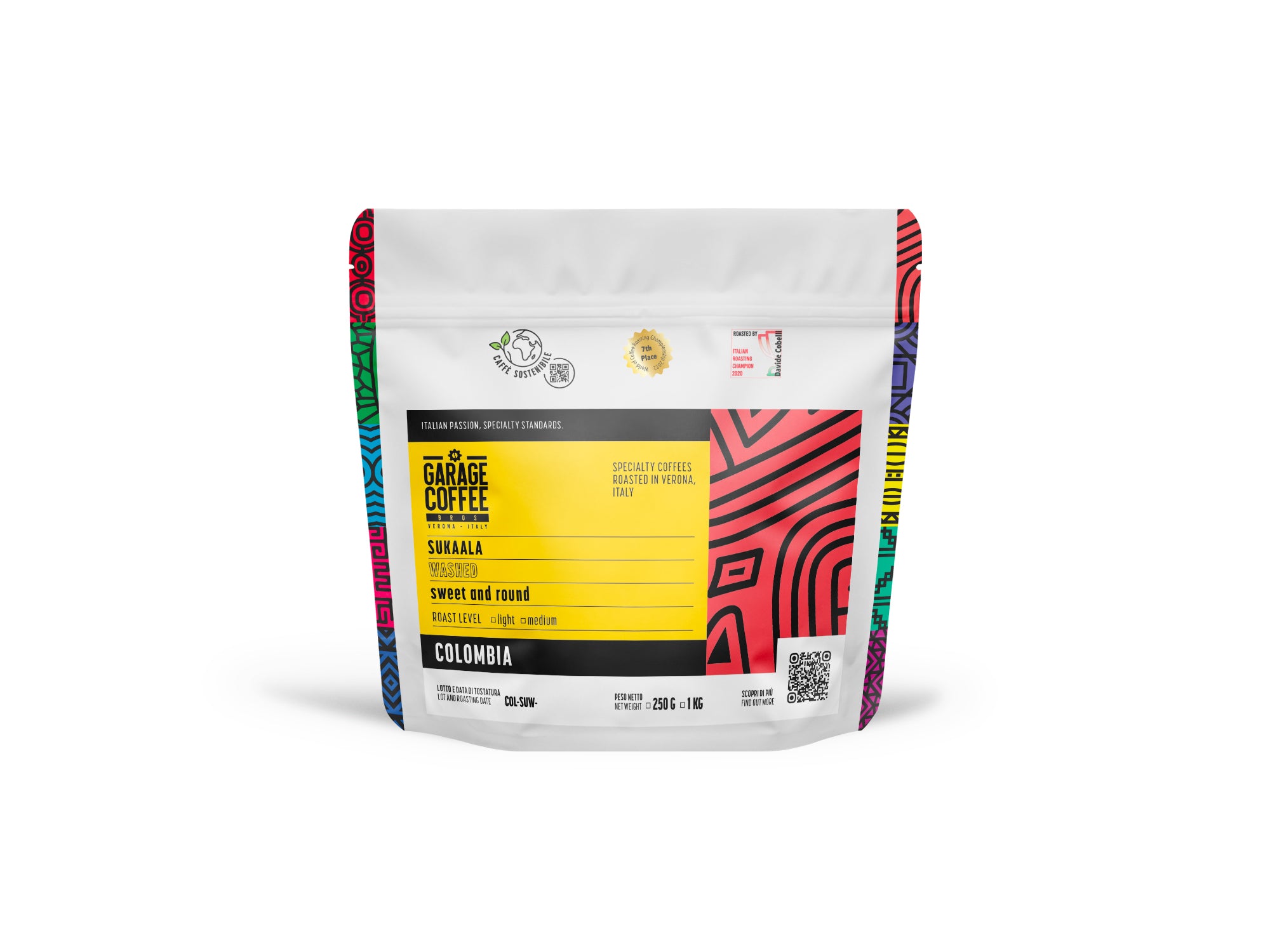
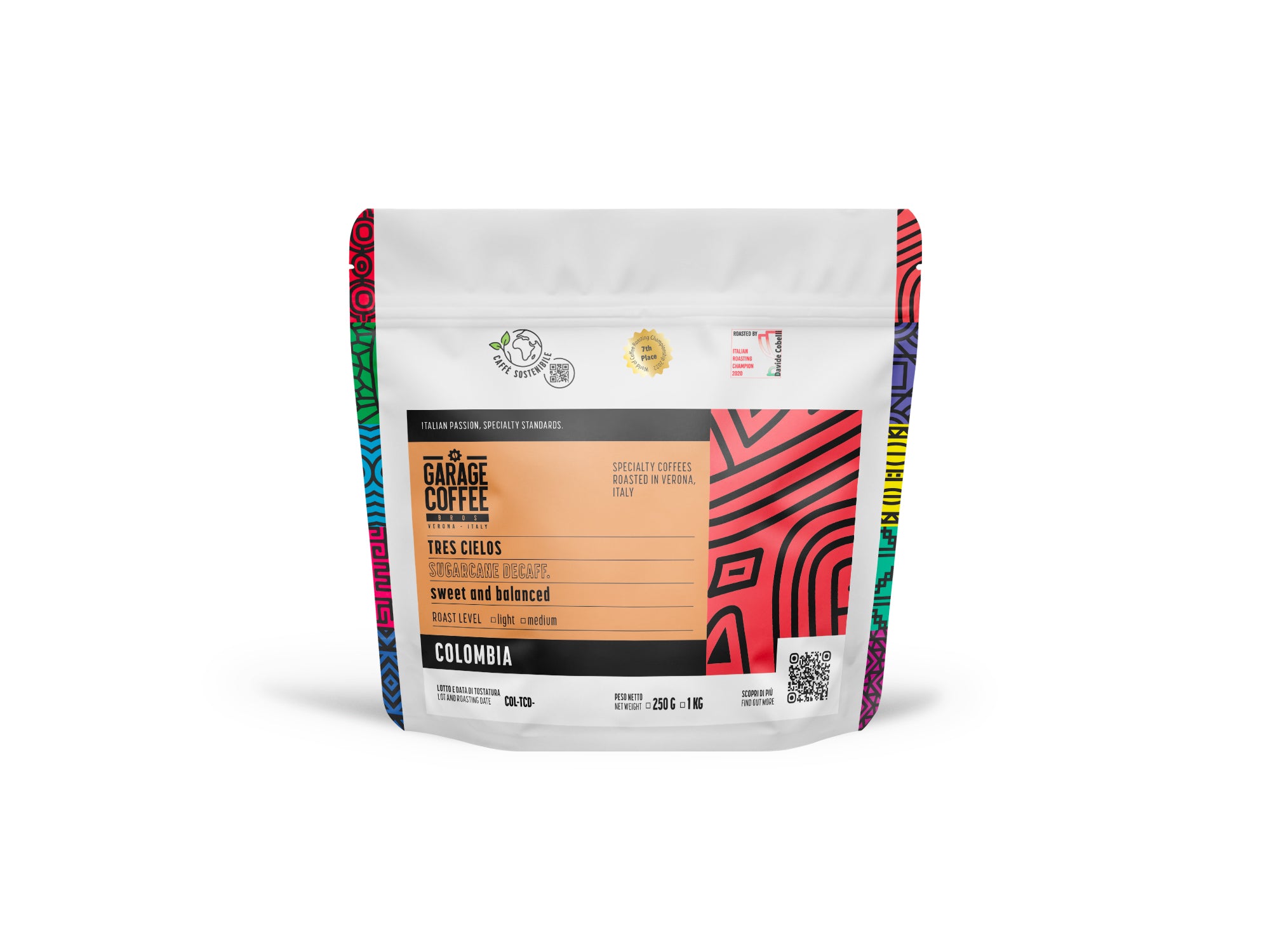
Washed lot from Café Agrario, a producer association in Ortega, Tolima, grown at 1,700–1,900 masl. Sweet and round in the cup, with a soft body and medium acidity. The association refocused on specialty-grade washed coffee after a change in leadership brought government support and quality-focused workshops with Siruma.
Brown Sugar, Dried Fruit, Vanilla

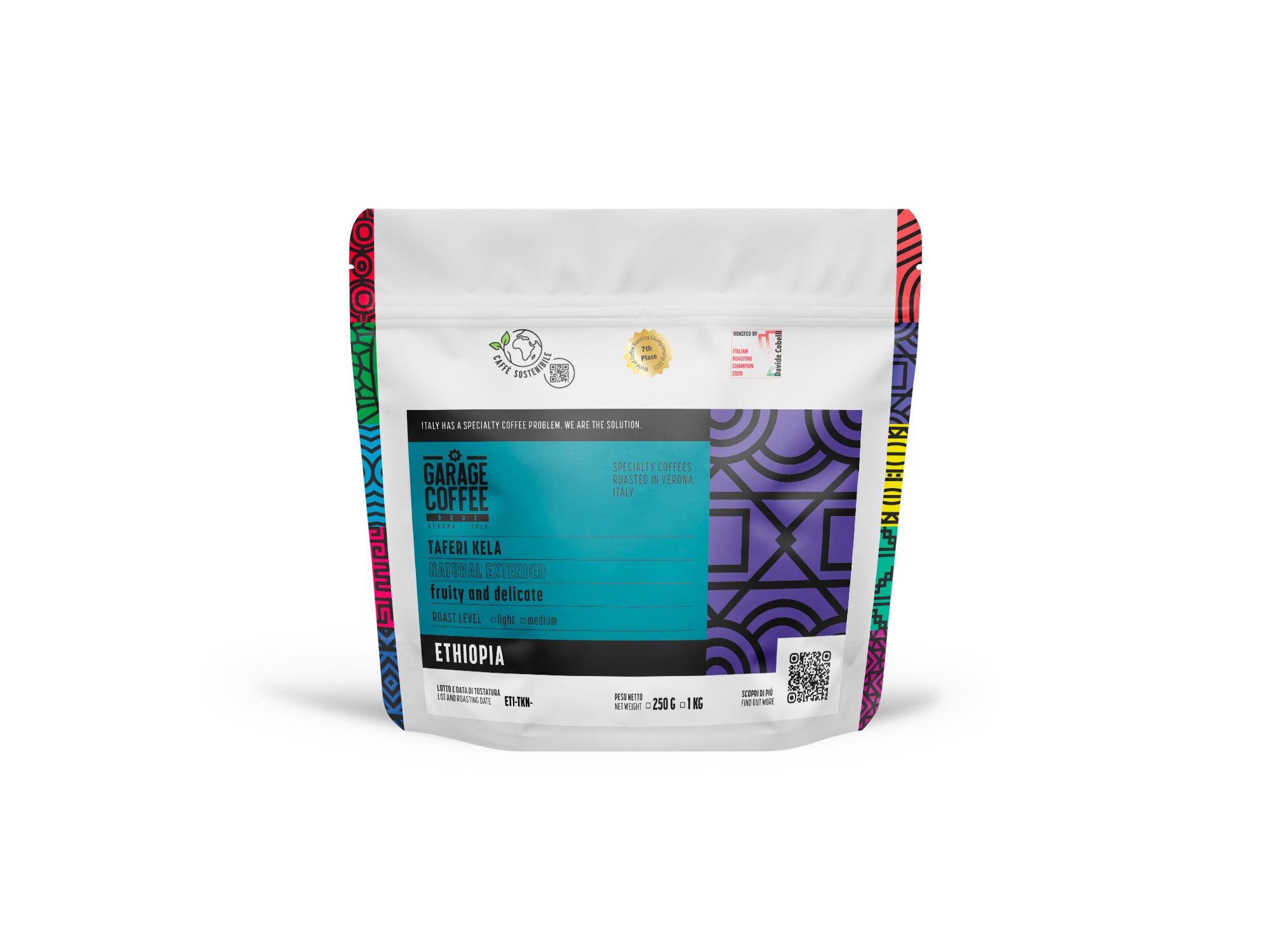
Produced by Bette Buna ("House of Coffee") in the previously overlooked Taferi Kela community, which shares its mountain range with better-known Sidamo producers. Whole cherries ferment for an extended period in a low-oxygen controlled environment, then dry slowly on raised beds for several weeks — full body, pronounced sweetness, dark-fruit notes. Bette Buna trains growers in soil improvement and ripe-only picking, and distributes over 350,000 healthy seedlings a year from its own nursery.
Blackberry, Blackcurrant, Fresh Fruit

Espresso-friendly specialty blend of Ethiopian and Brazilian coffees, built to be sweet and elegant with exotic aromatics and a full, non-bitter cup — hazelnut, brown sugar and butter-biscuit notes.
Hazelnut, Brown Sugar, Butter Biscuit

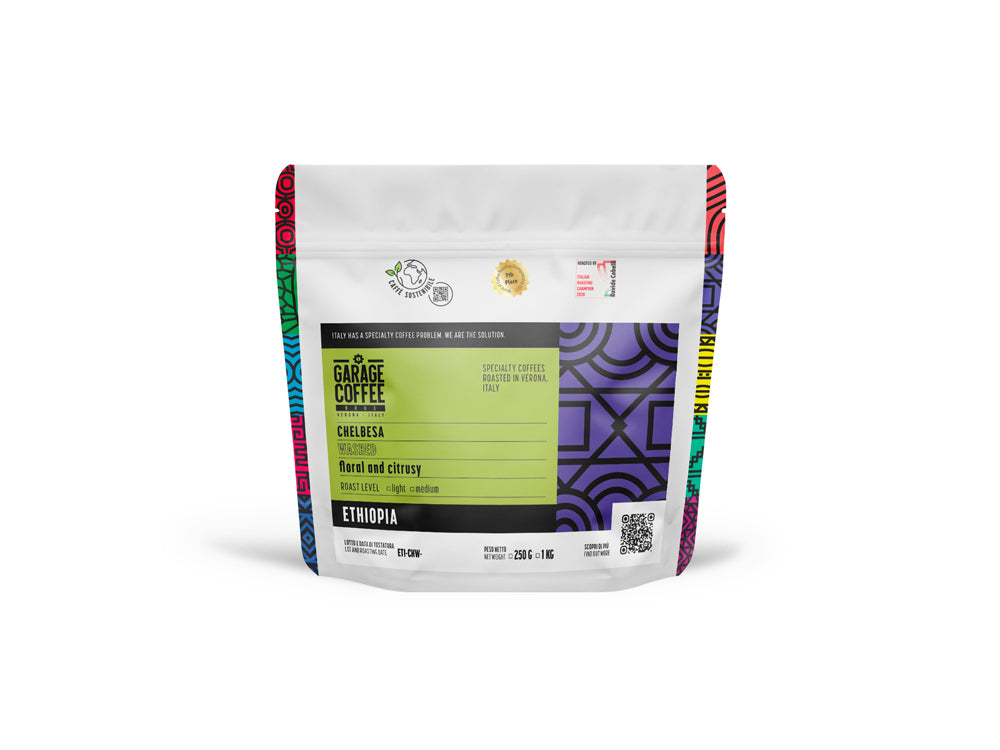
Washed lot from the Chelbesa area of Gedeb, produced by Kuri Mountain Coffee at 2,000–2,300 masl. Floral and citrusy in the cup, with medium acidity, round sweetness and good body.
Bergamot, Floral, Black Tea

A "zero waste" lot made from the results of Garage Coffee Bros' own roast testing and quality trials — beans that don't quite make the cut for the main lineup but remain genuinely good, sold at a lower price to cut waste across the supply chain. Contents vary batch to batch and may be a single origin or a blend.