
Roasteries / Mostra Coffee

Mostra Coffee
San Diego, CA
San Diego specialty coffee roaster with five cafes across the city, sourcing single-origin and blended coffees with a mission to uplift the lives of the farmers who grow them.
2
coffees
CA
base
Photos
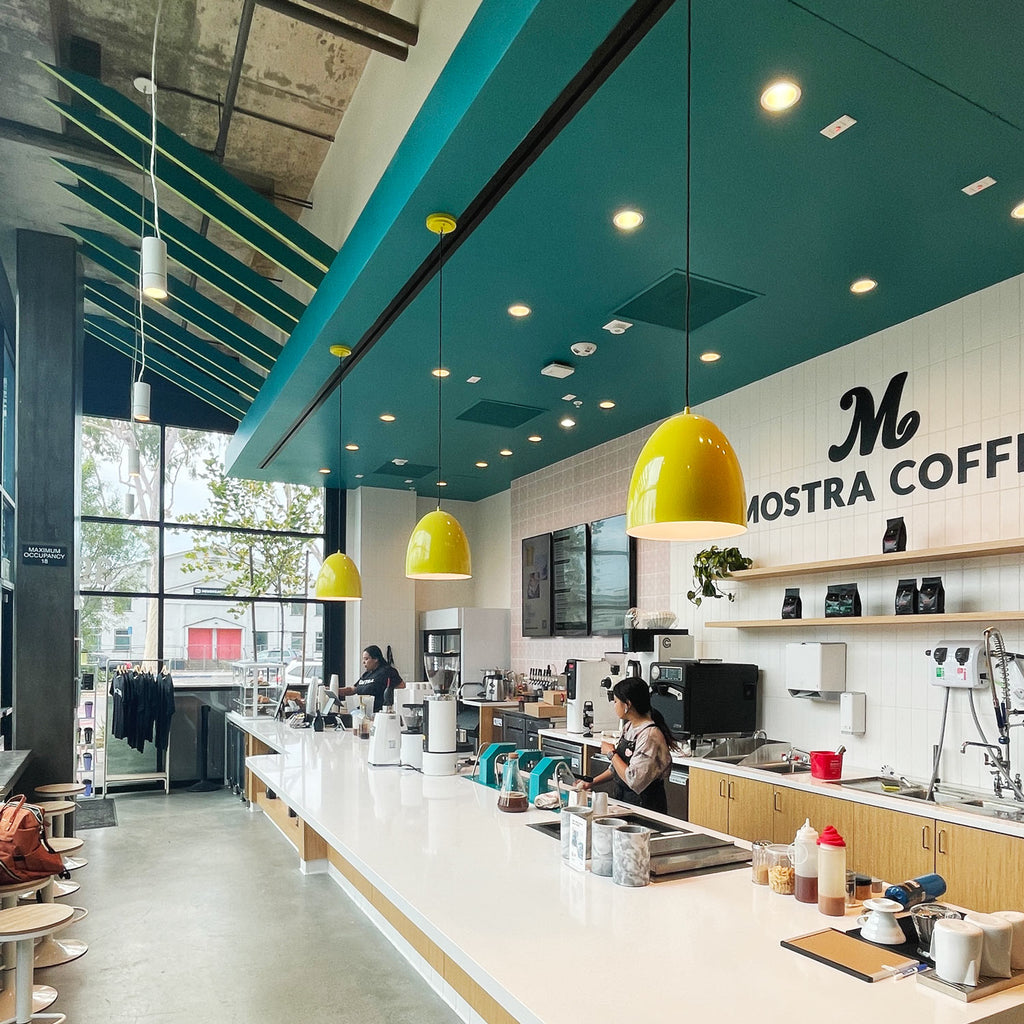
Locations
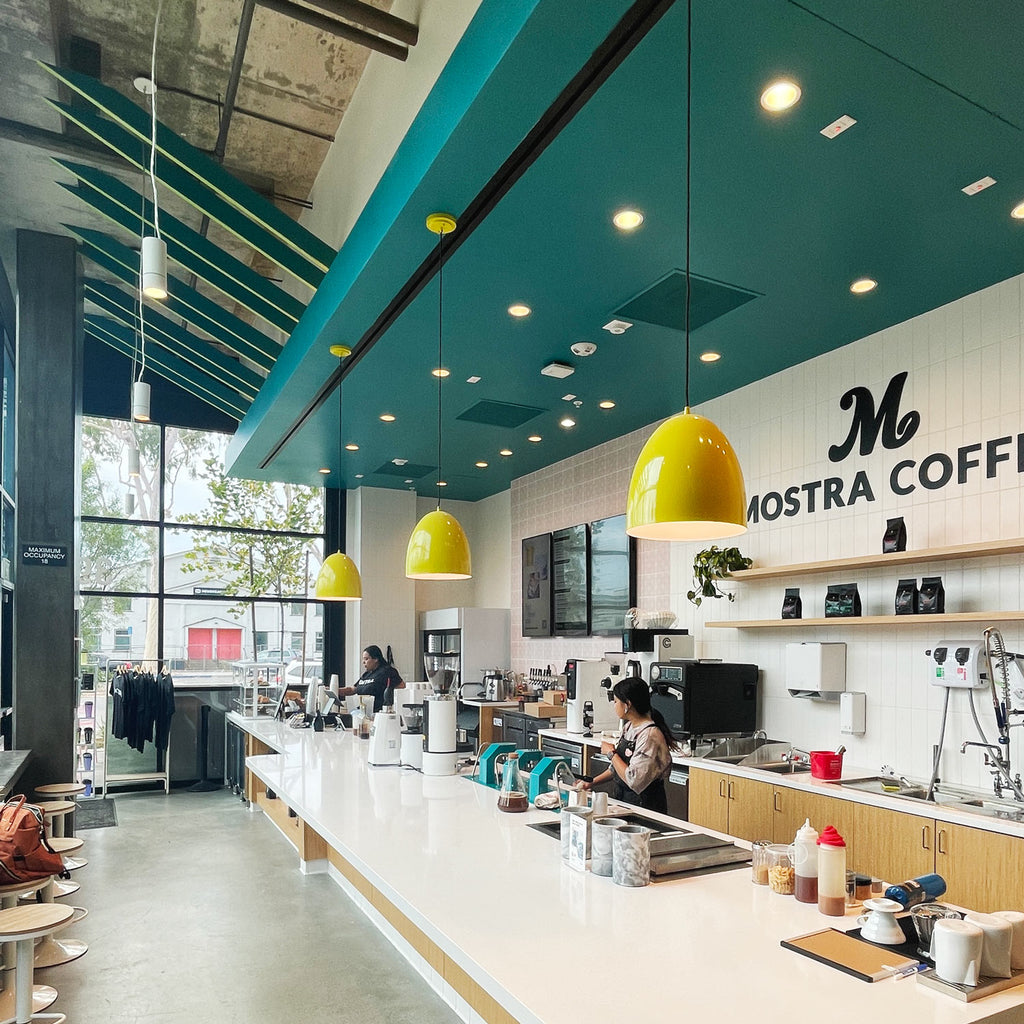
Mostra Coffee – 4S Ranch
10550 Craftsman Way, Suite 187, San Diego, CA 92127Mon–Sat 6am–5pm, Sun 7am–5pm
Mostra Coffee – Carmel Mountain Ranch
12045 Carmel Mountain Rd, Unit 302, San Diego, CA 92128Mon–Sat 6am–5pm, Sun 7am–5pm
Mostra Coffee – Torrey Hills
10945 Vista Sorrento Pkwy, Suite 100, San Diego, CA 92130Mon–Sat 7am–2pm
Coffees
2 coffees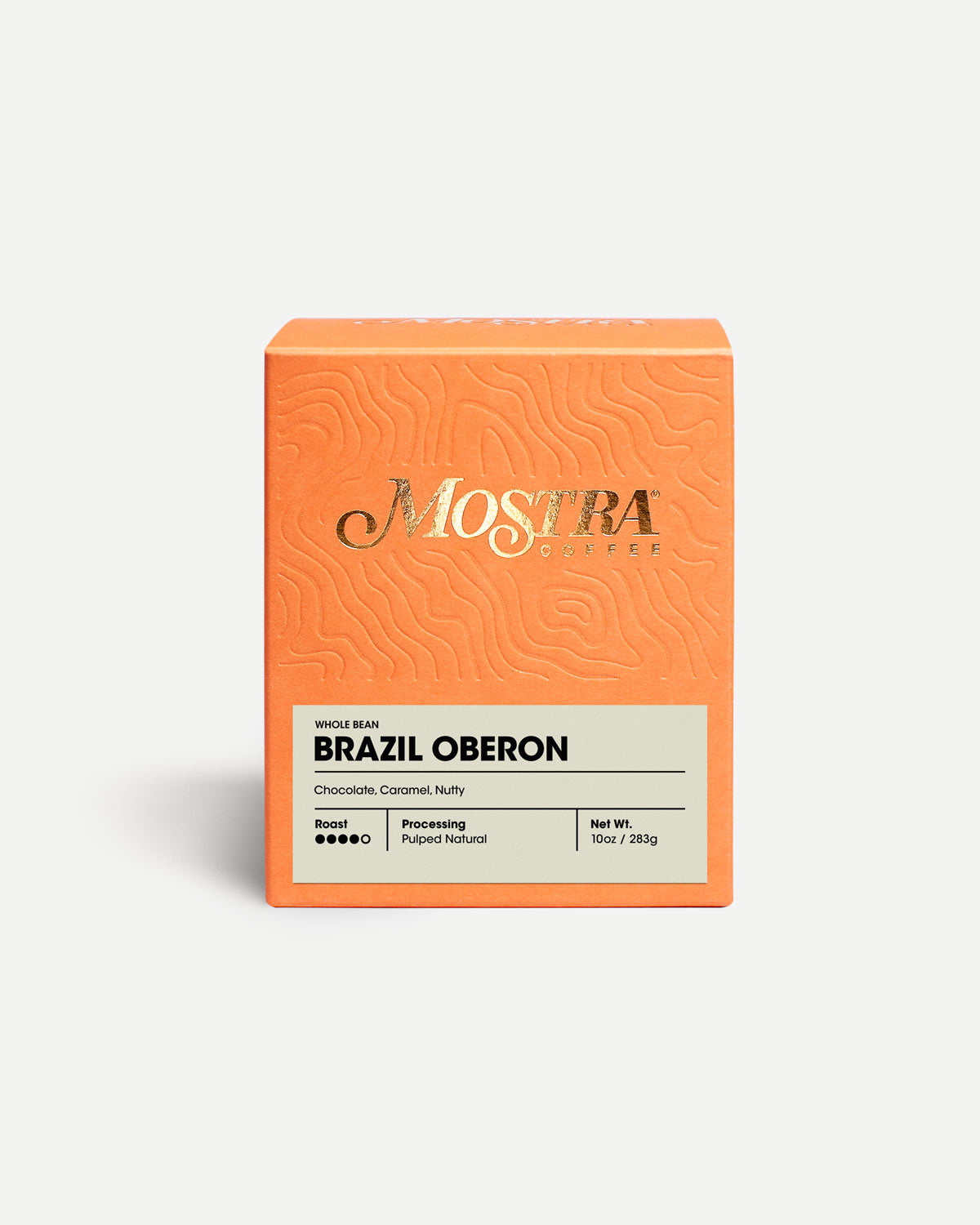
Oberon coffee could be described as the Queen of Brazilian coffees. Only the best and finest coffees from Brazil’s Cerrado region find their way into Oberon. Cerrado is located in a dry and flat region in southwestern Minas Gerais. Because it is mainly dry and flat, producers can worry less about the elements and focus more of their time and energy on producing great coffee. The cherries are picked at the best stage of their maturation, which allows the bean to absorb as much sweetness as possible. The Oberon is the perfect blend of the three main characteristics found in coffee (acidity, body, and sweetness). This makes for a well-balanced coffee that has pleasant, citric acidity, a smooth and full body, nice sweetness, and a dark chocolate flavor. Process: Pulped Natural Arabica Variety: Mundo Novo, Catuaí
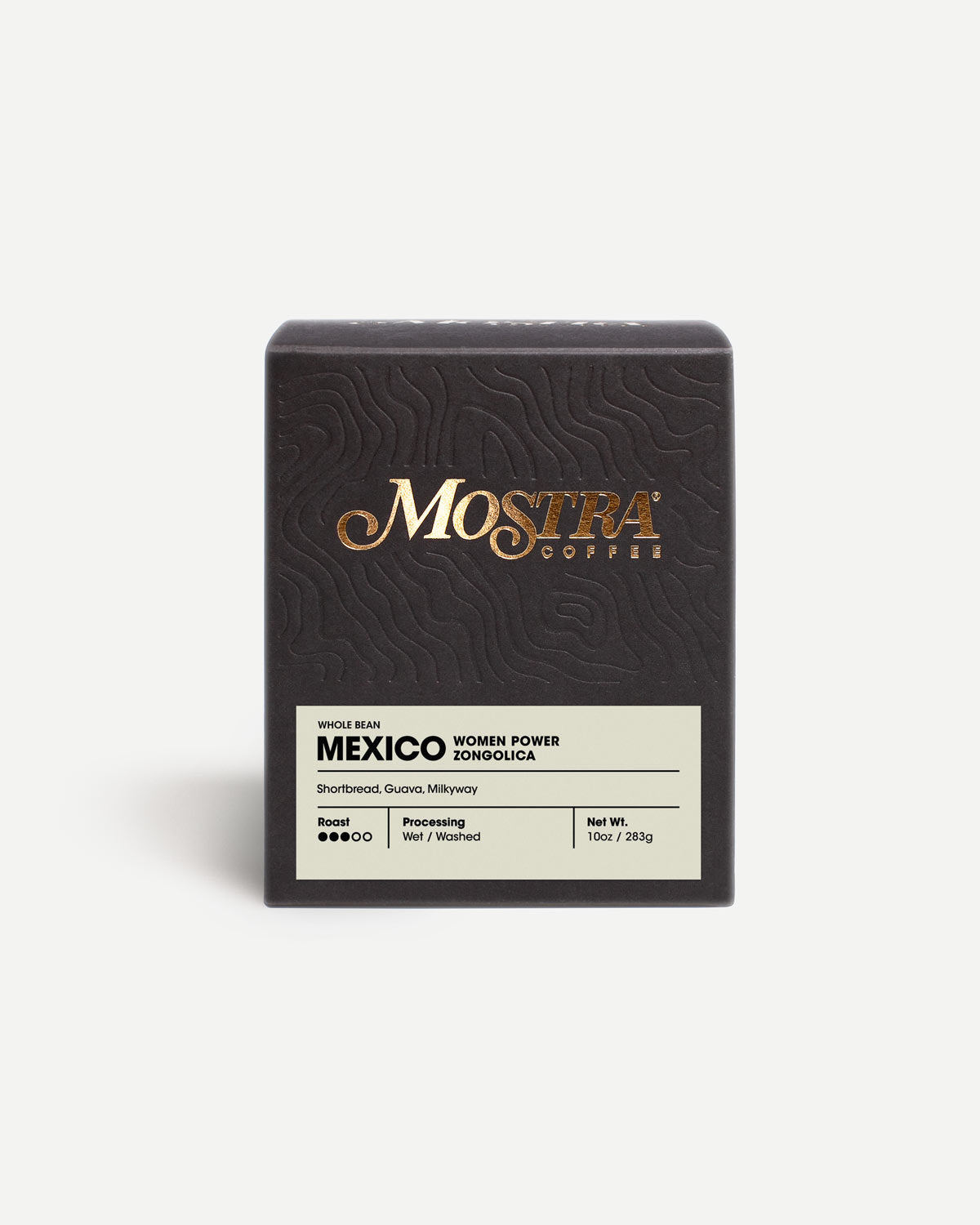
Back by popular demand, this standout coffee from the Zongolica region of Veracruz, Mexico — known as WPZ, or “Women Power Zongolica!” — was grown and produced by 20 women farmers dedicated to preserving their land and cultural heritage. WPZ comes from women in the Zongolica region of Veracruz, Mexico. The region is deeply influenced by the rich ancestral heritage of its people, most of whom identify as part of the Nahuas indigenous group. For generations, the Nahuas have passed down their language and wisdom about plants, rivers, animals, mountains, the planet, and the universe through storytelling by their elders. Coffee farms in Zongolica are agro-ecosystems, meaning they consider the environmental impact of farming beyond the farm itself and aim to balance energy and nutrients to preserve the region’s biodiversity. Intercropping and forest conservation are among the common practices. The coffee was pulped using hand-cranked de-pulpers, washed, and then dried on patios for 15 days. Twenty producers contributed to this lot, each following the same farming and processing methods on her own land. NKG BLOOM / Por Más Café The women who contributed to WPZ are also part of NKG BLOOM, an initiative of Neumann Kaffee Gruppe (NKG) that supports the long-term viability of green coffee supplies by equipping smallholder farmers with the tools and resources to maximize farm potential and pursue pathways out of poverty. Por Más Café , now a part of NKG BLOOM, was launched by NKG export company Exportadora de Café California (ECC) in 2014 to combat the coffee rust crisis. Since then, 4,520 producers have benefited from the program. More than 5,300 hectares of coffee have been renovated, $11.2 million USD has been distributed in financing, and over $34 million has been invested in farm improvements. Now more holistic in scope, NKG BLOOM offers customized service packages to producers. These may include financing, high-quality inputs, seedlings, agronomy and business training, information services, access to markets, and new coffee technologies.