
Roasteries / Maldaner Coffee Roasters

Maldaner Coffee Roasters
Wiesbaden, Germany
Specialty coffee roastery in Wiesbaden built on the 165-year legacy of Kaffeehaus Maldaner, Germany's first Viennese-style coffeehouse (est. 1859). Founded as a modern roastery in 2018 by Sebastian Schulz, roasting on a Loring S35 Kestrel and operating under a "People, Planet, Business" triple-bottom-line model — direct farmer partnerships, transparent sourcing, and ReCan recyclable packaging.
16
coffees
Germany
base
Locations


Maldaner Mauergasse
Mauergasse 15, 65185 Wiesbaden, GermanyMon-Fri: 10:00-18:00 · Sat: 09:30-18:00 · Sun: closed


Maldaner Kaffeehaus
Marktstraße 34, 65183 Wiesbaden, GermanyTue-Sat: 09:00-17:30 · Sun & holidays: 09:30-17:30 · Mon: closed


Maldaner Mainz Brüh- & Espressobar
Augustinerstraße 19, 55116 Mainz, GermanyMon-Fri: 11:00-18:00 · Sat: 10:00-18:00 · Sun: closed
Maldaner Coffee & Culture Lab
Hellmundstraße 37, 65183 Wiesbaden, GermanyWed–Fri: 13:00–18:00 · Sat: 12:00–16:00 · Sun–Tue: by appointment
+49 176 34121740Coffees
16 coffees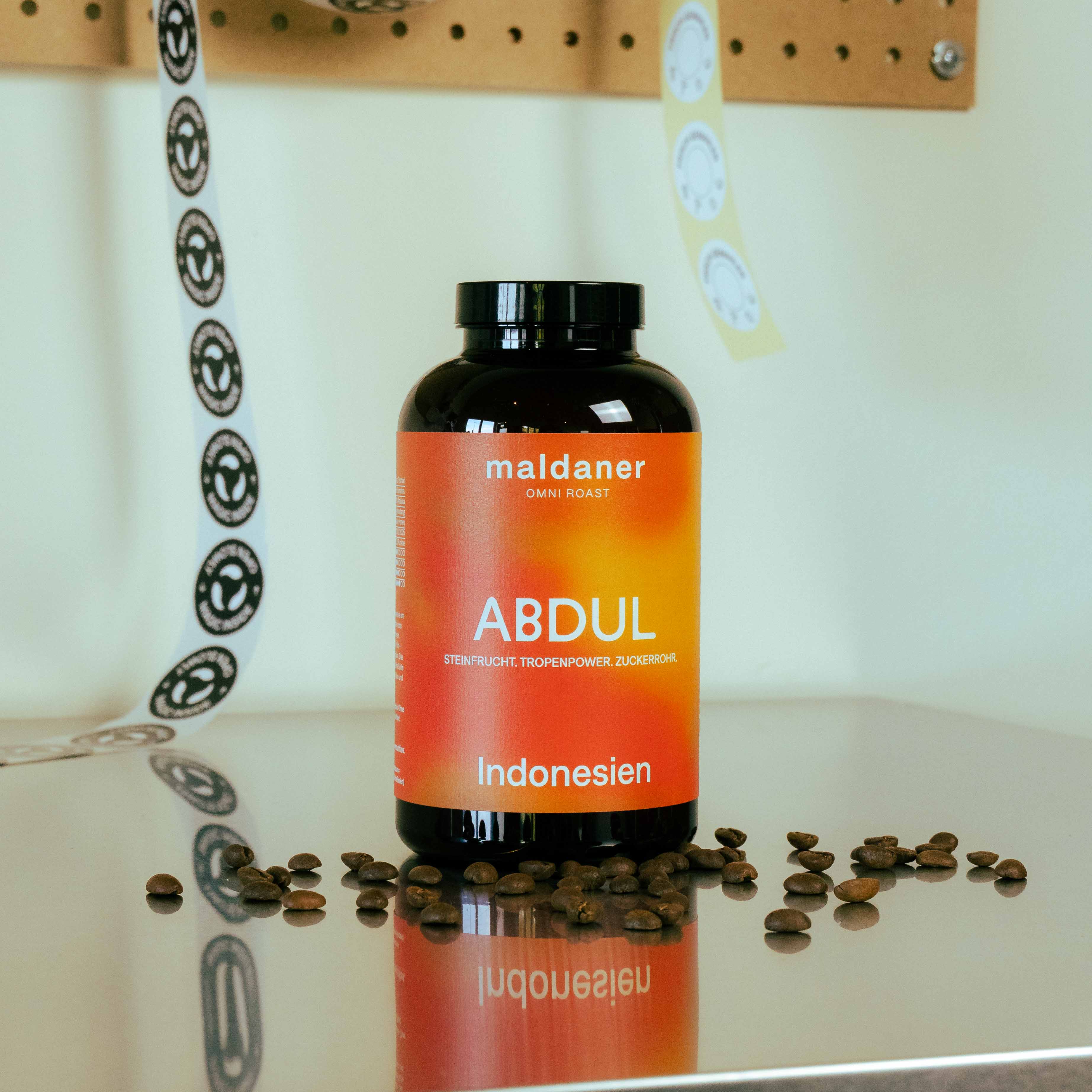
A light-to-medium omni roast from Kerinci in Jambi. Anaerobic fermentation brings noticeable fruit and sweetness while staying clean and precise.
Ripe stone fruit, tropical fruit, cane sugar
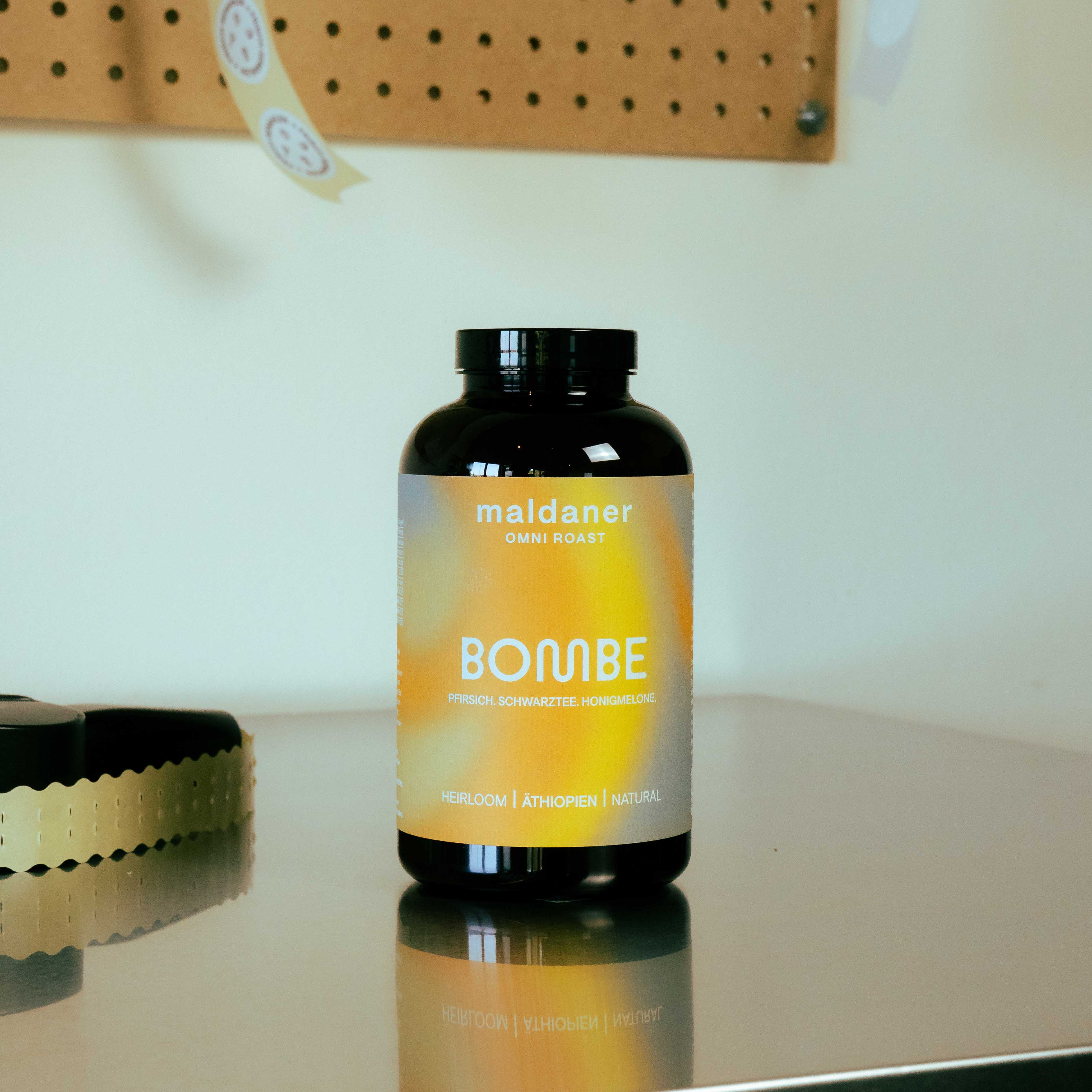
From the Ayla washing station in Bensa, Sidama, run by Testi Coffee. Processes cherry from 725+ independent smallholders farming under 2 hectares each, largely organic and interplanted with maize, grain and bananas.
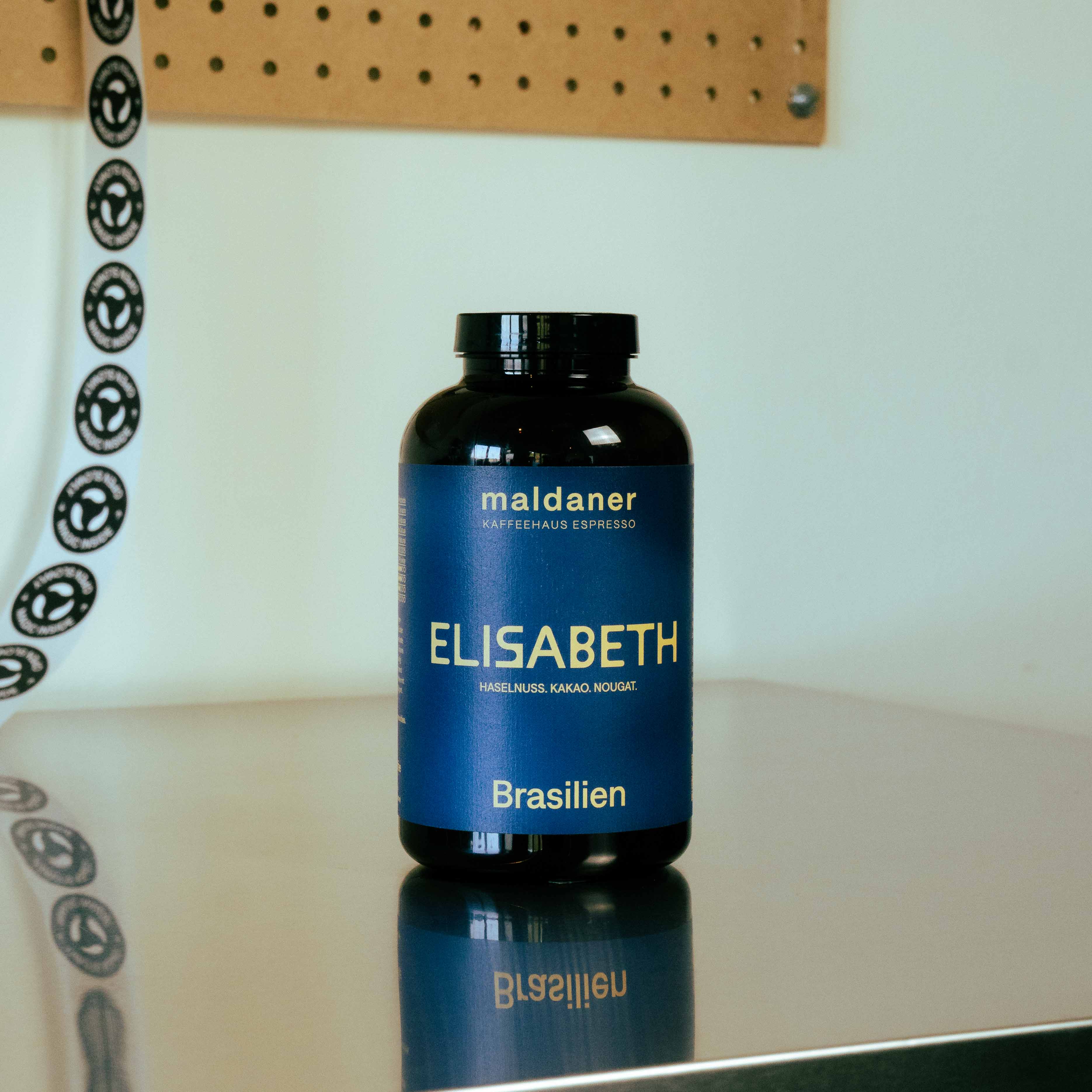
A round, pulped-natural Yellow Catuaí from Cerrado, Brazil. Full-bodied and balanced, with pleasant sweetness and very low acidity.
Hazelnut, cocoa, nougat
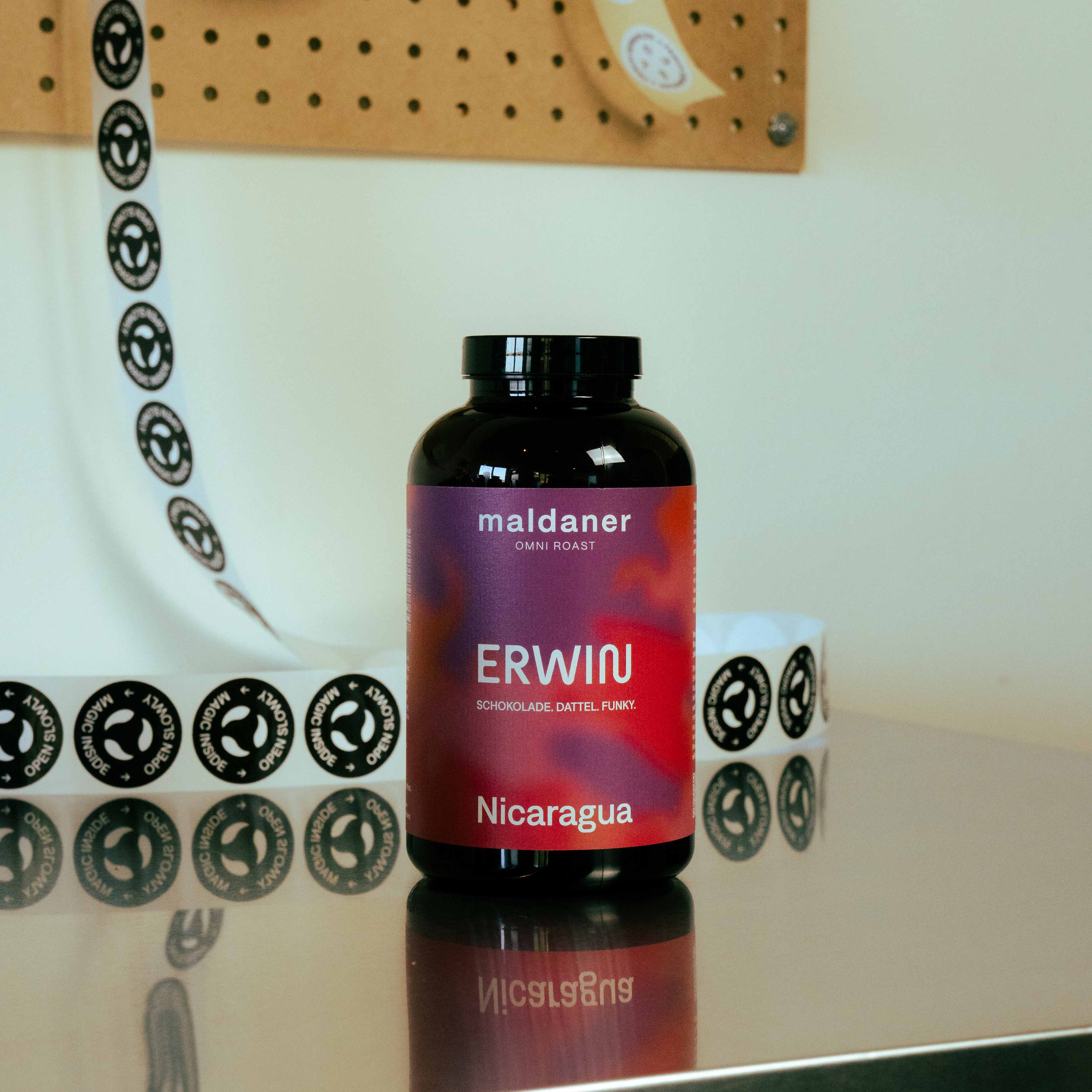
From Finca Los Placeres in Nicaragua's cool highlands, farmed for generations by the Mierisch family. Erwin Mierisch continues the family legacy, pairing tradition with sensory research.
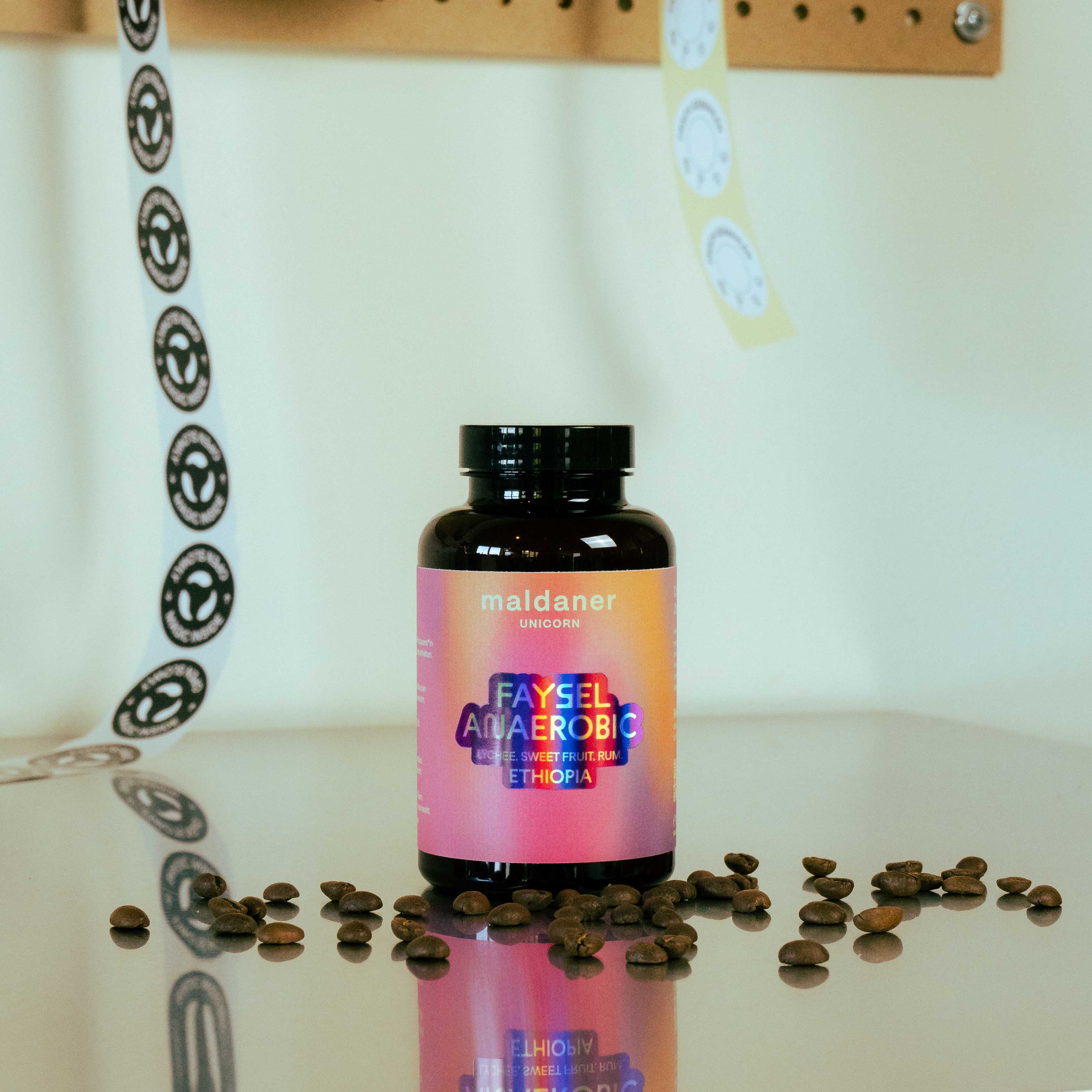
From the Yaye washing station, built in 2021 on the Gelana river by Testi Coffee. Around 300 smallholders farm under a hectare each; only ripe, healthy cherries are accepted, with hand re-sorting on raised beds and premiums paid directly to families.
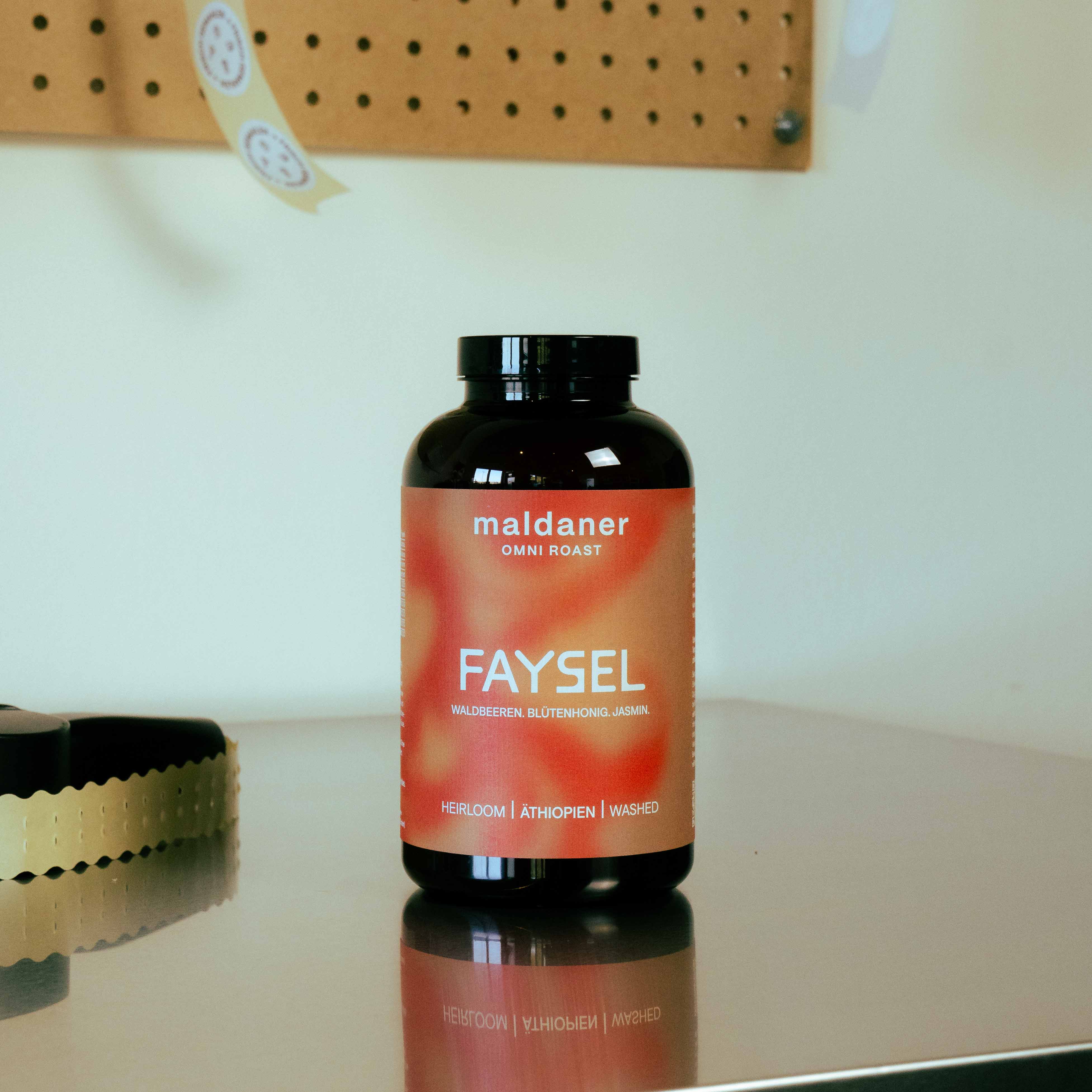
From Gara Agena in West Arsi, grown at volcanic-soil highlands around 2,000m. Sourced from 10 smallholders through an "Improved Process Project" that tracks and documents every step from picking to drying.
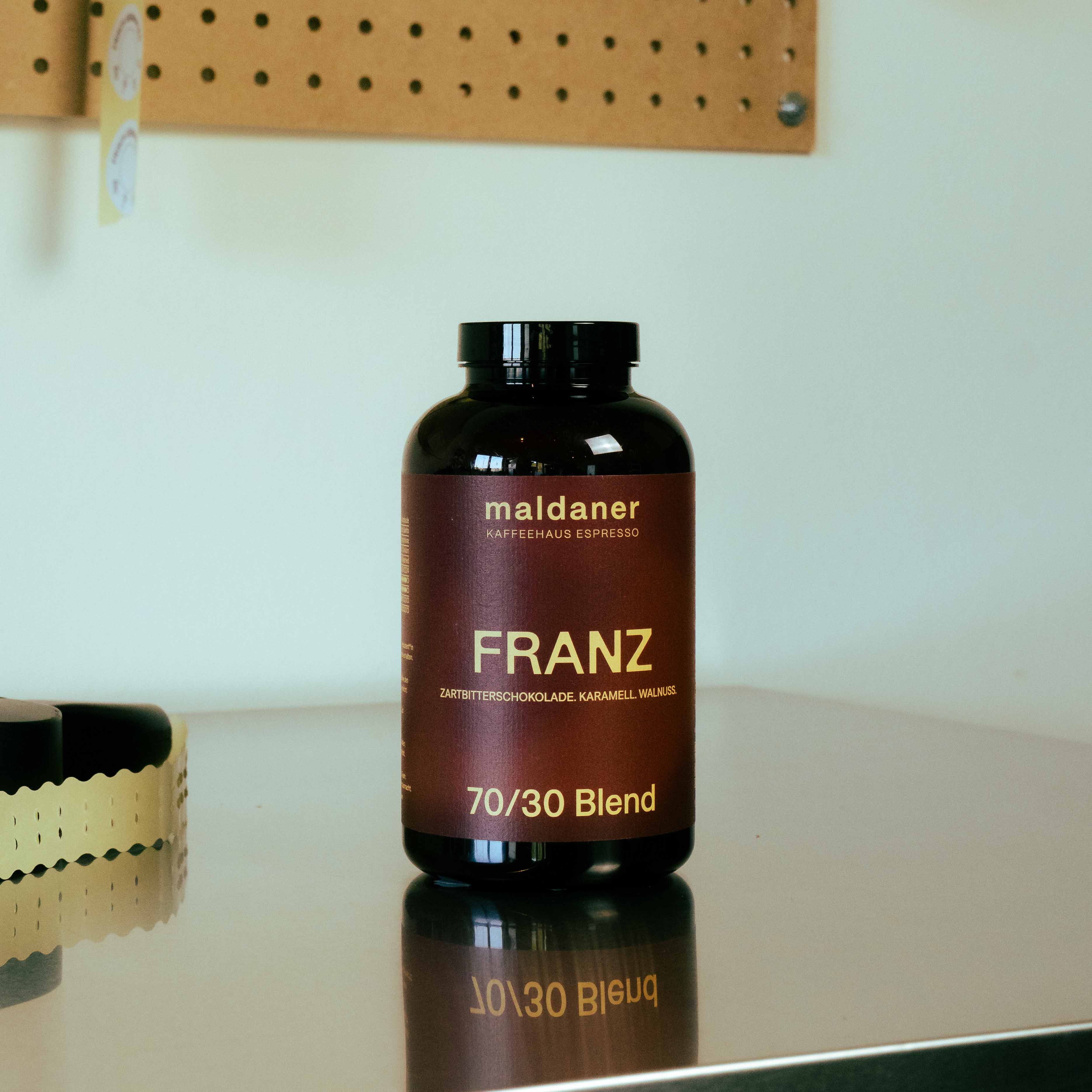
The Kaffeehaus favorite — a classic espresso blend of 70% Colombian Arabica and 30% Mexican Robusta, full-bodied and medium-strong with a fine sweetness.
Dark chocolate, brown sugar
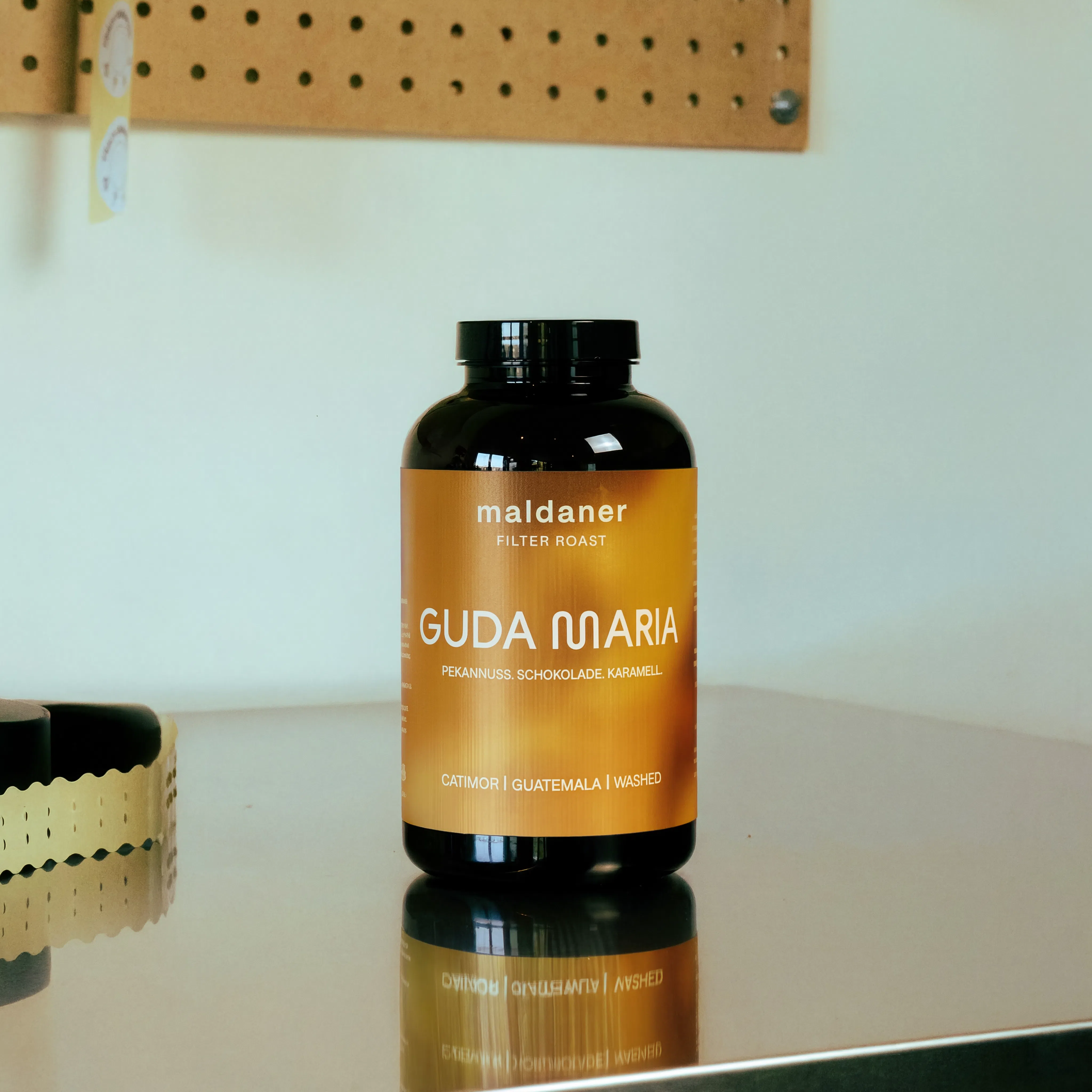
A round, nutty-chocolatey coffee from Lampocoy, Guatemala, from the Dethlev Cordts project. Medium body, restrained sweetness, barely any acidity.
nutty, chocolate
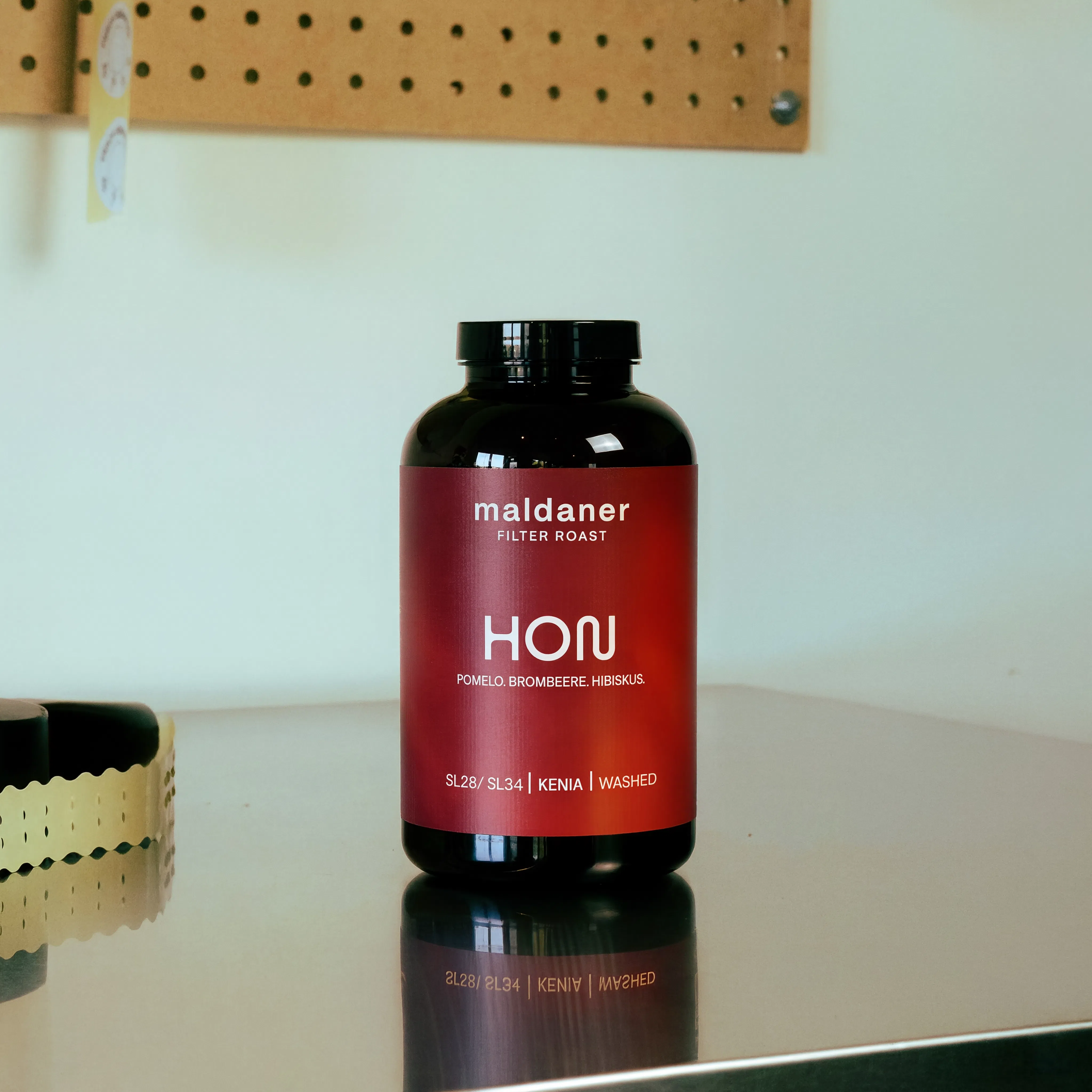
A clean, washed coffee from Nyeri, Kenya, marketed through the Kedovo project. Medium body, clear acidity, a lively snappy finish.
pomelo, blackberry, hibiscus
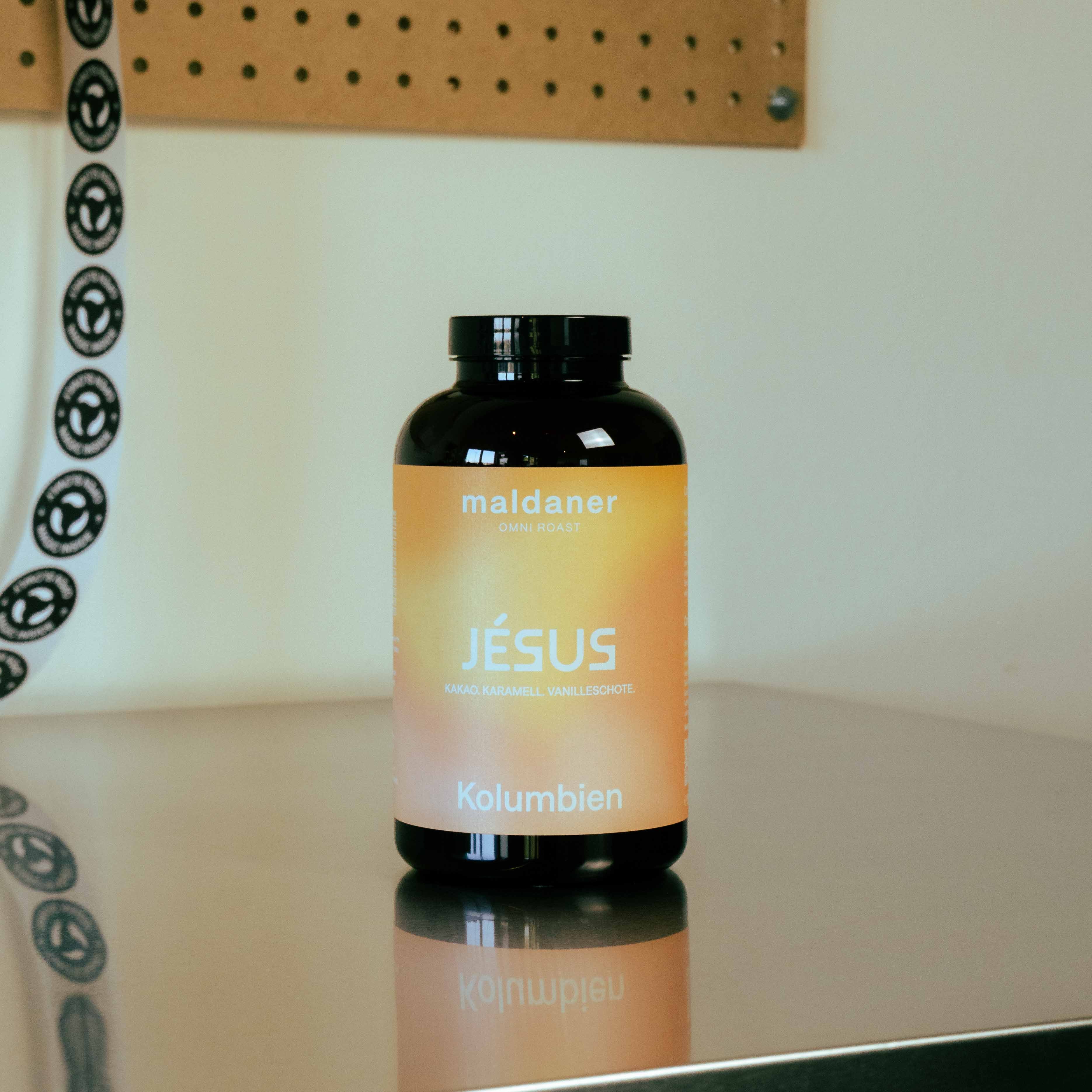
A clean, washed Colombian from La Unión & La Florida. Round and balanced, with pleasant body, restrained sweetness and moderate acidity. Works for both espresso and filter.
Cocoa, caramel, vanilla pod
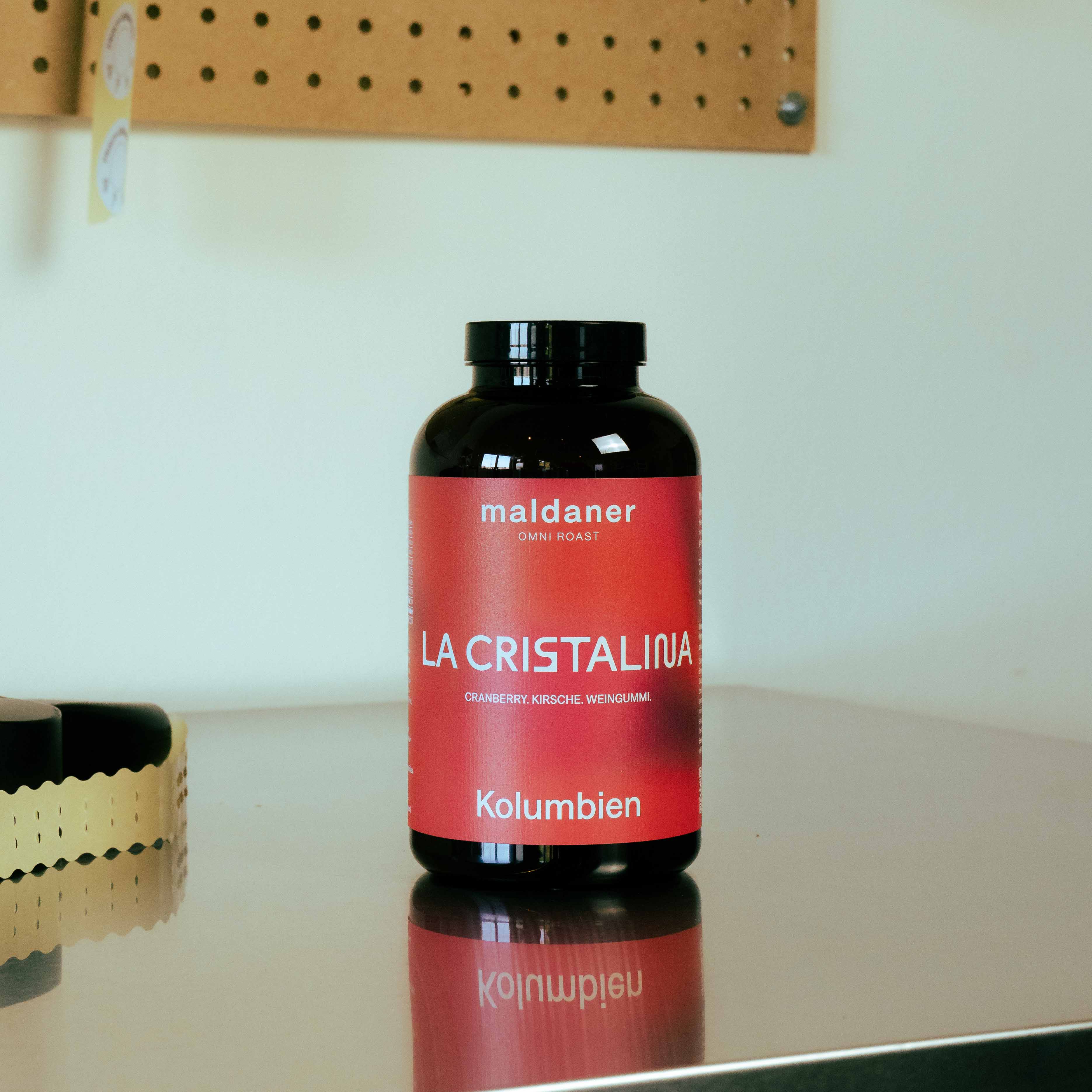
From Finca La Cristalina in Quindío, farmed by the Grajales family for over 100 years. Shade trees and sustainable practices at 1,400-1,450m produce an exceptionally high-quality lot. Limited microlot.
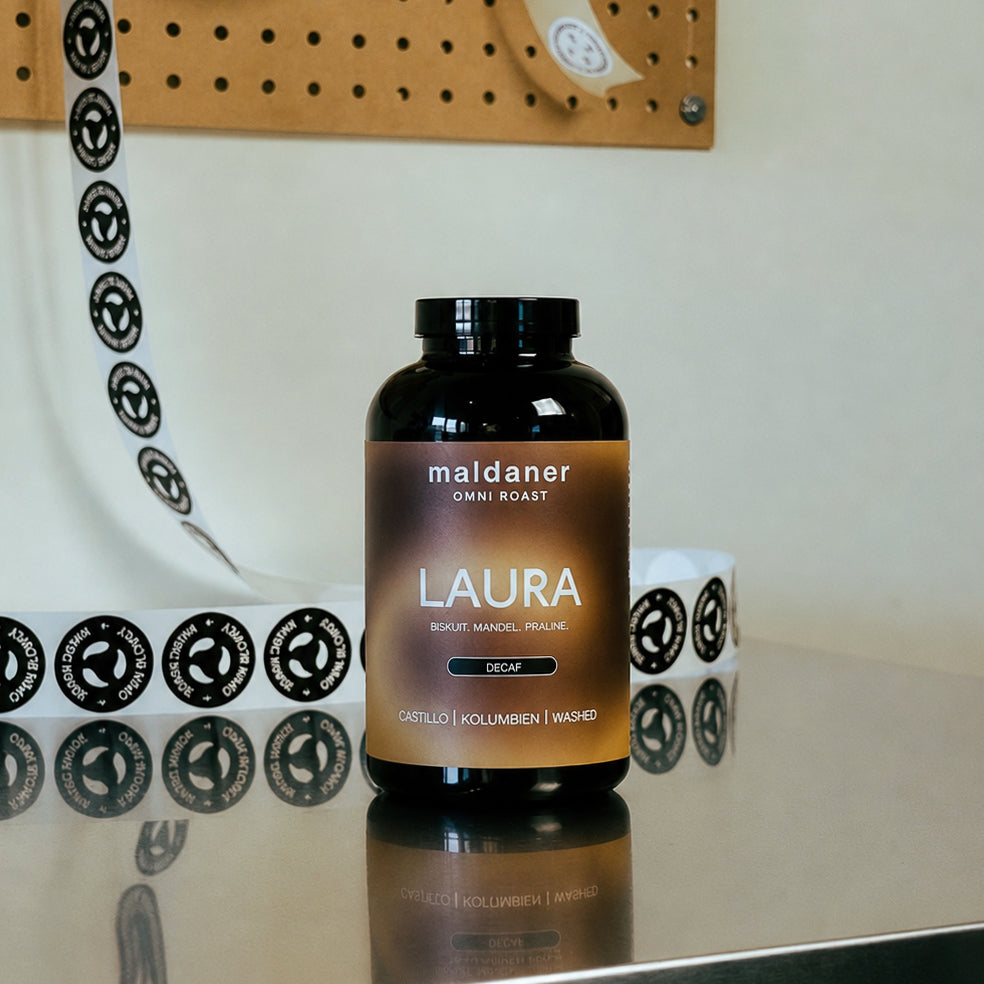
From the El Trébol women's cooperative in Santander, decaffeinated using the sugarcane (ethyl acetate) process.
Biscuit, almond, praline
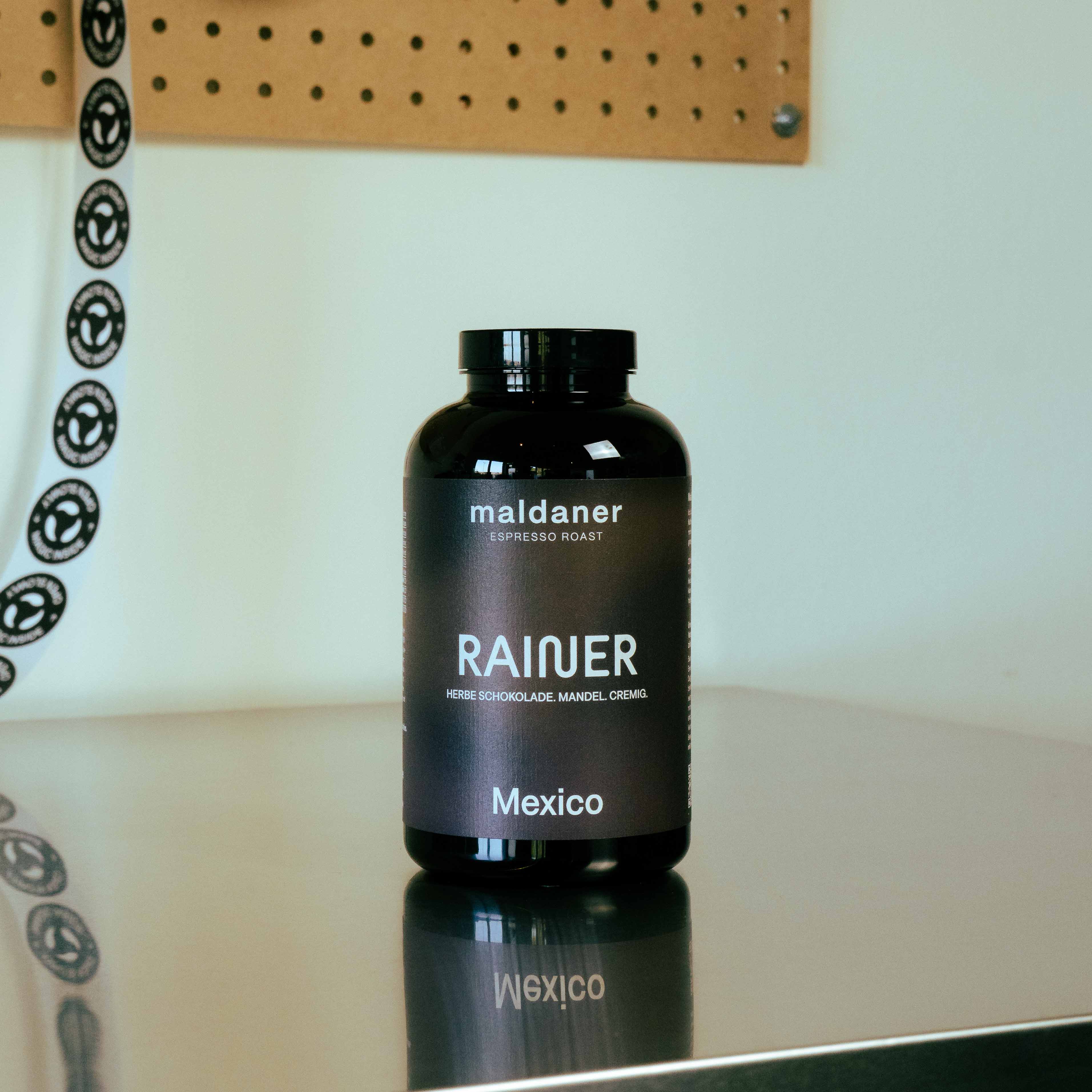
From Finca Fulda in Chiapas, founded in 1980 by German emigrant Rainer Böhme and his wife Ibbeth. The farm funds schooling, meals and medical care for its 500+ workers and their families through sustainable, resource-conscious cultivation.
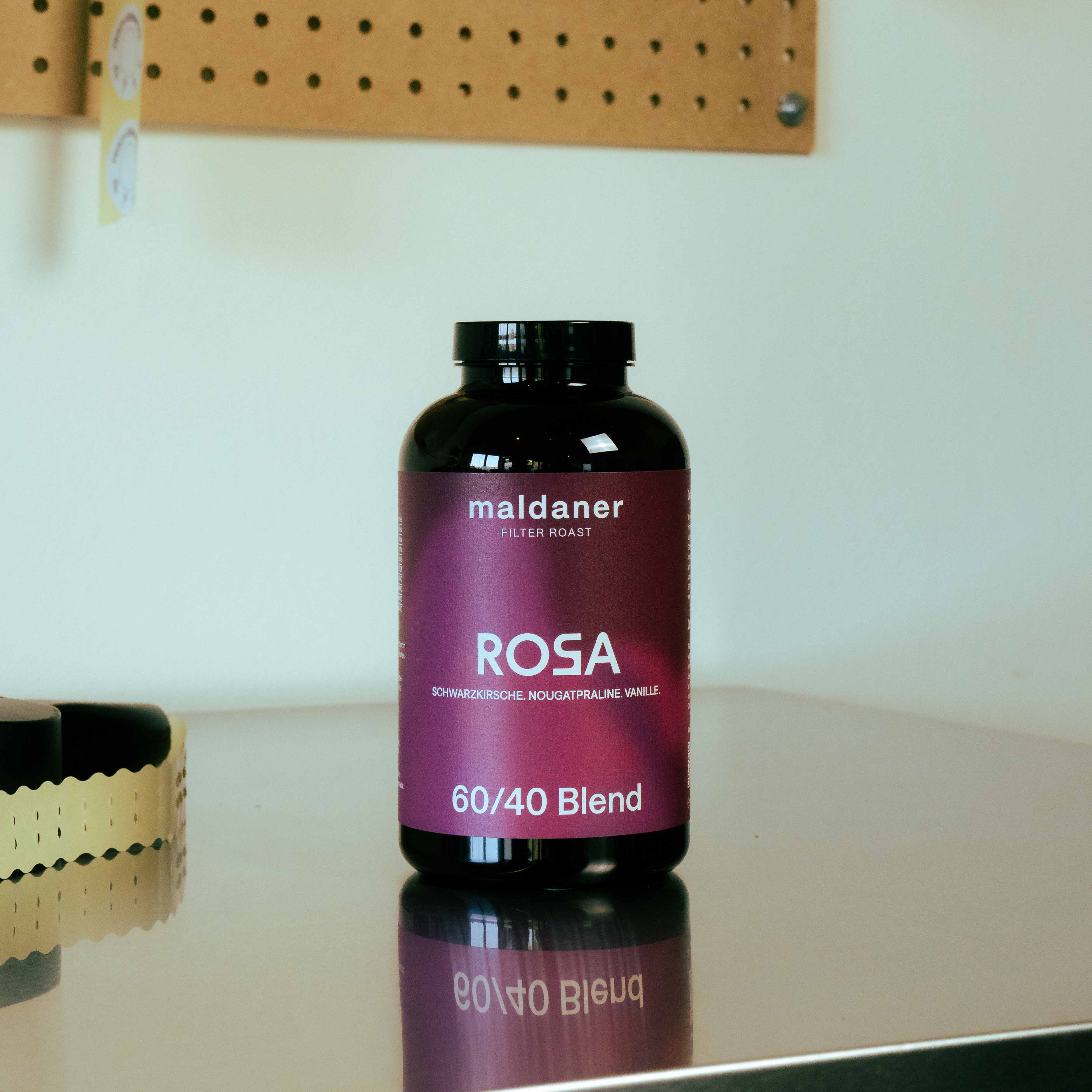
A blend of two Colombias: washed, chocolatey/nutty Arabica from Nariño (60%) and fruity, intense natural La Veranera beans from Tolima (40%). Built for filter and cold brew.
Chocolate, nutty, tropical fruit
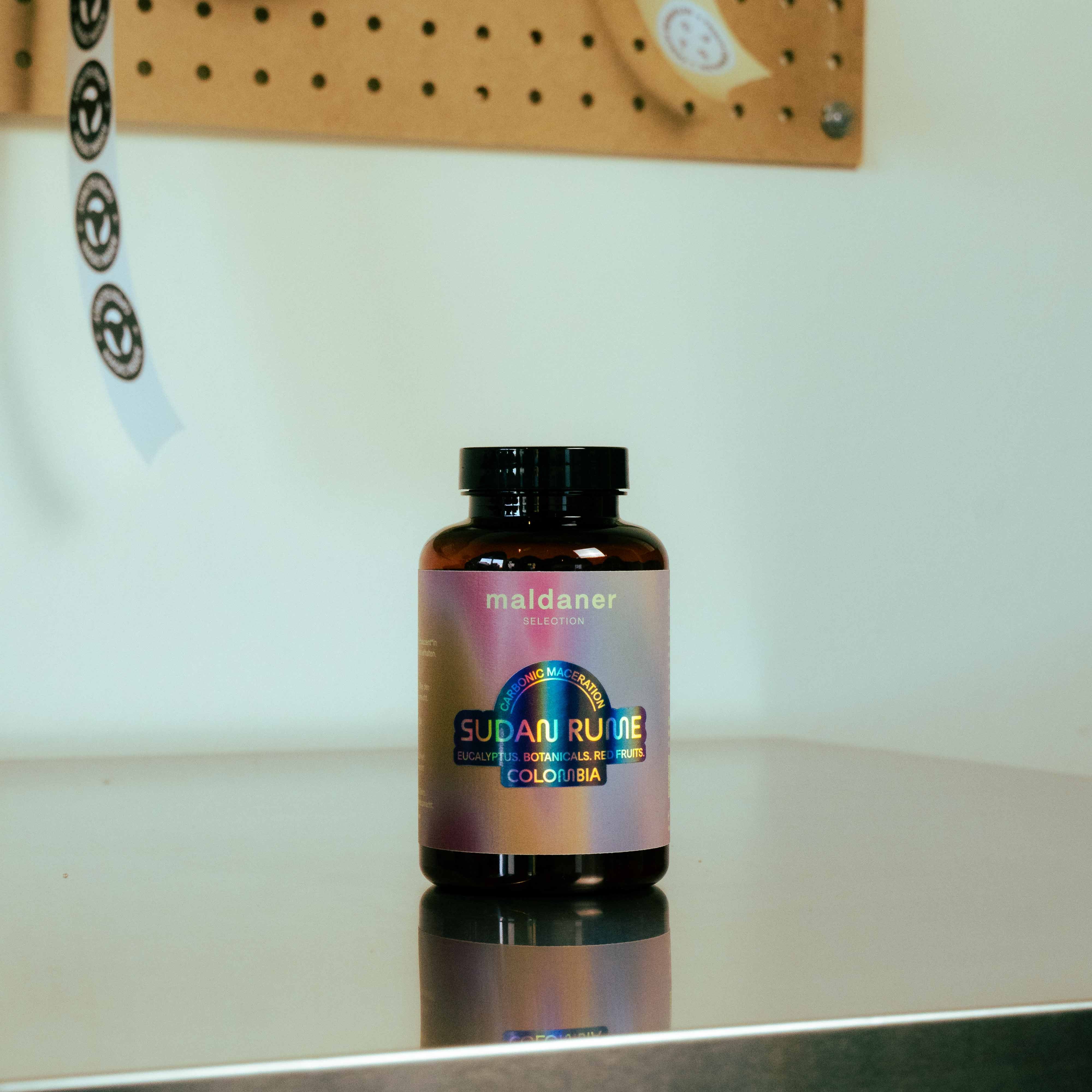
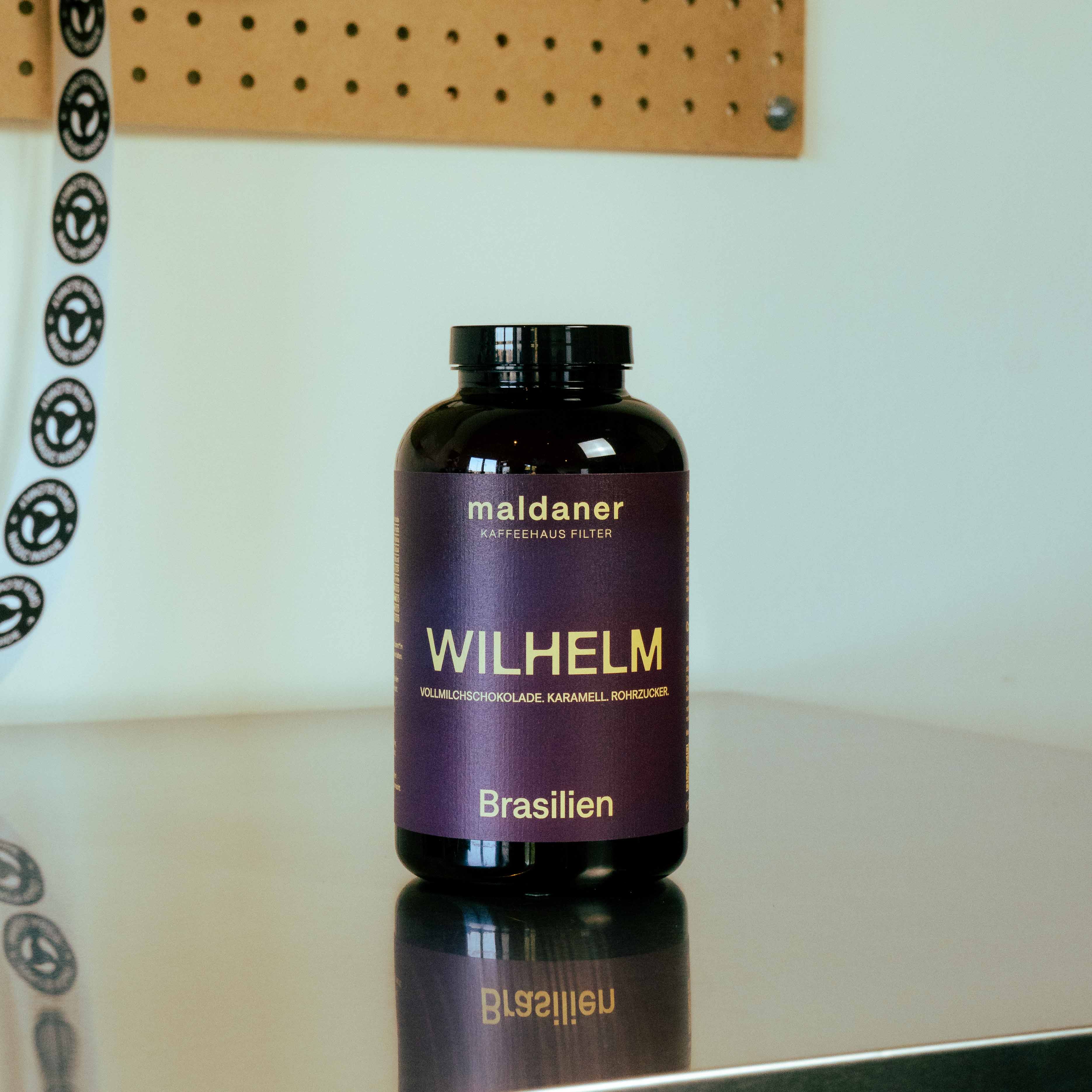
The house filter blend of Brazilian and Colombian beans. Velvety, mild and reliable for everyday brewing.
Milk chocolate, caramel, cane sugar