
Roasteries / Flight Coffee
Flight Coffee
Wellington, New Zealand
Flight Coffee is a Wellington specialty roaster that began in 2009 in a Hawke’s Bay garage, where Richard Corney started roasting his own coffee and was soon joined by Matt Graylee and Nick Clark. Its first café, Memphis Belle on Dixon Street, opened in 2010; in 2012 the roastery moved into a converted Te Aro car park that became The Hangar, now the flagship café, before roasting moved around the corner to the Garrett Street roast house in 2013. Matt went on to found the green-coffee company Raw Material, which runs the El Fénix farm and community wet mill in Quindío, Colombia, and underpins Flight’s stable-pricing buying model. Nick placed 5th at the 2013 World Barista Championship. Flight supplies cafés across New Zealand with blends such as Bomber, Thunderbolt and Memphis alongside rotating single origins, and is the official coffee partner of the Hurricanes. Source: flightcoffee.co.nz.
11
coffees
New Zealand
base
Photos

Location
Flight Coffee – The Hangar
119 Dixon Street, Te Aro, Wellington 6011, New ZealandDaily 7:00–14:00
027 535 0884Coffees
11 coffees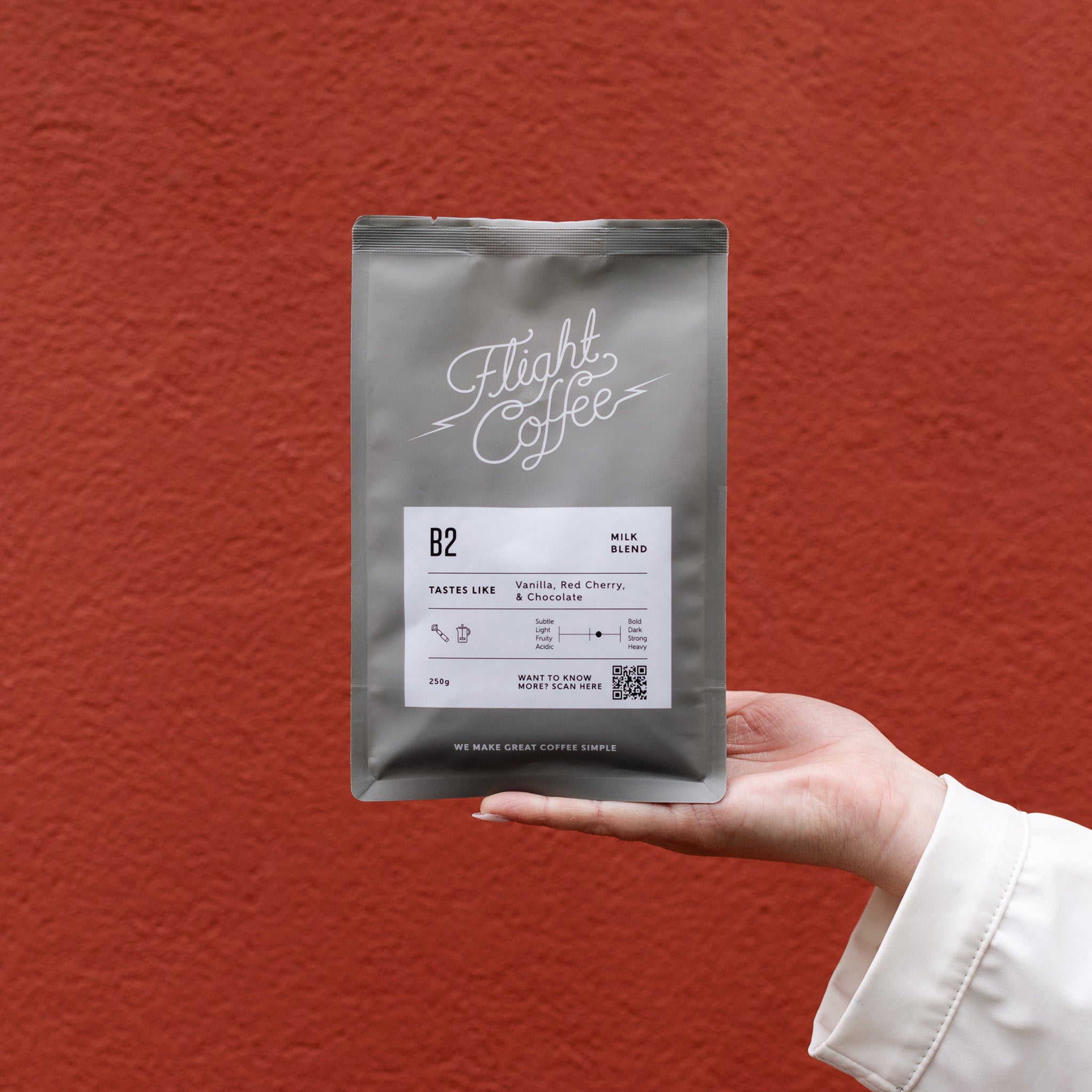
The same origins and ratios as Bomber, with a longer development phase that lowers acidity and builds sweetness and caramelisation. Made mainly for espresso with milk, and also works as a darker plunger. Vanilla, red cherry and chocolate. Source: flightcoffee.co.nz (roaster’s own copy).
Vanilla, red cherry, chocolate
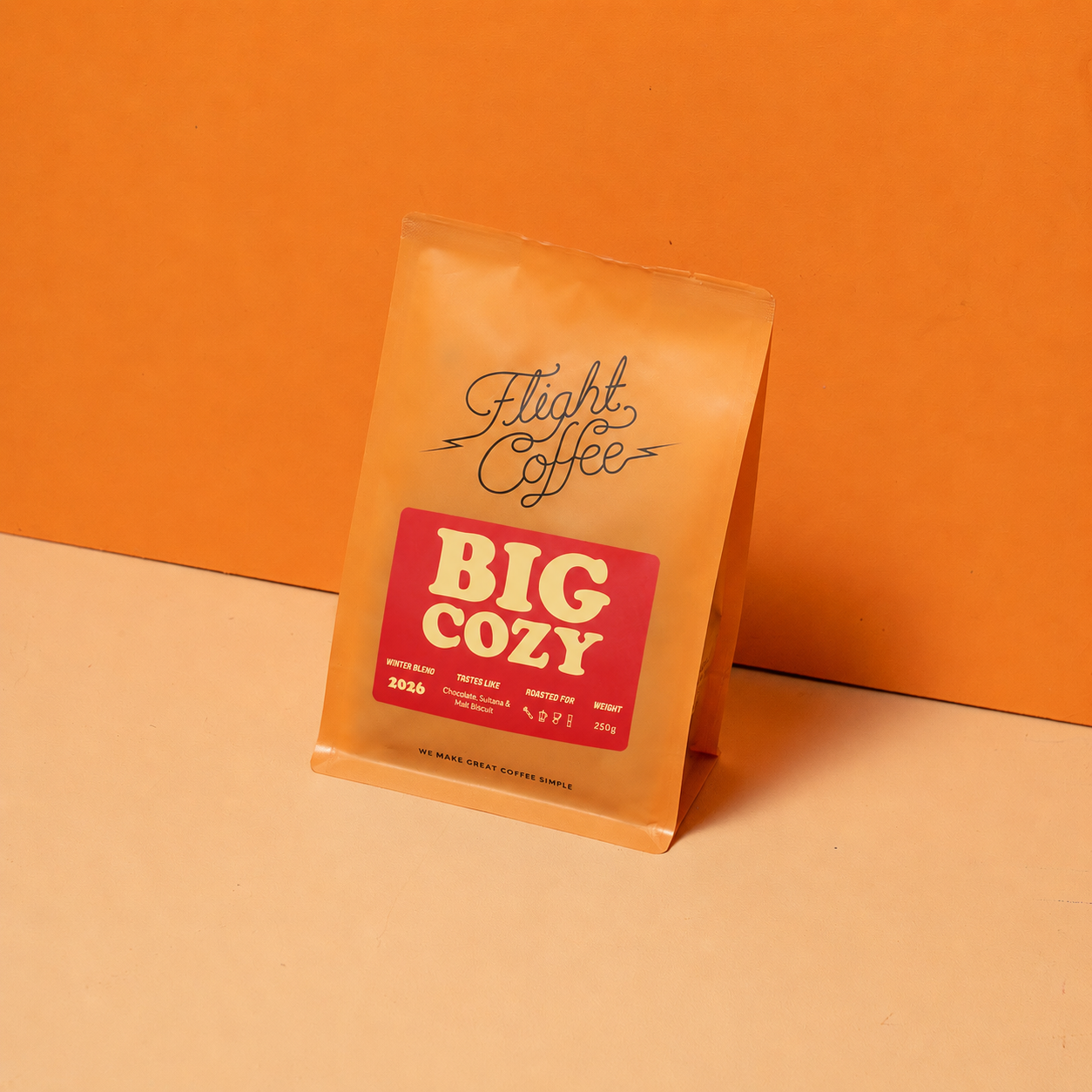
Flight’s limited-release winter blend of Brazil, Peru and Rwanda, rich and chocolatey and “built for cold mornings and colder arvos.” Chocolate, sultana and malt biscuit; suited to espresso, filter, AeroPress and French press. Source: flightcoffee.co.nz (roaster’s own copy).
Chocolate, sultana, malt biscuit
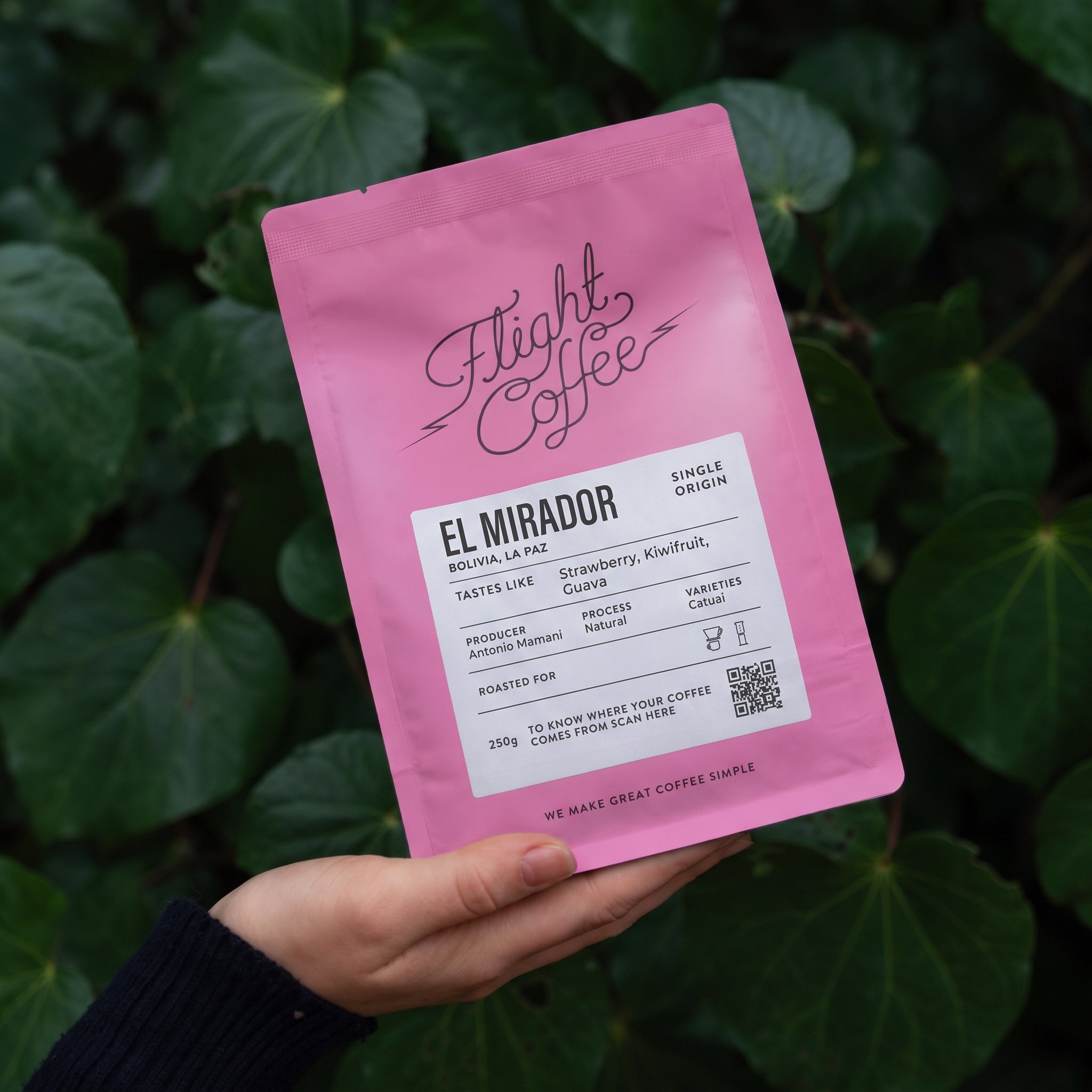
Natural Catuai grown at 1,650 masl on Finca El Mirador in the Yungas, where the Mamani family has farmed coffee for more than 50 years. Roasted for filter: strawberry, kiwifruit and guava. Source: flightcoffee.co.nz (roaster’s own copy).
Strawberry, kiwifruit, guava
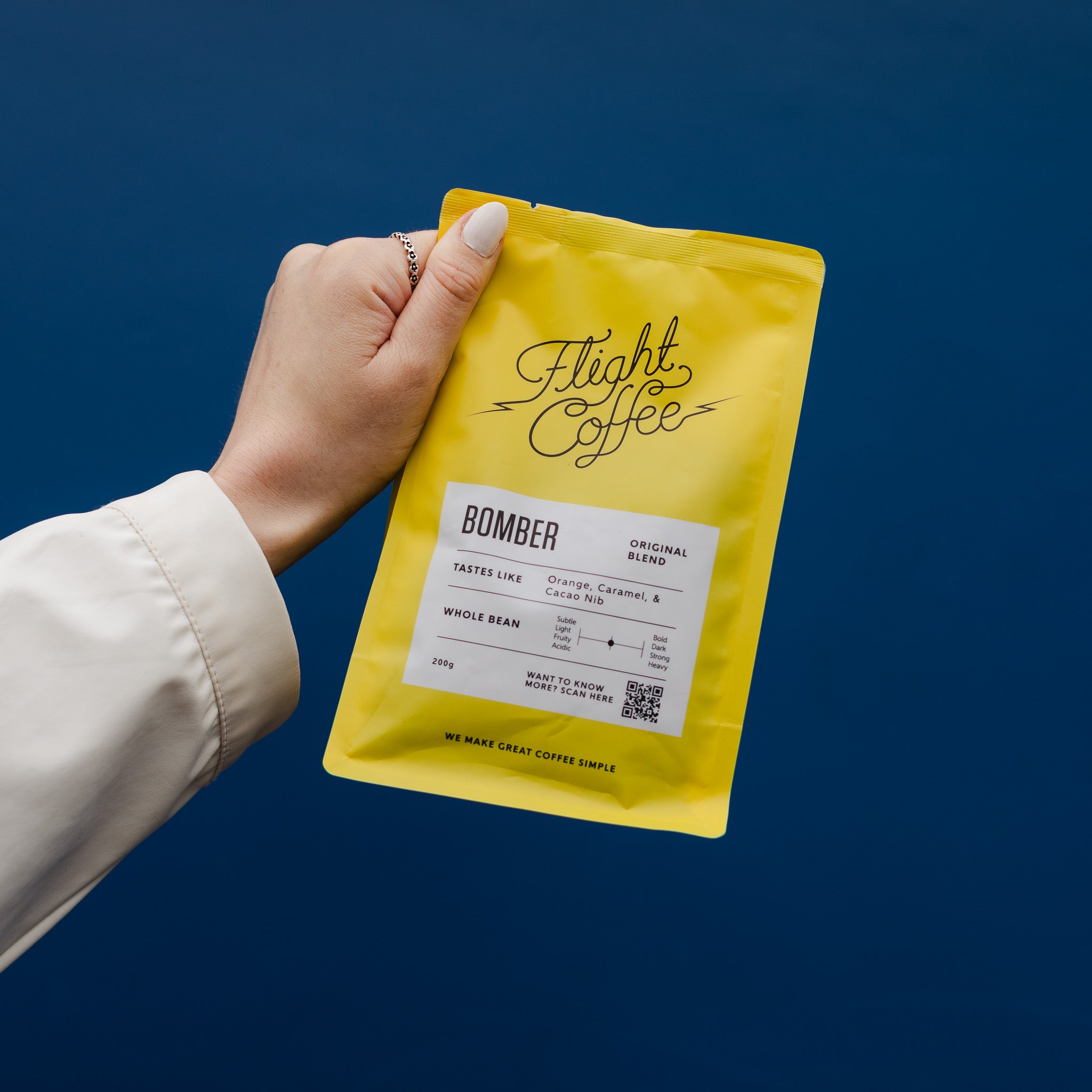
Flight’s first blend, designed around a campfire in 2009 for big sweetness, sparkling acidity and a creamy texture that works with or without milk. The all-rounder for espresso and filter: orange, caramel and cacao nib. Source: flightcoffee.co.nz (roaster’s own copy).
Orange, caramel, cacao nib
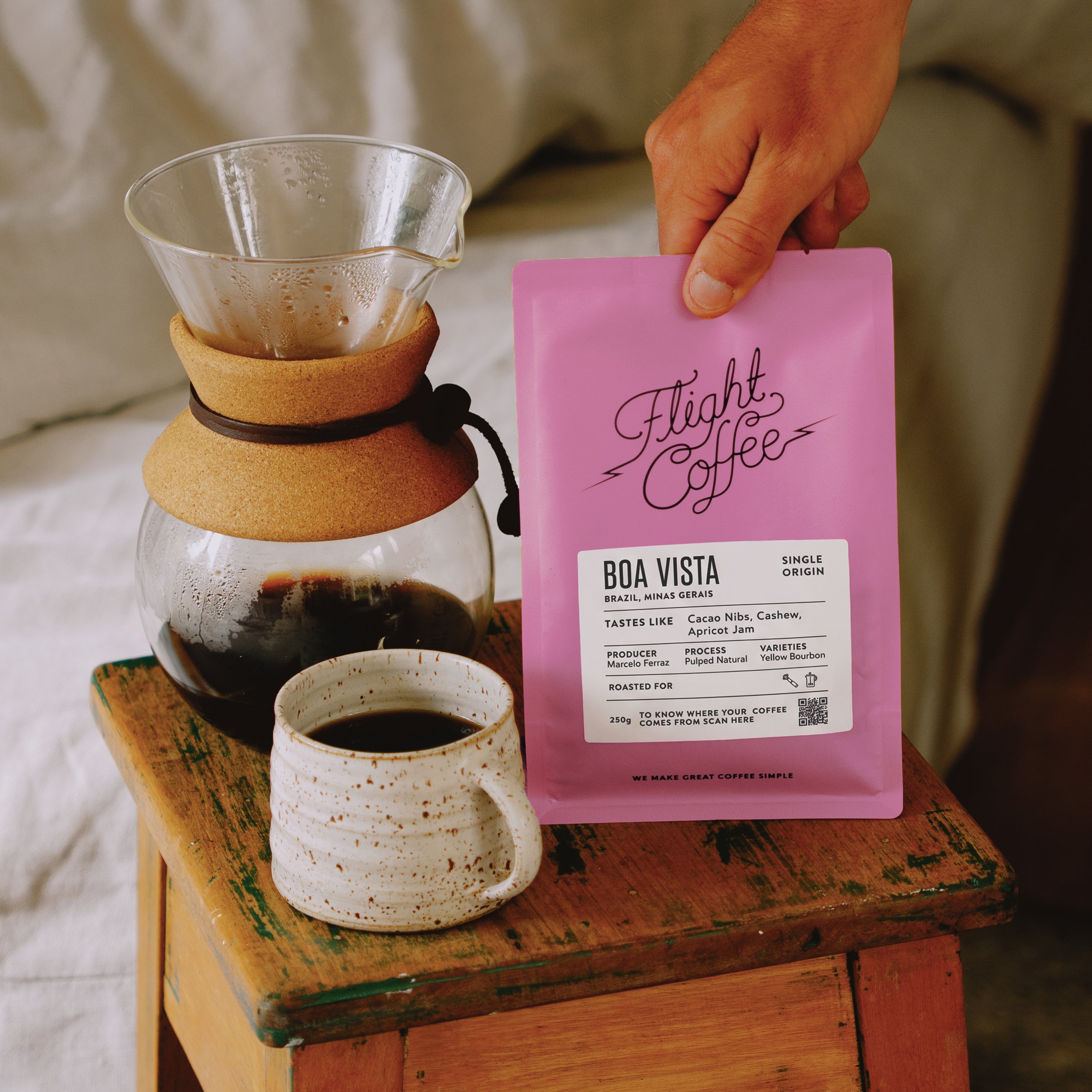
Pulped-natural Yellow Bourbon from Boa Vista in Minas Gerais (1,200 masl). The farm has grown coffee since 1975 and is now run by brothers Marcelo and Flavio Carvalho Ferraz. Roasted for espresso: cacao nibs, cashew and apricot jam. Source: flightcoffee.co.nz (roaster’s own copy).
Cacao nibs, cashew, apricot jam
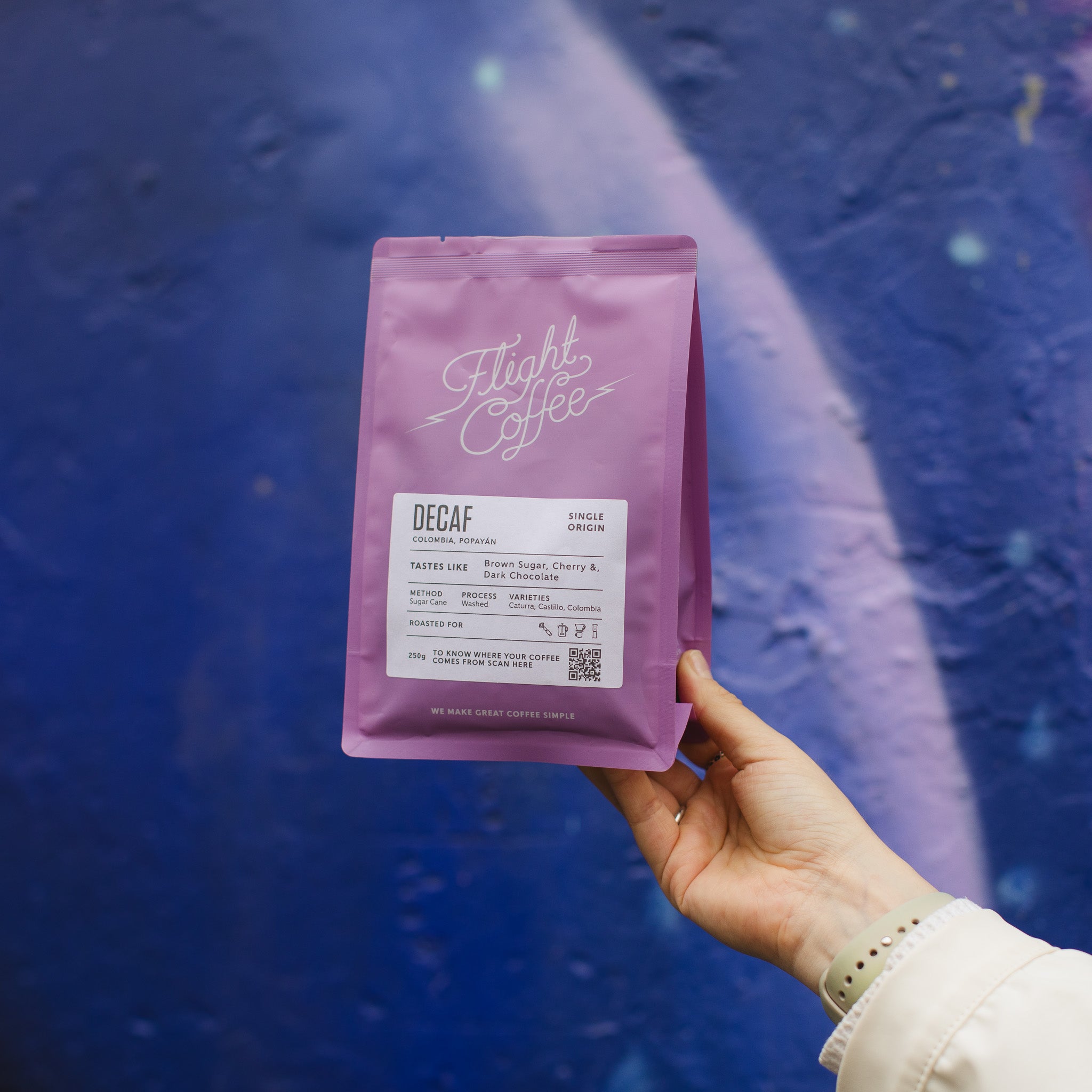
Rio Blanco EA Decaf, a blend from several growing areas around the Citlaltépetl volcano in Veracruz, decaffeinated with the sugar-cane ethyl acetate process. Brown sugar, cherry and dark chocolate. Source: flightcoffee.co.nz (roaster’s own copy).
Brown sugar, cherry, dark chocolate
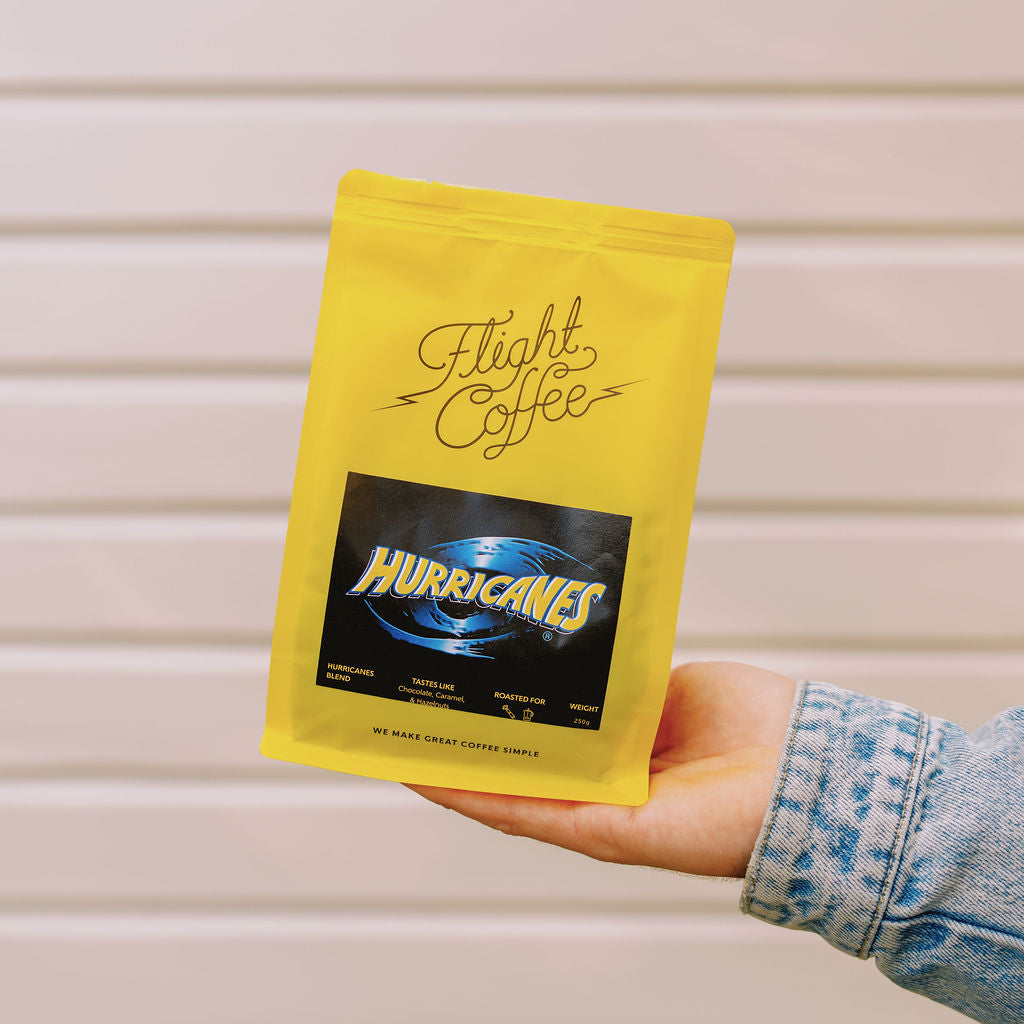
A bold, strong blend made with the Hurricanes rugby team, for whom Flight has been official coffee partner since 2025. Chocolate, caramel and hazelnuts. Source: flightcoffee.co.nz (roaster’s own copy).
Chocolate, caramel, hazelnuts
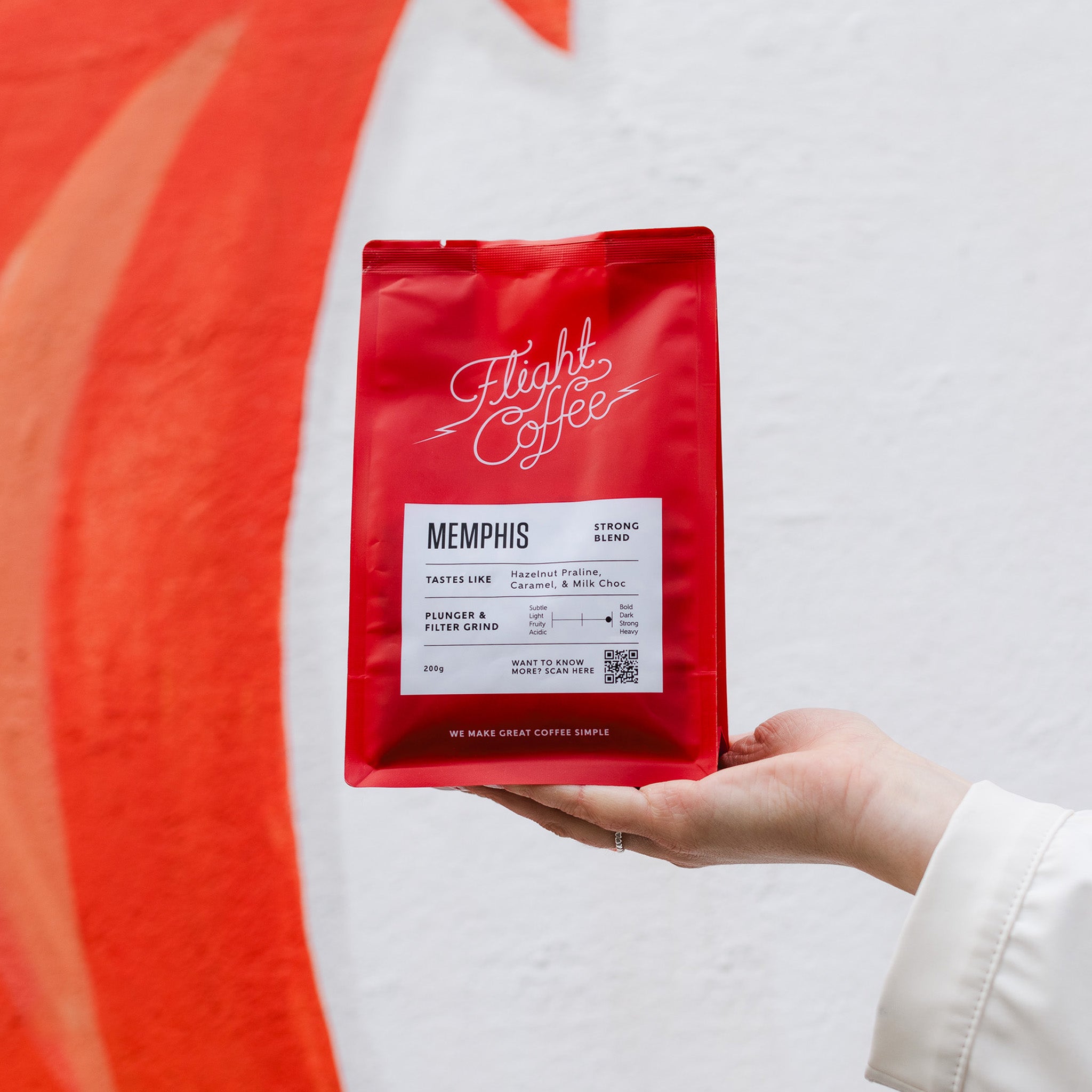
Flight’s strongest blend, roasted for a big round body and lots of chocolate so it holds up in large cups. Named after Memphis Belle, the company’s first café. Hazelnut praline, caramel and milk chocolate. Source: flightcoffee.co.nz (roaster’s own copy).
Hazelnut praline, caramel, milk chocolate
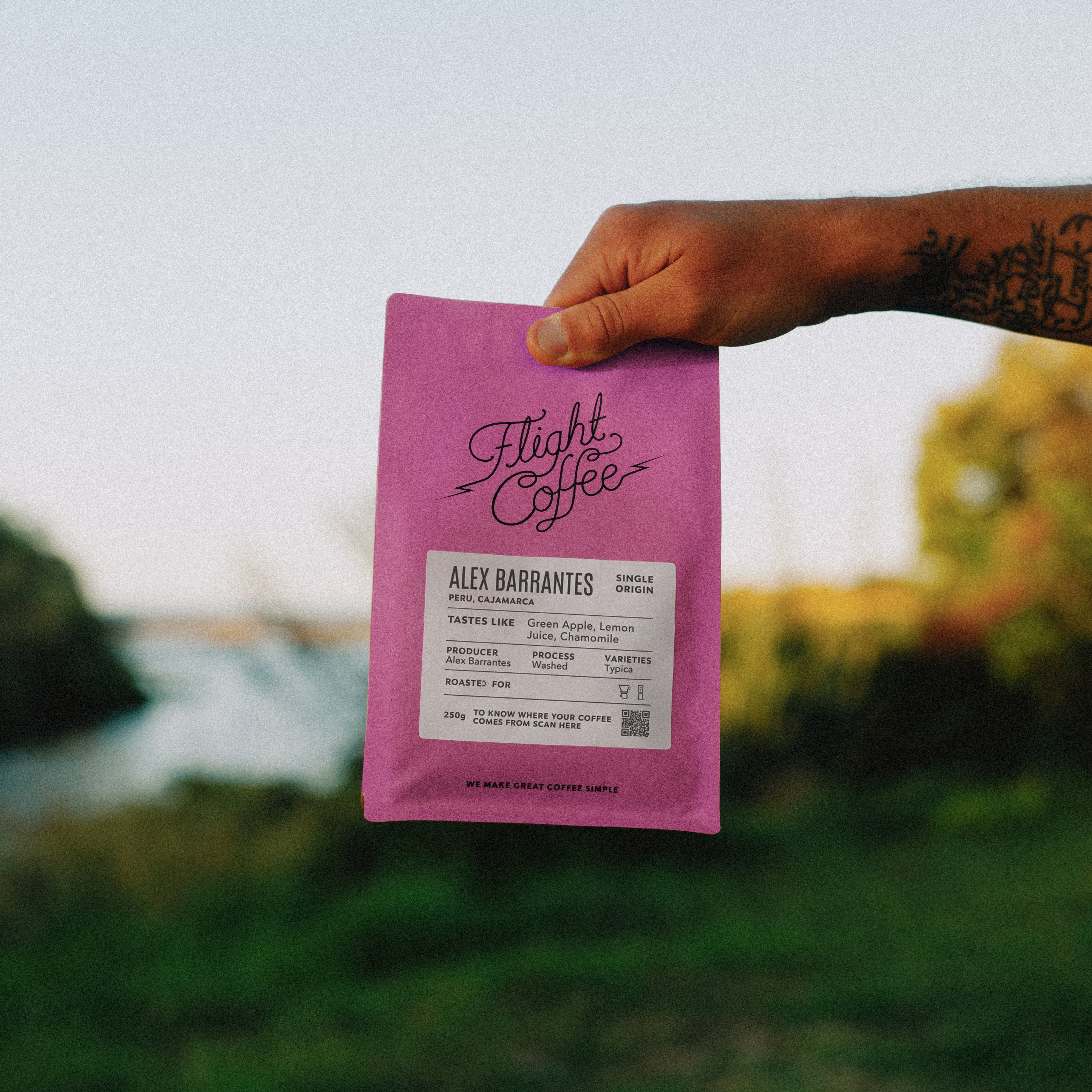
Washed Typica from Alex Barrantes in Cajamarca, grown at 1,900 masl. Alex’s approach to coffee, farming and environmental stewardship was handed down from his father. Roasted for filter: green apple, lemon juice and chamomile. Source: flightcoffee.co.nz (roaster’s own copy).
Green apple, lemon juice, chamomile
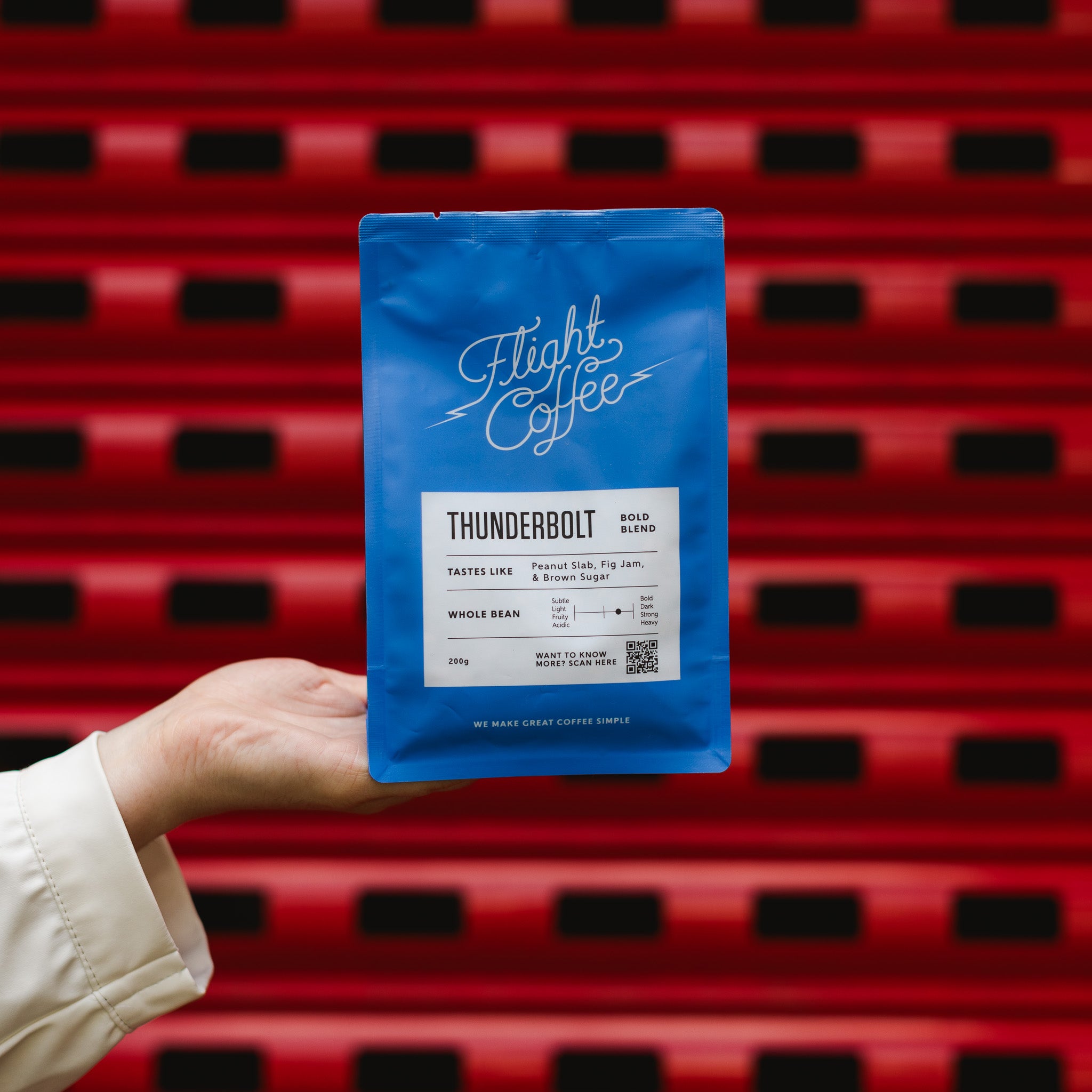
Flight’s rustic but finessed blend, described as “the stout of our coffee blends”: punchy, bold and sweet, built for people who want a kick. Peanut slab, fig jam and brown sugar. Source: flightcoffee.co.nz (roaster’s own copy).
Peanut slab, fig jam, brown sugar
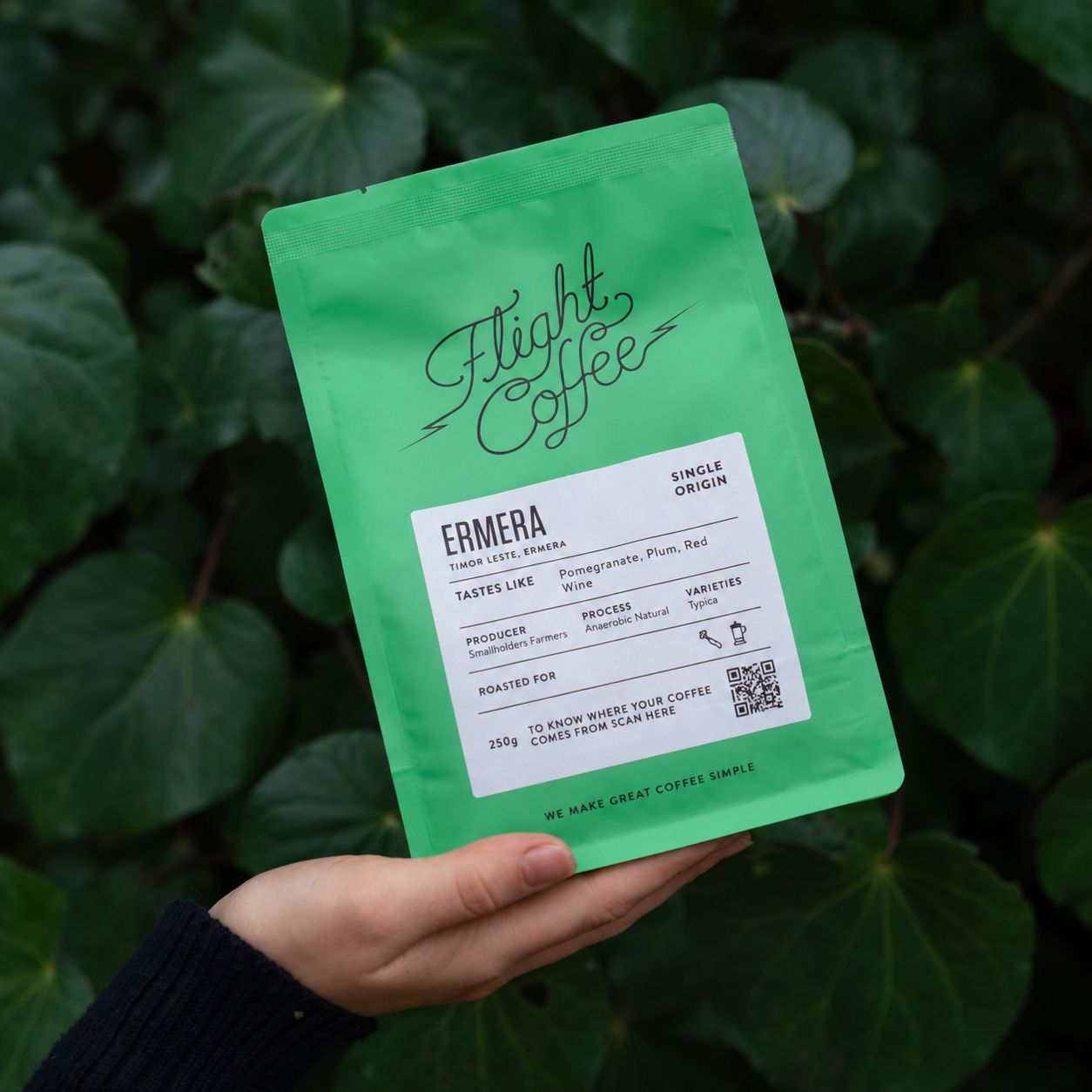
Typica from smallholder farms in the mountainous Ermera region (1,300–1,900 masl). The anaerobic natural process gives a fruit-forward cup. Roasted for espresso: pomegranate, plum and red wine. Source: flightcoffee.co.nz (roaster’s own copy).
Pomegranate, plum, red wine