
Roasteries / Alchemist Coffee

Alchemist Coffee
Sapporo, Japan
宮の森アルケミストコーヒー is a specialty roastery in Miyanomori — owner Eisuke Kawahara roasts on-site and supplies Michelin-listed restaurants.
10
coffees
Japan
base
Location
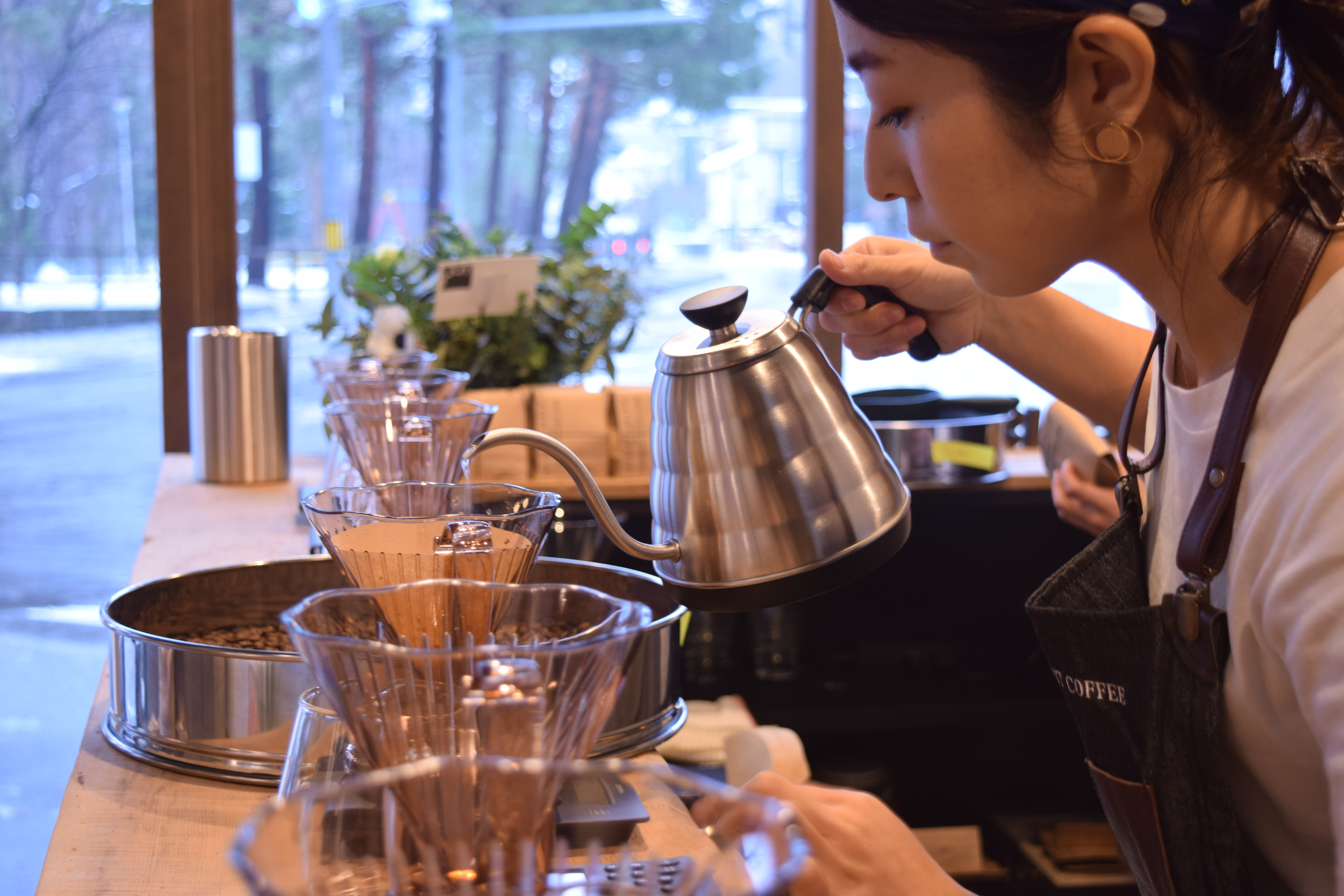
Alchemist Coffee
3-13-5-18 Miyanomori, Chuo Ward, Sapporo, JapanCoffees
10 coffees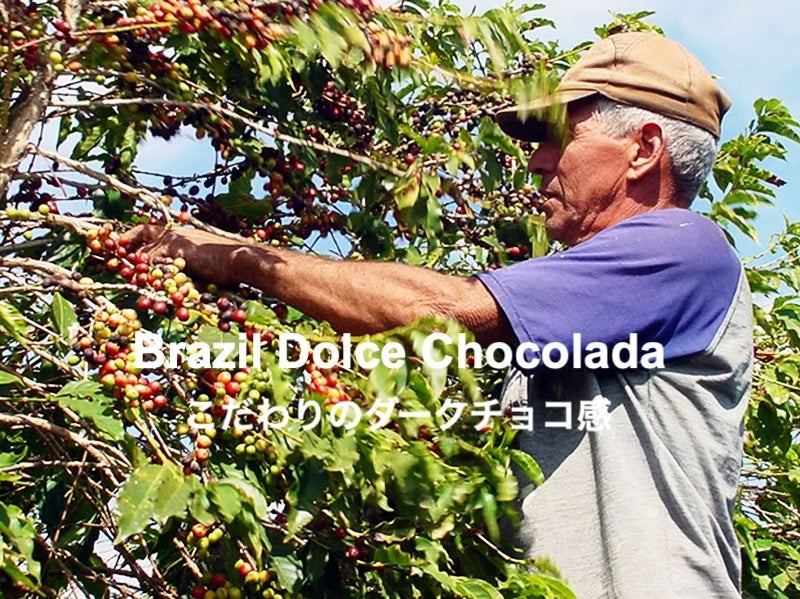
A coffee chosen for its dark-chocolate character: toasty nuts and dark chocolate with a solid body but no harshness, deep and sweet at once and very good with sweets. Lots from farms across Sul de Minas, Mogiana and Cerrado are dried slowly in Pinhalense dryers to protect the beans from heat damage.
Roasted nuts, dark chocolate
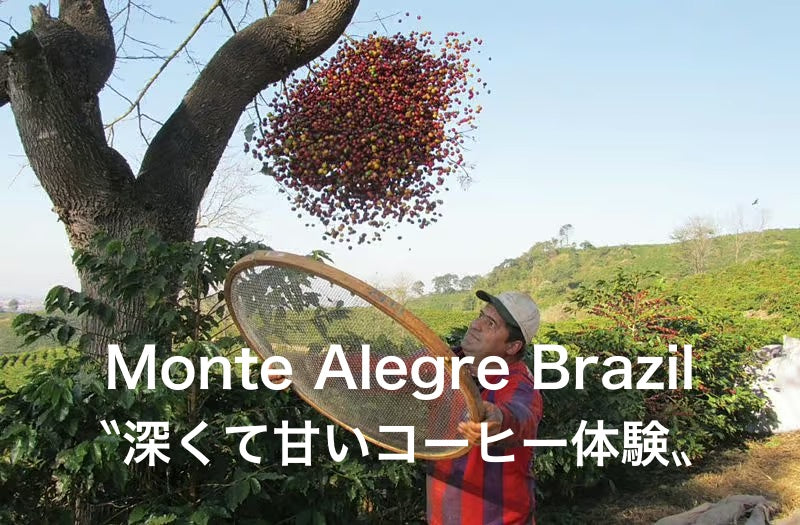
Monte Alegre in Minas Gerais is one of Brazil's largest farms, over 100 years old and a specialty pioneer whose science-led production is a model worldwide. Alchemist tunes the roast degree by degree to bring out its rum-like character: rum and vanilla aromas from the moment it brews, and juicy ripe fruit.
Rum, vanilla, ripe fruit
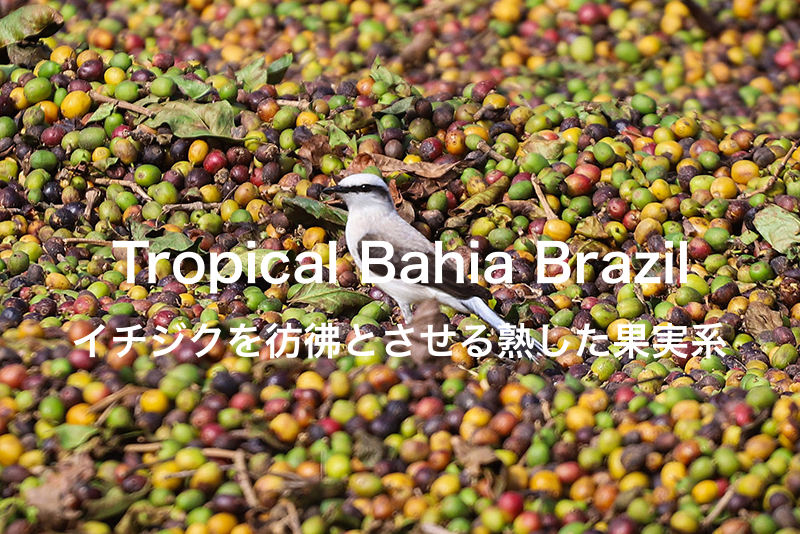
From more than 60 small family farms in Bahia that have no processing equipment of their own and so focus on the quality of the cherry itself. Ripe, sweet fruit like fig as it brews, guava as it cools, then almond-like sweetness and roastiness at the end.
Fig, guava, almond
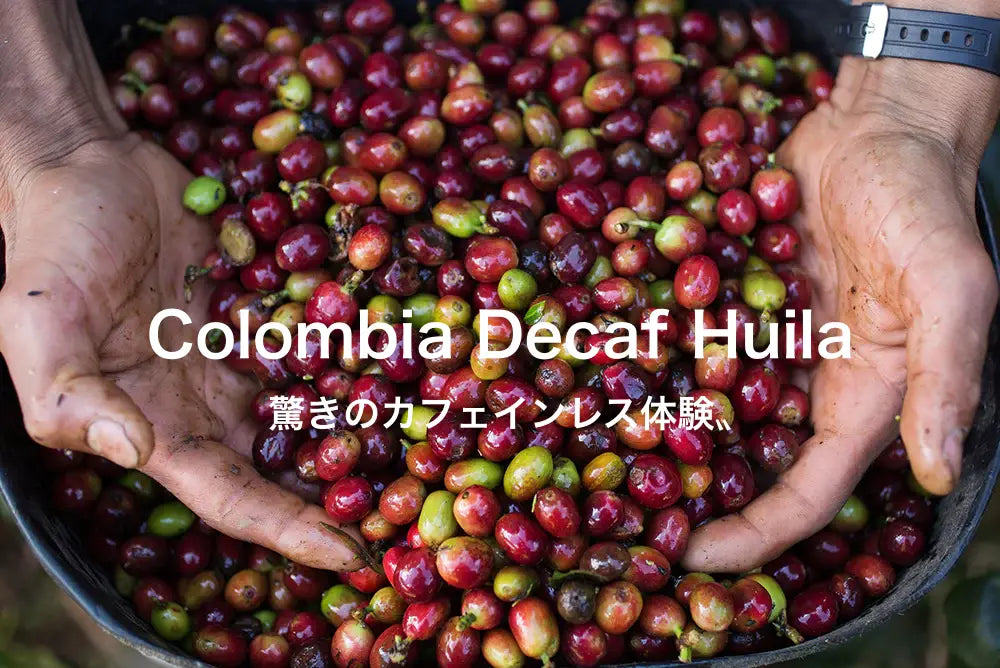
Decaffeinated by Mexico's Descamex with the solvent-free Mountain Water process, at one of the world's few organic decaf plants, like Alchemist's popular Chiapas decaf. Excellent balance and a savoury, umami texture, with butterscotch sweetness emerging as it cools.
Umami, butterscotch
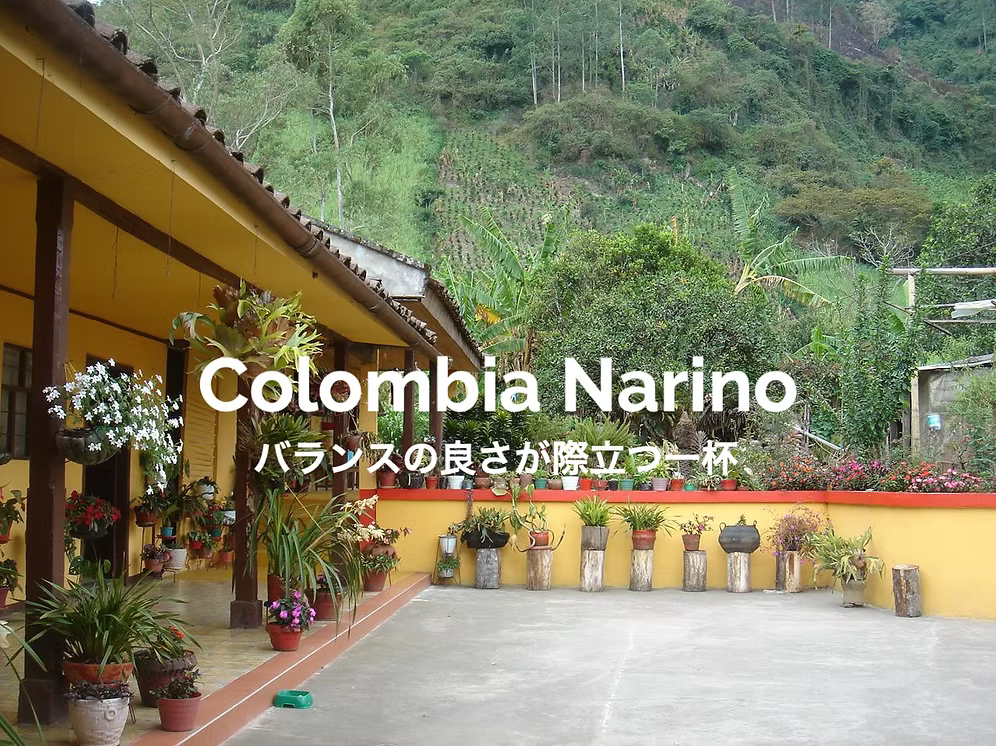
From Consacá, below the Galeras volcano and beside the Guaitara river, where rich volcanic soil, cool temperatures and unusually low humidity make it one of Colombia's rising quality areas. A cup balanced exactly between depth and freshness: a little roast, bright citrus and a clean finish.
Citrus, roast, clean finish
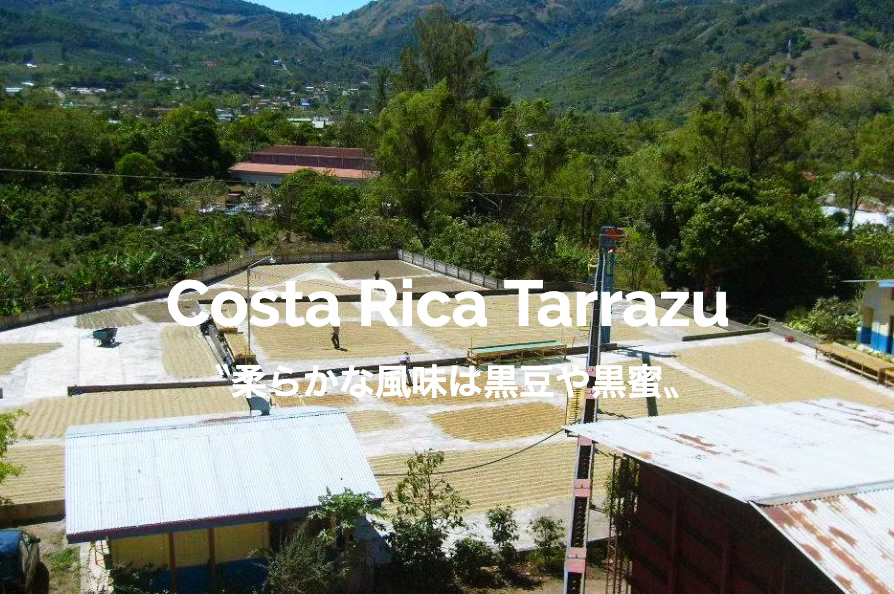
From Tarrazú, home to many of Costa Rica's best farms and micromills; the main farm, Gamboa, has been run for generations and picks only ripe cherries by hand. Deep and mellow, which Alchemist describes as sweet black beans and kuromitsu syrup; superb with Japanese sweets, especially yōkan.
Black beans, kuromitsu
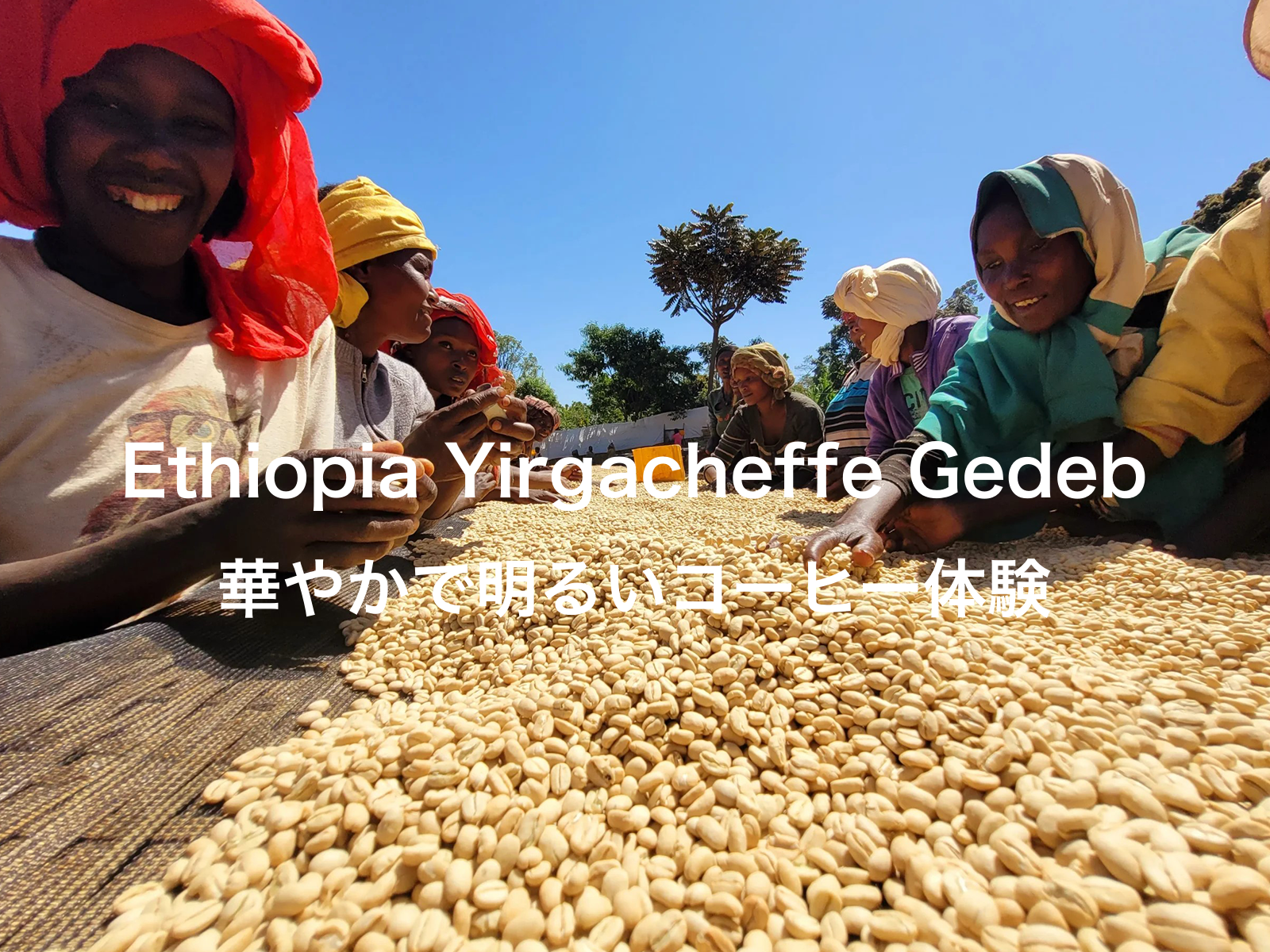
A classic washed Yirgacheffe from smallholders in Gedeb, the area of rivers, forests and lakes where production began in the 1950s and whose tea- and wine-like coffees are now hard to obtain. Like lemon tea with brown sugar; good hot or iced, and made for tea drinkers.
Lemon tea, brown sugar
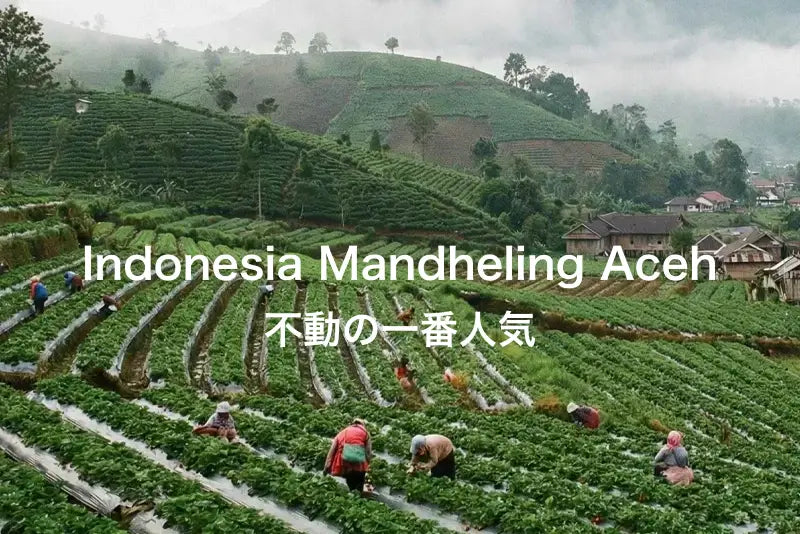
Alchemist's best-selling coffee, a heavy, distinctive Mandheling often described as "earthy". The farms keep the existing forest instead of clearing it, and with their exporter use a hybrid wet-hull process that keeps Sumatra's power while drawing out more sweetness and complexity.
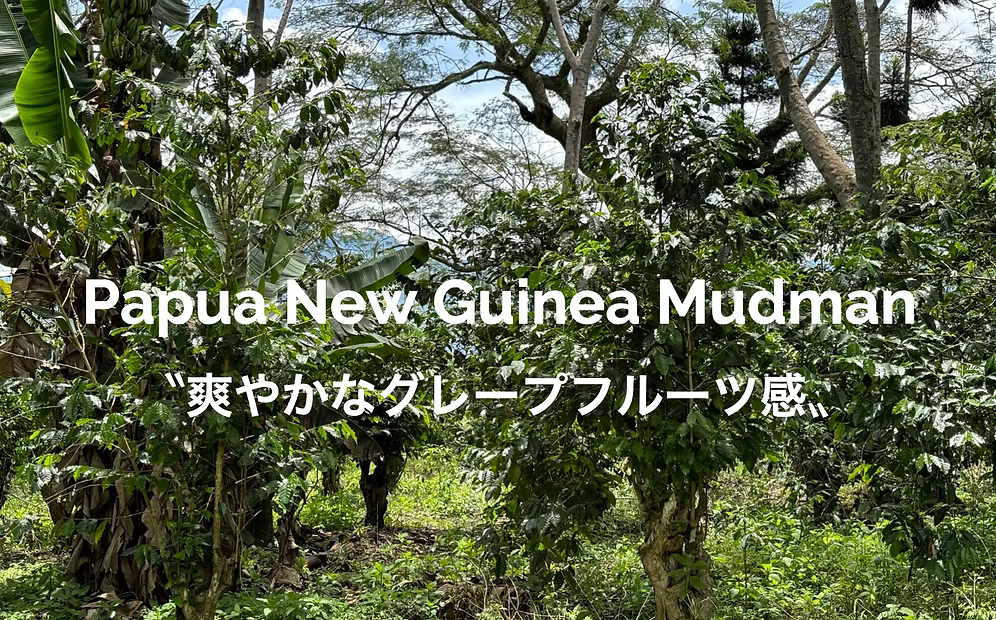
The farm owner, Peter, descends from the Mudmen, who cover themselves in mud for traditional rituals. The farm his grandfather started is divided into blocks run by local clans, who also choose their own buyers so that everyone feels like an owner. Clear, clean and juicy, with refreshing grapefruit and a long, pretty finish.
Grapefruit, citrus
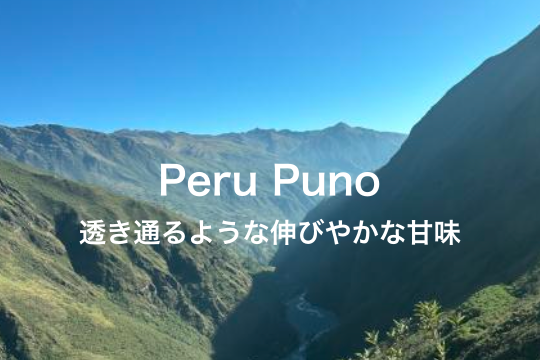
Puno sits near the Bolivian border beyond the Andes at the Amazon headwaters, with farms scattered along cliff paths no car or motorbike can reach, and is seen as Peru's highest-potential coffee region. Balanced at first, then a long, clear sweet finish that Alchemist compares to Pocari Sweat; for light- and dark-roast drinkers alike.
Long, clear sweetness