
Roasteries / WatchHouse

WatchHouse
London, United Kingdom
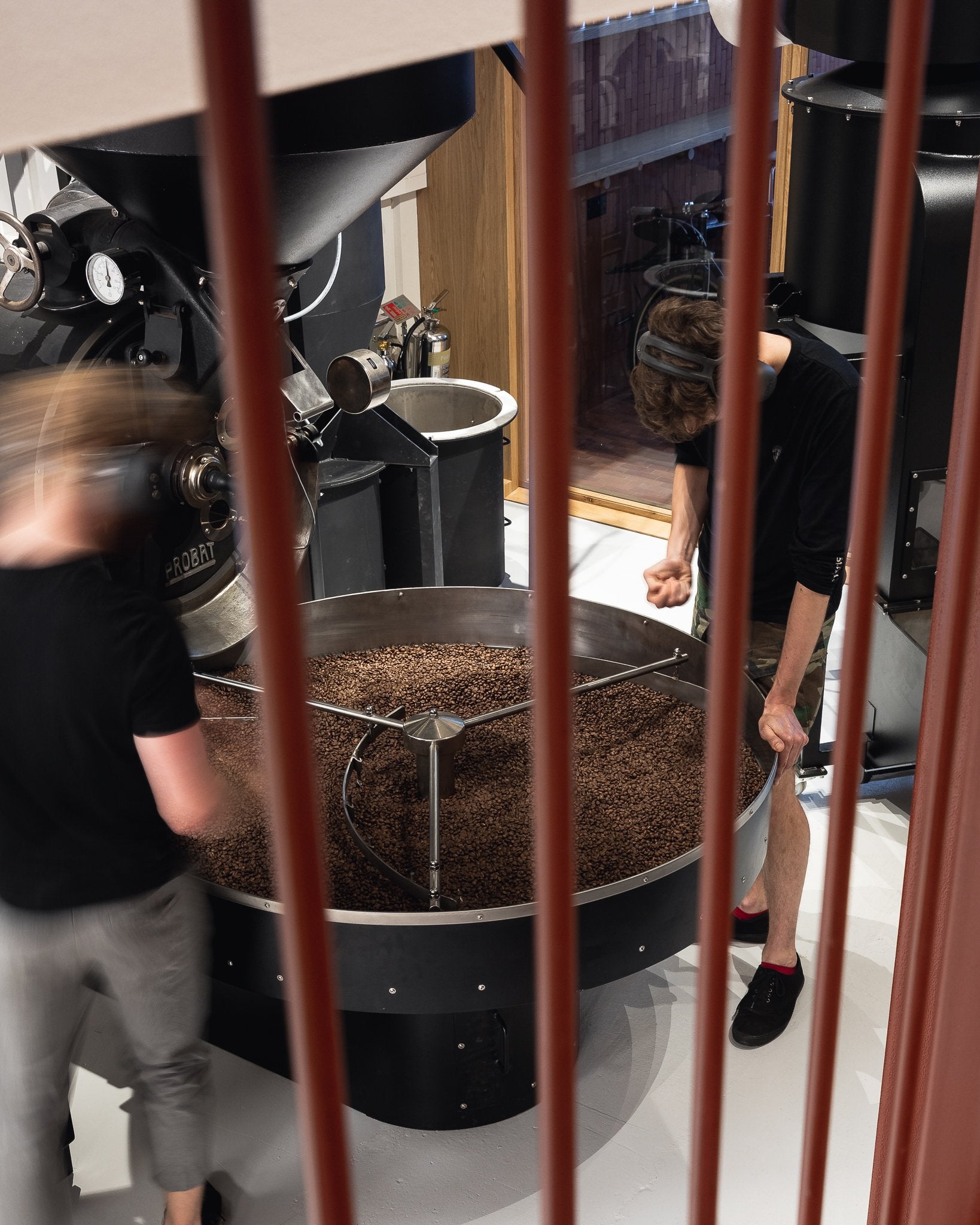
WatchHouse began in 2014 in a restored 19th-century watchman’s hut on Bermondsey Street and has grown into a group of "modern coffee" cafés across central London, with its own roastery in Bermondsey. Its coffee is organised into Rituals (everyday), Ventures and Horizons (progressively more experimental) ranges.
8
coffees
United Kingdom
base
Locations
WatchHouse Bermondsey
199 Bermondsey Street, London SE1 3UW, United KingdomWatchHouse Bishopsgate
100 Bishopsgate, London EC2M 1GT, United KingdomWatchHouse Fetter Lane
92 Fetter Lane, London EC4A 1EP, United KingdomWatchHouse St. Mary Axe
70 St Mary Axe, London EC3A 8BE, United KingdomWatchHouse Tower Bridge
37 Shad Thames, London SE1 2NJ, United KingdomWatchHouse Spitalfields
139 Commercial Street, London E1 6BJ, United KingdomWatchHouse Seven Dials
7 Upper St Martin's Lane, London WC2H 9DL, United KingdomWatchHouse Covent Garden
28-29 Southampton Street, London WC2E 7JA, United KingdomWatchHouse Somerset House
Somerset House, Strand, London WC2R 1LA, United KingdomWatchHouse Hanover
2-3 Medici Courtyard, Hanover Square, London W1S 1BR, United KingdomWatchHouse Roastery & Café – Maltby Street
36 Maltby Street, London SE1 3PA, United KingdomCoffees
8 coffees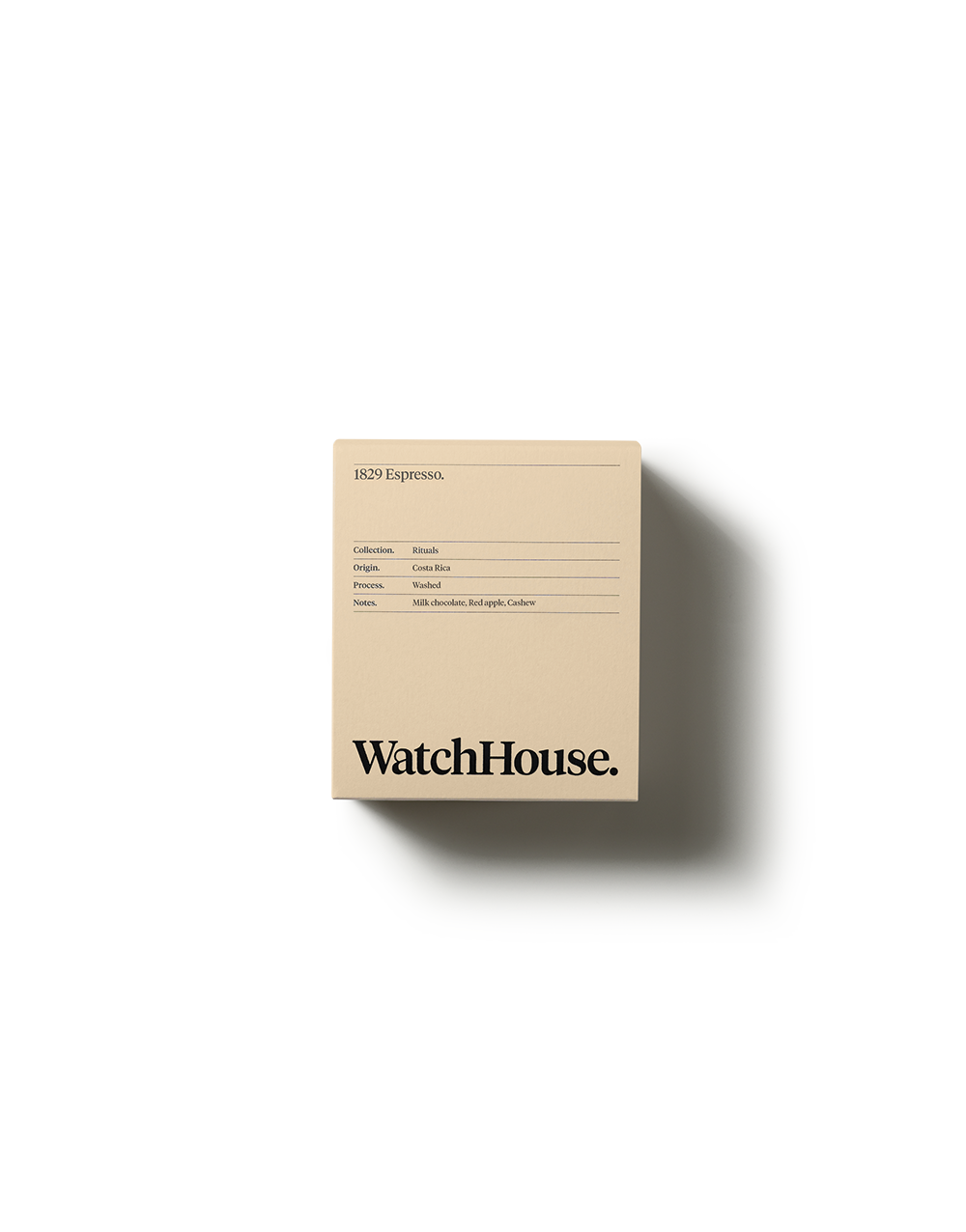
WatchHouse's seasonal espresso for milk, currently from Aquiares Estate on the slopes of the Turrialba volcano, Costa Rica's largest coffee farm, managed by Diego Robelo. The washed lot is Entre Ríos, a Marsellesa x Red Obatá hybrid; cherries are mechanically depulped, partially fermented and dried in temperature-controlled Guardiolas for clarity and consistency.
Milk chocolate, red apple, cashew
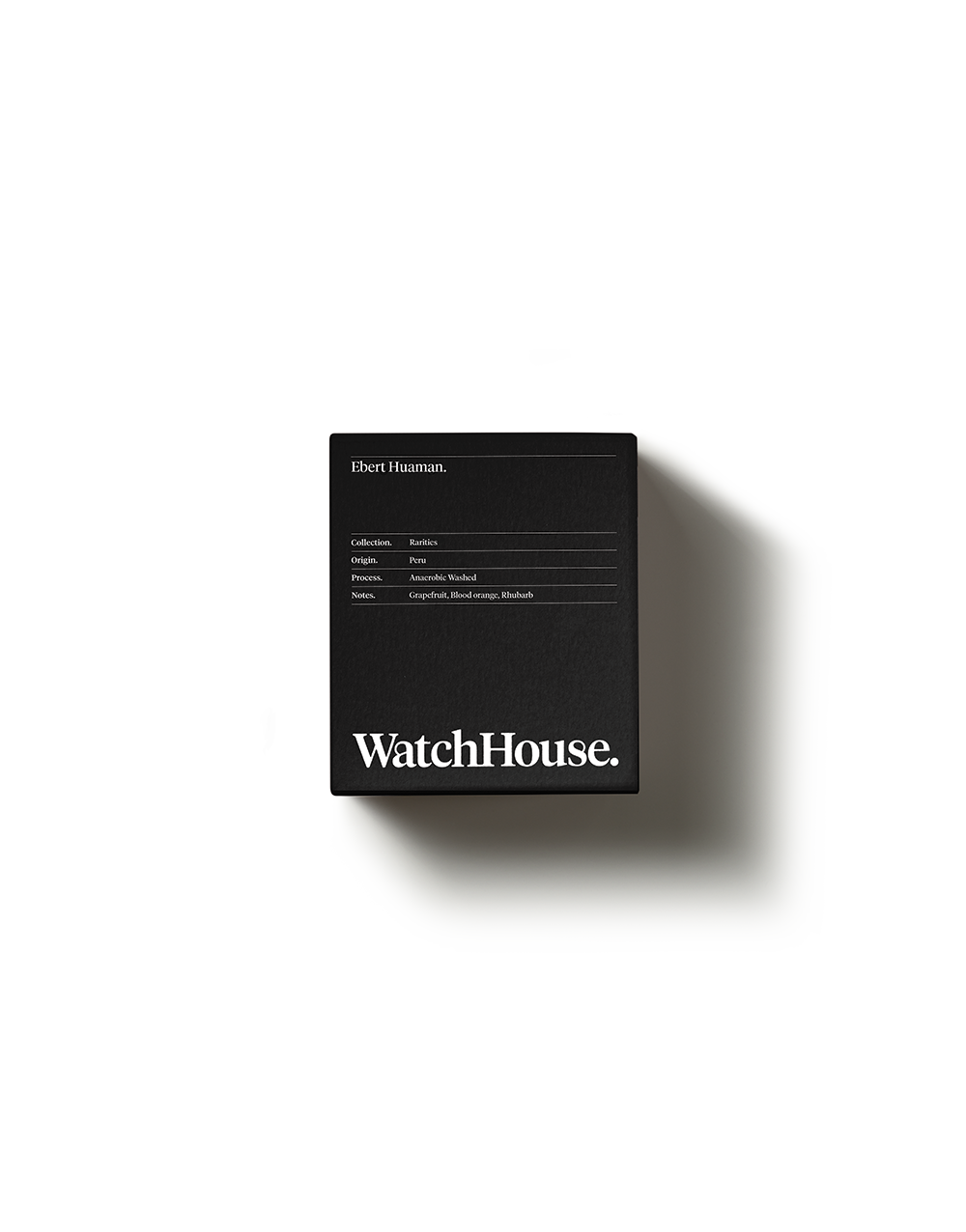
A Cup of Excellence-recognised Gesha from Ebert Huaman Villegas and his family at Finca Artemira, grown at 1,900 m, fermented anaerobically and washed. Floral, fruit-forward and precise.
Grapefruit, blood orange, rhubarb
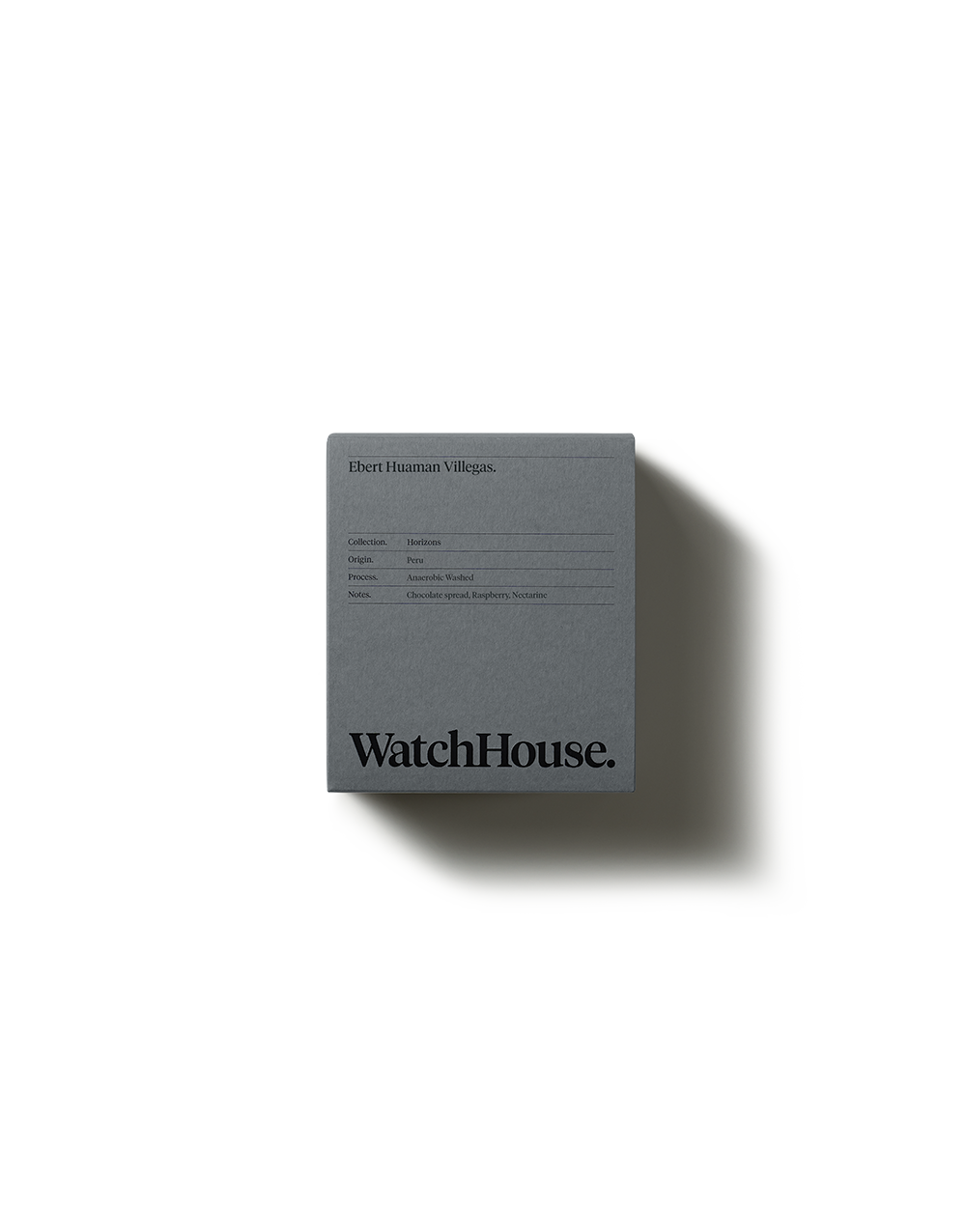
The current Horizons filter, from a young producer in Salinas, Cajamarca, whose coffees are fast gaining recognition in Peru. At Finca Artemira, named after his mother, Ebert works agroforestry and regenerative systems; this Tabi was fermented anaerobically in sealed GrainPro bags, pulped, fermented again, washed and dried slowly in solar dryers for up to 21 days.
Chocolate spread, raspberry, nectarine
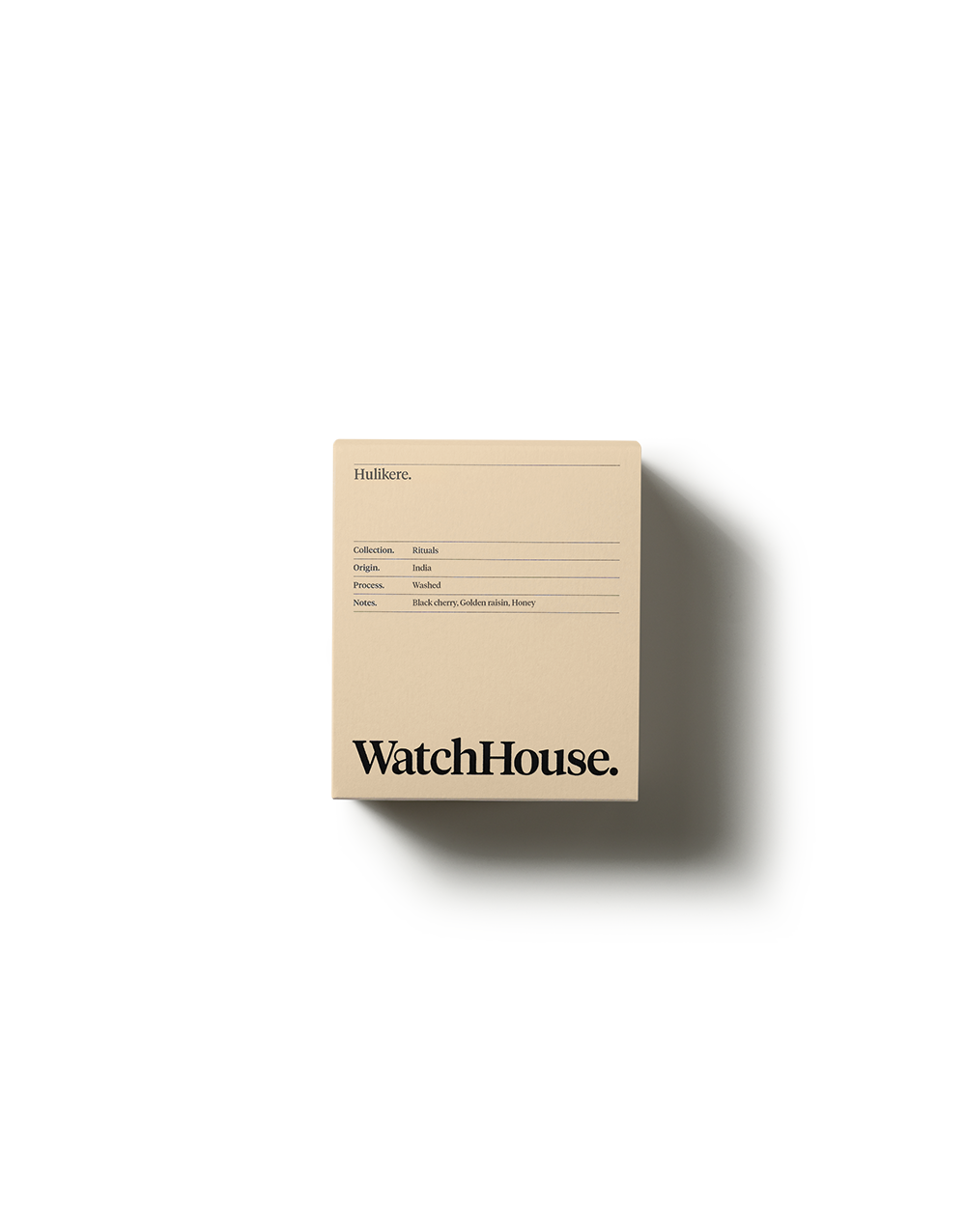
The current Rituals filter, from Hulikere Estate in Chikmagalur's Baba Budangiri hills, farmed by the same family for five generations and now run by Shreedev Hulikere and his wife Sushmita as a model of coffee and conservation, home to over 200 bird species. Fully washed and dried on raised beds under regulated shade.
Black cherry, golden raisin, honey
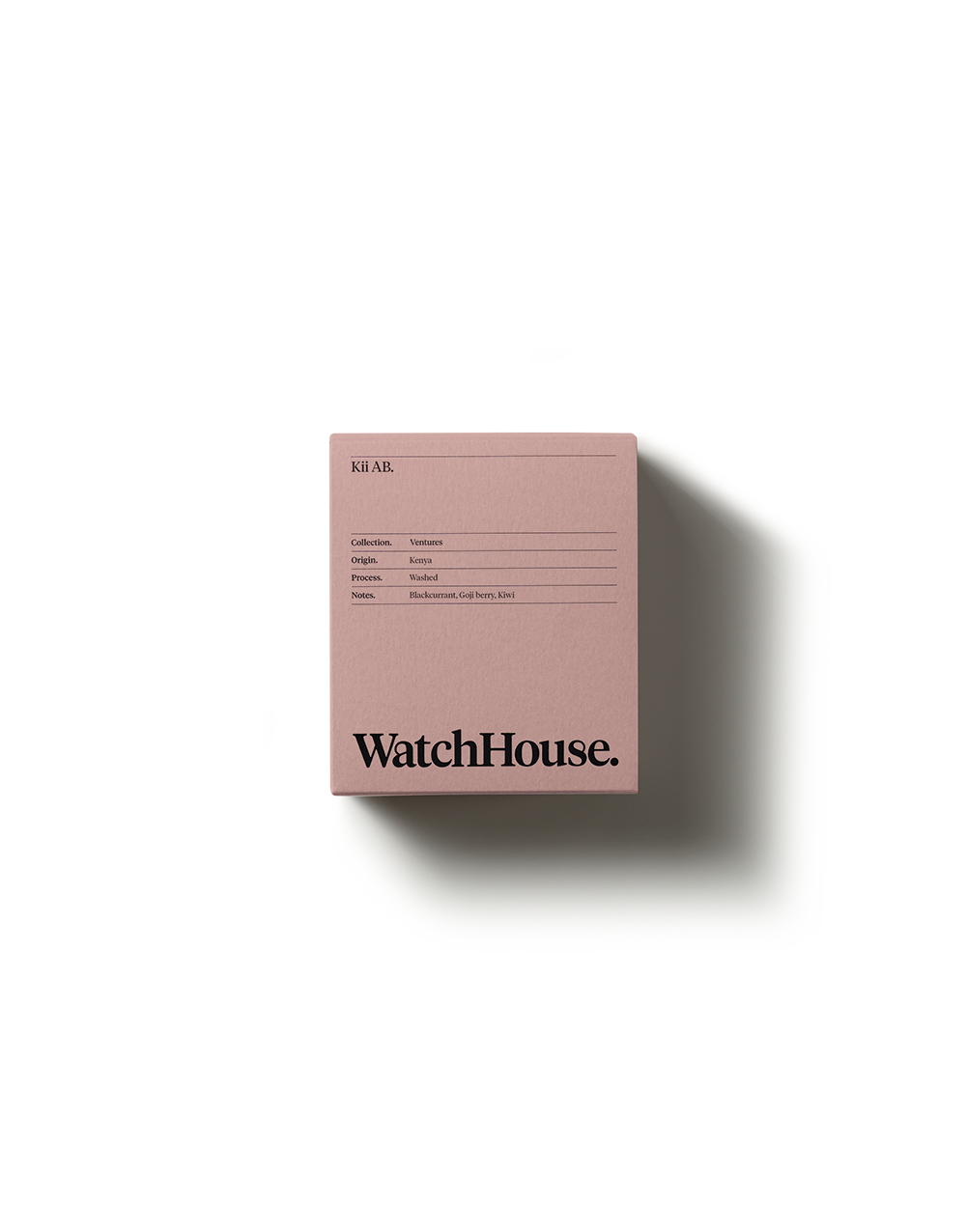
The current Ventures filter, from the Kii factory run by the Rungeto Farmers Cooperative Society for more than 1,200 smallholders on the slopes of Mount Kenya, where coffee has been grown since the 1950s. Depulped the day it is picked, fermented, washed and soaked under water in the Kenyan way, then sun-dried on raised beds.
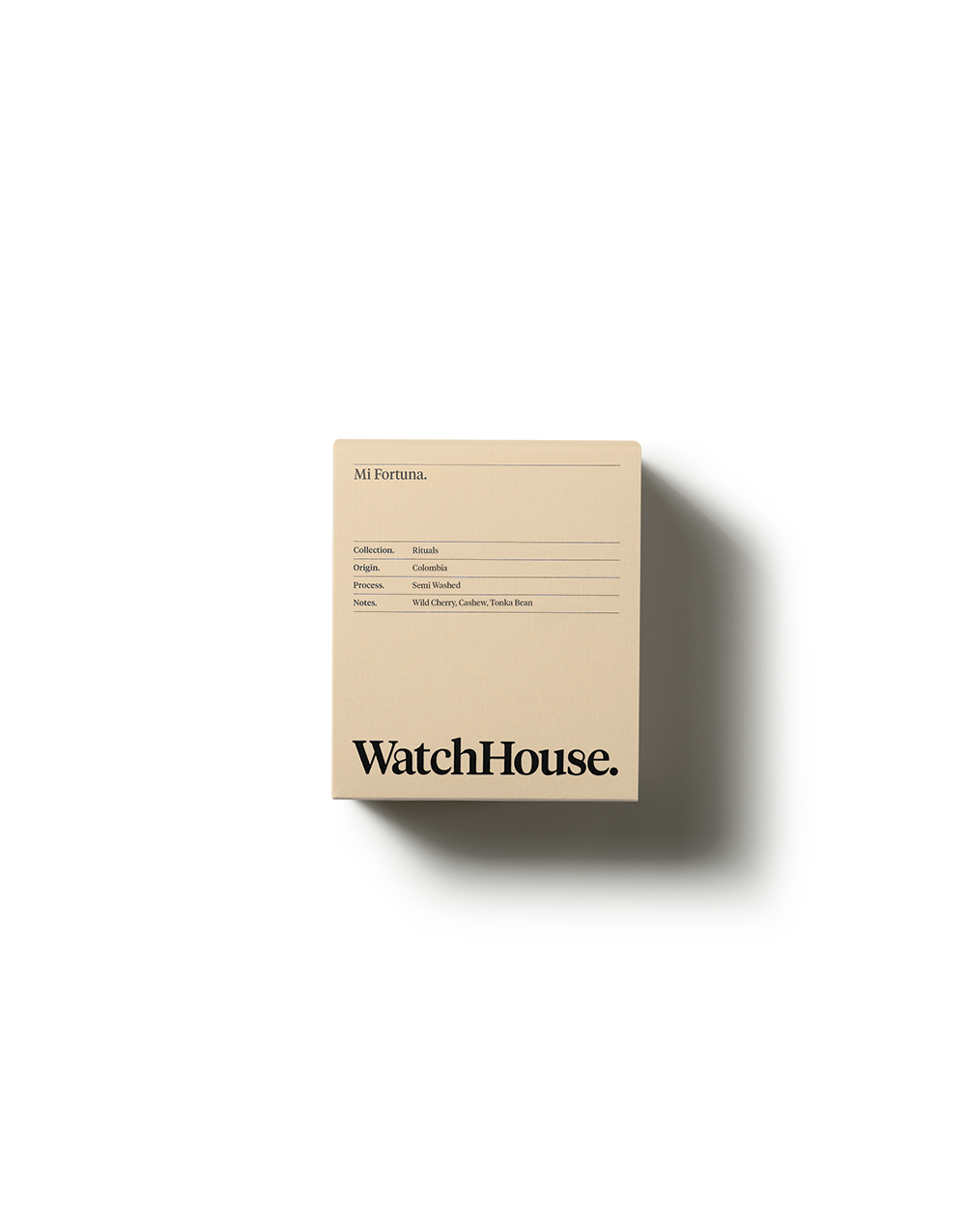
A Castillo lot from producers at Mi Fortuna, working with Cata Export on shared training and quality control to improve consistency, traceability and long-term value for farming communities. Semi-washed with extended fermentation and slow drying for sweetness and structure with a clean finish.
Wild cherry, cashew, tonka bean
From smallholders across Cauca, grown at 1,700-2,100 m in volcanic soil where cool nights and warm days build balance and gentle sweetness. Washed, then decaffeinated with sugarcane-derived ethyl acetate to keep structure and clarity.
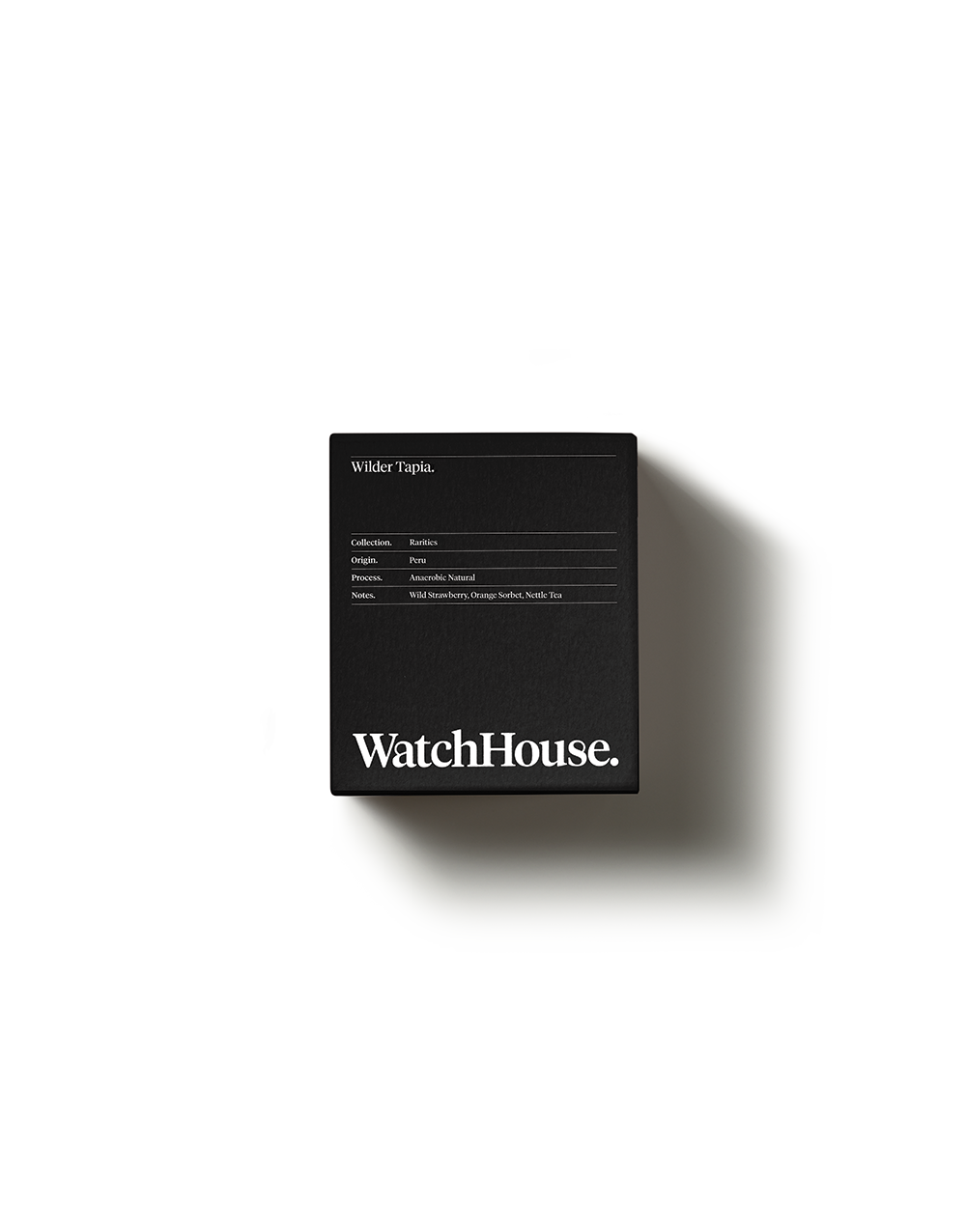
A rare Gesha from Winkler Tapia, a third-generation producer who runs every stage of his family's three-hectare farm Las Orquídeas himself. Using a process learned from Marcos Herrera and the Procecam cooperative, he picks uniform ripe cherries, checks the Brix, ferments them 100 hours in an airtight tank, washes and dries them 25-30 days on raised beds.