
Roasteries / Dear Green Coffee Roasters

Dear Green Coffee Roasters
Glasgow, Scotland, UK
Dear Green began in Glasgow in 2011, with just one woman, one trusty roaster and a mission to bring seriously delicious, specialty-grade coffee to Scotland. Now an award-winning, woman-owned, B Corp and organic-certified roastery, Dear Green roasts freshly sourced specialty-grade beans daily, supplies coffee to venues across the UK, and runs SCA-accredited barista and sensory training. The team donates 2% of revenue to social and climate justice causes.
20
coffees
UK
base
Location
Coffees
20 coffees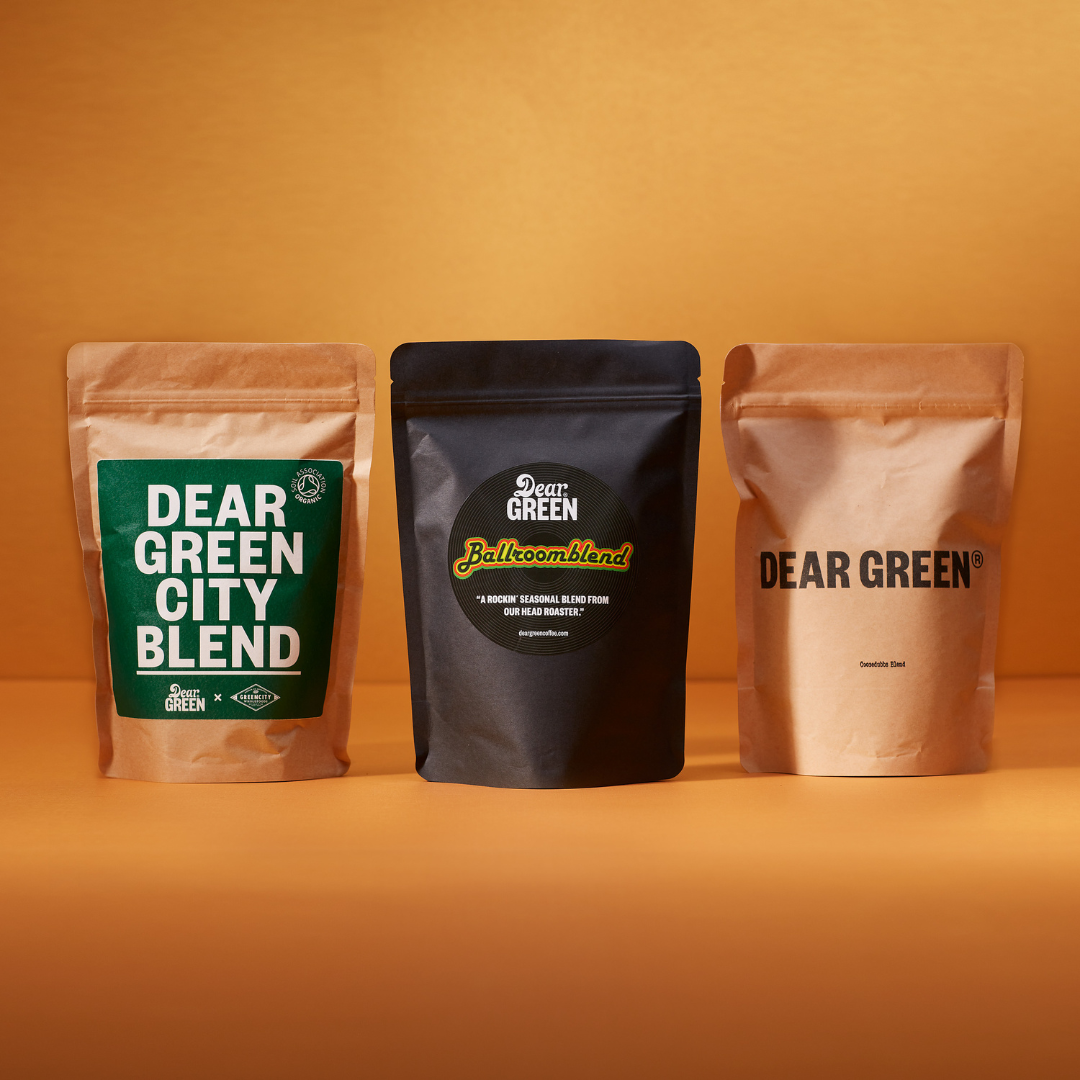
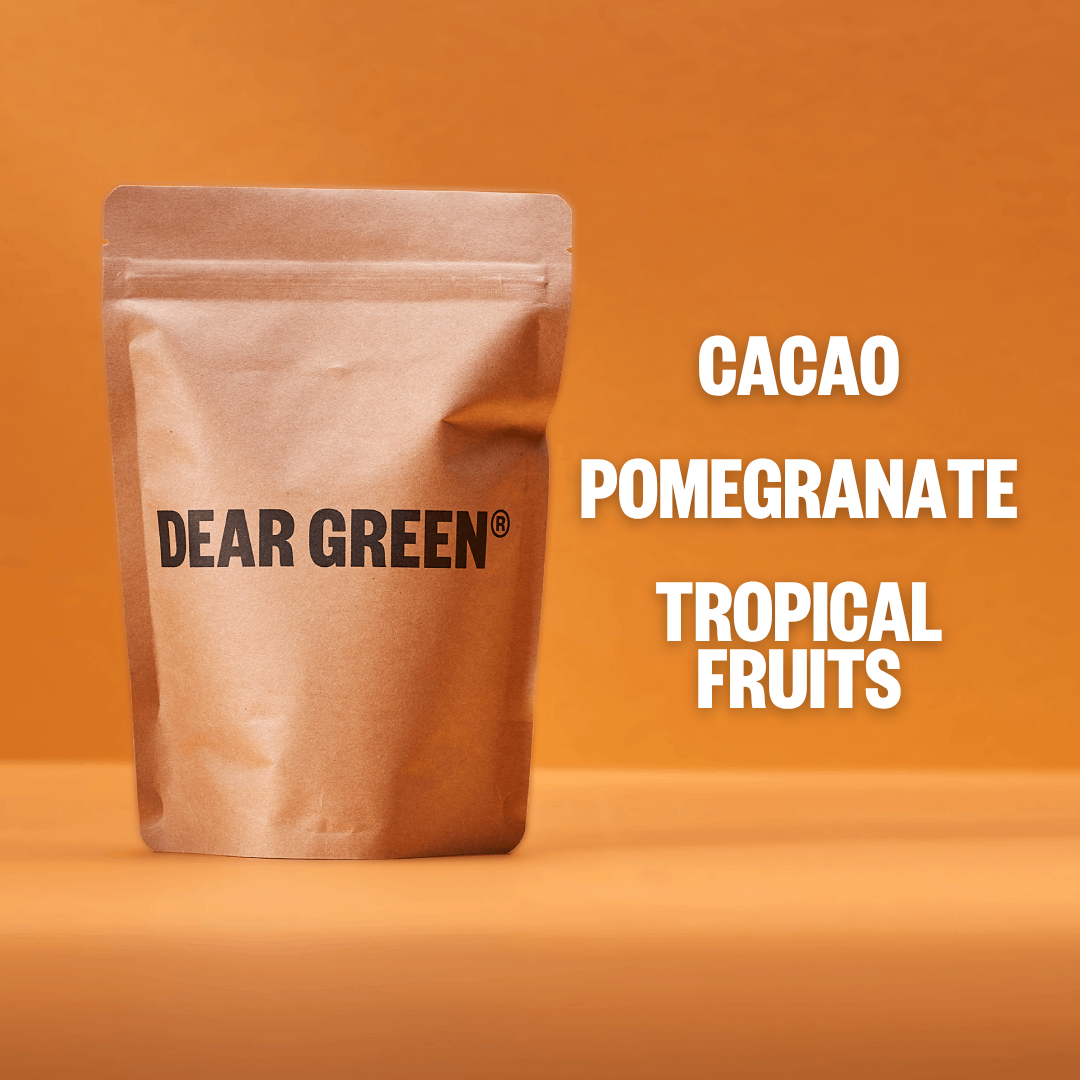
A vibrant, fruit-forward cup from Daterra Farm — the world's first B Corp-certified and carbon-negative coffee farm — combining juicy fruit character with a rounded body and lingering sweetness, dried naturally on the tree. Source: deargreencoffee.com
Cacao · Pomegranate · Tropical Fruits
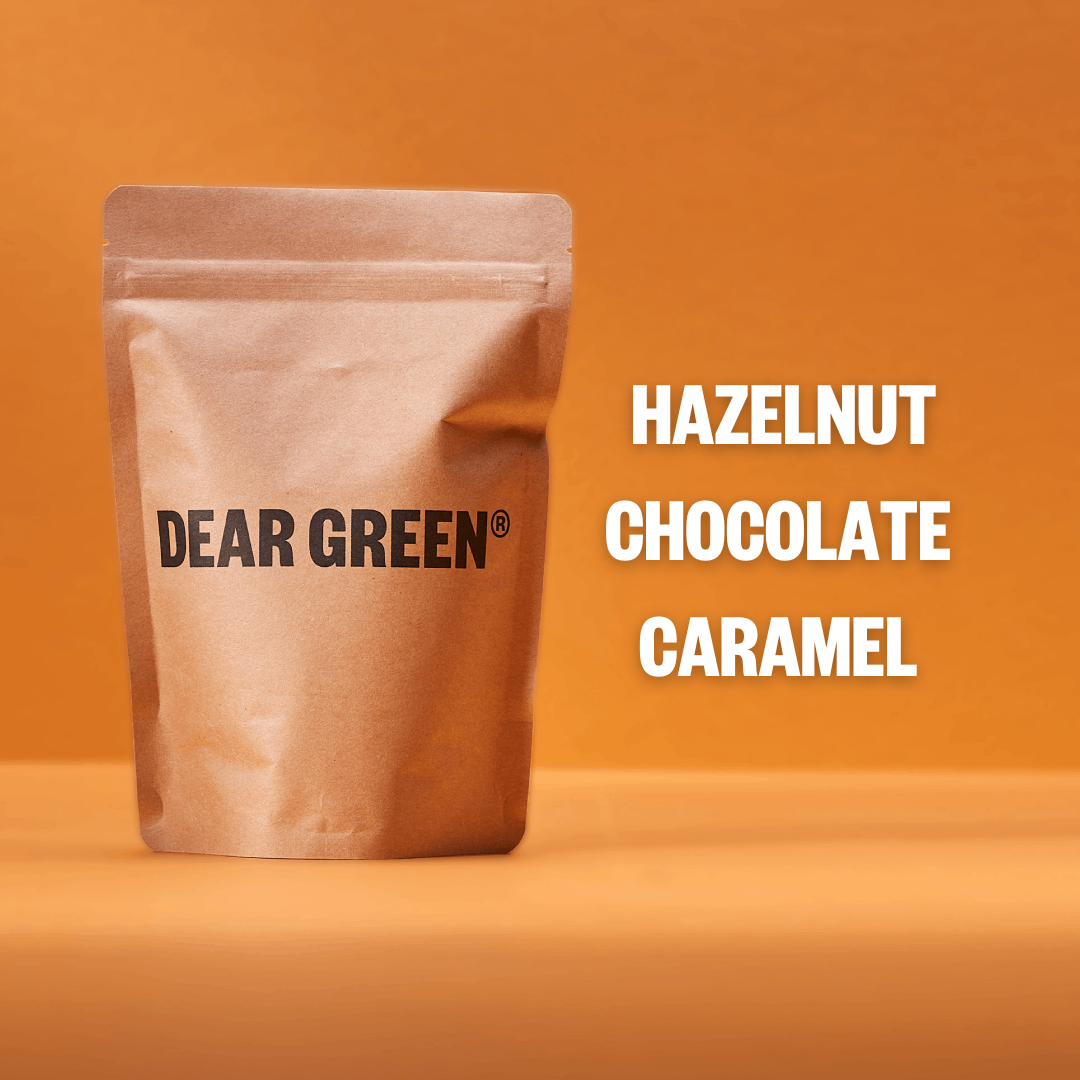
Rainforest Alliance-certified coffee from Fazenda Pantano, an estate supporting local education and staff training programmes. Berry sweetness and praline nuttiness with a clean cup and bright body. Source: deargreencoffee.com
Hazelnut · Chocolate · Caramel

From 384 smallholder family farms on volcanic soil at high altitude, processed at the Migoti washing station. Imported via Omwani to ensure fair pricing for Burundian producers. Source: deargreencoffee.com
Bramble · Cane Sugar · Tangerine
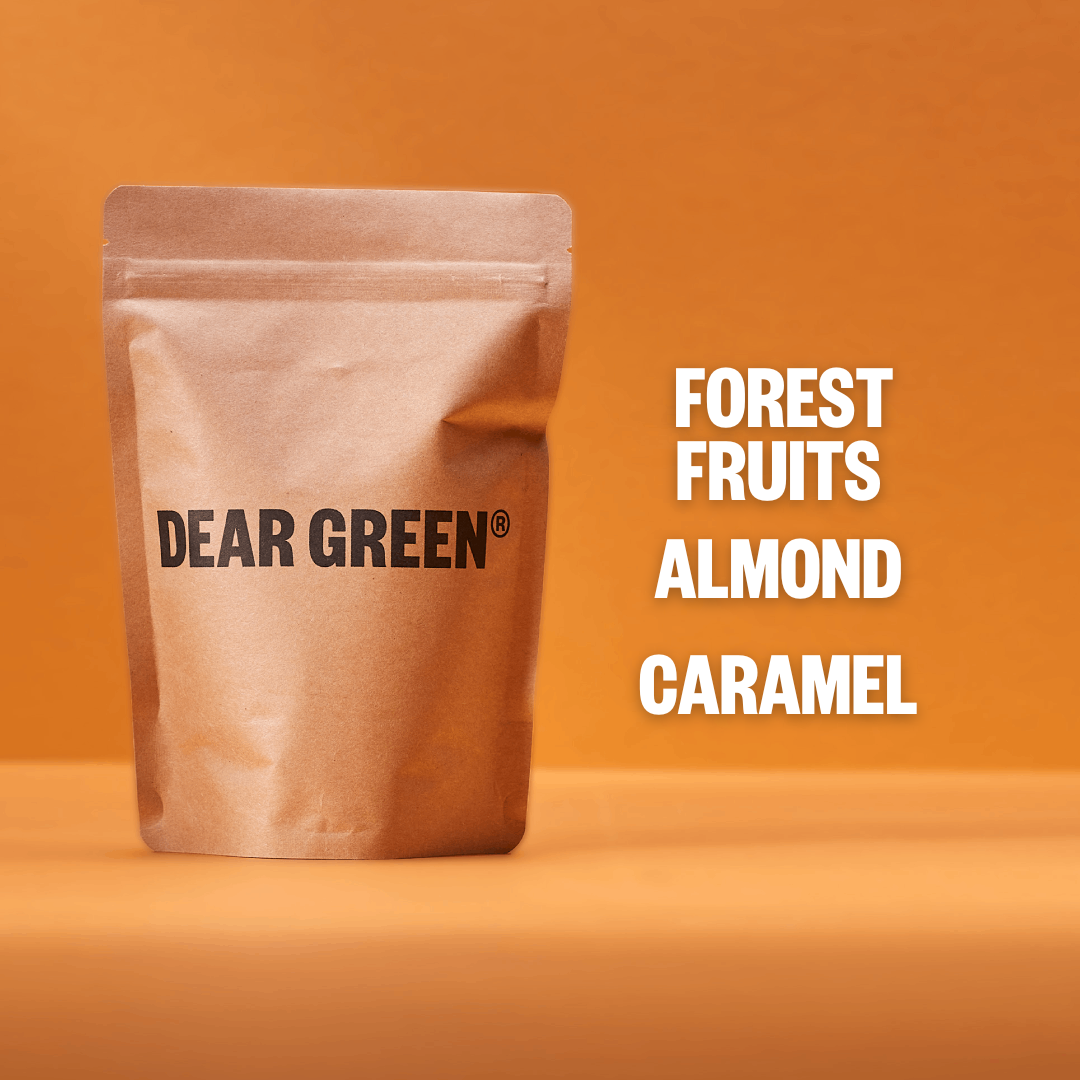
From ASMUCAFE, a women farmers' cooperative in El Tambo. Dear Green visited in 2019 and noted the cooperative's sensory-evaluation lab, built to improve their 'peace crop' following regional unrest. Smooth, gently sweet and well-structured. Source: deargreencoffee.com
Forest Fruits · Almond · Caramel

Sourced via Cafe Imports from smallholder farmers in Huila, then decaffeinated using the sugarcane-derived Ethyl Acetate (EA) process, which removes ~99% of naturally occurring caffeine while preserving flavour. Source: deargreencoffee.com
Chocolate Orange · Malt · Prune

Organic-certified coffee from ANEI, an organisation of native agroecological producers founded in 1995 by Aurora Izquierdo, running eco-sustainable programmes that strengthen local organisational processes. Source: deargreencoffee.com
Fudge · Plum · Cocoa
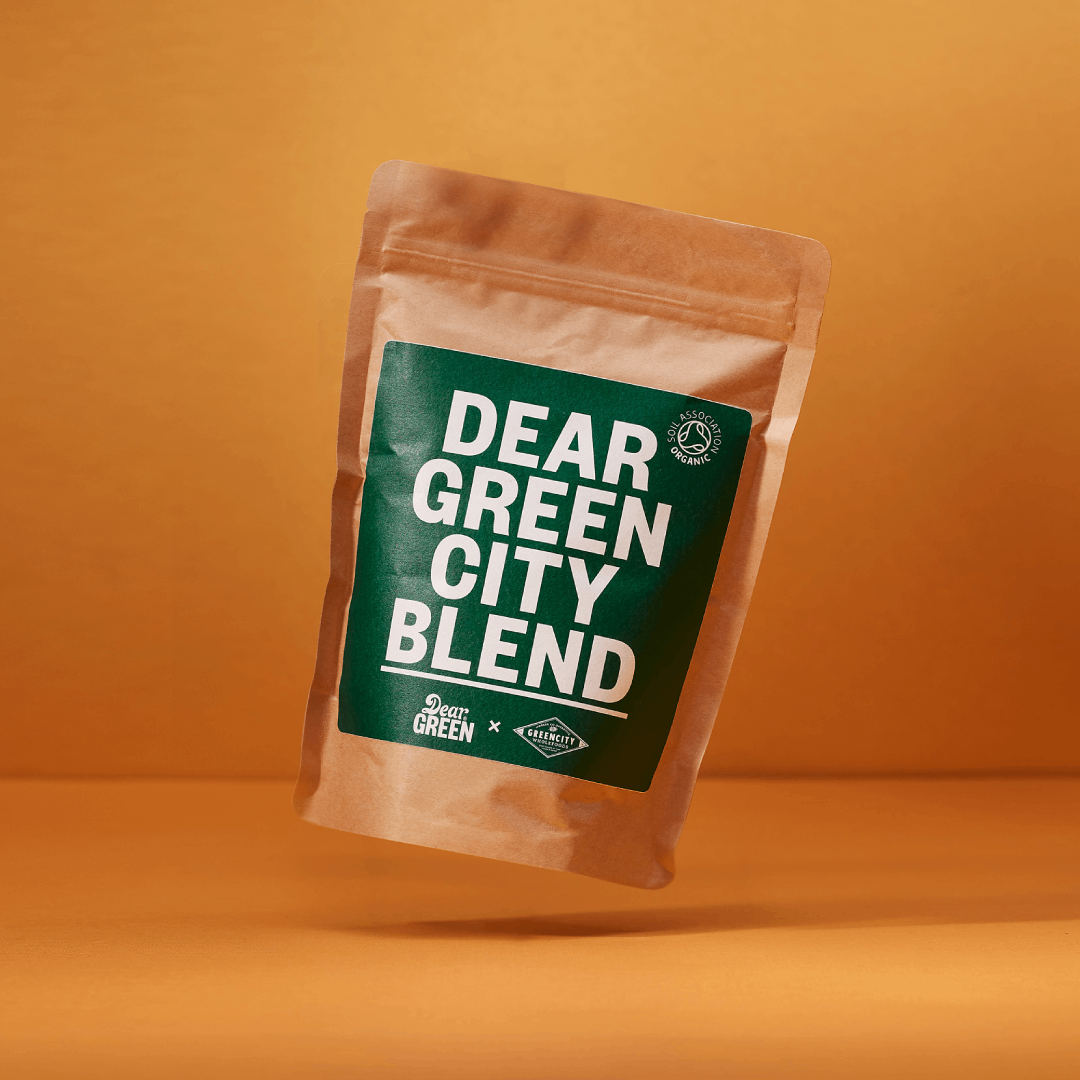
A 50/50 organic-certified blend of Peru Montaña and Colombia Sierra Nevada, created with local cooperative Greencity. £1 from each bag supports Glasgow community gardening initiatives Greenheart Growers and Wash House Garden. Full-bodied milk chocolate with caramel sweetness. Source: deargreencoffee.com
Chocolate · Caramel · Sweet Cherry
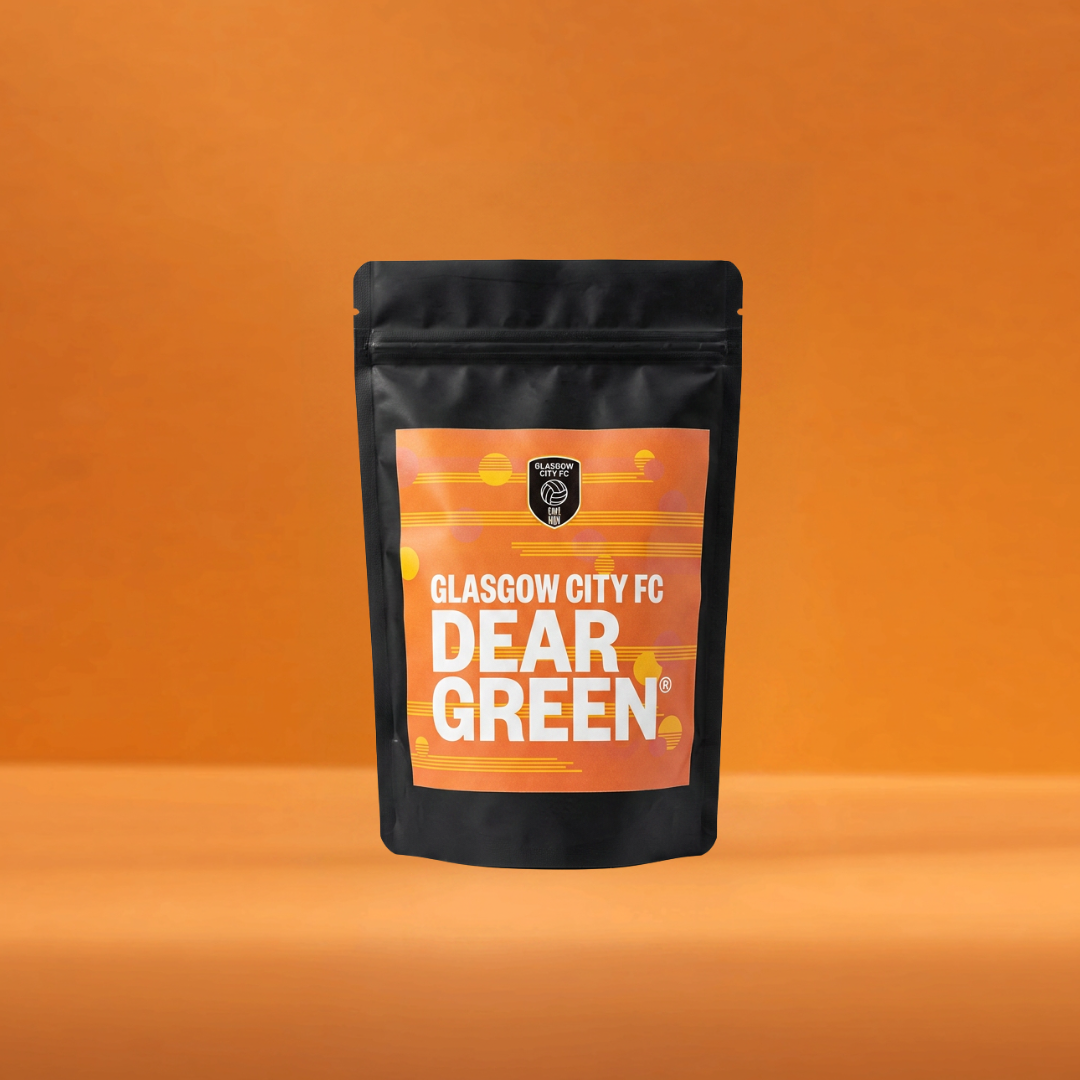
A collaboration with Glasgow City FC, whose players chose this washed lot from the KCRS women's cooperative in Kinini, northern Rwanda, when they visited the roastery. £1 from every bag goes to the Glasgow City FC Foundation's grassroots work for girls in sport.
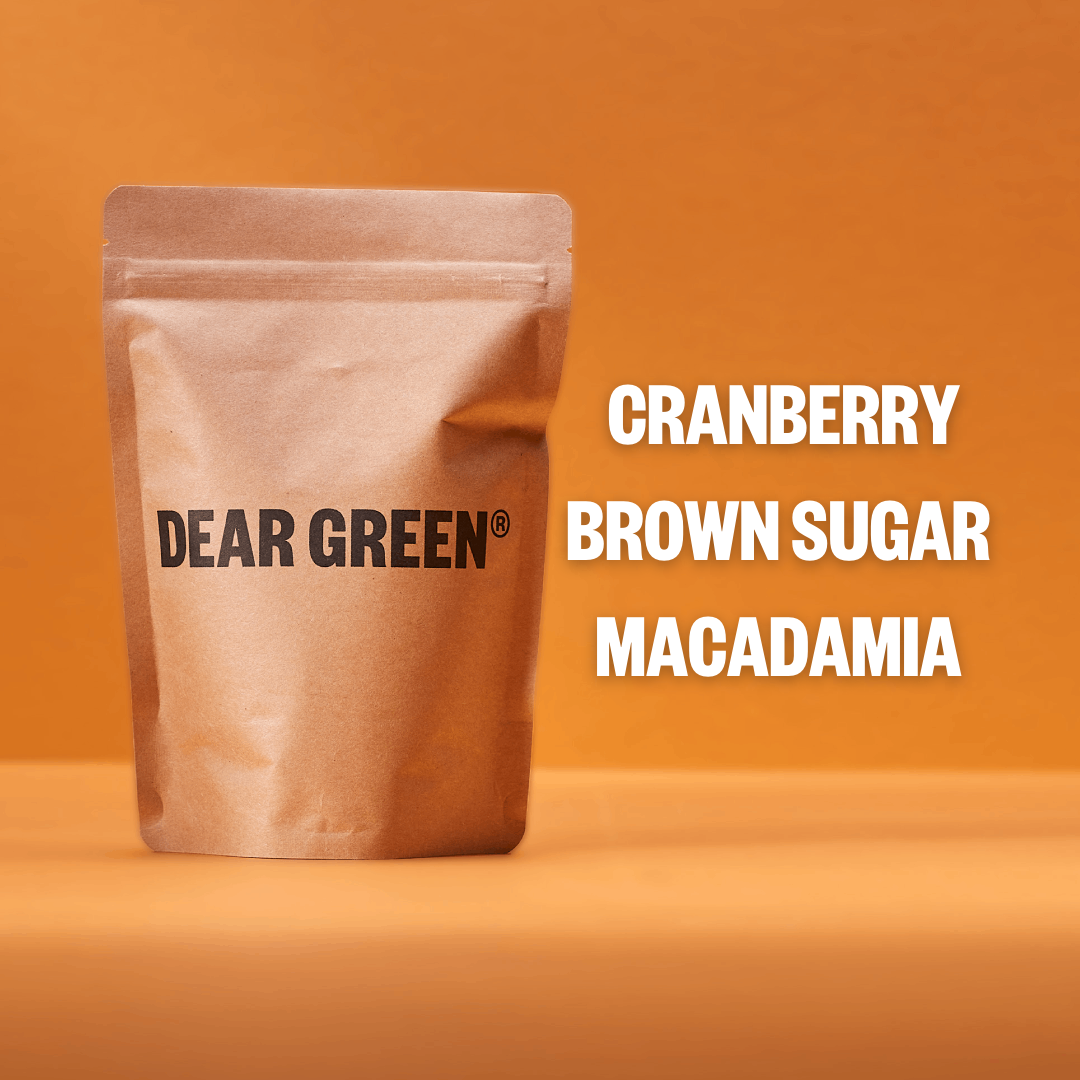
One of Antigua's oldest farms, where Manuel Matheu first planted coffee in 1864; now run by the fifth and sixth generations of the Dalton family across 214 hectares. Shade-grown under grevillea in volcanic soil between Agua, Acatenango and Fuego, for a balanced, complex cup.
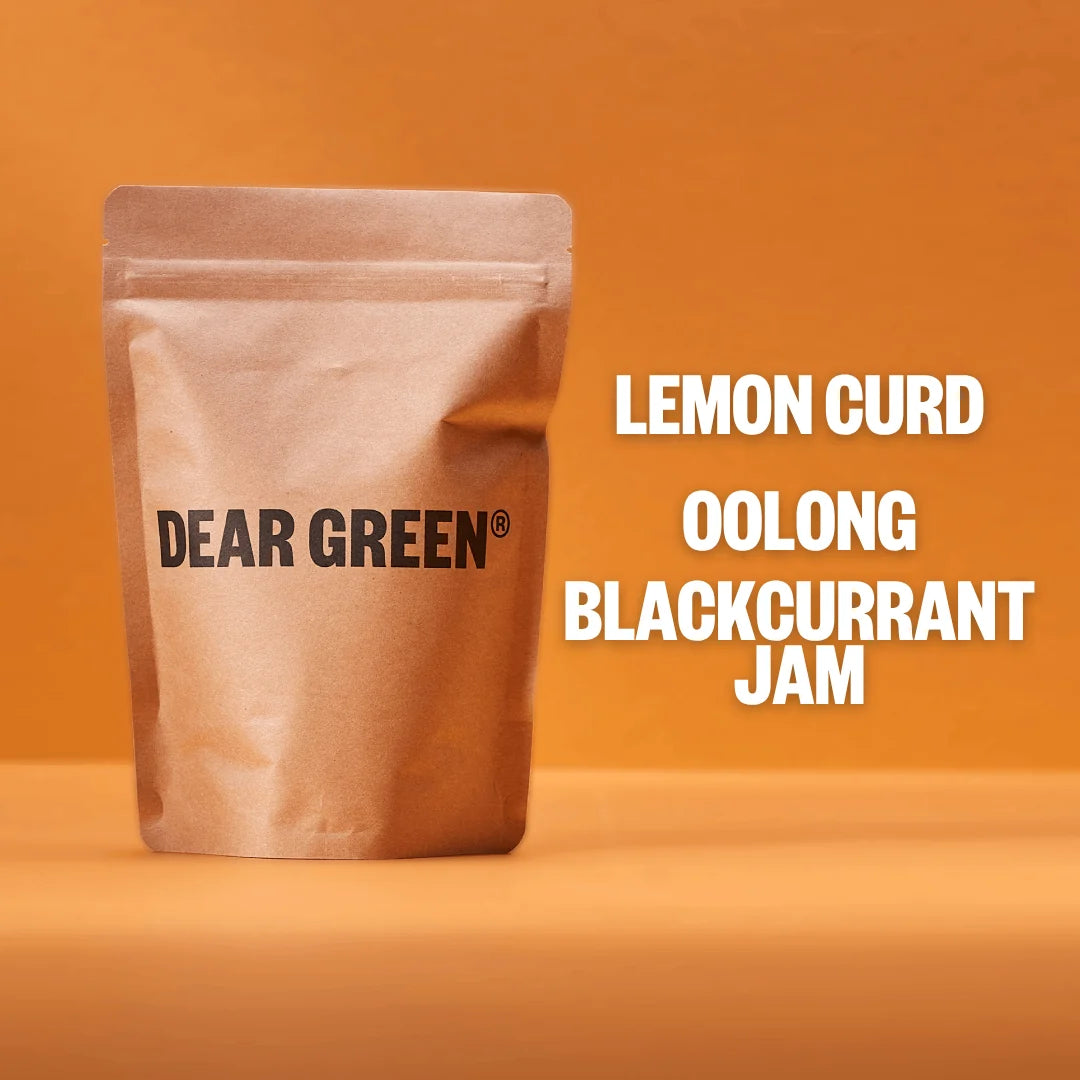
Tegu ("low place") sits in the cool foothills between Mount Kenya and the Aberdares. The factory, run by the Tekangu cooperative since 1969, serves about 1,200 smallholder families. Double fermentation and a 24-hour soak before slow drying on raised beds give vivid clarity: zesty lemon curd, blackcurrant jam and an oolong finish.
Lemon curd · Blackcurrant jam · Oolong tea
A get-what-you-get blend made from the green-coffee ends that can't fill a full roast (unused samples, the bottoms of sacks). Still fresh, specialty-grade coffee, sold as a bargain 1kg bag to keep waste down.
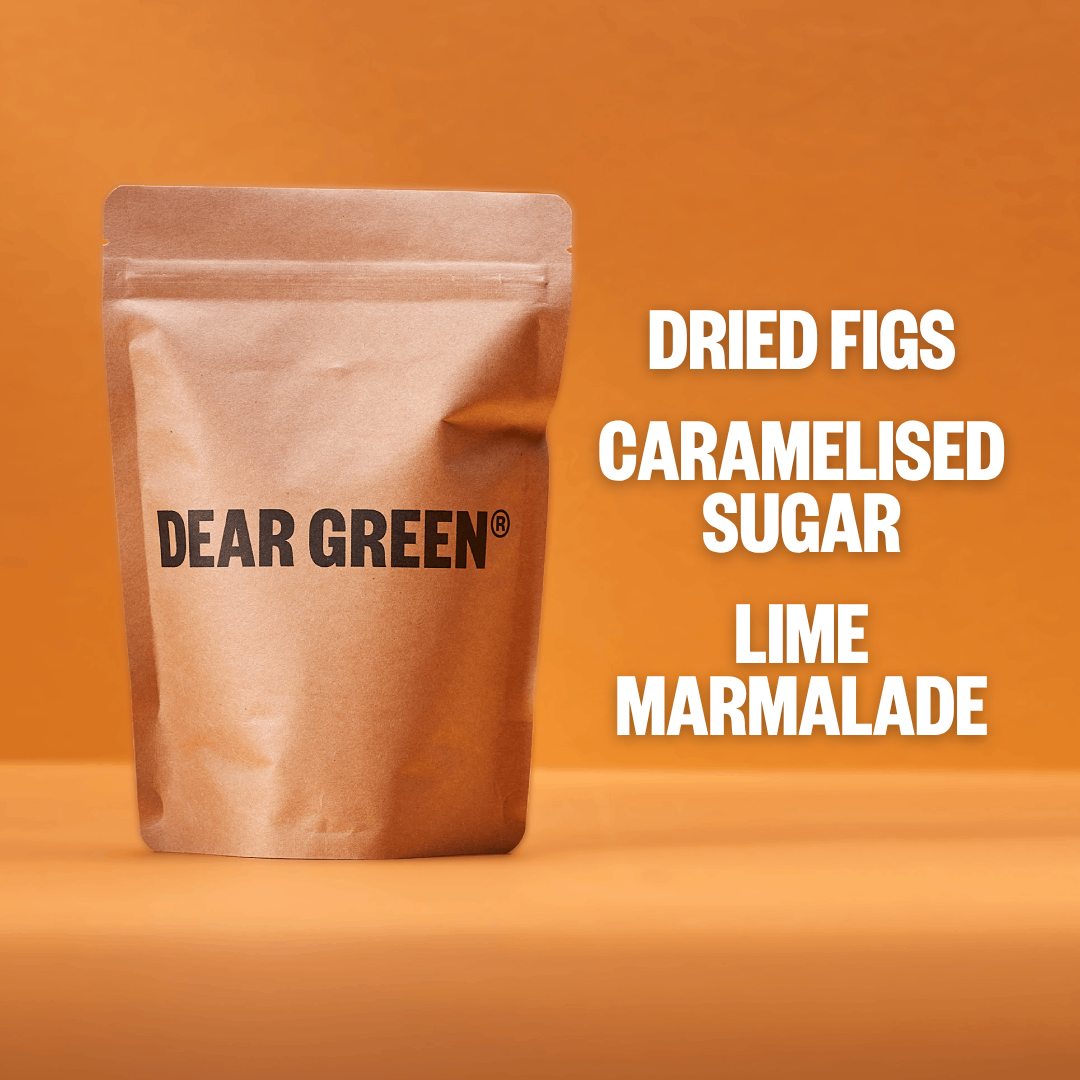
A washed coffee from Indigenous Tseltal communities in the Chiapas highlands, shade-grown by traditional methods, hand-picked and slow-dried in the cool mountain air. Rounded sweetness with dried fig, caramelised sugar and a gentle lime-marmalade finish; works as espresso or filter.
Dried fig · Caramelised sugar · Lime marmalade
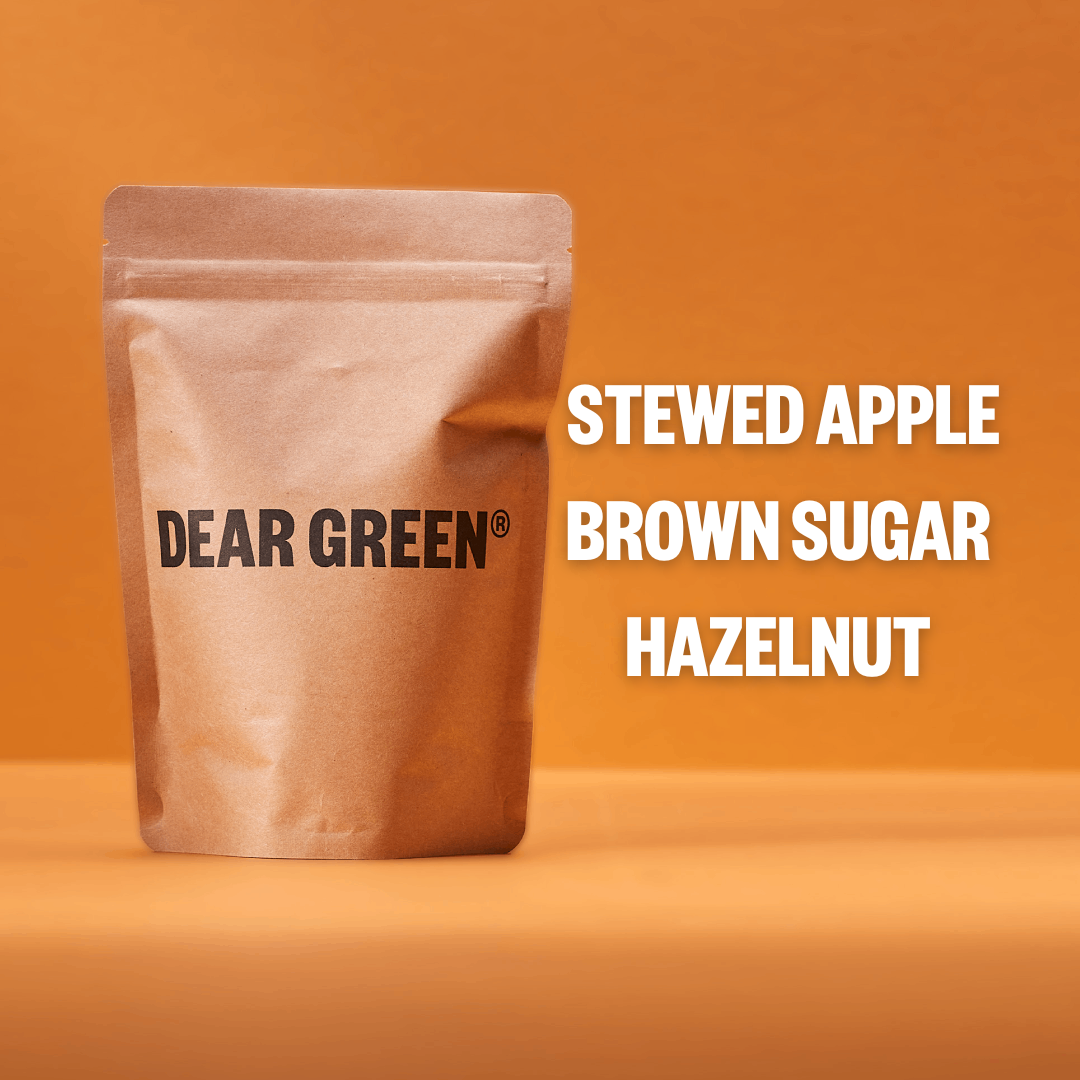
An organic regional blend from small farms in the Andean foothills of San Ignacio. Cherries are floated and hand-sorted, fermented for 20–30 hours, washed and dried in the shade for 15–20 days, giving a sweet, full-bodied cup.
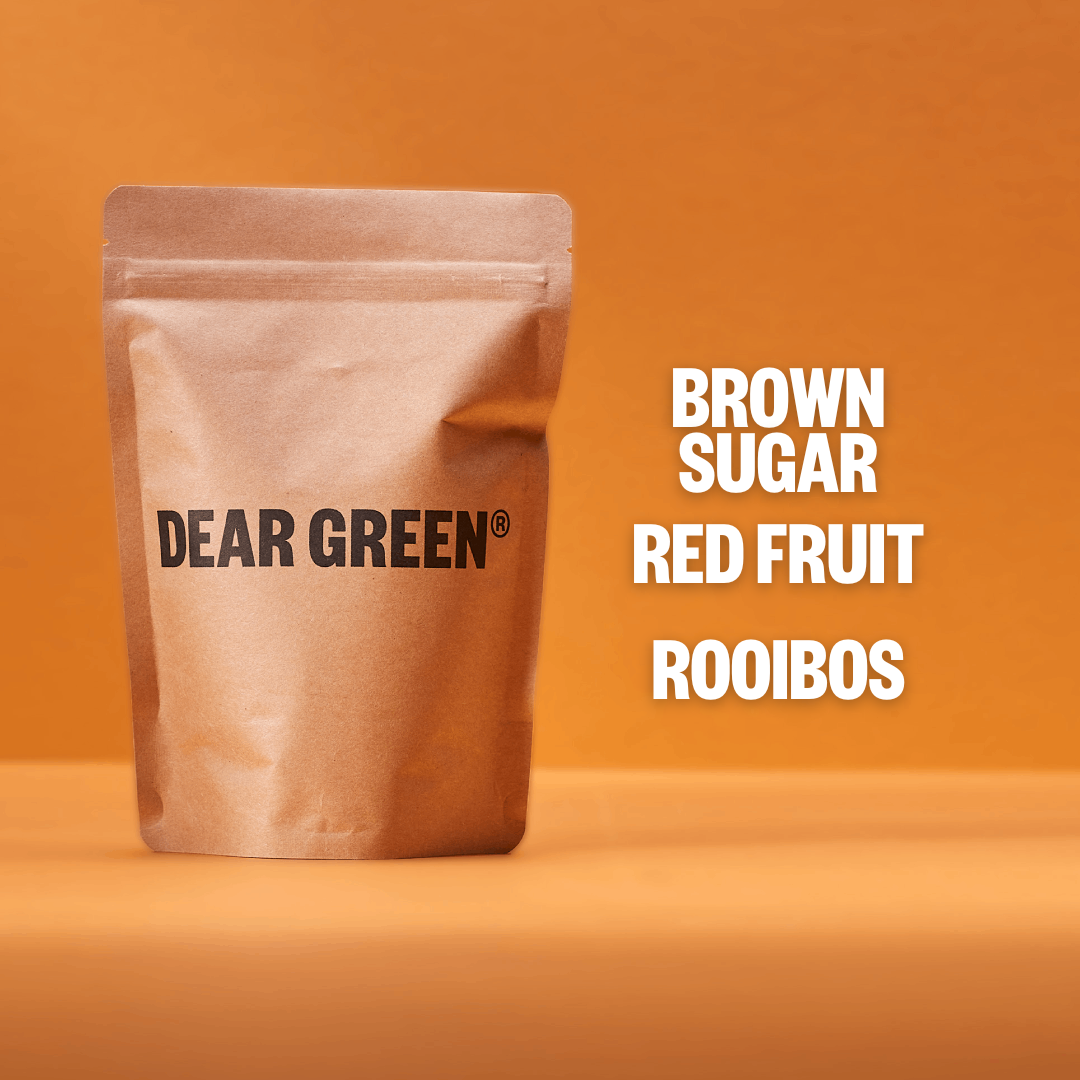
Grown by women farmers who took ownership of their families' land and formed a cooperative with help from Jacquie at Kinini, organised into 12 village groups for training and logistics. Sourced through Kinini and marketed under the cooperative's own name.
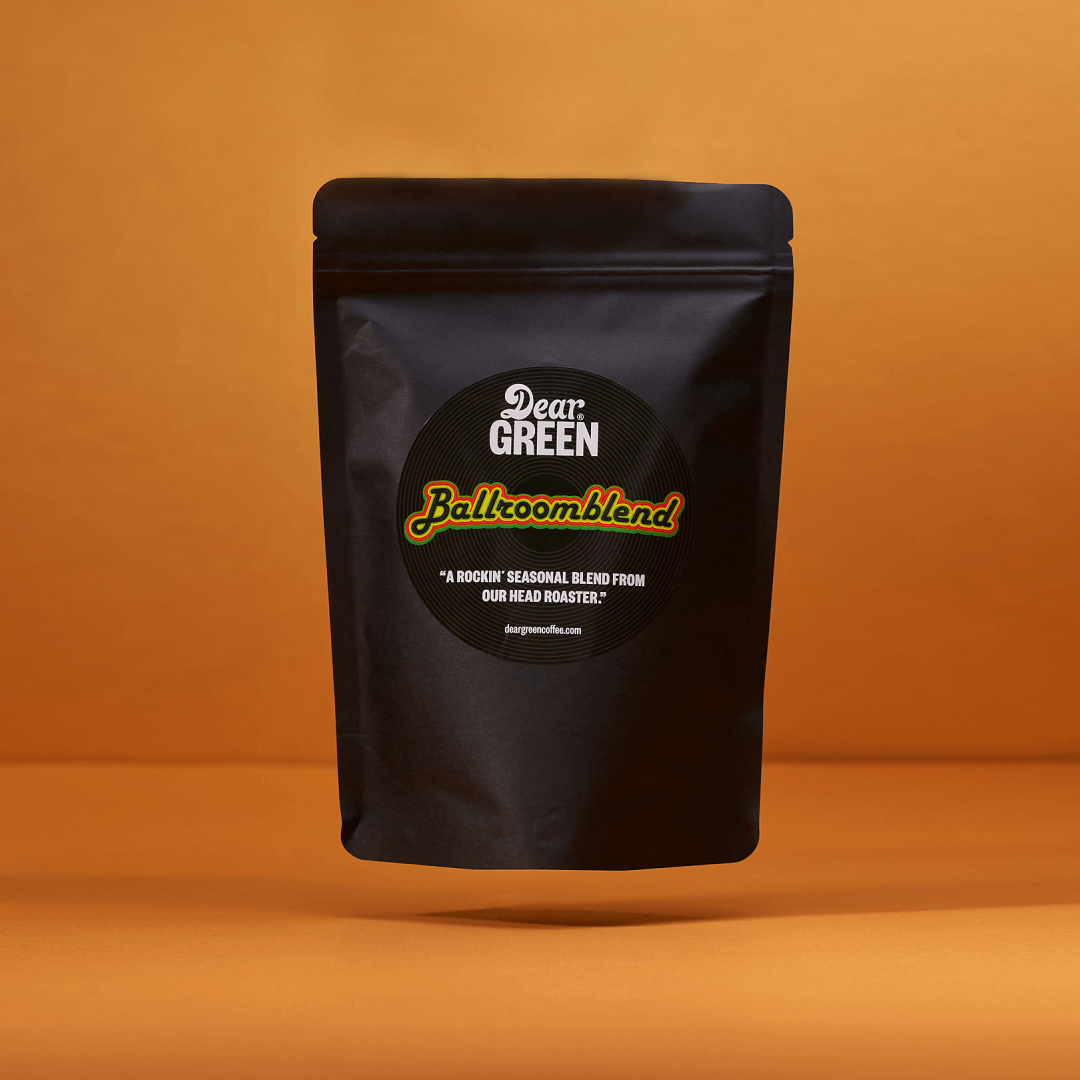
Half Brazil Fazenda Pantano, half Rwanda KCRS: Brazil's chocolatey body with Rwanda's bright fruit. Named for the Barrowland Ballroom near Dear Green's former roastery; roasted for espresso but works across brew methods.
Cacao · Caramel · Red fruits
Dear Green's house blend, named after the Glasgow lane beside their first roastery: 50% Brazil Fazenda Pantano, 25% Colombia ASMUCAFE and 25% Peru Aprysa. Mellow and chocolatey, built for espresso and milk drinks.
Milk chocolate · Pecan · Plum
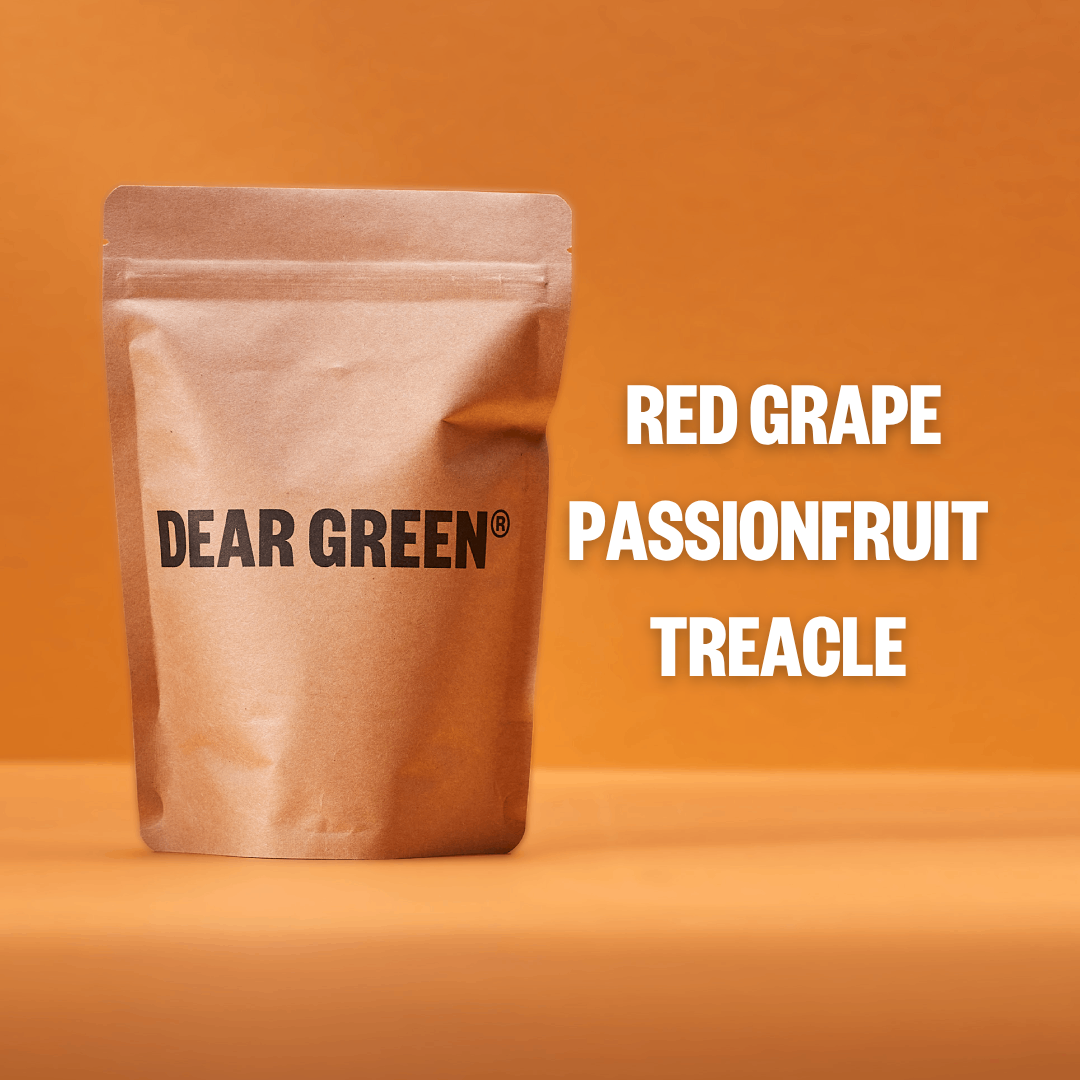
The natural counterpart to the washed Rotutu lot, from a collective of 140+ households in Letefoho working with Karst Organics on quality, infrastructure and fair payment. Sun-dried in the whole cherry for juicy red grape and passionfruit over a treacle-like sweetness and syrupy body.
Red grape · Passionfruit · Treacle
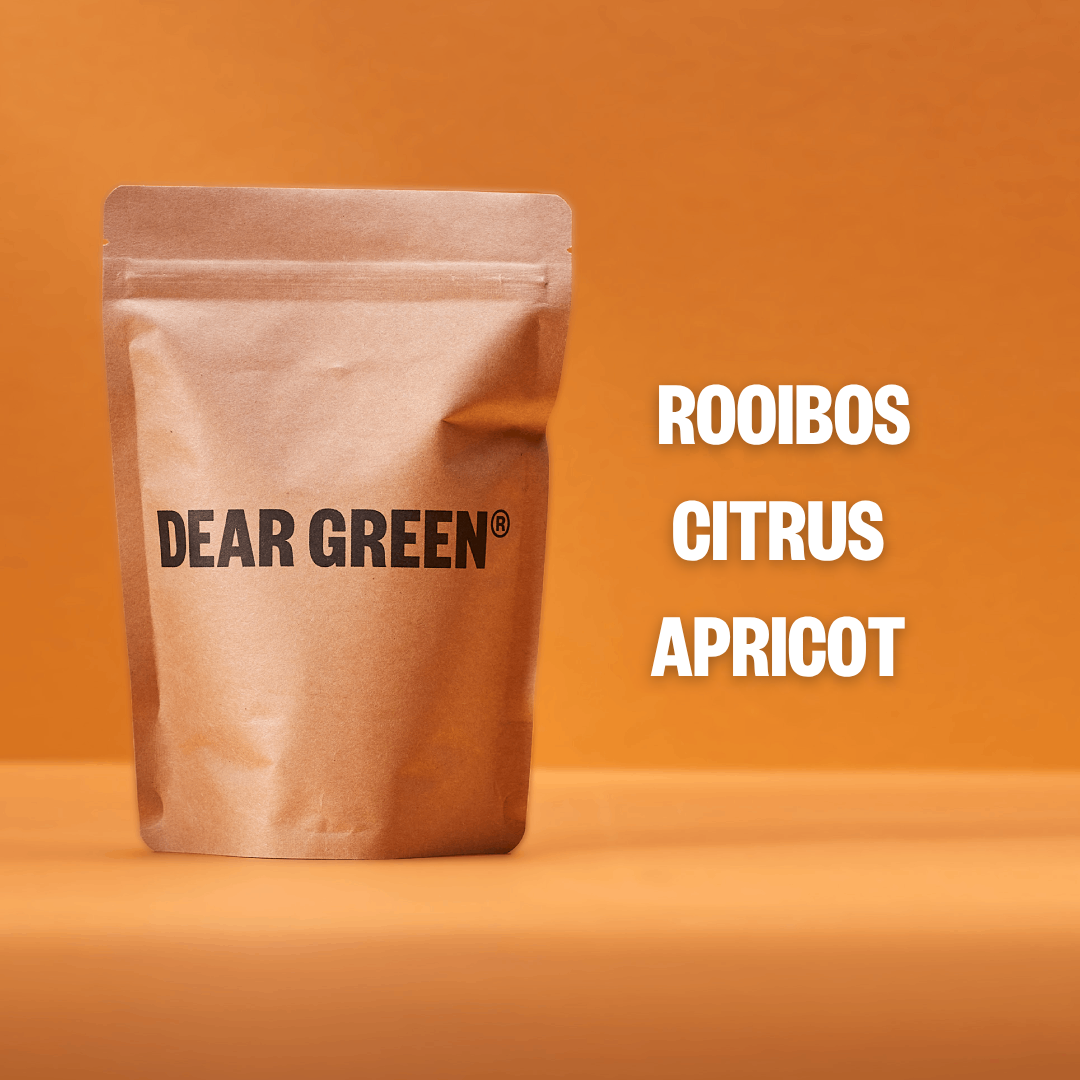
From the Rotutu community in Letefoho, Ermera, where Karst Organics supports 140+ households through picking, processing and training. Depulped, fermented, washed and slowly dried for a clean, bright cup: citrus, soft apricot and a rooibos-like finish.
Rooibos · Citrus · Apricot
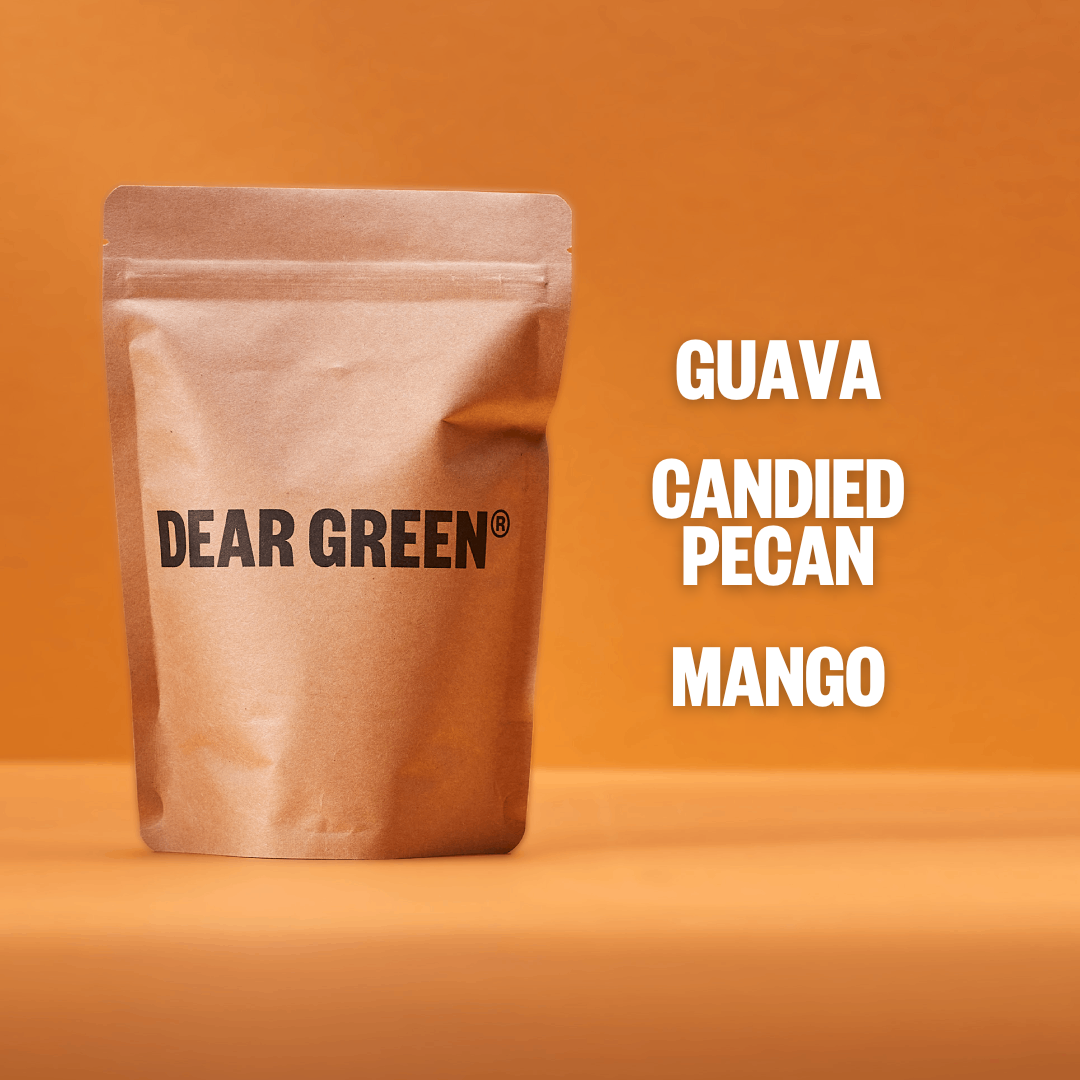
Named for the Bakonzo people of the Rwenzori Mountains and the dream of washing-station manager Chris to see their coffee drunk in the UK. More than 2,000 smallholders sell through Agri Evolve; cherries are sorted, floated and dried on raised beds for up to four weeks at Nyabirongo. Fruit-forward guava and mango with candied pecan.
Guava · Mango · Candied pecan