
Roasteries / TARABA

TARABA
Stuttgart, Germany
TARABA is a specialty coffee roastery running two Stuttgart cafés — the original TARABA 1.0 (Stuttgart-Ost/Gaisburg, opened 2017) and TARABA 2.0 (Bad Cannstatt, opened March 2025) — direct-trading globally-sourced beans that rotate regularly, roasted at a dedicated (non-public) plant in Althengstett. No online bagged-coffee shop exists — its e-commerce store sells only cascara, matcha, merchandise and a subscription product.
6
coffees
Germany
base
Locations
Coffees
6 coffees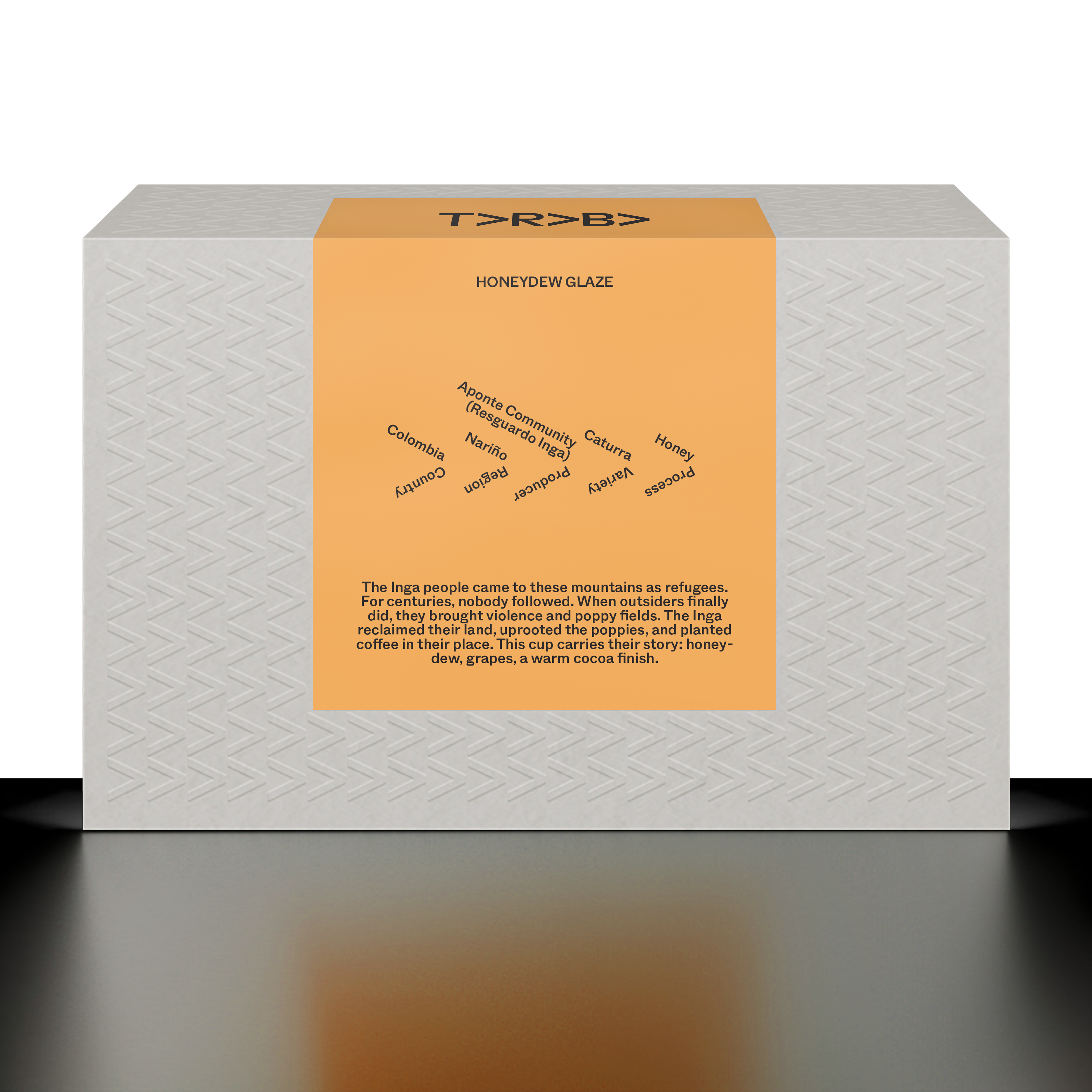
Grown by the Inga people of Aponte, descendants of pre-Hispanic Incas who settled these remote southern Colombian mountains. After decades in which armed groups forced the community into poppy production, the Inga organised under the Wasikama ("guardians of the land") movement, reclaimed over 22,000 hectares and replaced the illegal crops with coffee. Each producer dries their own honey lot on raised beds at around 2,150 m; the cup opens with grapefruit and plum, fills in with sweetness and settles into warm cocoa.
Honeydew, grapes, cocoa
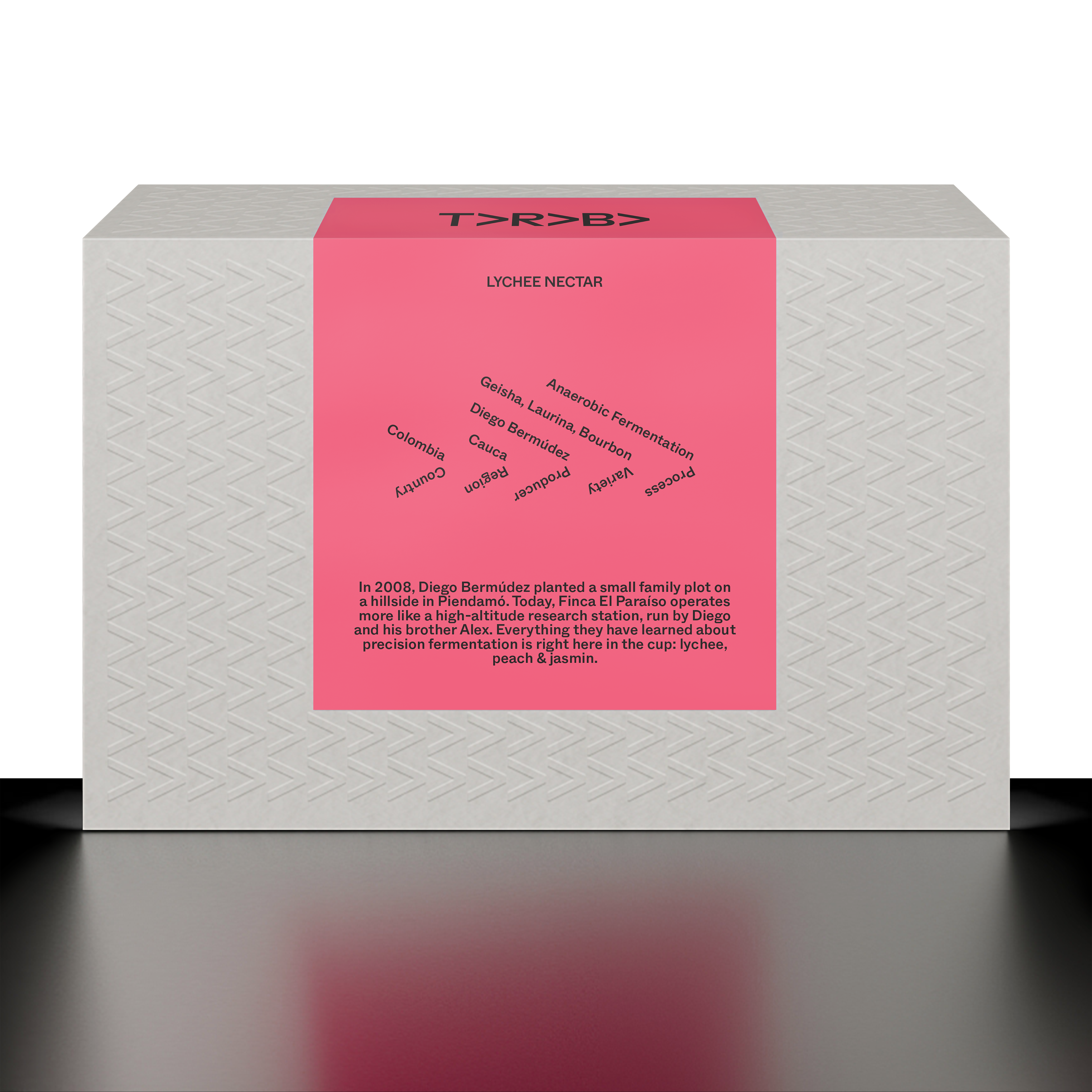
From Diego Samuel Bermúdez Tapia, who started Finca El Paraíso in Piendamó in 2008 and treats fermentation as a precise science: isolated local microorganisms, real-time temperature and pH monitoring and an on-site lab. This blend of Gesha, Bourbon and the naturally low-caffeine Laurina was fermented anaerobically and thermally shocked; it opens with bright, syrupy lychee, moves to soft peach and finishes on clean jasmine.
Lychee, peach, jasmine
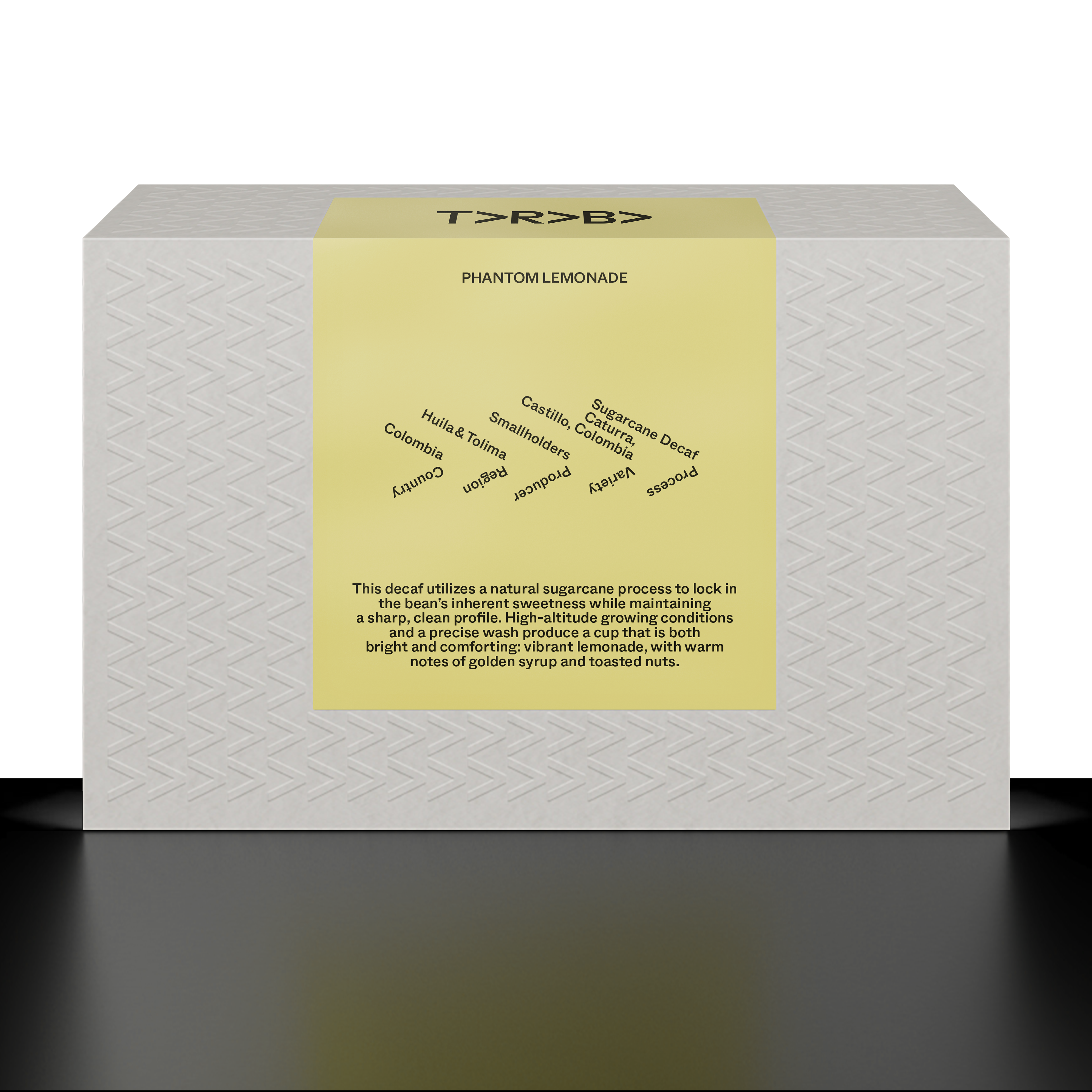
TARABA's decaf, chosen because it keeps the brightness and clarity of a washed coffee with none of the usual decaf aftertaste: zesty, comforting and very clean. It comes from El Buho ("The Owl"), a regional project pooling high-altitude smallholder lots from Huila and Tolima, decaffeinated with the natural sugarcane method, which removes caffeine without high heat or pressure and keeps the native acidity and sweetness.
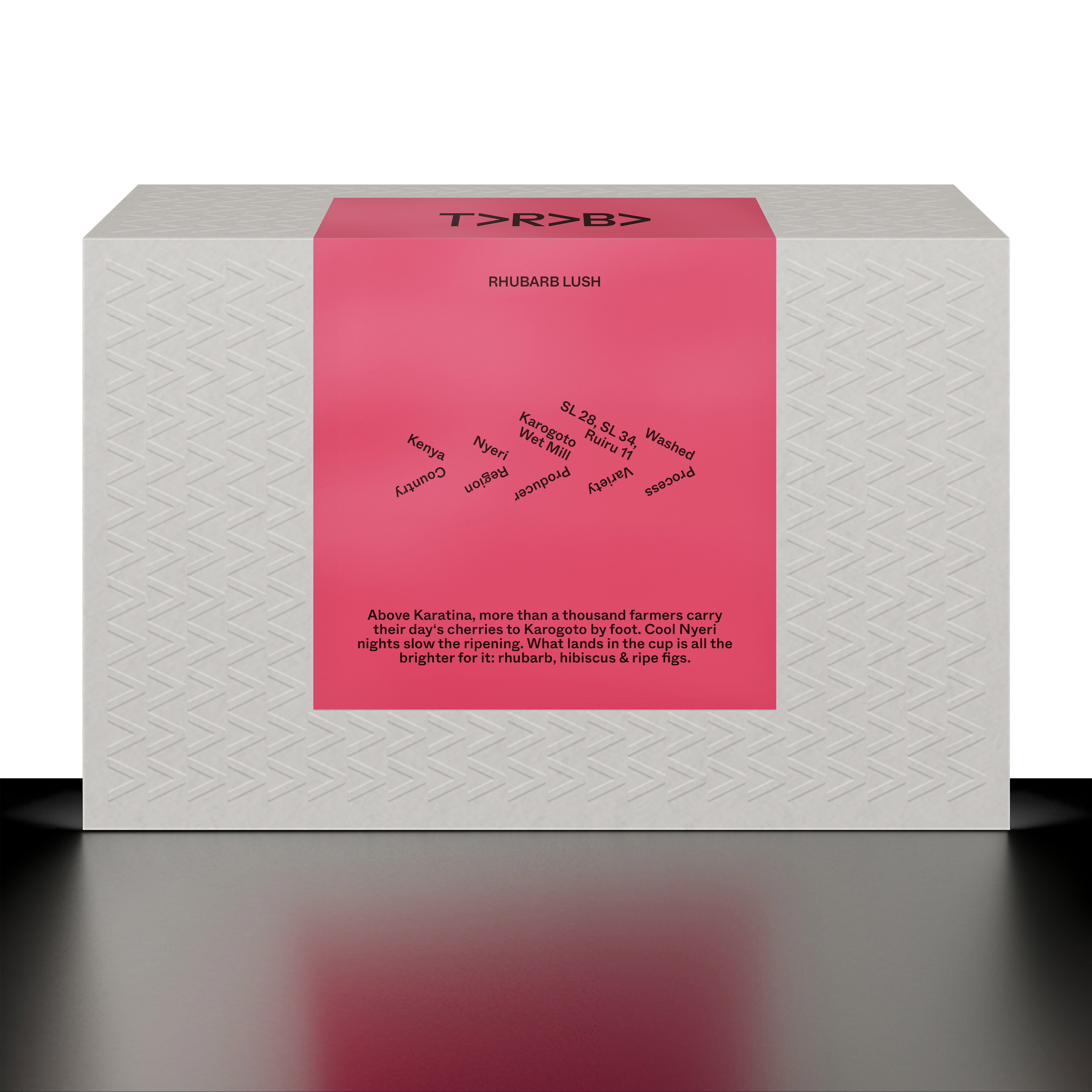
From Karogoto, one of the four wet mills of the Tekangu Farmers Cooperative Society near Karatina, on the south-western slopes of Mount Kenya. This lot comes from 1,054 members (633 men, 421 women) who each farm about half a hectare alongside maize and livestock and carry their hand-picked cherries to the mill. Classic Kenyan washed coffee: layered fruit and bright acidity, intense but never loud. Roasted on TARABA's IMF air roaster and nitrogen-flushed.
Rhubarb, hibiscus, ripe fig
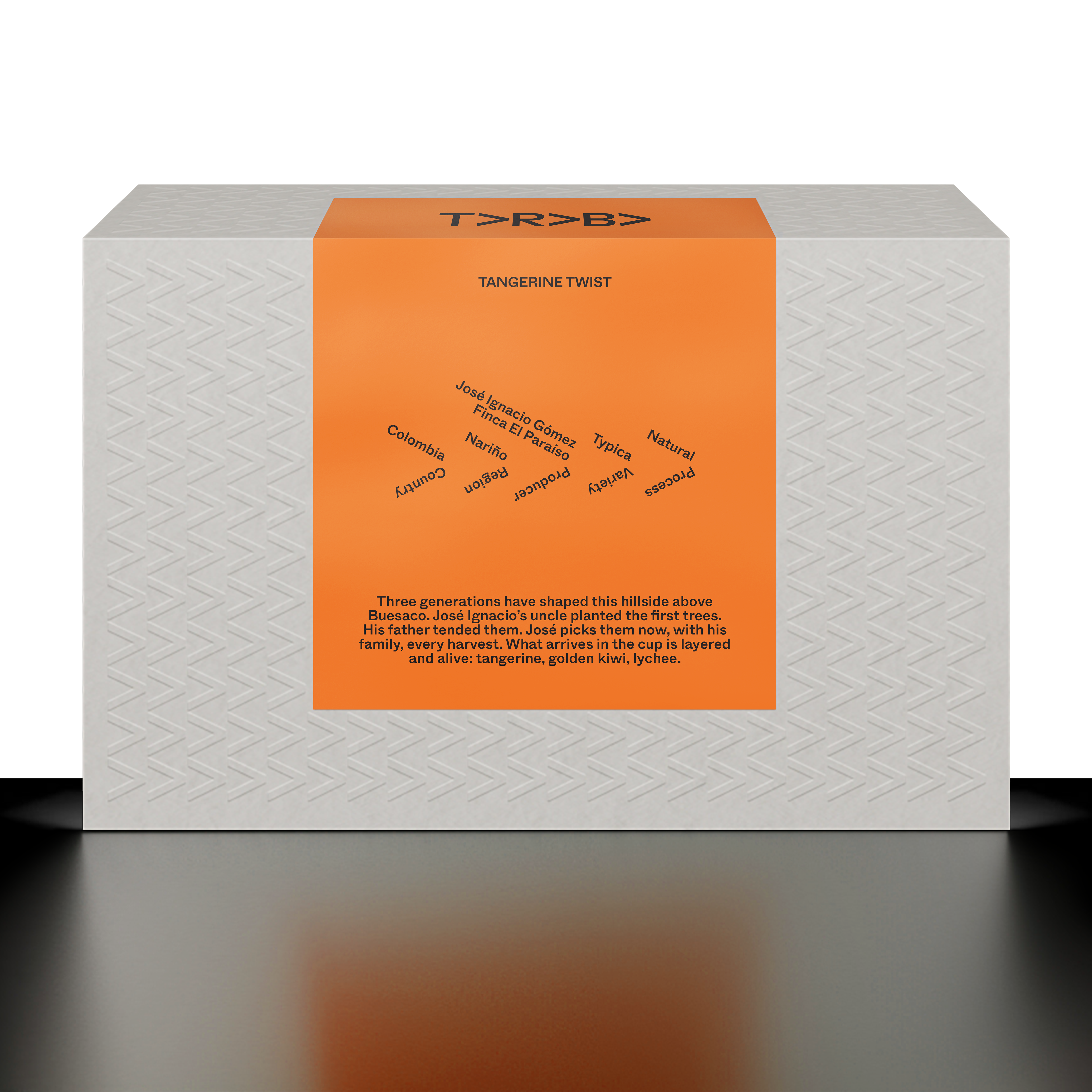
José Ignacio Gómez inherited Finca El Paraíso near Buesaco from his father and grows six and a half hectares of coffee among orange, lemon and avocado trees. Cherries go to his own micro wet mill and dry in a three-tier solar dryer he built to catch the farm's crosswinds, managed by his childhood friend Carlos Alberto. This natural Typica is lively and electric: blood orange, golden kiwi and a lychee sweetness that drifts towards gently funky.
Blood orange, golden kiwi, lychee
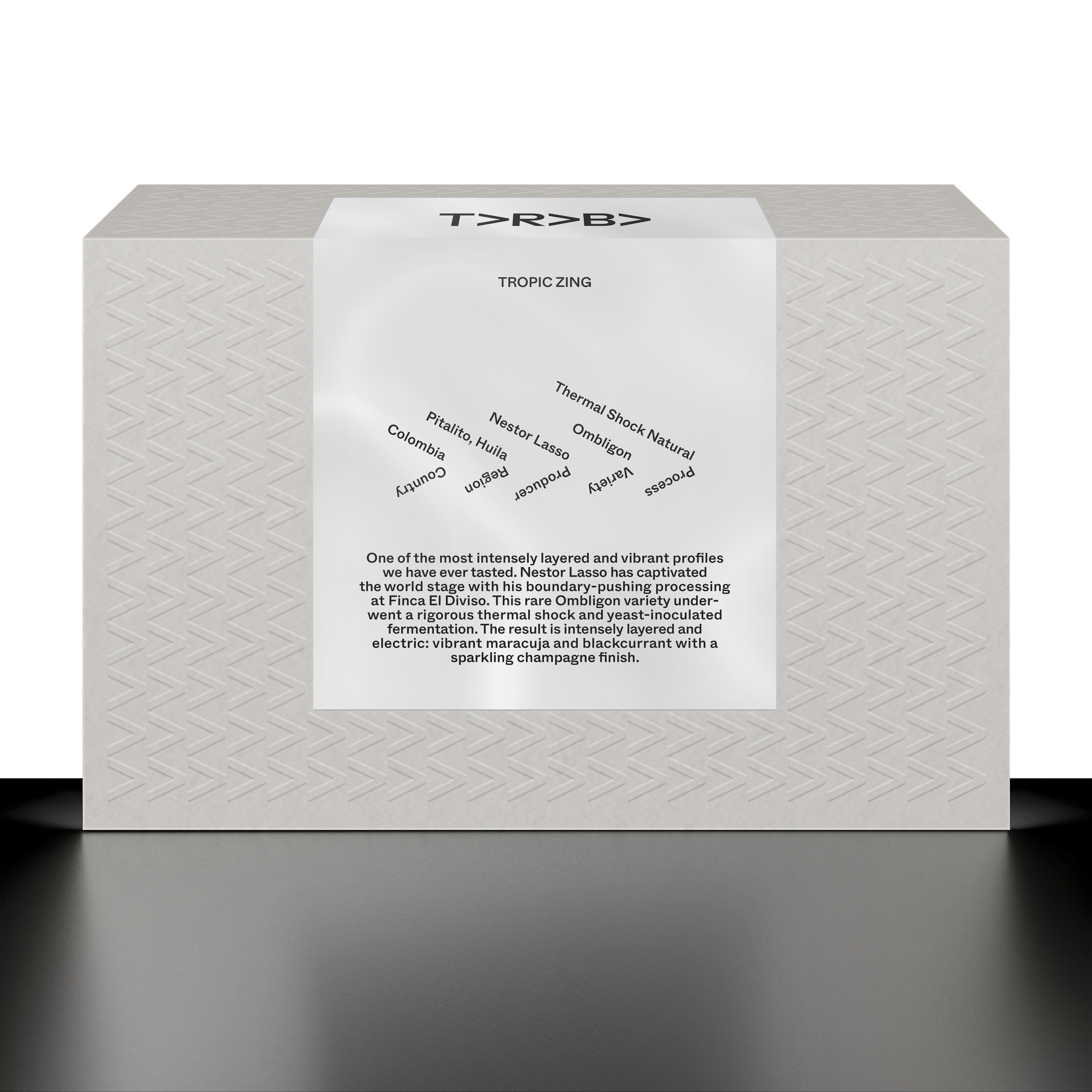
Ombligon from Nestor Lasso's Finca El Diviso, which his family spent 27 years building into one of Colombia's most innovative farms. The cherries oxidise for 48 hours in open tanks bathed in their own recirculated mosto before a thermal-shock natural process. TARABA's most intense coffee: tart maracuja and blackcurrant, a silky body and an effervescent, champagne-like finish. Sold in 150 g bags.
Maracuja, blackcurrant, champagne