
Roasteries / Program Kafe

Program Kafe is a small Czech specialty coffee roastery in Opatovice nad Labem, near Pardubice, run by Matyáš Frýda. It roasts to order in small batches — single-origin coffees and signature blends — from a combined roastery and espresso bar on Hradecká, where green beans are chosen and roasted a few steps from the bar. The espresso bar also serves batch brew, matcha, chai, house lemonades and pastries, and is run as a community project. Source: programkafe.cz.
9
coffees
Czech Republic
base
Location
Program pražírna a espresso bar
Hradecká 103, 533 45 Opatovice nad Labem, Czech RepublicTue–Sun: 10:00–18:00 · Mon: closed
Coffees
9 coffees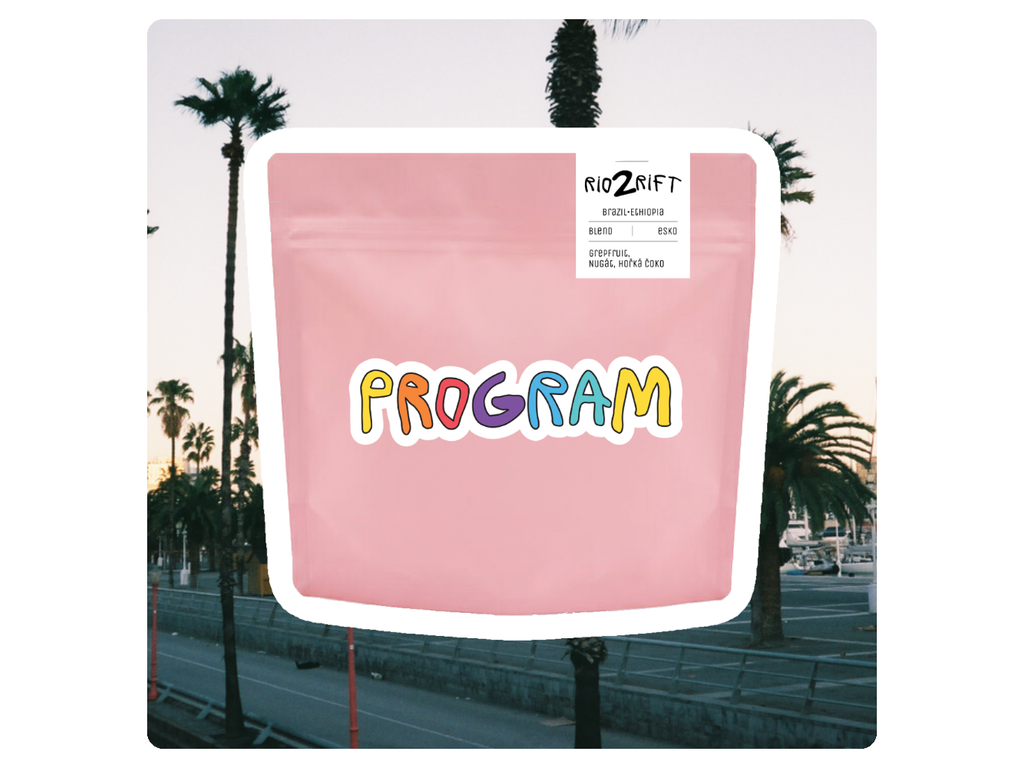
Program's signature espresso blend, joining two coffee worlds — the warm stability of Brazil and the fresh energy of Ethiopia — in a 50/50 mix. The Brazilian half is a natural from sun-drenched Mogiana: family farms, red soil and long drying giving body, sweetness and chocolate depth. The other half is a washed Ethiopia from Sidamo, the cradle of arabica, where high altitude, cold nights and washed processing bring clarity, sparkle and structure. In the cup the two meet on the edge of sweetness and elegance: grapefruit gives a juicy acidity and a lightly bitter citrus tone that ties into the dark chocolate of the Brazilian component, while nougat rounds everything out with creaminess, full body and a gently nutty sweetness. Bold but everyday-drinkable. Source: programkafe.cz.
Grapefruit, nougat, dark chocolate
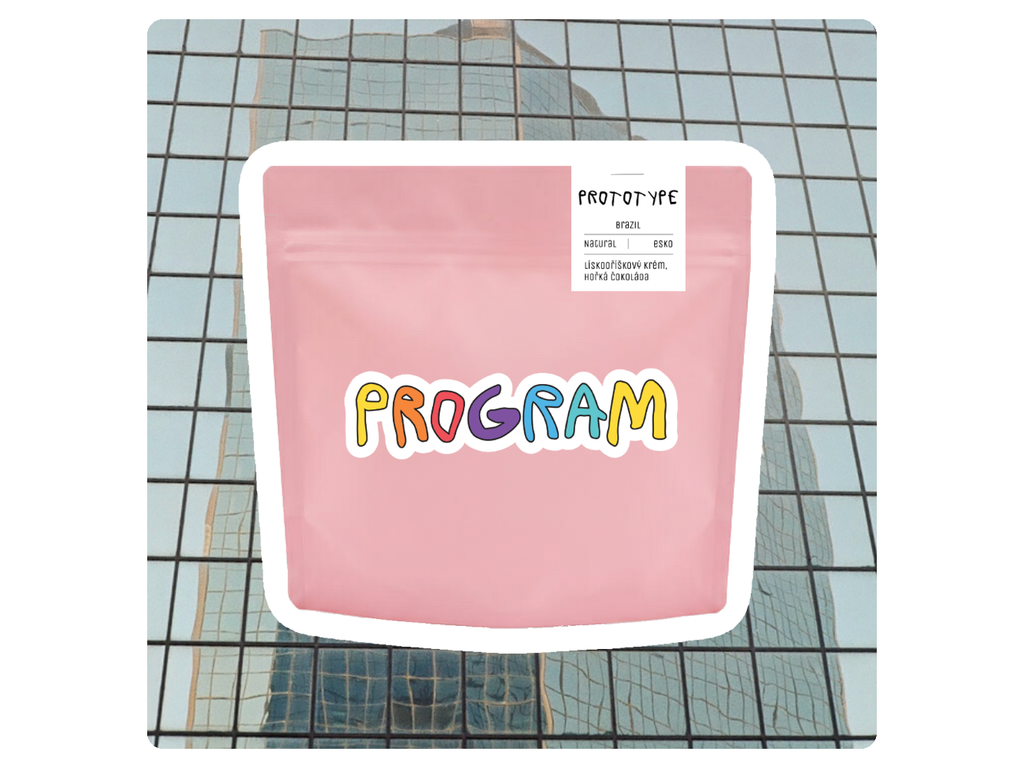
A classic, honest Brazil from the Mogiana region on the gently rolling highlands of southeastern Brazil, where coffee is grown by farming families on mostly small farms in a warm climate and fertile red soil. Cherries are hand-picked and sun-dried as naturals, letting the bean soak up the sweetness of skin and pulp. Full, round and easy-going: a soft hazelnut cream that opens into deeper dark chocolate, with low acidity and a velvety body — an everyday espresso built for drinking from morning to afternoon. Roasted for espresso. Source: programkafe.cz.
Hazelnut cream, dark chocolate
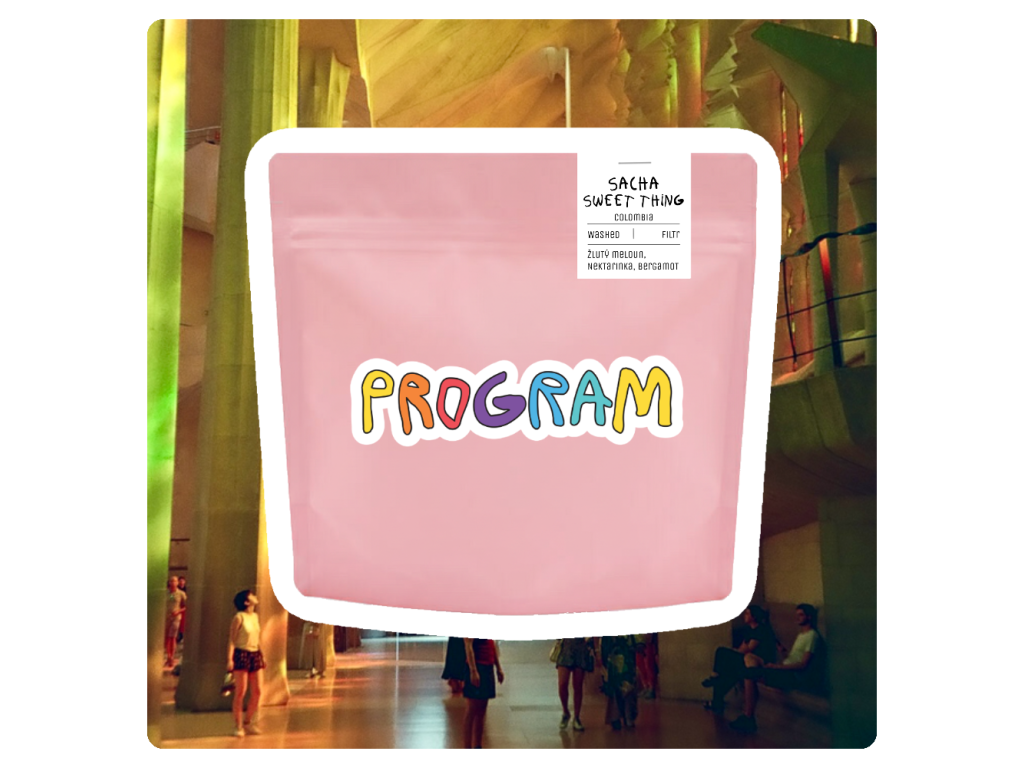
A washed Caturra and Colombia blend from smallholders around Acevedo in southern Huila, processed at Peñas Blancas, a centre run by Nestor Lasso and Jhoan Vergara to give small farmers the same precise fermentation and drying control as the region's top farms. "Sacha" means wild forest in Andean and Amazonian languages. Sweet and elegant: nectarine, yellow melon and bergamot.
Nectarine, yellow melon, bergamot
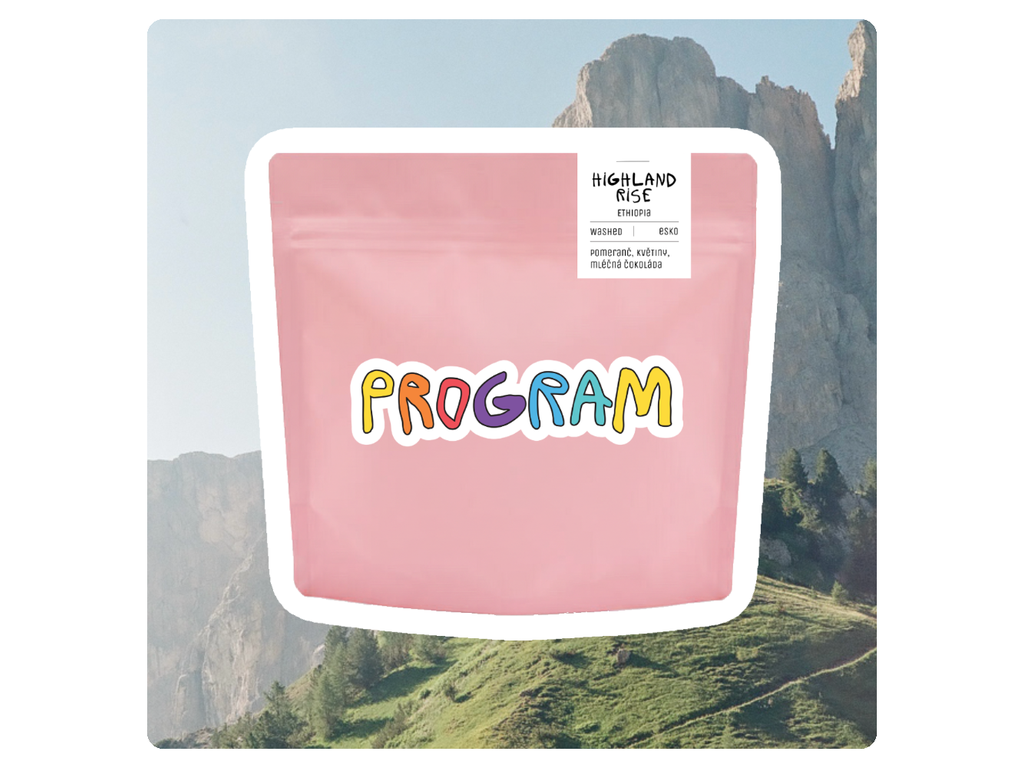
An elegant washed Ethiopia from Gedeb, the southernmost and highest part of the famous Yirgacheffe zone. Coffee trees grow at 1,920–2,230 m on steep green slopes in the shade of native trees; the cooler climate and slow cherry ripening give the coffee pronounced sweetness, a fine structure and rich aromatics. More than 1,000 smallholders farming small family plots deliver cherry to the Halo Beriti washing station, where it is sorted, depulped, fermented in water tanks for 48–72 hours, thoroughly washed and slow-dried on raised African beds. Roasted for espresso to bring out the natural sweetness and a rounder body without covering its lightness: juicy orange citrus, a delicate floral line and a smooth milk-chocolate finish — clean and lively, and good with milk. Source: programkafe.cz.
Orange, flowers, milk chocolate
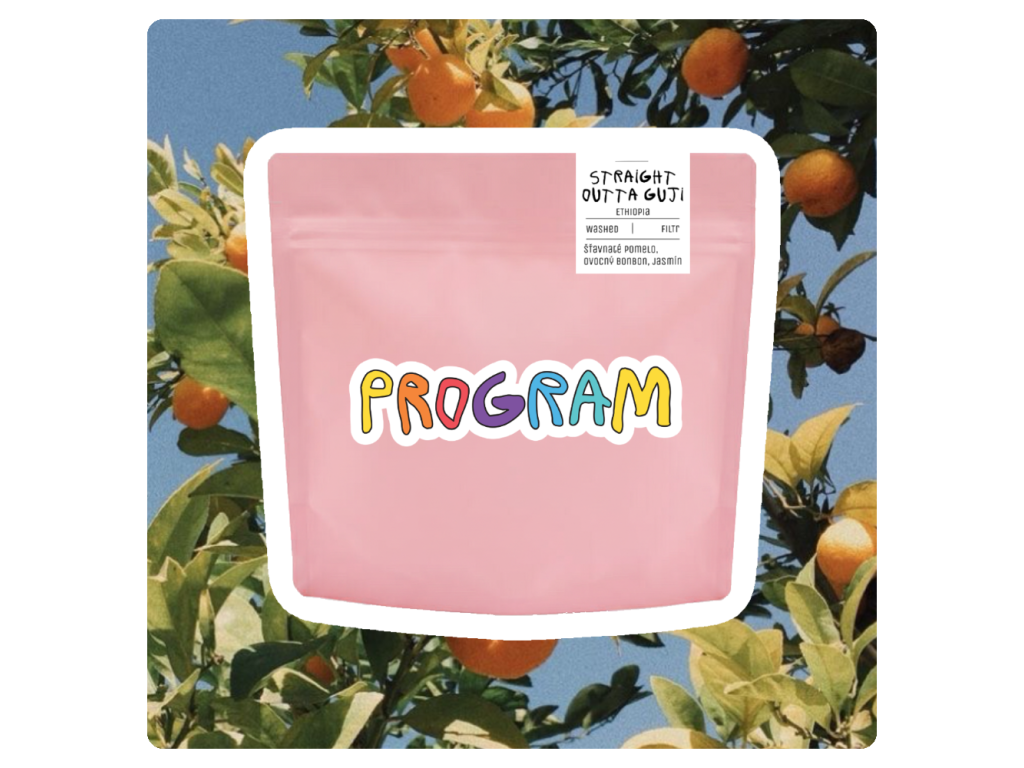
From the Yabitu Tume washing station in Uraga, Guji, which takes cherry from about 1,400 smallholder families farming garden plots around their homes at 1,900–2,300 m. Ripe cherries are re-sorted on arrival, fermented 36–48 hours, washed, soaked and slow-dried on raised African beds. Juicy and sweet: pomelo, fruit candy and jasmine.
Pomelo, fruit candy, jasmine
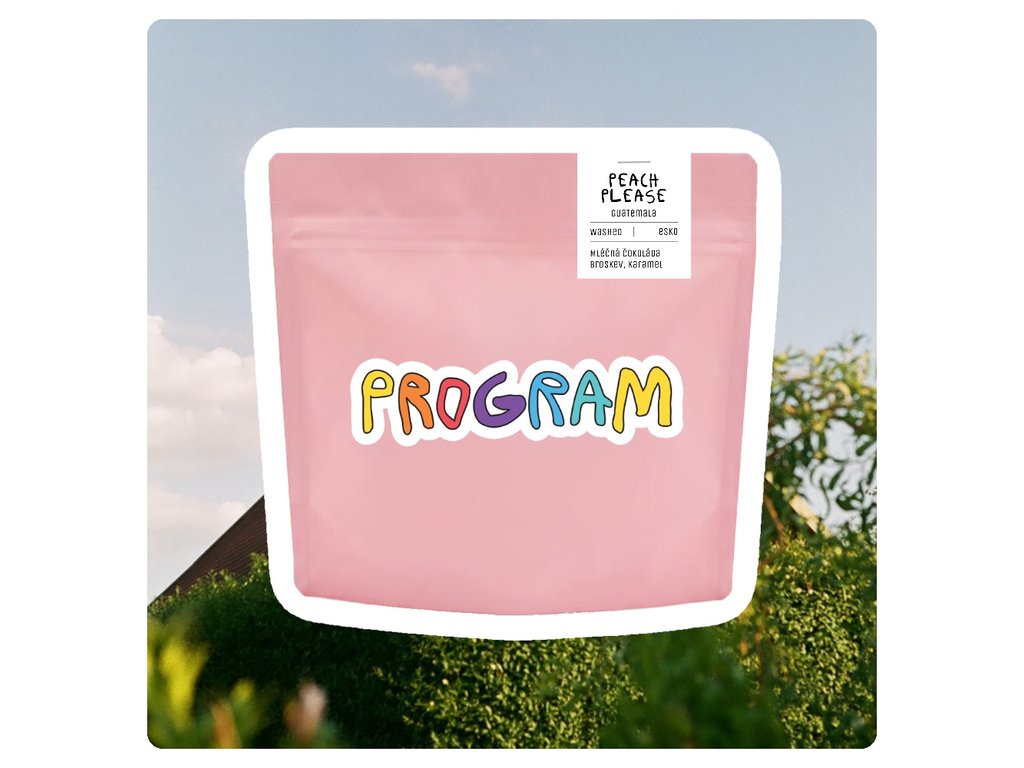
This Guatemala comes from Huehuetenango, a remote mountain region in the country's northwest near the Mexican border. Coffee grows high in the mountains, often between 1,600 and 2,000 m, on steep slopes in limestone-rich soil; warm air currents rising from the Mexican lowlands protect the plantations from frost, so cherries ripen slowly and develop pronounced sweetness and a clean character. Sold under the name Attila, it is the joint work of dozens of small and mid-size growers scattered through the surrounding hills — many of them coffee families for generations — who mostly wet-process their own harvest at the farm or at small local mills fed by the area's mountain rivers. Sweet, full and balanced, with a chocolate base, caramel finish and a ripe-peach fruitiness. Roasted for espresso. Source: programkafe.cz.
Milk chocolate, peach, caramel
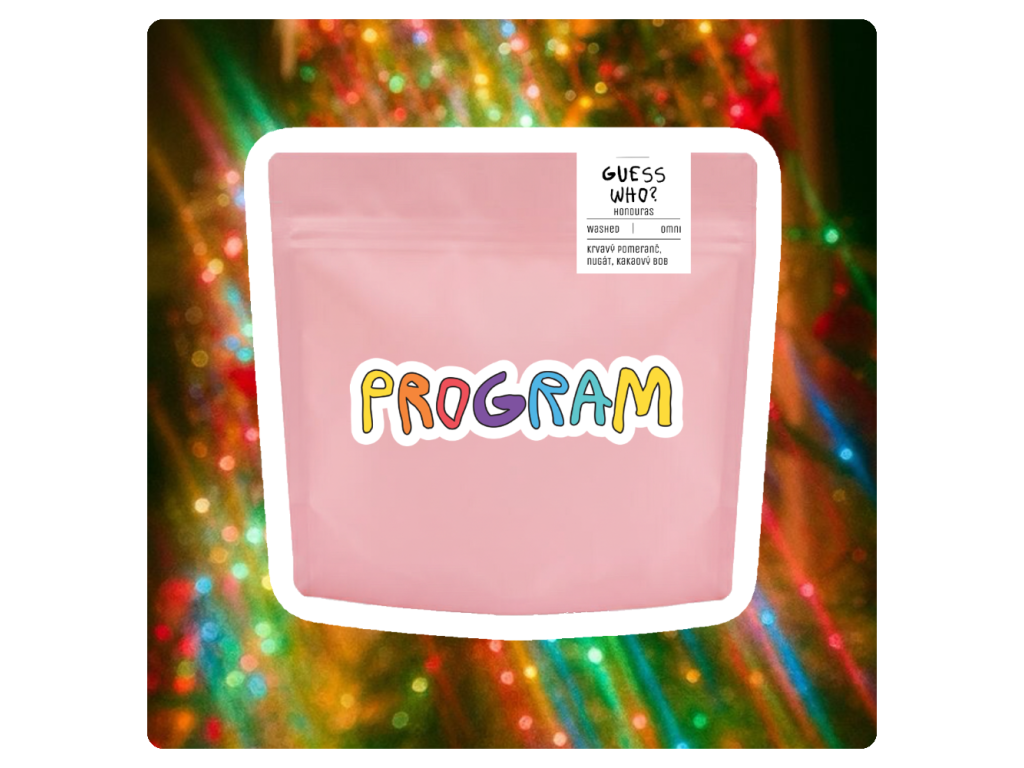
From Marcala in Honduras's Montecillos range, the first coffee region in Central America with a protected designation of origin, grown under inga, citrus and banana shade at 1,200–1,700 m. Behind it is COMSA (Café Orgánico Marcala), founded in 2001 by 69 farmers and now over 1,500, which also works on soil regeneration, agroforestry and its own natural fertilisers. Washed and roasted omni: candied blood orange, nougat and cacao nib on filter; full body, red fruit and milk chocolate as espresso.
Blood orange, nougat, cocoa; red fruit and milk chocolate as espresso
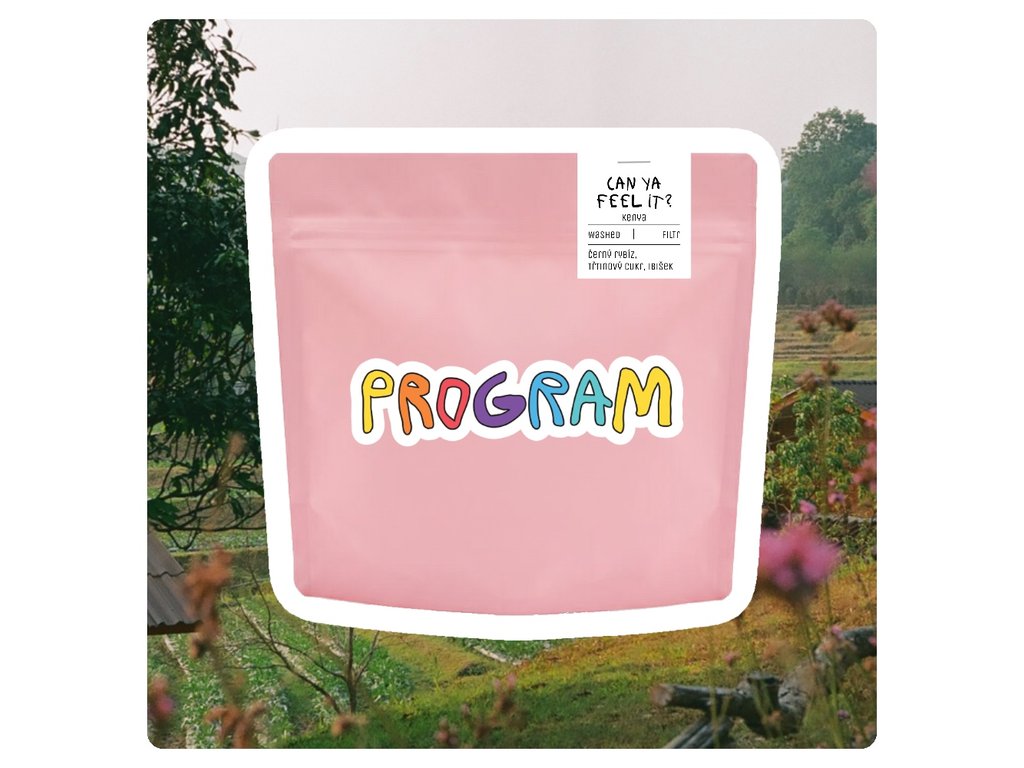
Sold as Kagumo, a bold, juicy Kenya from Kirinyaga on the fertile slopes of Mount Kenya, grown at 1,600–1,700 m in mineral-rich red volcanic soil. Cool nights, mild days and regular rainfall slow the ripening and give the coffee high density, pronounced sweetness and the region's signature lively acidity. Behind it are more than 1,500 smallholders — most farming tiny family plots alongside bananas, maize, beans and vegetables — who deliver cherry to the Kagumo Coffee Factory, part of the Mutira Farmers Cooperative Society. After picking, cherries are sorted and depulped, the parchment ferments for about 24 hours, is washed with clean mountain water, soaked again for several hours and then slow-dried on raised African beds. Juicy, layered and clean: intense blackcurrant and Kenyan sparkle, cane-sugar sweetness rounding it out, and a lightly floral, fresh hibiscus line, with a long finish. Source: programkafe.cz.
Blackcurrant, cane sugar, hibiscus
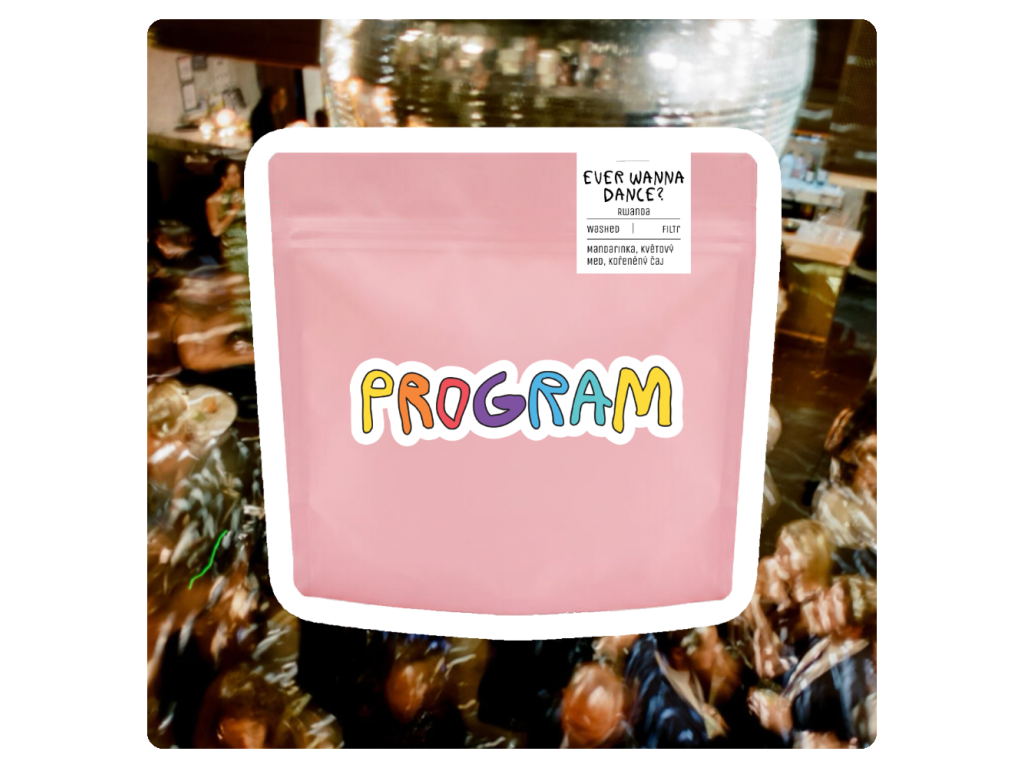
From the Sake washing station by Lake Sake in eastern Rwanda's Ngoma District, built by Marie Laetitia Kayitesire, who began growing coffee in 1999. Sake now works with about 2,200 smallholders and puts women at the centre of production and processing. Washed Red Bourbon, slow-dried on raised beds. Gentle, sweet and layered: mandarin, blossom honey and a spiced-tea finish.
Mandarin, blossom honey, spiced tea