
Roasteries / van Gülpen Coffee Roasters
Founded in 1832, van Gülpen is the world's oldest family-operated coffee roastery, now run by its sixth generation (Lutz & Alex Reinhart-van Gülpen). The Emmerich am Rhein roastery blends generations of traditional coffee knowledge with a modern, progressive specialty-coffee program.
22
coffees
Germany
base
Location
van Gülpen Coffee Roasters - Rösterei
Ostermayer Strasse 1, 46446 Emmerich am Rhein, Germany+49 2822 9308 0Coffees
22 coffees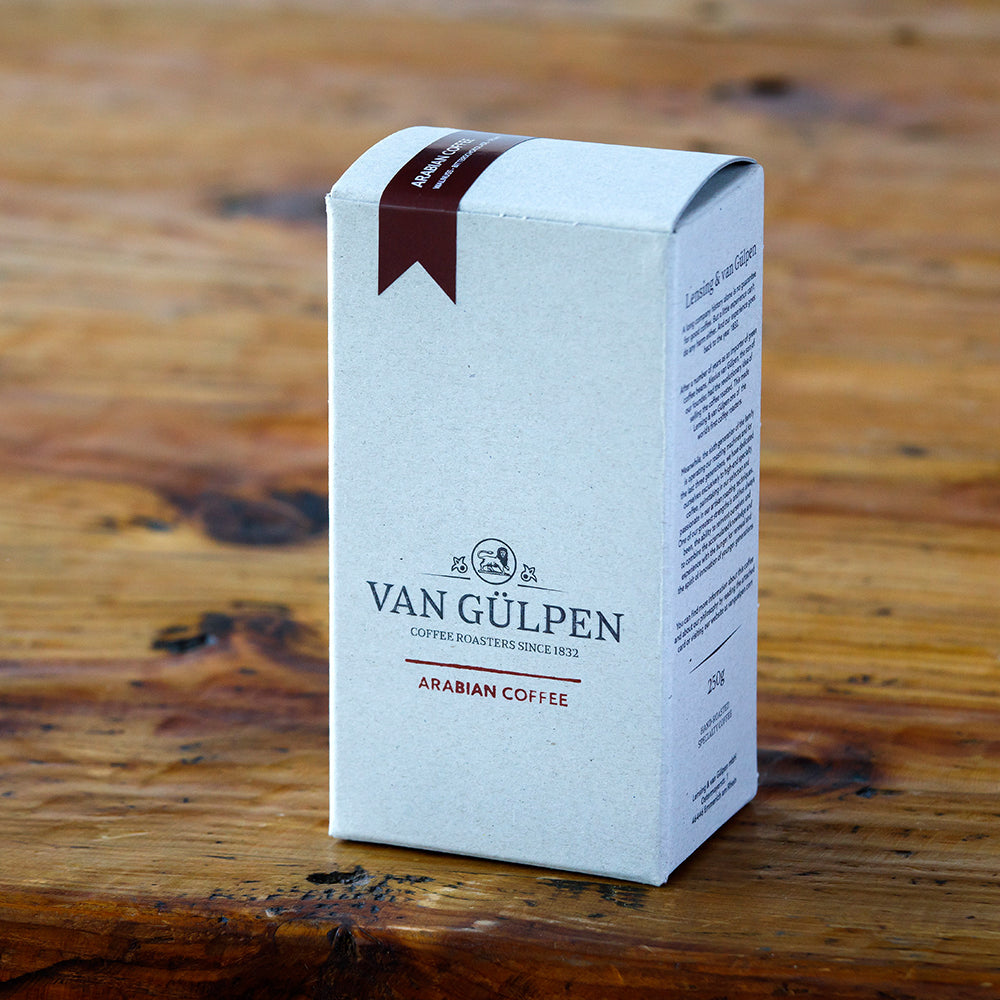
Full-bodied traditional blend with walnut and nutmeg character, balanced acidity and a long finish.
Walnut, nutmeg
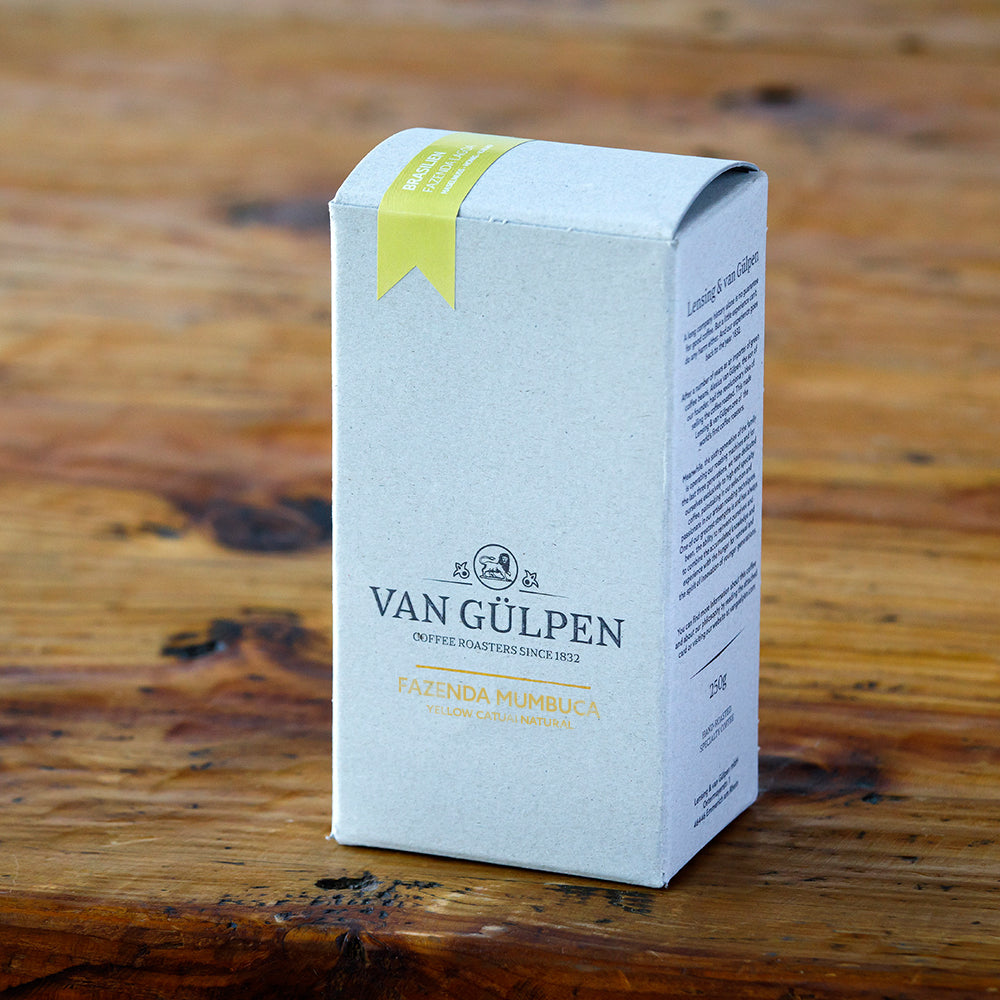
From a 370-hectare farm whose owner emphasizes sustainable growing practices, aiming for the farm to be recognized for quality and environmental stewardship alike.
Pecan, cocoa, mild citrus zest
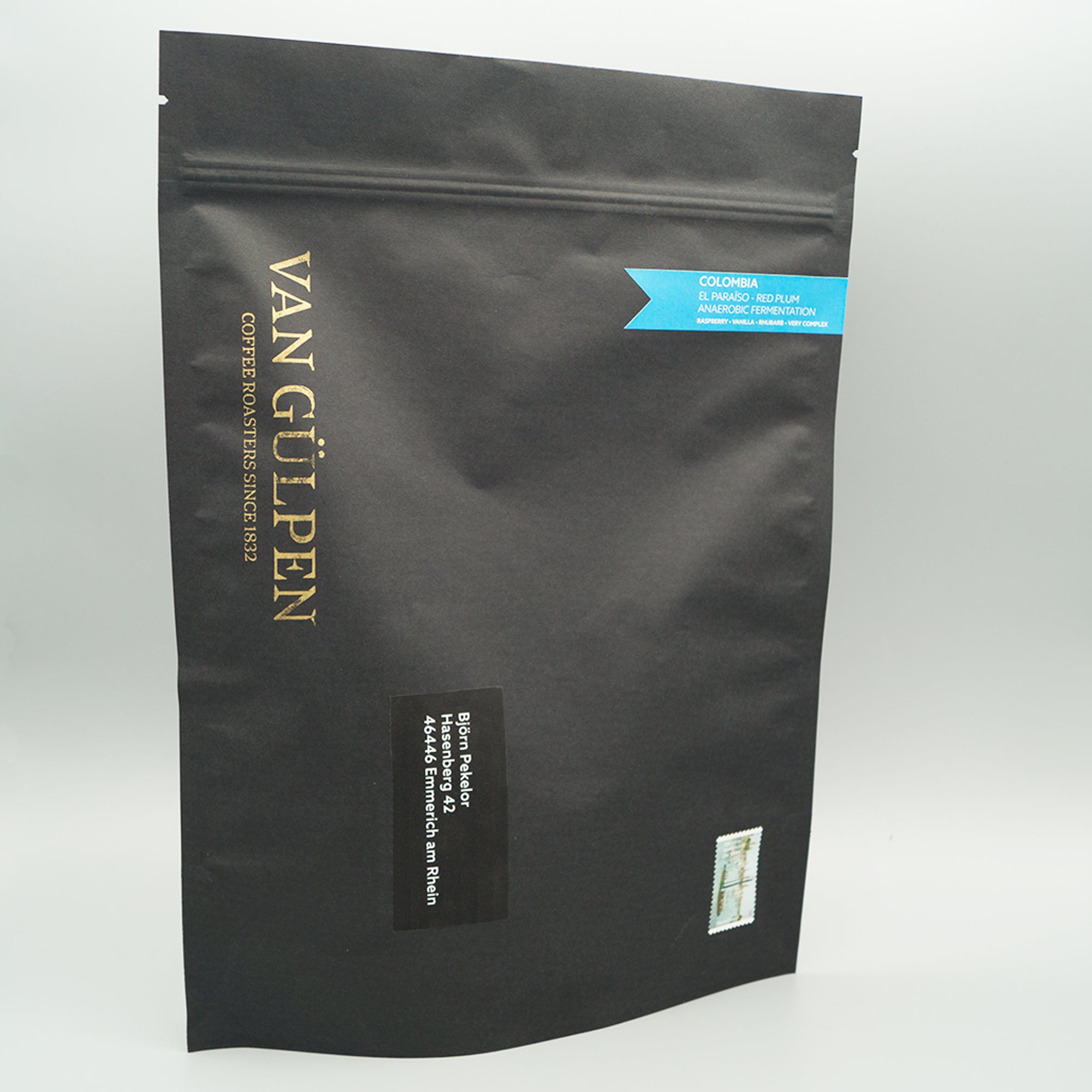
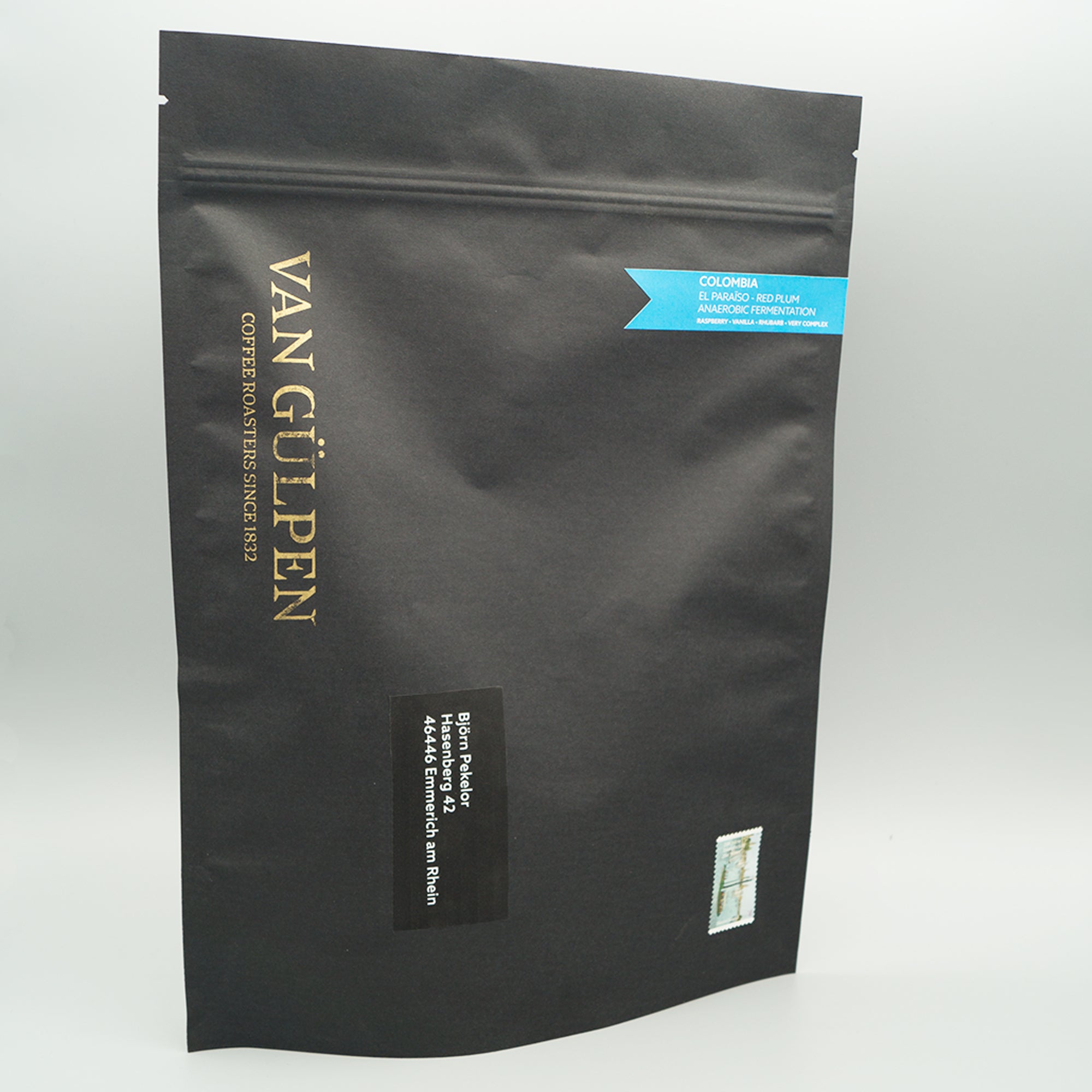
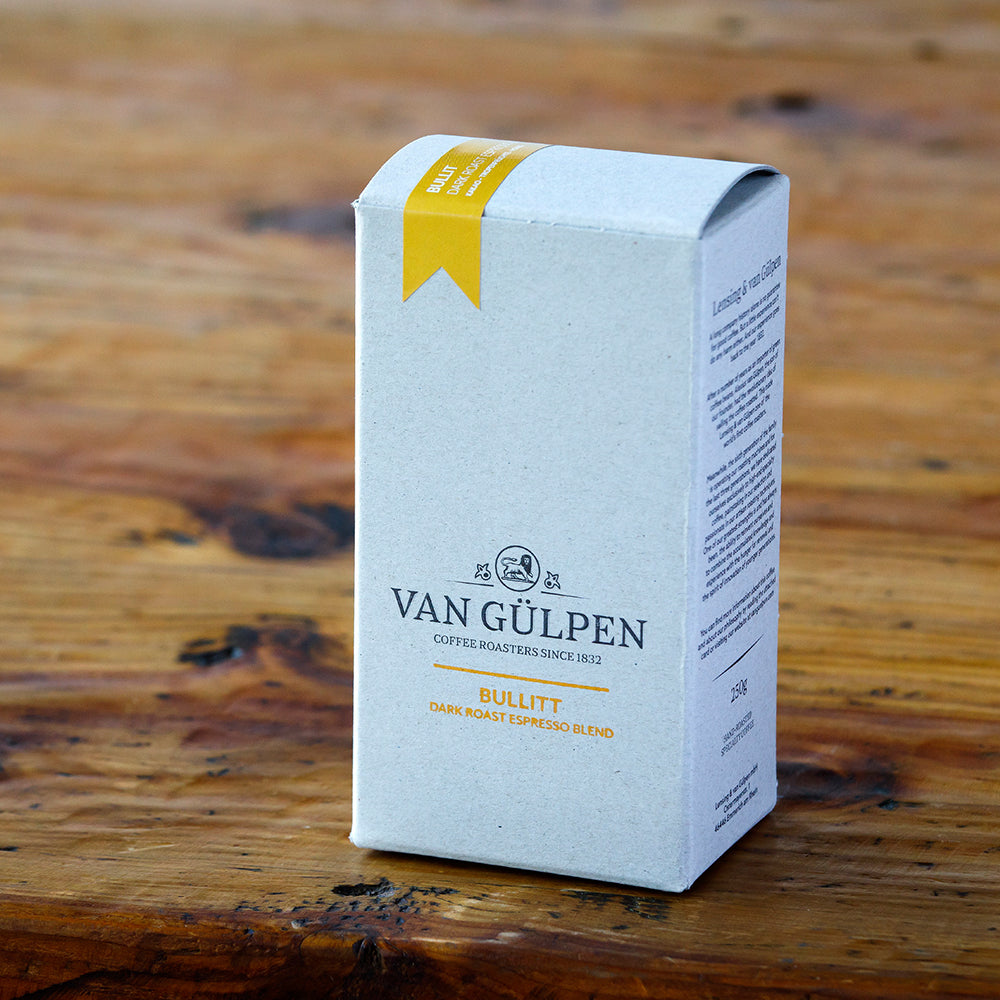
A classical, dark-roasted espresso blend built for body, intensity, and milk compatibility.
Cocoa, tropical fruits, honey
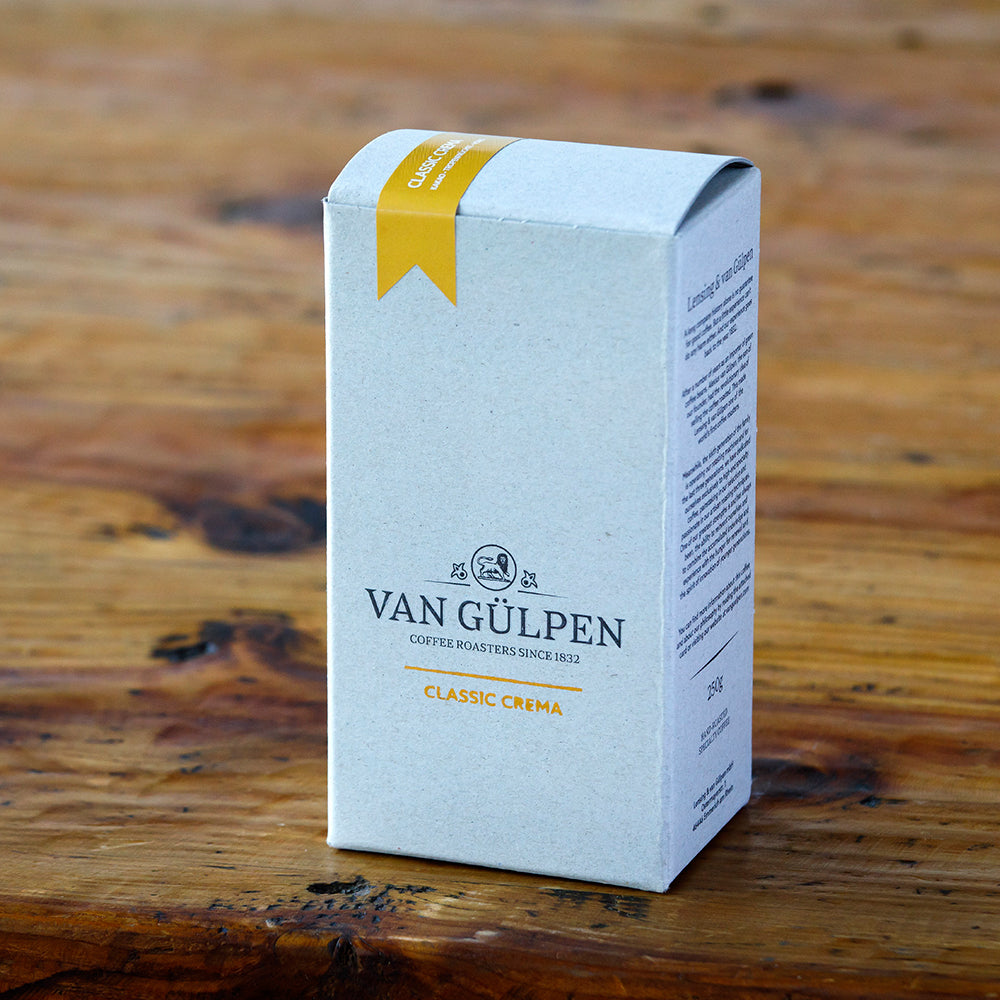
A versatile blend for fully automatic machines and portafilters, suited to both espresso and café crème.
Cocoa, tropical fruits, honey
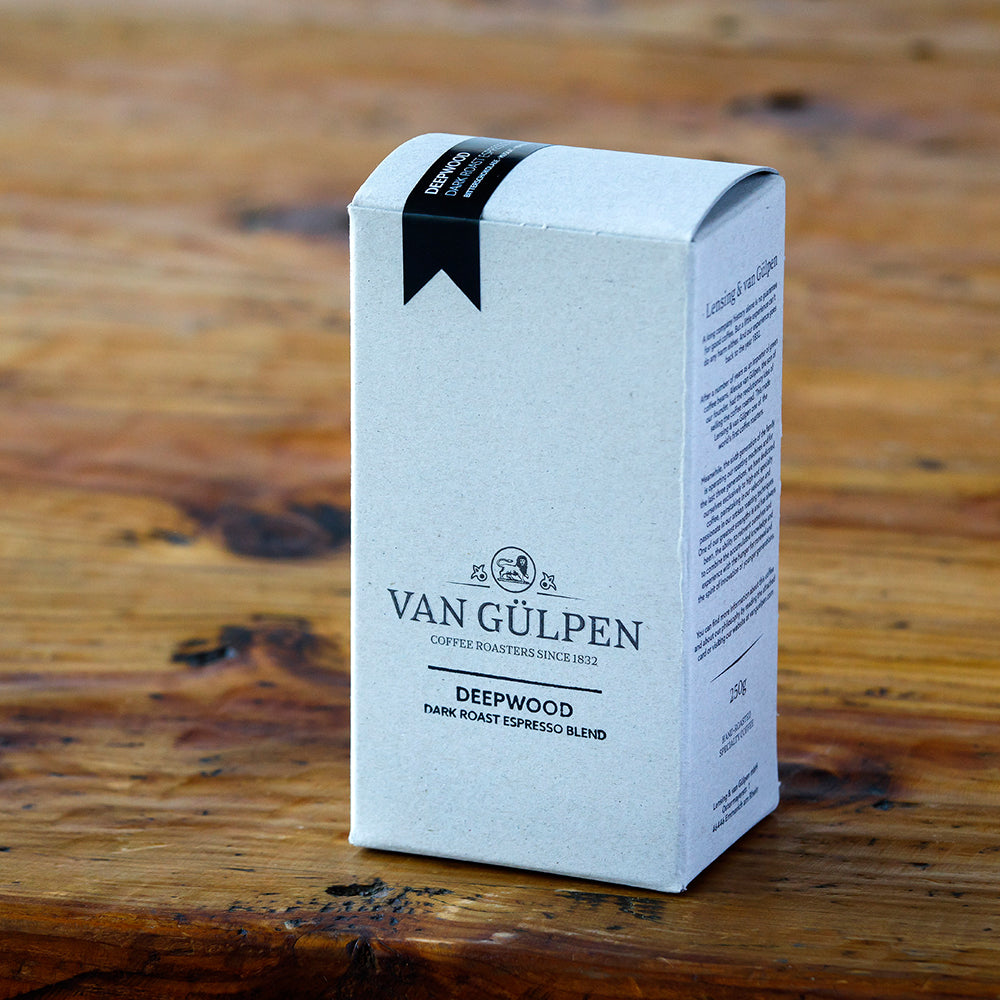
A dark-roasted, full-bodied espresso blend of 100% Arabica beans from Brazil, Guatemala and Ethiopia.
Dark chocolate, almonds, nutmeg
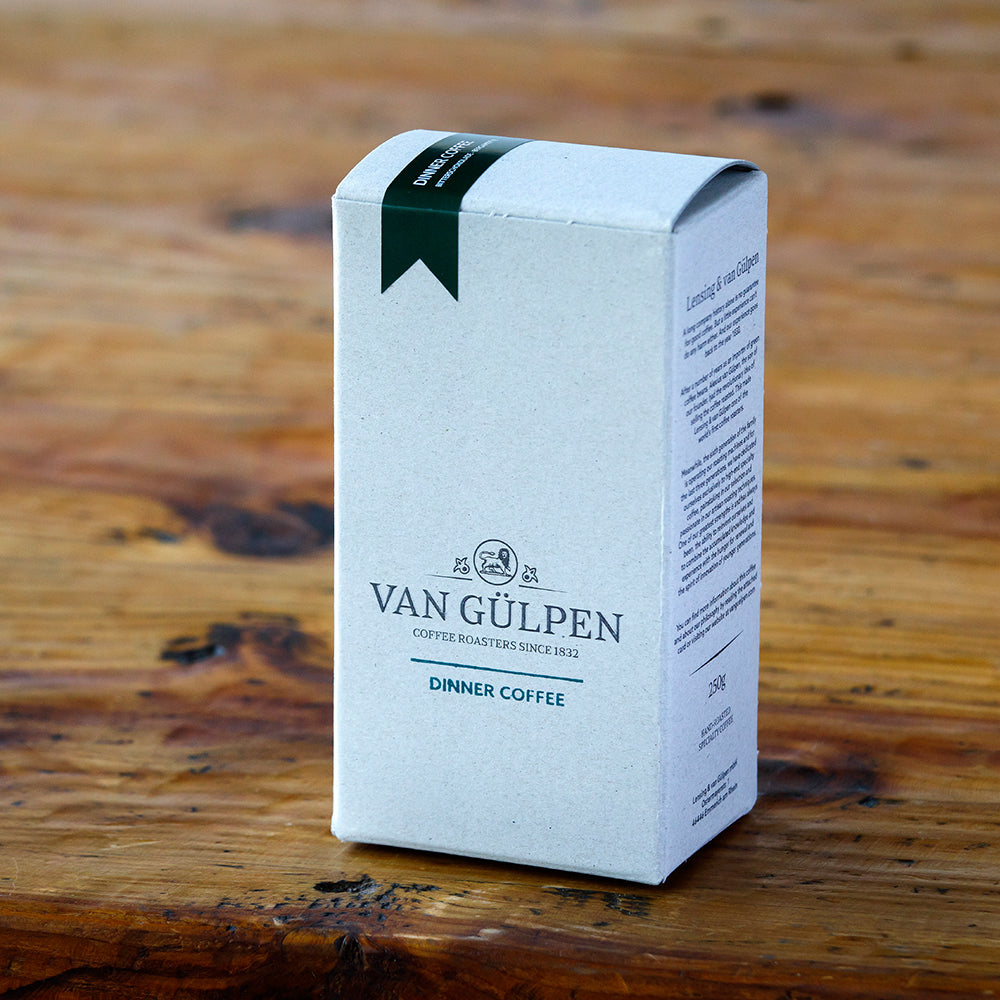
A robust filter coffee with lively acidity, dark chocolate and bergamot notes.
Dark chocolate, bergamot
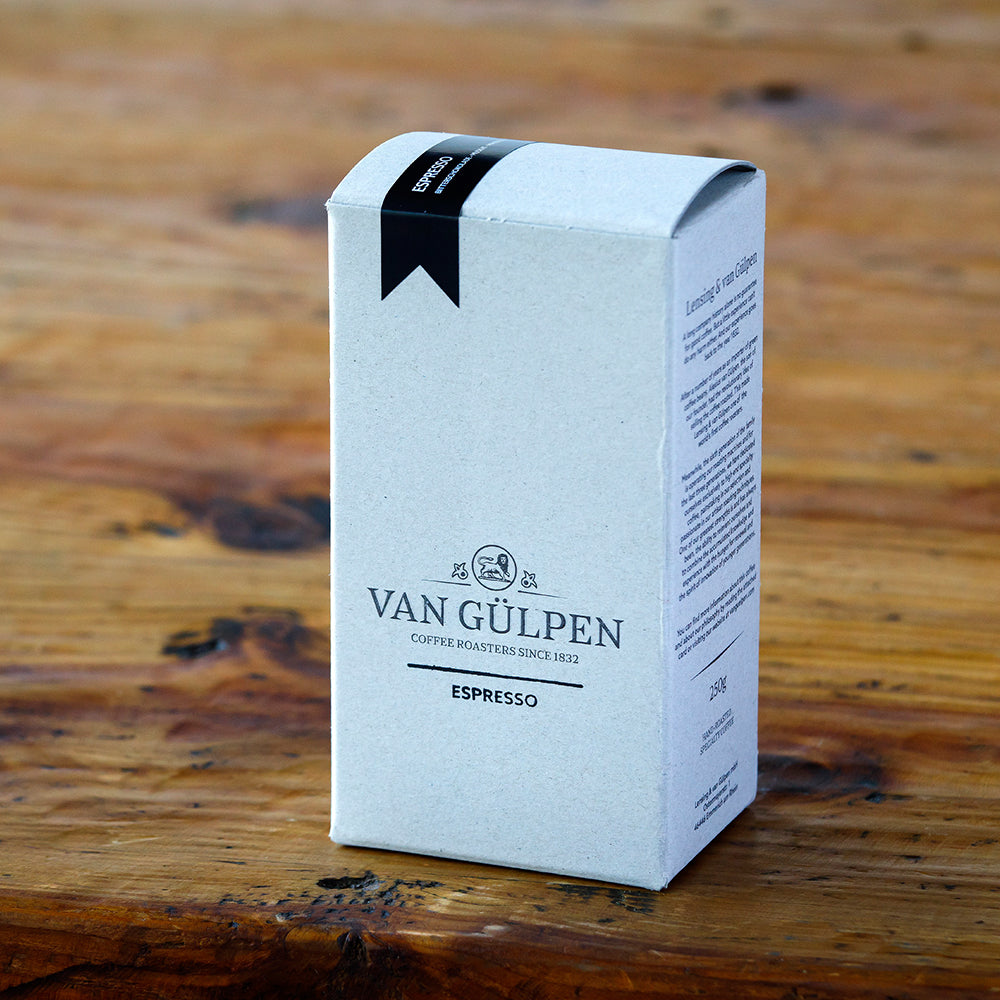
A traditional northern-Italian-style espresso, balancing acidity and bitterness with intense sweetness.
Dark chocolate, hazelnut, nutmeg
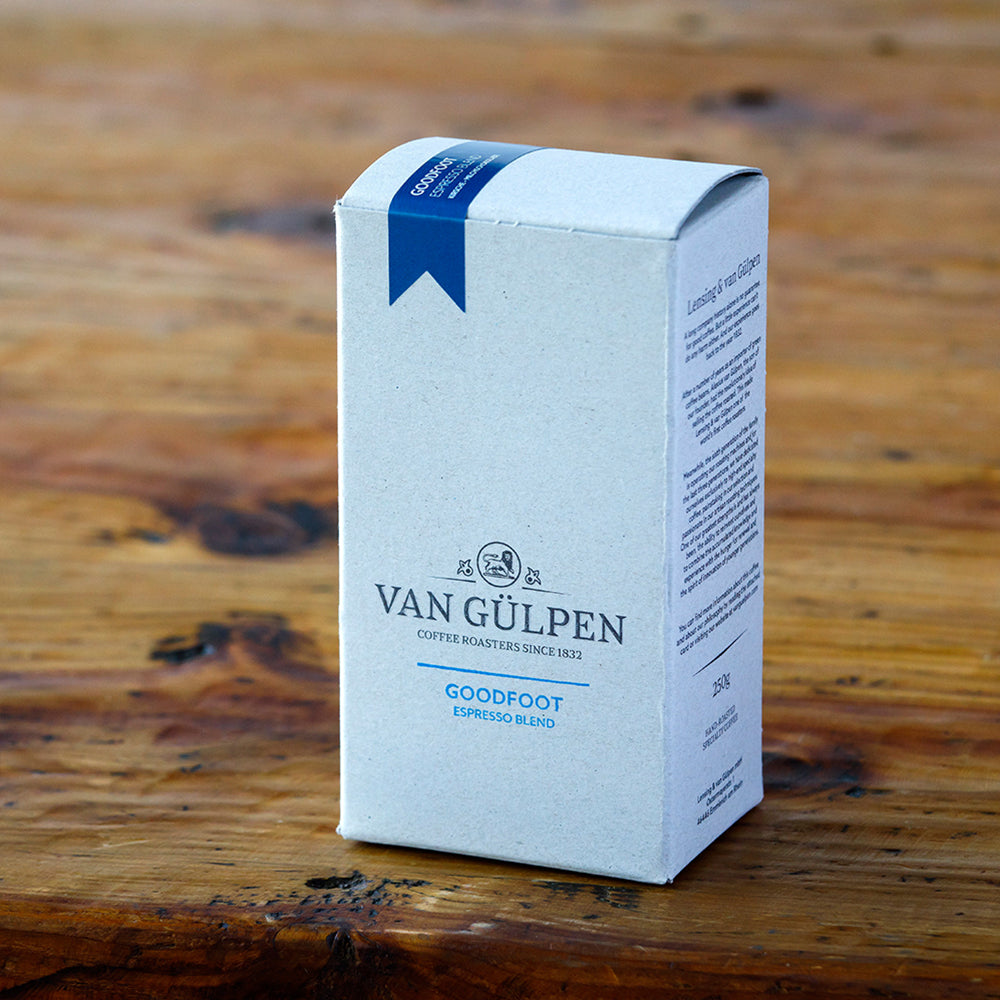
A modern, fruity espresso blend — Sancoffee Caramelo (Brazil), Exótico de Altura/Giraldo (Colombia) and Comsa Coop Natural (Honduras) — with noticeable acidity balanced by chocolate in the finish.
Cocoa, cherries, brown sugar
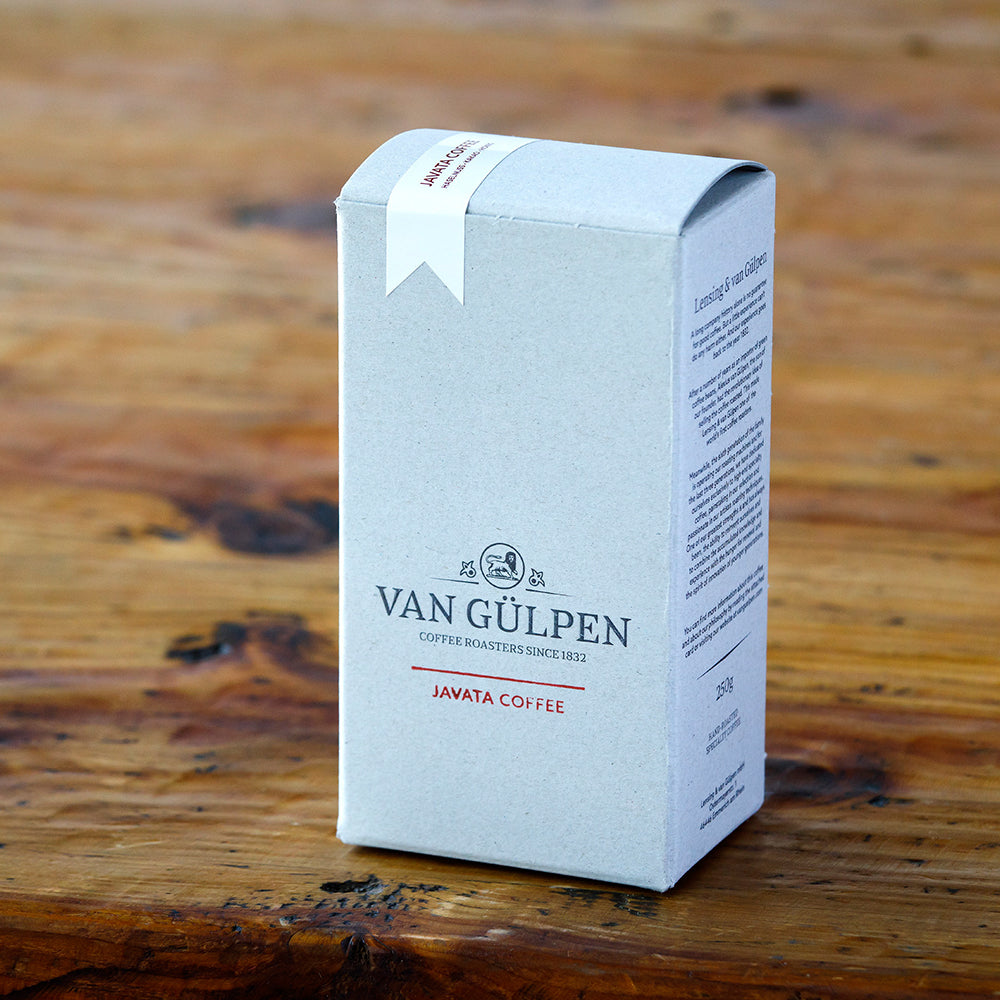
The mildest of van Gülpen's traditional blends — restrained acidity, honeyed sweetness, and a full mouthfeel.
Hazelnut, caramel, honey
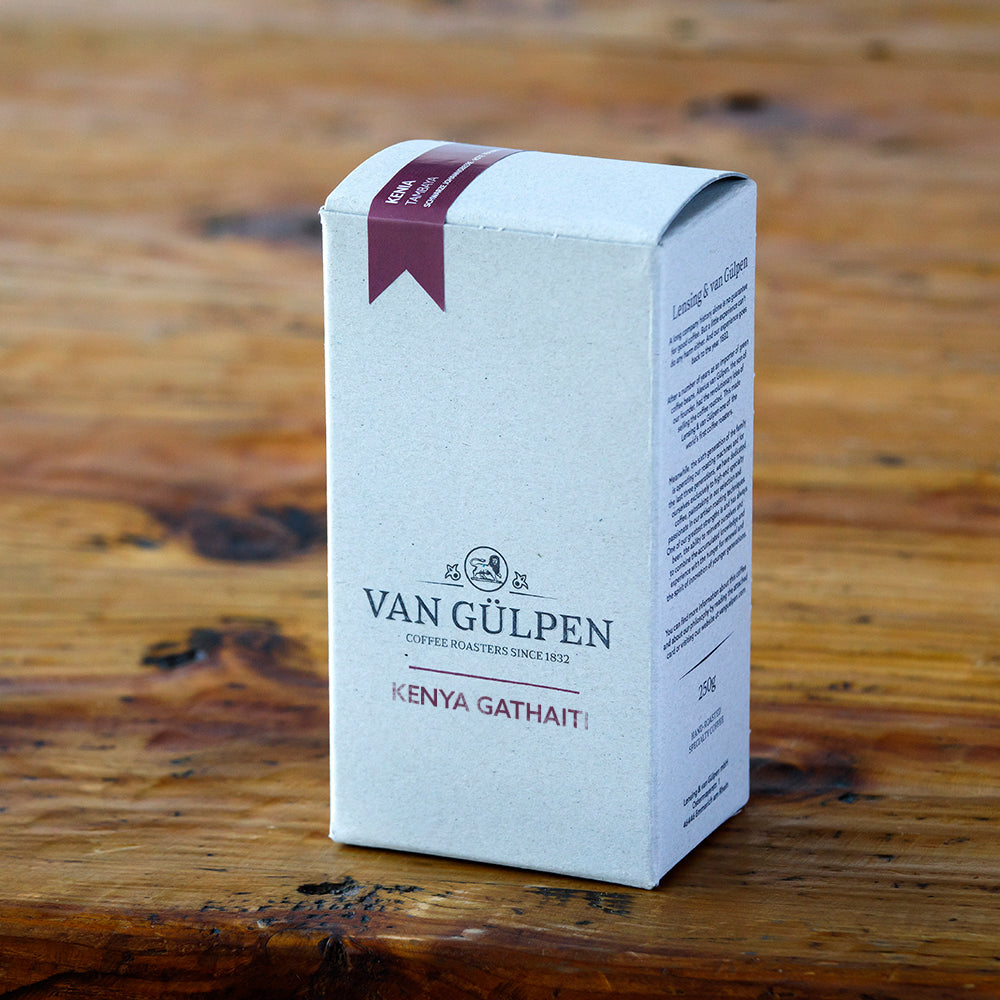
From the Gathaiti Coffee Growers Cooperative (1,100+ members, ~143 hectares) — hand-sorted cherries, 16-24 hour shaded fermentation, and 16-18 hour soak before drying on raised beds.
Black currant, fruity cocoa, grapes
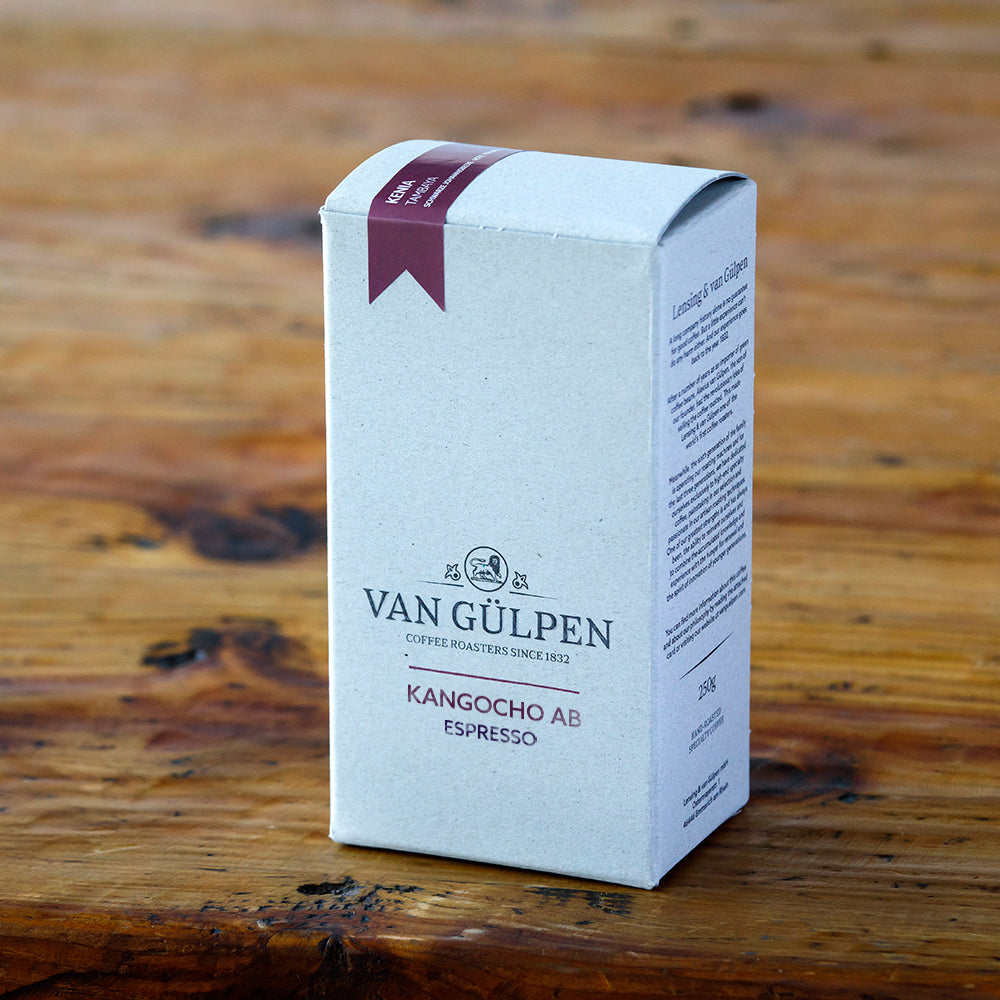
Grown by smallholders of the Gikanda cooperative on the slopes of Mount Kenya and processed at the Kangocho station as a natural, still unusual for Kenya, sun-dried on raised beds. Roasted for espresso.
Blackcurrant, Dark chocolate, Fig
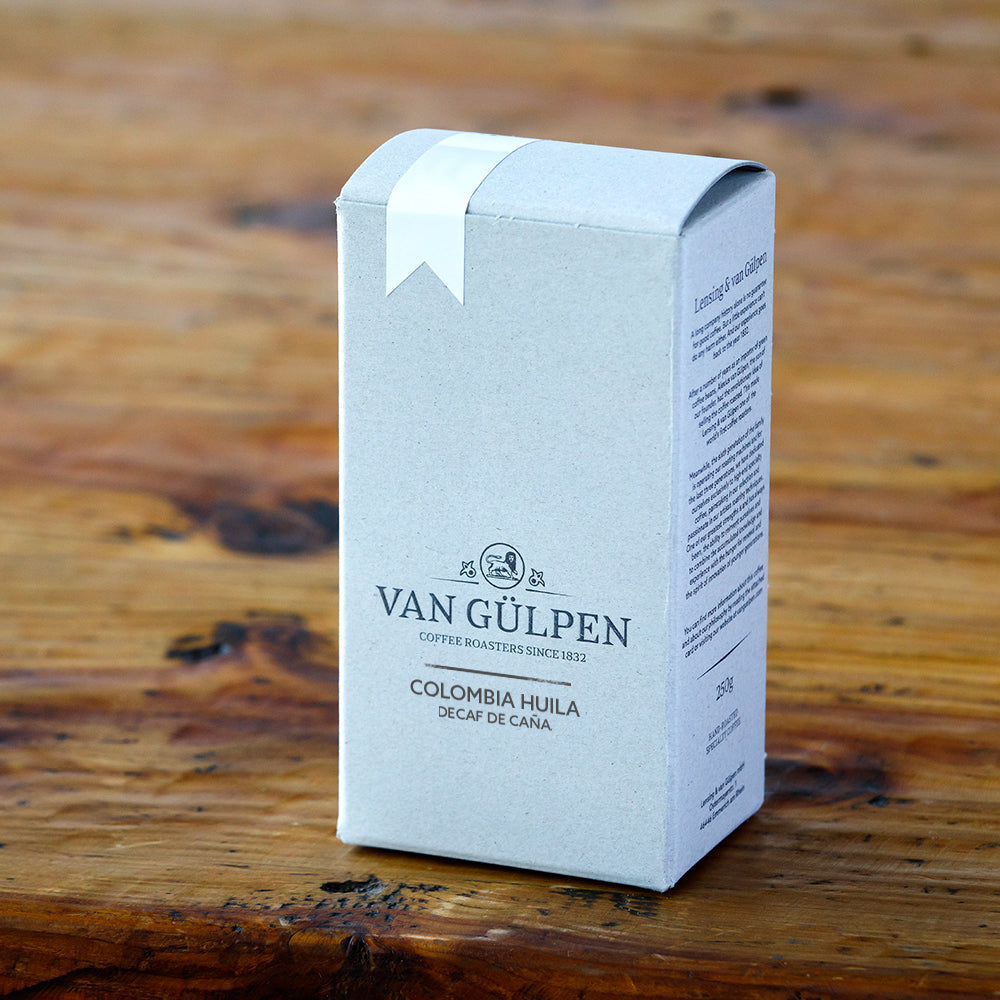
The espresso roast of van Gülpen's sugarcane-decaffeinated Colombian, for portafilter, bean-to-cup and moka pot.
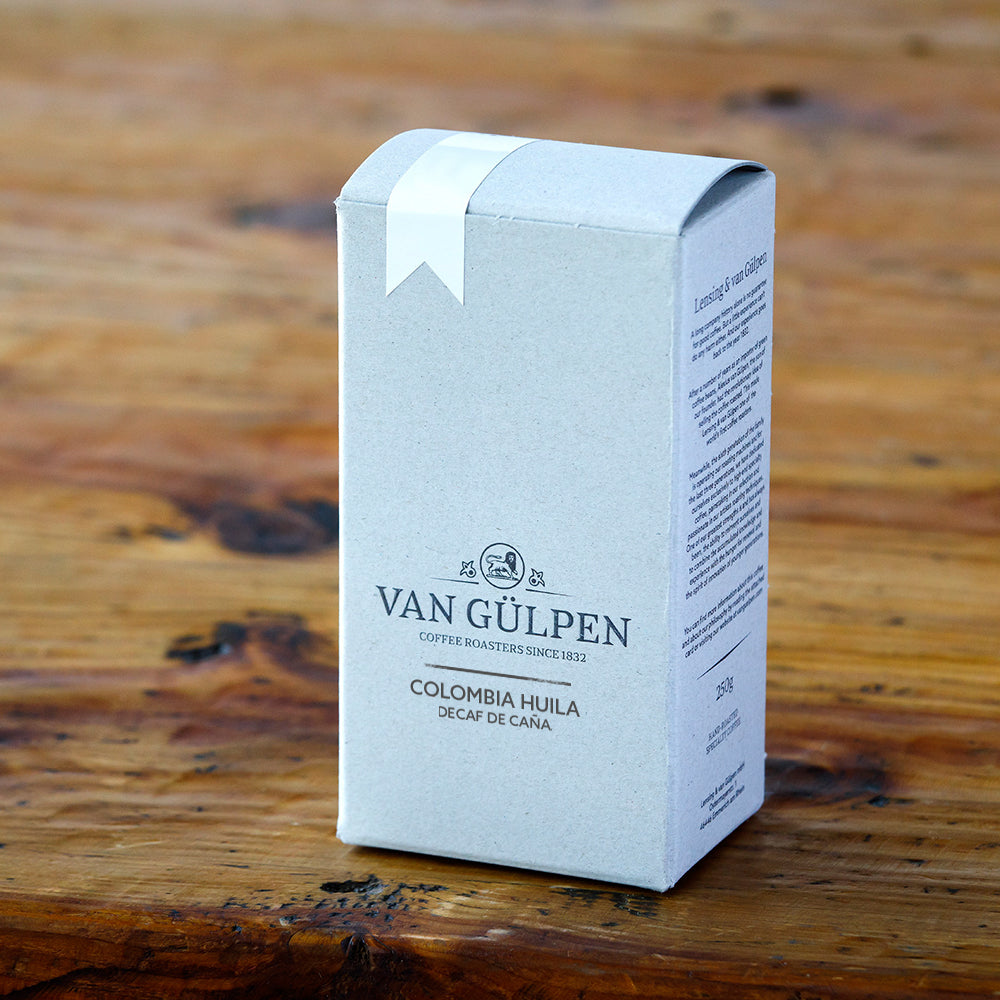
After years of searching, the decaf van Gülpen actually likes: a sugarcane-decaffeinated Colombian that keeps its aroma and comes remarkably close to a regular coffee. Filter roast.
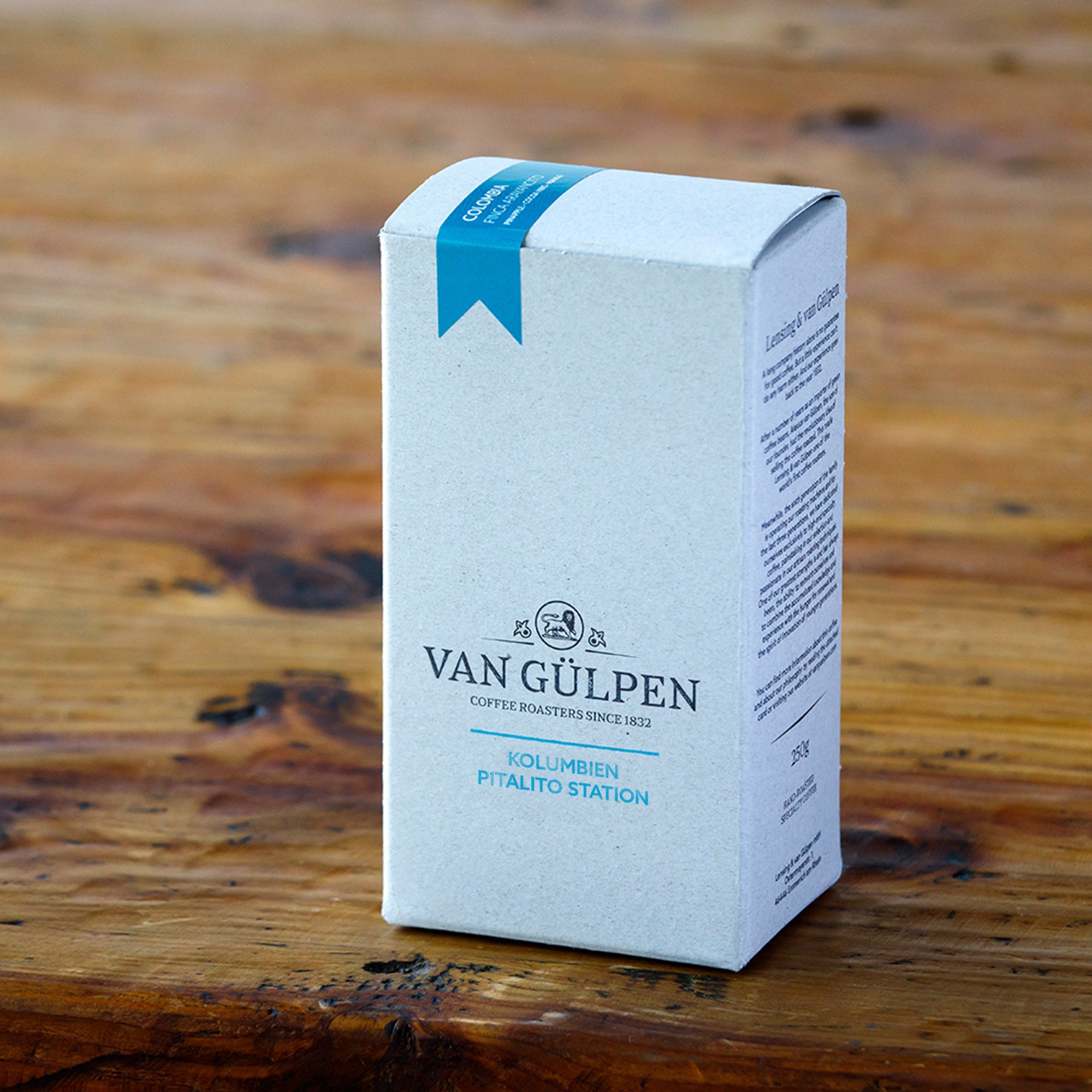
Classic Colombian cup from small-scale farmers in the Pitalito area via the Pitalito Station cooperative network — medium body, balanced acidity, pronounced sweetness.
Chocolate, lemon, brown sugar
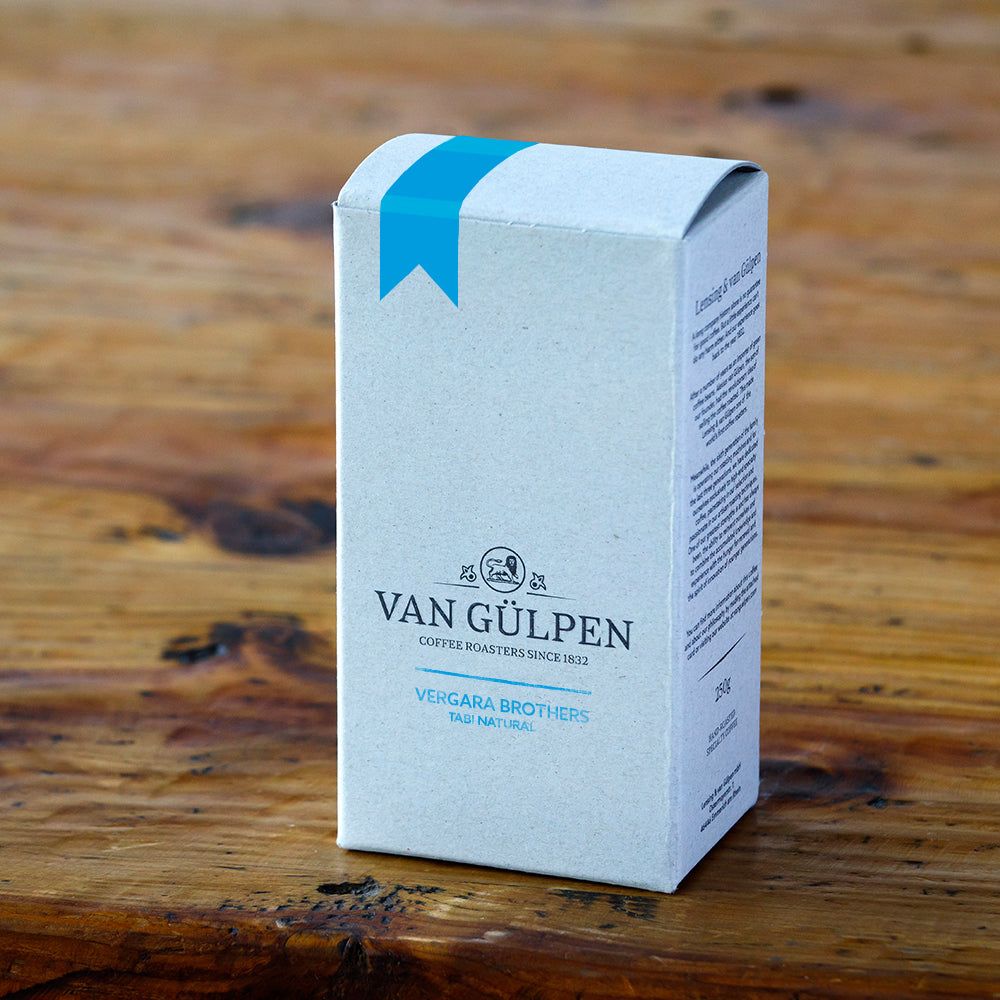
From brothers Jhoan and Diego Vergara of Finca Las Flores, new-generation farmers pairing inherited know-how with modern agronomy and fermentation; their coffees are regulars at barista and brewers championships. Tabi is a Cenicafé cross of Typica, Bourbon and Timor Hybrid released in 2002 to combine quality with disease resistance.
Cherry, Rosehip, Raspberry
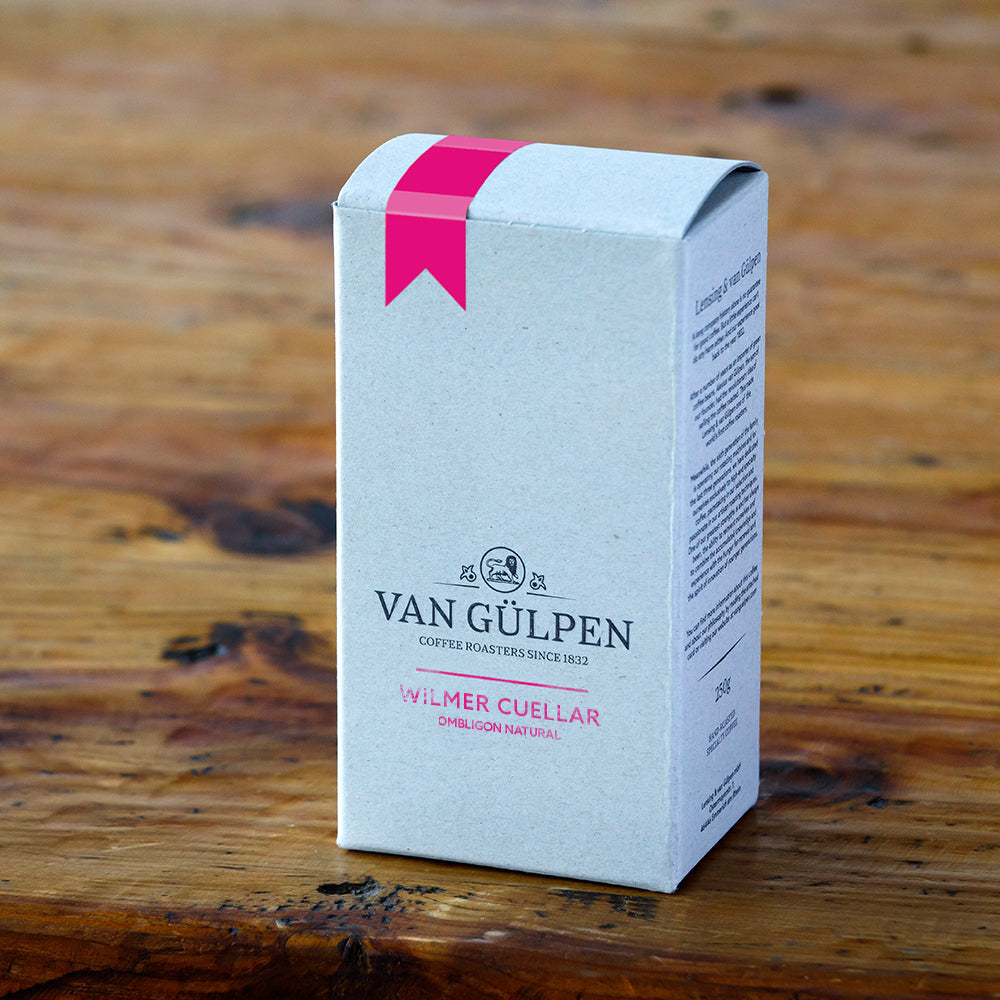
Ombligón is a rare natural mutation found in southern Huila, identifiable by its small, round seed. Cherries are sorted and sun-dried on parabolic beds with regular turning.
Raspberry, strawberry, passion fruit
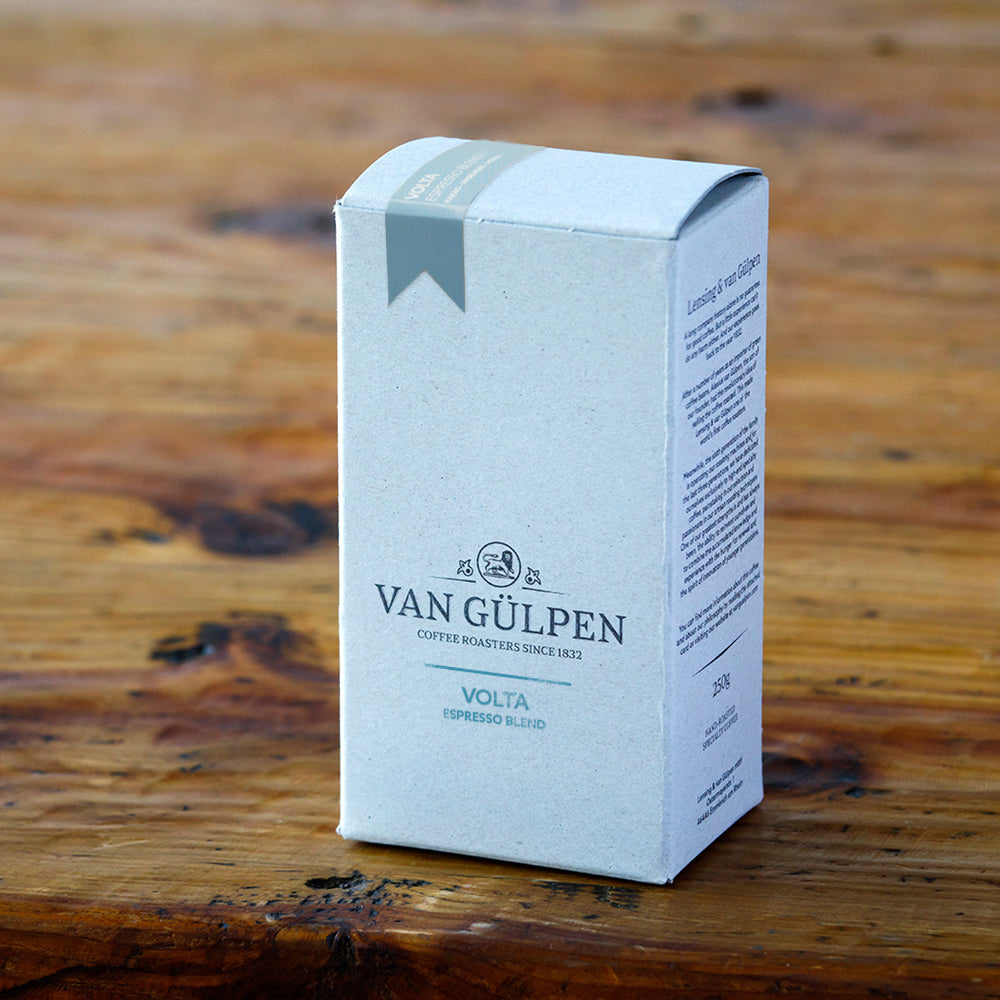
A chocolate-forward espresso blend of Sancoffee Caramelo (Brazil) and Exótico de Altura/Giraldo (Colombia), sourced from smallholder cooperatives.
Cocoa, hazelnut, honey
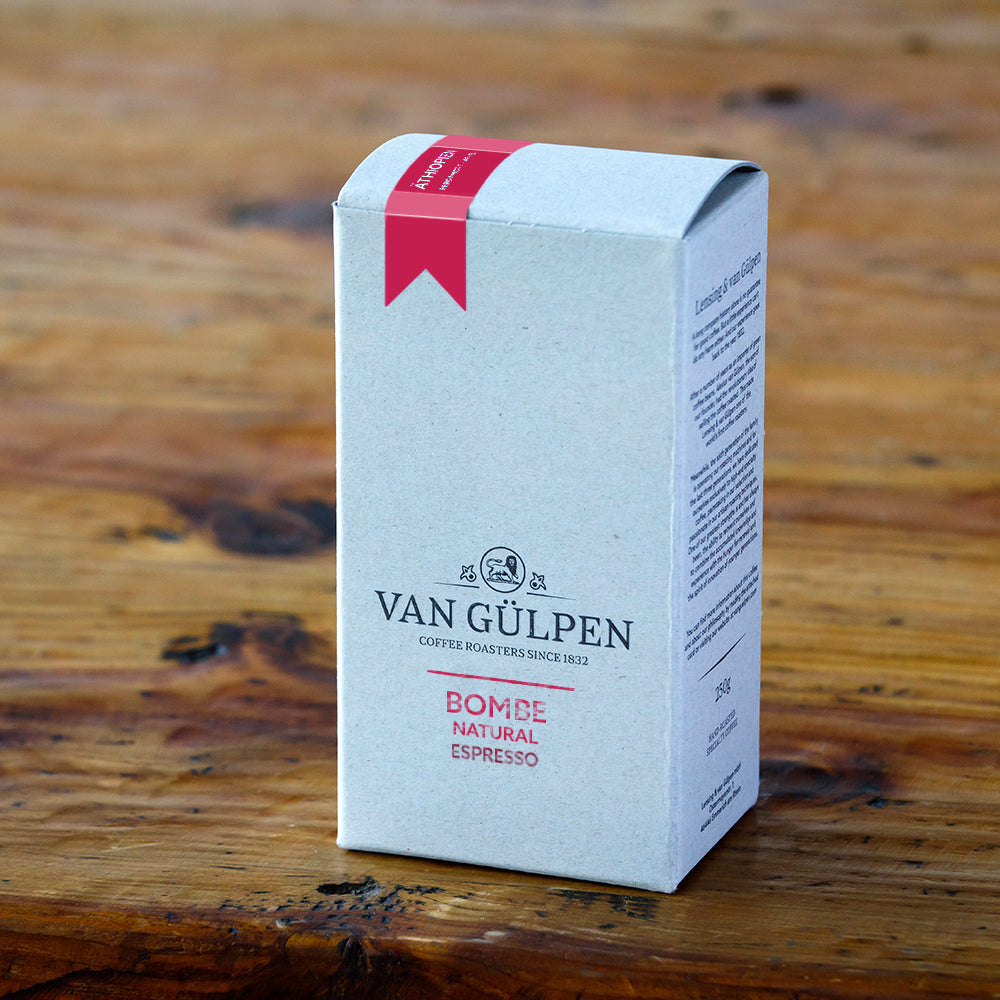
From the Abore Station in Sidamo, farmed by roughly 1,022 smallholders and managed by Asefa Dukamo Korma. Naturally processed over 16-25 days on raised beds with regular turning.
Blueberry, milk chocolate, jasmine
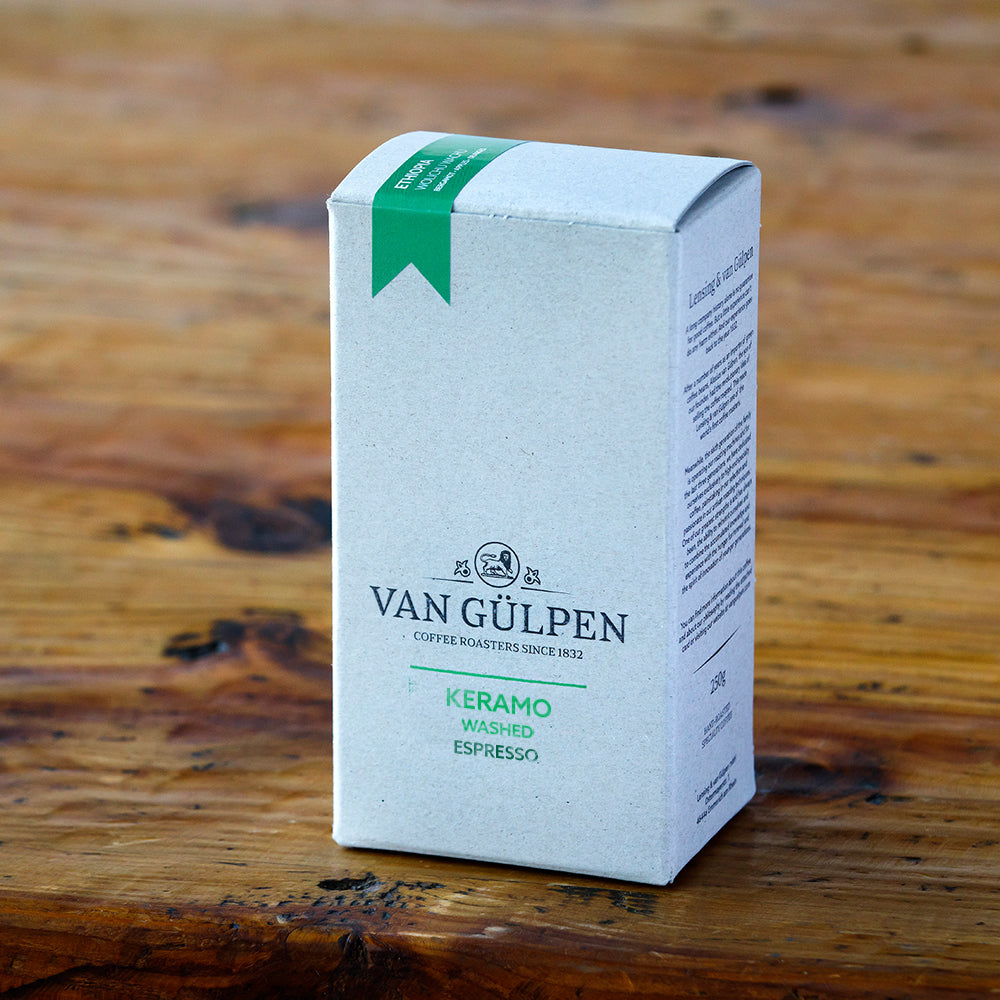
Produced by roughly 1,500 farmers in the Bombe Mountains working with the Daye Bensa processing station — traditional wet fermentation of 36-72 hours, then 12-15 days drying on African beds.
Bergamot, orange, almond
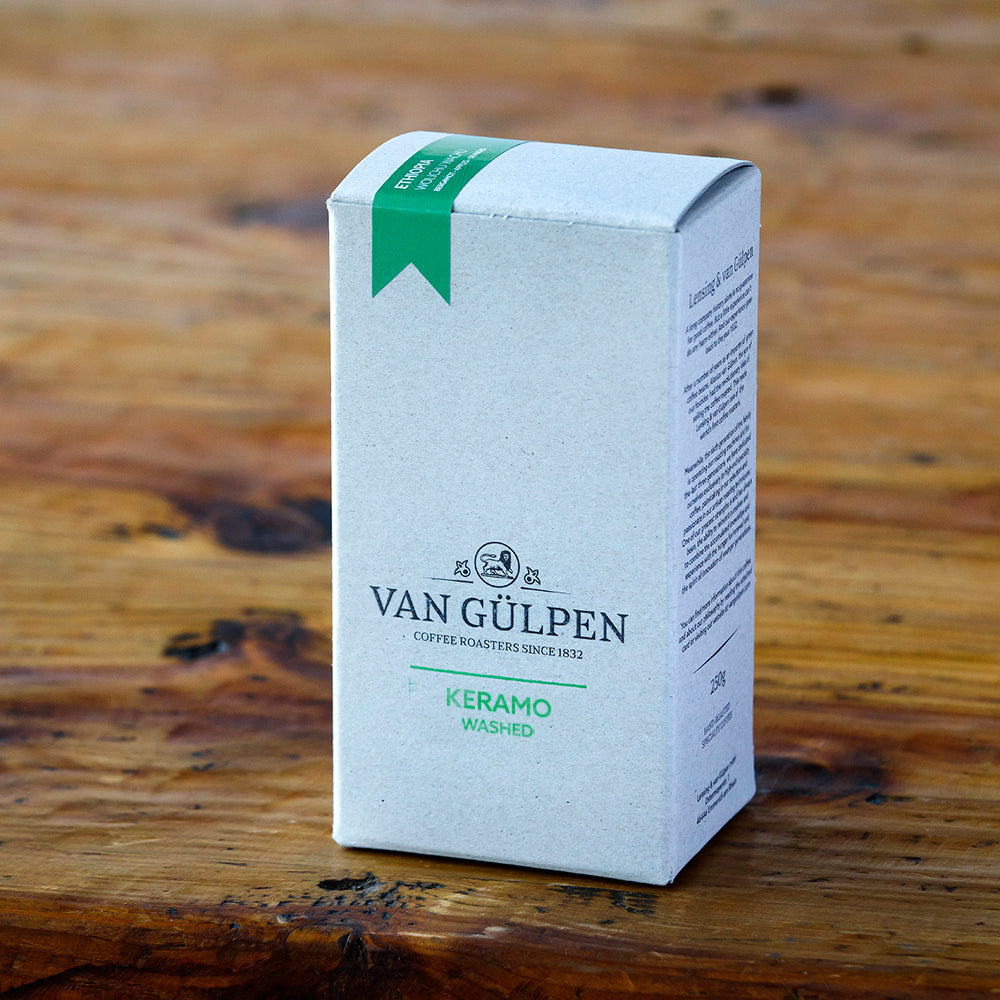
Filter roast of the Daye Bensa station lot from the Bombe Mountains, Sidama — traditional wet fermentation of 36-72 hours, then 12-15 days drying on African beds.
Bergamot, Orange, Almond