
Roasteries / Kafe Pikola

Kafe Pikola
Šumperk, Czech Republic
Family-run specialty coffee roastery and café chain from Šumperk, Czech Republic, opened 3 November 2014 in a previously vacant 12-seat ground-floor space in the historic town centre. Grew from baking its own desserts in a home kitchen to launching its own roastery a few years later for full control over quality — roasting in small batches on modern Loring equipment and packaging with compressed argon to preserve freshness. Now runs cafés in Praha, Brno, Karlštejn, Olomouc, Ostrava, Šumperk and Zlín, sourcing single-origin lots from verified, sustainably-farmed producers. Source: kafepikola.cz
14
coffees
Czech Republic
base
Locations
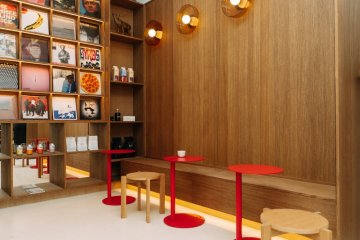
Kafe Pikola - Praha
Kamenická 37, 760 00 Praha 7, Czech RepublicMon-Fri: 08:00-18:00 · Sat-Sun: 09:00-18:00
+420 774 257 562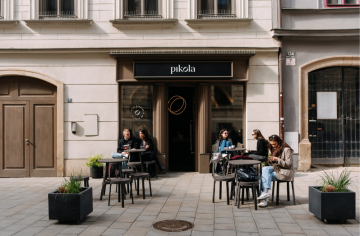
Kafe Pikola - Brno
Jakubská 5, 602 00 Brno, Czech RepublicMon-Fri: 07:30-18:00 · Sat-Sun: 09:00-18:00
+420 739 655 419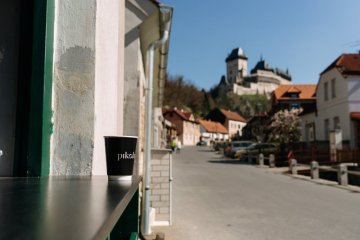
Kafe Pikola - Karlštejn
Karlštejn 39, 267 18 Karlštejn, Czech RepublicWed-Sat: 10:00-17:30 · Sun: 10:00-17:00 · Mon-Tue: closed
+420 774 668 747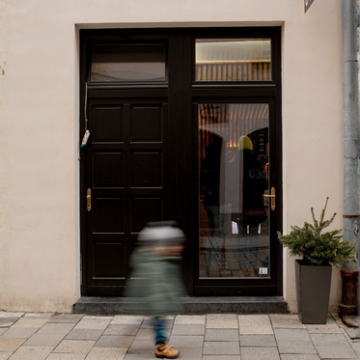
Kafe Pikola - Olomouc Ostružnická
Ostružnická 30, 779 00 Olomouc, Czech RepublicMon-Fri: 07:00-17:00 · Sat-Sun: 09:00-17:00
+420 732 196 775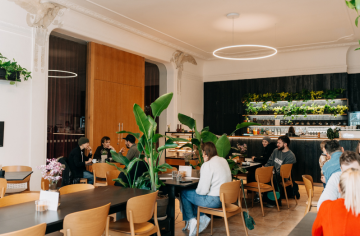
Kafe Pikola - Olomouc Sokolská
Sokolská 7, 779 00 Olomouc, Czech RepublicMon-Fri: 08:00-18:00 · Sat-Sun: 09:00-18:00
+420 604 171 400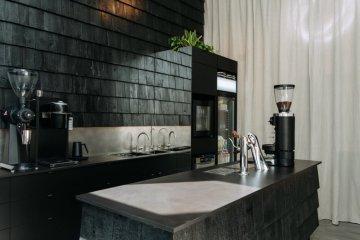
Kafe Pikola - Ostrava
Nádražní 47, 702 00 Ostrava, Czech RepublicMon-Fri: 07:30-17:00 · Sat-Sun: 09:00-17:00
+420 731 094 003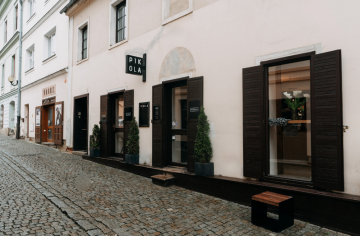
Kafe Pikola - Šumperk
Polská 3, 787 01 Šumperk, Czech RepublicMon-Fri: 08:00-18:00 · Sat-Sun: 09:00-18:00
+420 739 656 729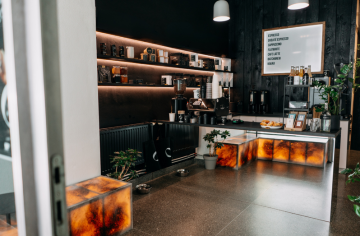
Kafe Pikola - Zlín
Zarámí 90, 760 01 Zlín, Czech RepublicMon-Fri: 07:30-17:00 · Sat-Sun: 09:00-16:00
+420 732 288 966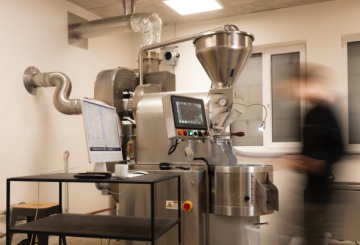
Kafe Pikola - Pražírna (Roastery)
Zábřežská 93, 787 01 Šumperk, Czech RepublicBy prior arrangement
+420 705 718 732Coffees
14 coffees
From the Alto Alegre farm, part of the Casa Almeida Barreto project in Sul de Minas, Minas Gerais, at ~1200 m. Natural processed. Source: kafepikola.cz
Chocolate, dried plums, walnuts. Source: kafepikola.cz
Fazenda Araucária is Gabriel Barreto's family farm in Sul de Minas, Minas Gerais, run under the Casa Almeida Barreto project. Trained in enology, Gabriel brings a winemaking approach to controlled fermentations; this lot is natural processed — sun-dried on concrete patios, finished in mechanical dryers, then rested ~45 days in wooden silos. Also sold as a filter roast. Source: kafepikola.cz
Raisins, butter biscuits. Source: kafepikola.cz
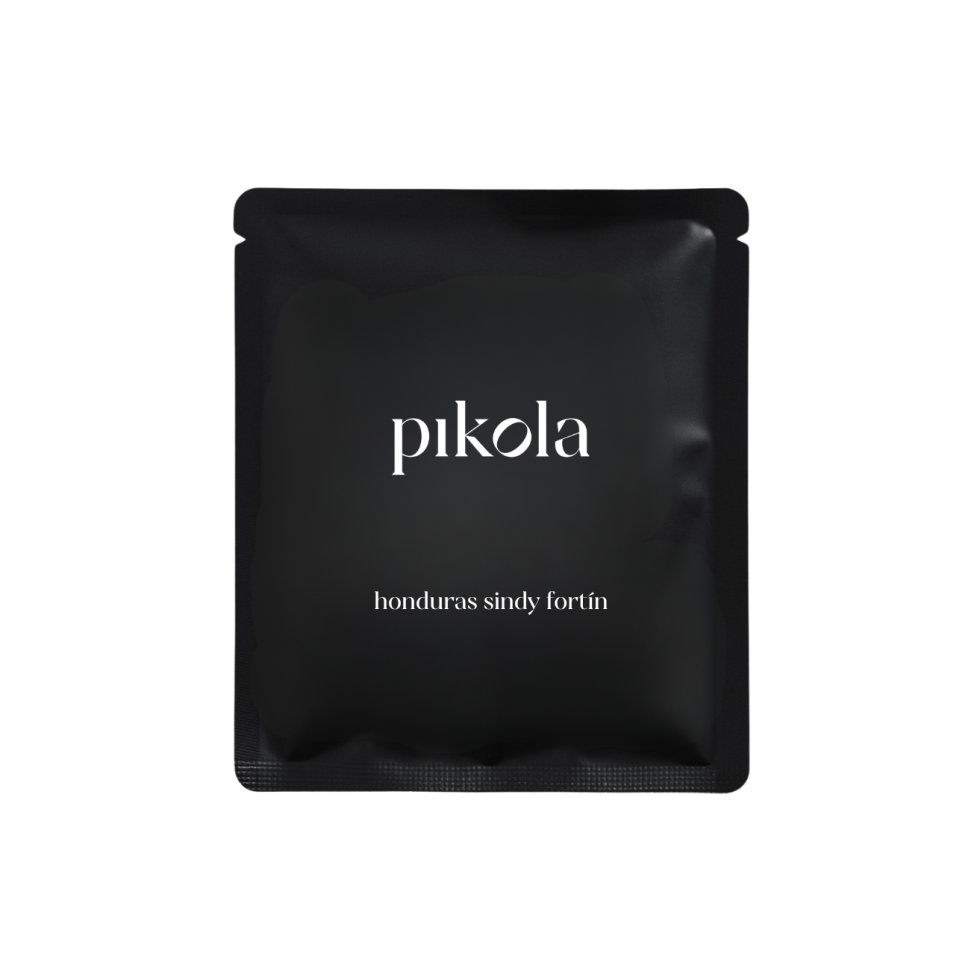
A single-serve 12 g drip bag. Grown by the Walida community — about 500 families on the slopes of Mt Argopuro on Java, led by agronomist Muhlis — with a 72-hour anaerobic fermentation. No equipment needed to brew. Source: kafepikola.cz
Passionfruit, banana. Source: kafepikola.cz
A natural-processed espresso blend of El Salvador and Indonesia lots — fruity and chocolatey. Sold in 250 g and 1 kg. Source: kafepikola.cz
Raspberry, milk chocolate. Source: kafepikola.cz
Finca El Cascajal, near the village of San Nicolás in the Nuevo Oriente region, was founded in 1992 by Amadeo Palencia on volcanic clay soils. Washed process. Since 2013 Amadeo has planted ~10,000 shade trees a year for biodiversity. Also sold as a filter roast. Source: kafepikola.cz
Red pomelo, mocaccino. Source: kafepikola.cz
Douglas Urquia farms a 91-hectare holding made up of several small plots (Finca El Paraíso, Capuquitas, Los Albergues, Las Variedades) around Santa Rosa de Copán — a traceability project he started in 2012, with shade trees and organic composts. This lot had a 72-hour oxygen-free anaerobic fermentation followed by slow full-cherry drying. Also sold as a filter roast. Source: kafepikola.cz
Plum, white wine. Source: kafepikola.cz
Finca El Bicicleta near Marcala belongs to Óscar Omar Alonzo, who moved the farm to more ecological methods after conventional farming crashed its yields around 2000; the name honours a cyclist who didn't give up before the finish line. Natural processed on raised beds. Also sold as a filter roast. Source: kafepikola.cz
Turkish honey, red gooseberry. Source: kafepikola.cz
A washed-and-natural espresso blend built for milk drinks — sweet and nutty. Sold in 250 g and 1 kg. Source: kafepikola.cz
Nuts, nougat, red fruit. Source: kafepikola.cz
A caffeine-free omni roast (suits both espresso and filter) from the Asomujer association of women producers in Timaná, Huila. Source: kafepikola.cz
Chocolate cookies, nuts. Source: kafepikola.cz
A washed espresso blend of Peruvian and Colombian coffees — clean stone-fruit sweetness. Sold in 250 g and 1 kg. Source: kafepikola.cz
Apricot, yoghurt. Source: kafepikola.cz
Kafe Pikola's house espresso blend — roughly 70% Brazil (Sul de Minas) and 30% Nicaragua (Papagayo). Sold as beans in 250 g and 1 kg. Source: kafepikola.cz
Caramel, hazelnut, Dutch cocoa. Source: kafepikola.cz
A filter blend — 50% Costa Rica (José Solís) and 50% Peru (San Francisco). Sold in 250 g and 1 kg. Source: kafepikola.cz
Forest berries, honey. Source: kafepikola.cz
A natural-processed Sumatran lot from Asman Arianto's Asman Gayo Mill in Central Aceh. Source: kafepikola.cz
Kiwi, cotton candy. Source: kafepikola.cz
A washed lot from a smallholder farmers' association across the Mbozi, Mbeya and Mbinga regions of southern Tanzania. Source: kafepikola.cz
Almond, apricot. Source: kafepikola.cz