
Roasteries / Roastlab Coffee Roasters
Roastlab Coffee Roasters
Plzeň, Czechia
Small-batch specialty roastery in Plzeň, founded by Viktorie and Martin after they discovered specialty coffee while studying in Worcester, England, working alongside Method Coffee Roasters. They roast in small, focused batches for full control over quality and deliberately keep a broad range — from nutty, chocolatey everyday coffees and their Arch 51 house espresso blend to wild, fruity, "funky" naturals. Sold online only, roasted to order and shipped every Wednesday. Source: roastlab.cz
9
coffees
Czechia
base
Coffees
9 coffees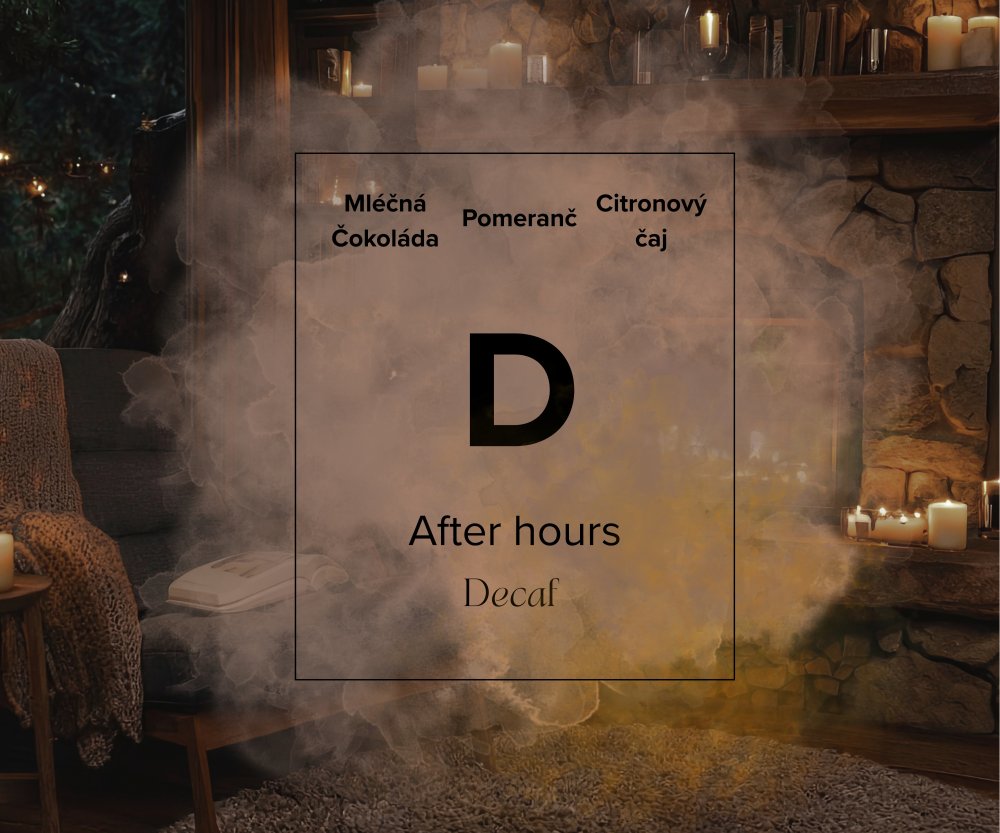
A Chiapas decaf (the "Vayichil" lot) grown by the women of the La Tribu group, supported by the Bean Voyage initiative, which invests in training and equipment so smallholder women can turn their microfarms into viable businesses. Caffeine is removed at Descamex in Veracruz using the Mountain Water Process — pure glacial water only, no chemical solvents — which keeps the cup's natural complexity and sweetness intact. Beans run naturally darker from the decaf process; the cup stays clean and balanced, built for late afternoons and evenings. Source: roastlab.cz
Orange, lemon tea, milk chocolate
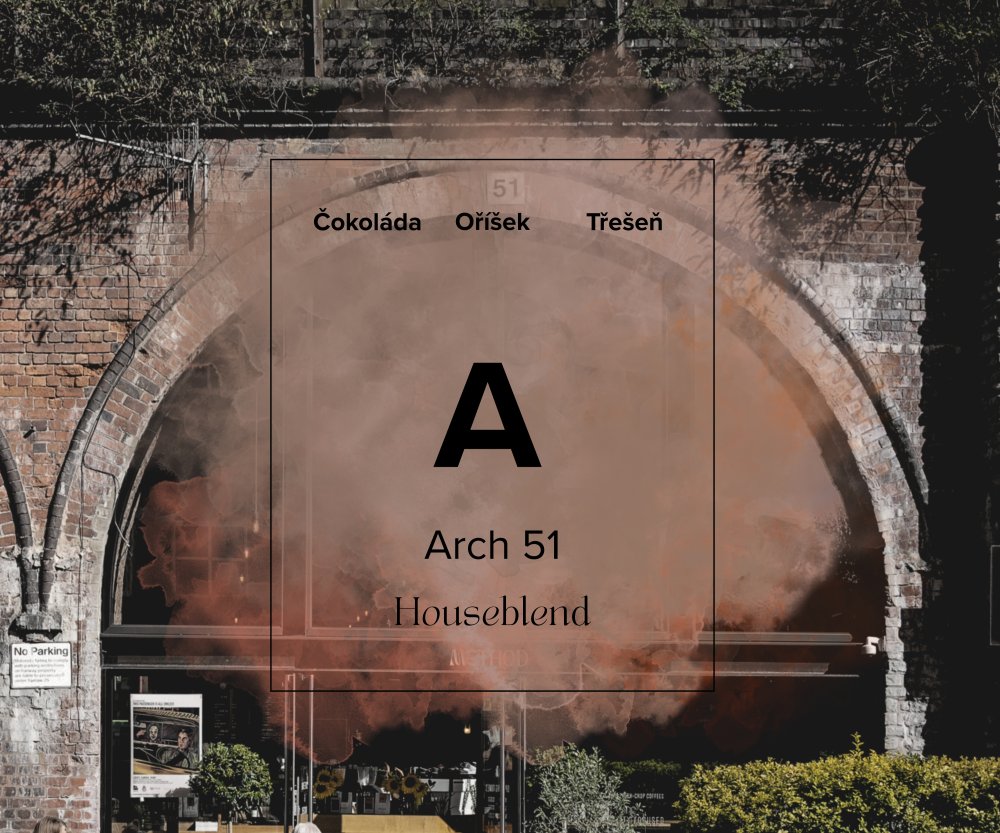
Roastlab's signature everyday espresso blend, named after railway arch no. 51 in Worcester, England — the unit that housed Method Coffee, where the founders' love of specialty coffee began. The Brazilian component is the backbone: chocolate sweetness, fuller body and stability in espresso; Colombia adds gentle fruitiness and structure; Costa Rica brings lightness and a clean finish that keeps the blend balanced. Designed for consistency and easy preparation, and holds its character and sweetness in milk. Source: roastlab.cz
Chocolate sweetness, subtle fruitiness, clean finish
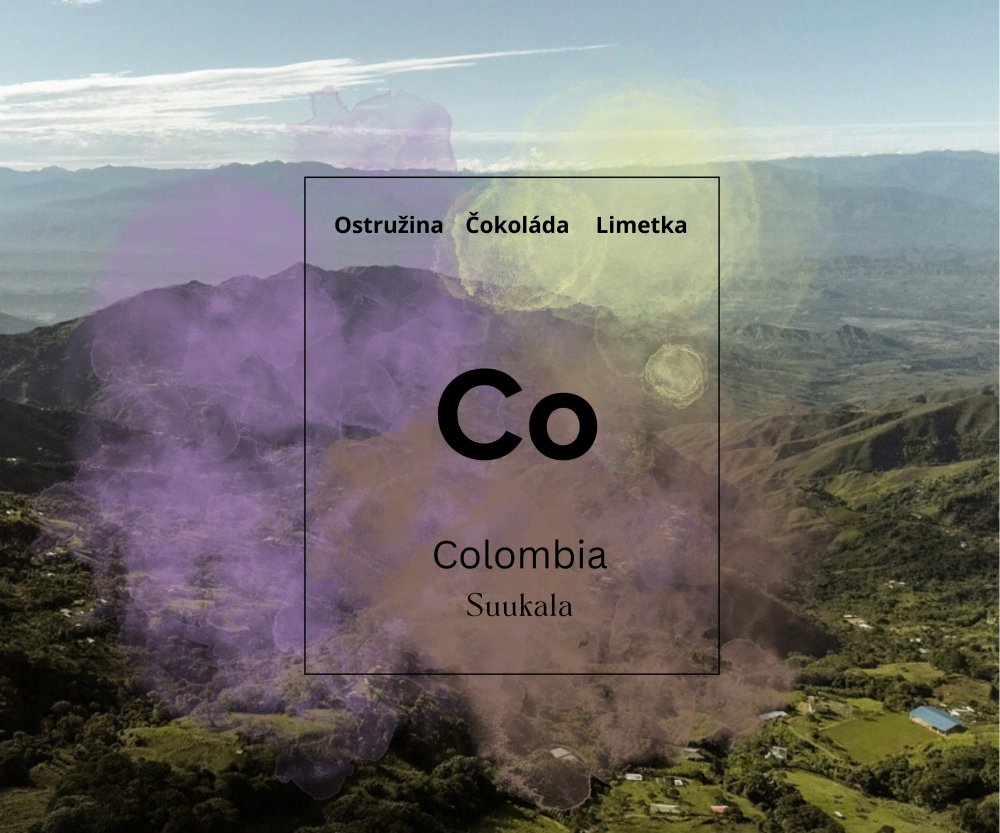
Sourced through Siruma Coffee, whose Asorcafe association was founded in 2003 in Pedregal, Inzá to help 290 local producers organise, train and improve their families' livelihoods. Farmers work parcels of 1.8–2 hectares, cup their own coffee, and are automatically paid a higher price when a lot over-delivers on quality. "Suukala" — "sugar" in the indigenous Wayuu language — is reserved for washed lots scoring 85+ that stand out for their purity and complex sweetness. Source: roastlab.cz
Complex, layered sweetness; exceptionally clean cup
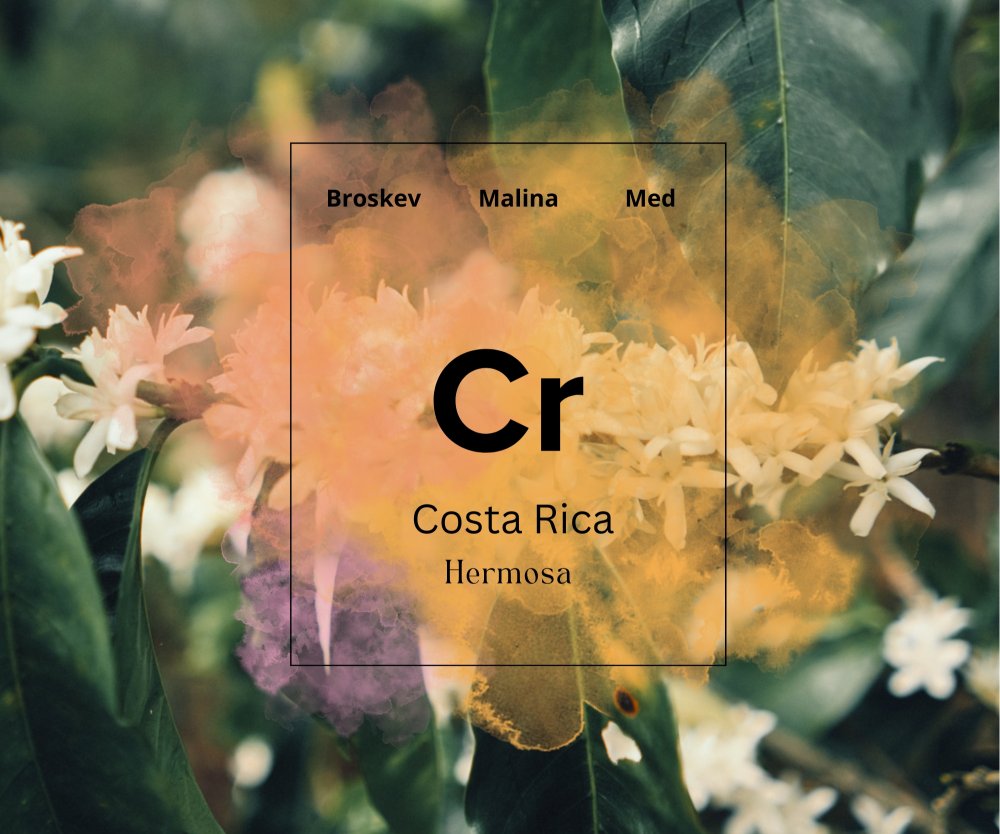
A honey lot from Coope Dota, the Tarrazú cooperative founded in 1960 that today represents nearly 1,100 growers and in 2011 became the first coffee producer in the world to be certified Carbon Neutral, measuring emissions across milling, its own stores and roastery, and transport down to port. For the honey process the Caturra and Catuaí cherries are de-skinned but the sticky mucilage (miel) is left on the bean to caramelise during sun drying, giving Hermosa its creamy body, deep honeyed sweetness and clean fruit acidity. Source: roastlab.cz
Creamy body, honey sweetness, clean fruity acidity
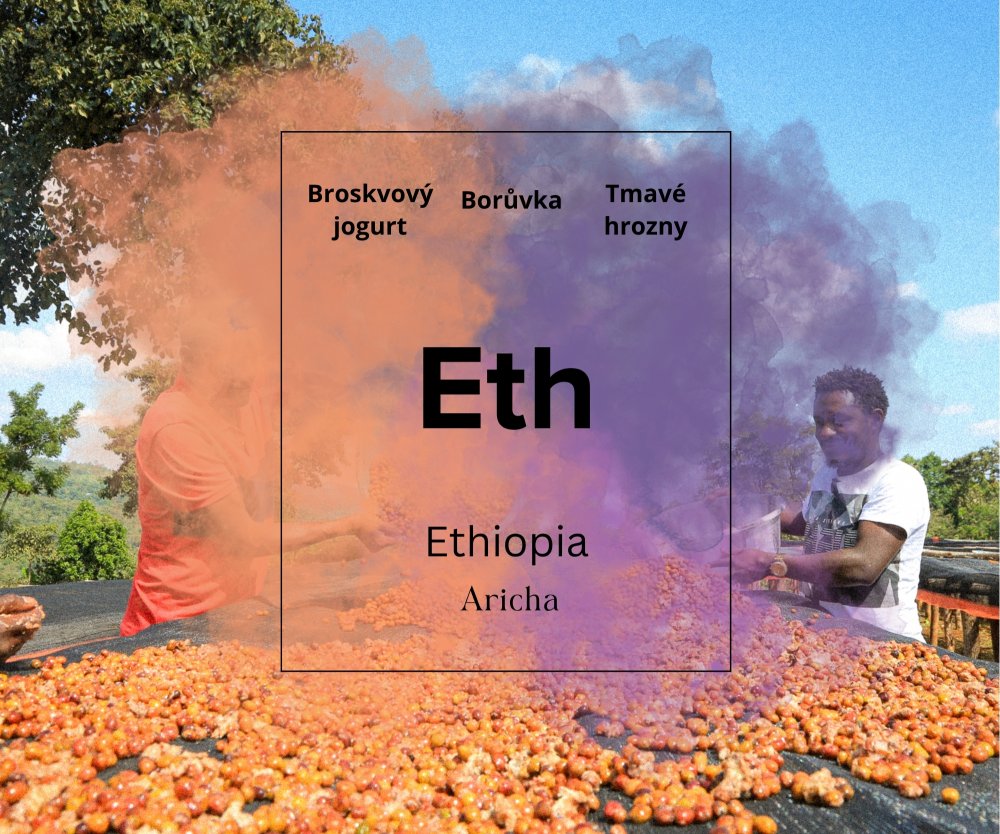
An anaerobic natural from farmer Girma Tamiru in Aricha, Yirgacheffe, grown organically under false banana shade at 2,100–2,150 m and exported by Ephtah Specialty Coffee, which pre-finances cherry and drying nets and supports women and local schools through its Ama Commitment. Hand-picked cherries ferment nine days sealed in barrels, then dry 13–18 days on 200 African beds. Cupped at 86.5: juicy and creamy, with peach yoghurt, blueberries, blackberries and dark grapes. Roasted for filter.
Peach yoghurt, blueberry, blackberry, dark grapes
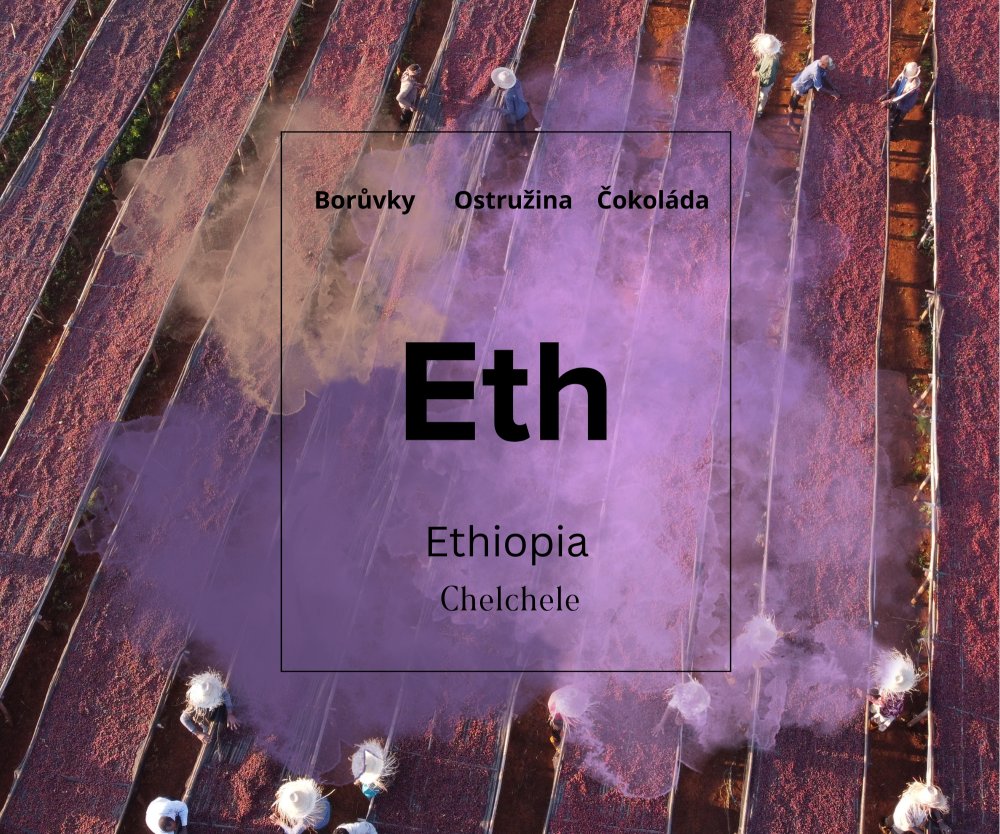
A community of smallholder families around the village of Banko Chelchele in Yirgacheffe, grown on steep slopes and picked entirely by hand, selecting only perfectly ripe cherries. The Chelchele station works in direct partnership with farmers, paying quality premiums; the traditional natural process dries the cherries on raised beds for two to four weeks at extreme altitude, locking in the fruit sugars. Cups like a freshly baked blueberry muffin with blackberry and dark chocolate — great on filter, and fun as a funky espresso. Source: roastlab.cz
Blueberry muffin, blackberry, dark chocolate, violets
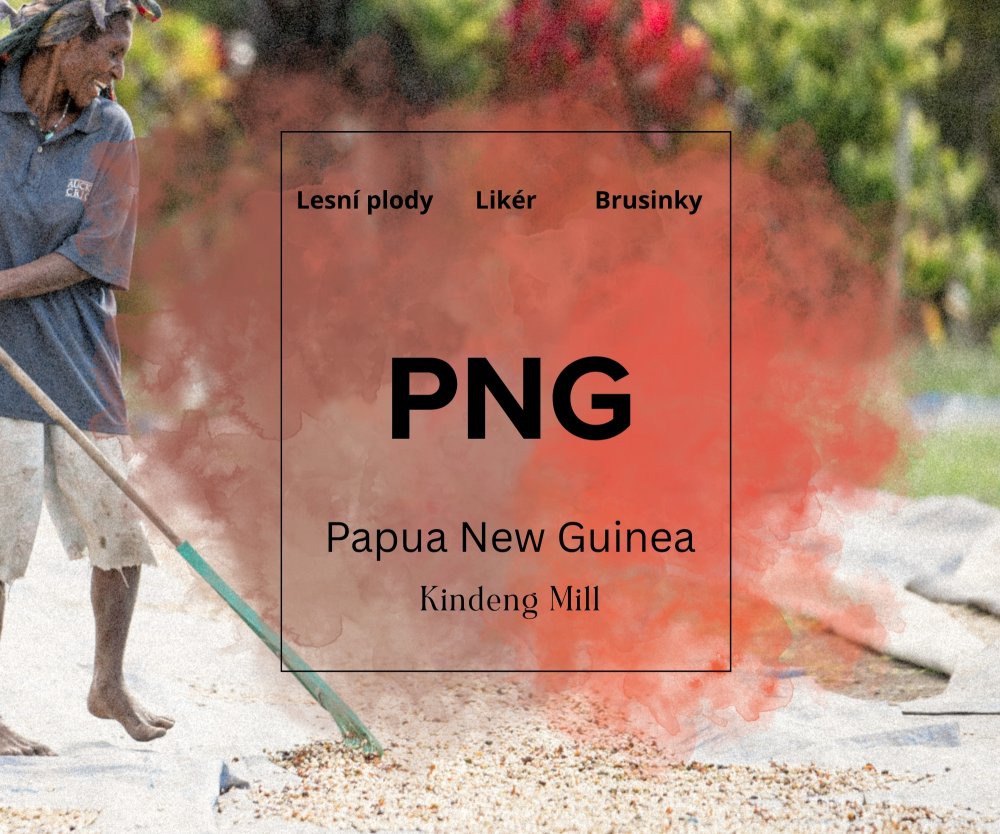
A rare natural from Papua New Guinea, where most coffee is washed: a community lot from roughly 1,500 smallholders around the Kindeng Dry Mill in Jiwaka Province, whose 1–2 ha "gardens" grow coffee wild under forest shade beside food crops. Cherries dry for almost a month on raised beds and tarps, turned by hand several times a day. Full-bodied: forest fruit, cranberries, a touch of clove and a juicy, boozy line. For filter or a funky espresso.
Forest fruit, cranberry, clove, boozy
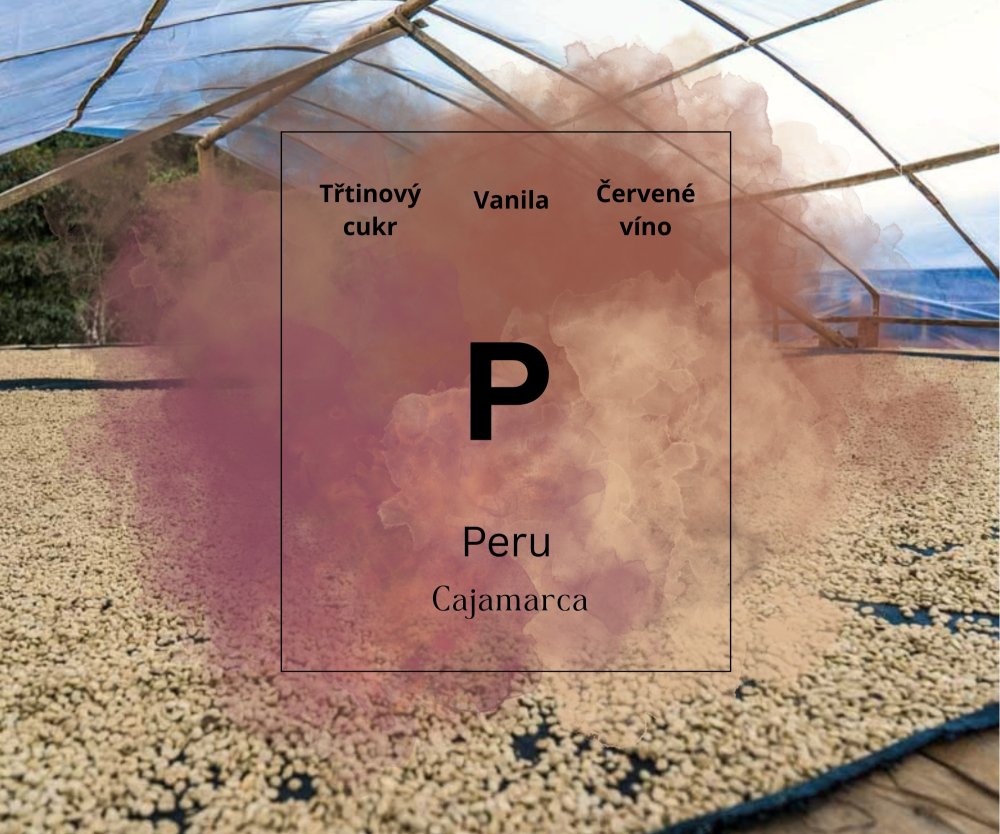
Part of the Regional Select program, which seeks out flavour profiles tied to a specific microclimate — a clear "taste of place." Cajamarca produces roughly a quarter of Peru's coffee, farmed on plots of just 2–3 hectares, mostly organic; the cool, semi-dry highland climate ripens cherries slowly for concentrated sweetness. Cherries are pulped the day they're picked, given 12–18 hours of open fermentation, washed in mountain water and dried on raised African beds or in parabolic dryers. Blended from lots scoring 84–87 SCA. Source: roastlab.cz
Panela sugar, sweet vanilla, cooked citrus, light wine acidity
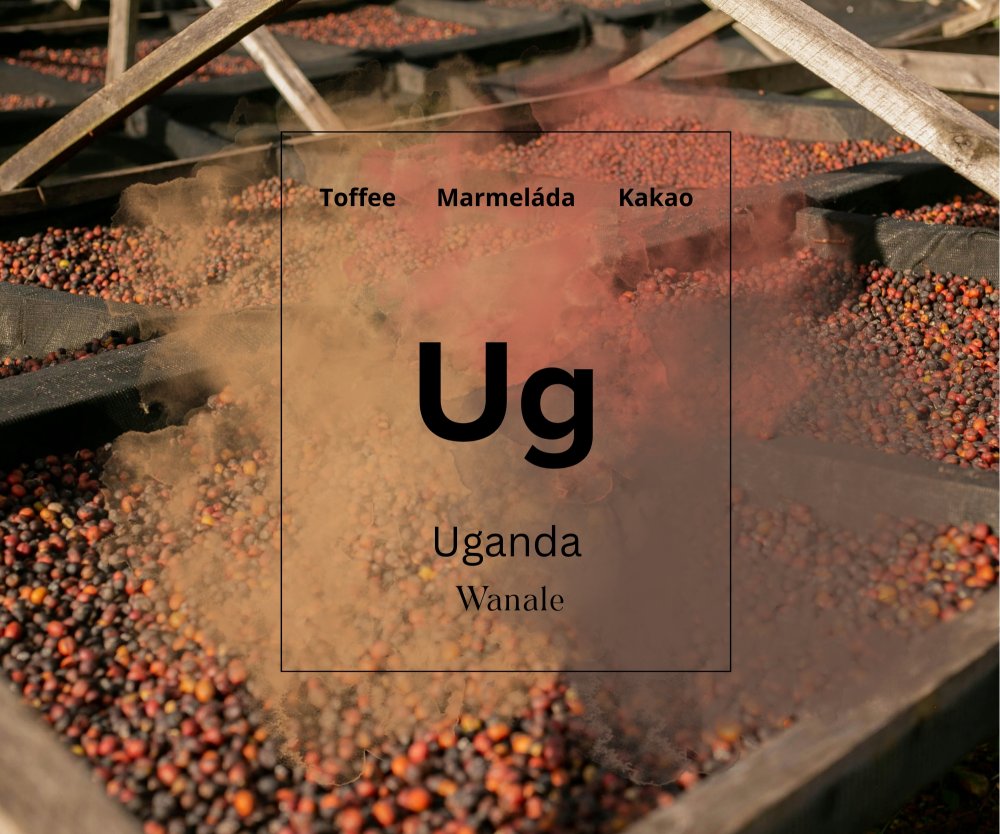
Named after the Wanale peak above Mbale, this lot combines the harvest of smallholders across five areas of the Mount Elgon massif, with the largest share (59%) from the wild slopes of Bududa. A network of trained "lead farmers" runs sensory training, drives selective picking and buys parchment locally at fair prices with direct quality bonuses. Coffee then goes to The Coffee Yard drying station at the foot of Mount Elgon — built by veteran Norman Mukuru — where every lot is defect-analysed and cupped before selection. Washed SL14 and SL28 with a clean, deep cup. Source: roastlab.cz
Marmalade, red apple, toffee, creamy hazelnut and cocoa finish