
Roasteries / Niji Coffee Co

Specialty coffee roastery and SCA-accredited training centre in Gaziantep, part of the Atmaca Coffee & Tea family business (founded 2006). Co-founded by Kevser Atmaca, 2023 Turkish Cezve/Ibrik Champion, 2024 Turkish Roasting Championship runner-up and 2024 World Cezve/Ibrik Championship runner-up. Beans are roasted in small batches on a Stronghold roaster; head roaster Alireza Razzaghzade represented Turkey at the 2024 World Coffee Roasting Championship. Niji's customer-facing café operates separately as Cezve&More.
8
coffees
Turkey
base
Photos
Location
Niji Coffee Co – Roastery & Training Centre
Sanayi Mah. 60105 Nolu Sok. No:7, 27110 Şehitkamil/Gaziantep, Türkiye+90 530 794 8770Coffees
8 coffees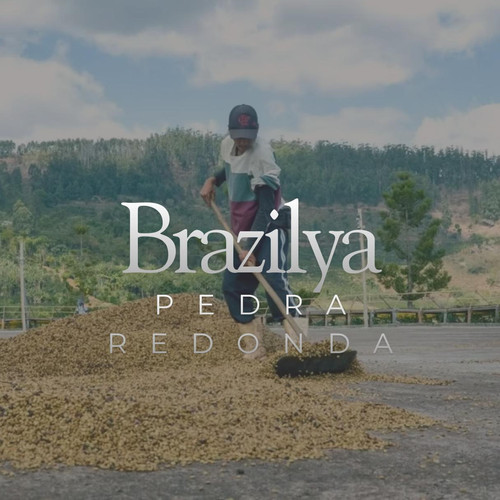
Fazenda Pedra Redonda was founded in 1982 when José Santana and his family bought land on the slopes of Pedra Redonda mountain in Araponga, in the Matas de Minas region; it is now run by the second and third generations. Founder "Sr. Filhinho" was an early adopter of specialty processing in the area. The farm produces natural, boia and pulped-natural (cereja descascado) coffees with full traceability from harvest to packing, drying on both patios and raised beds and cupping every lot; it has placed in the Cup of Excellence – Early Harvest (BSCA). Cup: floral chamomile and coffee blossom with apricot and a hint of black pepper, then ripe yellow stone fruit — peach, apricot — with a molasses depth and light spice, a medium mouth-watering acidity, medium-high sweetness and a medium silky body finishing on cacao nibs. Source: nijicoffeeco.net.
Peach, apricot, molasses, chamomile, cacao nibs

Niji's everyday filter blend. Floral, with yellow apple and apple candy, cream caramel, apricot and sweet mandarin over a base of dark chocolate — very sweet, with a medium acidity, a creamy body and a long caramel aftertaste. Source: nijicoffeeco.net.
Yellow apple, cream caramel, apricot, sweet mandarin, dark chocolate
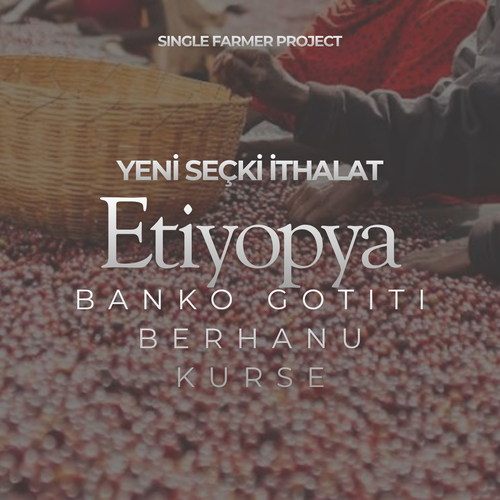
Berhanu Kurse is an independent smallholder in the village of Gotiti, in the Gedeo zone, farming most of a roughly 12-hectare plot inherited from his family and working every stage of production alongside them. The lot is offered through Cafe Imports’ Single Farmer Project, which keeps farm-level traceability intact, and was imported via Germany. 2026 harvest. Only ripe cherry is picked and processed the same day, sorted, then dried on raised beds for about 8–25 days with regular turning for an even, controlled natural. Niji chose it from a large field of new-season Ethiopian naturals for its clarity and layered, restrained fruit rather than heavy ferment. Cup: red flower and honeysuckle over ripe apricot, cherry, sour cherry, blueberry and liqueur-like red fruit, with a long tea-like cocoa-nib finish, medium juicy malic acidity and a medium-high, coating body. Source: nijicoffeeco.net.
Ripe apricot, cherry, blueberry, red grape, rose, cocoa nib
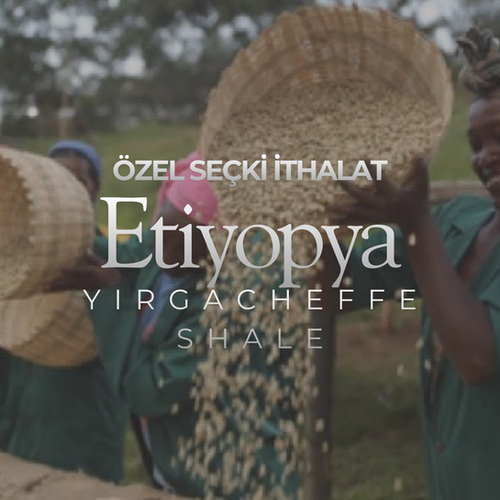
From the Shale washing station in Yirgacheffe, where around 1,500 small producers — mostly shade-grown and traditional — deliver cherry from a high-altitude microclimate at 2,300–2,350 m. Cherry is depulped on the day of harvest, fermented 8–12 hours, channel-washed until the mucilage is fully removed, then dried on raised beds for 5–15 days. Imported via Germany (Cafe Imports), Oct 2024–Jan 2025 harvest. Niji picked it as the cleanest expression of the classic Yirgacheffe profile — "showy but clean, floral but balanced": wet aromas of jasmine, hibiscus and ripe stone fruit; a cup of hibiscus, sweet raspberry, jasmine tea and yellow apple that turns to red tea, red grape and honey as it cools, with medium acidity, medium-high sweetness, a long honey-and-jasmine-tea finish and a round, juicy, clean body. Source: nijicoffeeco.net.
Jasmine, hibiscus, raspberry, yellow apple, honey
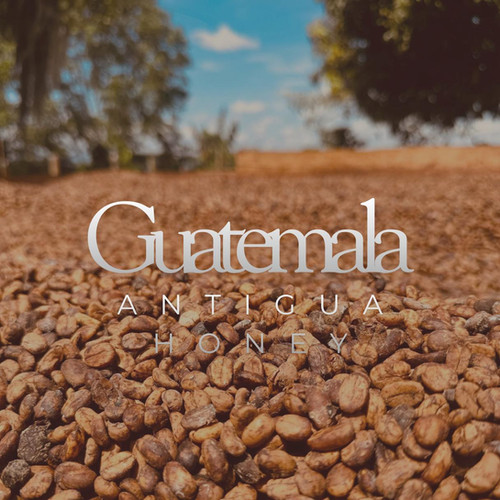
A blend of carefully selected lots from several family farms in the Antigua valley, ringed by the Agua, Fuego and Acatenango volcanoes — volcanic soil, high altitude and a stable year-round climate. Only fully ripe red cherry is hand-picked, then honey (semi-washed) processed: the skin is removed but part of the sugary mucilage is left on the bean during fermentation and raised-bed drying, building fruit character and a dense sweetness. Cup: cherry, blackberry, tangerine, honey and a tea-like character, turning to pomegranate, plum and orange peel as it cools, with a bright medium acidity, medium-high honeyed sweetness, a medium velvety body and a long finish that leaves a cocoa impression. Source: nijicoffeeco.net.
Cherry, blackberry, tangerine, honey, cocoa
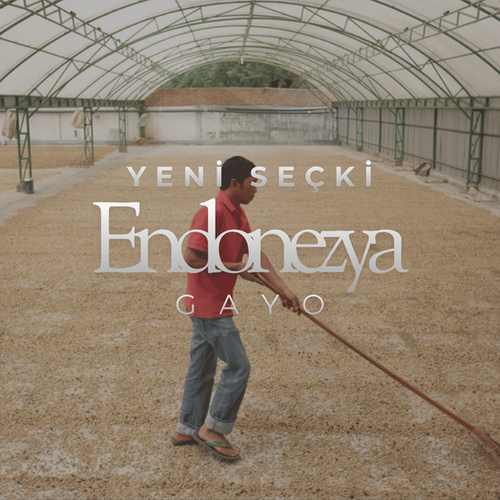
From the Gayo Highlands of Aceh Tengah in northern Sumatra, grown at 1,200–1,400 m by smallholders largely organised into co-operatives, on fertile volcanic soil in a constantly humid microclimate. It is processed by the wet-hulled method (Giling Basah) all but unique to Indonesia — the parchment is removed at a high moisture content and drying finished afterwards, which gives producers a faster cash return and the coffee its textured, complex character. 2025 harvest. Head roaster Alireza Razzaghzade has worked closely with Indonesian coffee, including a semi-washed Sumatran single origin at the 2024 World Coffee Roasting Championship. Cup: an unexpectedly delicate, clean profile of jasmine and oolong tea, yellow apple and brown sugar, with white grape and green tea, a medium–high acidity and a clean, elegant finish. Source: nijicoffeeco.net.
Jasmine, oolong, yellow apple, white grape, brown sugar
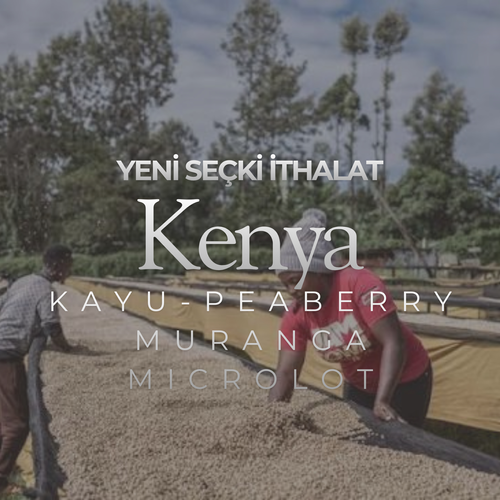
This peaberry selection comes from Kayu Coffee Factory near Kangema in Murang'a, a washing station established in 1964 and now operating under the New Kiriti Farmers Co-operative Society, taking cherry from producers in the Kayu, Njumbi, Rwathia and Mihuti villages at around 1,650 m. Peaberry is not a variety — it is the single, rounder bean that forms in a minority of cherries — and when screened out separately it tends to cup more intense and lively. Cherry is pulped, fermented overnight, washed, soaked and dried on tables. Imported via Germany (Cafe Imports), 2026 harvest. Cup: tangerine, red fruit, vanilla and gentle spice; cherry, rosehip, orange and cardamom with passionfruit and cocoa hints, a medium-high citric acidity, brown- and caramelised-sugar sweetness, a long oolong-tea finish and a high, syrupy, velvety body. Source: nijicoffeeco.net.
Tangerine, cherry, rosehip, cardamom, brown sugar, oolong
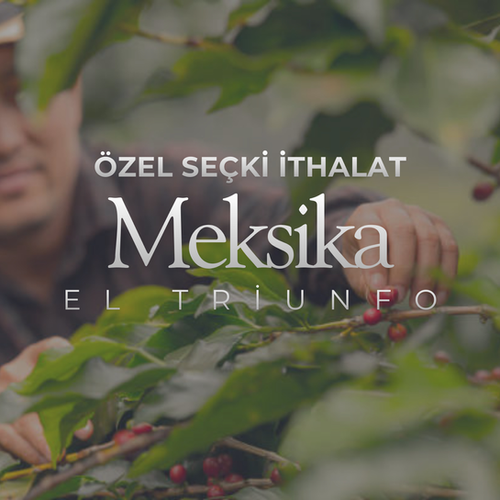
From the area around Chichiquila in Puebla, eastern Mexico — volcanic soil, a cool mountain climate and high elevation making a microclimate suited to clean, balanced cups. The lot pools coffee grown at roughly 1,200–1,800 m by small producers, mostly shade-grown, of classic Bourbon, Typica and Mundo Novo. Cherry is depulped the same day, fermented 12–18 hours, washed and dried. Imported via Germany (Cafe Imports), Feb–Apr 2025 harvest. Niji added Mexico as a new origin for its selection: a very clean, bright cup of chamomile, red and black fruit and a touch of black pepper, with raspberry and bergamot up front giving way to blackberry and caramel candy, a medium acidity and a round, medium body with a long fruity aftertaste. Source: nijicoffeeco.net.
Raspberry, blackberry, hibiscus, bergamot, caramel candy