
Roasteries / Maru Coffee

Maru Coffee
Los Feliz, Los Angeles, CA
Maru Coffee is a Los Angeles coffee roaster and café whose name comes from the Korean san-ma-ru, meaning "mountaintop" — a nod to the high-altitude farms its beans are grown on. Born from a love of process and everyday quality, Maru roasts all of its coffee at its own roastery in Glassell Park, from sourcing and roasting through to defining each lot's tasting notes, and serves it across cafés in Los Feliz, the Arts District, and Beverly Hills. Source: marucoffee.com.
8
coffees
CA
base
Photos
Locations
Maru Coffee — Los Feliz
1936 Hillhurst Ave, Los Angeles, CA 90027Mon–Sat 7:00am–5:00pm, Sun 8:00am–5:00pm
+1 323-741-8483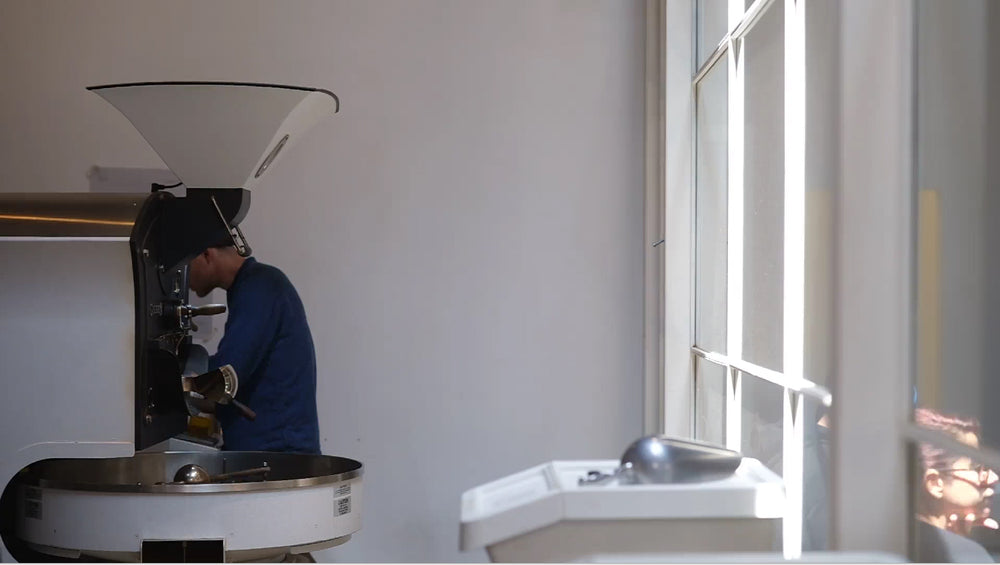
Maru Coffee — Arts District
1019 S Santa Fe Ave, Los Angeles, CA 90021Mon–Fri 7:30am–5:00pm, Sat–Sun 8:00am–5:00pm
+1 213-372-5755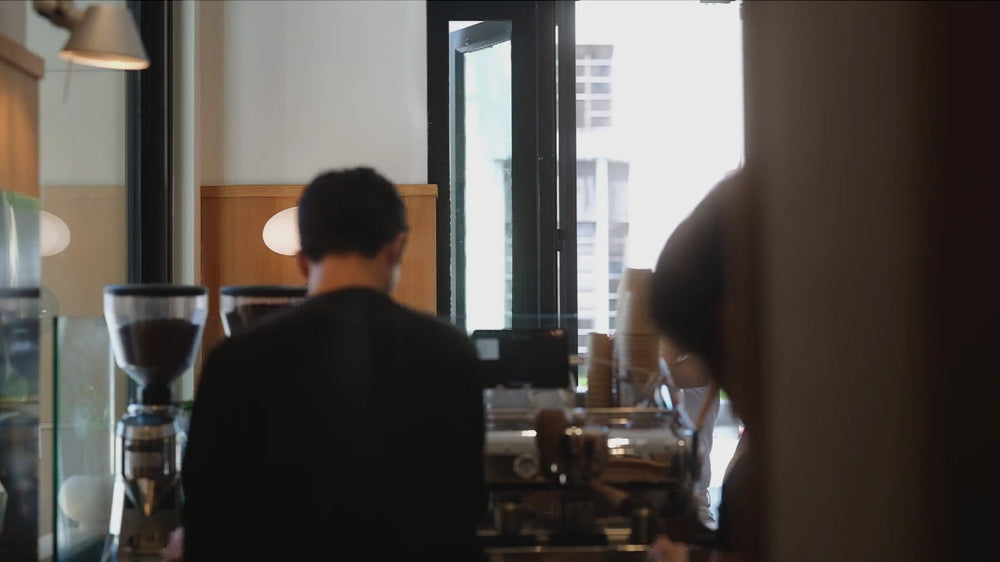
Maru Espresso Bar — Beverly Hills
201 N Canon Dr, Beverly Hills, CA 90210Mon–Fri 7:00am–5:00pm, Sat–Sun 8:00am–5:00pm
Coffees
8 coffees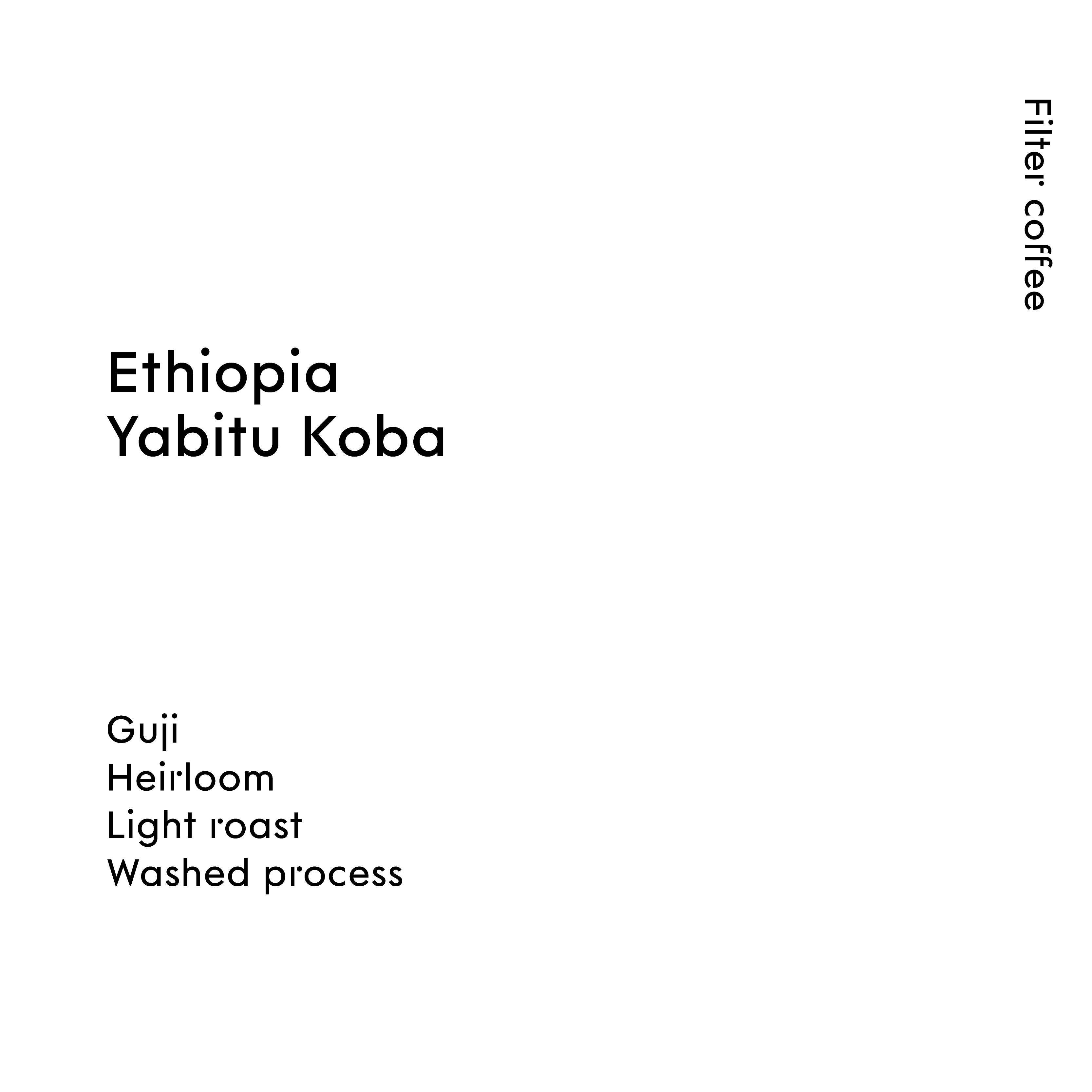
Yabitu Koba is a high-altitude village whose name means "mountainous area," with coffee sourced from the Yabitu Haro Lebeto and Danse Mormora villages and processed at the Gogogu Washing Station. Local farmers intercrop false banana with coffee trees alongside maize. Source: marucoffee.com.
Blackberry, honeysuckle, golden raisin
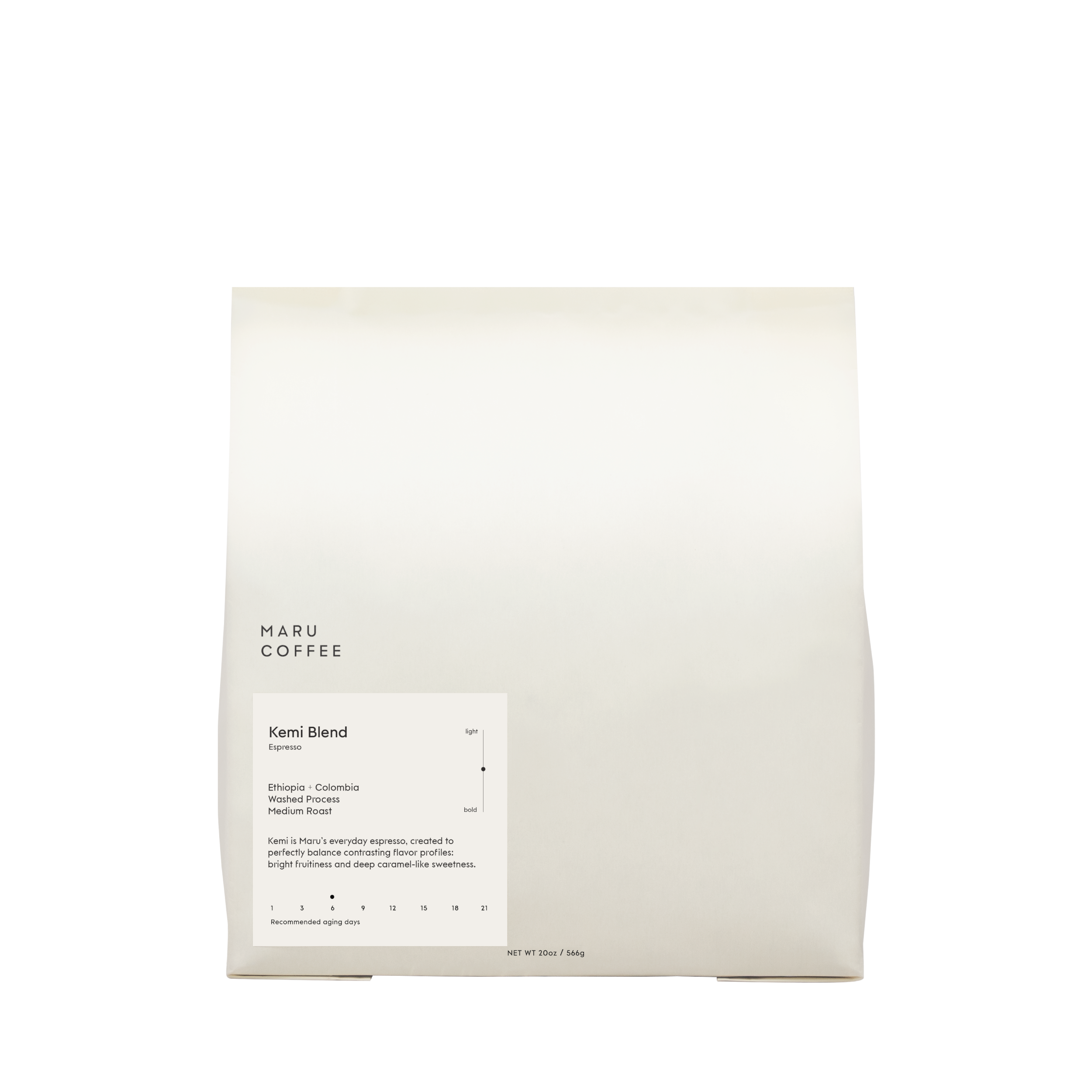
Maru's newest espresso blend, 60% Colombia and 40% Ethiopia, built to balance between a light and dark espresso for a reliable medium-bodied shot — deep caramel-like sweetness with mild bright fruitiness, great as straight espresso or in milk drinks like macchiatos, cortados and cappuccinos. Sold in a 20oz bag. Source: marucoffee.com.
Deep caramel sweetness, mild bright fruitiness
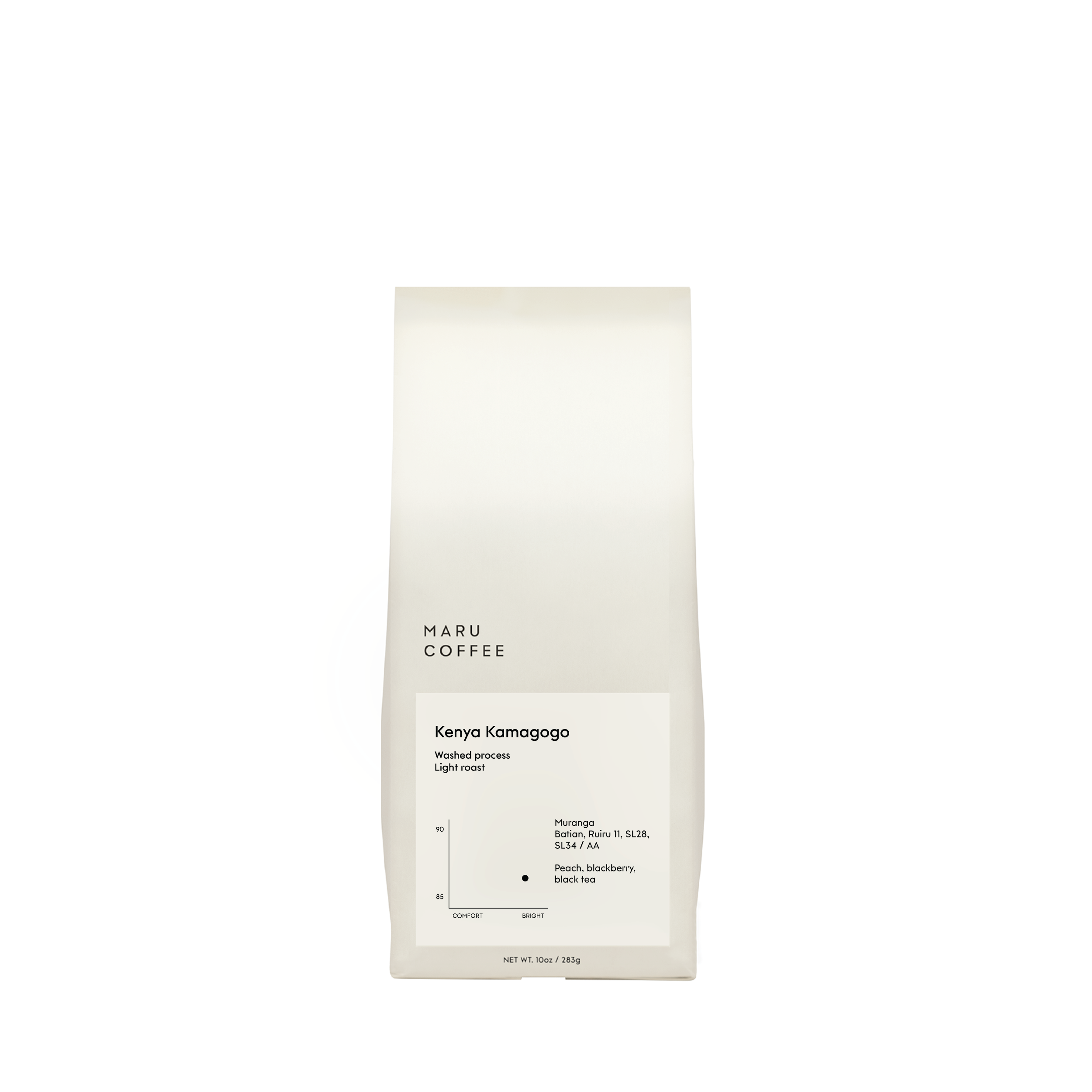
Kamagogo Coffee Factory, established in the 1970s, is part of the Kiru Farmers Cooperative Society — around 1,000 smallholder farmers. After delivery, cherry is hand sorted, depulped, fermented overnight, and dried on raised beds where it is hand-sorted again for defects. Kamagogo also runs demonstration plots and pre-financing programs to support local farmers. Source: marucoffee.com.
Tomato, grapefruit, cola
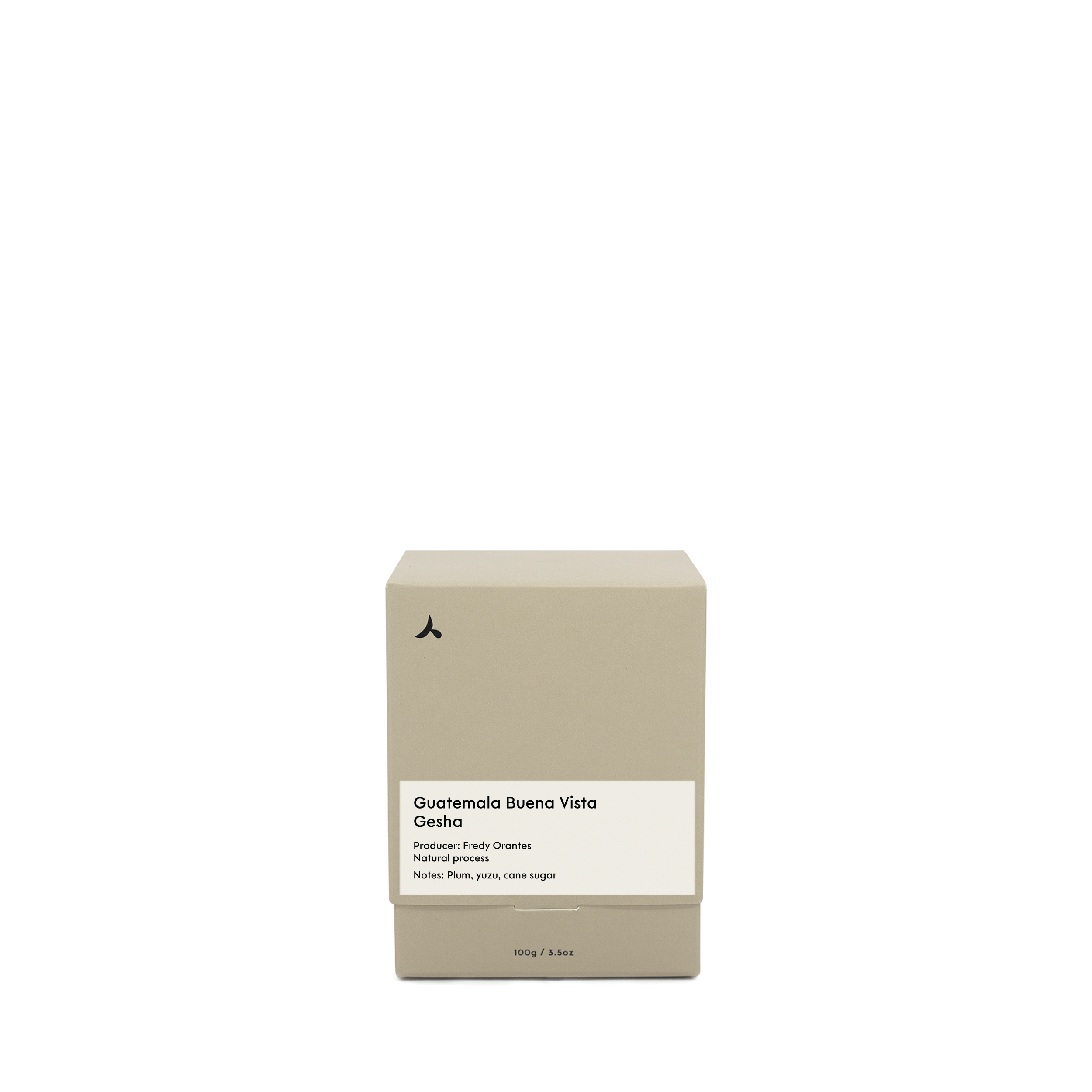
Fredy Orantes grows this rare Gesha on his sustainably managed Santa Rosa farm, home to native trees, composted soil, and free-roaming wildlife. Only the ripest red cherries were selected, then dried on raised beds for 25 to 30 days, turned daily to catch the warmest hours of a cooler, cloudier season — a small, carefully tended lot that reflects Fredy's skill with a variety that rarely thrives in Guatemala. Source: marucoffee.com.
Plum, yuzu, cane sugar
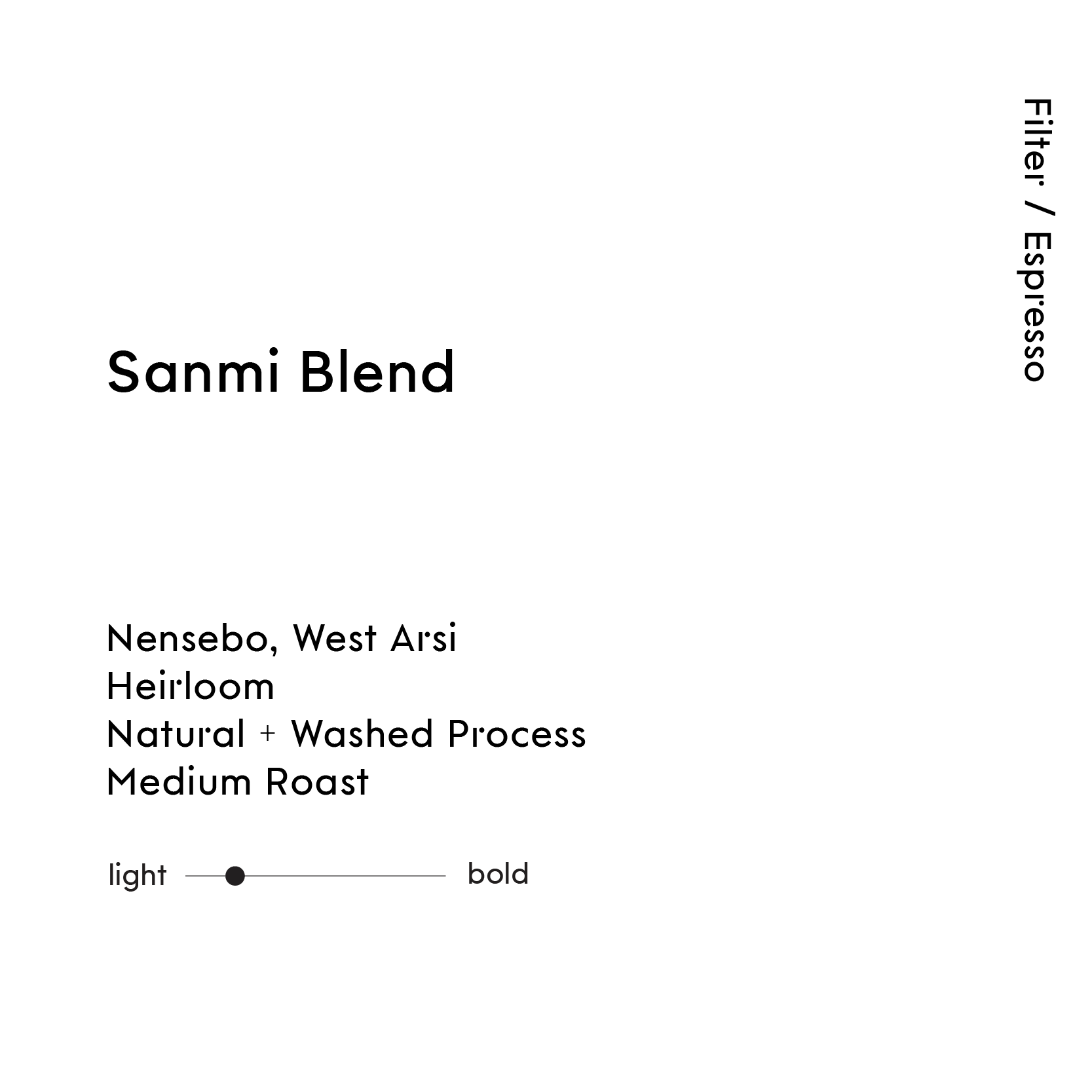
Maru's signature blend — previously called their single-origin blend — served year-round in the cafés since 2016: two Ethiopian coffees, one natural and one washed, roasted separately then blended for the best of both — clean, sparkling acidity with citrus and tea-like notes from the washed half, and robust berry and sugary notes from the natural half. Every harvest, dozens of Ethiopian coffees are tasted and only the highest-tier "Grade 1" lots are selected, keeping the cup consistent from year to year. Also sold as a 20oz bag ($40.00). Source: marucoffee.com.
Floral, strawberry, maple
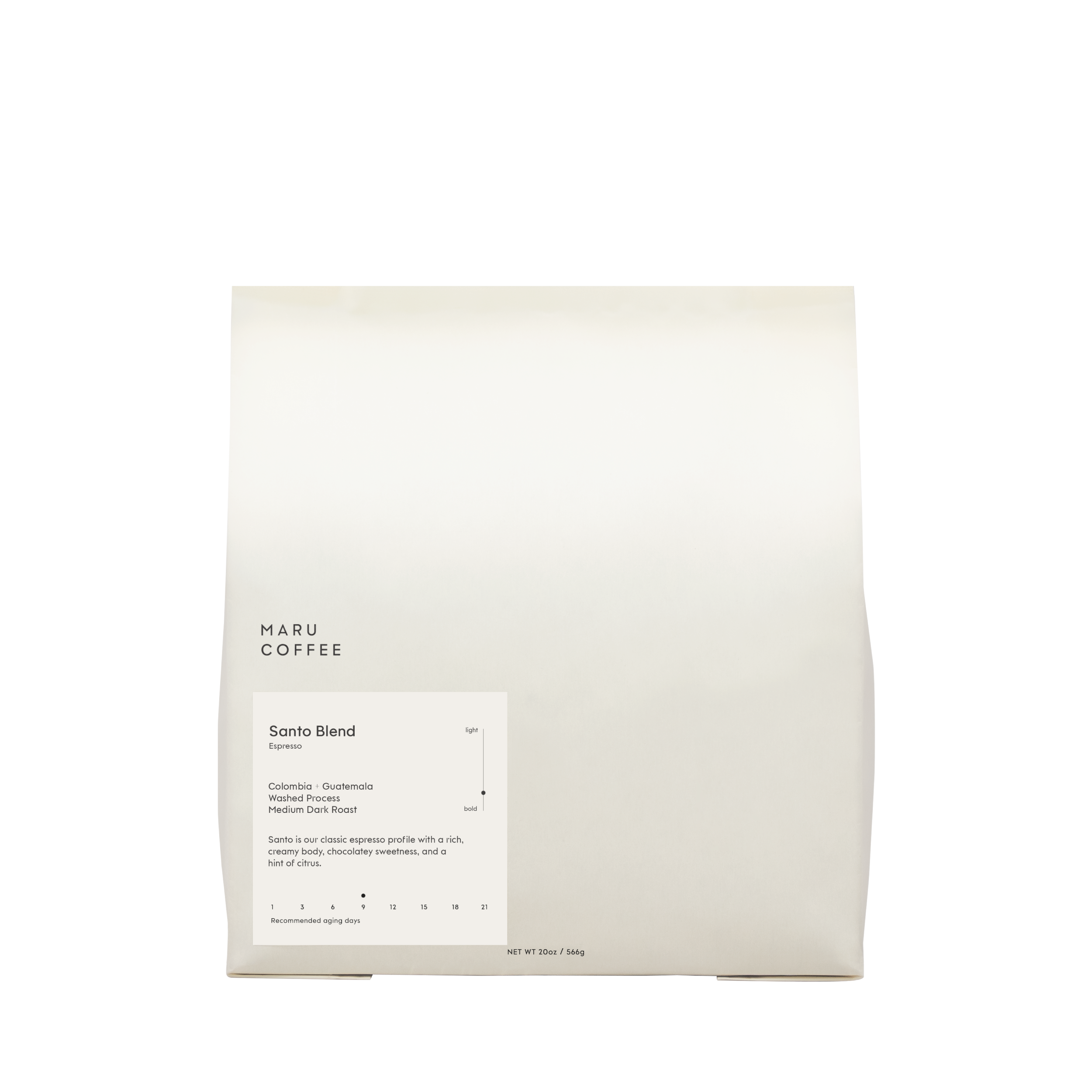
Maru's house espresso blend, full-bodied and well-balanced with mild acidity, combining favorite attributes of classic Colombian and Guatemalan flavor profiles and crafted to taste especially good with milk — a darker, less acidic, more chocolate-and-caramel-forward alternative to the lighter roasts. Sold in a 20oz bag. Source: marucoffee.com.
Dark chocolate, orange, vanilla
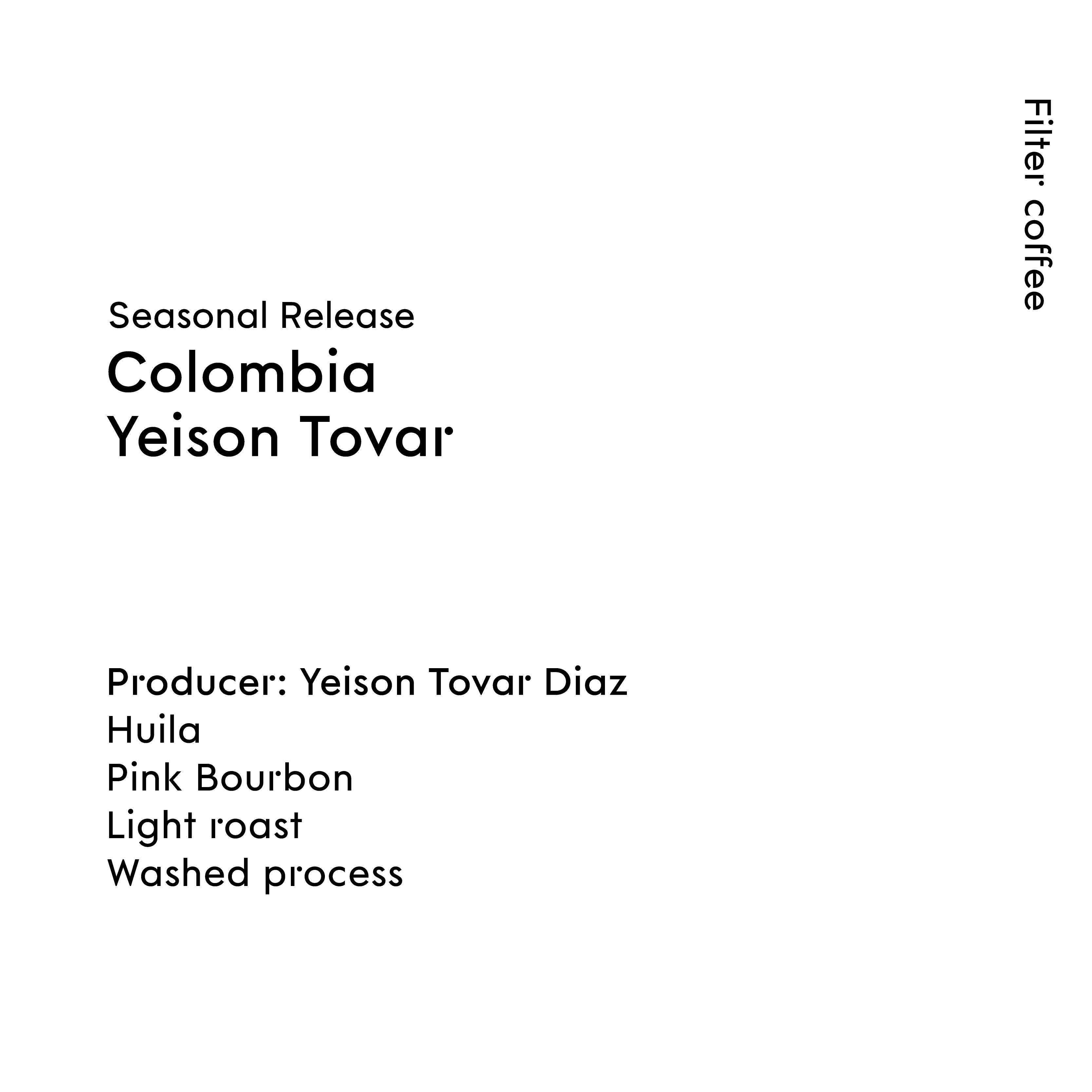
Yeison Tovar grows this coffee on his Las Brisas farm in Huila, Colombia, a property built up over years of hard work and named for the cool winds that pass through the land. After learning about Pink Bourbon from neighbors, he began growing it and improving the drying setup as prices got better — cherries are hand-picked, bagged for four days, then depulped and rested 20 hours before washing to bring out more of the coffee's natural qualities. Source: marucoffee.com.
Blood orange, guava, black currant
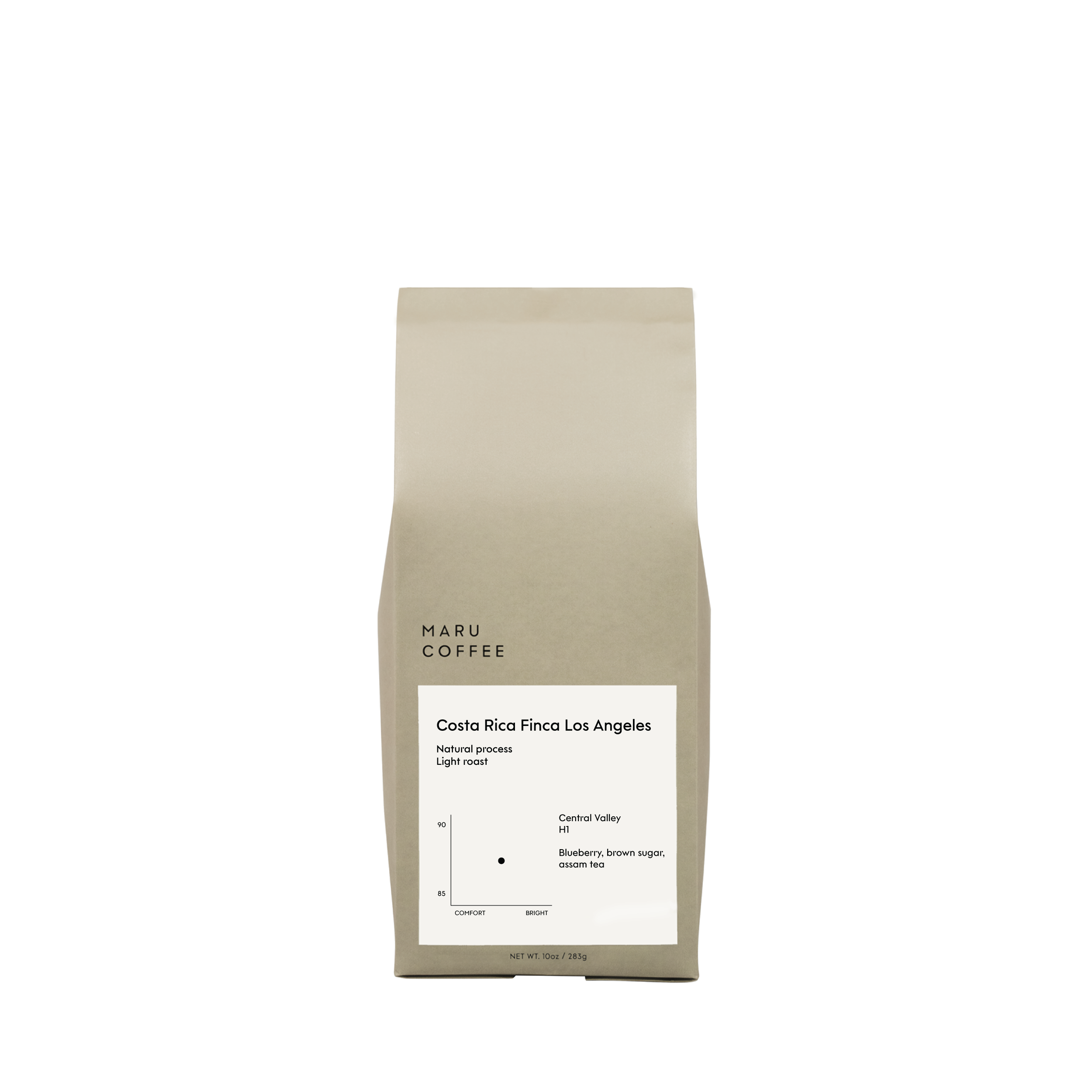
Oscar and Francisca Chacón are third-generation producers at Las Lajas, who joined Costa Rica's early micromill movement in 2005 for more control over quality — resourcefulness that grew after a 2008 earthquake knocked out their water and power and pushed Francisca to build raised beds inspired by African drying techniques. This Perla Negra lot is a natural process built for patience: ripe, high-sugar cherries spend a week on raised beds, rest in the shade, then finish on the greenhouse patio over up to a month, developing deep layered sweetness. Source: marucoffee.com.
Blueberry, brown sugar, assam tea