
Roasteries / Jacobsen & Svart
Jacobsen & Svart is a craft coffee roastery and coffee bar in Trondheim, started in 2012 with traceability and fair trade at its core. It roasts in Malvik, east of the city, and runs coffee bars at Solsiden and in Arkitektenes hus on Brattørgata. Won the Norway category of Falstaff's Favourite Nordic Café readers' vote in 2025.
9
coffees
Norway
base
Locations
Jacobsen & Svart – Solsiden
Ferjemannsveien 8, 7042 Trondheim, NorwayJacobsen & Svart – Brattørgata
Brattørgata 5, 7010 Trondheim, NorwayCoffees
9 coffees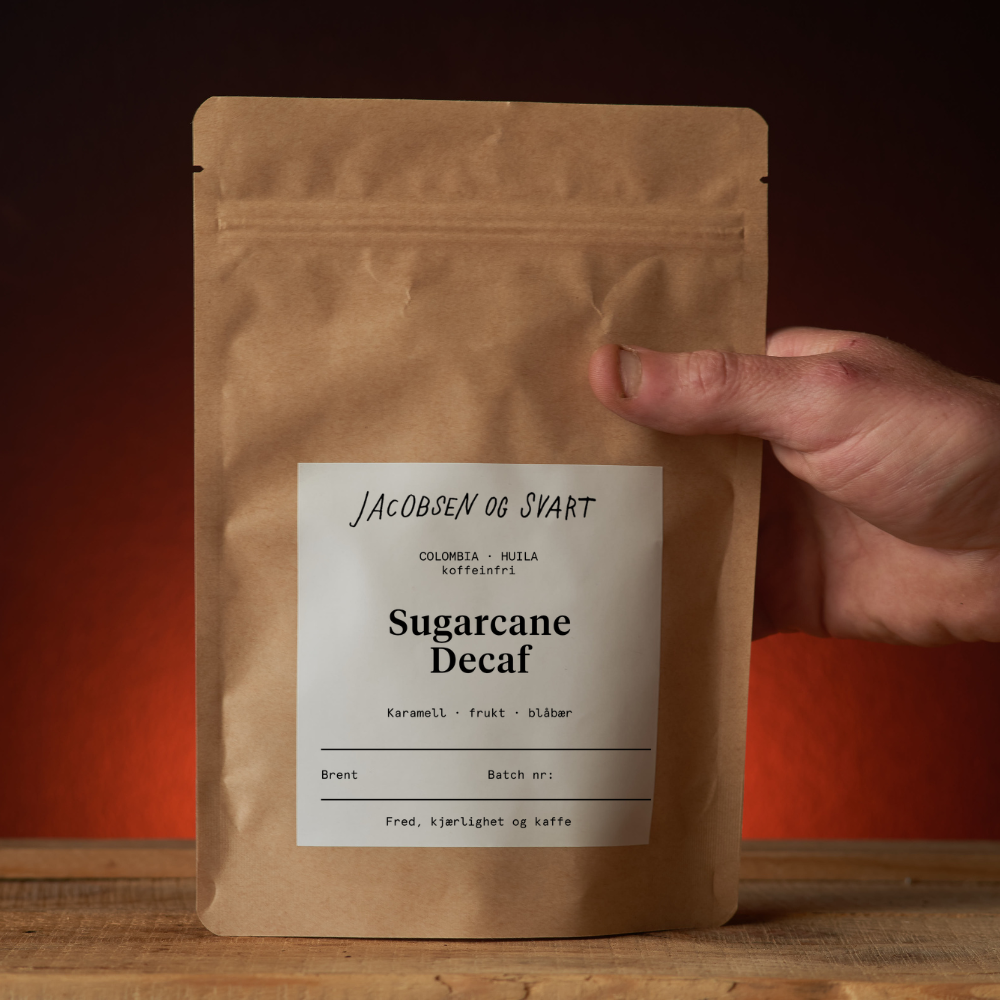
Diego Horta's Huila decaf, scored 84.5: proof of how aromatic and clean a decaf can be with good raw material. The gentle sugarcane process keeps the stone-fruit sweetness of high-grown Castillo and Caturra, a fresh citrus acidity from Huila's big day-night swings and a clean, berry-like finish.
Peach, grapefruit, blueberry
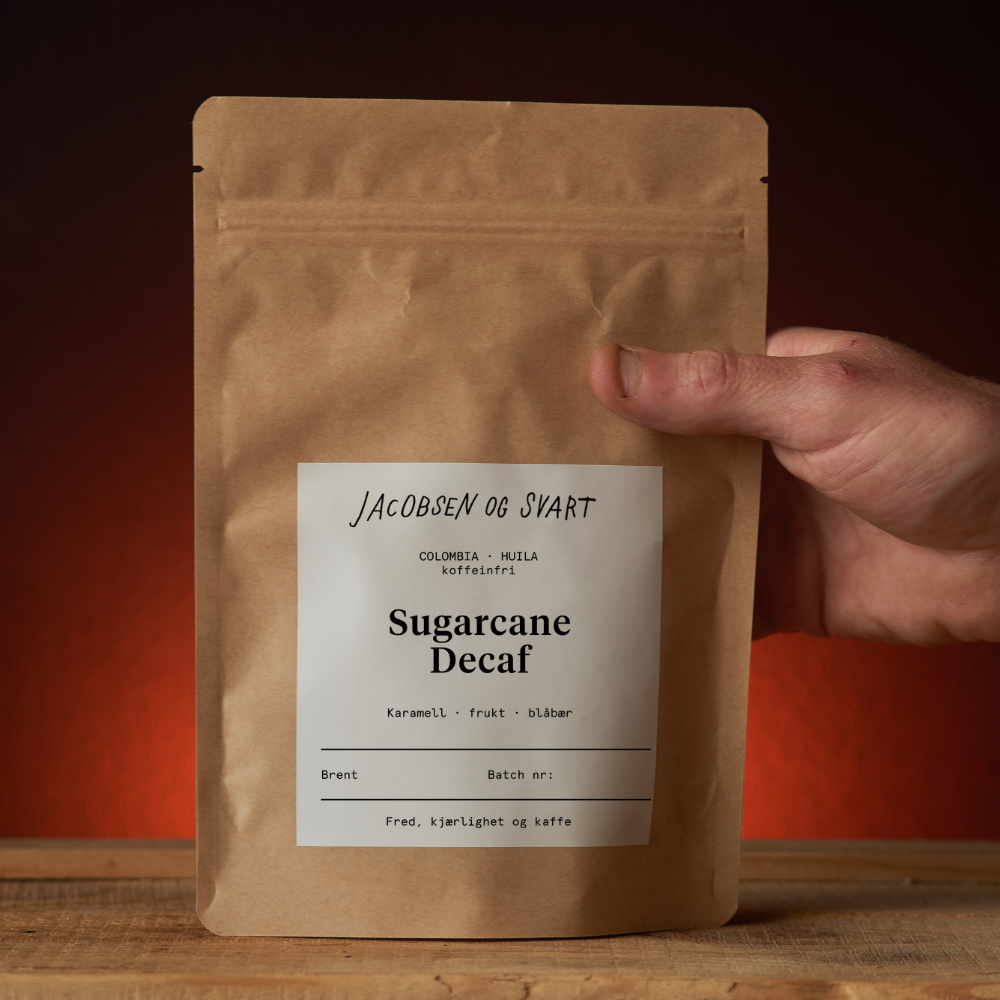
A decaf espresso from Colombia, decaffeinated with ethyl acetate from fermented sugarcane to keep sweetness and body. Dark chocolate, brown sugar and caramel with low acidity and a long sweet finish, on its own or in a cappuccino.
Dark chocolate, brown sugar, caramel
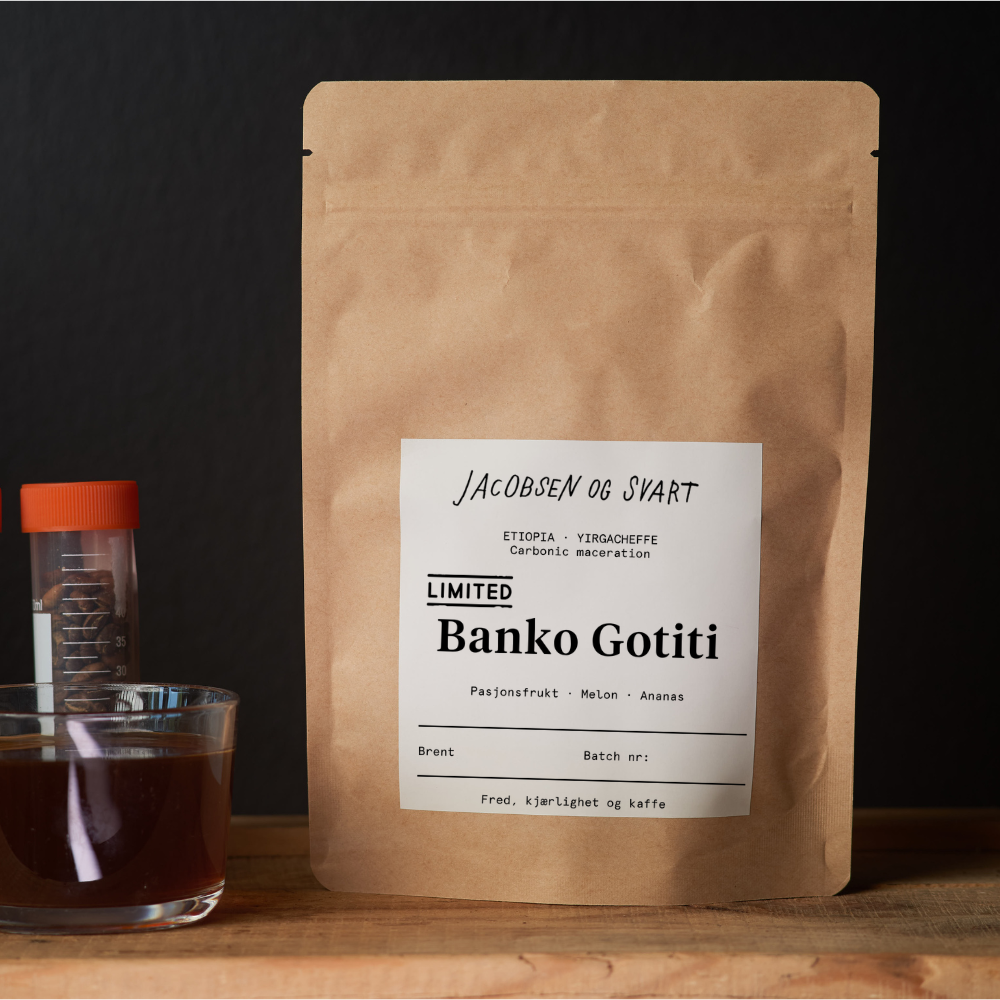
From Gedeb in the heart of the Gedeo zone, where volcanic soil and altitudes above 2,000 m slow ripening. Processed by carbonic maceration, borrowed from winemaking: whole cherries rest in sealed CO2-filled tanks so the sugars break down inside the fruit, for a deeper, cleaner fruitiness. 87.25 points.
Passion fruit, lychee, melon, pineapple, caramel
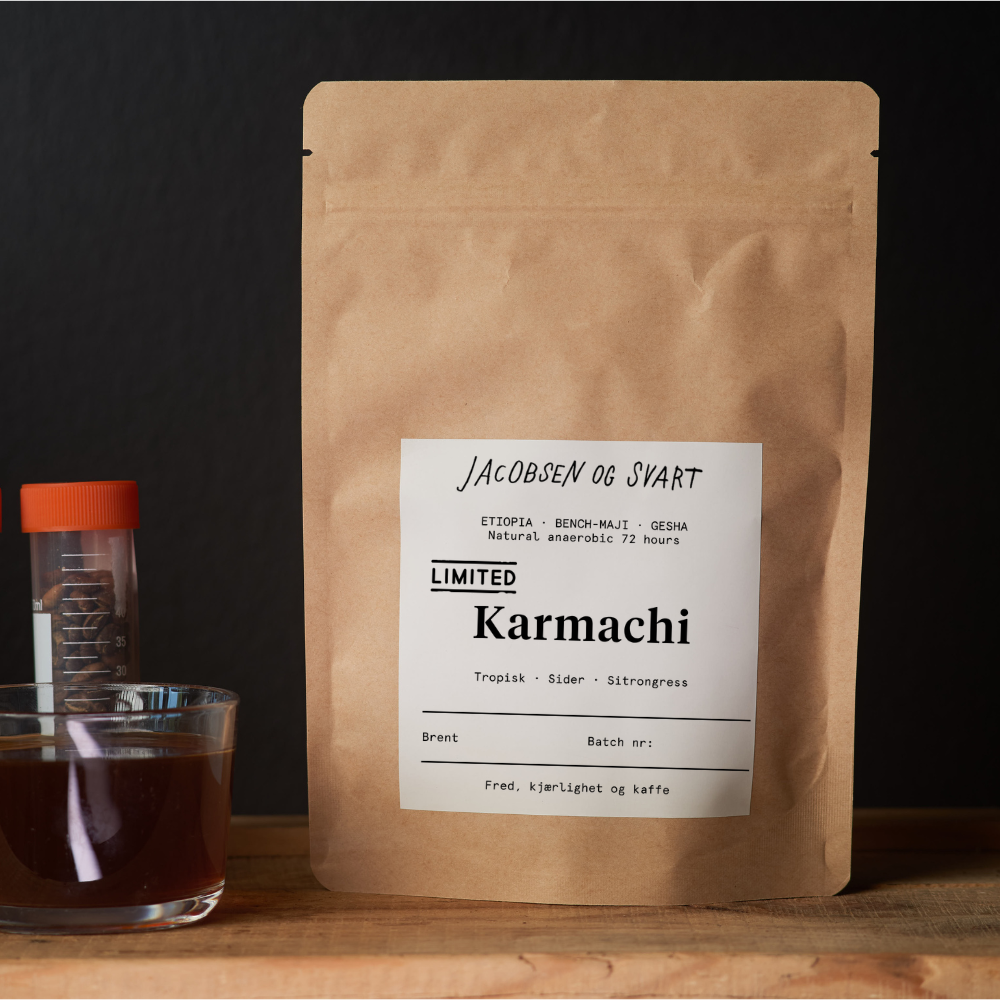
A rare Gesha from Gesha Farm in Bench Maji, near the old forests of the Omo valley: lower and warmer than Yirgacheffe or Guji, so it tastes unlike typical Ethiopian coffee. The farm was set up in 2019 by J&S's sister company Kebir; cherries ferment 72 hours in sealed tanks before drying. 88 points.
Tropical fruit, apple cider, lemongrass, white grape
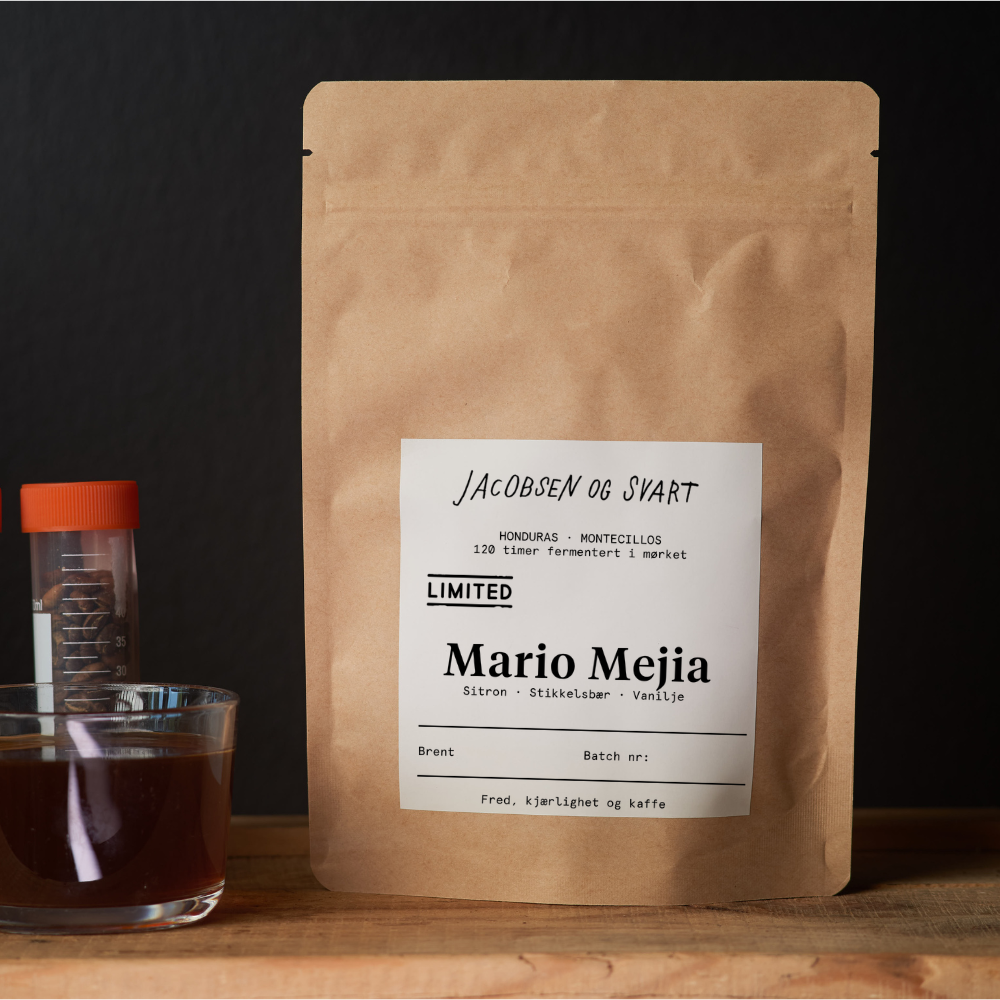
Finca El Jardín has belonged to the same family since 1981 and is now run by Mario Samuel Mejía Rodríguez, the fourth generation, beside the Montecillos reserve. Ripe cherries ferment submerged in water in a dark, temperature-controlled room for 120 hours, which slows the bacteria and builds depth: an intense, almost winey cup.
Lemon, gooseberry, vanilla
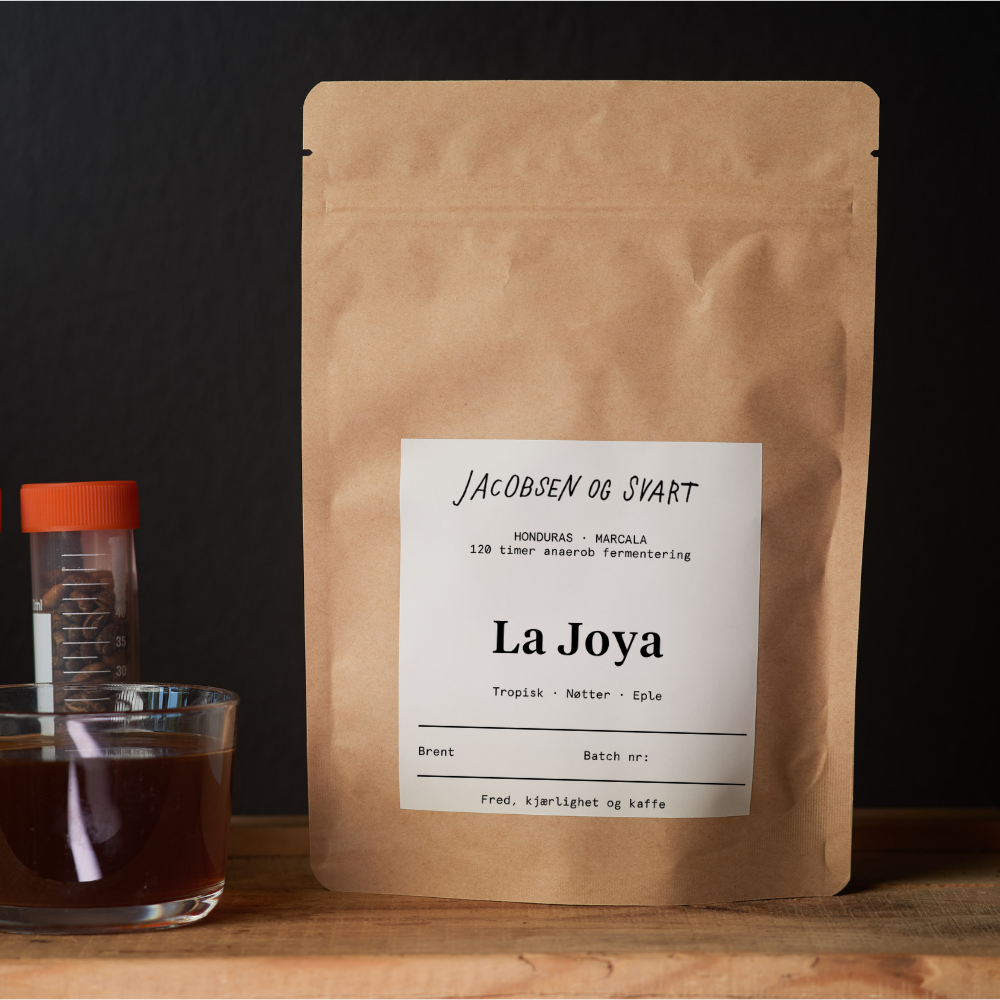
From Carlos Amaya, a fourth-generation producer whose family farm in Marcala dates from 1970; Marcala was the first Honduran region to win a protected designation of origin. A 120-hour anaerobic natural, the longest the farm uses, dried 30 days on African beds. Scored 86.75; the long fermentation gives fruit and winey depth over a soft coconut-and-hazelnut base.
Quince, cherry plum, coconut, hazelnut
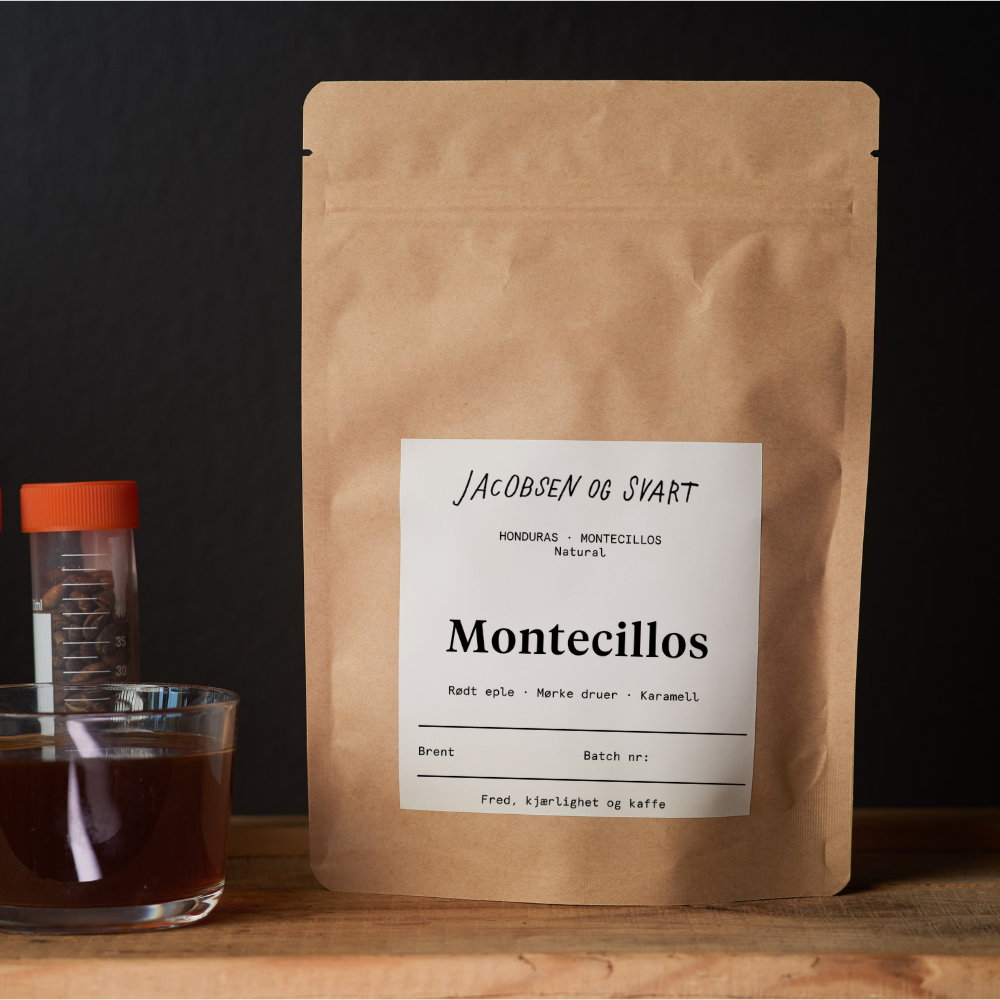
From smallholders near the Montecillos reserve in La Paz, a region the Lenca people call "place of stones" for its steep mountains and dense jungle. Clay soil, a mild climate and banana shade mean smaller harvests but more concentrated cherries. Washed for a clean, clear cup; 83.5 points.
Red apple, yellow fruit, hazelnut, lemon
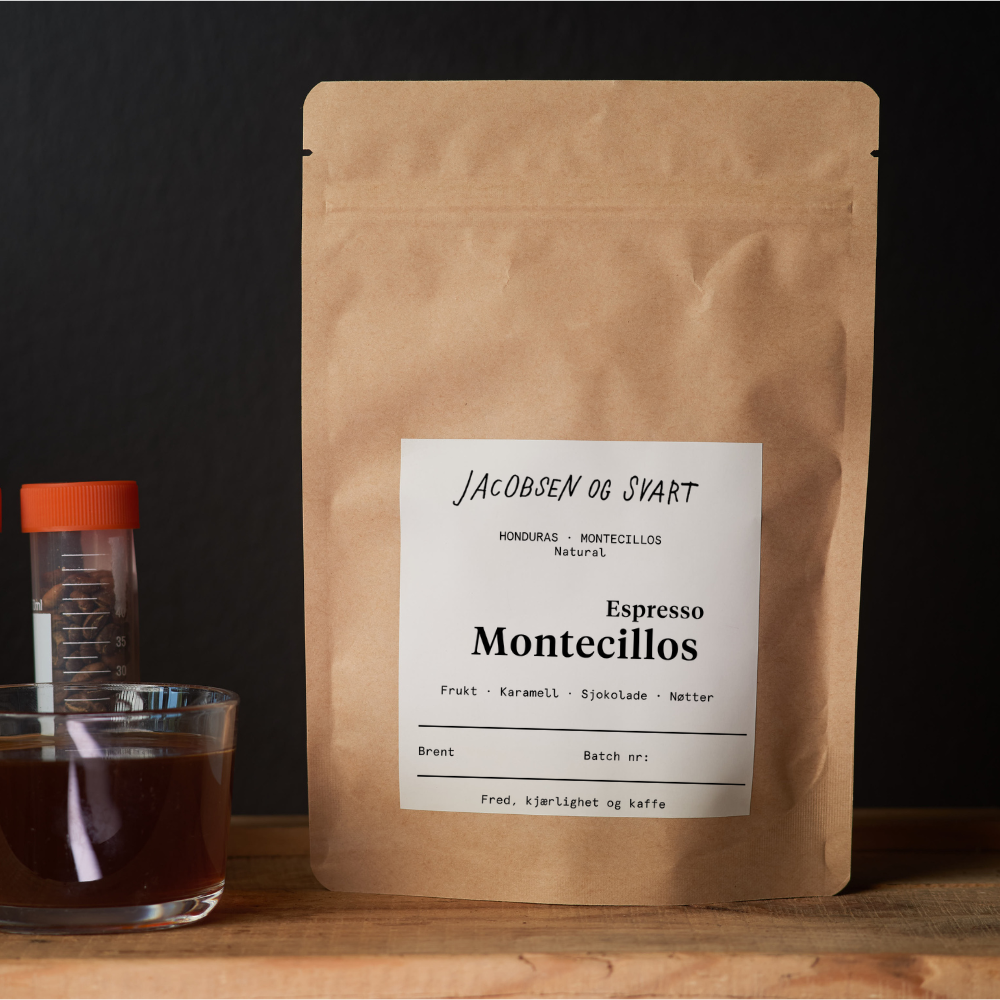
The espresso roast of the washed Montecillos smallholder lot from La Paz, where clay soil and banana shade give smaller but more concentrated harvests. 83.5 points.
Red apple, yellow fruit, hazelnut, lemon
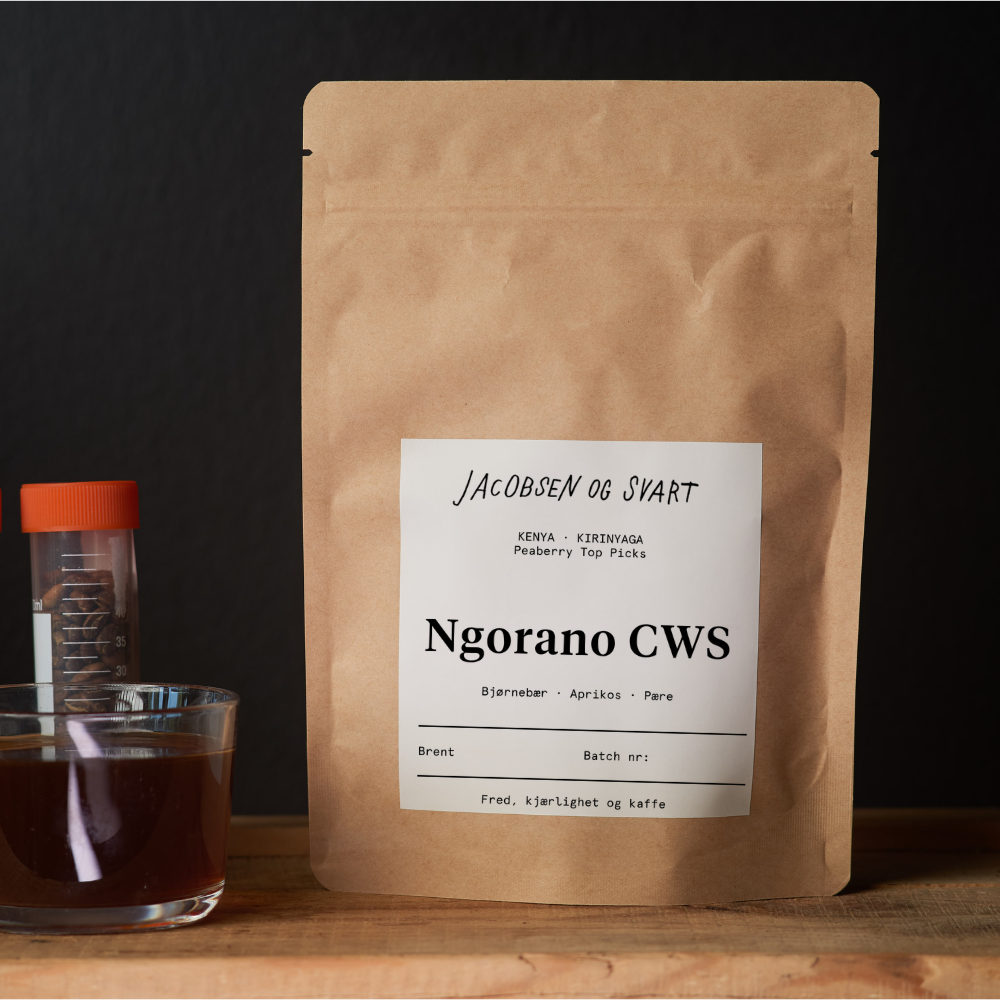
Ngorano is a washing station on the southern slopes of Mount Kenya, part of the Mutira Cooperative Society, whose smallholders grow coffee beside tea and food crops. Peaberries, the single round beans from the tips of the branches, are pulped, dry-fermented 24 hours, washed, density-sorted and dried on raised beds to about 11%. 86 points.
Blackberry, apricot, pear, blackcurrant