
Roasteries / Mazelab Coffee

Mazelab Coffee
Prague, Czech Republic
Founded by Jackie and Thu in Prague — life partners who met in a coffee shop. Launched their roastery in May 2023 after Jackie spent six years in the industry. In 2024 Jackie won the Czech Brewers Cup and placed 6th at the World Brewers Cup; in 2025 their team member George Peng won the World Brewers Champion title using their SOLO Dripper. A creative playground of café concepts across Prague, hunting for flavorful hidden gems.
10
coffees
1
followers
Czech Republic
base
Locations
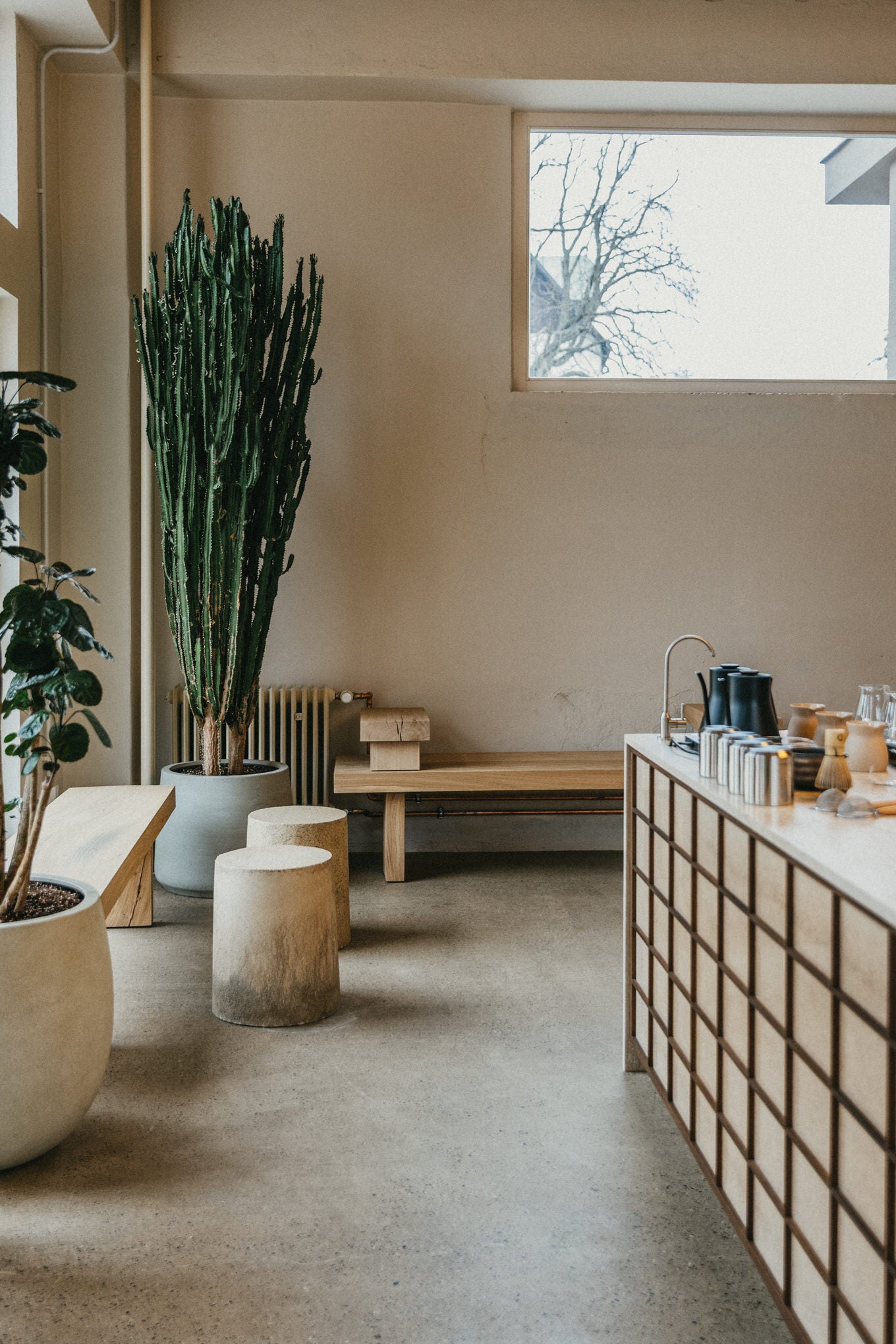
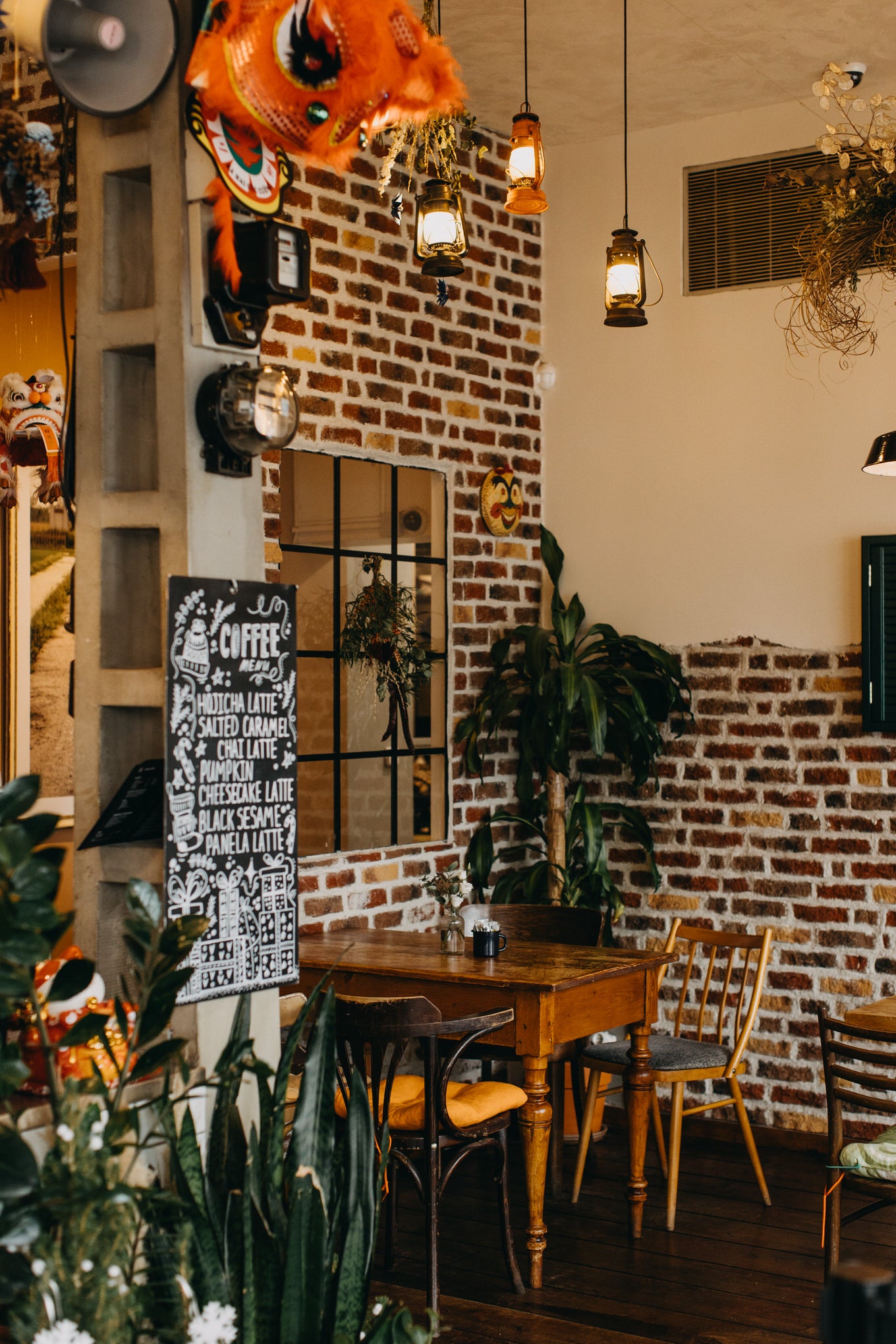
Cafefin
náměstí Jiřího z Poděbrad 1407/4, 120 00 Prague 3, Czech RepublicMon-Sat 9am-8pm; Sun 9am-7pm
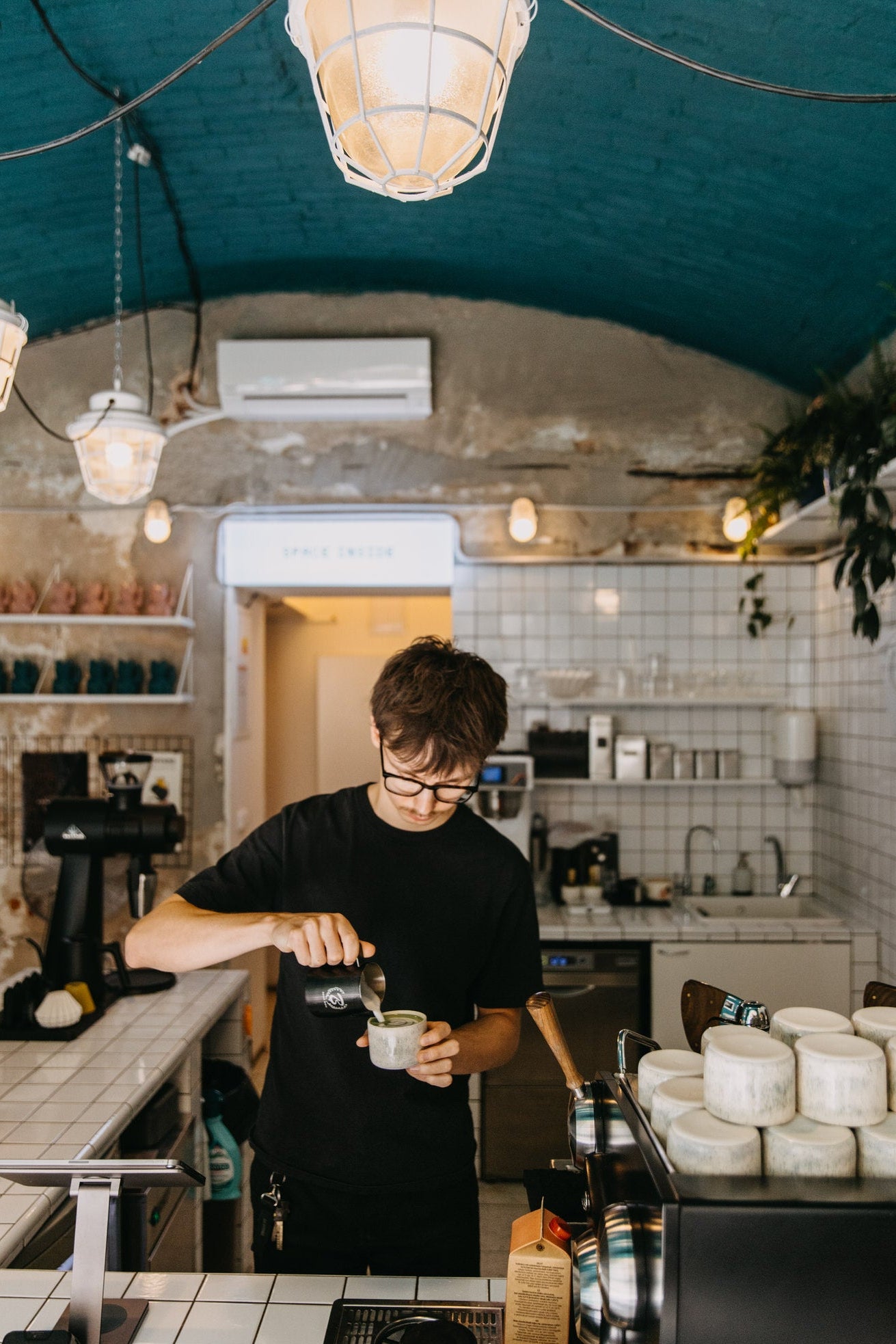
Format Espresso Bar
Milady Horákové 532/26, 170 00 Prague 7, Czech RepublicMon-Sat 8am-6pm; Sun 9am-5pm
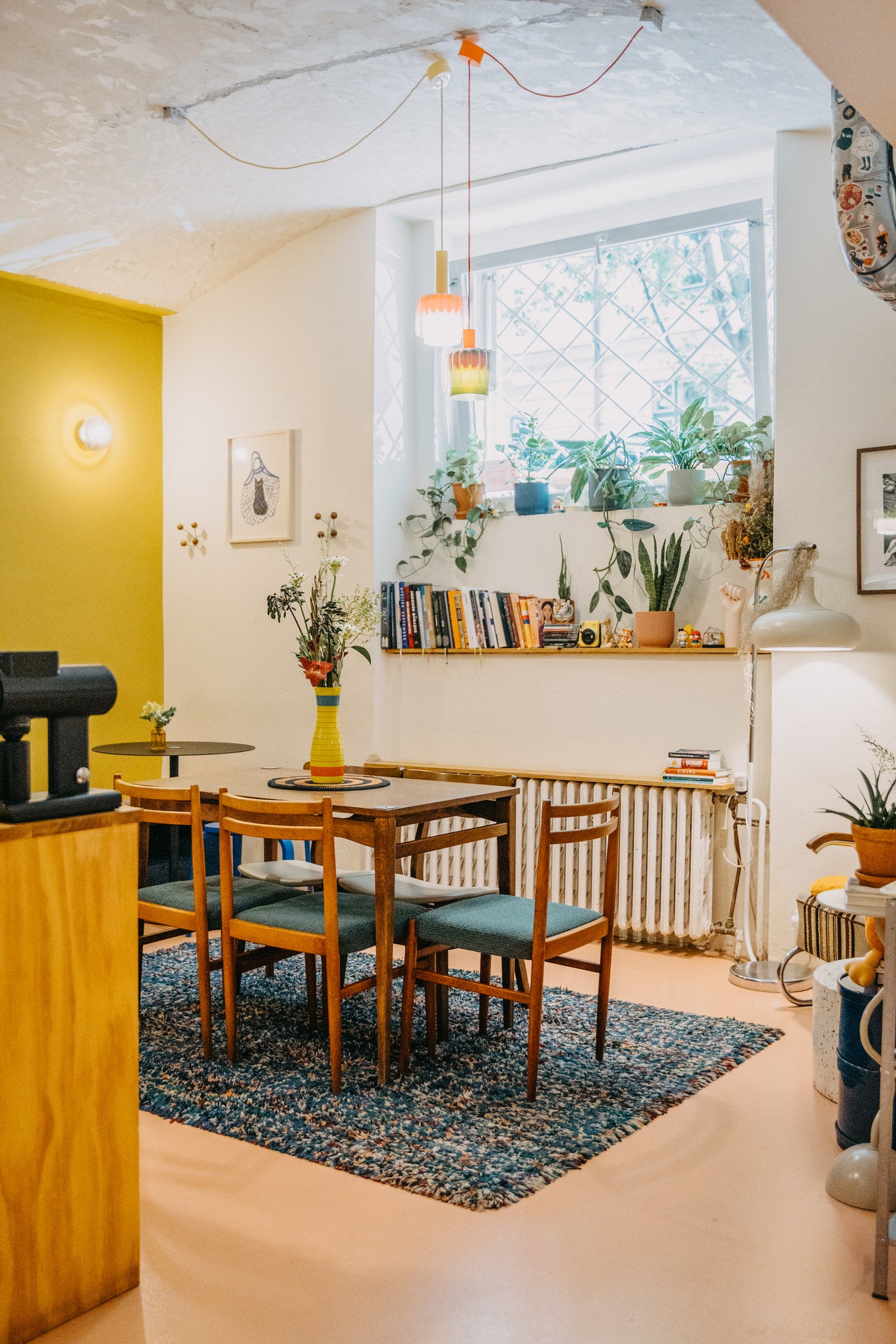
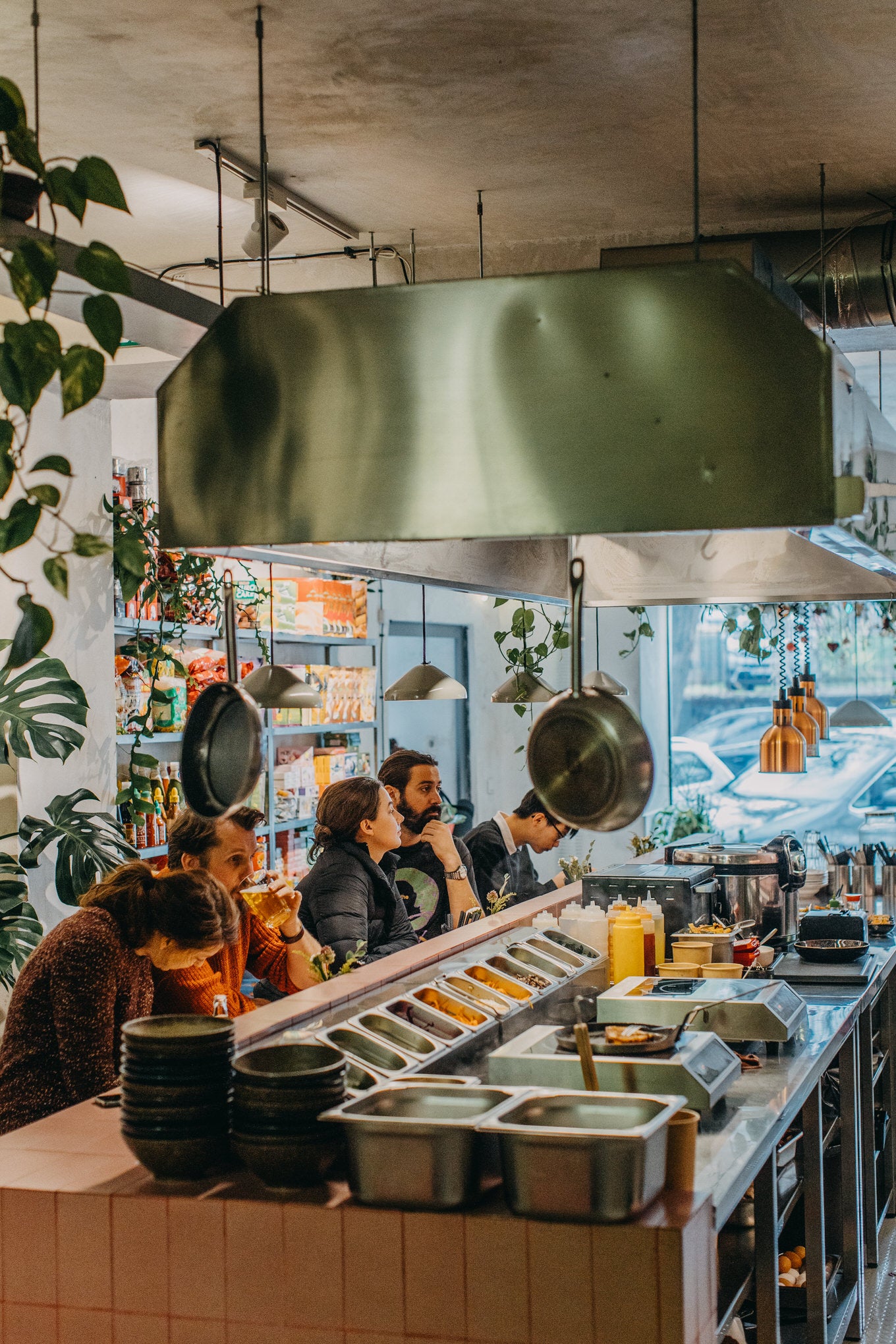
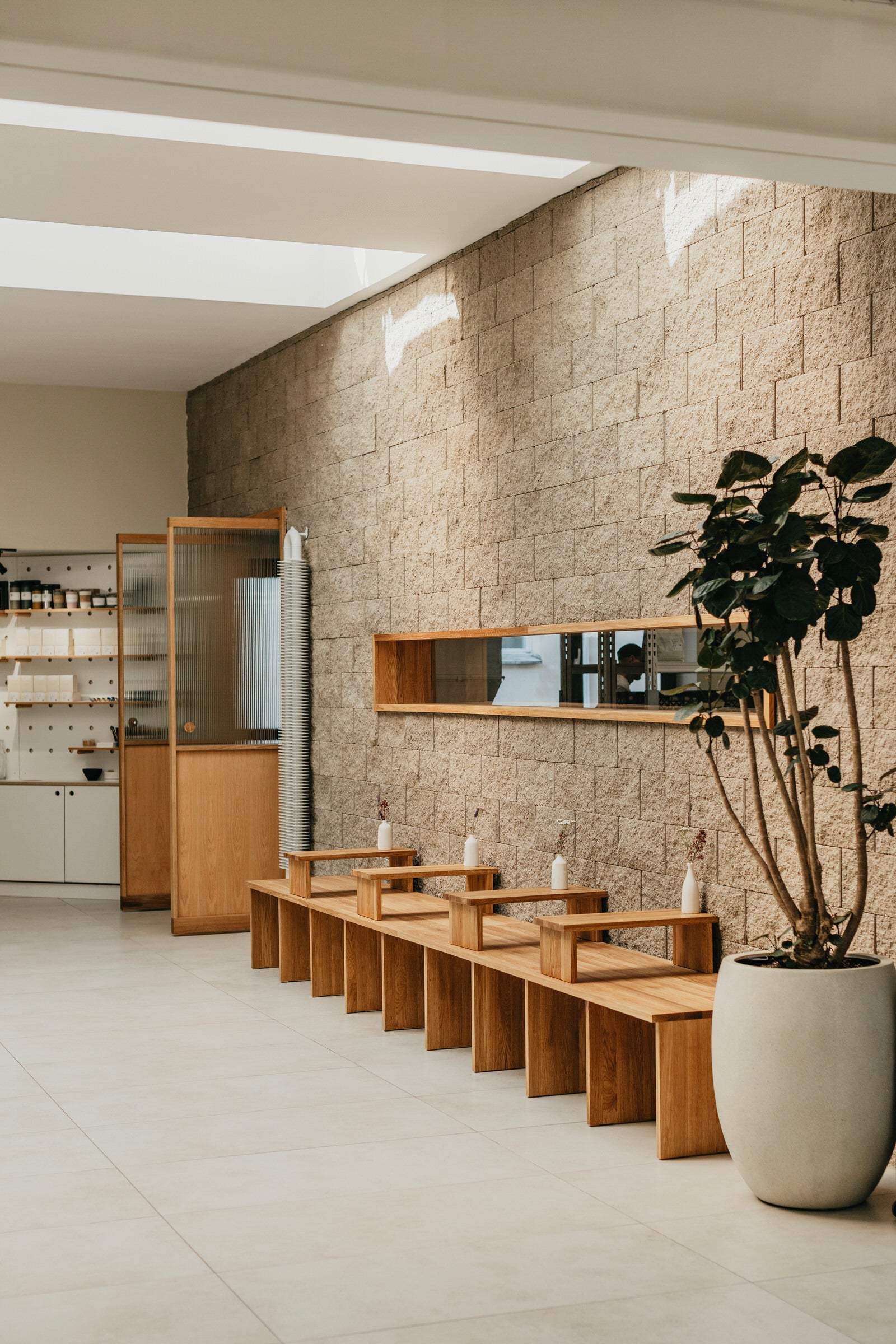
Mazelab Roastery
Československé armády 729/28, 160 00 Prague 6, Czech RepublicMon-Sat 9am-6pm; Sun 10am-5pm
Coffees
10 coffees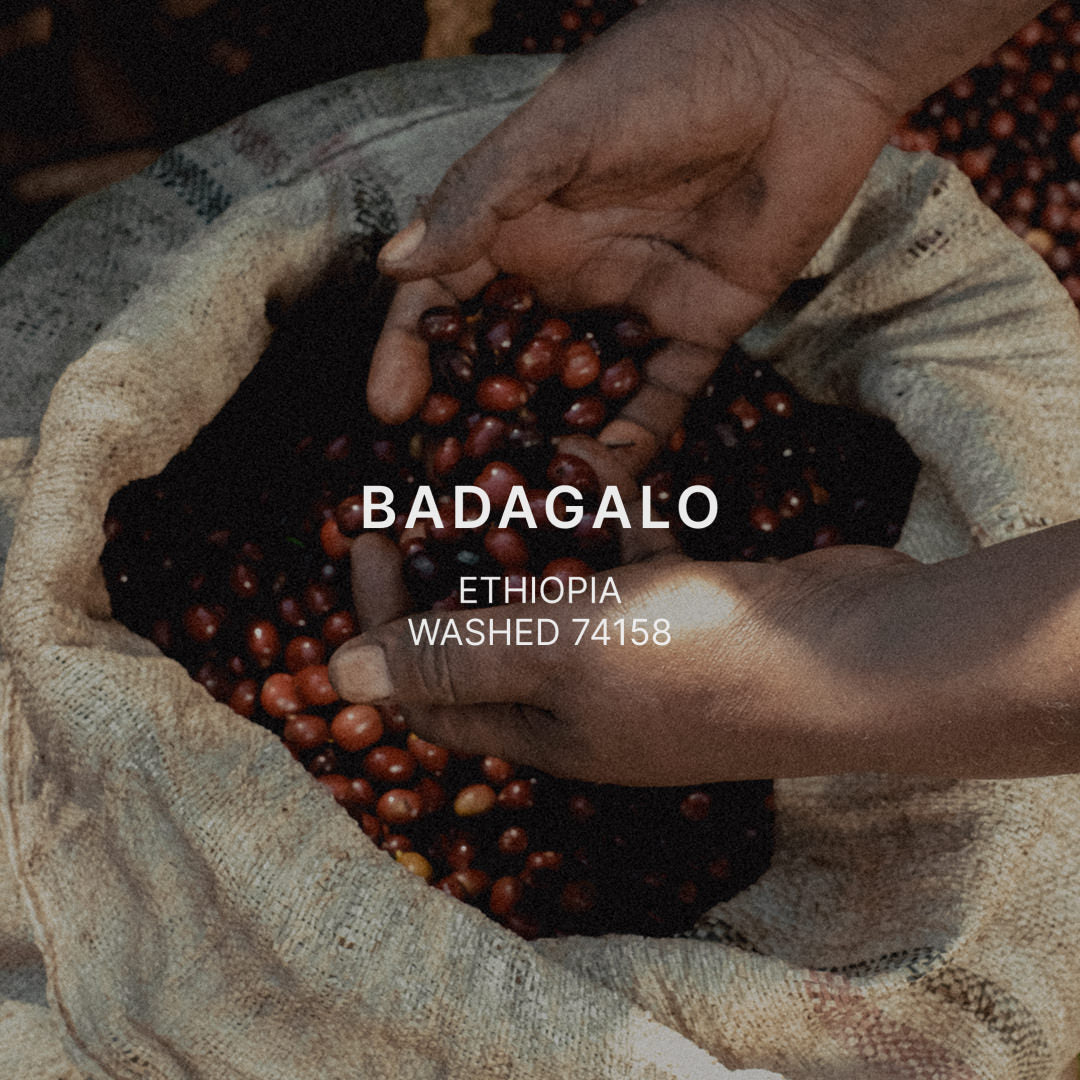
Badagalo is a small pocket of Murago, in Bensa, Sidama — one of the higher, cooler corners of Basha Bekele's land. Basha won the 2024 Ethiopia Cup of Excellence and Top of the Harvest 2025 from his Gonjobe lots, and Mazelab has bought from him for three years. Grown between 2,350 and 2,490 metres on nitisol soils, this washed lot of indigenous heirloom JARC 74158 is pulped, fermented two to three days, washed and dried slowly on raised beds. Clean and delicate — pomelo, green tea, pink stonefruit and blossom. Source: mazelabcoffee.com
Pomelo, green tea, pink stonefruit, blossom
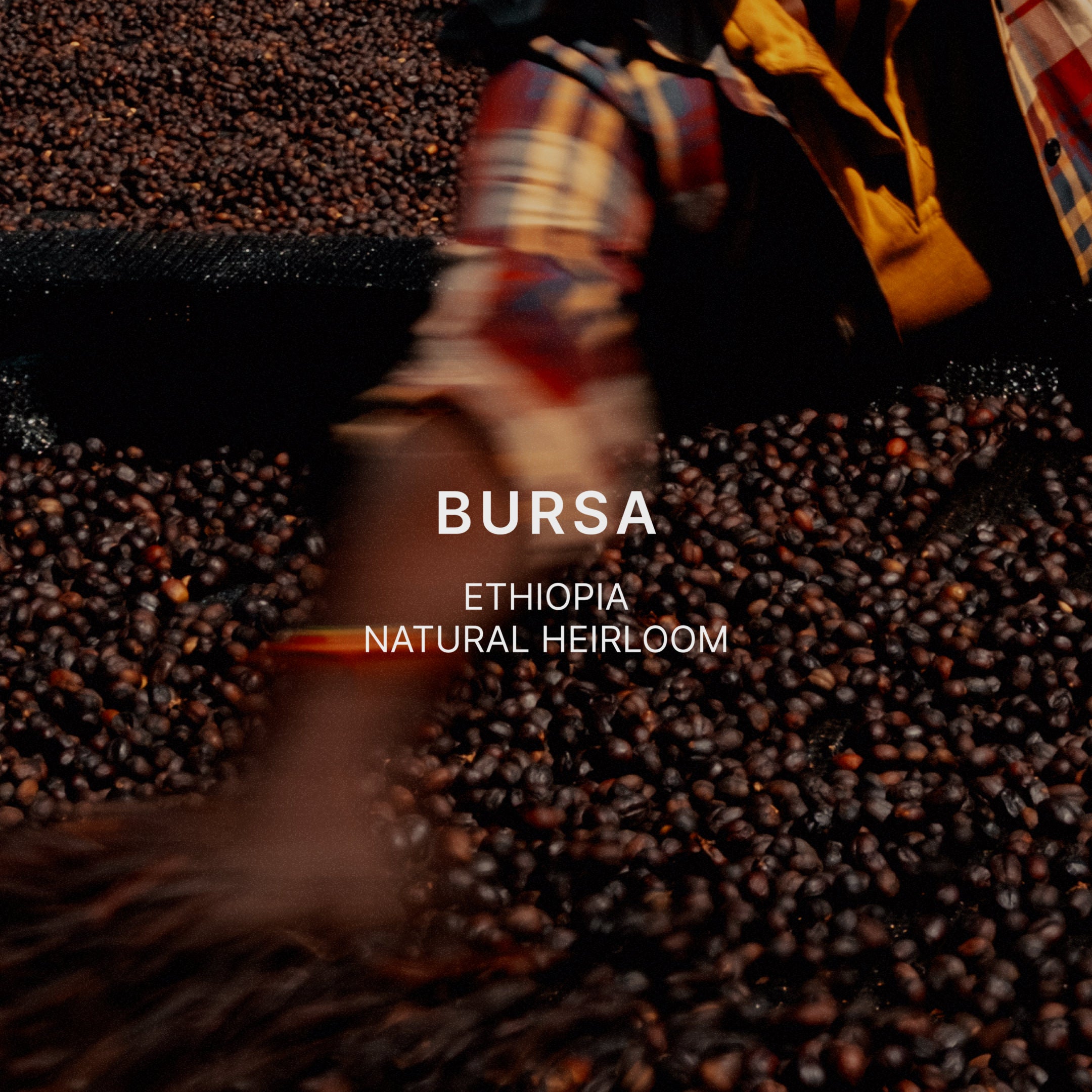
From the Bensa district of Sidama, a high, forested corner of southern Ethiopia where heirloom trees grow between roughly 1,950 and 2,300 metres. Ripe cherries are dried whole as a natural and then sorted down to the peaberry — the single round seed that forms when only one of the two seeds in a cherry develops. Slow drying at altitude gives a layered, fruit-forward cup: tropical yellow fruit and white blossom on top, blueberry, peach and raspberry underneath, and a honeyed sweetness through the finish. Source: mazelabcoffee.com
Tropical yellow fruit, white blossom, blueberries, peach, raspberry, honey
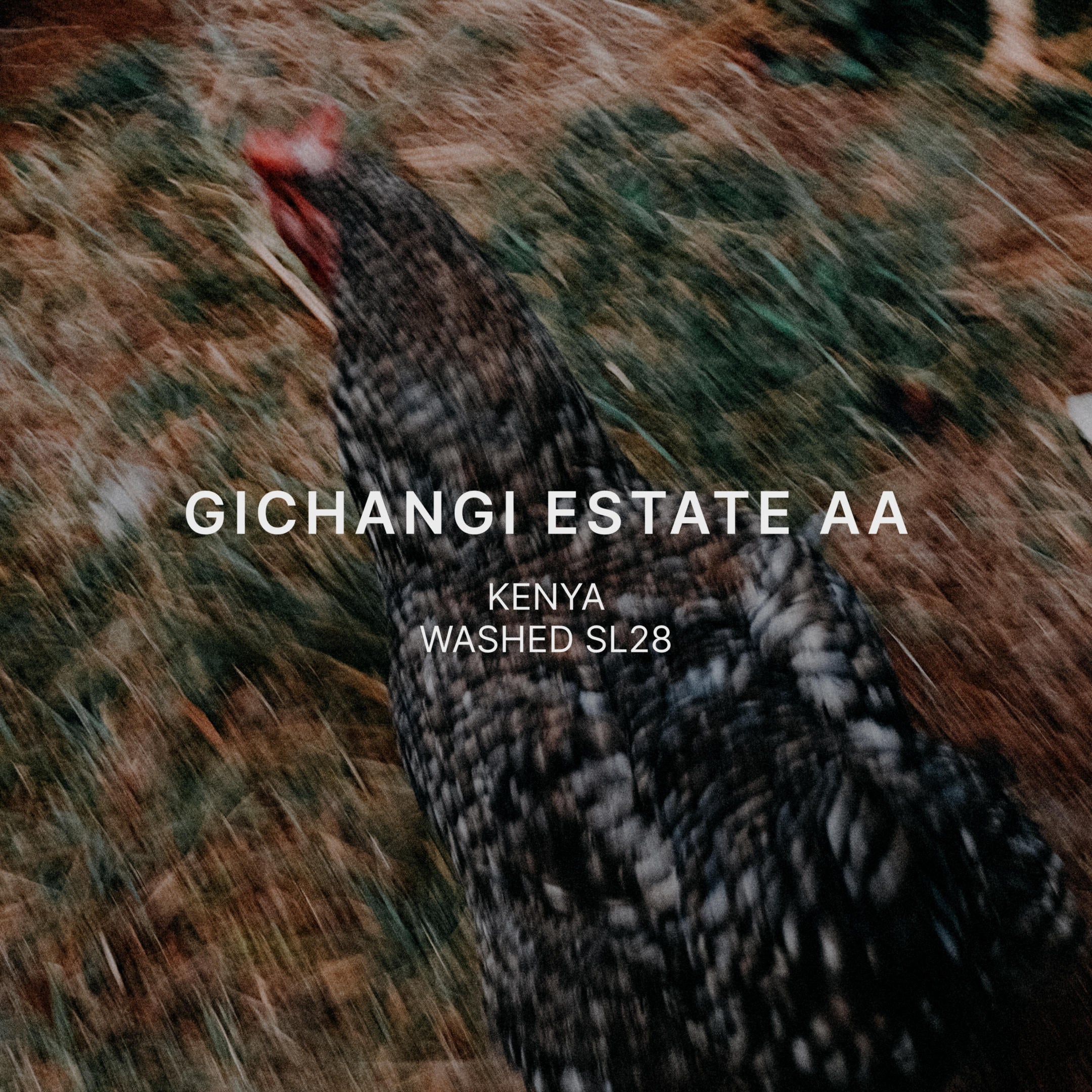
Gichangi Estate sits in Kirinyaga, one of Kenya's most celebrated growing counties, on the southern side of Mt Kenya. This is the AA grade — the largest and most uniform screen size — grown from SL28 and processed the traditional Kenyan washed way. A structured, savoury Kenyan built around redcurrant acidity and a full body, with a distinctive umami depth that keeps unfolding as the cup cools. Source: mazelabcoffee.com
Umami, good structure, redcurrant, bodied
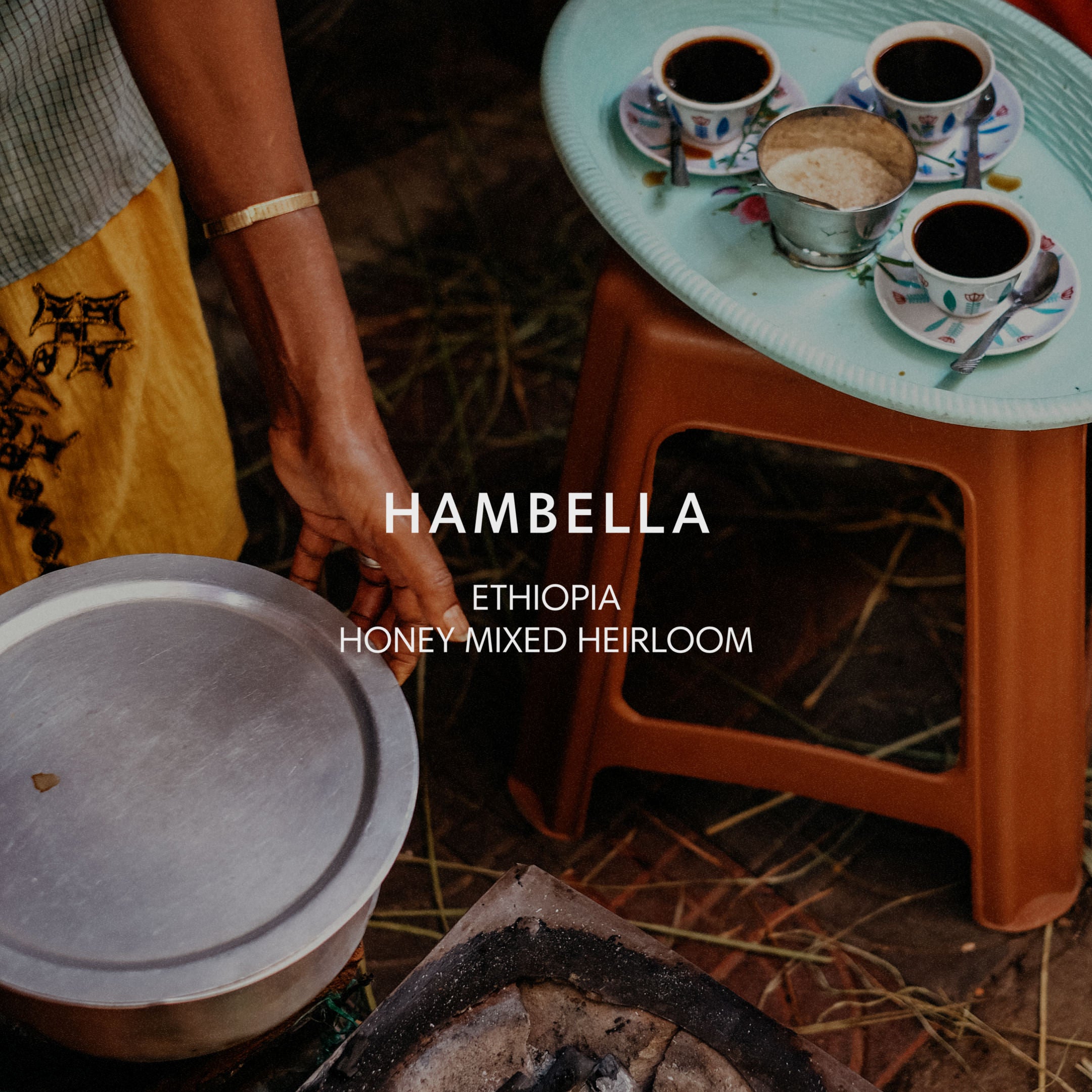
A honey lot from Faysel Abdosh that stood out on the cupping table during Mazelab's Ethiopia visit for its warm sweetness, soft fruit depth and clean, elegant structure. Cherries are carefully selected, soaked, depulped and dried slowly for 35 days with the mucilage left on the bean, giving a rounded sweetness, gentle body and very expressive fruit character. Source: mazelabcoffee.com
Apricot, yellow peach, honey, white floral
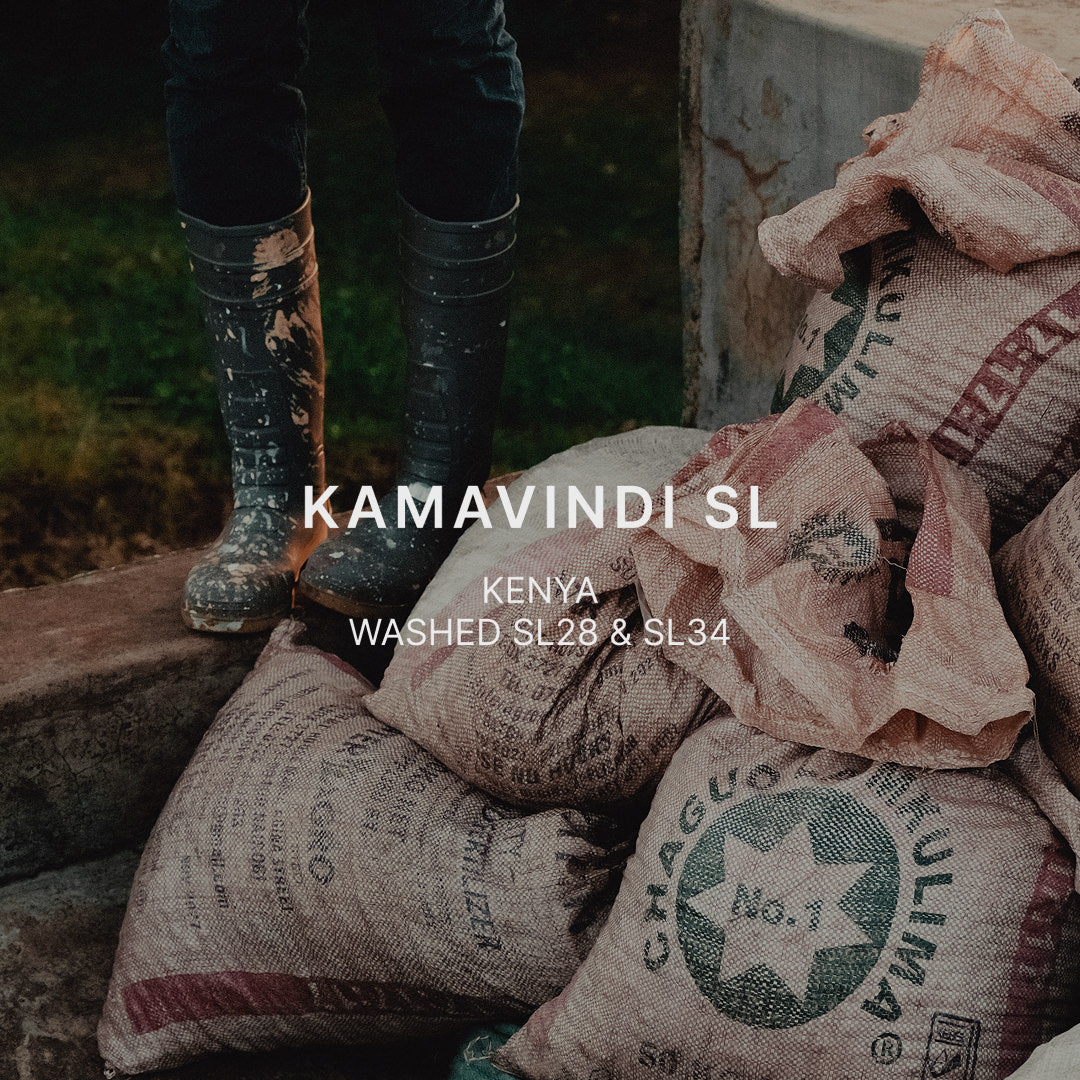
Kamavindi Estate sits at 1,638–1,750 masl in Embu, on the windward side of Mount Kenya, planted by John Njiru Mbature in 1958 and farmed today by his son Peter with his mother Hellen and sister Gladwell. Kamavindi is also where Mazelab found what may be the first Geisha ever cultivated in Kenya. This lot is SL28 and SL34 together, washed in the Kenyan way and dried gently in the family's slow-drying indoor dark room: red currant and blackberry lead, rosehip runs through the middle, raw sugar sits underneath it all. Source: mazelabcoffee.com
Red currant, blackberry, rosehip, raw sugar
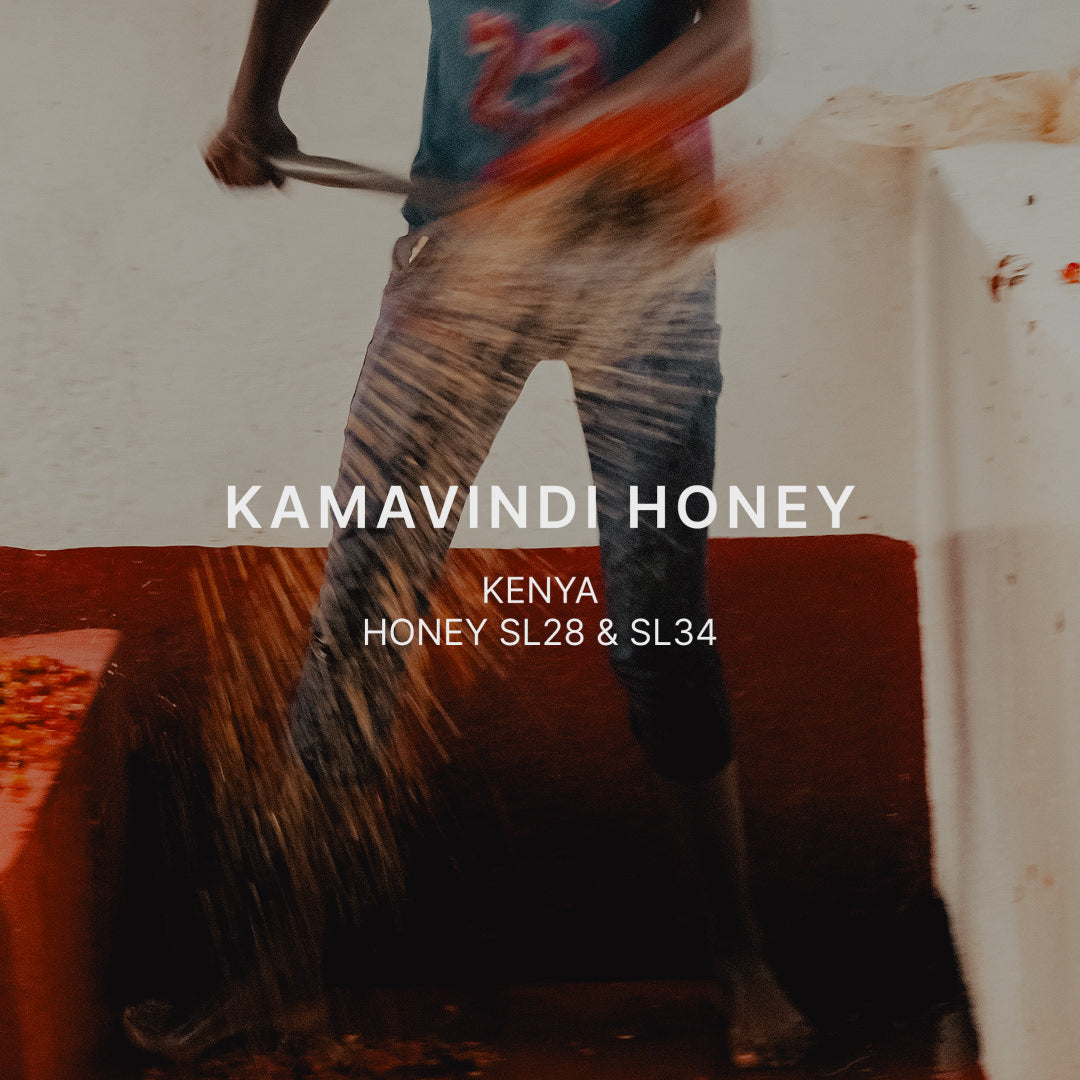
Kamavindi Estate sits at 1,638–1,750 masl in Embu, on the windward side of Mount Kenya. John Njiru Mbature planted it in 1958; his son Peter farms it today with his mother Hellen and sister Gladwell, steadily replanting toward pure SL28. A honey out of Kenya is rare — almost everything here is washed — and this one is rarer still: it began as a small quantity of under-ripe cherries separated from the estate's top lot, rested whole for about three days to keep developing, then pulped with the sweet mucilage left on through drying in the family's new slow-drying dark room. Leaving the mucilage on pulls the fruit away from sharp currant into something rounder — red plum and dried apricot lead, honeycomb runs underneath, caramel closes it out. Source: mazelabcoffee.com
Red plum, dried apricot, honeycomb, caramel
Kamavindi Estate sits at 1,638–1,750 masl in Embu, on the windward side of Mount Kenya, planted by John Njiru Mbature in 1958 and farmed today by his son Peter with his mother Hellen and sister Gladwell. Same trees and same Kenyan washing as Mazelab's SL28/SL34 lot, then sorted down to peaberry — the single round seed that forms when only one of the two seeds in a cherry develops, so this is a selection of the seed itself rather than a different variety or process. Blackcurrant is the SL28 signature and it leads here, with grapefruit carrying the acidity and rhubarb running tart through the middle over brown sugar. Source: mazelabcoffee.com
Blackcurrant, grapefruit, rhubarb, brown sugar
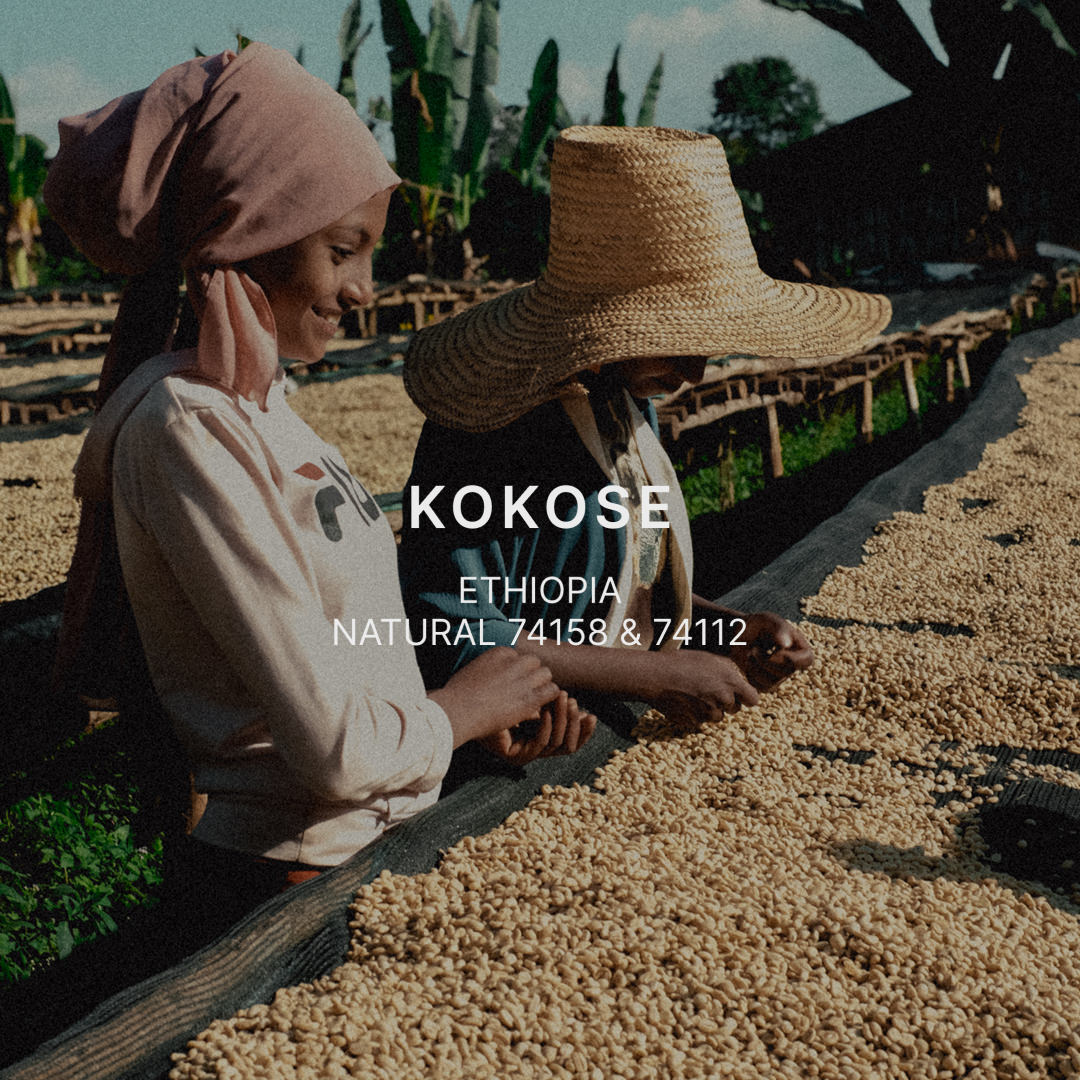
Basha Bekele is one of the youngest and most driven producers in the Bensa district of Sidama. He took on his farm in Kokose village in 2021; in 2024 his coffee won the Ethiopia Cup of Excellence and in 2025 it took Top of the Harvest, both from his lots in nearby Gonjobe. Kokose sits between 2,350 and 2,500 metres on rich nitisol soils. Cherries are floated, hand-sorted and dried slowly on raised beds for around a month before hulling at Basha's own mill. This natural lot of indigenous heirloom 74158 and 74112 comes through with citrus zest, white blossom, nectarine, mango and forest berries. Source: mazelabcoffee.com
Citrus zest, white blossom, nectarine, mango, forest berries
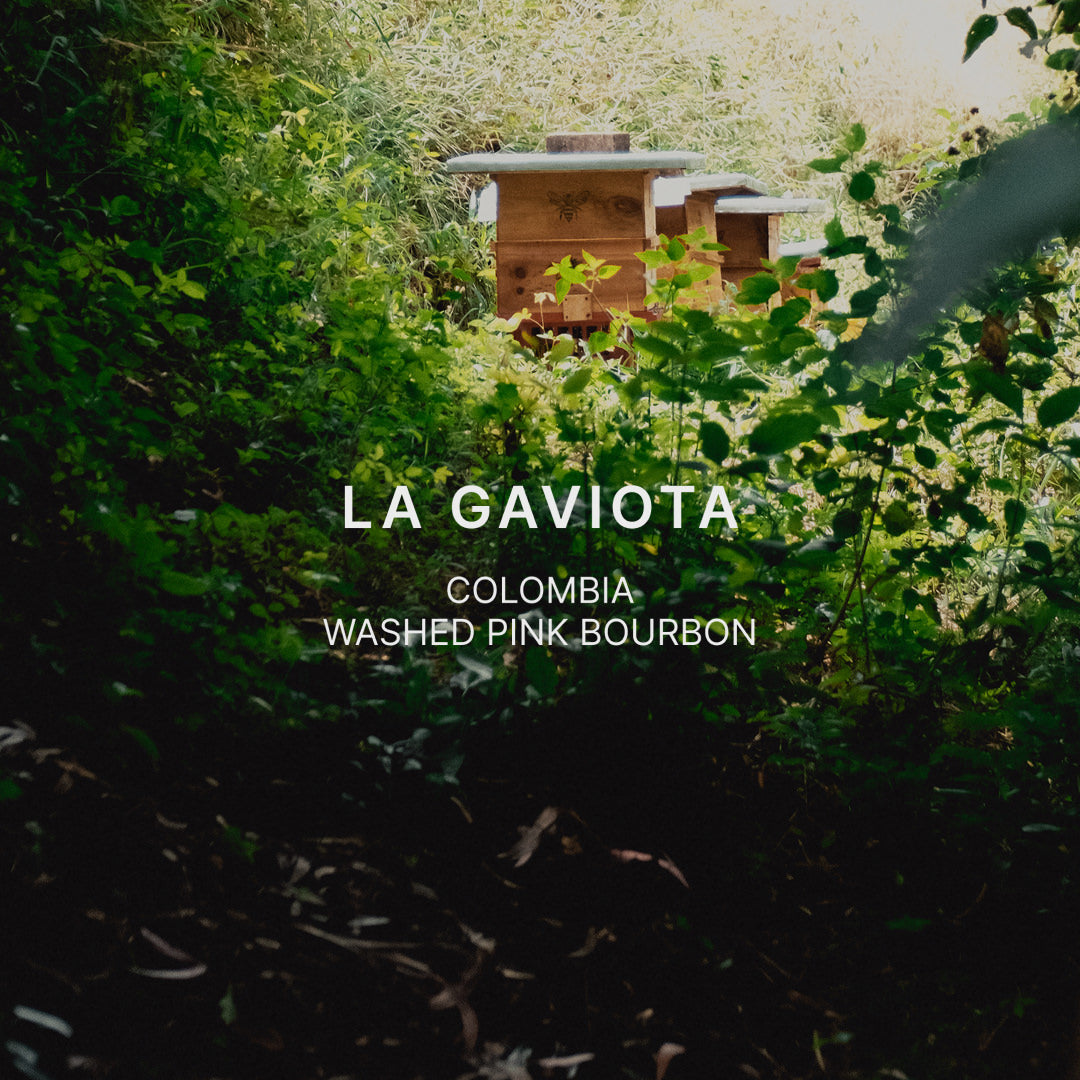
A family coffee project in the municipality of La Argentina, Huila, at 1,900 metres. Leider Iván Benavides and Andrea Marcela Ferreira started it in 2017, over time pulling out the original Castillo and replanting with more expressive genetics — the farm now carries Pink Bourbon, Papayo and Catimor, with a second nearby plot, El Cedro, planted in 2025. This is the Pink Bourbon from the 2026 harvest: hand-picked, floated and depulped, fermented 48 hours in dry open tanks, washed, then dried 26 days on the marquesina down to 11% moisture. Complex and floral — cherry, pear, milk chocolate and caramel over a clean, full citric acidity and a long sweet finish. Source: mazelabcoffee.com
Cherry, pear, milk chocolate, caramel
Finca Los Cenizos sits in Cerro Punta, the highest corner of the Chiriquí highlands, in a volcanic canyon fed by mountain springs and shaded by century-old ash trees that give the farm its name. Estela Pitti and her family have worked the land since 2008 and planted their first Geisha in 2012. This is the Malaguetto lot, picked on 27 February 2026 at 1,950 masl: cherries washed and floated with fresh spring water, depulped, then fermented 50 hours in open tanks held at 15°C with Estela watching them personally, hand-washed, dried 15 days on protected raised beds and finished slowly in a dark room. A classic washed Geisha shape drawn very cleanly — yuzu and stonefruit, a perfumed lift through the middle, honey sweetness underneath. Source: mazelabcoffee.com
Yuzu, stonefruit, honey