
Roasteries / Le Piantagioni del Caffè

Le Piantagioni del Caffè
Livorno, Tuscany, Italy
One of Italy's first single-estate roasters, founded 1994. Pioneer in origin traceability and terroir-focused sourcing.
17
coffees
Italy
base
Coffees
17 coffees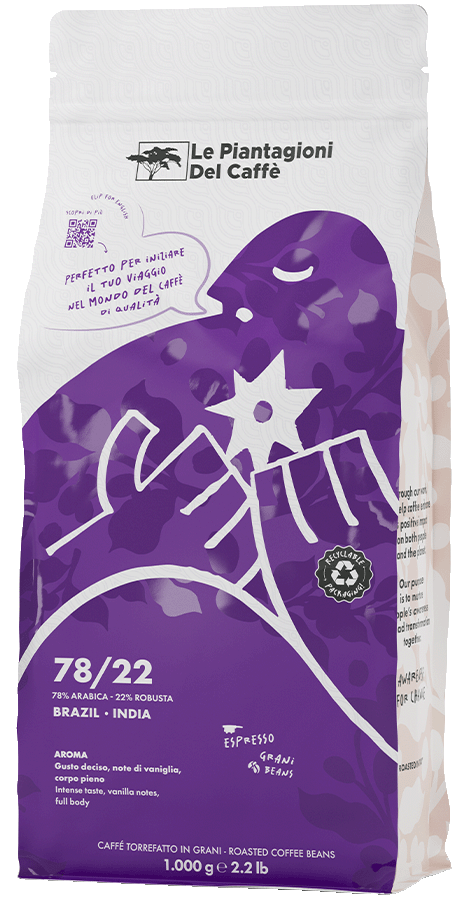
A 78% Arabica / 22% Robusta espresso blend sourced directly from Brazilian and Indian plantations — "a vigorous coffee with a strong character, but not aggressive," with vanilla and spice notes and a long-lasting cream. Source: lepiantagionidelcaffe.com.
Vanilla, full body, spice
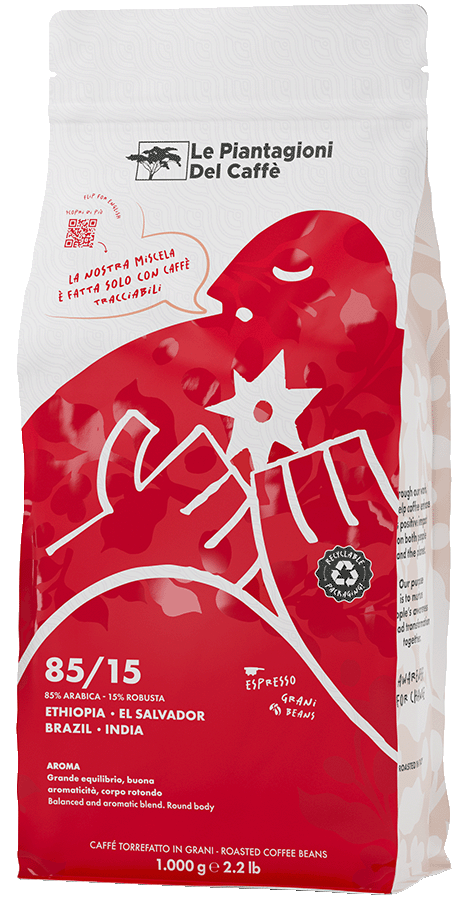
An 85% Arabica / 15% Robusta espresso blend spanning Ethiopian, Salvadoran, Brazilian and Indian lots — "complex and yet balanced," with the Robusta component adding vanilla and a thick, persistent cream. Source: lepiantagionidelcaffe.com.
Vanilla, round body, cream
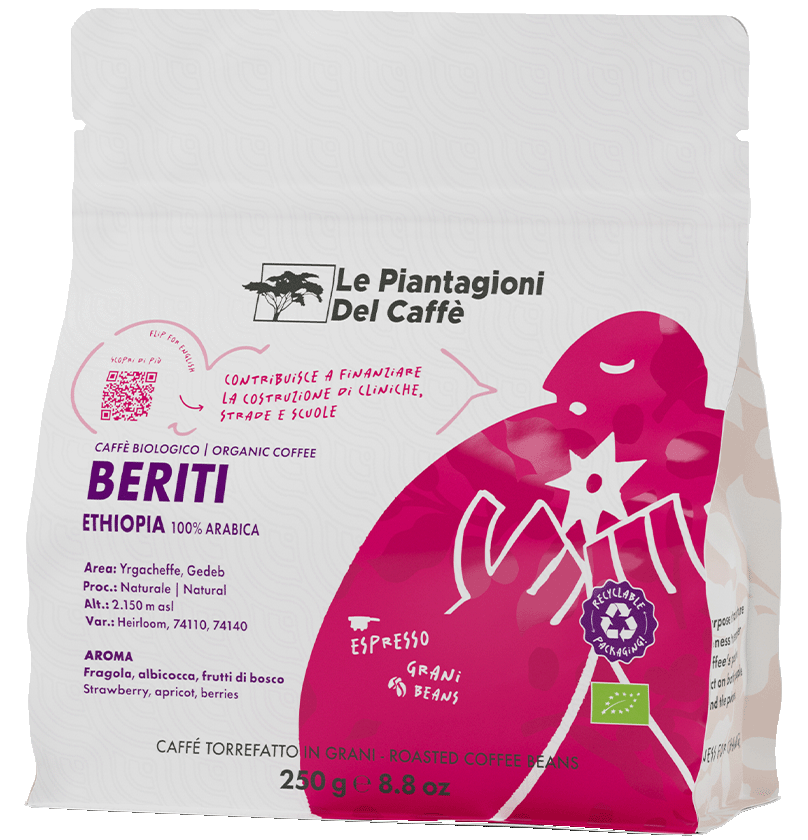
EU-organic garden coffee grown under enset shade in Ethiopia's Halo Beriti kebele, Gedeb, and washed at The Metad Company's station (founded 2010) before drying on African raised beds for around three weeks. "Notes of strawberry and apricot and hints of wild berries give Beriti a gently fruity character." Source: lepiantagionidelcaffe.com.
Strawberry, apricot, wild berries
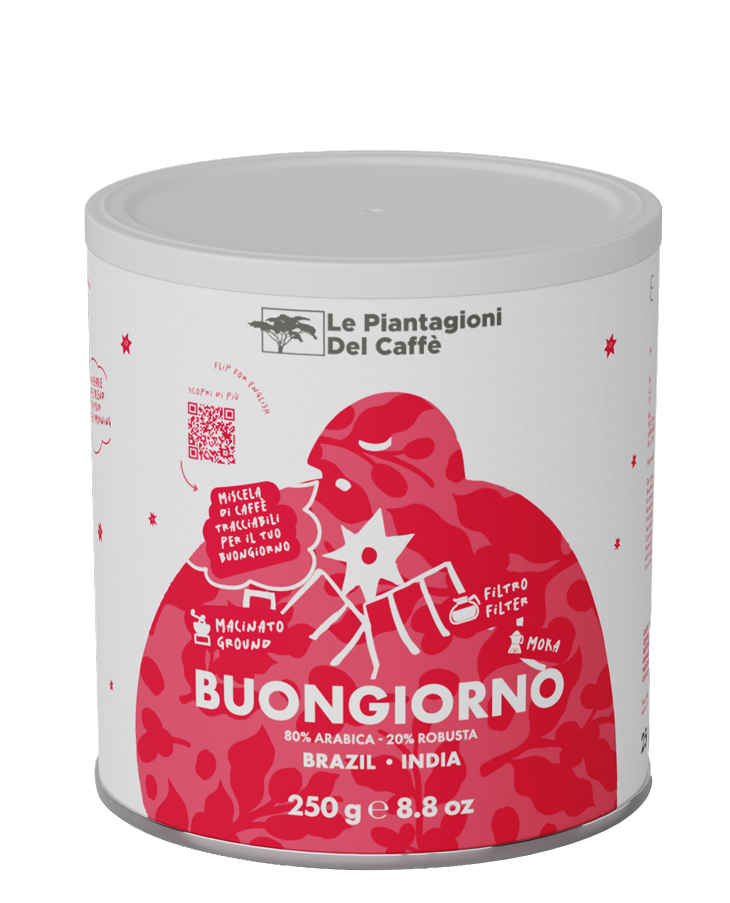
An 80% Arabica / 20% Robusta everyday espresso blend of Brazilian and Indian lots, the Robusta sourced from the Balehonnur plantation for extra body and a longer-lasting crema. The roaster calls it "a rich, dynamic and energetic combination of flavours and aromas" meant to be enjoyed daily. Source: lepiantagionidelcaffe.com.
Cocoa, hazelnut, round body
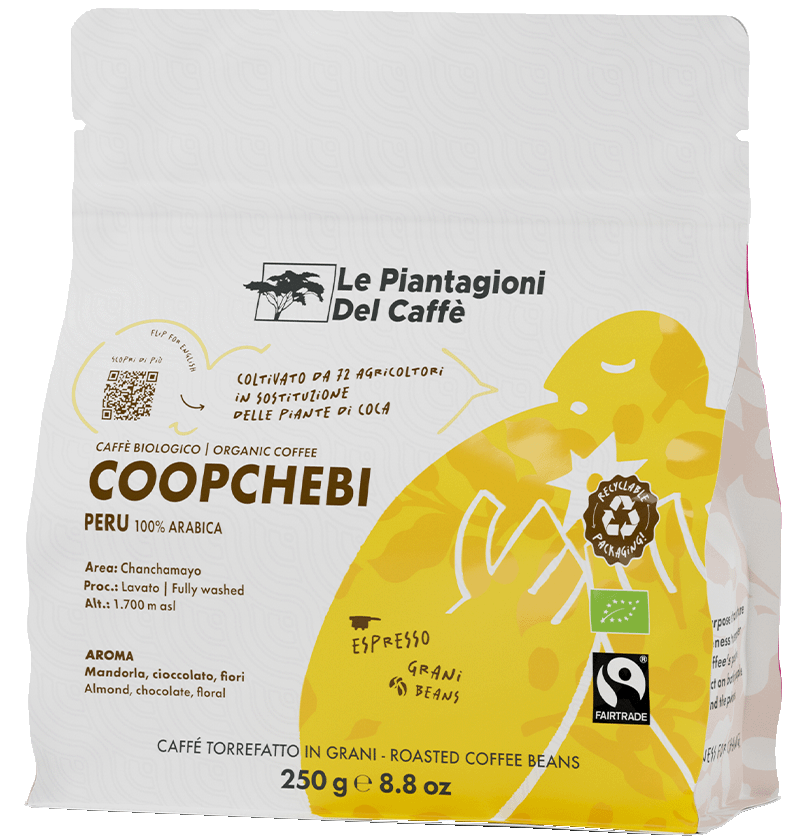
EU-organic and Fair Trade, pooled from around 150 farmers across 13 producer groups in Junín and Pasco through the Coopchebi cooperative (founded 1942) — part of a broader shift in the region away from coca cultivation toward coffee. Hand-picked and shade-grown, delivering "intense chocolate and almond nuances, with a slightly flowery aftertaste and a pleasant sweetness." Source: lepiantagionidelcaffe.com.
Almond, chocolate, floral
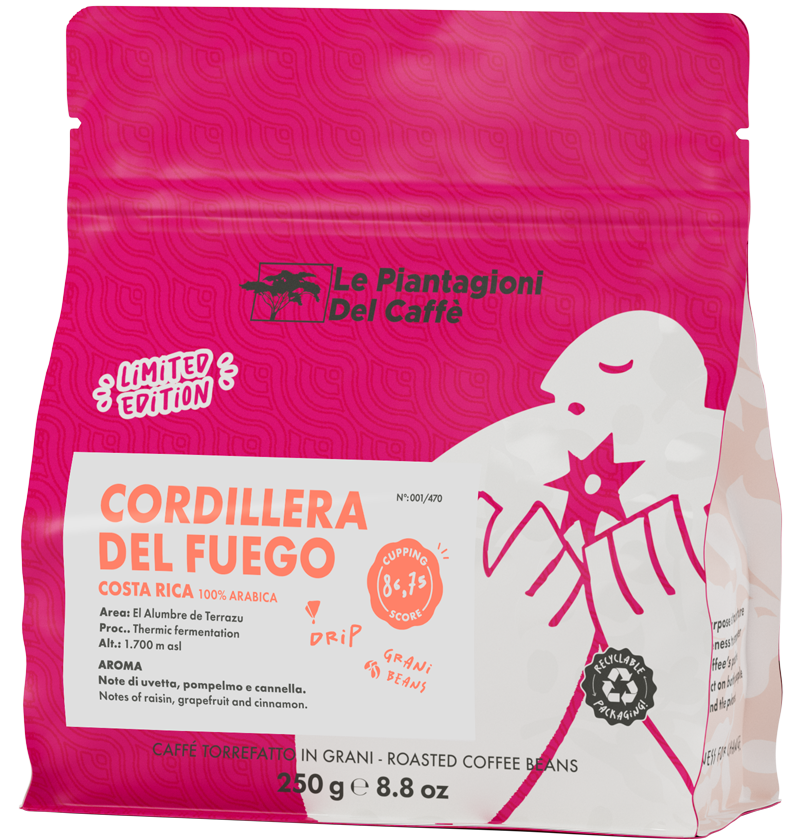
A Limited Edition Costa Rican lot scoring 86.75 SCA, shaped by "carefully controlled thermal fermentation" — an unconventional processing method the roaster crafted "for those seeking something truly different in the cup," with notes of raisin, grapefruit and cinnamon. Source: lepiantagionidelcaffe.com.
Raisin, grapefruit, cinnamon
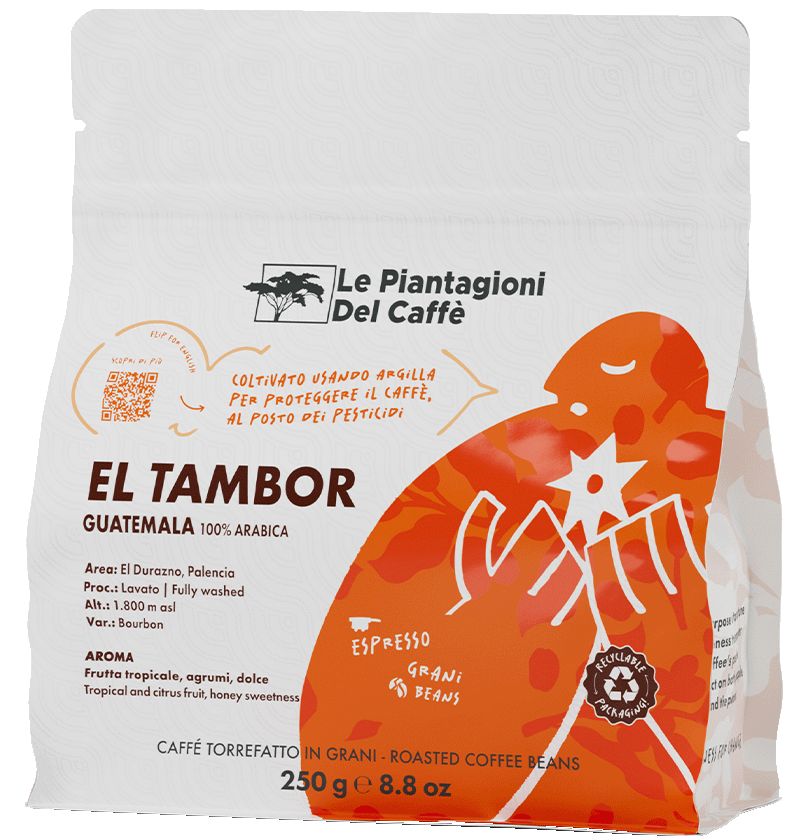
Victor Calderon has owned Finca El Tambor since 2001, farming sustainably — using clay against coffee leaf rust instead of pesticides, and setting aside 10% of the land for the resident workforce's own vegetables. Tropical and citrus fruit character with a pronounced acidity tempered by honey sweetness. Source: lepiantagionidelcaffe.com.
Tropical fruit, citrus, honey
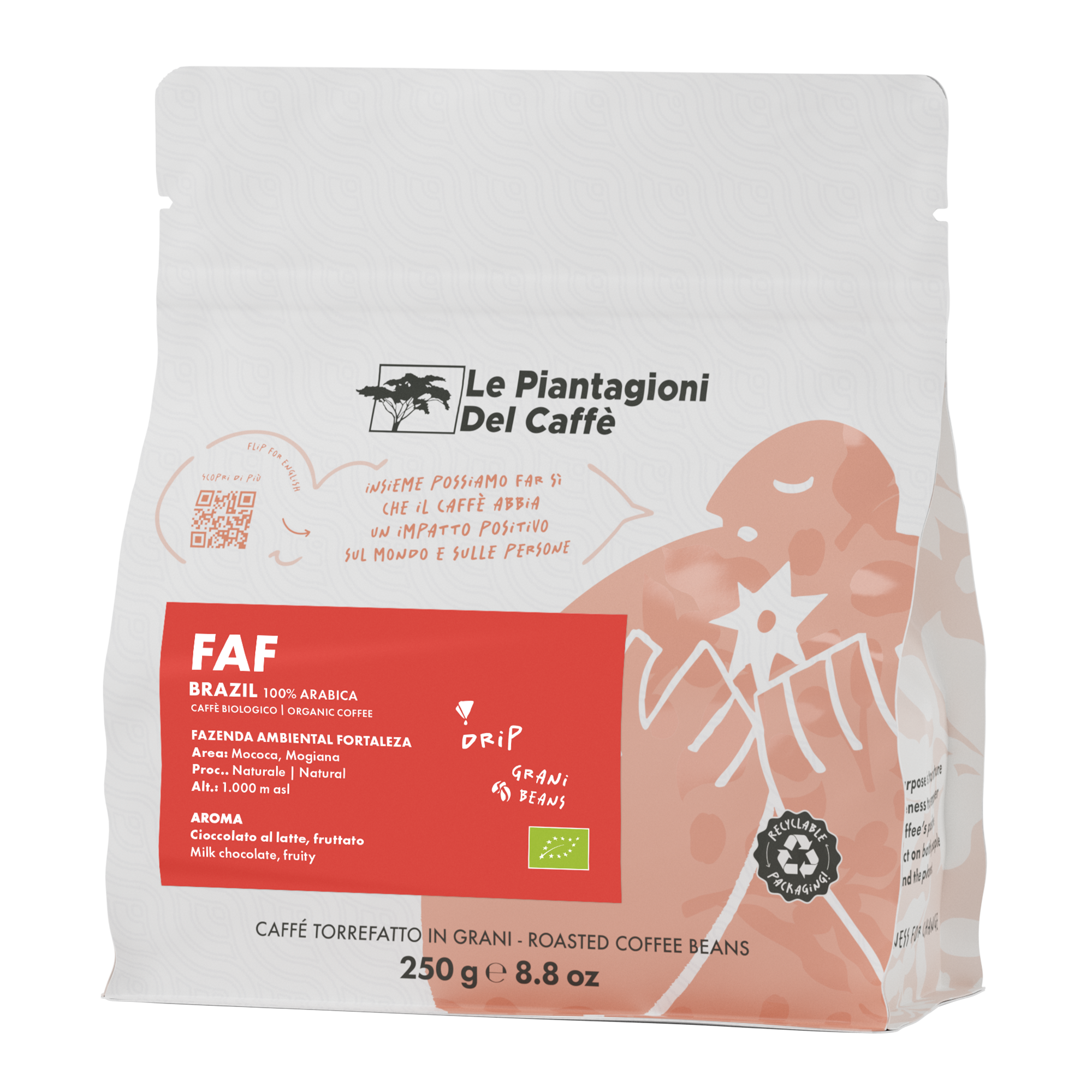
From Fazenda Ambiental Fortaleza (FAF) in Brazil's Mogiana region at roughly 1,000m, an EU-organic natural now run by Felipe Croce, continuing founder Silvia Barreto's push toward organic production and agroforestry. "Soft, enveloping notes of milk chocolate intertwine with fruity hints" for a smooth, organic character. Source: lepiantagionidelcaffe.com.
Milk chocolate, fruity
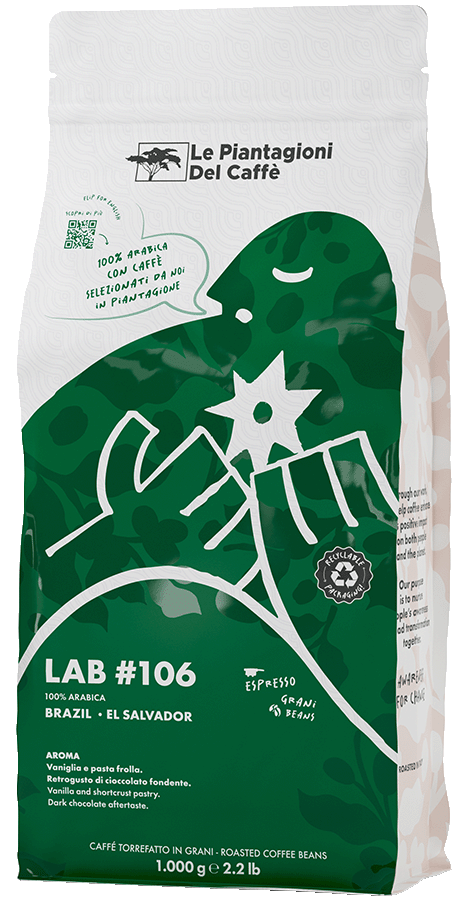
A 100% Arabica espresso blend of single-estate El Salvador and Brazil lots, pitched as an entry point into the roaster's arabica-only blends. Initial vanilla and shortcrust-pastry sweetness develops into a dark chocolate aftertaste. Source: lepiantagionidelcaffe.com.
Vanilla, shortcrust pastry, dark chocolate
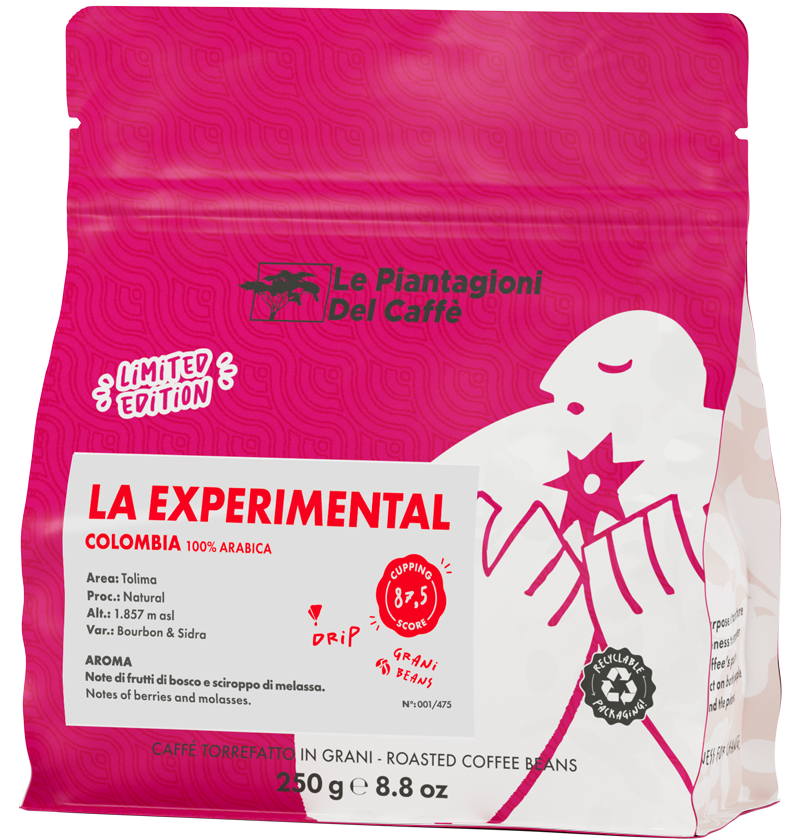
An experimental Bourbon and Sidra lot from Jorge Elías Rojas, naturally processed and sun-dried on patios to an SCA score of 87.5. Expect "berries and molasses syrup, with a pronounced sweetness and a clean body," aiming for a "distinctive and memorable sensory profile." Source: lepiantagionidelcaffe.com.
Berries, molasses
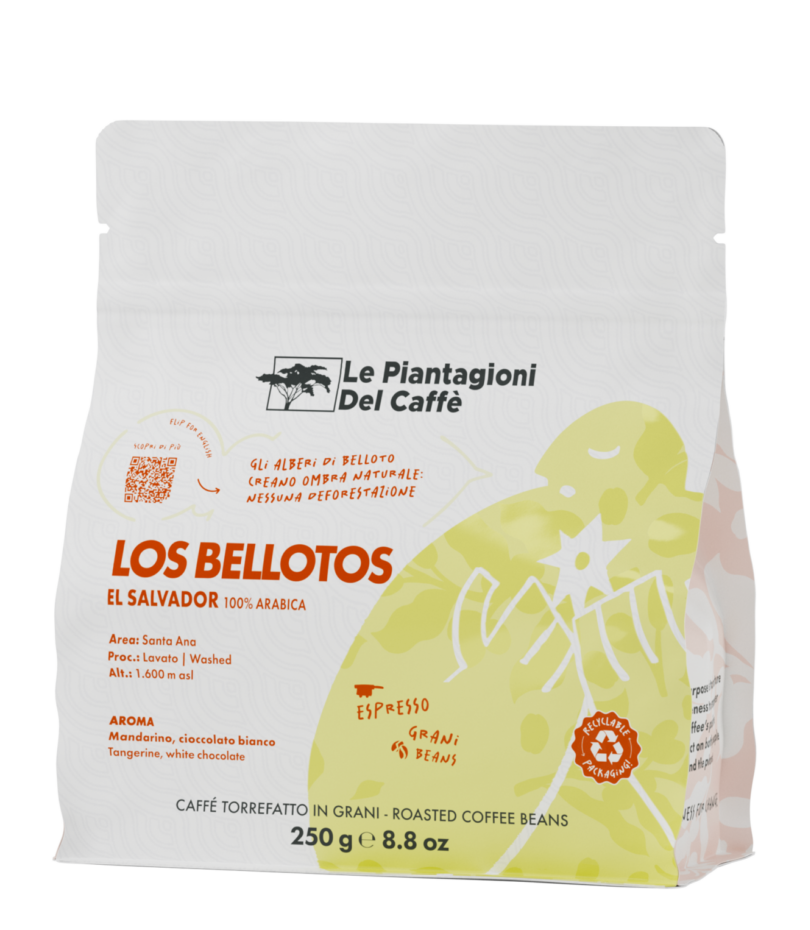
From Finca Los Bellotos on the western slope of Cerro Verde, owned since 2012 by the five-generation, 150-year-old Café Pacas family enterprise — the same lineage that discovered the Pacas coffee variety. Named for the shade-giving Belloto trees on the property, it carries notes of tangerine and white chocolate. Source: lepiantagionidelcaffe.com.
Tangerine, white chocolate
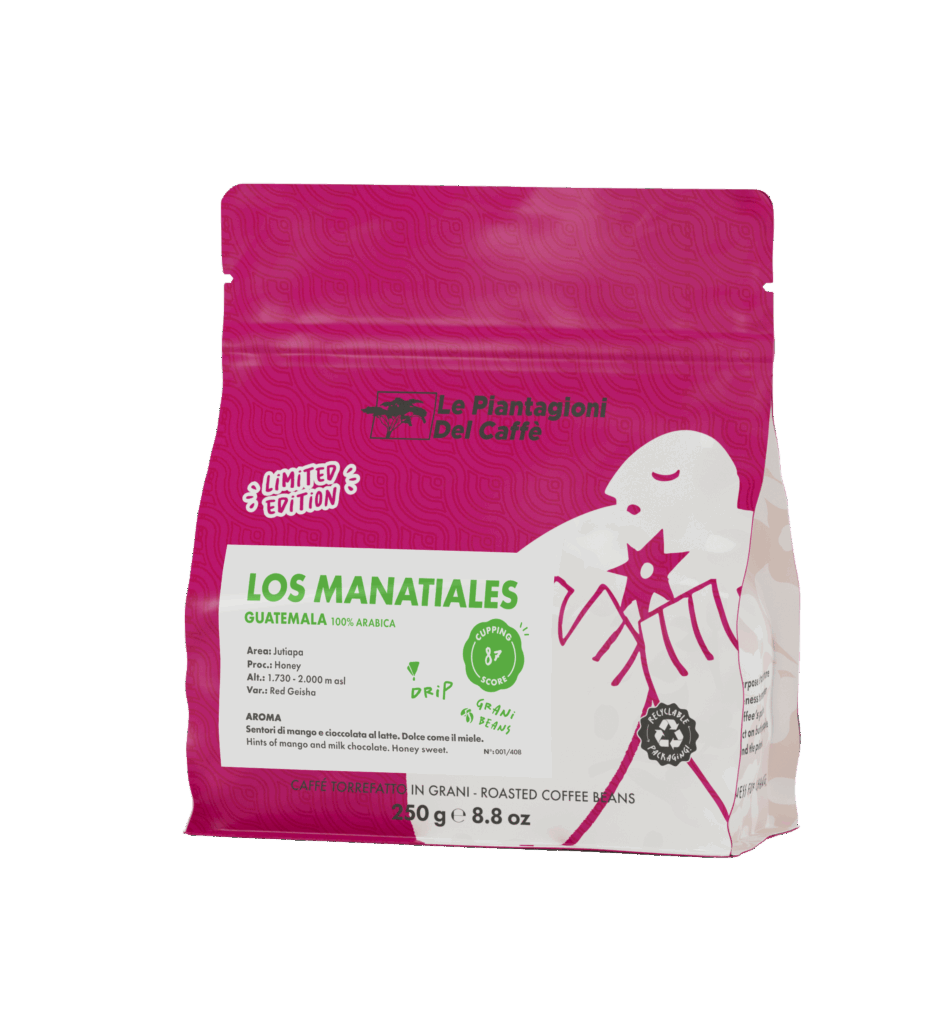
A Limited Edition Red Geisha from a single Guatemalan micro-lot, processed using the honey method. Le Piantagioni describes it as revealing "nuanced layers of ripe mango and creamy milk chocolate, supported by a natural, honeyed sweetness," with clarity and finesse toward a clean, sophisticated finish — pitched as a "non-repeatable tasting experience." Source: lepiantagionidelcaffe.com.
Mango, milk chocolate, honeyed sweetness
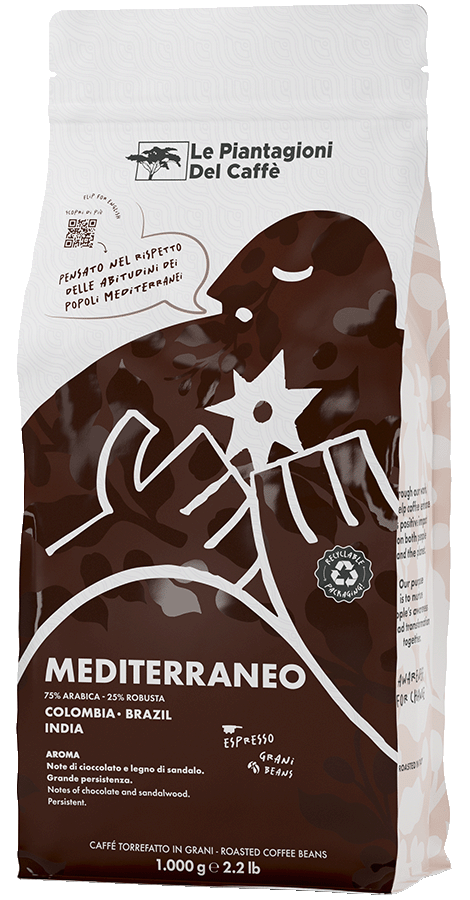
A 75% Arabica / 25% Robusta espresso blend of Colombian, Brazilian and Indian lots built, per the roaster, to celebrate "the world of Italian living and the typical traditional aromas." A persistent aroma of dark chocolate and sandalwood. Source: lepiantagionidelcaffe.com.
Dark chocolate, sandalwood
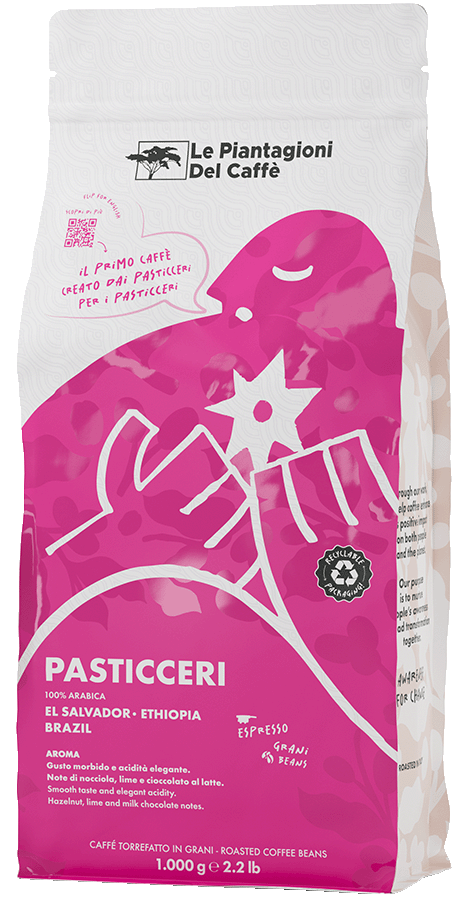
A 100% Arabica blend of Ethiopian, Salvadoran and Brazilian lots developed with pastry chefs during training sessions at La Marzocco's Accademia dell'Espresso (Florence) and Officina Dalla Corte (Milan) — marketed as "the first coffee crafted by pastry chefs, for pastry chefs," with hazelnut, lime and milk chocolate notes. Source: lepiantagionidelcaffe.com.
Hazelnut, lime, milk chocolate
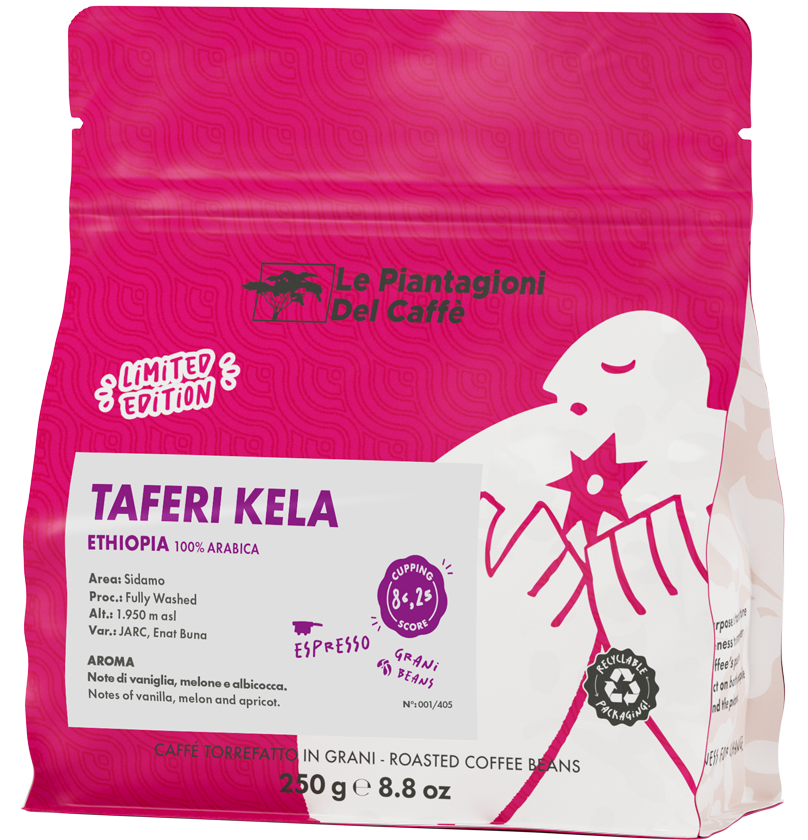
Grown by Bette Buna, a vertically integrated Ethiopian farm, on JARC and Enat Buna varieties developed at the Jimma Agricultural Research Center. Fully washed and processed at 1,950m, it "unlocks delicate notes of vanilla, melon, and apricot," built to be, per the roaster, "the definitive choice for a flawless espresso." Source: lepiantagionidelcaffe.com.
Vanilla, melon, apricot
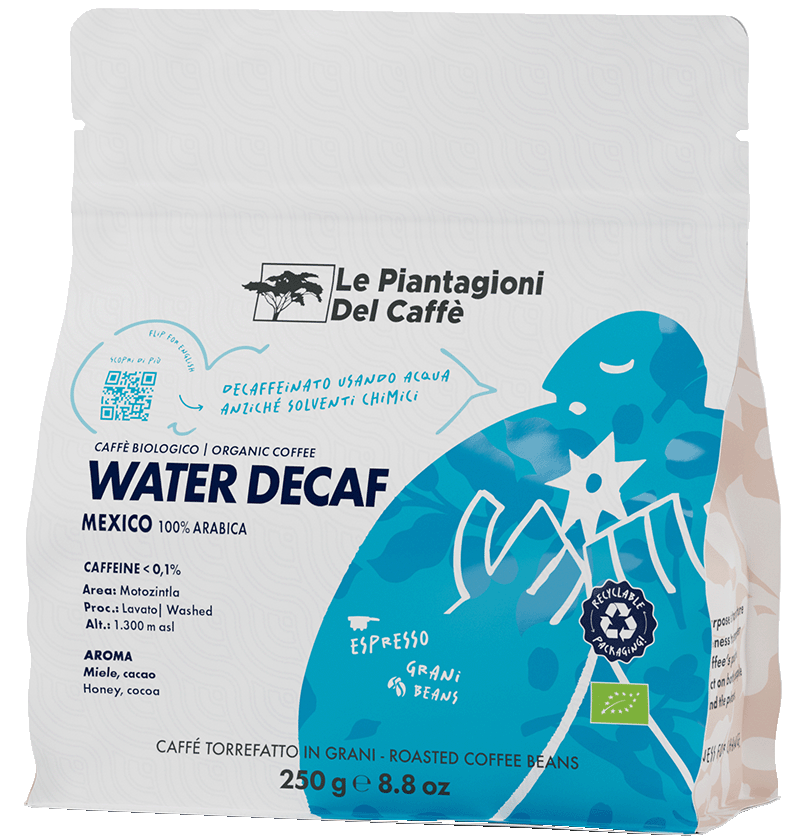
An EU-organic decaf from Chiapas, Mexico, using a water-based process — beans are steamed, soaked in a green-coffee concentrate that preserves flavor compounds, carbon-filtered to pull the caffeine, then oven-dried. The result carries "taste of honey and cocoa notes, with no trace of those unpleasant flavours which are often found in decaffeinated coffees." Source: lepiantagionidelcaffe.com.
Honey, cocoa
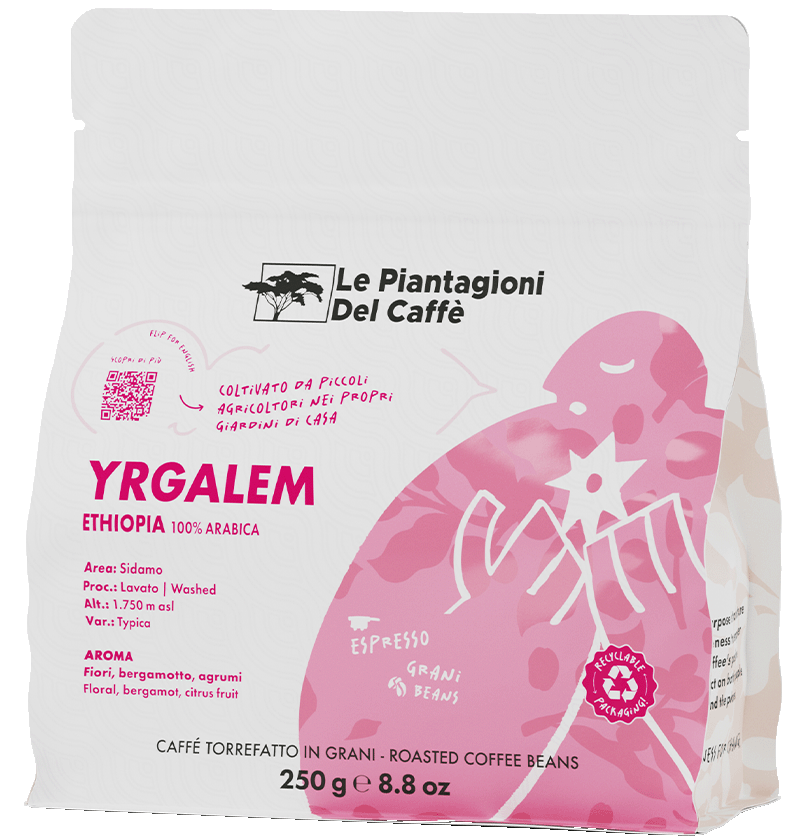
Grown by small-scale farmers in Ethiopian coffee gardens and selected at origin by Ethiopian coffee expert Abdullah Bagersh. A "great floral aroma, with bergamot and honey hints" leads into a "pleasant acidity and a citrusy aftertaste, with an intense and defined bouquet." Source: lepiantagionidelcaffe.com.
Bergamot, citrus, honey