
Roasteries / Rogue Wave Coffee
Rogue Wave Coffee was founded in Edmonton in 2016 by David Laville and David Walsh, joined in 2018 by award-winning barista Ply Pasarj. It is a direct-trade roaster and coffee educator, with a café and roastery on 119 Street NW where four to six coffees rotate on the pour-over bar.
16
coffees
Canada
base
Location
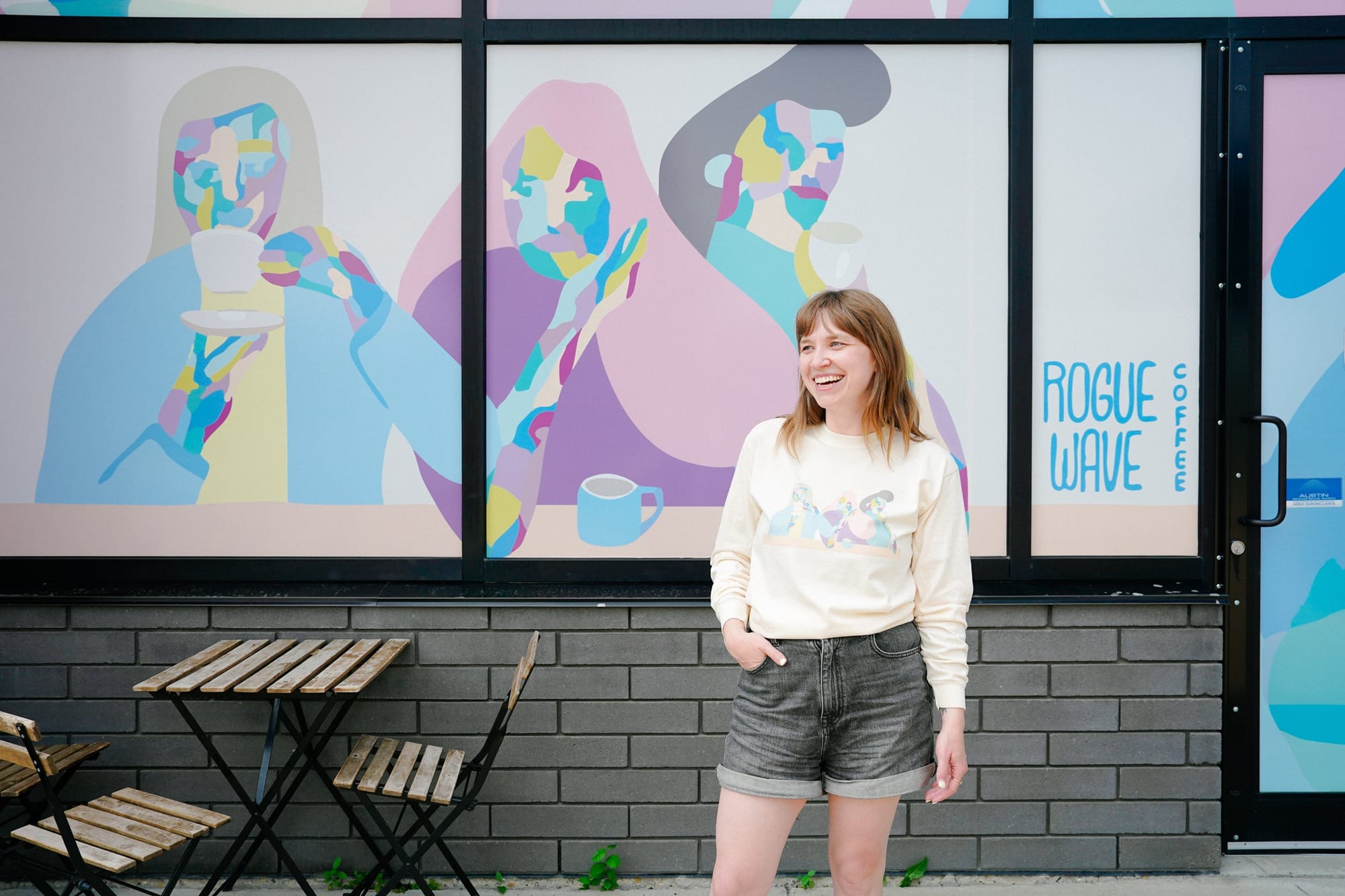
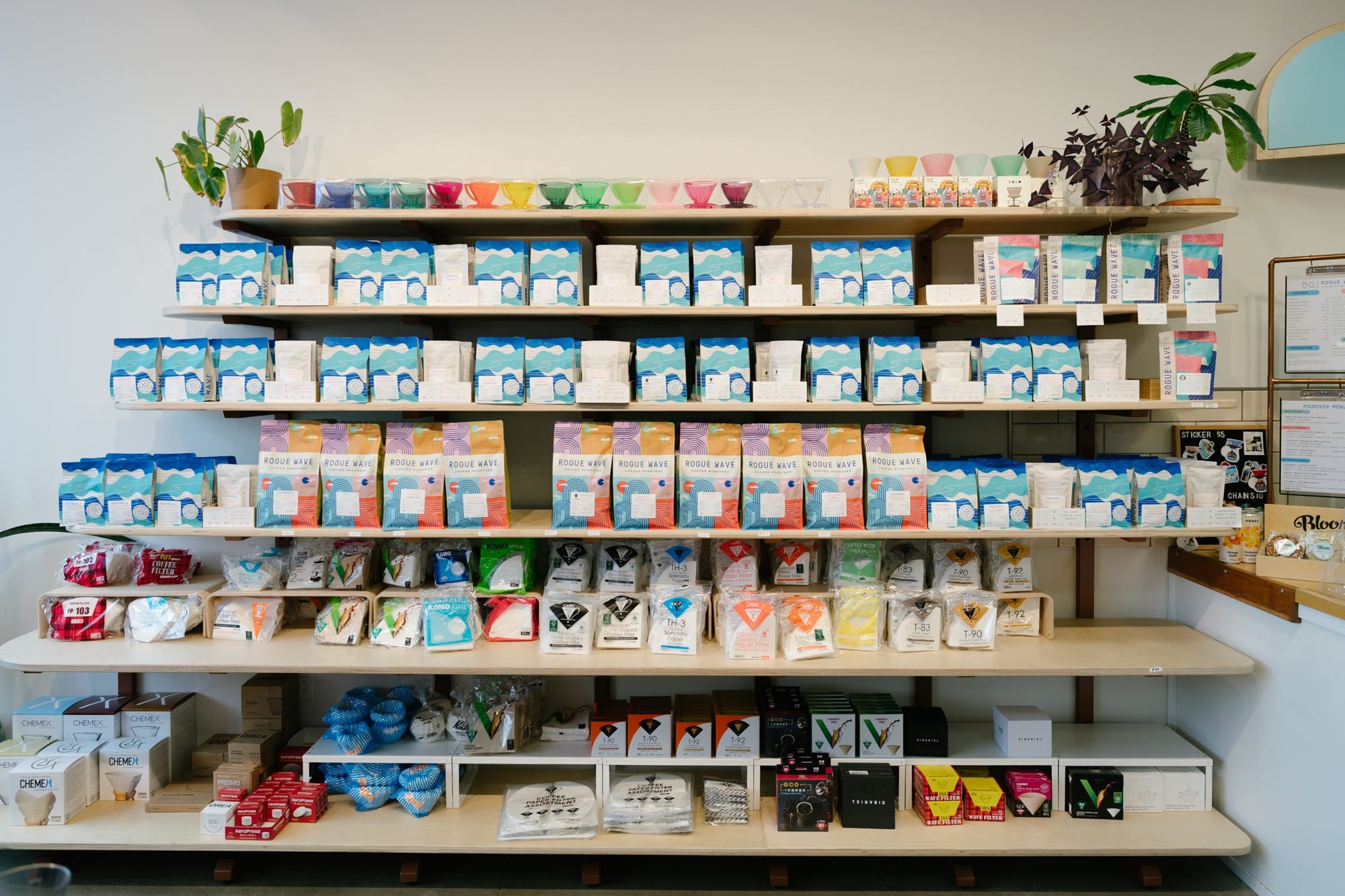
Rogue Wave Coffee – Café & Roastery
11322 119 St NW, Edmonton, AB T5G 2X4, CanadaMon–Wed 9am–4pm; Thu–Fri 9am–5pm; Sat 9am–4pm; Sun closed
+1 825-402-5992Coffees
16 coffees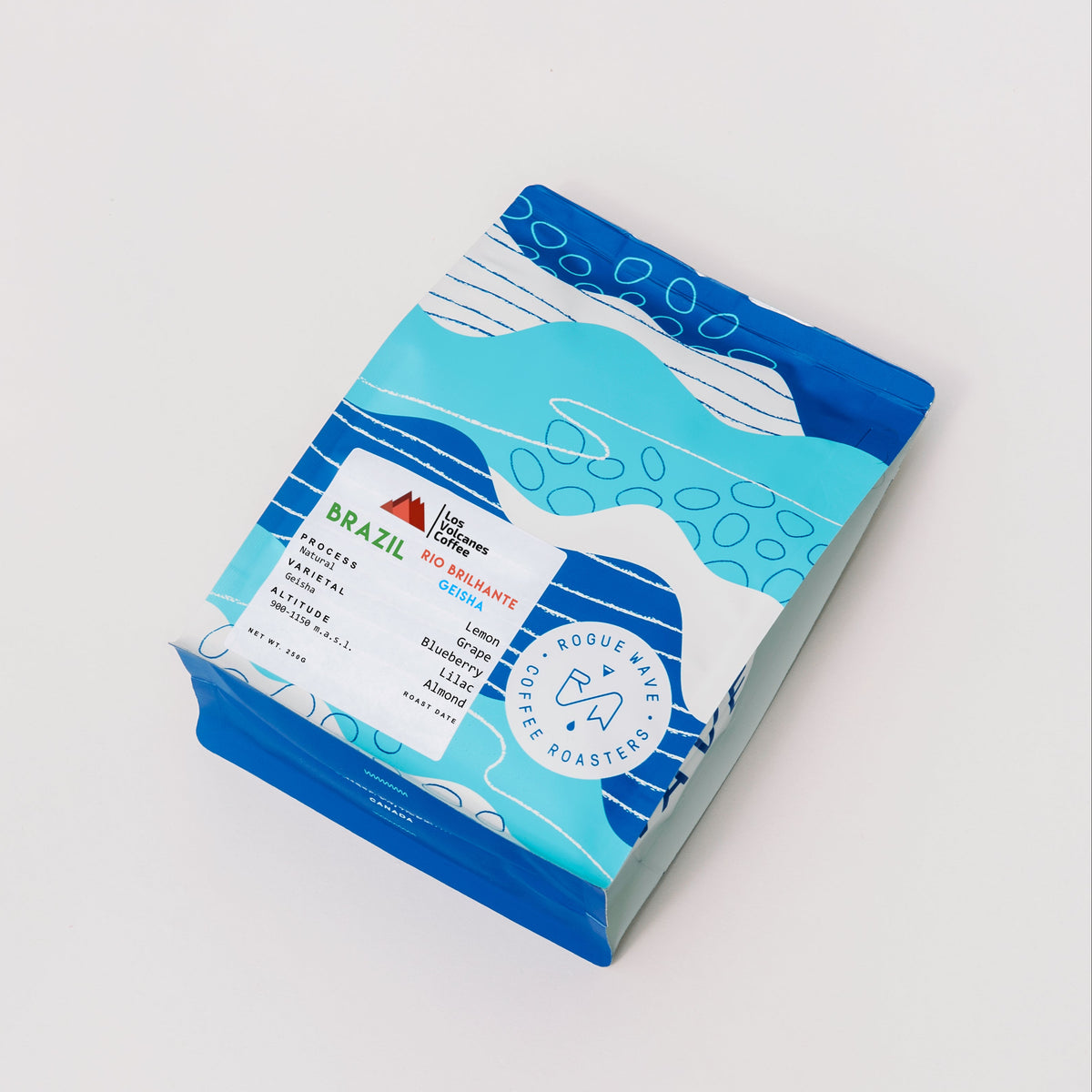
Rio Brilhante is run by a migrant family who left the south of Brazil in search of new opportunities. Founder Inácio Urban was born in Rio Grande do Sul, the southernmost state in the country, and is of German descent. After his family's early years producing agricultural goods on a smaller scale, Inácio saw an opportunity in the Cerrado Mineiro region during the 1980s, when land there was considered undesirable and inexpensive. He started with 20 hectares of coffee to learn the crop before expanding the farm over the following 40 years. In 2006, his children Erika and Fernando Urban joined th Source: roguewavecoffee.ca (roaster’s own copy).
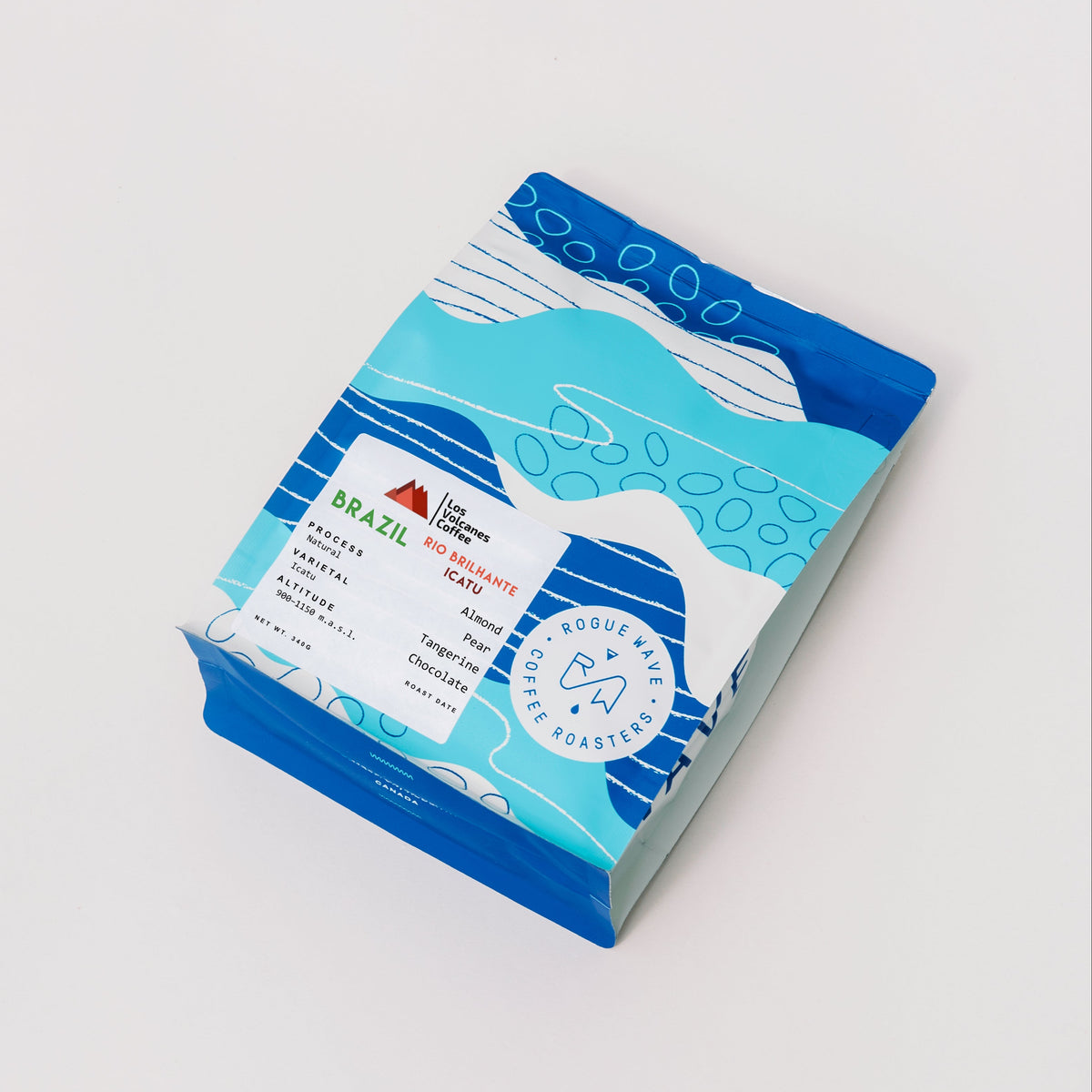
Icatu is a Brazilian cultivar developed by the Instituto Agronômico de Campinas and released commercially in 1993. Breeders crossed Coffea canephora (Robusta) with Coffea arabica, then backcrossed the offspring with Arabica over multiple generations to improve cup quality while keeping the Robusta's robustness. The result is a highly productive, disease-resistant plant with a cleaner, more balanced cup than earlier Robusta-Arabica hybrids. Icatu usually works behind the scenes as part of the productive backbone of Brazil's large-volume output, so we love seeing it take center stage here. Rio B Source: roguewavecoffee.ca (roaster’s own copy).
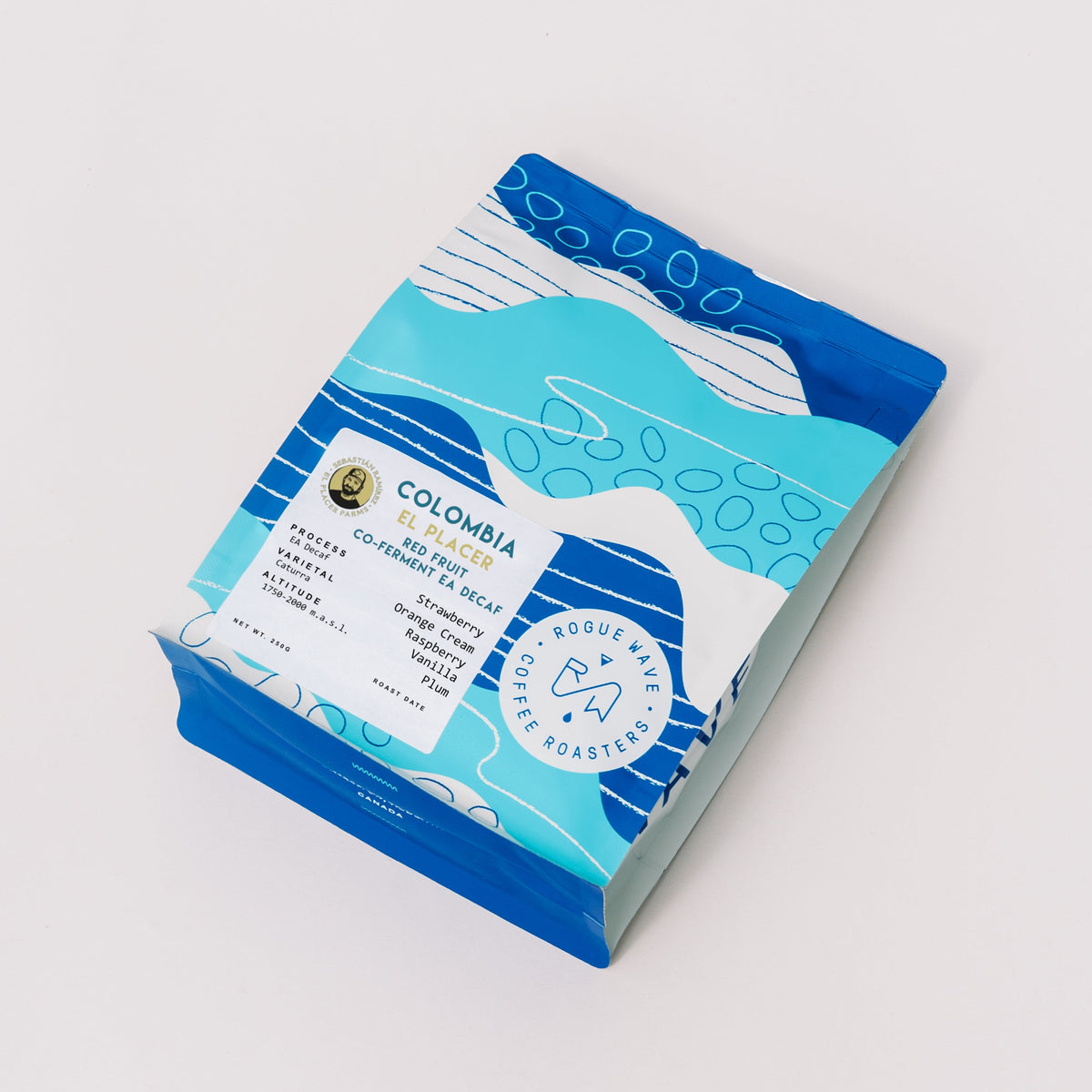
Sebastian Ramirez operates El Placer Coffee Project in Quindío, Colombia, within the renowned Eje Cafetero growing region. The farm sits between 1750 and 2000 masl and is managed with a focus on soil health. Herbicides are avoided, weeds are cut regularly, and healthy soil is treated as a direct contributor to cup quality. Sebastian also runs an on-site microbiological laboratory, which supports the development of experimental fermentation protocols. This Caturra lot goes through a sugarcane decaffeination (EA ethyl acetate) process, which follows an elaborate fermentation sequence. Whole cher Source: roguewavecoffee.ca (roaster’s own copy).
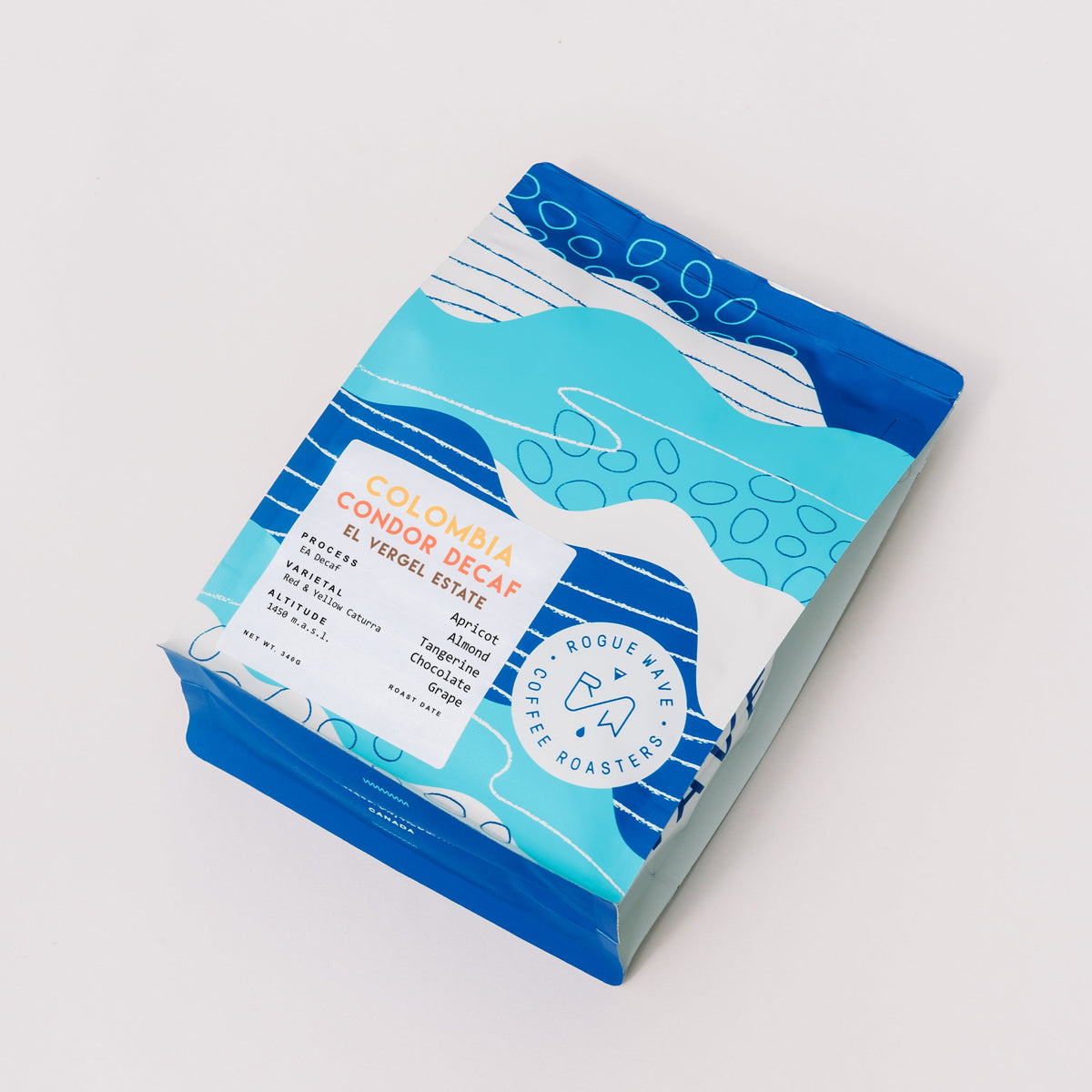
The Bayter family has been farming at El Vergel Estate since 1995, starting with avocado as their primary crop. When avocado prices fell in 2006, they began integrating coffee into the operation, adding catimor, red caturra, and yellow caturra. In 2016, with guidance from Miguel Jimenez, they transitioned to specialty coffee varieties, and by 2018 had adopted natural processing with a focus on fermentation control, including their Koji fermentation process. In 2017, Martha Montenegro, Elías, and Shady Bayter set out to find new ways to add value to their coffees and connect more directly with Source: roguewavecoffee.ca (roaster’s own copy).
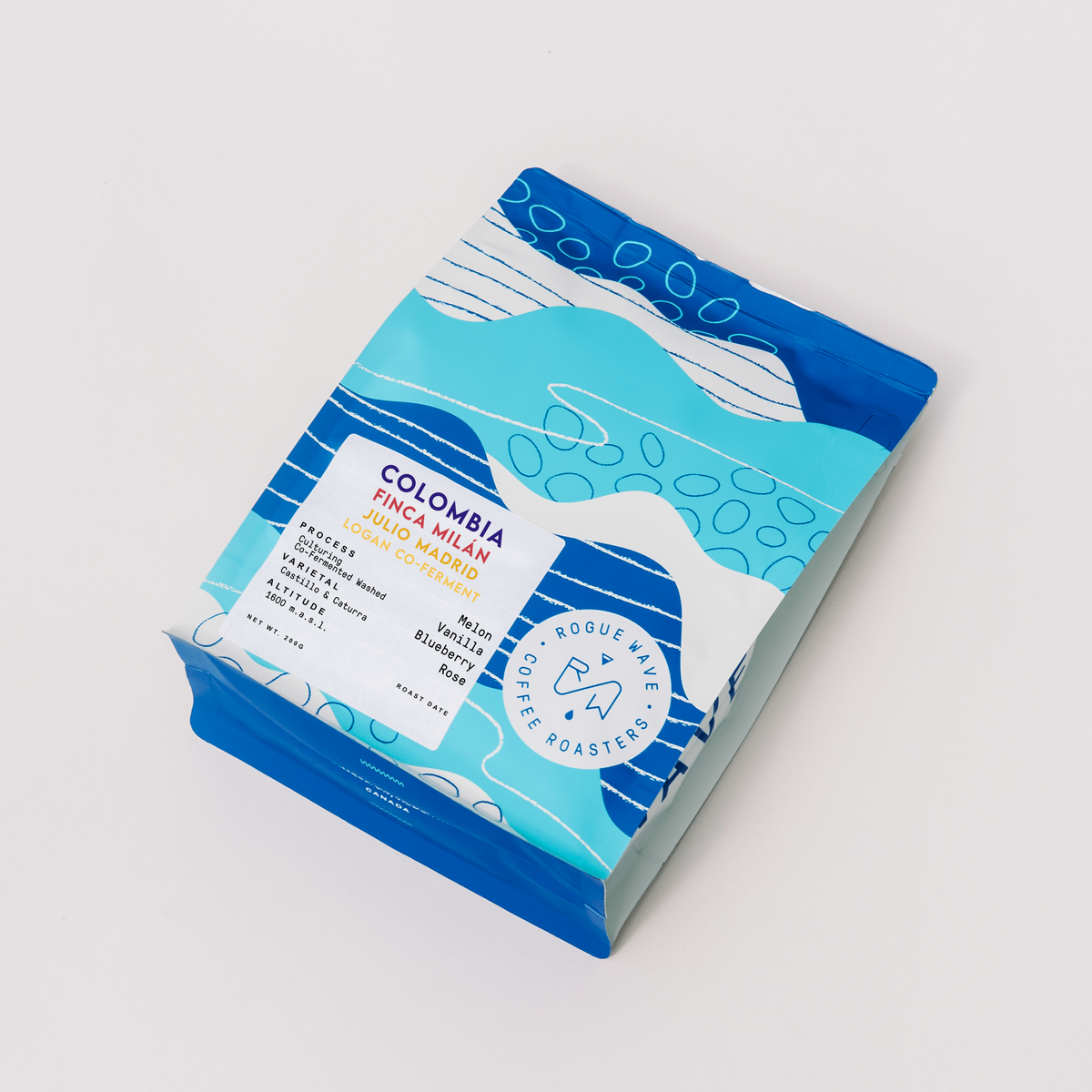
This Castillo and Caturra lot from Finca Milán undergoes a Culturing Co-Fermented Washed process known as "Logan". It starts with cherries selectively harvested at peak ripeness, which then go into a bioreactor for a 72-hour mixed fermentation under restricted oxygen. During that stage, selected microorganisms work alongside pineapple, blackberry, strawberry, and natural oils to build layered aromatic compounds. The low-oxygen environment keeps the fermentation balanced. Once fermentation finishes, the coffee is washed and dried to a stable moisture content. Finca Milán sits 1,600 metres above Source: roguewavecoffee.ca (roaster’s own copy).
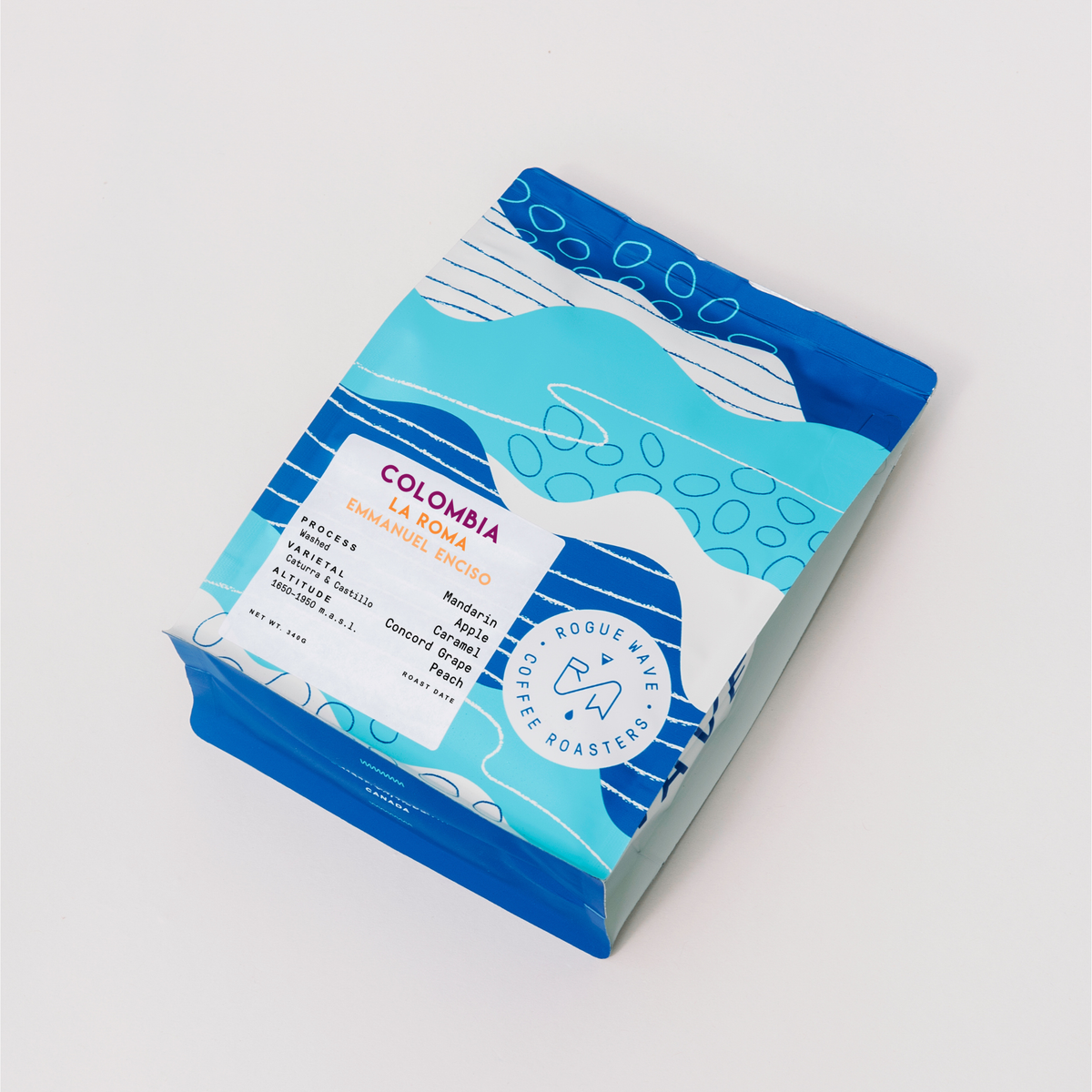
Emmanuel grows coffee at Finca La Roma in Gaitania, Tolima, renowned as the birthplace of Colombian coffee. Raised in a family of coffee growers, he started digging deeper into the craft in 2006, learning everything he could about processing, quality, and varieties. That curiosity grew into a passion for specialty coffee. Like many farmers in the area, Emmanuel faced a common challenge: Gaitania had no central hub for processing coffee and controlling quality. So, in 2016, he and his family built one! Their processing centre now helps growers from more than 15 villages across Gaitania process Source: roguewavecoffee.ca (roaster’s own copy).
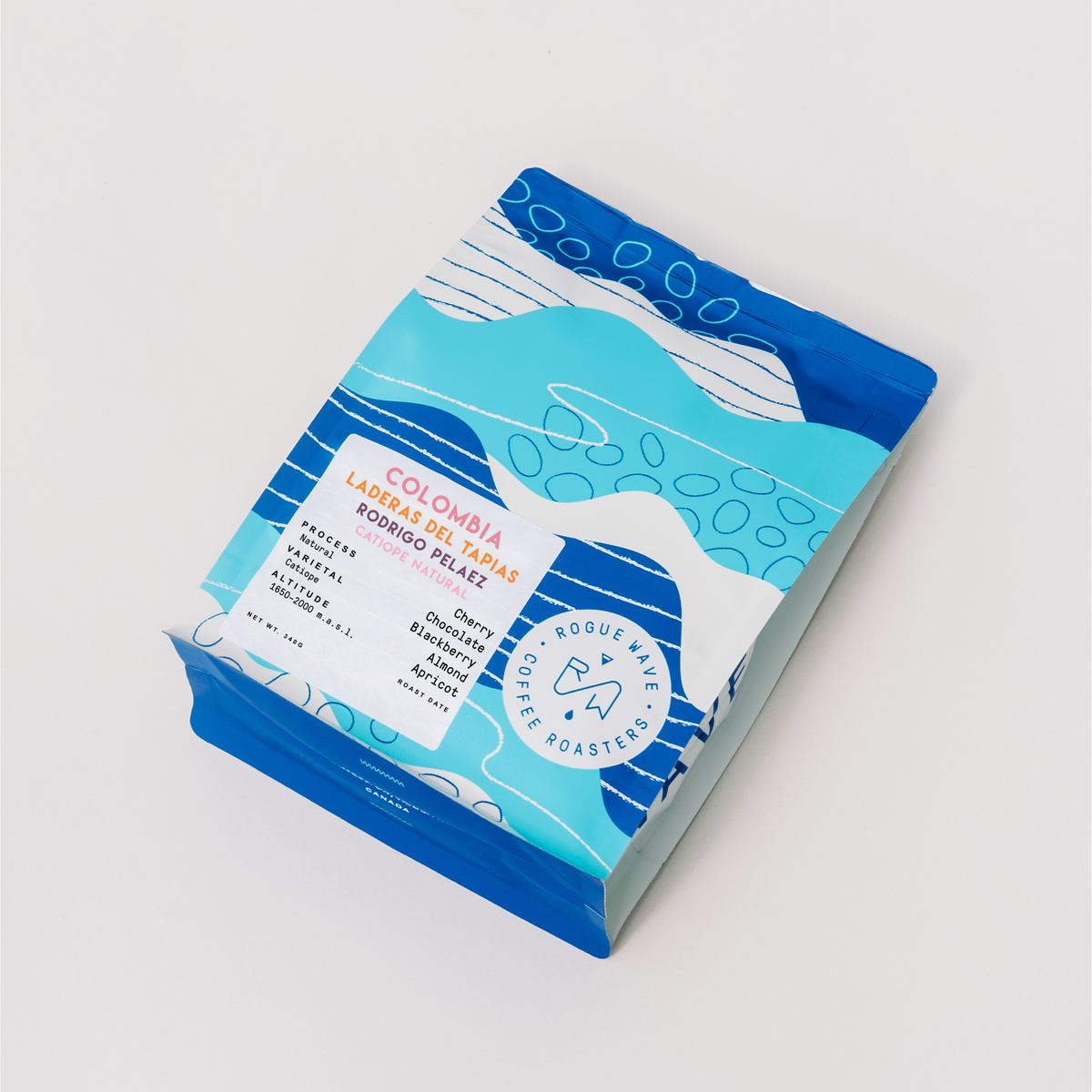
This natural-processed Catiope varietal comes from Finca Laderas del Tapias, an estate that's grown coffee in Colombia's Tapias River Canyon since the 1930s. Catiope is a first-generation hybrid of Caturra and an Ethiopian landrace from the CATIE (Tropical Agricultural Research and Higher Education Center) collection. Finca Laderas del Tapias sits in Neira, Caldas, where four farms (Buenos Aires, Puerto Rico, La Graciela, and Villa Inés) come together as one estate within the UNESCO-recognized Coffee Cultural Landscape. The coffee grows between 1,650 and 2,000 metres above sea level in rich vo Source: roguewavecoffee.ca (roaster’s own copy).
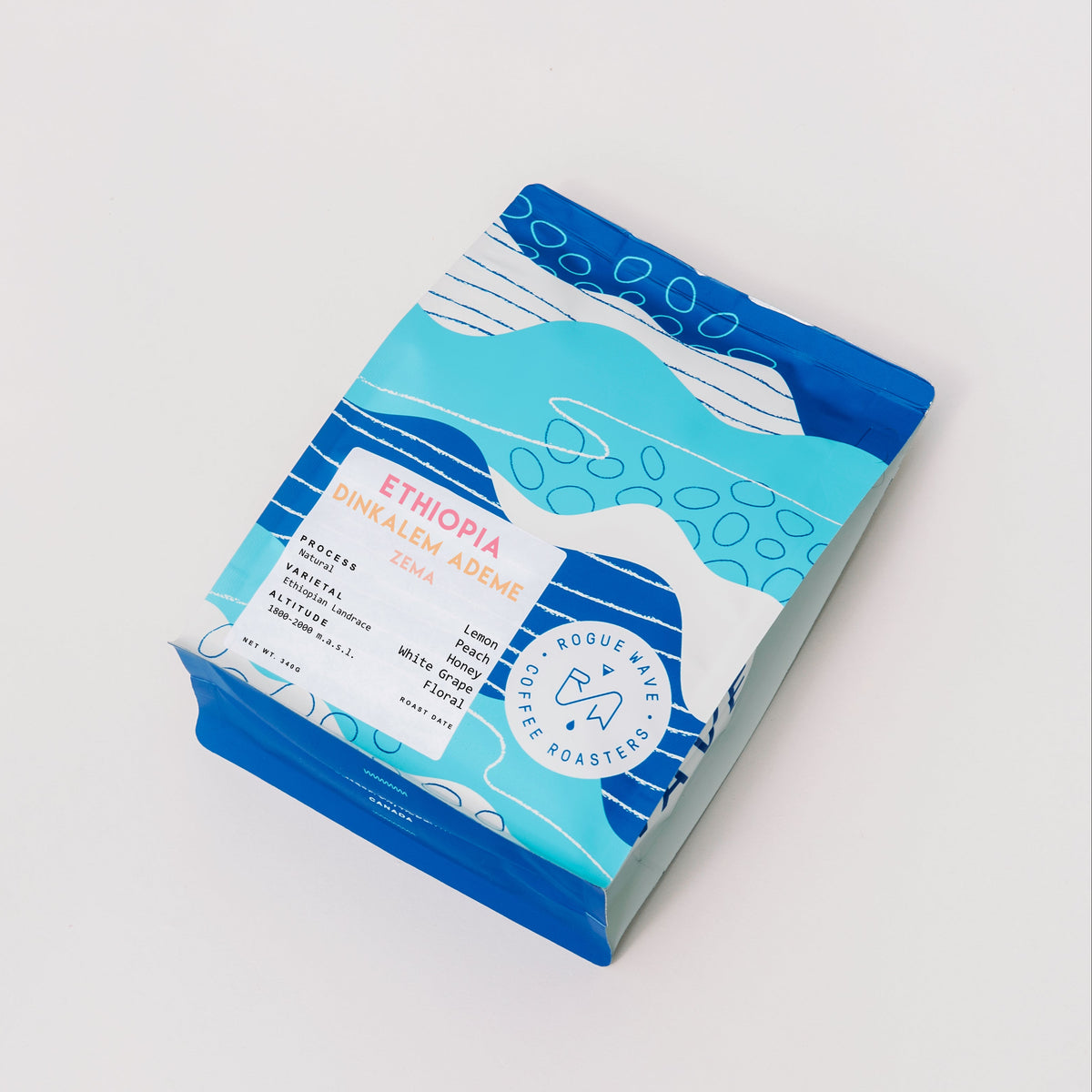
This natural processed coffee comes from the Keffa zone of Ethiopia's SNNPR region, grown at 1800–2000 MASL in fertile red-brown clay soil. Dinkalem Ademe's farm spans around 400 hectares. Most of it is blanketed in Keffa's native forest with roughly 40 hectares planted in coffee, along with a mix of new and old trees, including some Wush Wush variety. Source: roguewavecoffee.ca (roaster’s own copy).
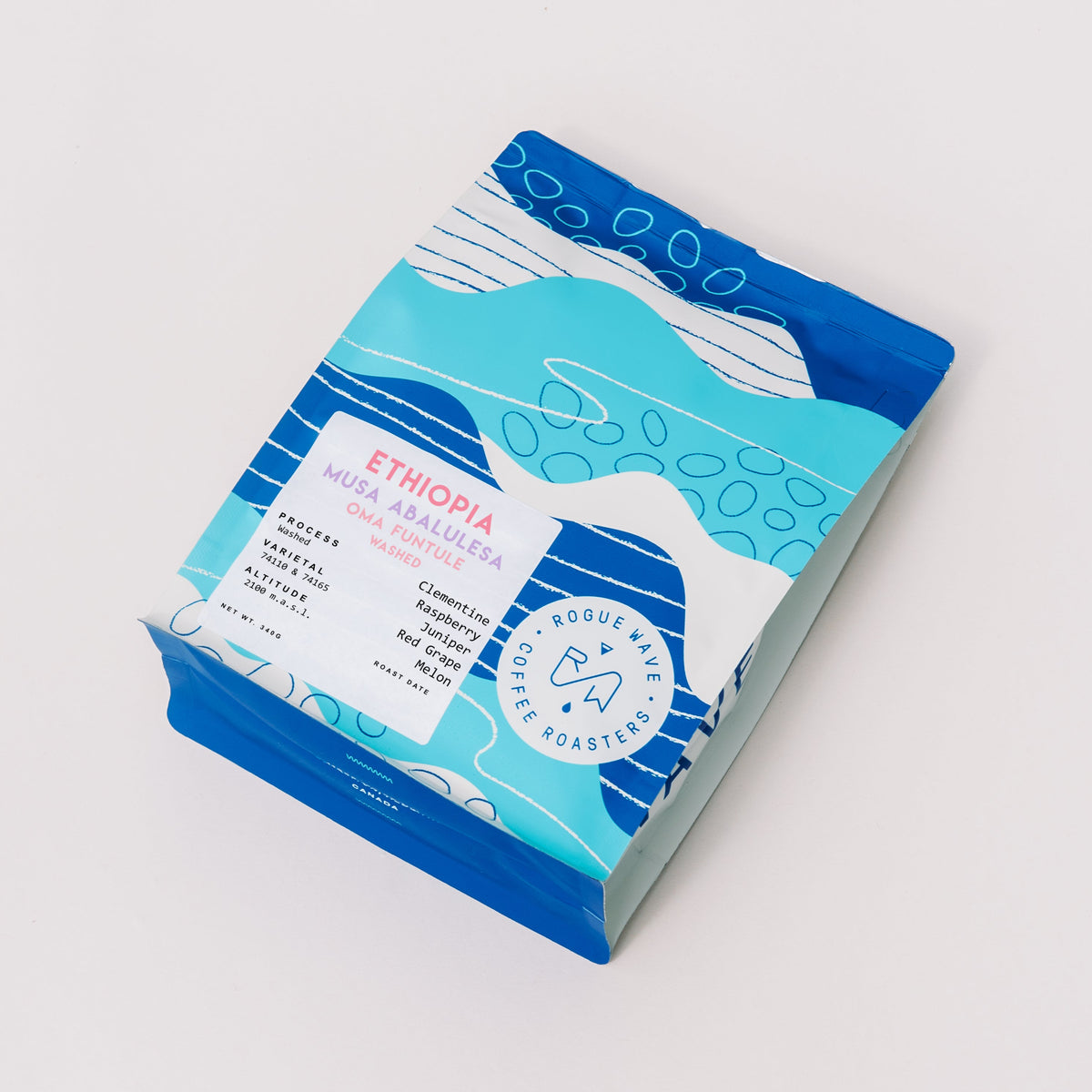
Musa Abalulesa farms in Gomma, Agaro, in Ethiopia's Limu region. He and his brothers, Mustefa and Gugu, each manage their own small holdings, with Musa and Mustefa jointly running two farms outside Beshasha, known as Koye and Chanko. The land sits at 2,100 meters and was once dense jungle before it was cleared for coffee. In 2006, Musa won a national competition organized by the Ethiopian government among 500 participants, earning a trip to AFCA in Uganda along with cash and a hand pulper. He reinvested the prize money to expand his farm to 43.8 hectares. When the Ethiopian Commodity Exchange Source: roguewavecoffee.ca (roaster’s own copy).
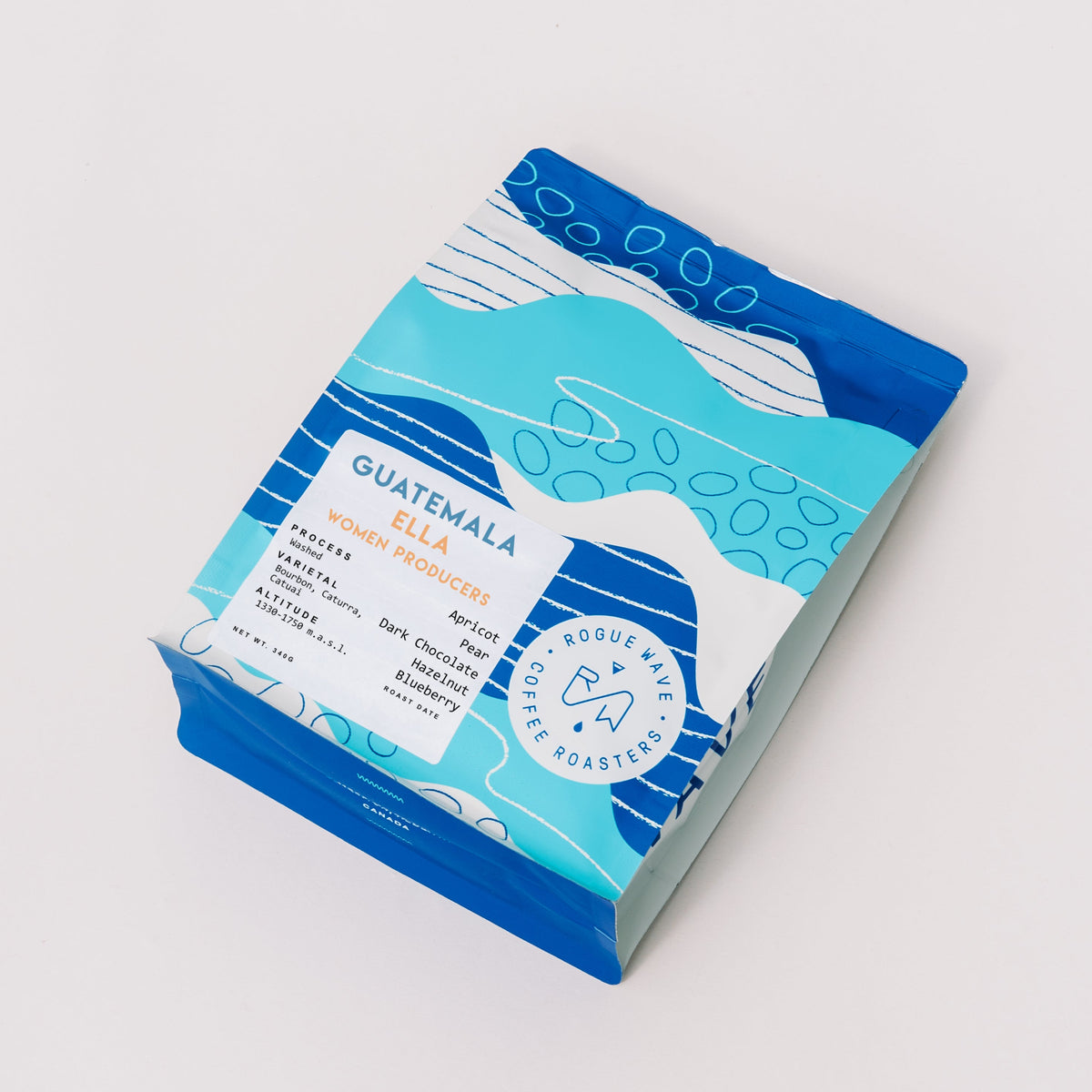
In Guatemala, women make up the majority of the coffee labour force but own disproportionately few assets and face significant barriers within the industry. The ELLA program was created to address this gap, providing participating farmers with market access and a stable buyer, along with on-the-ground education support aimed at reducing costs and improving yields. Ximena Fernandez: Finca Santa Leonarda, Santa Rosa, Nuevo Oriente. 1,530 MASL. Caturra, Catuai, Bourbon Source: roguewavecoffee.ca (roaster’s own copy).

Grown at an average altitude of 1,800 meters in the mountains of San Juan Sacatepéquez, this Geisha is washed, then fermented in barrels. The coffee plants grow tall and gangly and have low output, so pickers make many passes to catch only ripe cherries. At the mill, a dedicated line is calibrated specifically for this variety to prevent damage during depulping. Drying on the patios follows the same process as the farm's other coffees, but with extra attention throughout. It takes the entire harvest to build this single lot. San Ramón has stayed in the same family for three generations, evolvi Source: roguewavecoffee.ca (roaster’s own copy).
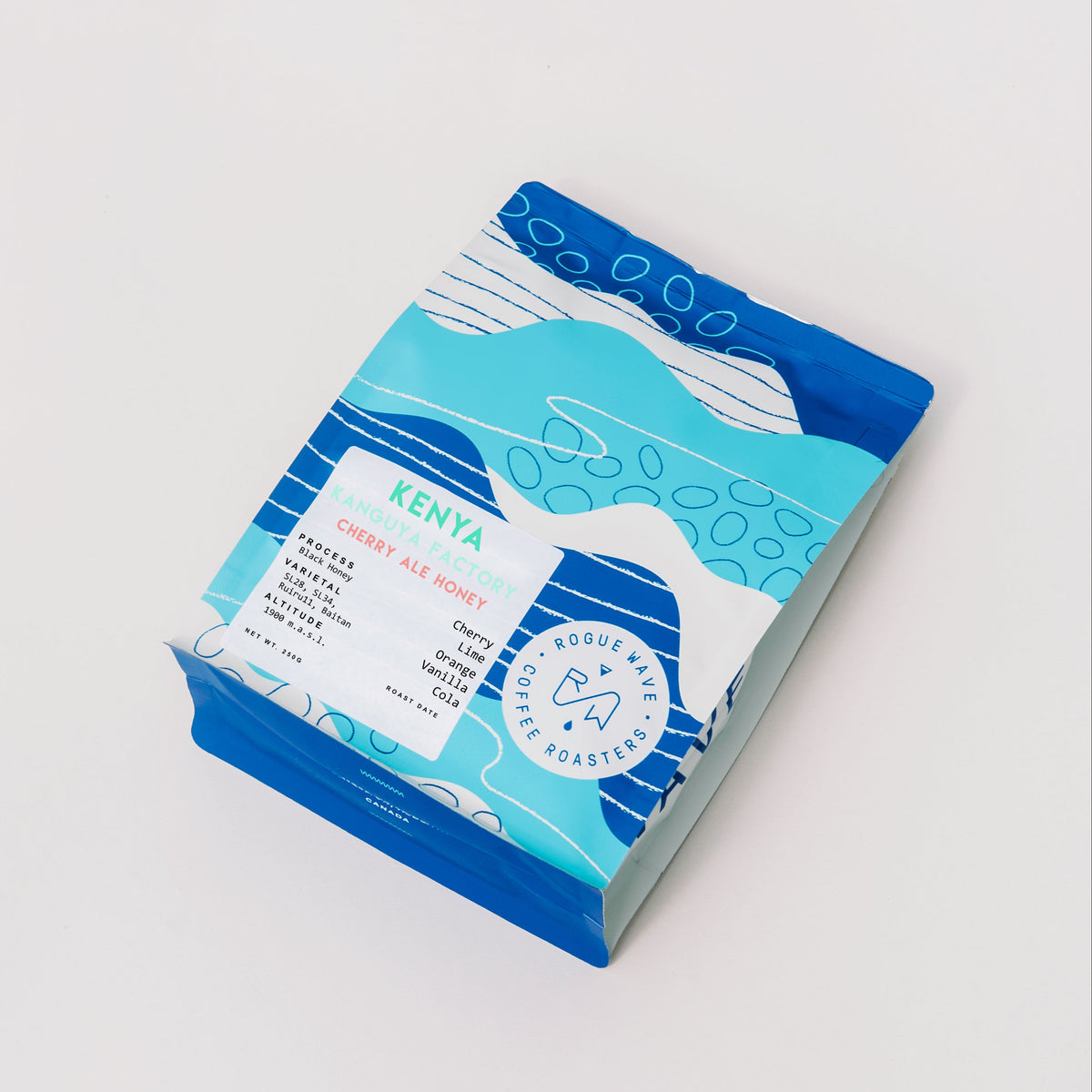
This coffee is processed using a honey method, which is an innovative twist on Kenya's traditional washed approach. Freshly picked cherries are depulped, leaving some of the mucilage clinging to the beans, then slow-dried on raised beds under the sun with frequent hand-turning. As the mucilage dries, its natural sugars infuse into the beans, giving the coffee enhanced sweetness and complexity. Kanguya Factory in Murang'a County is recognized for its rigorous quality control and precise post-harvest practices. Hundreds of smallholder farmers selectively handpick ripe cherries and deliver them t Source: roguewavecoffee.ca (roaster’s own copy).
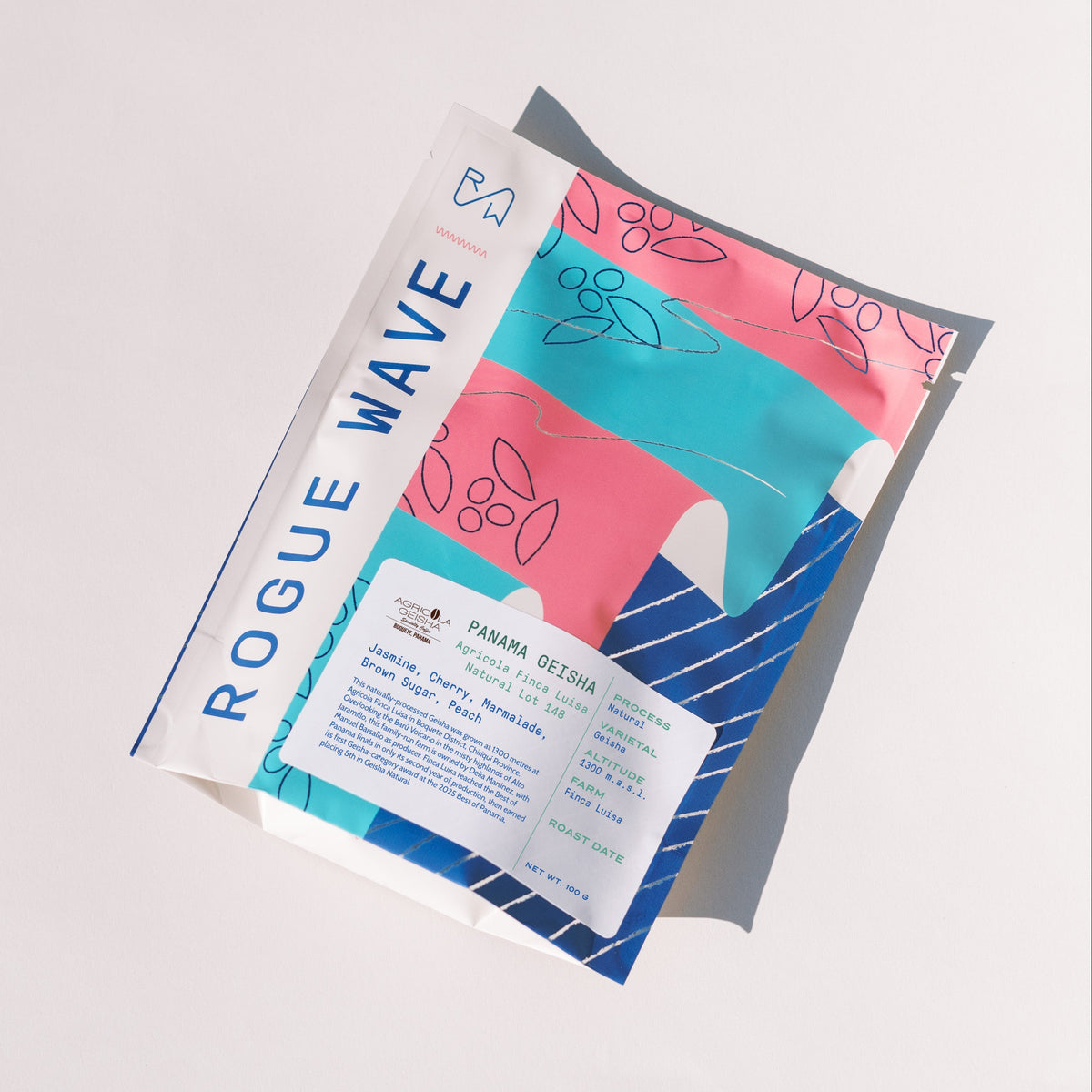
This naturally-processed Geisha was grown at 1300 metres at Agricola Finca Luisa, located in Boquete District, Chiriquí Province. Finca Luisa overlooks the Barú Volcano in the misty highlands of Alto Jaramillo. The farm is family-run, owned by Delia Martinez, with Manuel Barsallo as producer. It reached the Best of Panama finals in only its second year of production, and in 2025 it earned its first Geisha-category award, placing 8th in Geisha Natural. Source: roguewavecoffee.ca (roaster’s own copy).
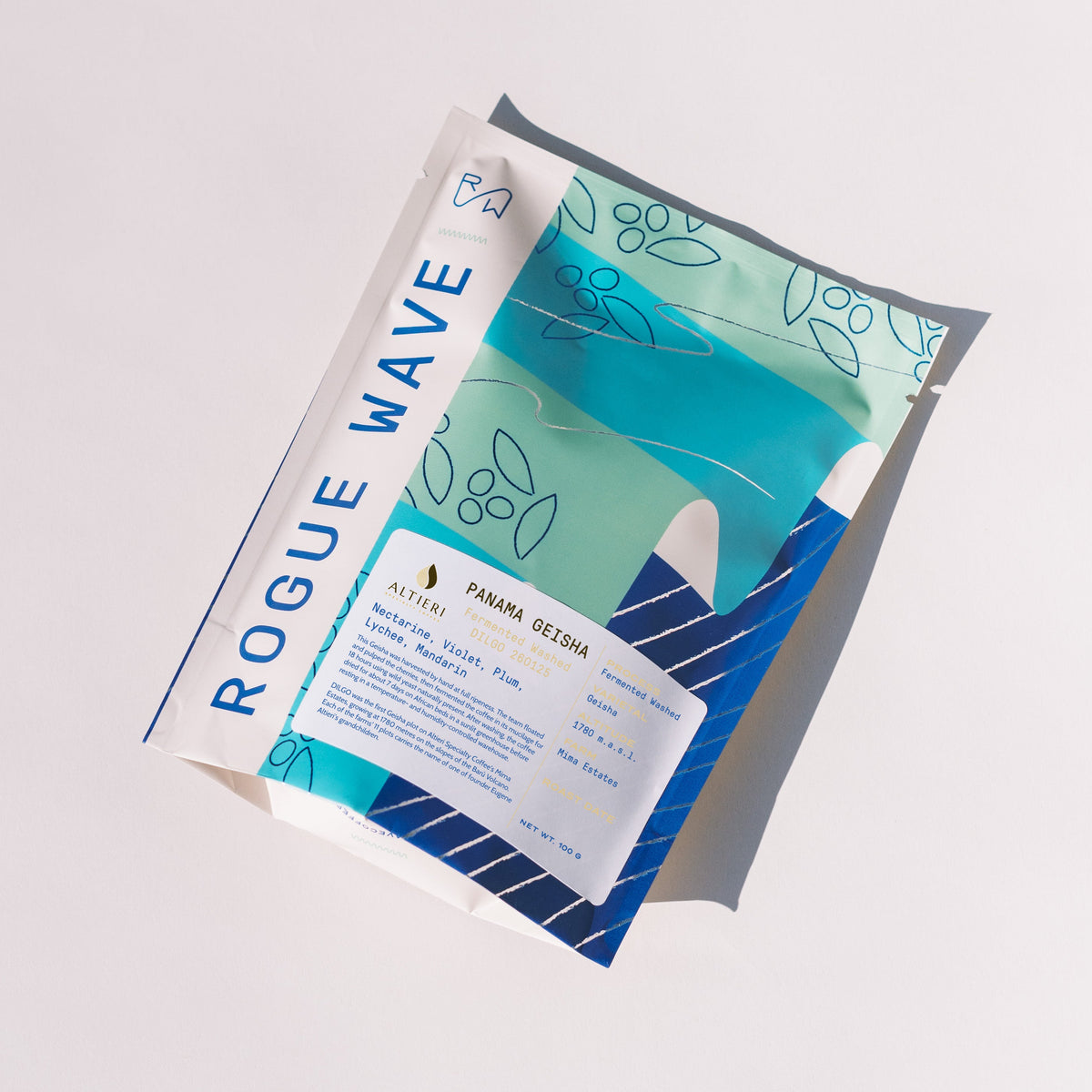
Eugene Altieri, often referred to as Don Gene, began growing coffee in Boquete over 20 years ago with no prior experience in the industry — just a keen business mind and a clear vision for what the land could become! The Geisha grown here has a storied lineage: Don Gene sourced his seeds directly from the Peterson family of Hacienda La Esmeralda, who reintroduced Geisha to the world in 2004 and took first place at the Best of Panama competition. Today, the family business is run by Don Gene's children, Anna Lynn and Francisco, alongside farm manager Roger Pitti. The DILGO plot sits at 1,780 me Source: roguewavecoffee.ca (roaster’s own copy).
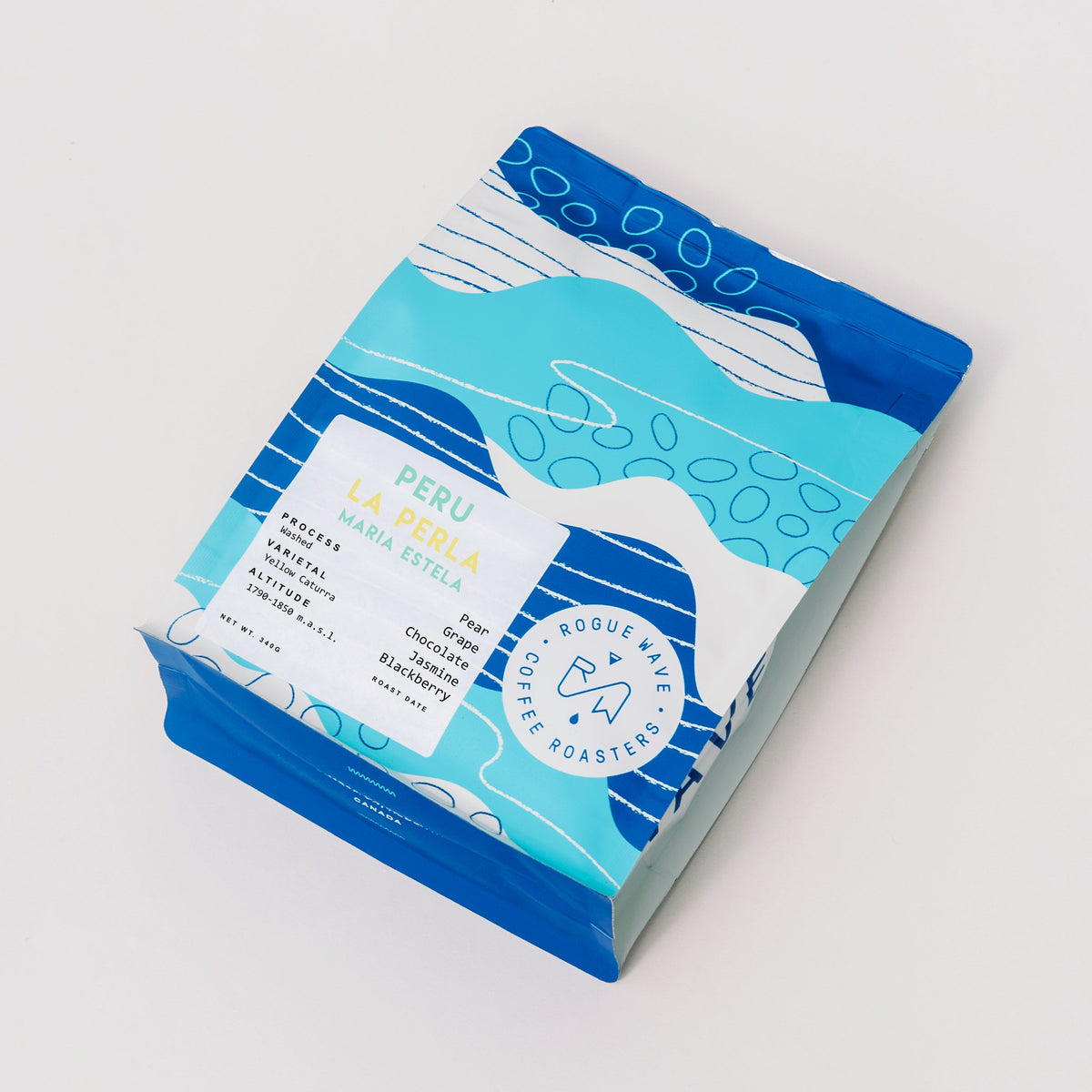
Maria Estela is a key figure in the El Morito association, farming at 1790 to 1850 masl in the Cajamarca region of northern Peru. She works alongside her three children, cultivating Yellow Caturro, Marshell, and Bourbon, and manages all post-harvest processing on-farm. Two of her children are pursuing medicine, while her son Antony is training in post-harvest techniques to continue the family's coffee work. El Morito, founded in 2022, is a community-based association of smallholders who process their coffees independently before consolidating for export, a structure that supports traceability Source: roguewavecoffee.ca (roaster’s own copy).
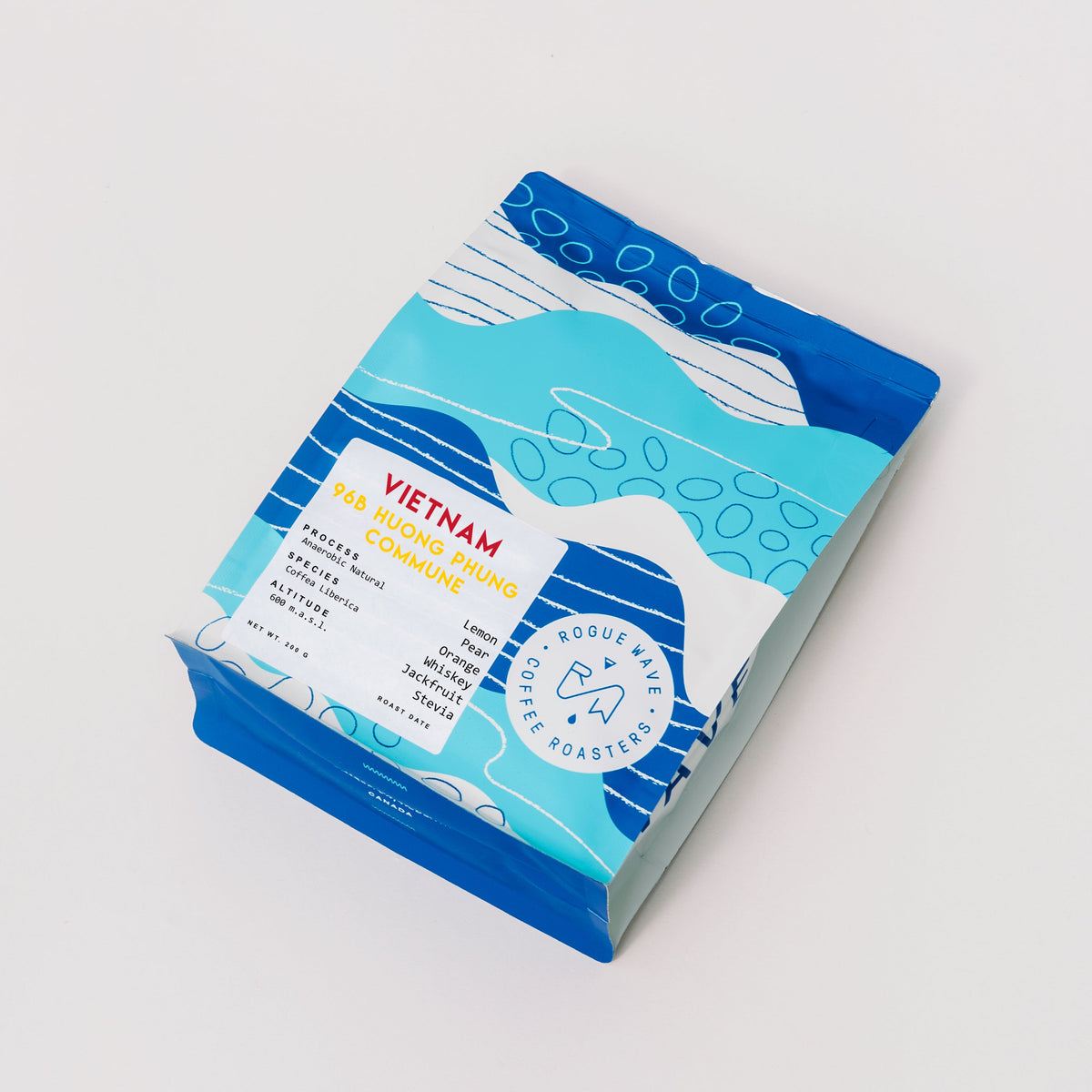
We are excited to share our very first Vietnamese Coffea Liberica with you! It's unlike anything else in our lineup, and truly a one-of-a-kind coffee worth experiencing for yourself. We were drawn to this coffee because of the incredible story behind it, and we are eager to now share it with you. Expect a flavour reminiscent of whiskey as well as notes of jackfruit and stevia. This coffee is for the adventurous coffee drinker who wants to surprise their palate. Source: roguewavecoffee.ca (roaster’s own copy).