
Roasteries / Good Coffee Roasting Co.

Good Coffee Roasting Co.
Istanbul, Turkey
Good Coffee Roasting Co. is a specialty roastery and café in Suadiye, Kadıköy, on Istanbul's Asian side. It roasts single origins from Ethiopia, Colombia, Rwanda, Costa Rica and Brazil — many of them anaerobic and experimental lots — in 100 g and 250 g bags for filter and espresso, alongside its UYAN house blend, and runs coffee workshops at the Suadiye roastery.
12
coffees
Turkey
base
Location
Good Coffee Roasting Co.
19 Mayıs, Okur Sk. No: 16A, 34736 Istanbul, TurkeyMonday-Friday: 08:30-22:30; Saturday: 11:00-20:30; Sunday: 11:00-22:30
Coffees
12 coffees
Fazenda Jaguara, established 2001 and run by third-generation producer André Luiz Garcia with Natália Brito, works both anaerobic and aerobic processing. A Jaguara micro-lot scored 90.47 and placed fifth in Brazil at the 2019 Cup of Excellence. The farm has cut agrochemical use by 80% over six years, has been energy self-sufficient since 2021 and carbon-negative certified since 2023, and runs a training programme for disadvantaged children. This anaerobic natural is sweet, smooth and complex. Source: goodcoffee.com.tr.
Sweet, complex, smooth
A curated multi-producer selection from Carmo de Minas in the Mantiqueira mountains. Cherry is selectively picked, cleaned and density-sorted on a "lavador," then given an extended natural dry — 72 hours in the sun followed by 72 hours mechanical — to build fruit character while holding the full body and classic cocoa/hazelnut profile of a South American natural. Source: goodcoffee.com.tr.
Apple sugar, dried fruit, cocoa, roasted hazelnut
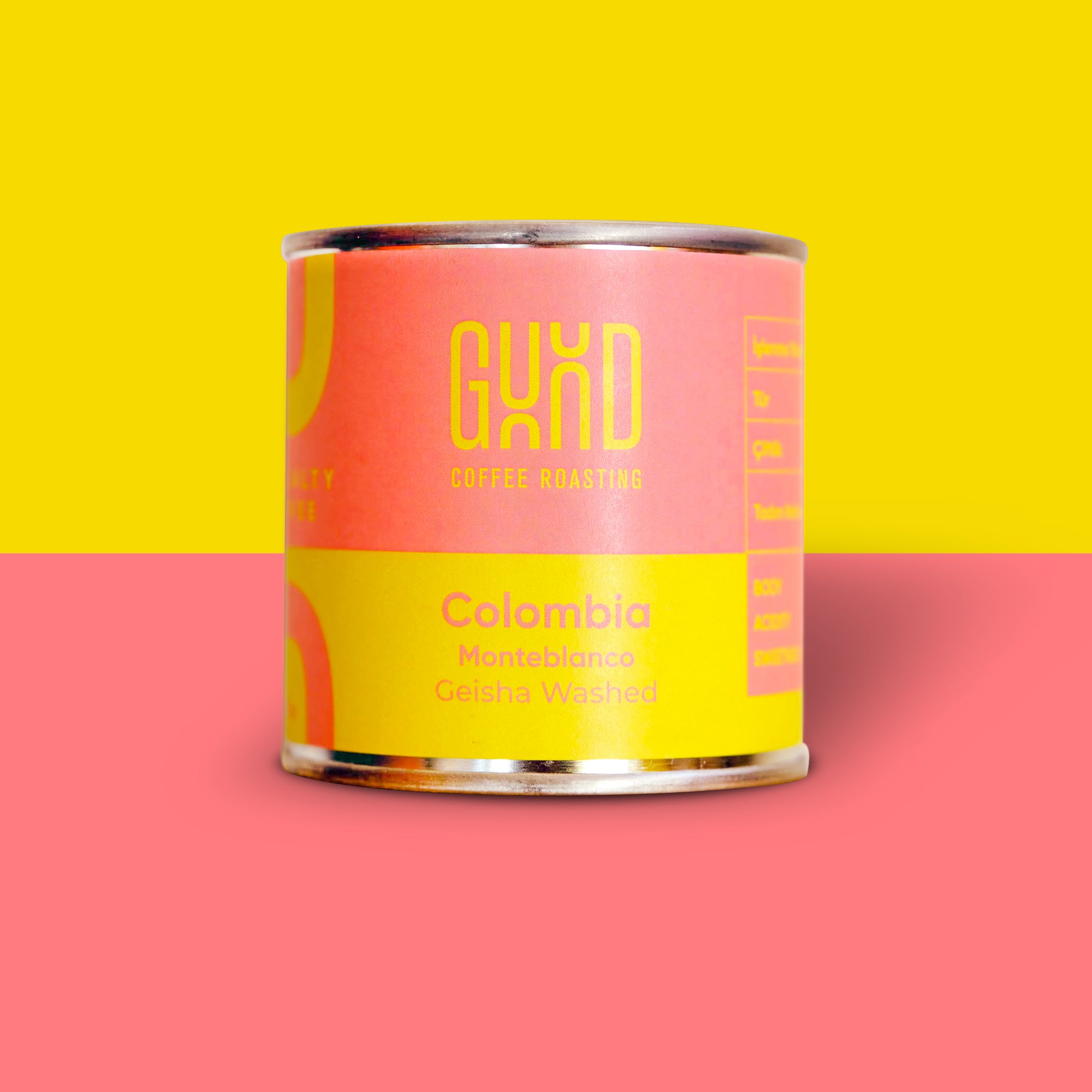
A washed Geisha from Finca Monteblanco, Rodrigo Sánchez Valencia's farm in San Adolfo, Huila, one of Colombia's best-known experimental producers. A new-harvest lot sold by Good Coffee in 100 g bags.
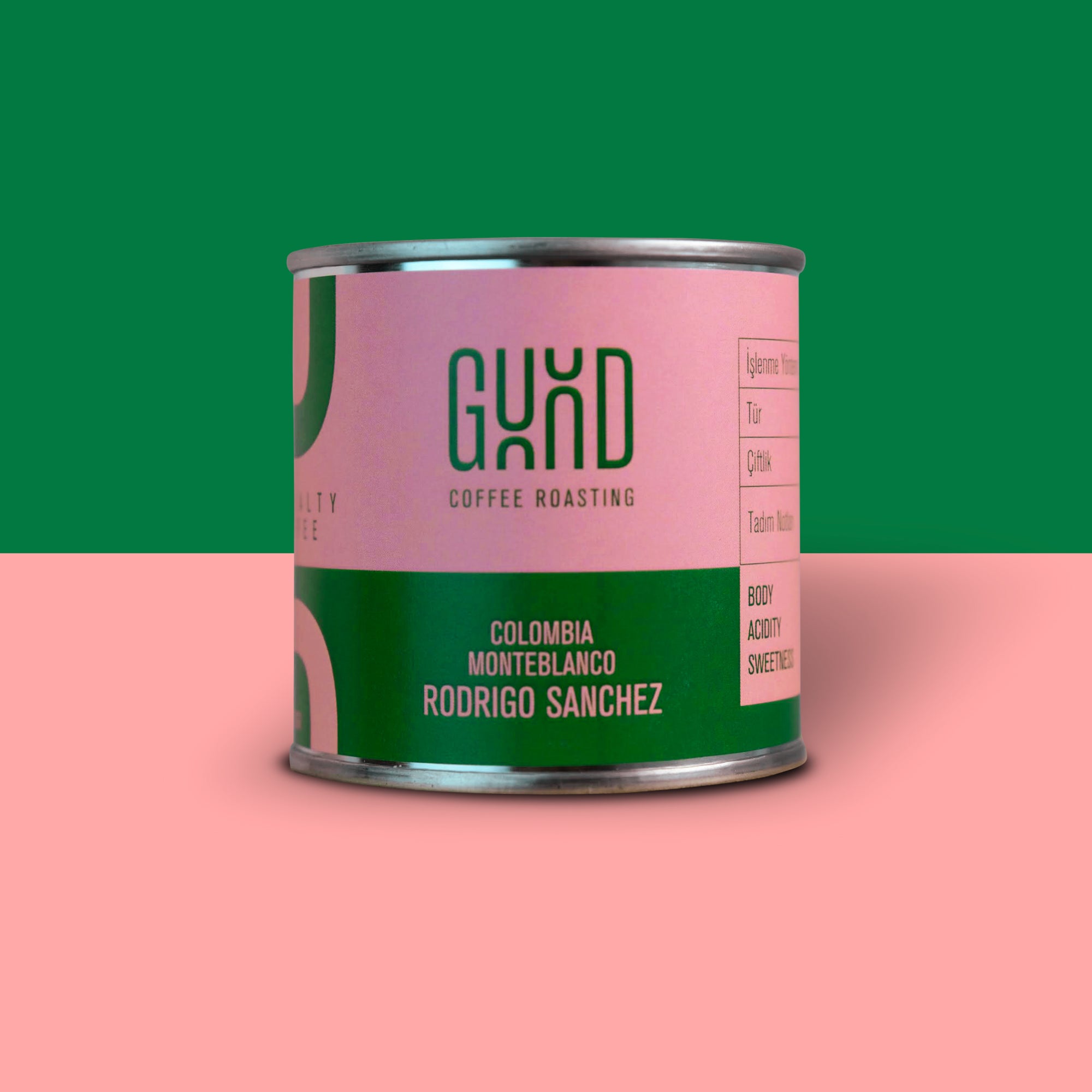
One of Rodrigo Sánchez Valencia's process experiments at Finca Monteblanco. A mother culture is built over about eight days from a mix of Citrullus fruits (watermelon, melon) inoculated with lactobacillus and Saccharomyces cerevisiae yeast. Washed Caturra and Bourbon — chosen because their sweetness gives the microorganisms plenty to work with — then ferment for about seven days in sealed 200-litre tanks with 80 litres of the culture until they reach the target brix and pH, before drying. The aim is to keep the coffee's own character while layering in the culture's fruit aromas.
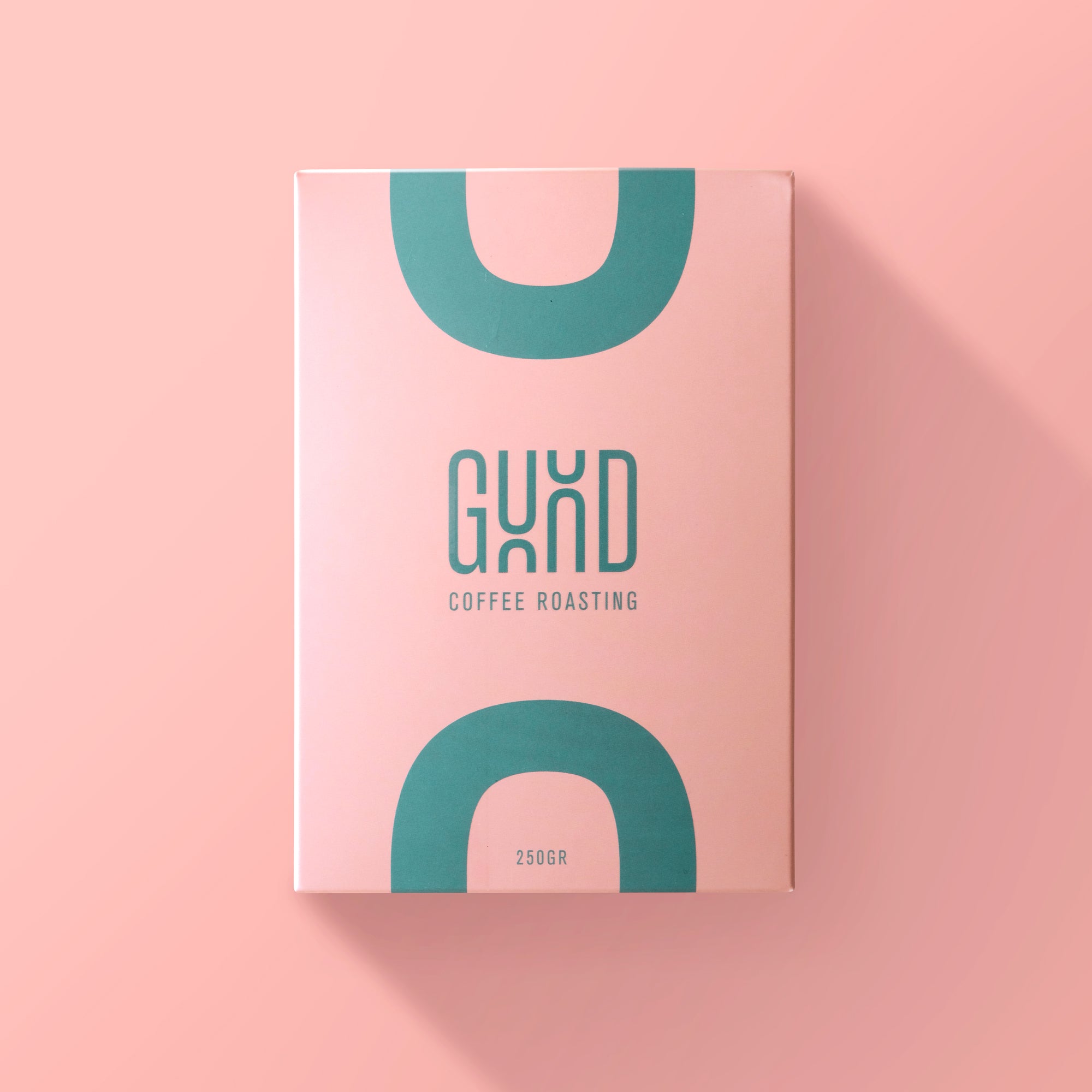
Finca Santa Maria sits high in Buesaco, Nariño, on land Armando Benavides — a retired airline pilot — bought in the 1980s. Once an apple and fruit farm, it moved to coffee more than twenty years ago while keeping its native trees and fruit intact. Geisha was planted here over a decade ago and demands constant care for its low yield and weak disease resistance; cherries are picked in several selective passes. Washed, it's all florals and bright citrus over a smooth body. Source: goodcoffee.com.tr.
Jasmine, stone fruit, bright citrus acidity
La Chumeca is a family micro-mill set up in 2014 in San Pablo de León Cortés, in the Los Santos region. Since 2016 the family has run a dedicated fermentation-experiment programme, processing each of its five parcels separately and keeping every lot fully traceable — around 25 different lots a year, with the cup profile shaped entirely by processing and no additives. This anaerobic natural is dense and winey with syrupy tropical-fruit sweetness. Source: goodcoffee.com.tr.
Tropical fruit, winey sweetness, syrupy body
A small-plot selection from around Arbegona, in the Sidama highlands near the Bensa border — an area known for pure, characterful coffees. Cherry is dried under constant rotation for 12–15 days, then rested in the station warehouse to develop before hulling. The anaerobic step adds a sparkling, rich complexity over clean berry sweetness. Source: goodcoffee.com.tr.
Berries, sparkling sweetness, bright and complex
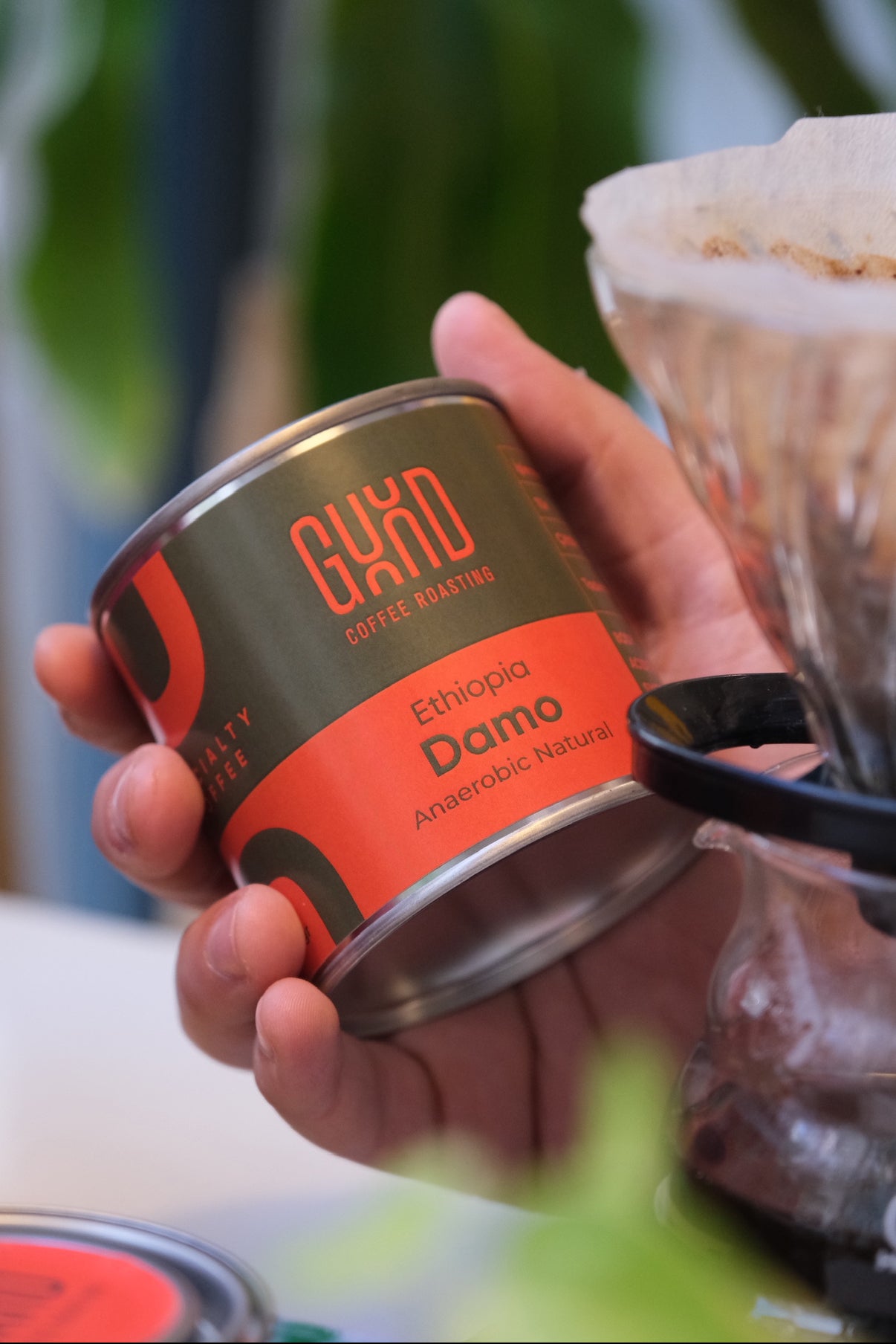
Daye Bensa's Damo station draws on roughly 500 farmers around the village it's named for. "Damo" is the Sidama word for a local bee whose honey — "Tazma Mar" — is famed locally for its intense sweetness, and the coffee lives up to it: an anaerobic natural with honeyed sweetness and floral, aromatic depth. Source: goodcoffee.com.tr.
Honeyed sweetness, floral aromatics
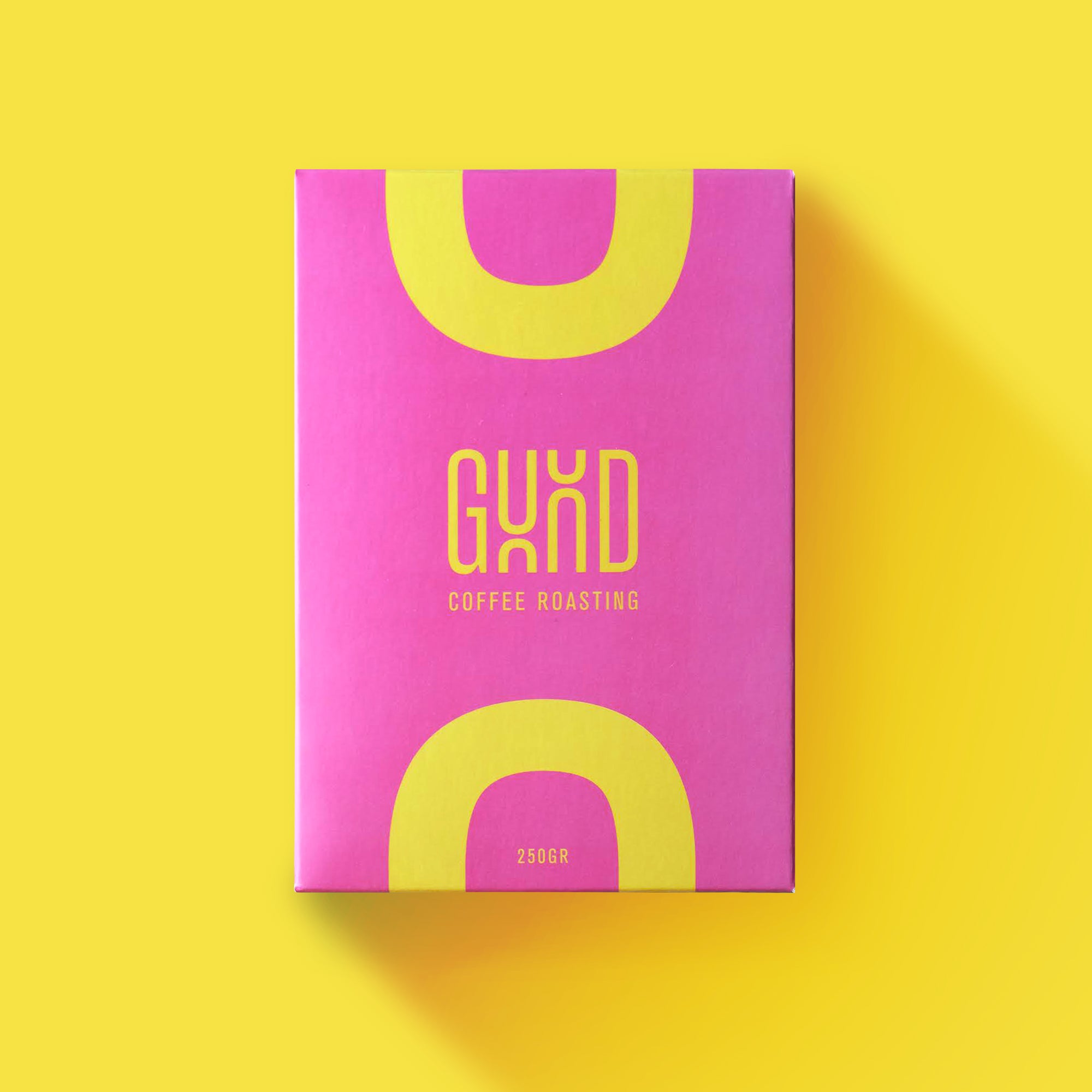
Moplaco, led by Heleanna Georgalis, has been pushing sun-dried specialty coffee since 2005. For this Yirgacheffe natural the cherry is dried whole on beds for two to three weeks, gently turned three times a day, letting the fruit sugars work slowly into the bean. The result leans far sweeter, fuller-bodied and more complex than the usual sharp fruit-forward natural. Source: goodcoffee.com.tr.
Sweet ripe berries, full body, complex
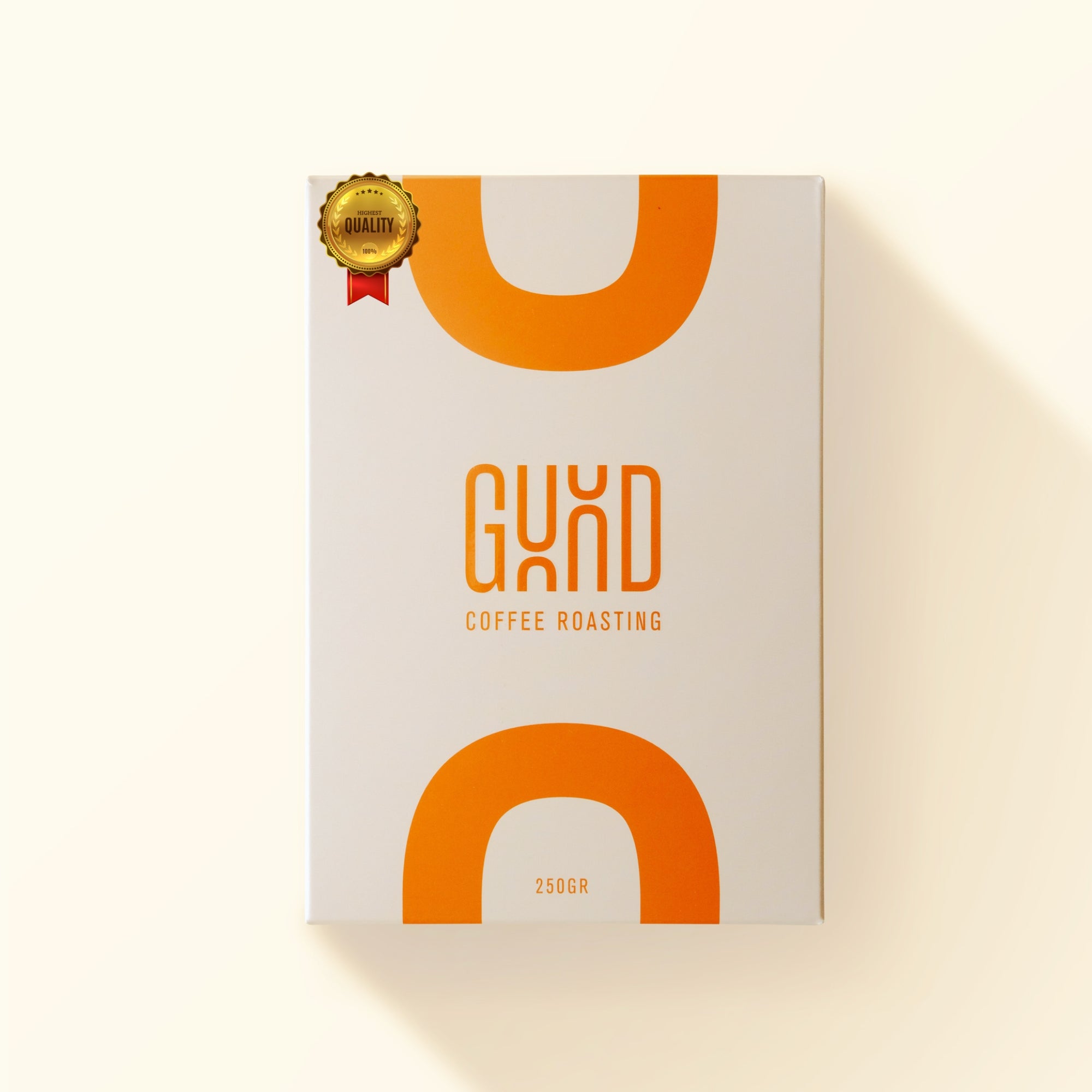
The Boreta Woyo station — the name translates roughly as "Boreta's glory" — works only with quality lots from 255 producers around Toga, Bare and Daguche, on highland plateau at 2,100–2,300 m. This 2025-harvest natural is built on refreshing acidity, a dense fruit-tea character and a long, lingering finish. Source: goodcoffee.com.tr.
Intense fruit tea, refreshing acidity, long finish
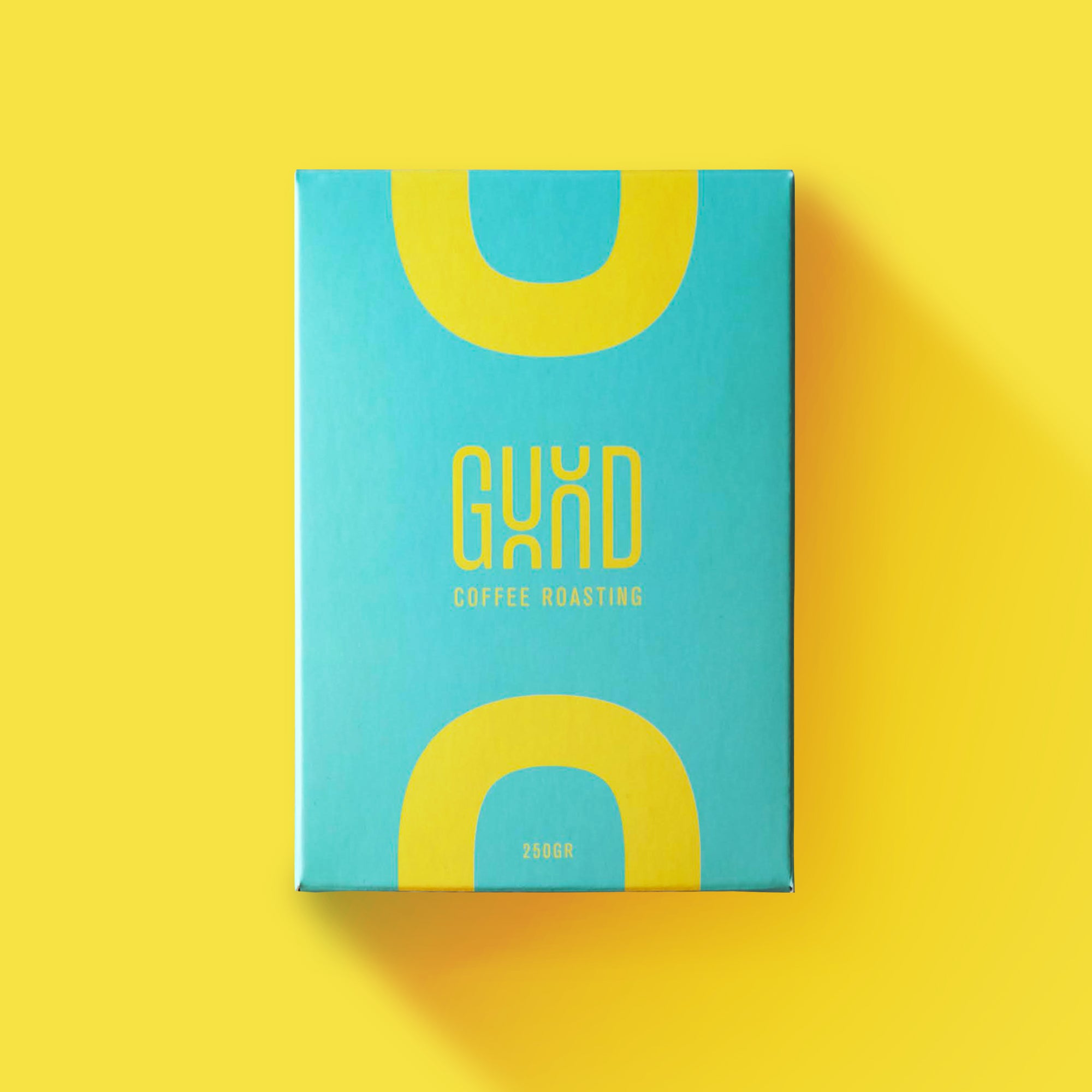
From Baho Coffee, the exporter founded in 2017 by Emmanuel Rusatira — an agricultural engineer who spent twelve years with a multinational coffee trader before setting out to "empower small-scale Rwandan farmers producing excellent coffees." Baho ("stay strong / never give up") runs ten washing stations across Rwanda's coffee regions. This Akagera lot is made from floated, hand-sorted red cherry sealed in shaded plastic barrels for a temperature-controlled 72-hour anaerobic fermentation, then sun-dried to a jammy, balanced natural. Source: goodcoffee.com.tr.
Ripe red fruit, jammy sweetness, balanced finish

Good Coffee Roasting's house daily blend ("uyan" = wake up) — a seasonal South American selection roasted for a rich body, low acidity and medium sweetness. Black, it's cocoa, almond and hazelnut; with milk it turns to chocolate with a long caramel finish. Recommended as espresso, also good as filter, and an easy pick for anyone avoiding high-acid coffees. Source: goodcoffee.com.tr.
Cocoa, almond, hazelnut; chocolate & caramel in milk