
Roasteries / Candycane Coffee

Candycane Coffee
Prague, Czech Republic
Candycane Coffee is a Prague specialty coffee roastery founded in 2017 by a group of baristas and coffee-culture enthusiasts, with head roaster Ondřej Štoksa. The team — several of them Czech national barista champions and competition judges — roasts on four production days a week from a unit in the SZP complex in Malešice, aiming, as they put it, to "prepare sweet coffee like candy." Alongside roasting they run barista, filter, latte-art and sensory courses, café consulting and staff training, a coffee podcast, and a bean subscription. Candycane has no café of its own: coffee is sold through the web shop and roughly 85 partner cafés and shops across Czechia. Source: candycane.coffee.
13
coffees
Czech Republic
base
Coffees
13 coffees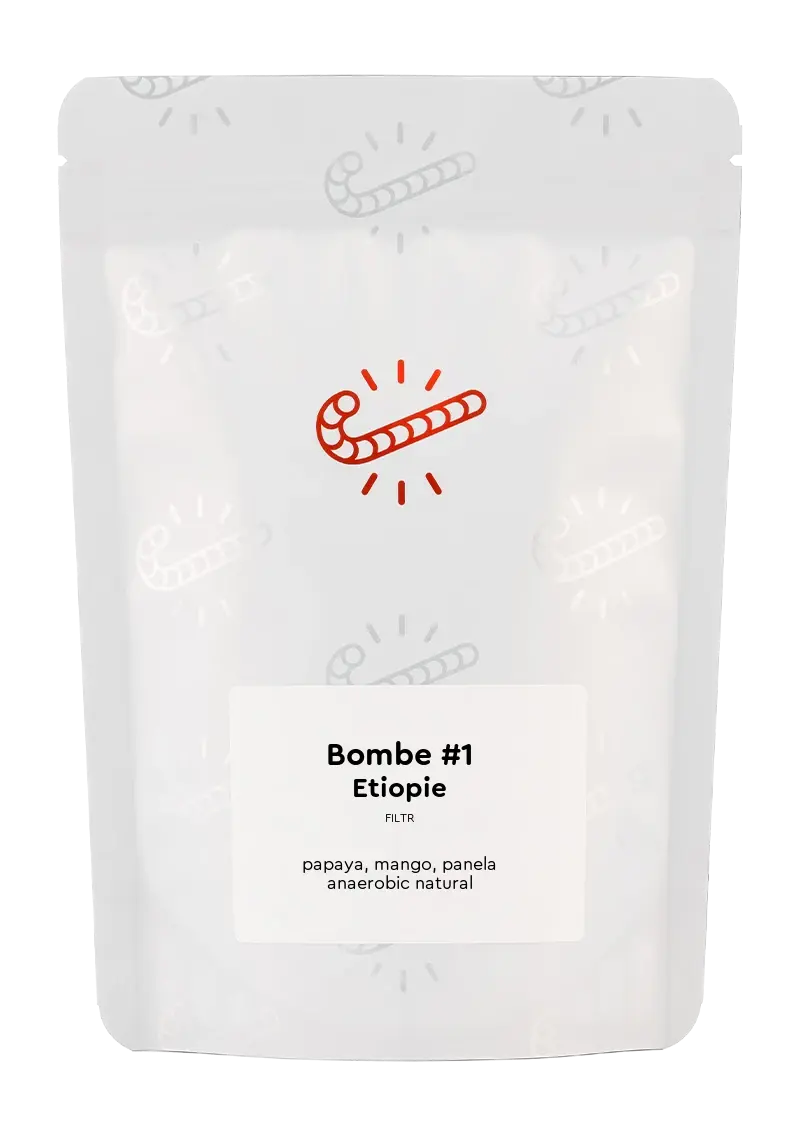
An anaerobic natural from smallholders around Bombe in the Bensa district, one of Sidama's highest coffee areas. Sorted cherries ferment in low-oxygen tanks and then sun-dry on African beds. Cupped at 88: sweet, fresh and complex, with baked yellow fruit, forest berries, mango and raspberry, citrus lift and a caramel-chocolate sweetness.
Papaya, mango, panela
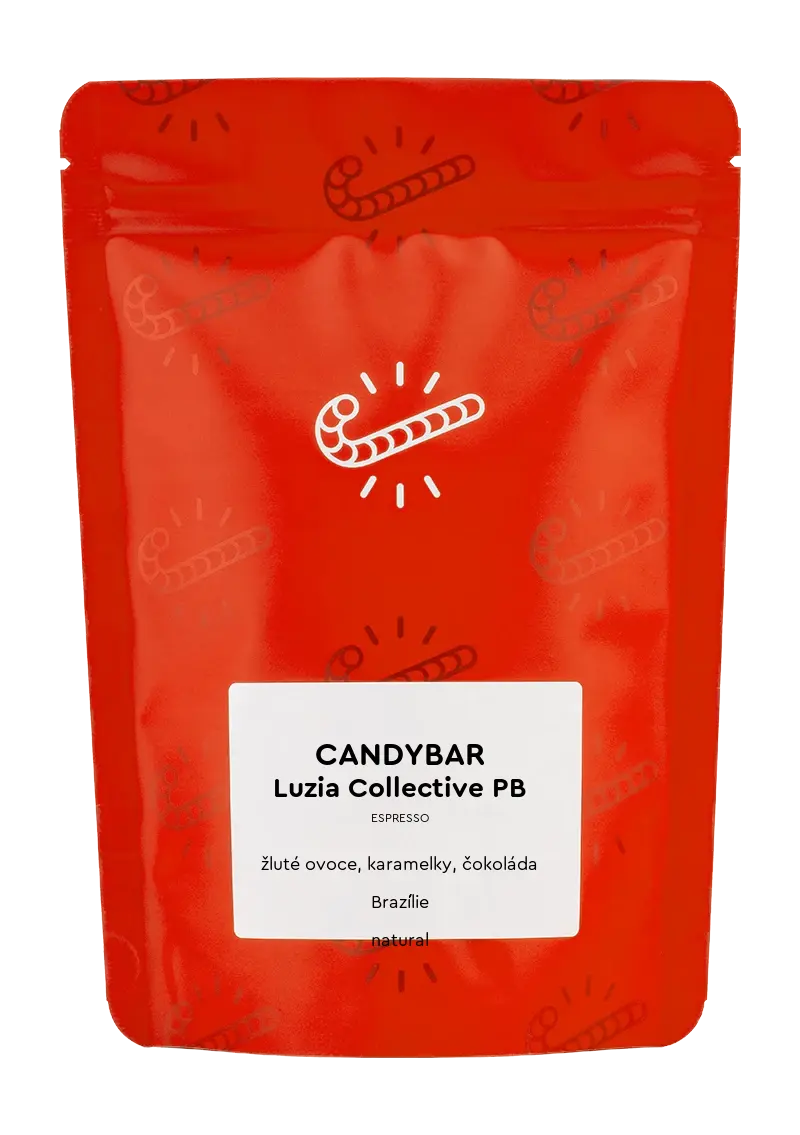
CANDYBAR is Candycane's new name for its most dependable sweet espresso. This peaberry is the Luzia Collective, a community lot from women growers in Sul de Minas who are members of Cooxupé — four farms, from small family plots to the nine-generation Fazenda Monte Alto. Cupped at 86: cane sugar, peach cake, caramel and toasted pecans with a milk-chocolate finish.
Yellow fruit, caramels, chocolate
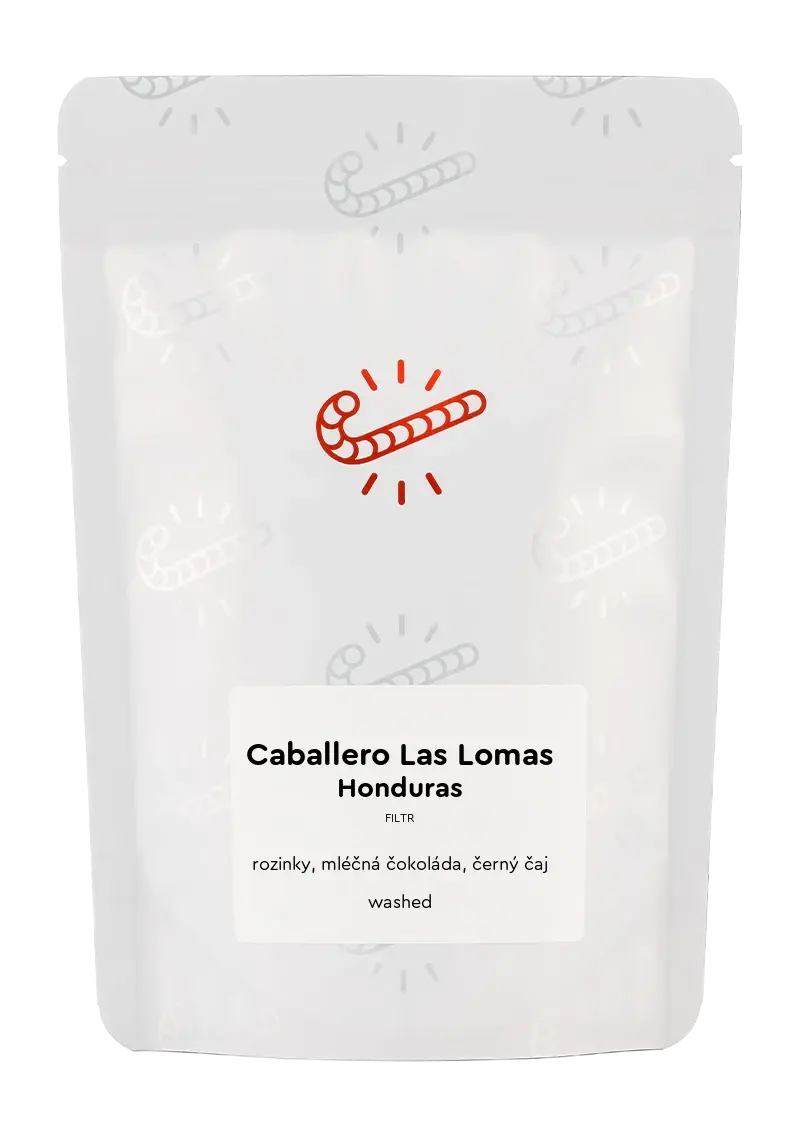
A washed Catuai from the Caballero family's farms around Marcala; Marysabel Caballero and Moises Herrera have sold to Nordic Approach since 2012 and farm almost 200 ha across 17 farms around their own Xinacla mill. Cupped at 86: red-fruit jam, raisins and dried stone fruit, finishing with milk chocolate and herbal black tea.
Raisins, milk chocolate, black tea
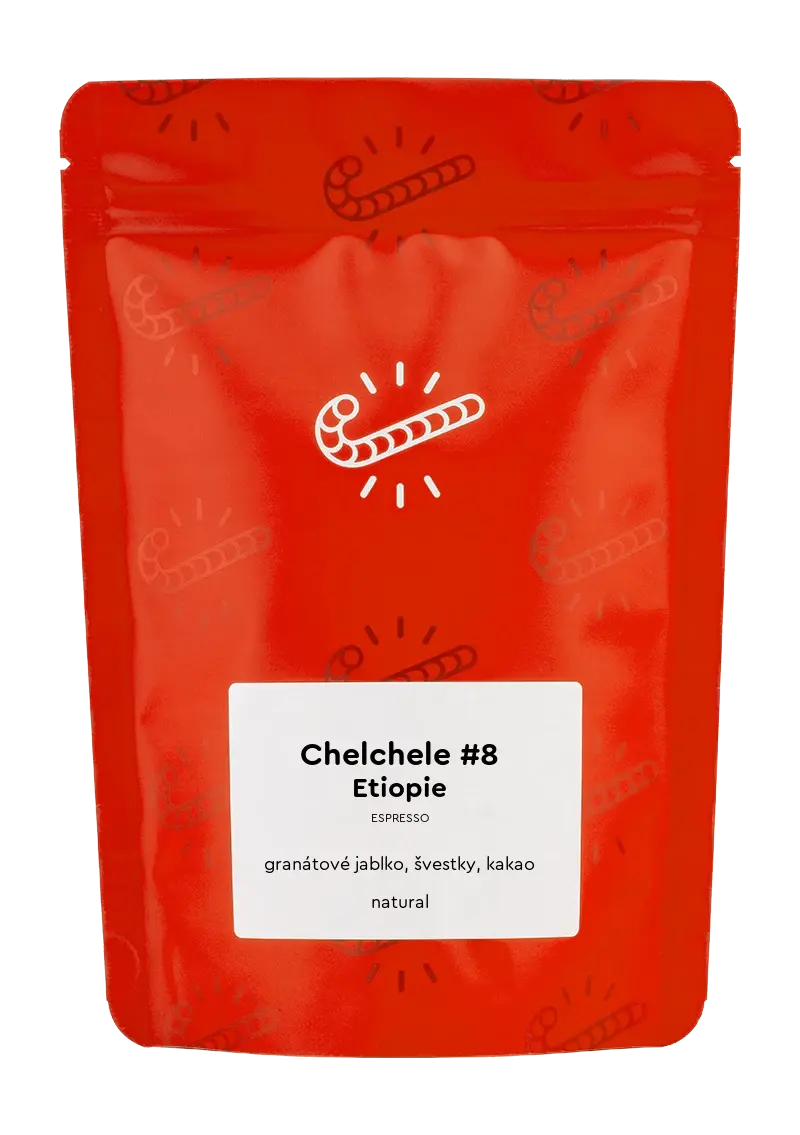
An exceptional natural from the Gedeb region of Yirgacheffe, one of the most respected coffee areas in the world. Cherry comes from local smallholders and ripens at 1,900–2,100 m, where cold nights and rich soil build complex, intense flavour; processed at the Chelchele station by Tadesse Desta Business Group, known for its focus on quality and sustainable farming. Juicy and fruit-sweet: pink grapefruit, pomegranate and plums with fine stone fruit, and elegant herbal-tea and cocoa notes on a clean, remarkably harmonious finish. 2026 harvest, cupping 88. Source: candycane.coffee.
Pomegranate, plums, cocoa
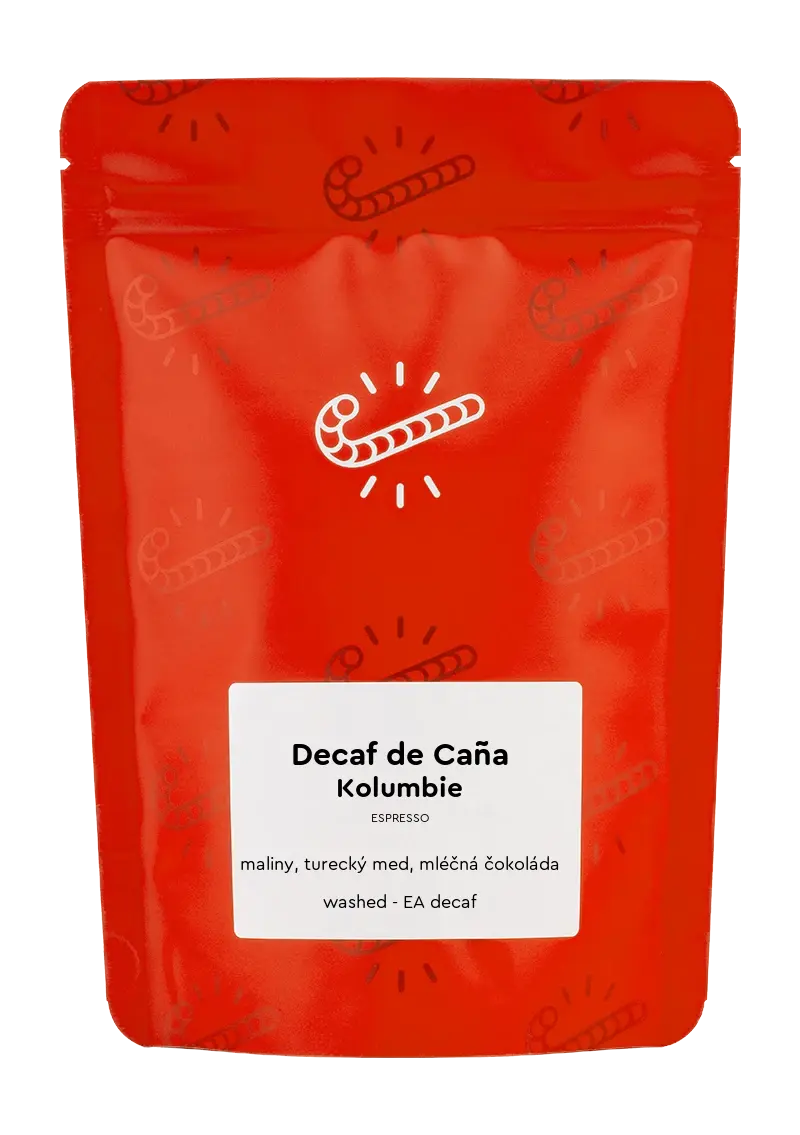
A decaf from Huila, where smallholders grow Castillo, Caturra and Colombia at around 1,800–1,900 m; Cafe Imports handles the selection and the link to the roastery. Decaffeinated by the sugarcane (ethyl acetate) method — the EA is fermented naturally from cane sugar rather than chemically synthesised — which keeps the typical Colombian character of sweetness, clear acidity and a chocolate line after the caffeine is removed. Raspberry, plum jam, Turkish honey and a gentle milk-chocolate sweetness; easy to enjoy in the evening. Cupping 86.5. Source: candycane.coffee.
Raspberry, Turkish honey, milk chocolate
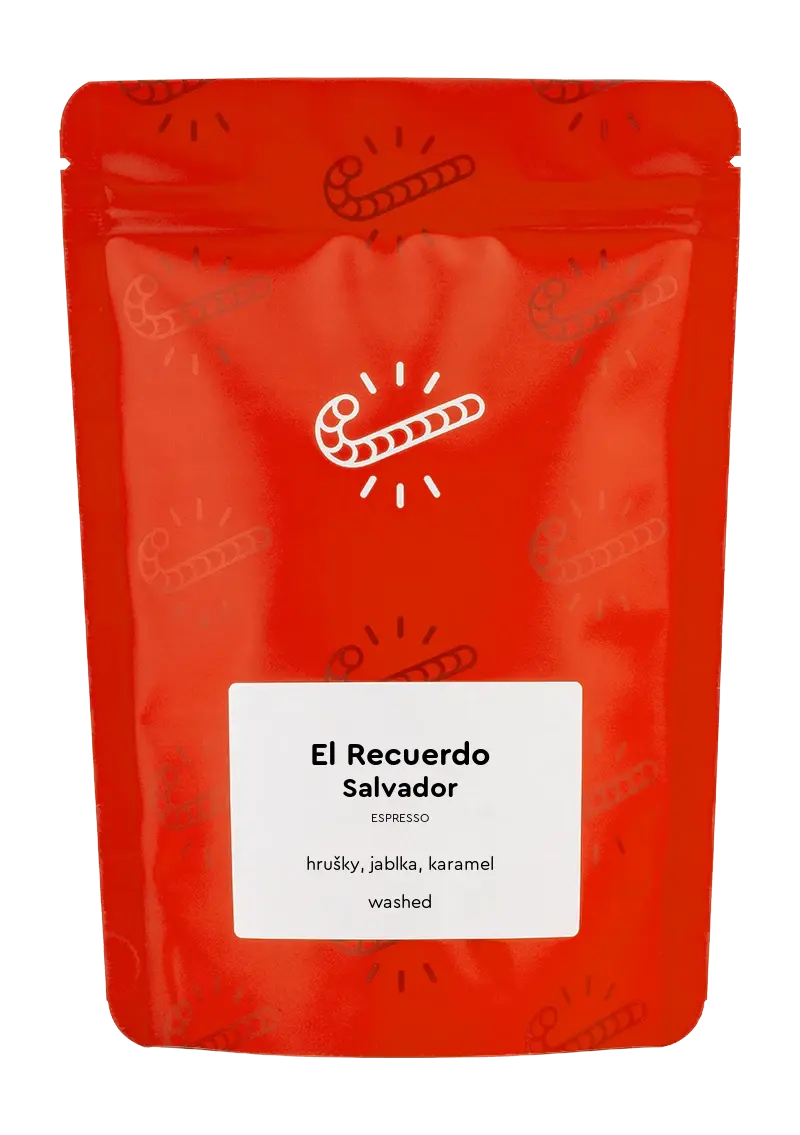
A washed Bourbon from the Salaverría family's El Recuerdo farm near the Santa Ana volcano; the family has farmed coffee for generations and works with Nordic Approach on separating farms and blocks. Cupped at 86 and roasted for espresso: sweet, round and elegant, with ripe apples and pears, fruit compote, caramel and brown sugar, plus black tea and cashew.
Pear, apple, caramel
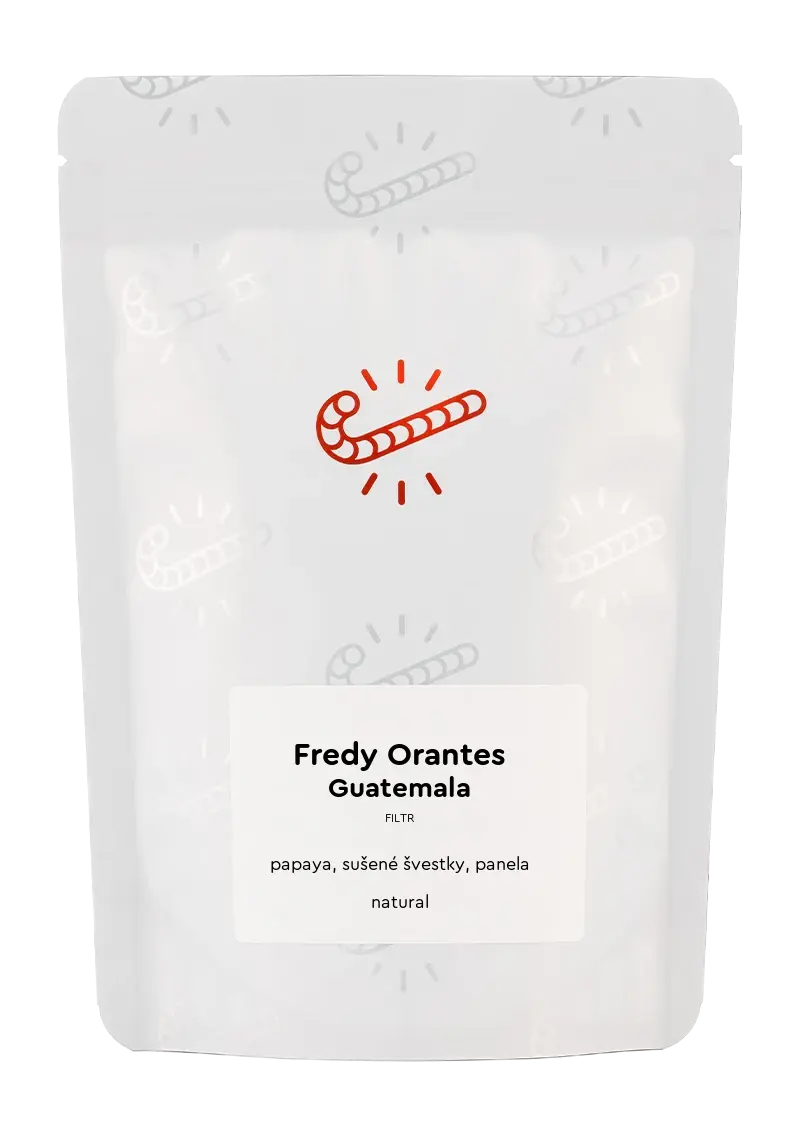
The Buena Vista lot from Fredy Orantes’s farm in the Fraijanes area of Guatemala, at 1,870 m. Fredy is a respected Santa Rosa producer who builds his work on careful cultivation, healthy soil and a gentle approach to the surrounding environment. Only perfectly ripe Catuaí cherries are selected, soaked, then slow-dried on raised beds for 25–30 days with regular turning to protect cleanliness, sweetness and fruit. A Guatemalan natural with pronounced sweetness and a clean profile: papaya, dried plums and panela. 2026 harvest, cupping 87.5. Source: candycane.coffee.
Papaya, dried plums, panela
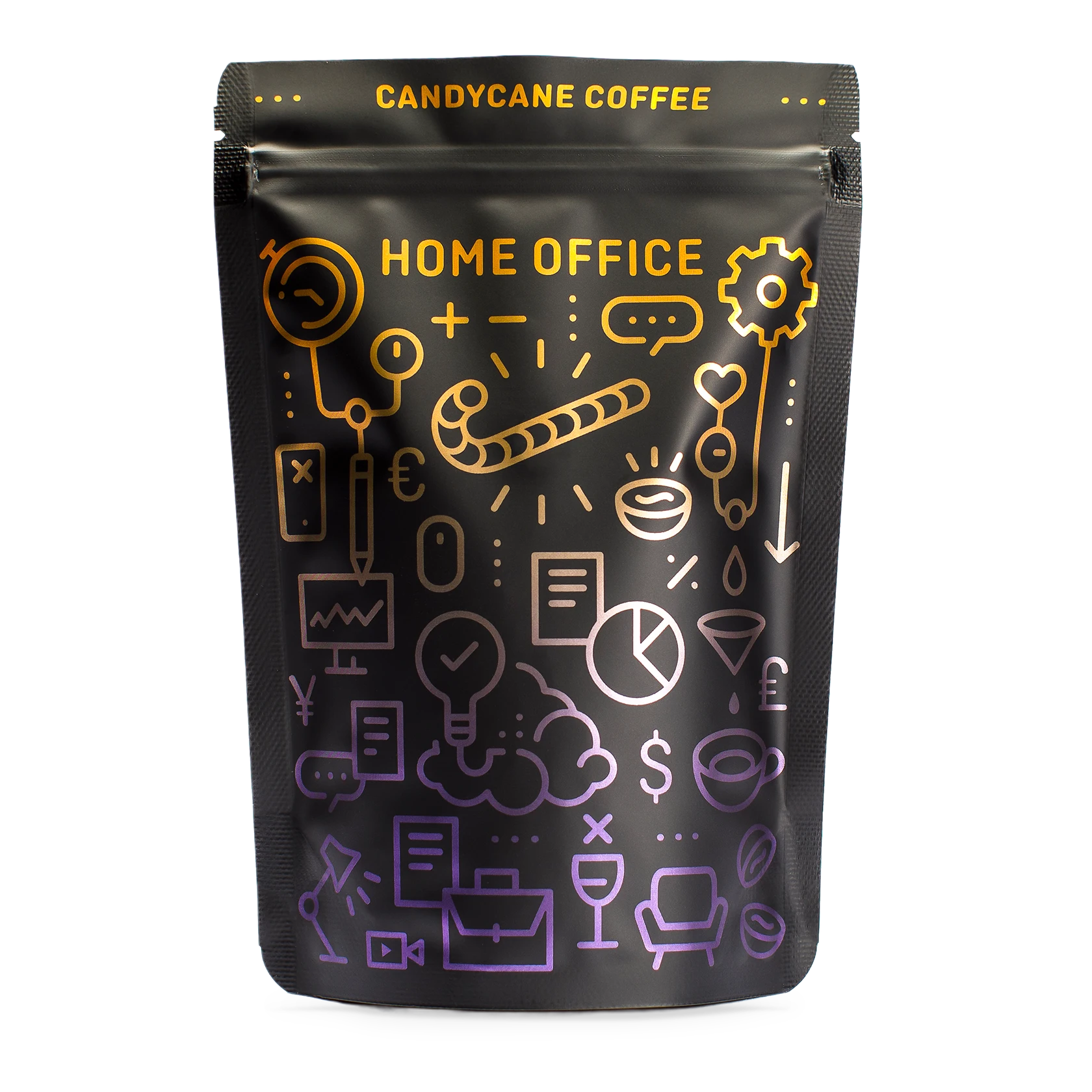
The 250 g version of Candycane’s Muzambinho Collective PB office coffee — a sweet Brazilian natural, mostly Red Catuaí 144 from Muzambinho in Sul de Minas at 1,200 m, from a built-from-scratch sourcing project (with NKG Stockler) that pays farmers a fair price. Roasted more developed for automatic bean-to-cup machines: hazelnut, dark chocolate and candied fruit, balanced and low in acidity, good for espresso, lungo and milk drinks. Same coffee as "KANCL" — this is the 250 g retail bag. Cupping 85. Source: candycane.coffee.
Hazelnut, dark chocolate, candied fruit
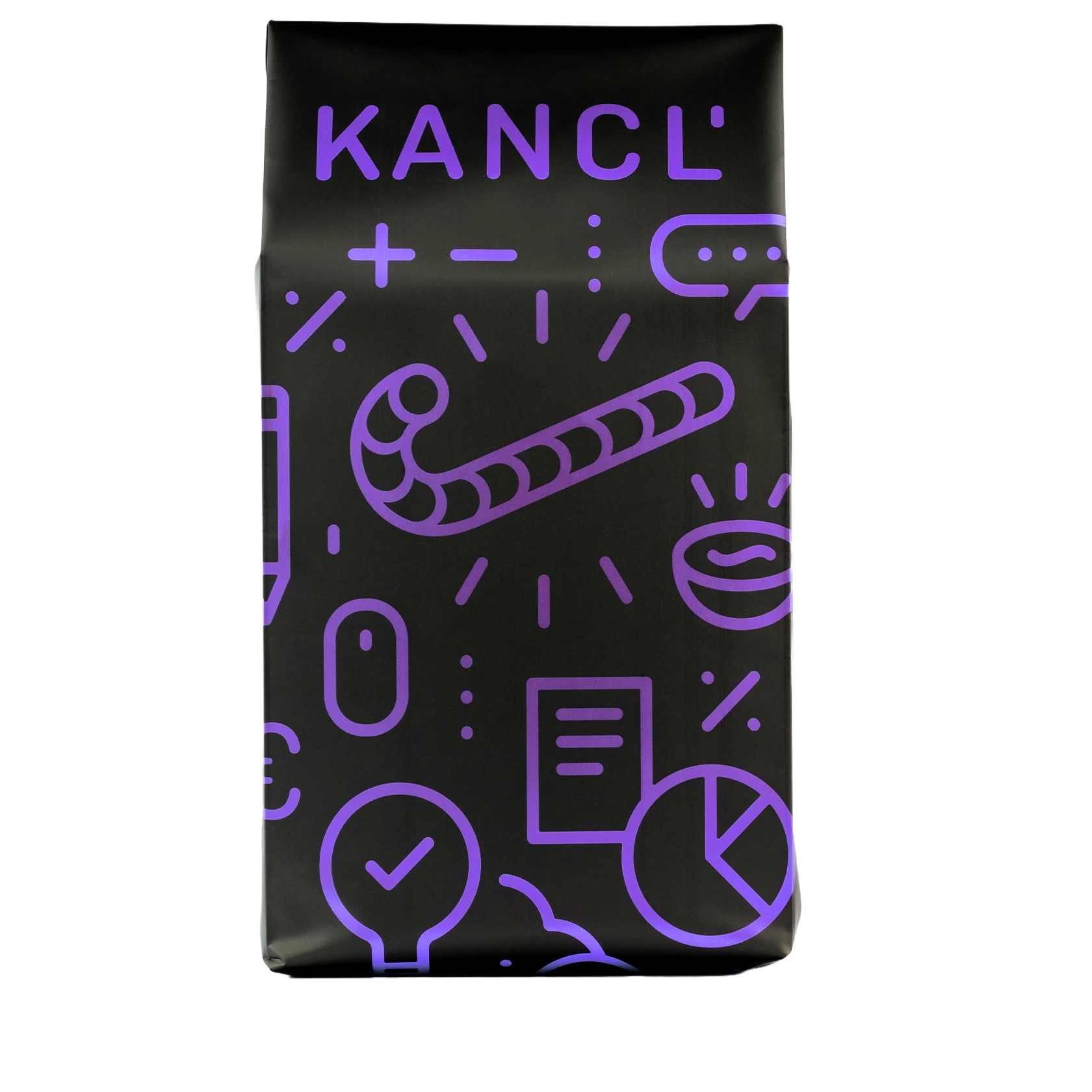
Candycane’s office coffee — the Muzambinho Collective PB, a sweet Brazilian natural chosen to please everyone, including colleagues used to dark roasts. Mostly Red Catuaí 144 from Muzambinho in Sul de Minas at 1,200 m, from a built-from-scratch sourcing project (with NKG Stockler) that seeks out clean, sweet, balanced lots and pays farmers a fair price. Roasted a touch more developed so it performs in automatic bean-to-cup machines: hazelnut, dark chocolate and candied fruit, balanced and low in acidity, good for espresso and milk drinks. Made for company and home bean-to-cup machines rather than café setups. Same coffee as "Home Office" — this is the 1 kg bag. Cupping 85. Source: candycane.coffee.
Hazelnut, dark chocolate, candied fruit
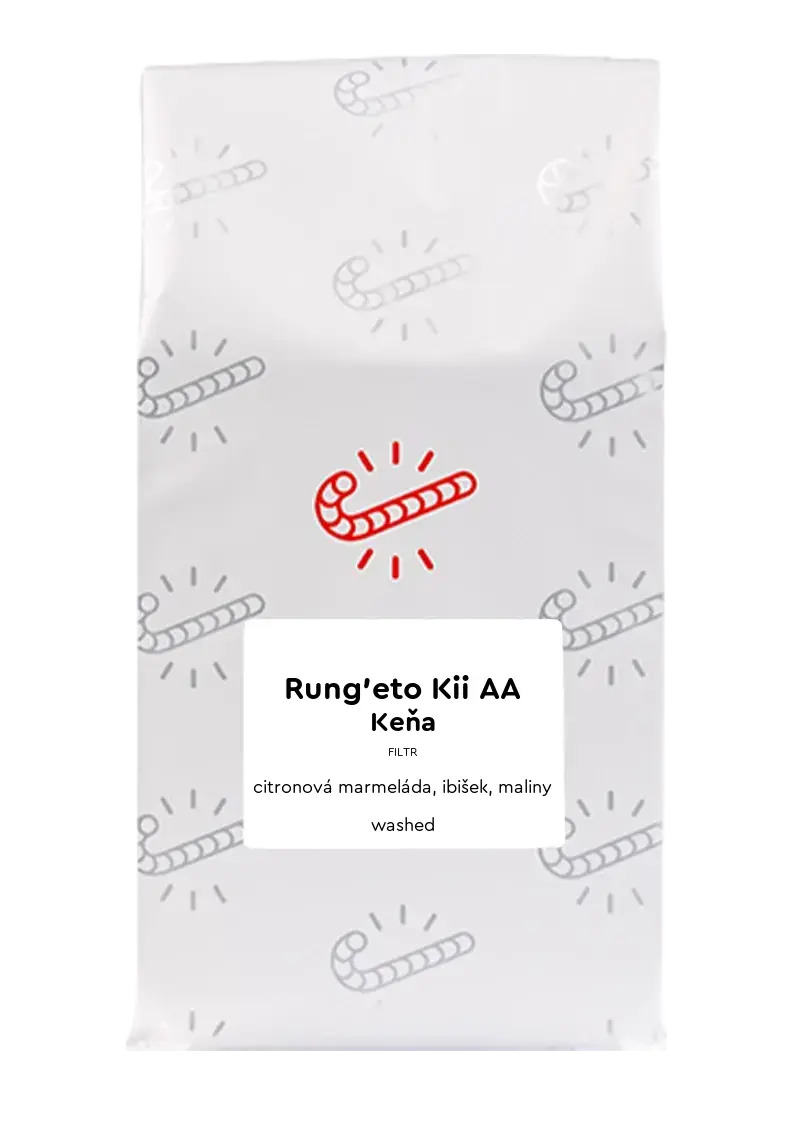
A classic Kenyan AA from Kii Factory, one of three mills of the Rung'eto Farmers Cooperative Society on the slopes of Mount Kenya. Hand-sorted, fermented 18–36 hours, washed and dried 12–20 days on African beds. Cupped at 89.5: lemon marmalade, hibiscus, raspberry and blackcurrant — clean, lively and complex. Last bags, sold in 1 kg.
Lemon marmalade, hibiscus, raspberry, blackcurrant
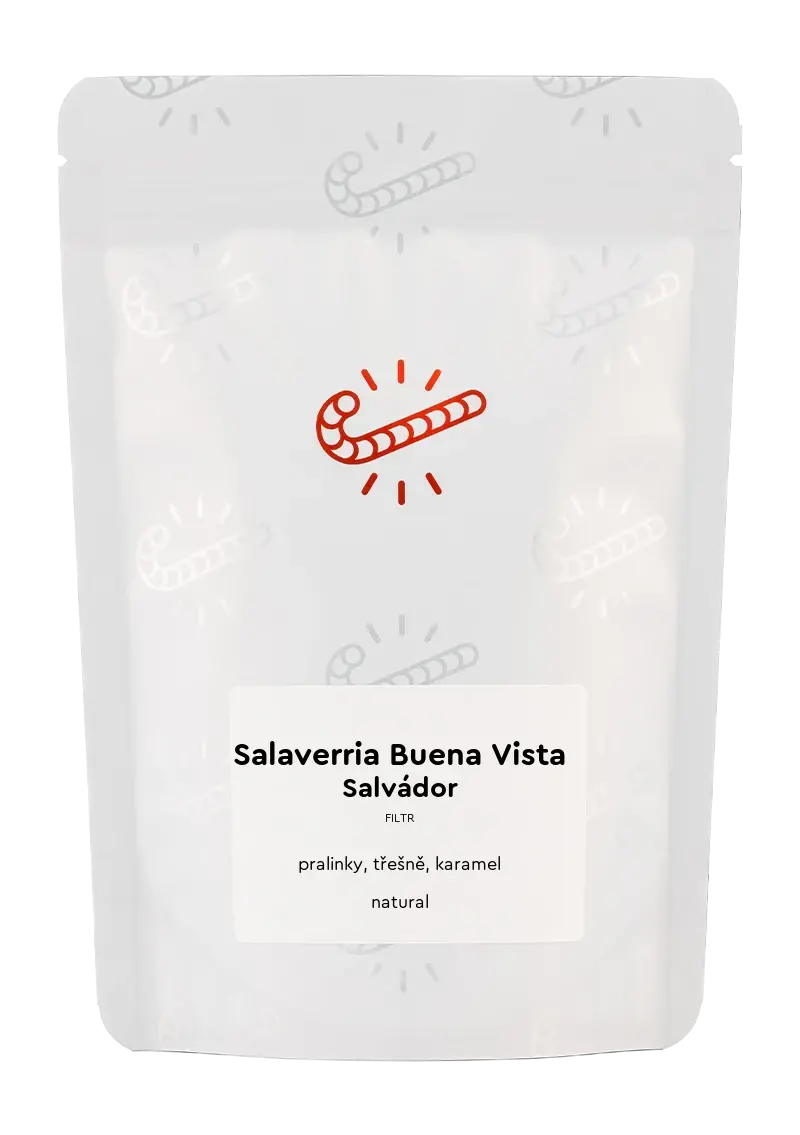
Buena Vista #1 is a single tablón (separated block) of the Salaverría family's Finca El Molino on the Santa Ana volcano; the sixth generation has split its farms into tablones by altitude and variety since 2011. A natural of Anacafé 14, Maragogype and Bourbon, cupped at 86.5: cherries, red apple, black plums and golden raisins with caramel, brown sugar and milk chocolate.
Pralines, cherries, caramel
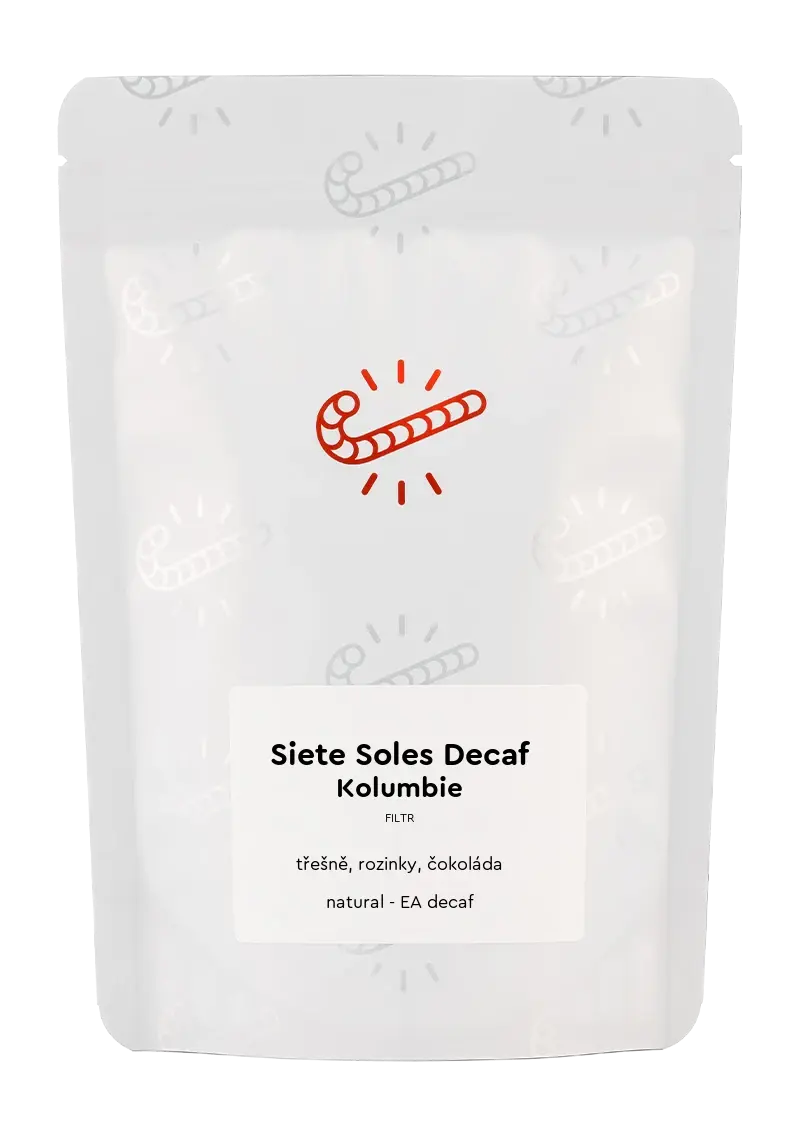
A specialty decaf from Acevedo in the Huila region, grown at around 1,800 m. Natural processed and then decaffeinated by the gentle sugarcane method (EA), using natural ethyl acetate derived from cane sugar, which preserves the original flavour profile and adds a pleasant sweetness. Dried blueberry, dark fruit and chocolate sweetness with a full, creamy body and a subtle fermented character — an interesting choice for decaf drinkers. 2025 harvest, cupping 86.5. Source: candycane.coffee.
Cherries, raisins, chocolate
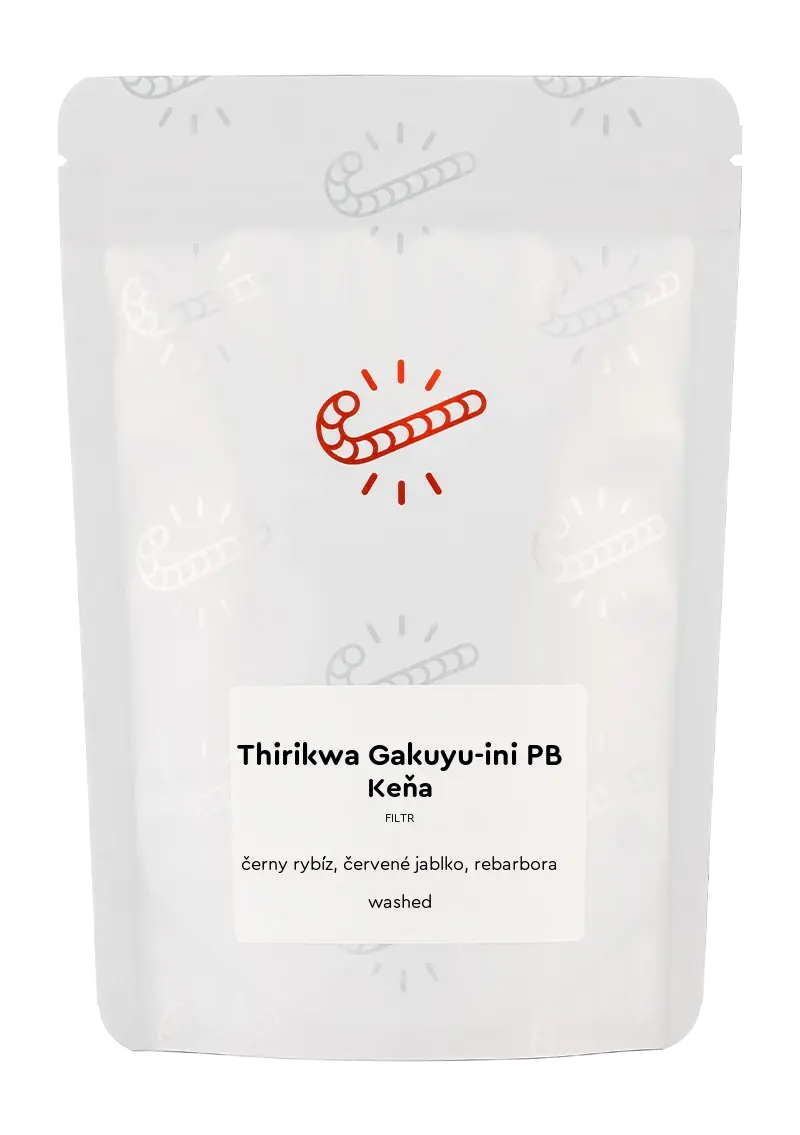
A peaberry lot from smallholders of the Thirikwa Farmers Cooperative Society, delivered to the Gakuyu-ini factory in Kirinyaga on the slopes of Mount Kenya at about 1,500–1,900 m. Washed. Cupped at 89: blackcurrant, red apple and juicy rhubarb with a floral touch and fresh, fruity acidity.
Blackcurrant, red apple, rhubarb