
Roasteries / Machhörndl Kaffee
Machhörndl Kaffee
Nürnberg, Germany
Specialty coffee roastery with an espresso and brew bar in Nürnberg-Gostenhof, roasting premium coffees since 2008. Sources seasonal, fully traceable green beans and favors gentle, light roasting to preserve each origin's characteristics. Also runs coffee bars inside Crämer & Co and Café & Bakery Bärenschanze elsewhere in Nürnberg.
37
coffees
Germany
base
Locations
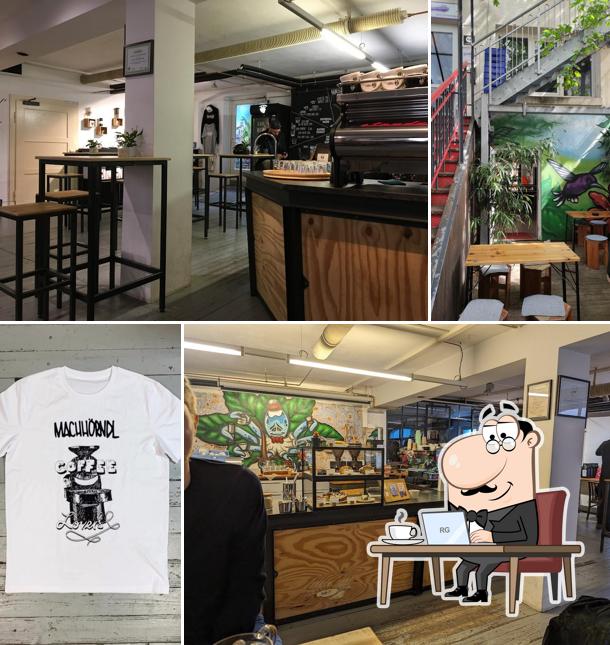
Machhörndl - Gostenhof (Rösterei)
Obere Kieselbergstr. 13, 90429 Nürnberg, GermanyMonday: 10:00-17:00 · Tuesday: 10:00-17:00 · Wednesday: 10:00-17:00 · Thursday: 10:00-17:00 · Friday: 10:00-16:00 · Saturday: 10:00-16:00 · Sunday: Closed
+49 911 2740664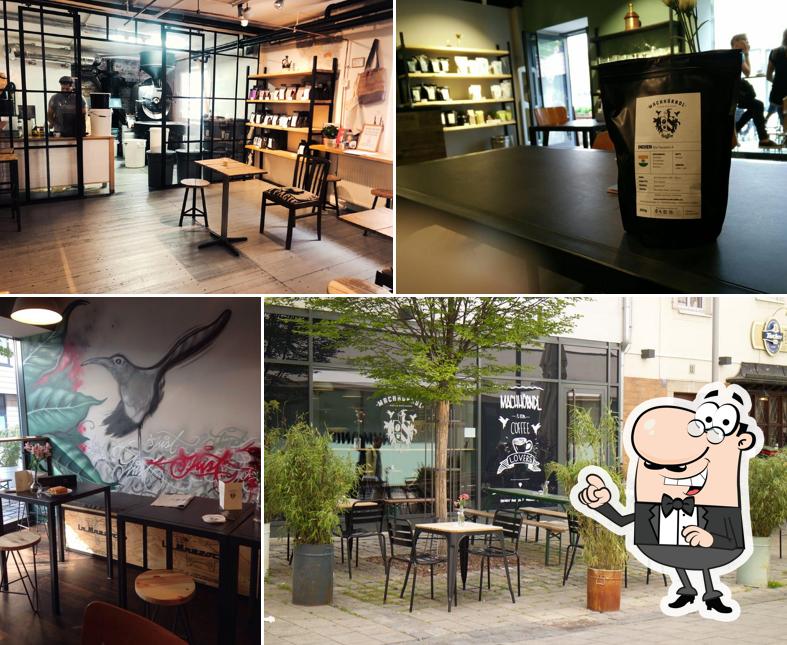
Machhörndl - Crämer & Co
Brunnengasse 7-9, 90402 Nürnberg, GermanyMonday: 10:00-18:00 · Tuesday: 10:00-18:00 · Wednesday: 10:00-18:00 · Thursday: 10:00-18:00 · Friday: 10:00-18:00 · Saturday: 10:00-18:00 · Sunday: Closed
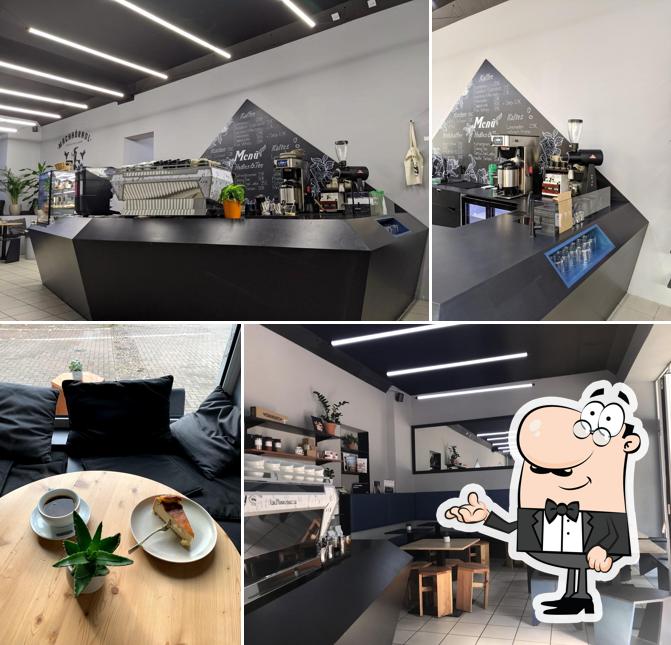
Machhörndl - Café & Bakery Bärenschanze
Fürther Straße 88a, 90429 Nürnberg, GermanyMonday: Closed · Tuesday: 10:00-18:00 · Wednesday: 10:00-18:00 · Thursday: 10:00-18:00 · Friday: 10:00-18:00 · Saturday: 10:00-18:00 · Sunday: 10:00-18:00
Coffees
37 coffees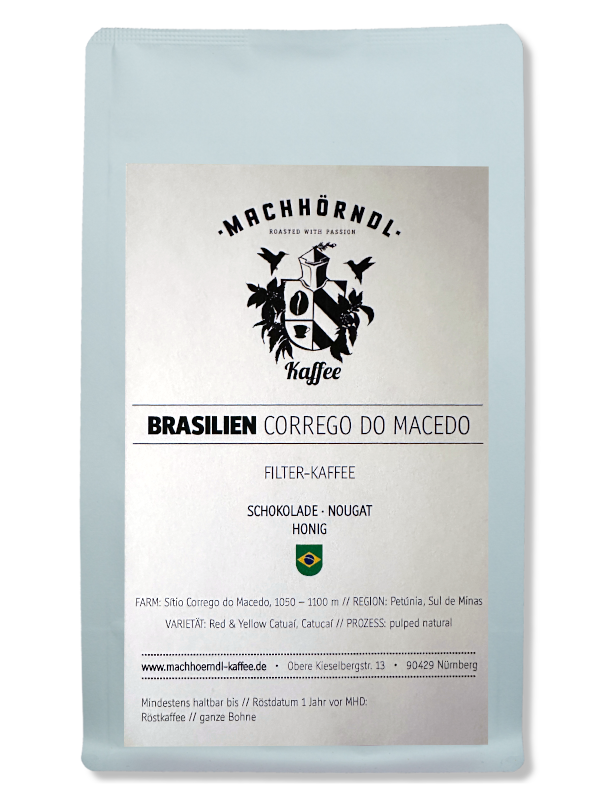
An 18-hectare family farm above Petúnia in southern Minas Gerais, bought by Edson Candido de Oliveira's father in 1974. Edson has grown coffee for over thirty years and now runs it with his son Walyson, who is training as a coffee agronomist; recent investment in a washing station that separates ripe from unripe cherries has lifted consistency and quality.
Chocolate, nougat, honey
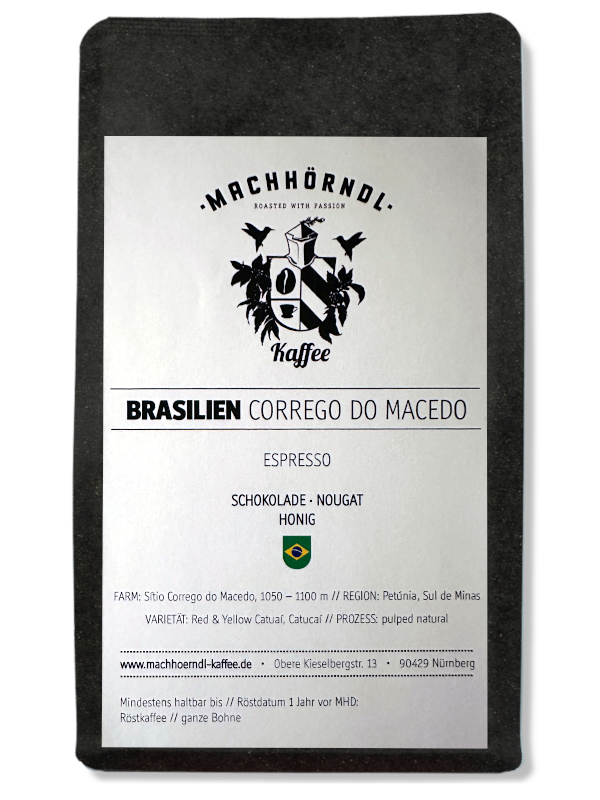
An 18-hectare family farm above Petúnia in southern Minas Gerais, bought by Edson Candido de Oliveira's father in 1974. Edson has grown coffee for over thirty years and now runs it with his son Walyson, who is training as a coffee agronomist; recent investment in a washing station that separates ripe from unripe cherries has lifted consistency and quality.
Chocolate, nougat, honey
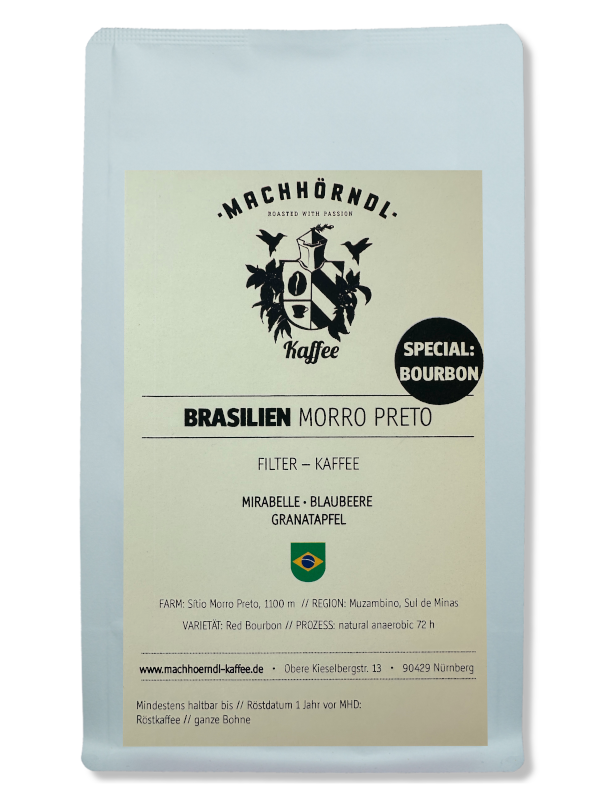
Tiago de Almeida's family has grown coffee on Sítio Morro Preto for more than 80 years, since his great-grandfather Joaquim, who emigrated from Portugal as a child, bought a small plot with his first earnings. Today Tiago and his brother Renato focus on specialty lots with different varieties and fermentations; this Red Bourbon spent 72 hours in anaerobic fermentation before drying as a natural.
Mirabelle, blueberry, pomegranate
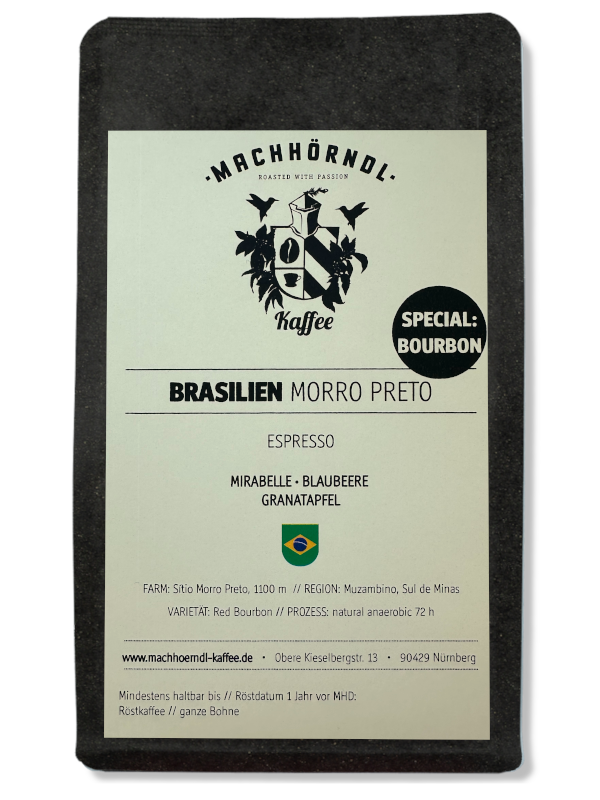
Tiago de Almeida's family has grown coffee on Sítio Morro Preto for more than 80 years, since his great-grandfather Joaquim, who emigrated from Portugal as a child, bought a small plot with his first earnings. Today Tiago and his brother Renato focus on specialty lots with different varieties and fermentations; this Red Bourbon spent 72 hours in anaerobic fermentation before drying as a natural.
Mirabelle, blueberry, pomegranate
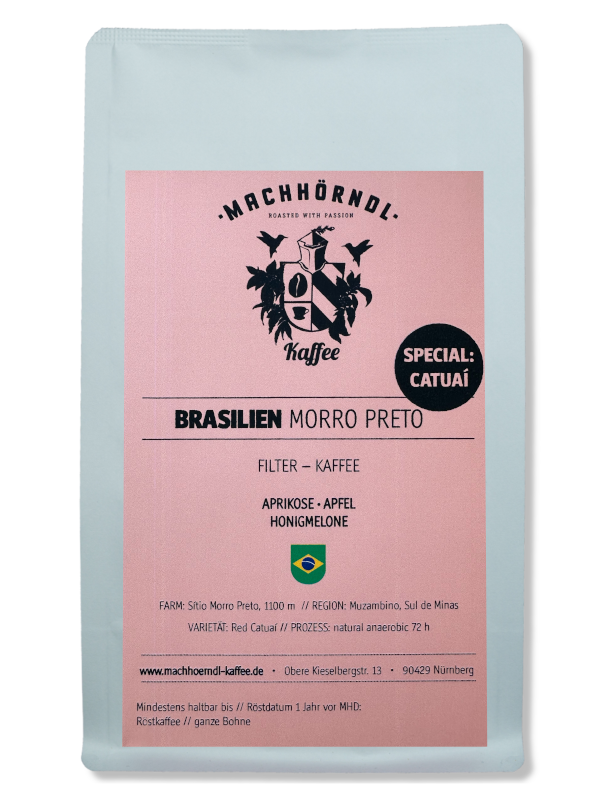
The Red Catuaí companion to the Morro Preto Bourbon, from the same fourth-generation family farm in Muzambinho run by Tiago de Almeida and his brother Renato. Same 72-hour anaerobic natural fermentation, but a gentler, orchard-fruit cup of apricot, apple and honeydew.
Apricot, apple, honeydew melon
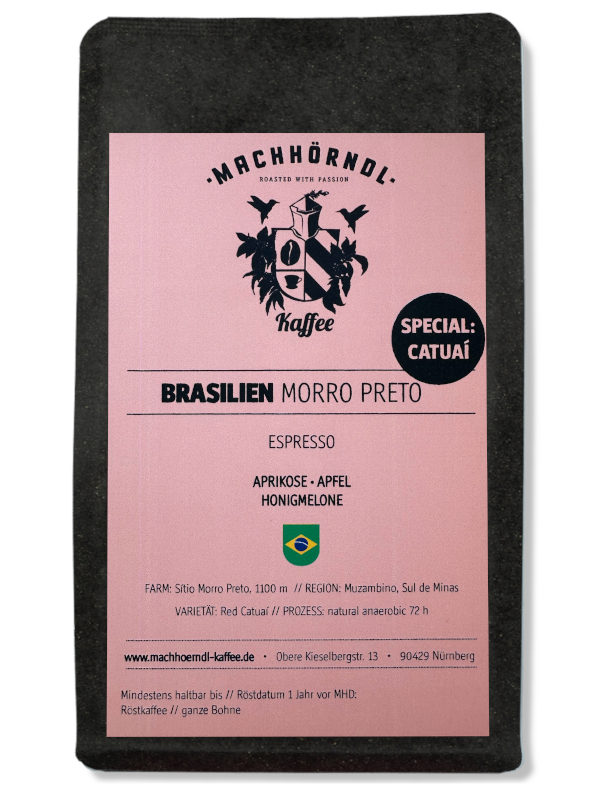
The Red Catuaí companion to the Morro Preto Bourbon, from the same fourth-generation family farm in Muzambinho run by Tiago de Almeida and his brother Renato. Same 72-hour anaerobic natural fermentation, but a gentler, orchard-fruit cup of apricot, apple and honeydew.
Apricot, apple, honeydew melon
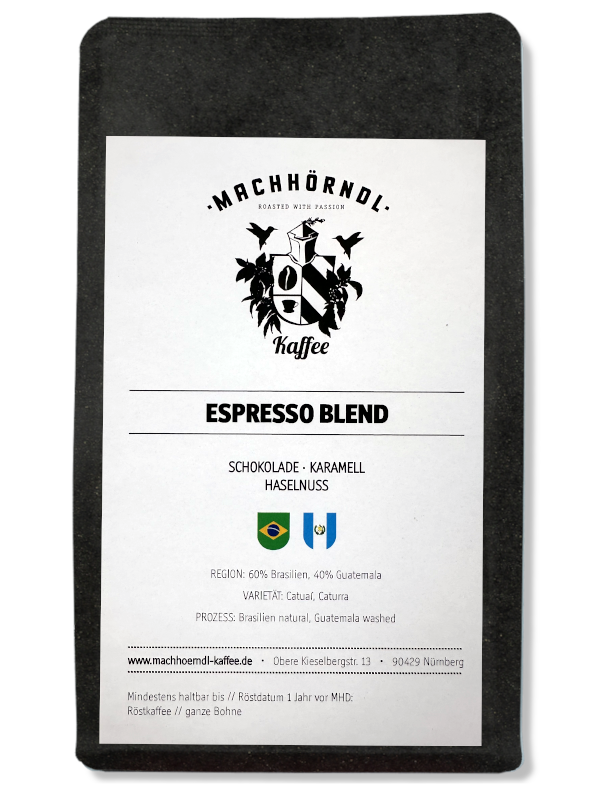
Machhörndl's house espresso blend, built from fresh seasonal coffees; the current mix is 60% natural Brazil and 40% washed Guatemala. Full of chocolate, with caramel and hazelnut.
Chocolate, caramel, hazelnut
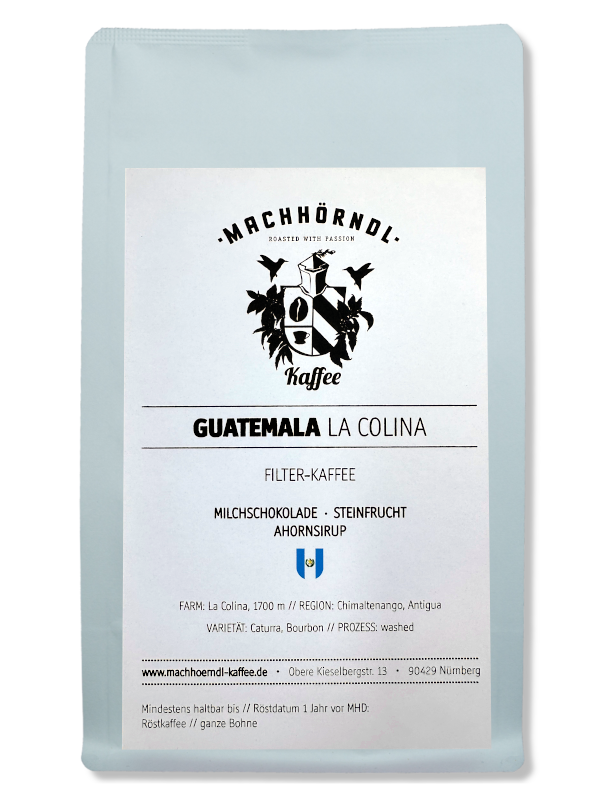
Finca La Colina ("the hill") lies on the slopes of Chimaltenango, about 20 km north-west of Antigua. Antonio Medina inherited it from his father, who grew beans and grain before working on other coffee farms and planting his own first coffee in 1991; today the whole farm is given over to quality arabica. Filter roast only this season.
Milk chocolate, stone fruit, maple syrup
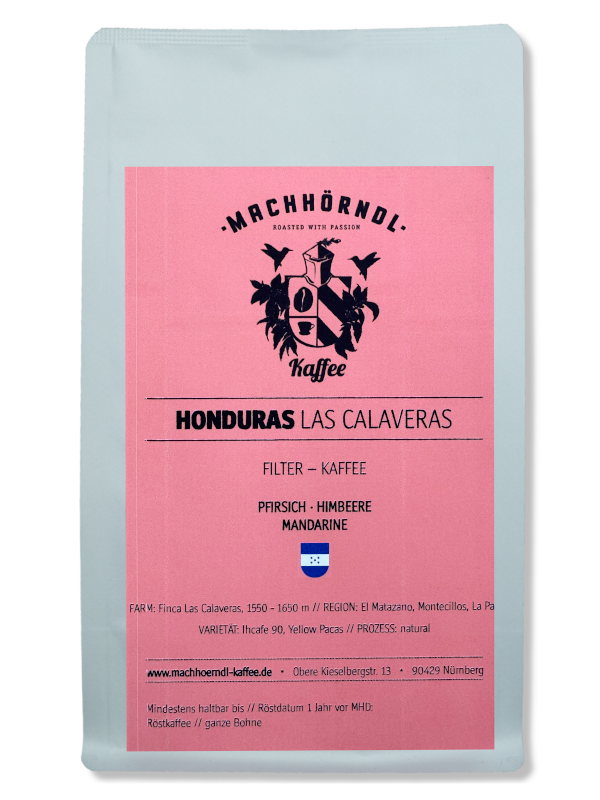
A 12-hectare second-generation family farm run by Carlos Alonso Castillo in El Matazano, in the Montecillos region of La Paz. It concentrates on IHCAFE 90 and Yellow Pacas and regularly scores above 85 points; the Castillo family also grows plantains, both to sell and to eat.
Peach, raspberry, mandarin
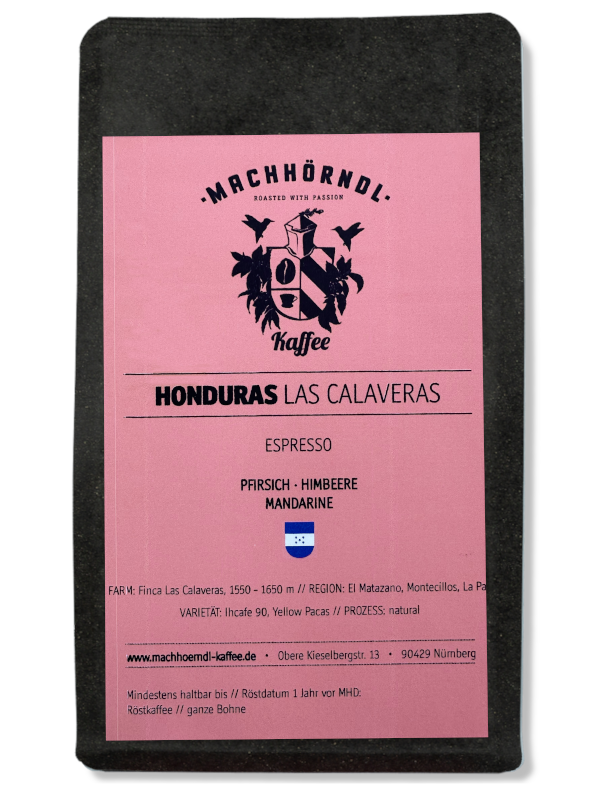
A 12-hectare second-generation family farm run by Carlos Alonso Castillo in El Matazano, in the Montecillos region of La Paz. It concentrates on IHCAFE 90 and Yellow Pacas and regularly scores above 85 points; the Castillo family also grows plantains, both to sell and to eat.
Peach, raspberry, mandarin
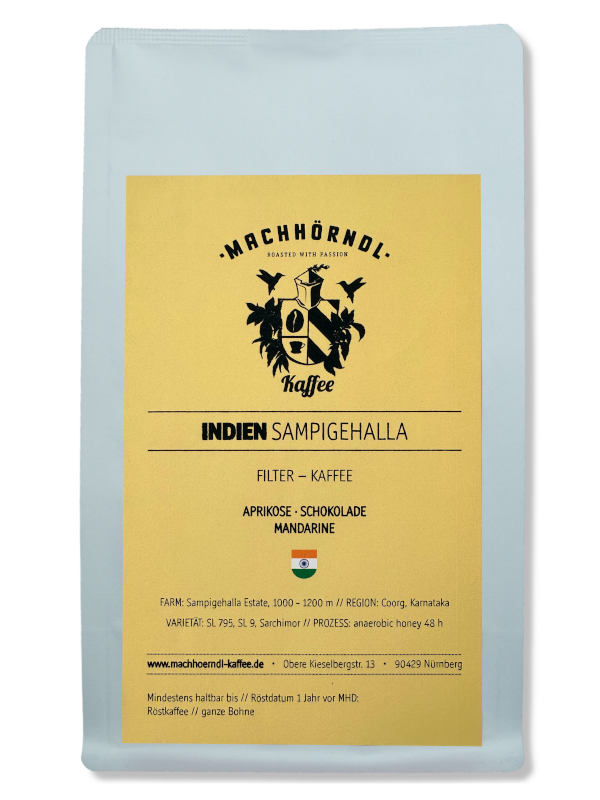
The Bopanna Iychetira family has farmed arabica and robusta in Coorg, India's largest and oldest coffee region, for four generations, under a multi-storey rainforest canopy alongside pepper vines and orange trees, with beehives on the estate. Whole cherries ferment for 48 hours in sealed tanks with one-way valves, are then pulped and dried as a honey on raised beds.
Apricot, chocolate, mandarin
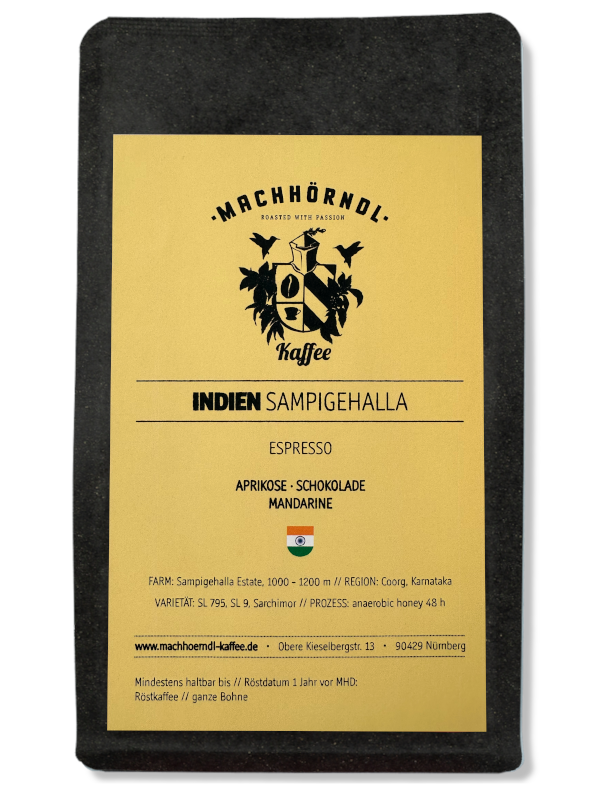
The Bopanna Iychetira family has farmed arabica and robusta in Coorg, India's largest and oldest coffee region, for four generations, under a multi-storey rainforest canopy alongside pepper vines and orange trees, with beehives on the estate. Whole cherries ferment for 48 hours in sealed tanks with one-way valves, are then pulped and dried as a honey on raised beds.
Apricot, chocolate, mandarin
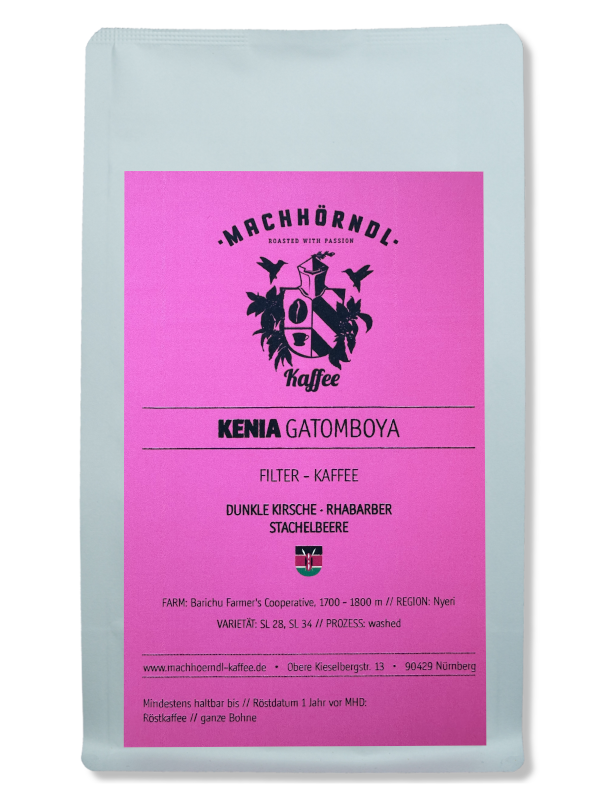
More than 600 mostly Kikuyu farmers around Nyeri at the foot of Mount Kenya, whose holdings are counted in trees rather than hectares. The nearby Gatomboya river ("swampland" in Kikuyu) gives the coffee its name and its washing water; the cooperative's mill on the Nairobi-Addis highway even runs a small café for passing travellers.
Dark cherry, rhubarb, gooseberry
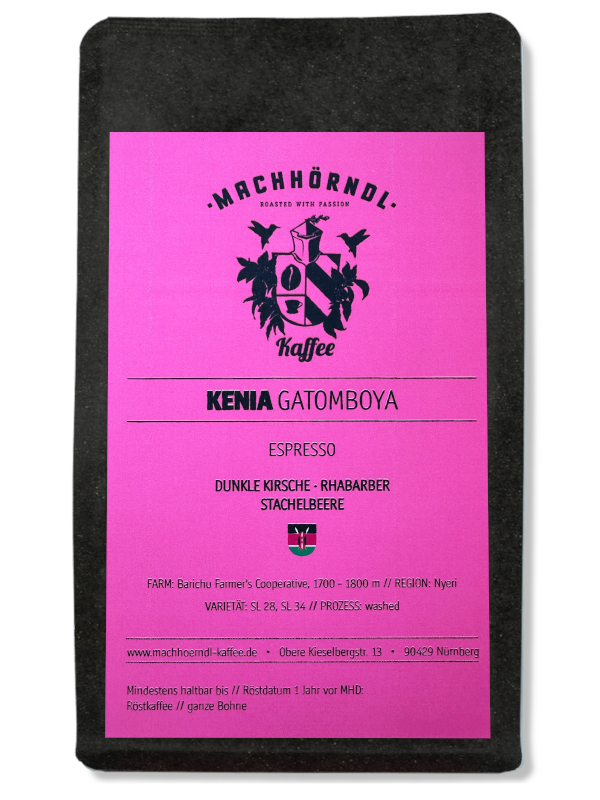
More than 600 mostly Kikuyu farmers around Nyeri at the foot of Mount Kenya, whose holdings are counted in trees rather than hectares. The nearby Gatomboya river ("swampland" in Kikuyu) gives the coffee its name and its washing water; the cooperative's mill on the Nairobi-Addis highway even runs a small café for passing travellers.
Dark cherry, rhubarb, gooseberry
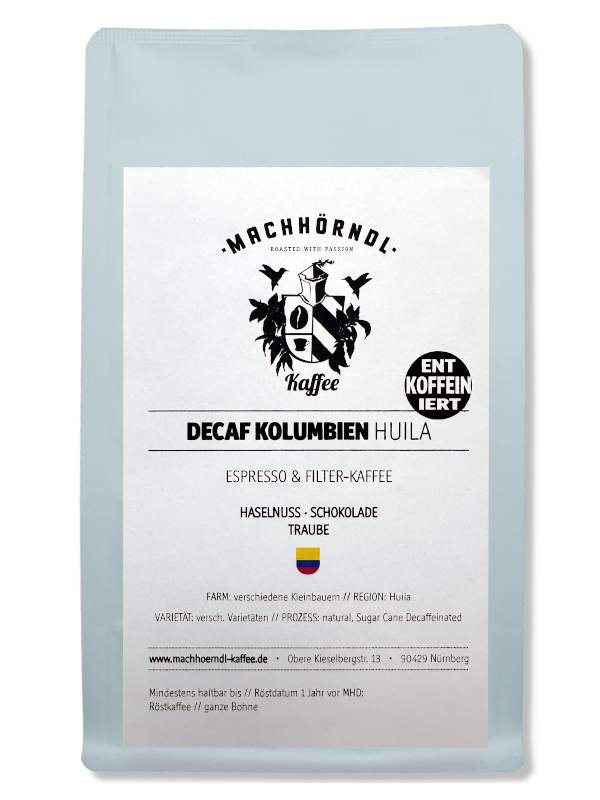
A Huila decaf for both filter and espresso, decaffeinated with ethyl acetate made from Colombian sugarcane molasses. The beans are steamed and soaked in cycles that pull out about 97% of the caffeine, then steamed again to remove the solvent; the method keeps a pleasant sweetness that suits Colombian coffee.
Hazelnut, chocolate, grape
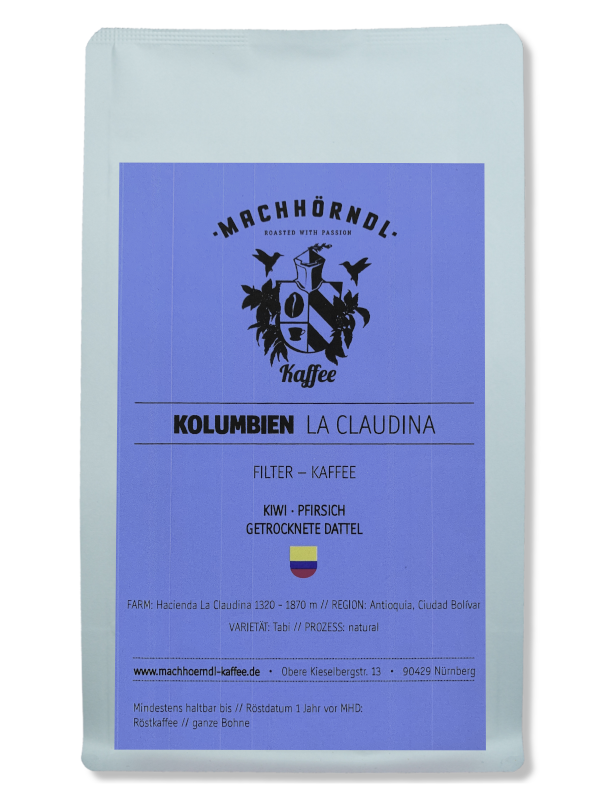
A new harvest of Machhörndl's long-time favourite Colombian natural. Hacienda La Claudina lies in the traditional coffee town of Ciudad Bolívar, about 100 km south-west of Medellín, looking out over the Farallones del Citará range; nearly 60 pickers work the harvest, and the farm runs several micro-lots and processes.
Kiwi, peach, dried date
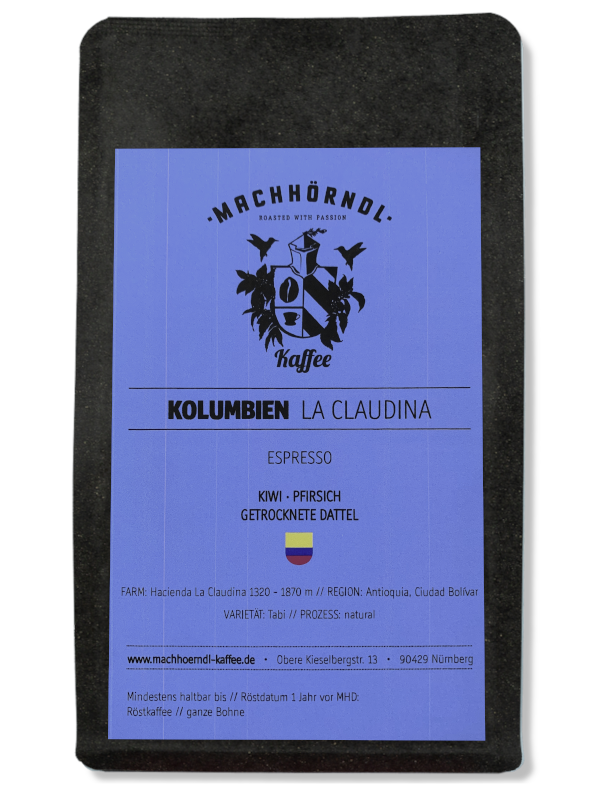
A new harvest of Machhörndl's long-time favourite Colombian natural. Hacienda La Claudina lies in the traditional coffee town of Ciudad Bolívar, about 100 km south-west of Medellín, looking out over the Farallones del Citará range; nearly 60 pickers work the harvest, and the farm runs several micro-lots and processes.
Kiwi, peach, dried date
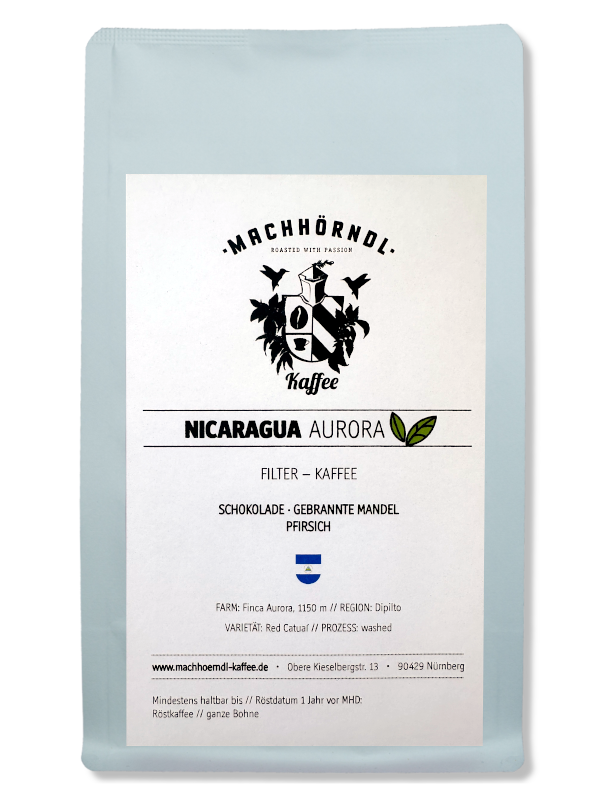
Finca Aurora, on the Honduran border in Dipilto, has been farmed for specialty coffee since 2003 by the Austrian Ulrich Salamun: a small nature reserve of streams and shade trees full of birds. Hand-picked, washed and sun-dried on the farm, then rested at least six weeks to stabilise moisture before shipping in GrainPro bags.
Chocolate, roasted almond, peach
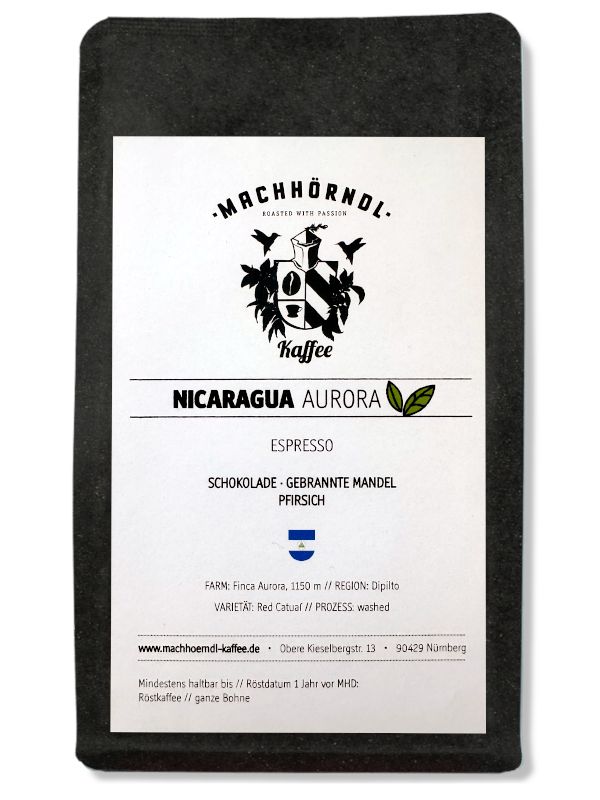
Finca Aurora, on the Honduran border in Dipilto, has been farmed for specialty coffee since 2003 by the Austrian Ulrich Salamun: a small nature reserve of streams and shade trees full of birds. Hand-picked, washed and sun-dried on the farm, then rested at least six weeks to stabilise moisture before shipping in GrainPro bags.
Chocolate, roasted almond, peach
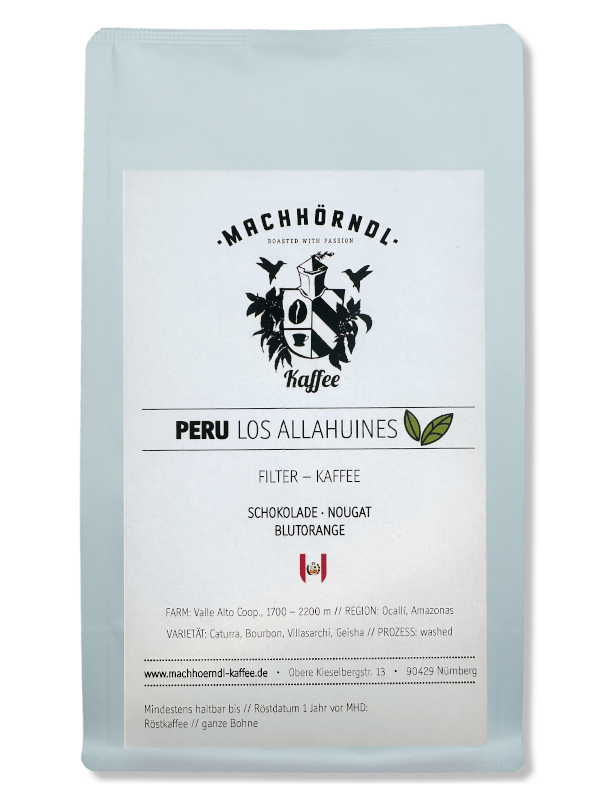
Los Allahuines is the name the producers of Ocallí district go by, after a tale of magical beings in the Higuer mountains of Amazonas. Through the Alto Marañón Project they have had three years of technical support, moving beyond Catimor into other varieties and raising both quality and yield; the Valle Alto cooperative also helps them access Agrobanco credit and state funding.
Chocolate, nougat, blood orange
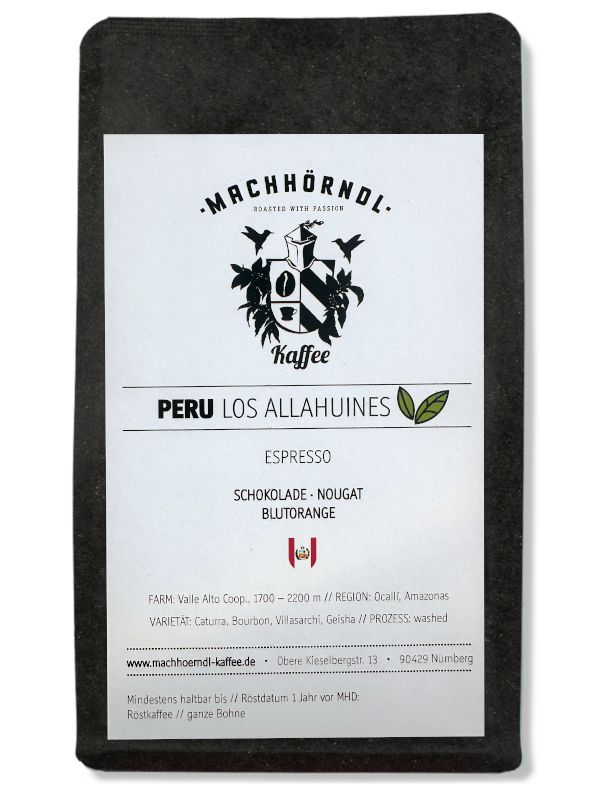
Los Allahuines is the name the producers of Ocallí district go by, after a tale of magical beings in the Higuer mountains of Amazonas. Through the Alto Marañón Project they have had three years of technical support, moving beyond Catimor into other varieties and raising both quality and yield; the Valle Alto cooperative also helps them access Agrobanco credit and state funding.
Chocolate, nougat, blood orange
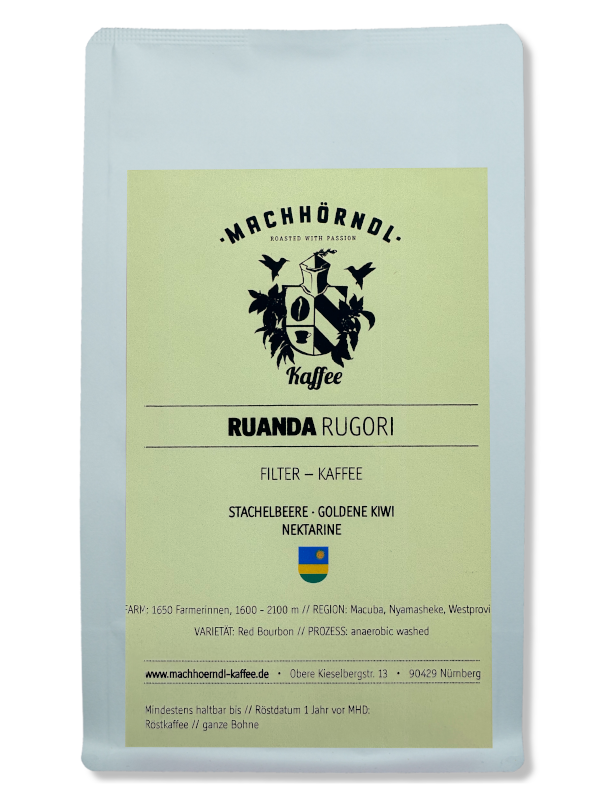
An experimental lot grown and processed entirely by women: they do most of the work in Rwandan coffee yet see little of the income. It is named after the "urugori", the crown a Rwandan woman receives after her first child as a sign of respect for her place in society.
Gooseberry, golden kiwi, nectarine
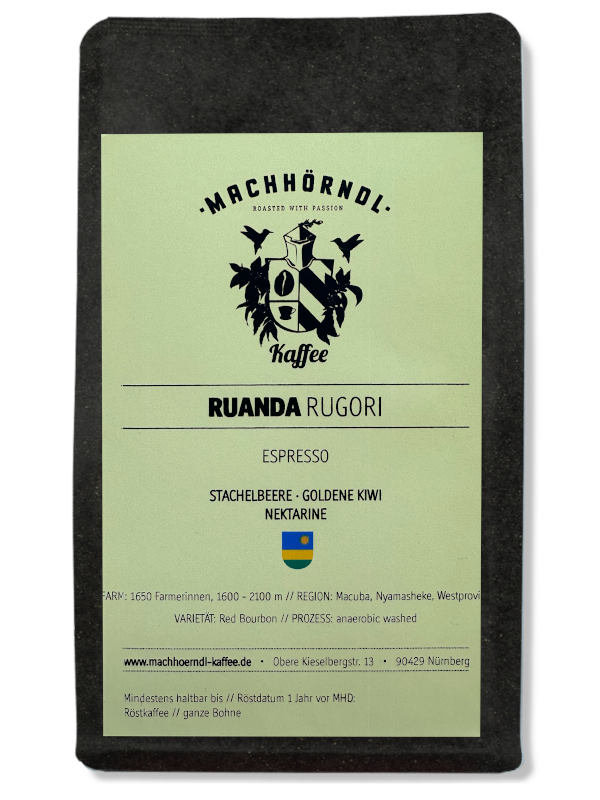
An experimental lot grown and processed entirely by women: they do most of the work in Rwandan coffee yet see little of the income. It is named after the "urugori", the crown a Rwandan woman receives after her first child as a sign of respect for her place in society.
Gooseberry, golden kiwi, nectarine
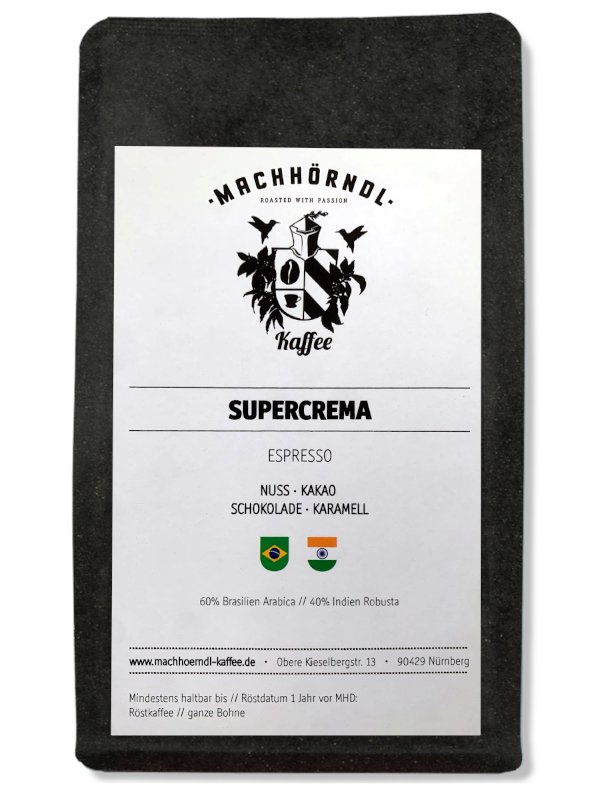
The classic crema blend: 60% Brazilian arabica with 40% Indian robusta for body, nutty cocoa flavours and a thick crema.
Nuts, cocoa, chocolate, caramel
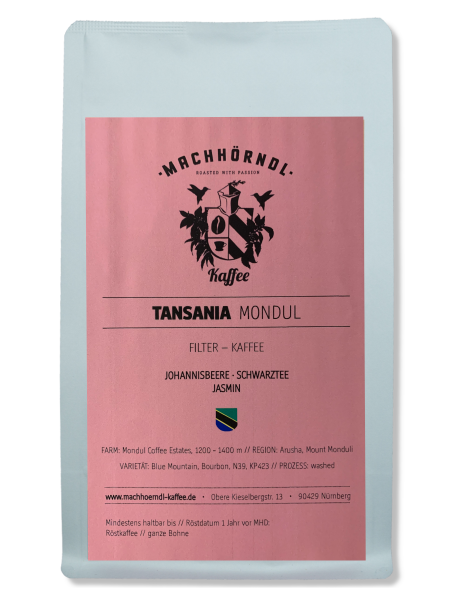
The washed Mondul lot from Burka Coffee Estates in northern Tanzania, founded by German settlers in 1899 and named after the springs that water it and its neighbours; Swiss investors have run it since 1929. Some 302 hectares of shade-grown arabica at the foot of Mount Meru, with over 200 permanent staff and 2,000 seasonal pickers.
Redcurrant, black tea, jasmine
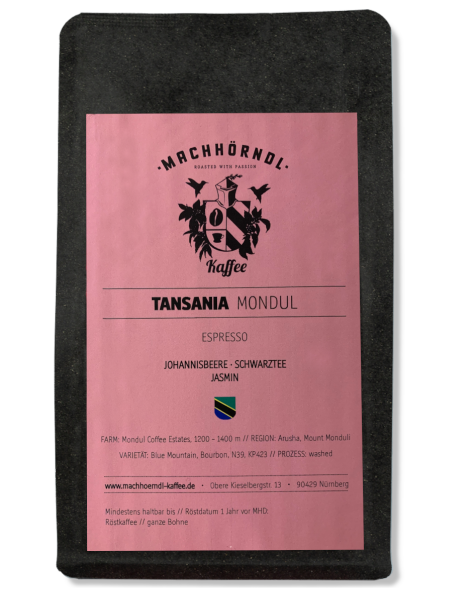
The washed Mondul lot from Burka Coffee Estates in northern Tanzania, founded by German settlers in 1899 and named after the springs that water it and its neighbours; Swiss investors have run it since 1929. Some 302 hectares of shade-grown arabica at the foot of Mount Meru, with over 200 permanent staff and 2,000 seasonal pickers.
Redcurrant, black tea, jasmine
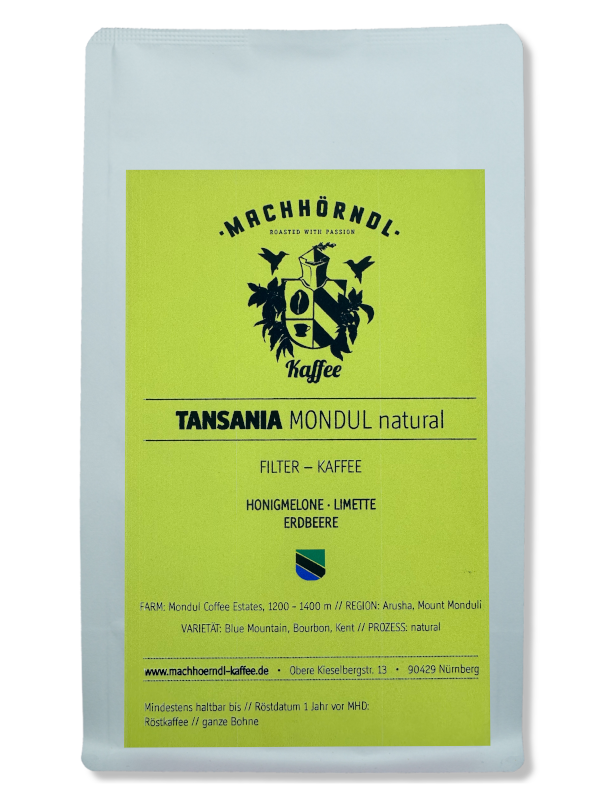
Founded in 1931 by Count Vittorio Davico di Quittengo on the then-uninhabited slopes of the Monduli mountains, and run by Burka Estates since 2007. The 500-hectare estate borders a forest reserve where elephants and buffalo roam, employs 119 permanent staff from Maasai, Chaga and Arusha communities, and keeps its own cattle herd for manure alongside agroforestry.
Honeydew melon, lime, strawberry
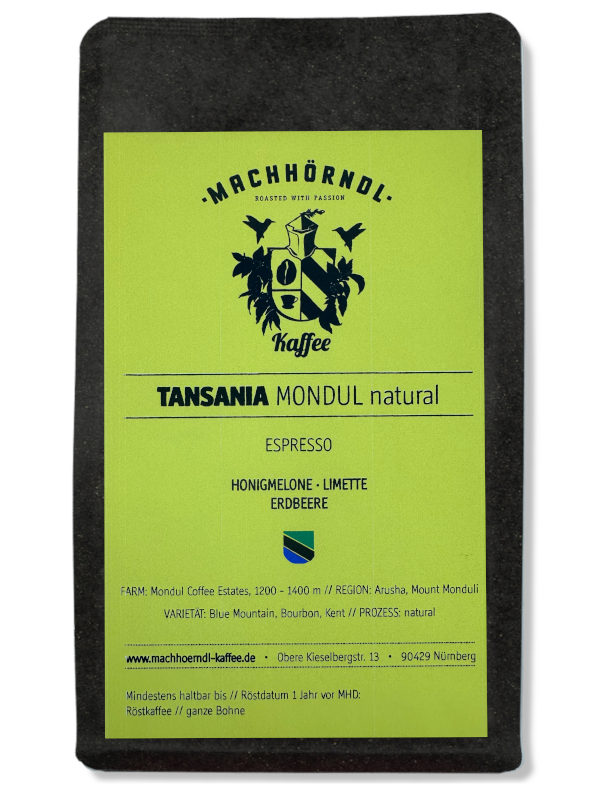
Founded in 1931 by Count Vittorio Davico di Quittengo on the then-uninhabited slopes of the Monduli mountains, and run by Burka Estates since 2007. The 500-hectare estate borders a forest reserve where elephants and buffalo roam, employs 119 permanent staff from Maasai, Chaga and Arusha communities, and keeps its own cattle herd for manure alongside agroforestry.
Honeydew melon, lime, strawberry
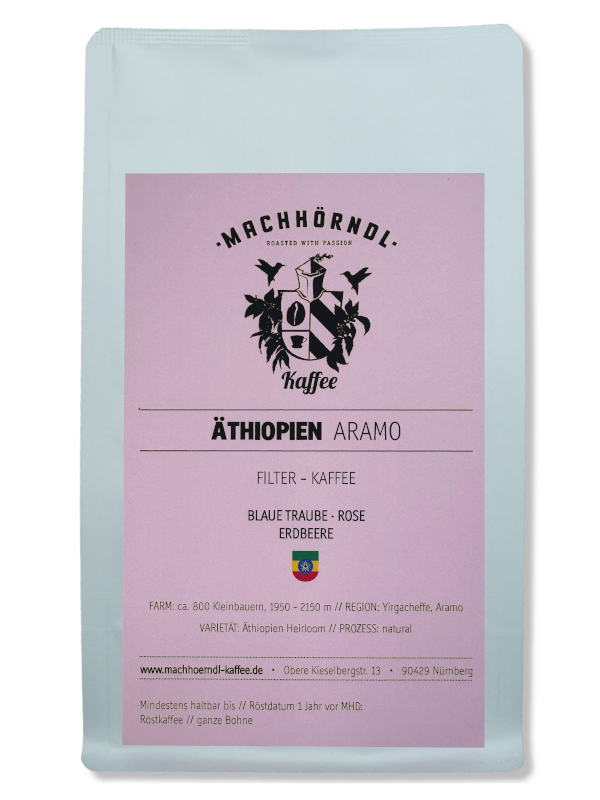
Smallholders in the Yirgacheffe highlands around Aricha bring their cherries to the Aramo washing station, where only the ripest are sorted out and dried whole in the sun on African beds for 15 to 20 days, turned constantly through the day. As they dry, the beans take up sugars from the fruit, which gives the cup its sweet, fruity character; the cherries are hulled once they reach about 13% moisture.
Blue grape, rose, strawberry
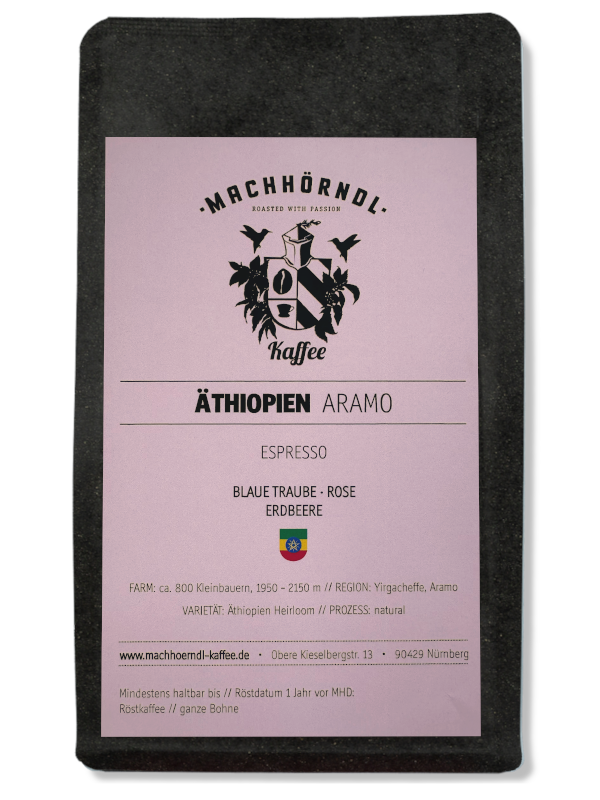
Smallholders in the Yirgacheffe highlands around Aricha bring their cherries to the Aramo washing station, where only the ripest are sorted out and dried whole in the sun on African beds for 15 to 20 days, turned constantly through the day. As they dry, the beans take up sugars from the fruit, which gives the cup its sweet, fruity character; the cherries are hulled once they reach about 13% moisture.
Blue grape, rose, strawberry
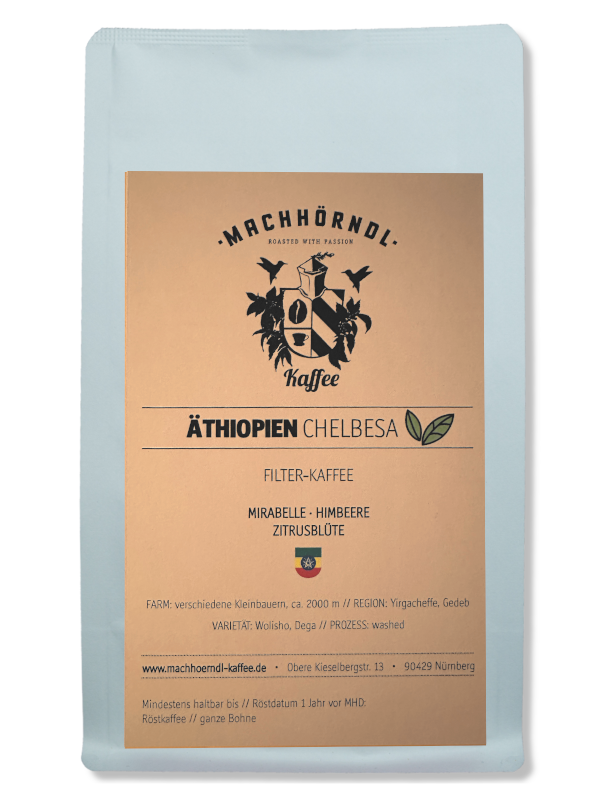
The Chelbesa washing station in Gedeb, one of the best growing districts of the woreda, sits among dense, layered vegetation of false banana and shade-grown coffee. SNAP Specialty Coffee built it in 2019 to process only ripe red cherries from 765 surrounding farmers. Its ceramic fermentation tanks hold heat, which speeds up fermentation and gives a particularly clean cup.
Mirabelle, raspberry, citrus blossom
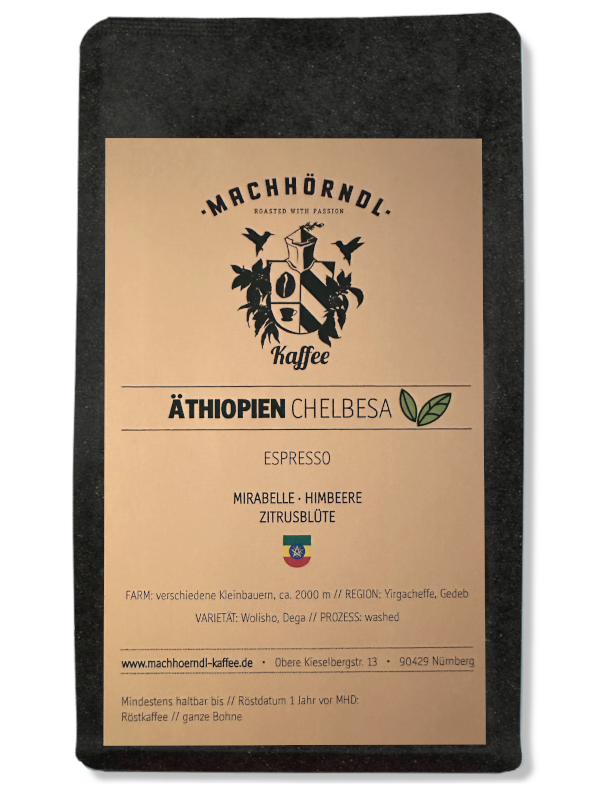
The Chelbesa washing station in Gedeb, one of the best growing districts of the woreda, sits among dense, layered vegetation of false banana and shade-grown coffee. SNAP Specialty Coffee built it in 2019 to process only ripe red cherries from 765 surrounding farmers. Its ceramic fermentation tanks hold heat, which speeds up fermentation and gives a particularly clean cup.
Mirabelle, raspberry, citrus blossom
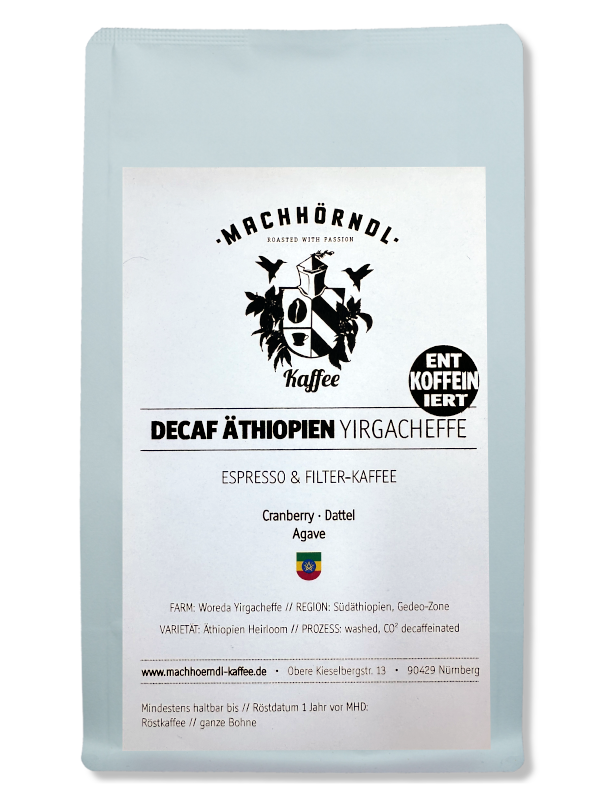
A Yirgacheffe decaf for both filter and espresso. The green beans are steamed, then put in a steel tank with supercritical CO2 under pressure, which dissolves only the caffeine and leaves the other aroma compounds in the bean, so the cup stays as close as possible to the original.
Cranberry, date, agave
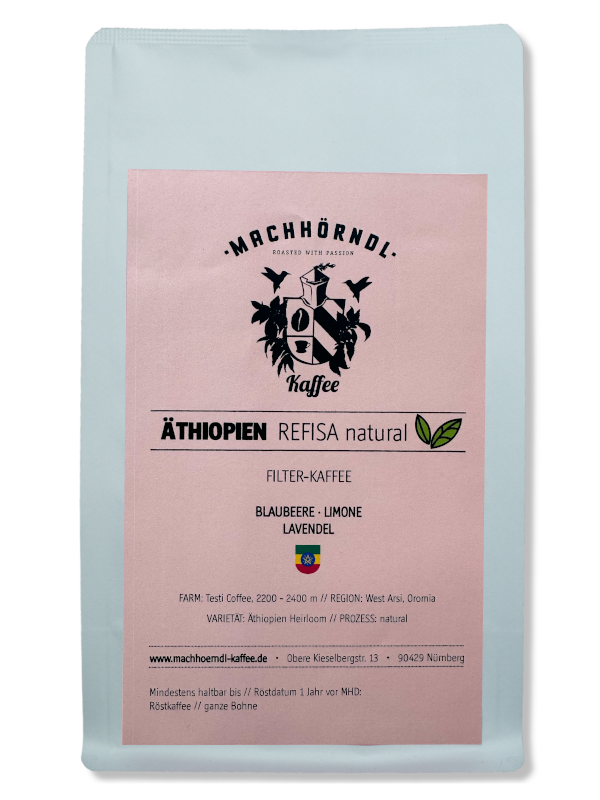
From the Refisa processing site that the family-run Testi Coffee built in the kebele of the same name in Nensebo, West Arsi, more than 400 km south of Addis Ababa. Over 600 farmers bring their cherries here, grown above 2,200 m by traditional methods without synthetic pesticides or fertiliser. This is the natural lot, dried as whole cherries; Machhörndl roasts the washed lot from the same station alongside it so the two processes can be tasted side by side.
Blueberry, lime, lavender
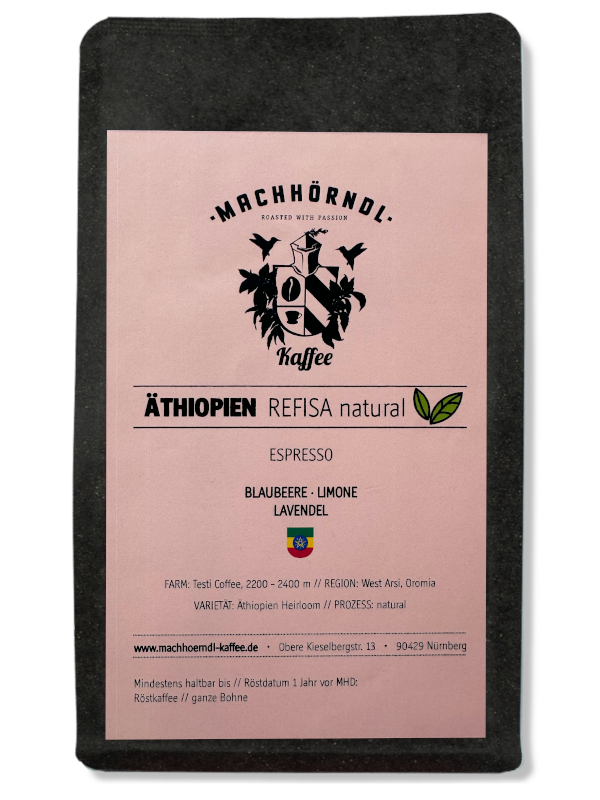
From the Refisa processing site that the family-run Testi Coffee built in the kebele of the same name in Nensebo, West Arsi, more than 400 km south of Addis Ababa. Over 600 farmers bring their cherries here, grown above 2,200 m by traditional methods without synthetic pesticides or fertiliser. This is the natural lot, dried as whole cherries; Machhörndl roasts the washed lot from the same station alongside it so the two processes can be tasted side by side.
Blueberry, lime, lavender
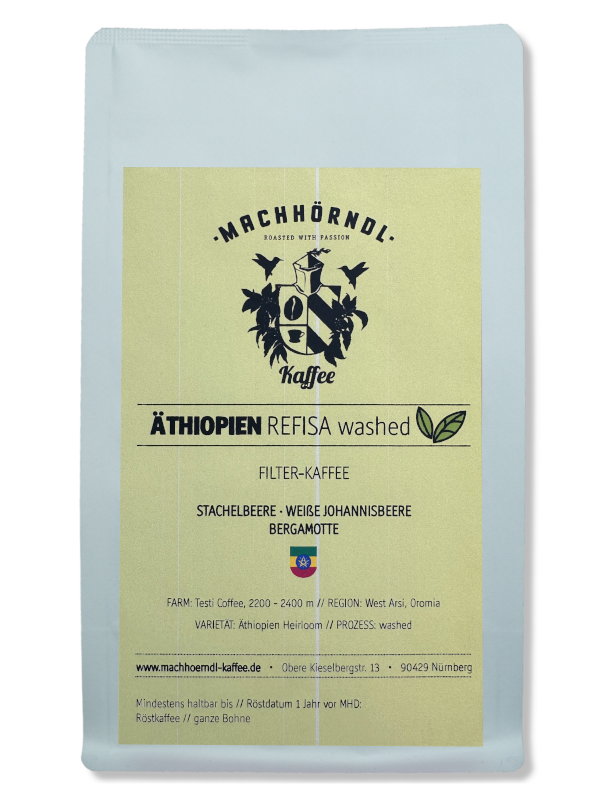
The washed twin of the Refisa natural: same Testi Coffee station in Nensebo, West Arsi, same 600-plus farmers growing above 2,200 m without synthetic inputs, but the fruit is removed before drying. Bright gooseberry, white currant and bergamot, and a clean contrast to the natural.
Gooseberry, white currant, bergamot
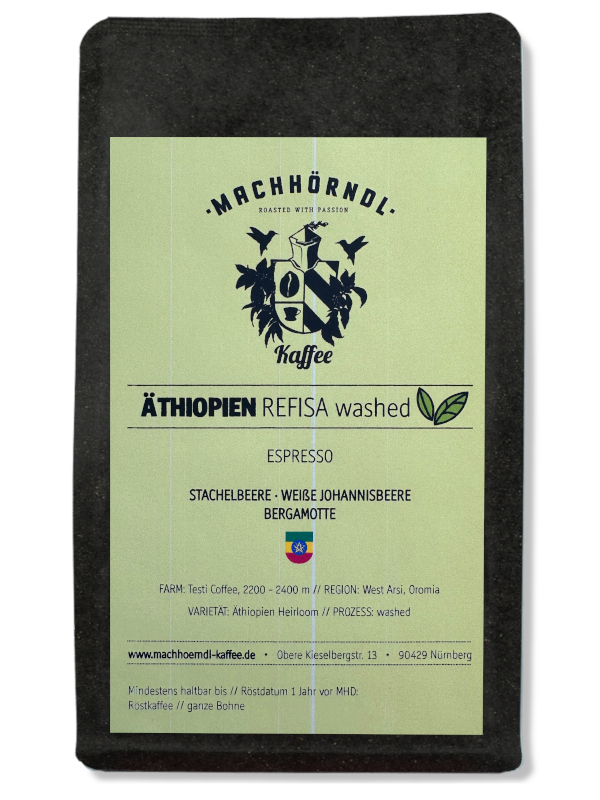
The washed twin of the Refisa natural: same Testi Coffee station in Nensebo, West Arsi, same 600-plus farmers growing above 2,200 m without synthetic inputs, but the fruit is removed before drying. Bright gooseberry, white currant and bergamot, and a clean contrast to the natural.
Gooseberry, white currant, bergamot