
Roasteries / The Boy & The Bear

The Boy & The Bear
Redondo Beach, Los Angeles, CA
The Boy & The Bear is a Los Angeles coffee roaster and café brand built on direct-trade relationships with Colombian coffee growers, sourcing rare and experimental lots alongside its own house blends. Founded by Andrés Piñeros — who grew up drinking commodity-grade coffee in Villavicencio, Colombia before a specialty-coffee awakening in Sweden sent him to Los Angeles to study the craft — the company roasts its beans at its Redondo Beach flagship, the Black Store. Each café carries its own color-coded identity — the Grey, White, Green, Casavieja, and Blue Stores across LA, plus a new Little Italy Store in San Diego — reflecting the founder's background as a musician and graphic designer.
12
coffees
CA
base
Photos
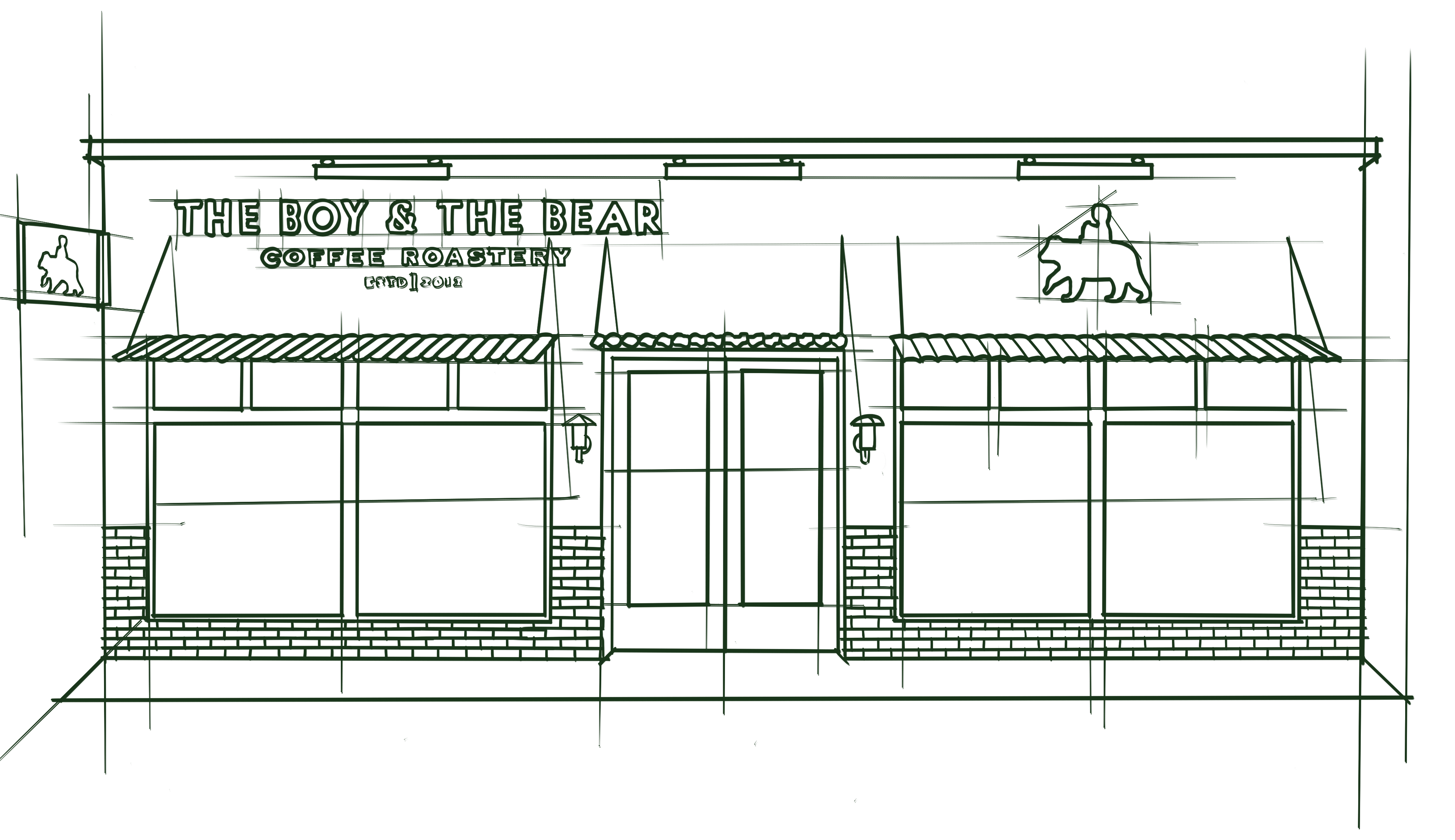
Locations
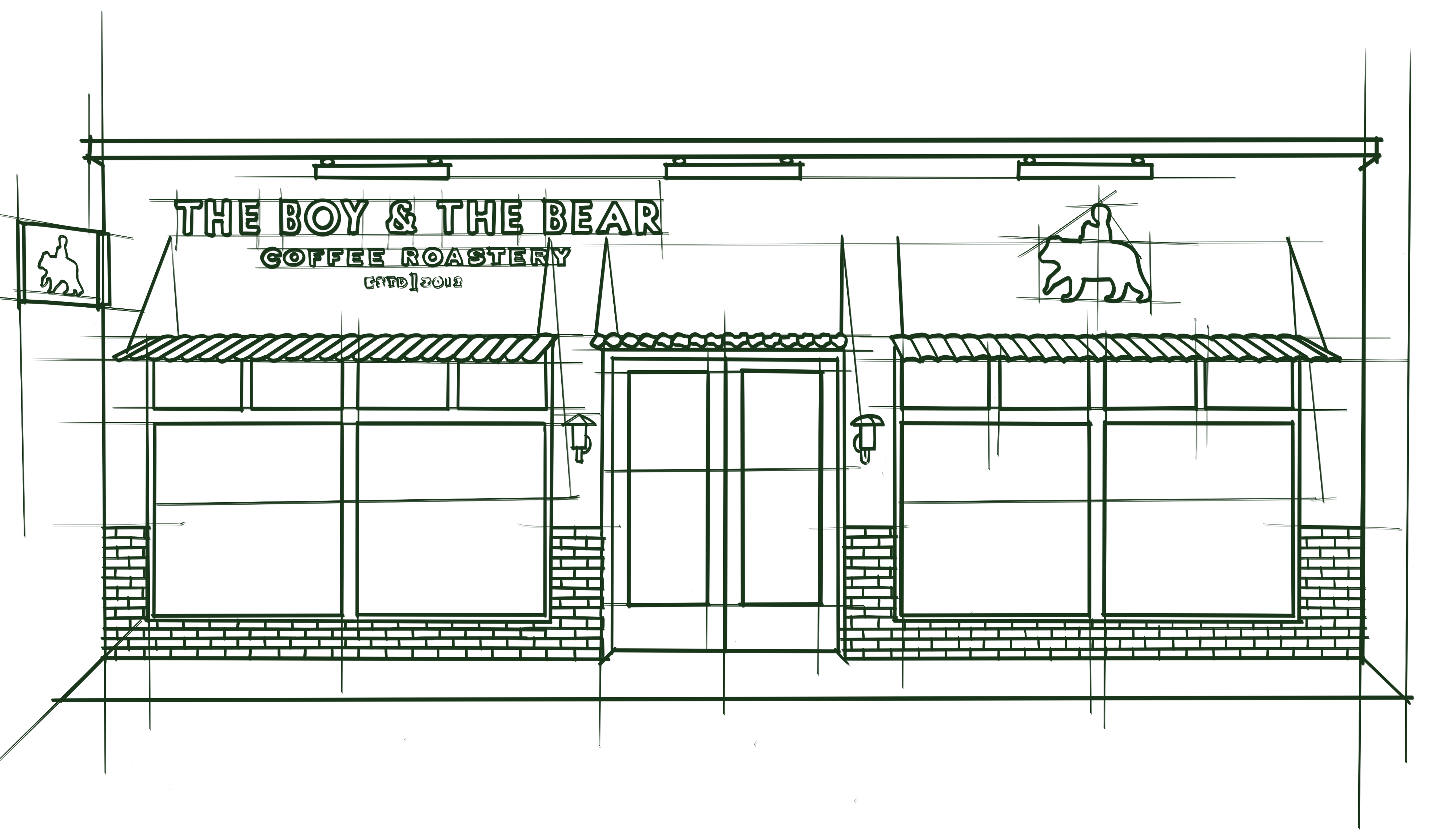
The Black Store — Redondo Beach
350 N Pacific Coast Hwy, Redondo Beach, CA 90277Daily 7:00am–4:00pm
+1 424-206-4866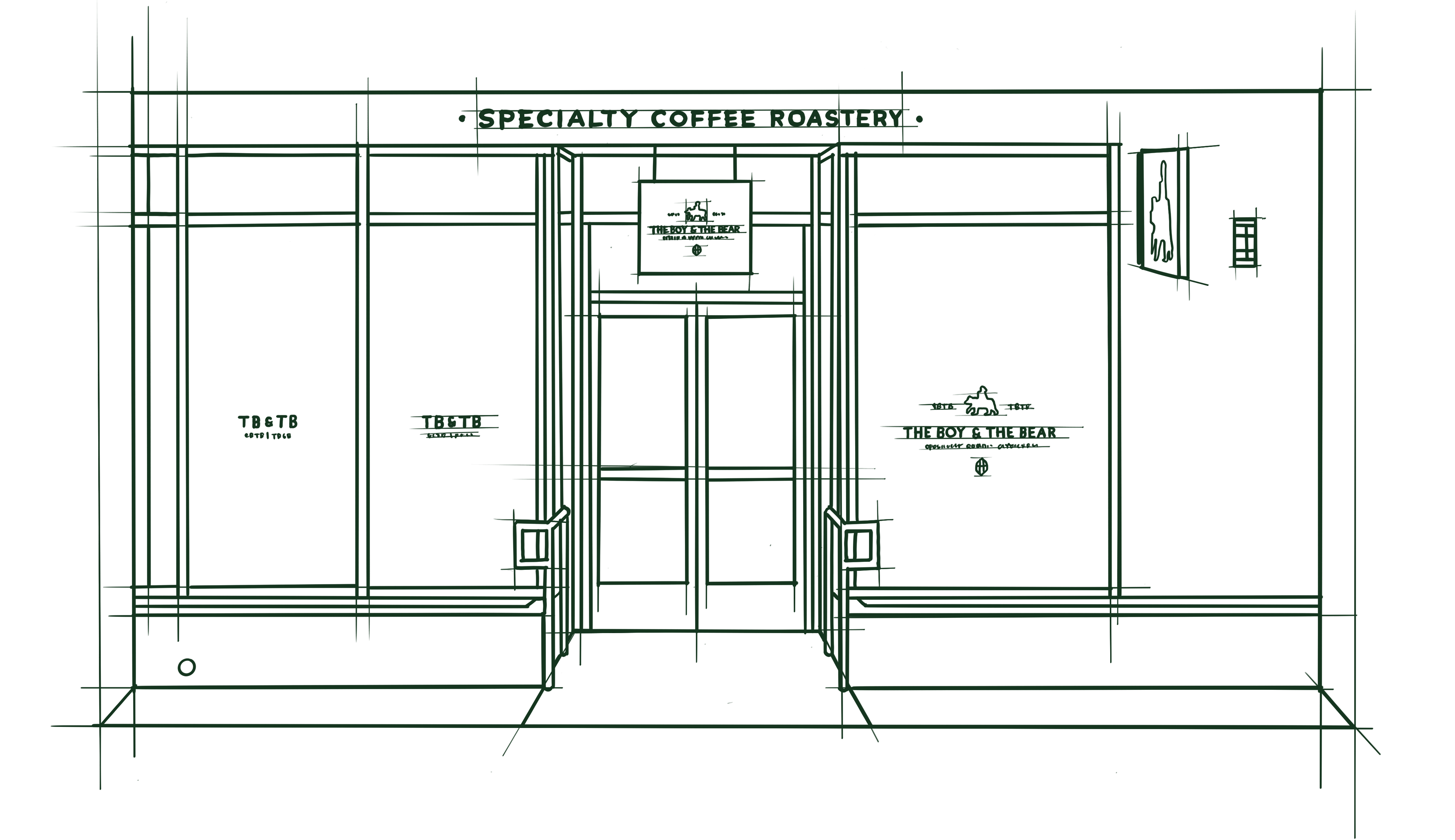
The Grey Store — Culver City
12712 W Washington Blvd, Culver City, CA 90066Daily 7:00am–4:00pm
+1 424-206-4866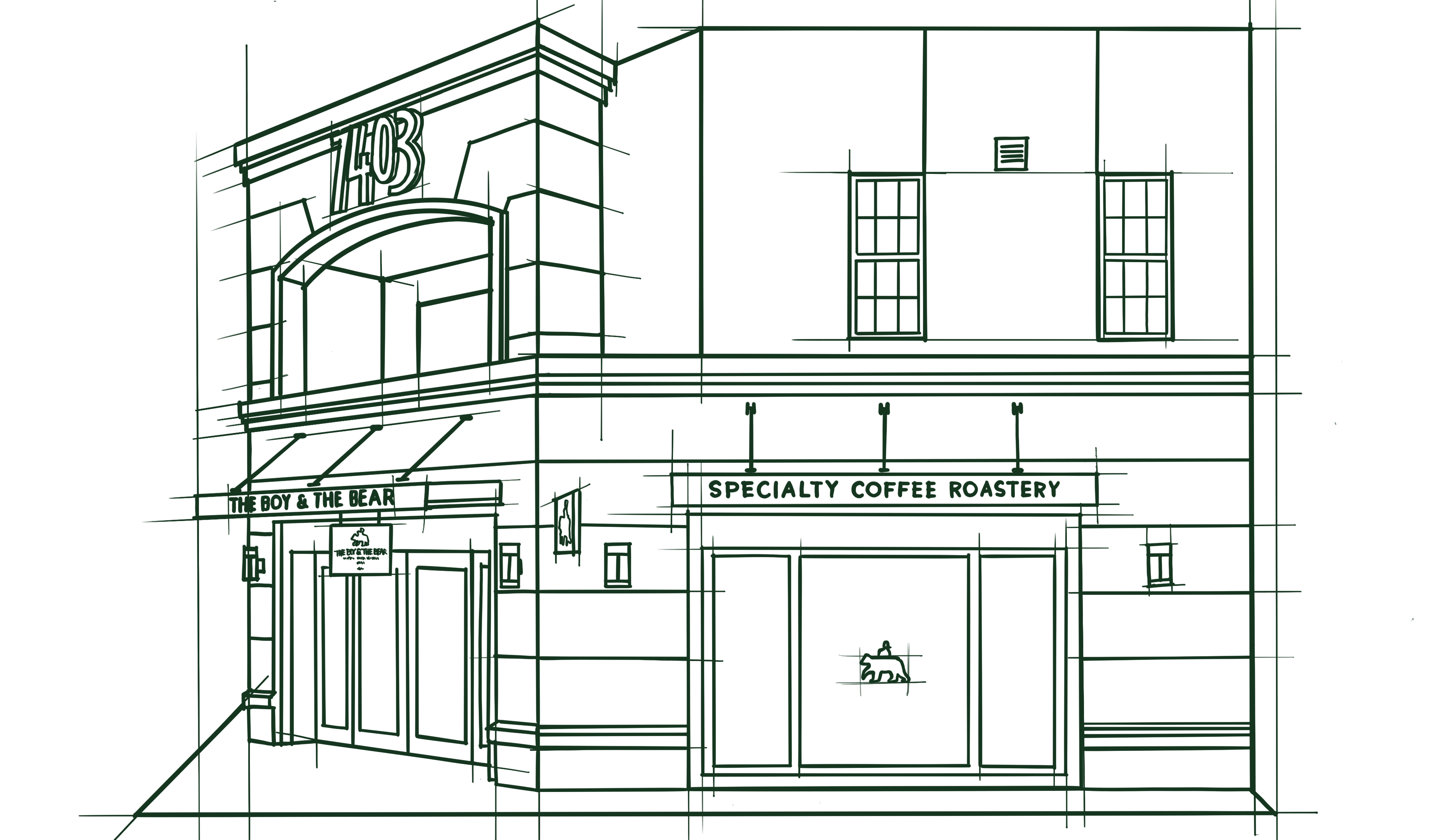
The White Store — Westchester
7403 La Tijera Blvd, Westchester, CA 90045Daily 7:00am–4:00pm
+1 424-206-4866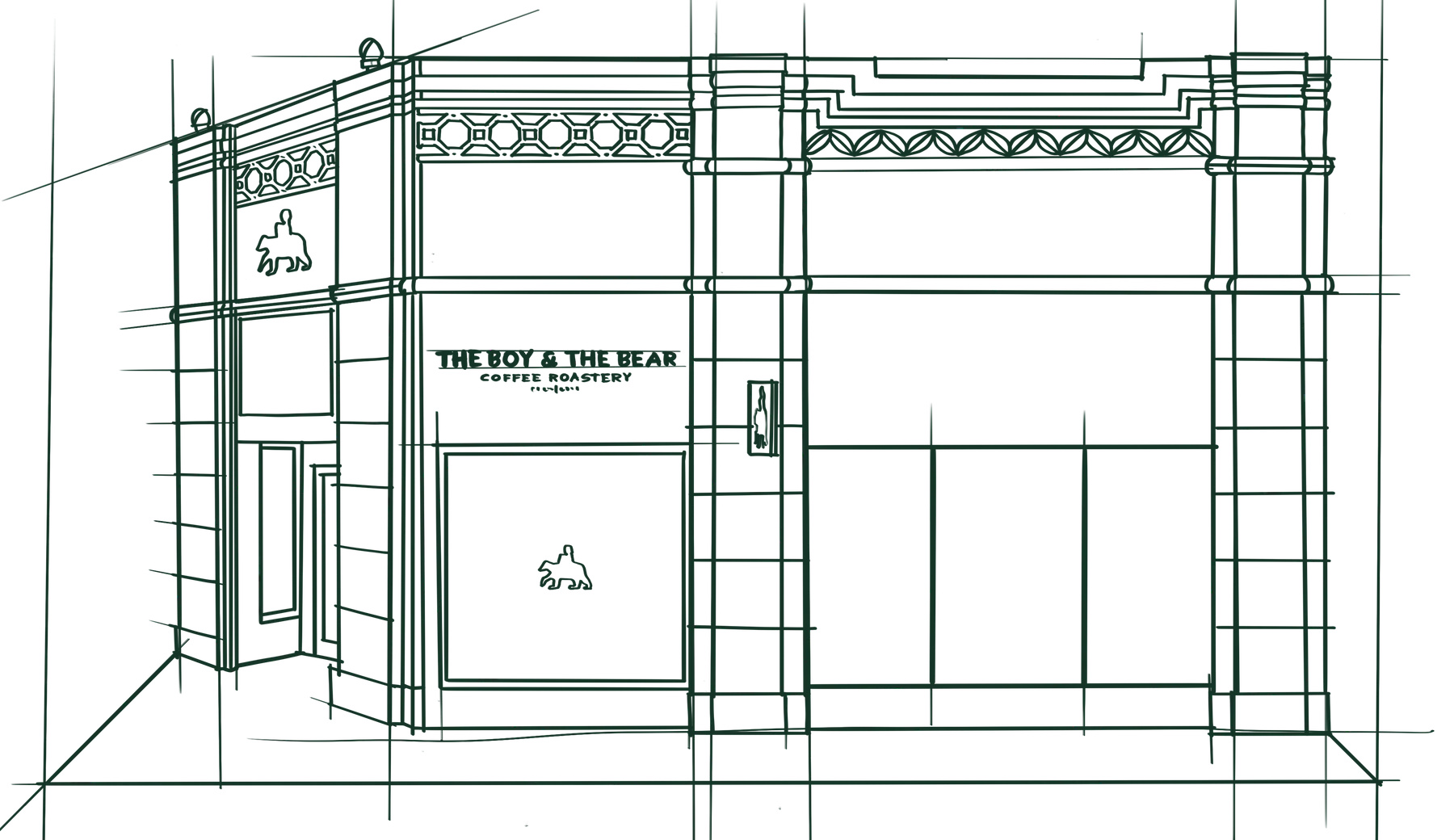
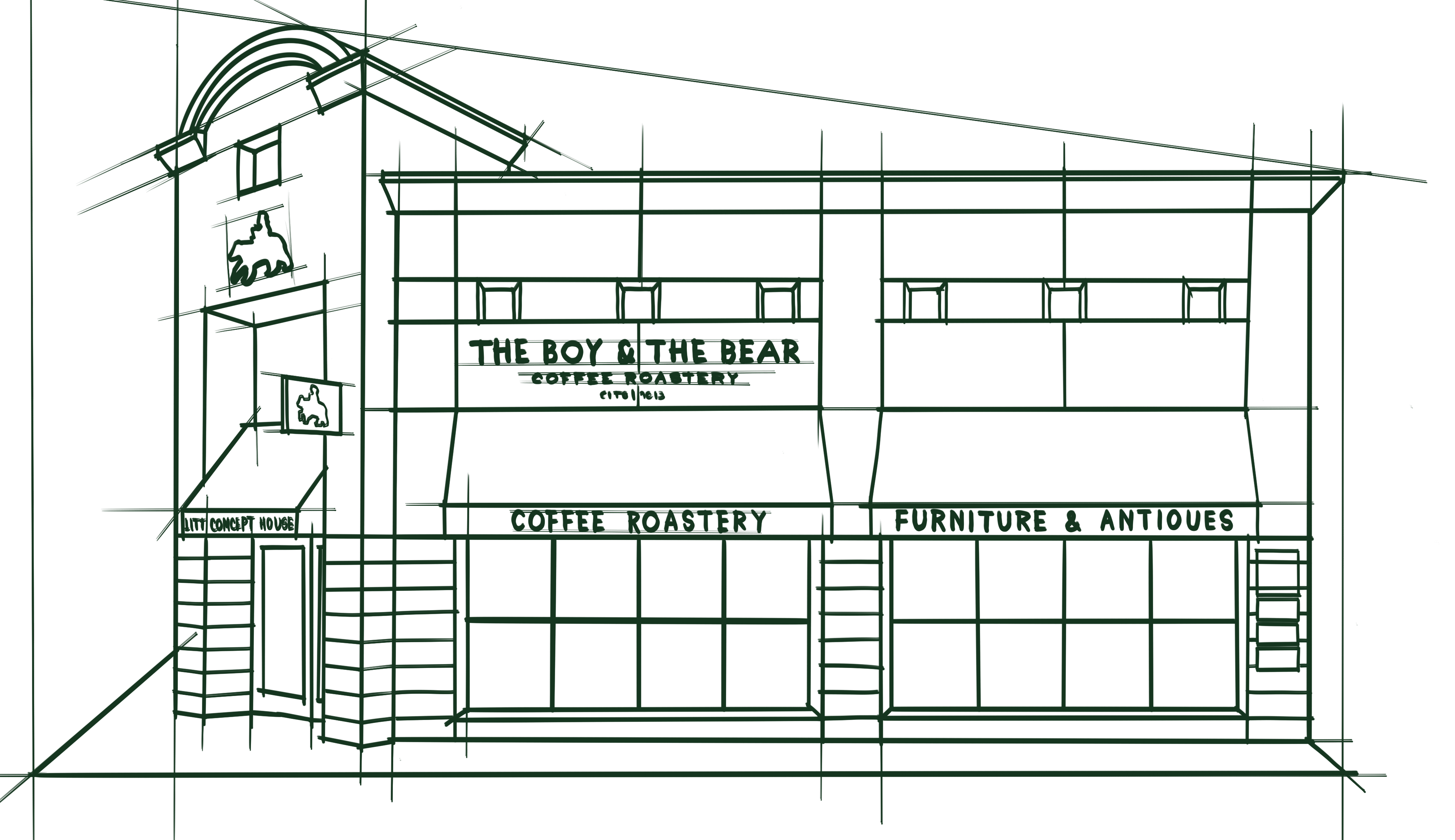
The Casavieja Store — Sherman Oaks
14918 Ventura Blvd, Sherman Oaks, CA 91403Daily 7:00am–4:00pm
+1 424-206-4866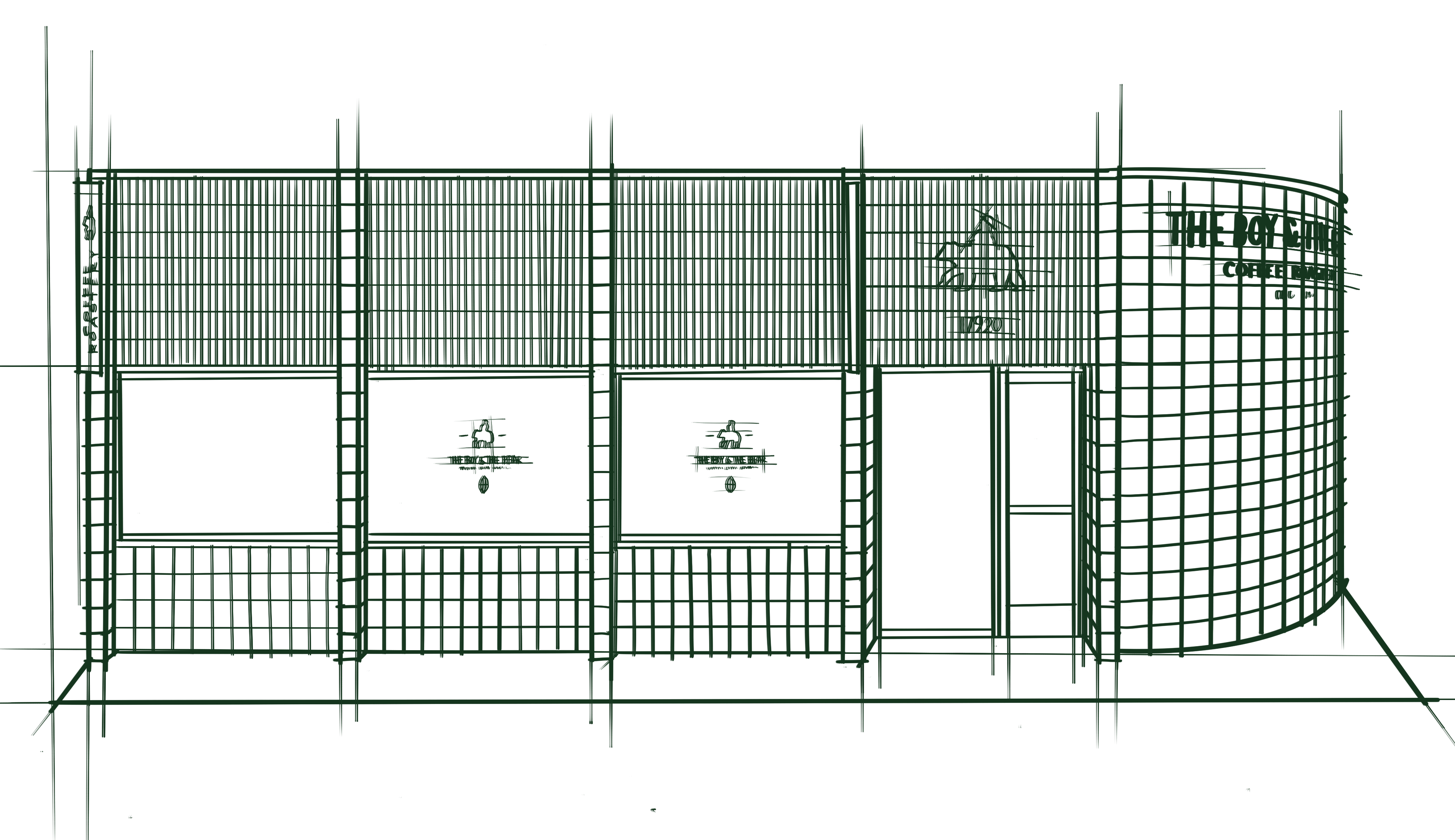
Little Italy Store — San Diego
801 W Hawthorn St, San Diego, CA 92101Coffees
12 coffees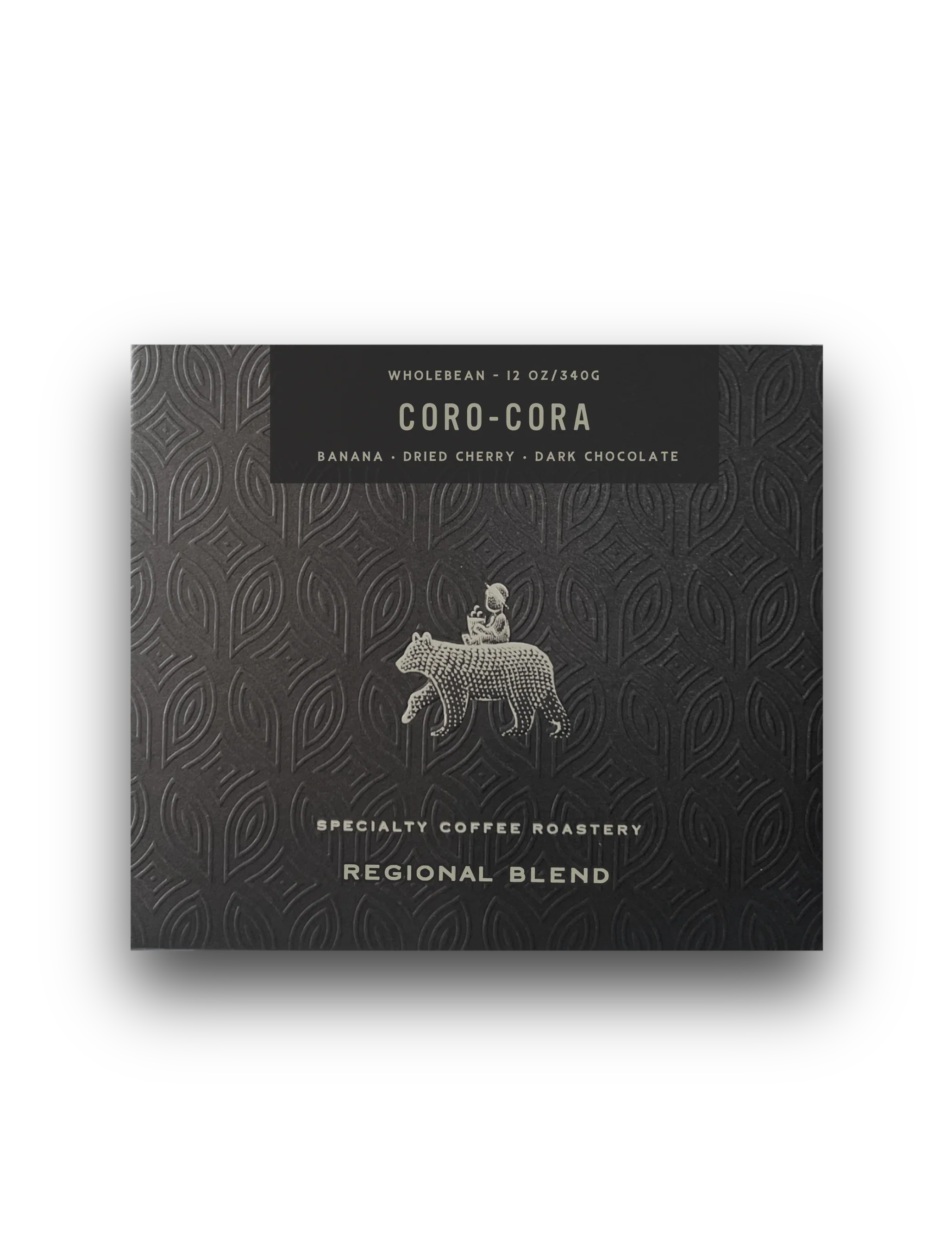
Coro-Cora is inspired by the vivid Scarlet Ibis of Colombia — a carefully curated Colombia + Honduras blend. The Colombian beans bring a burst of citrusy brightness, while their Honduran counterparts contribute deep, chocolate undertones. Source: theboyandthebear.com.
Citrusy brightness, deep chocolate undertones
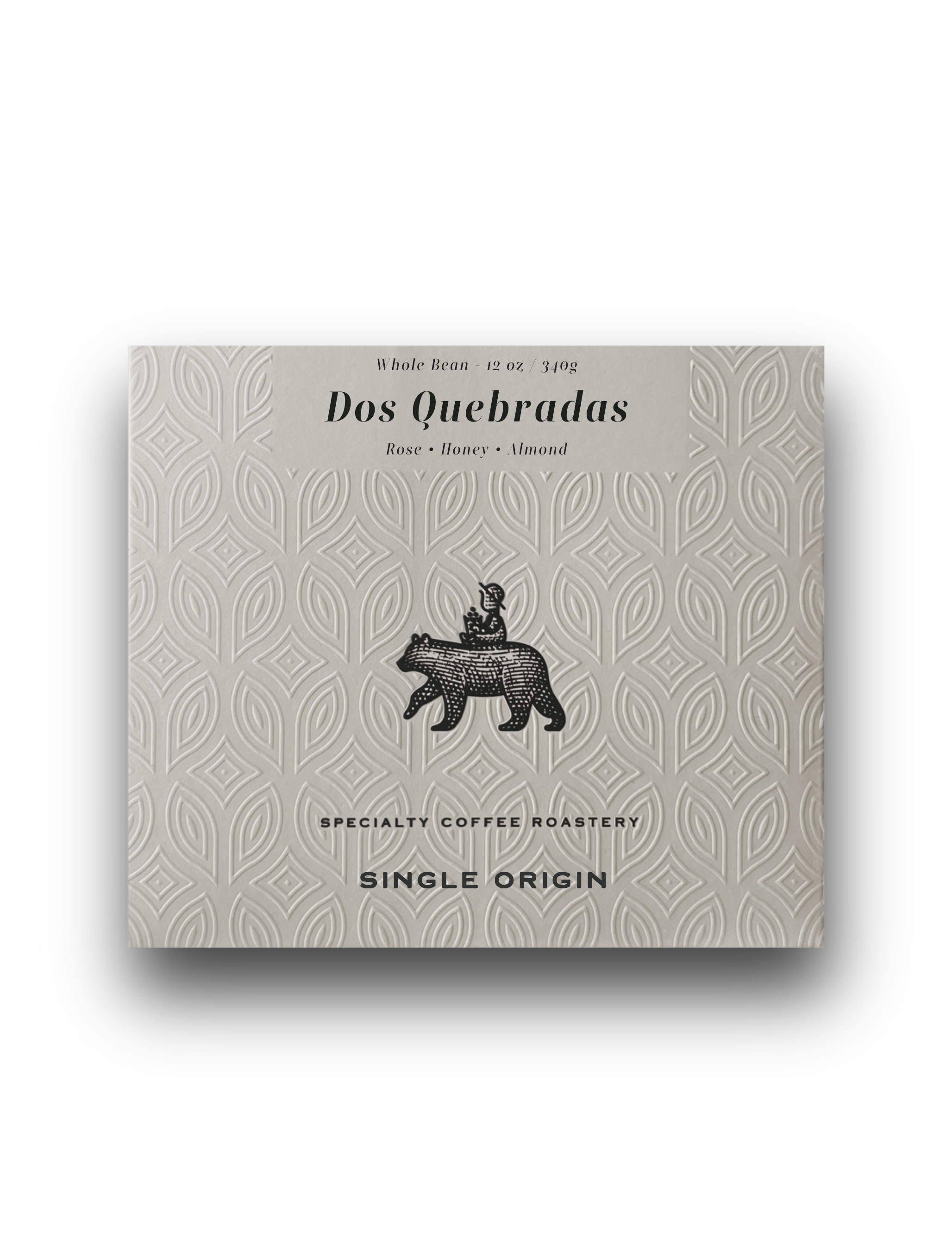
From Dos Quebradas, a family farm in the Huila mountains named for its twin streams. Third-generation producer Don Daimer returned from Spain in 2010 to turn rugged pastureland into a specialty farm while keeping a natural reserve, and pairs careful growing with meticulous post-harvest processing.
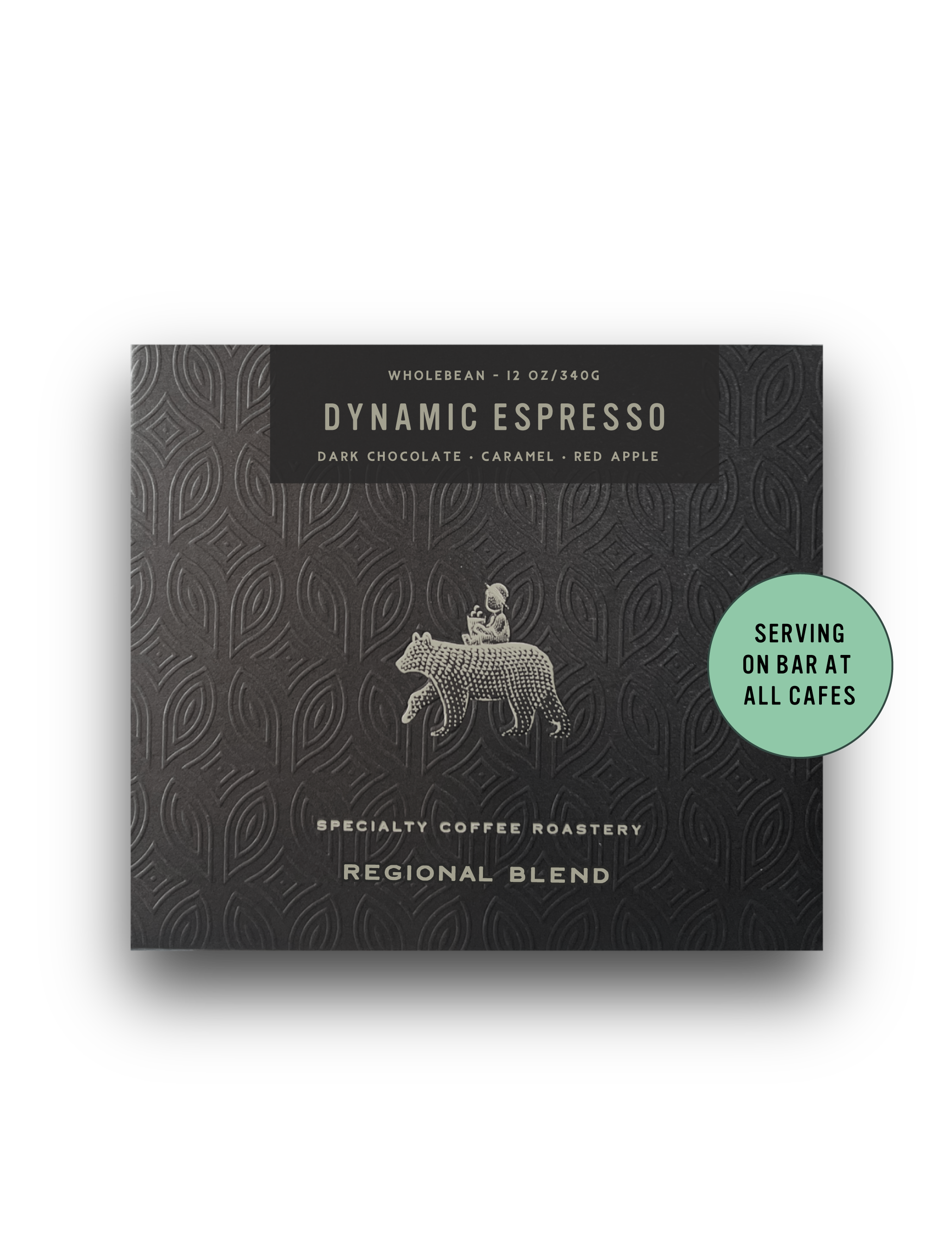
Dynamic Espresso was given its name after the vibrant and bold characteristics that shine through the flavors in the coffee. The personality of this coffee is strong, velvety, rich, and expressive. Source: theboyandthebear.com.
Dark chocolate, caramel, red apple
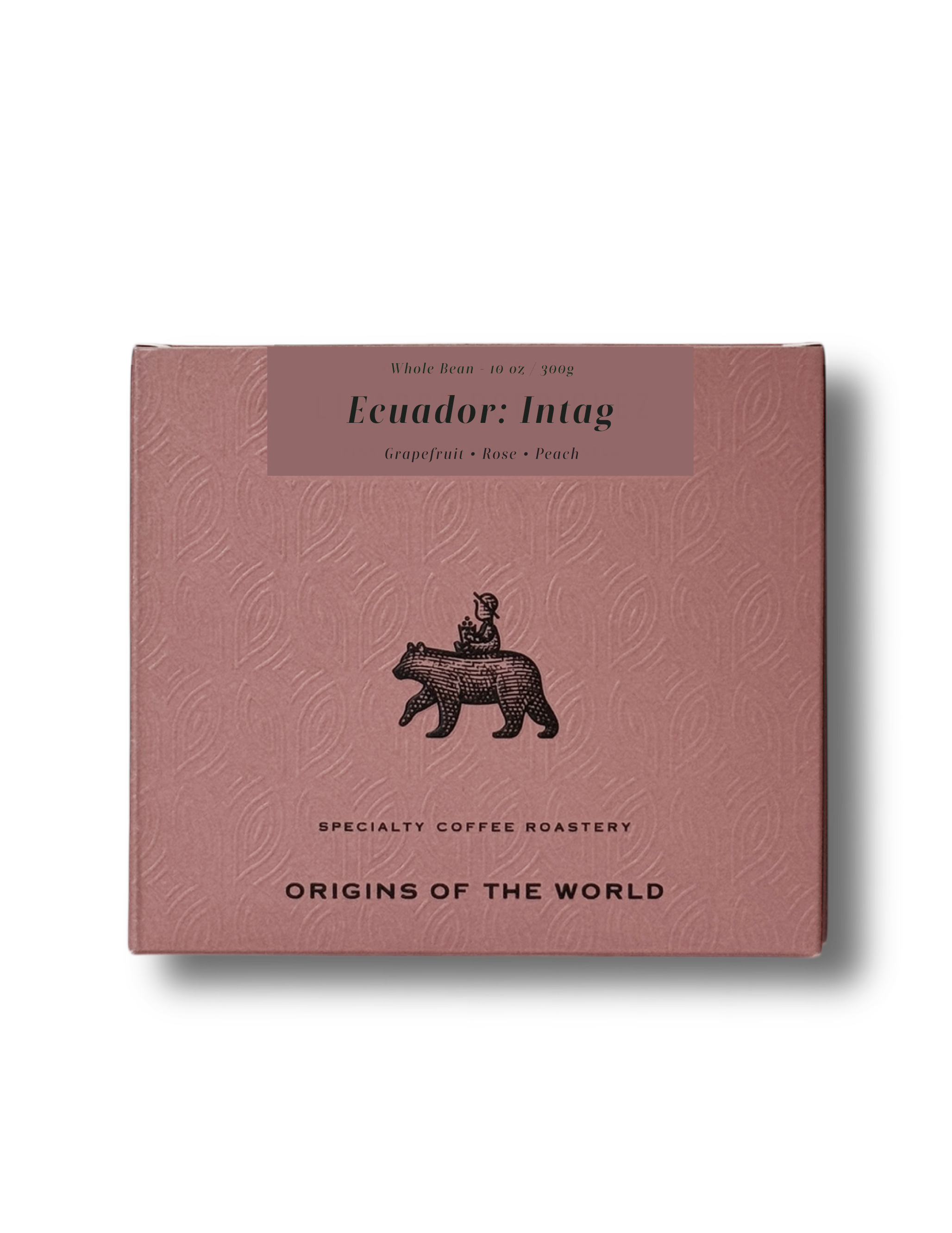
Grown in Ecuador's Intag Valley, this community coffee comes from small family farms nestled within the cloud forests of the Chocó-Andean Biosphere at elevations of 1,600–2,200 meters. Farmers use traditional cultivation methods passed down through generations, producing a washed blend of Bourbon, Typica, Castilla, and Villalobos varieties. Source: theboyandthebear.com.
Balance, clarity, complexity
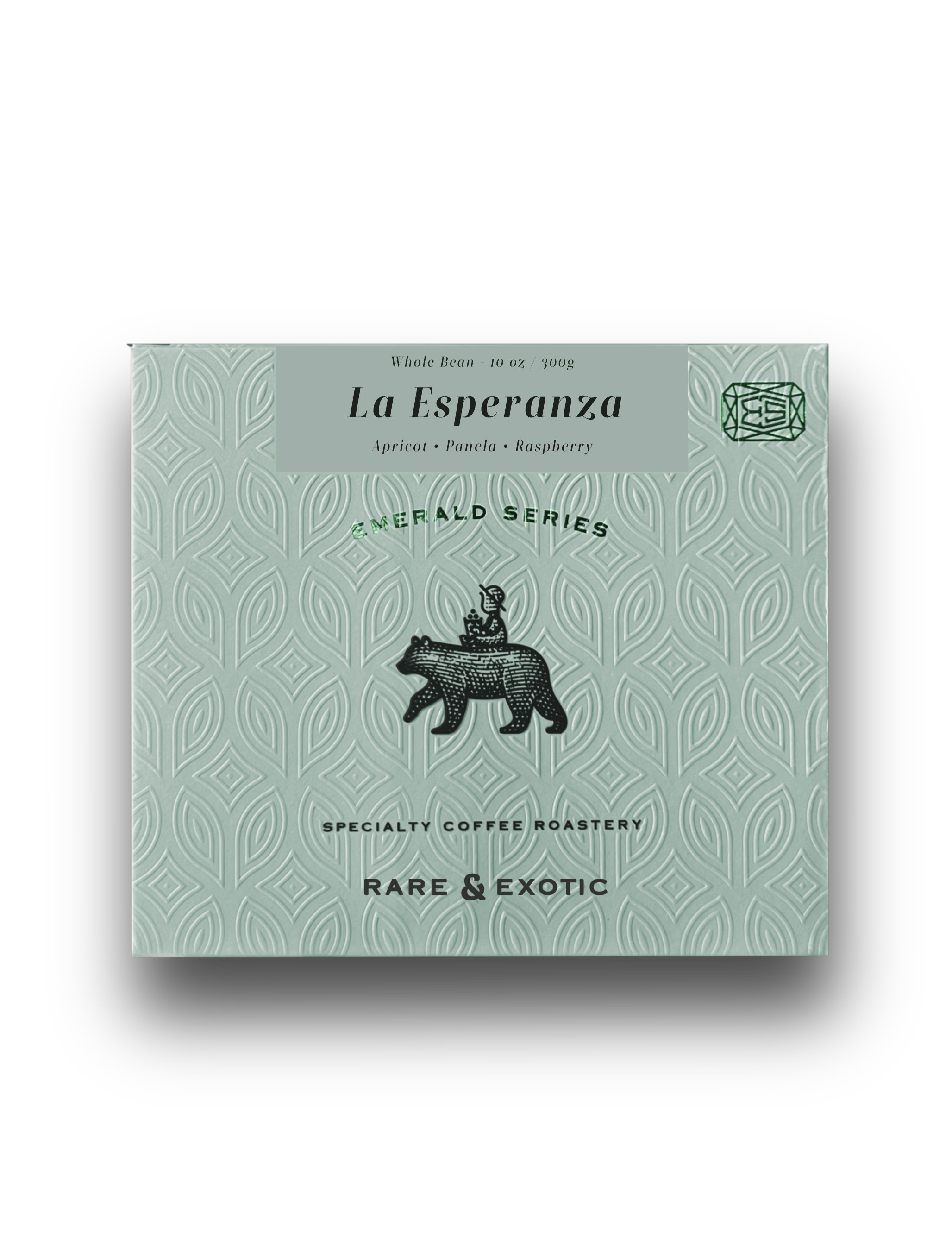
La Esperanza, meaning "hope," is a Pink Bourbon coffee grown by Susana Mences Obando and her husband, Edgar Motta, at Finca Buena Vista in the mountains of southern Huila. Over nearly 30 years, the couple transformed land once used for cattle grazing into a thriving specialty coffee farm focused on quality, sustainability, and cultivating unique varieties such as Pink Bourbon and Gesha. Source: theboyandthebear.com.
Emerald Series single origin
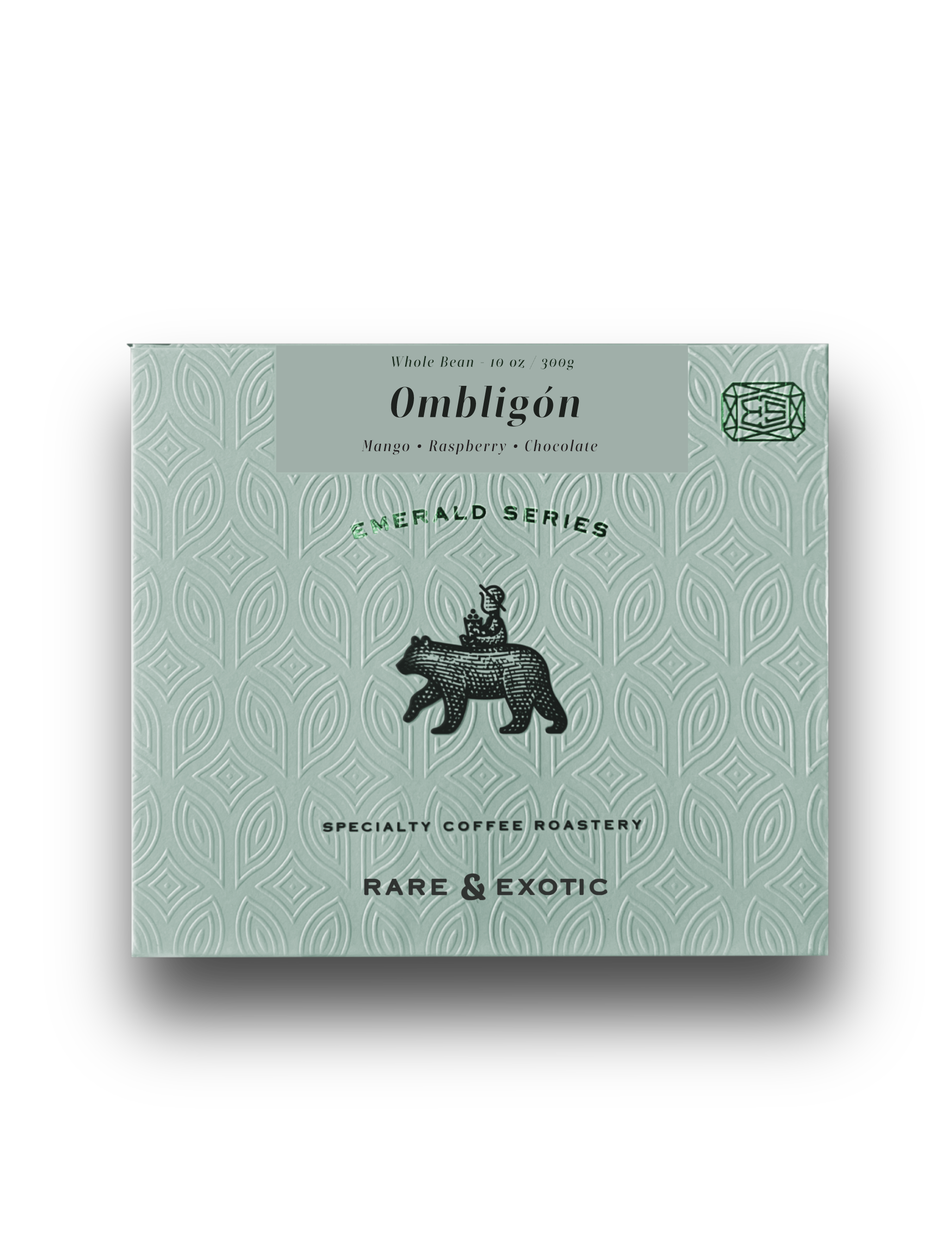
An Ombligón from Boris Herrera, a second-generation producer at Esmeralda Negra in the mountains of Santuario, Risaralda. A 72-hour washed process with mosto (fermented fruit juice) and a thermal shock lifts fruit, sweetness and clarity: mango, raspberry and chocolate, a creamy body and a long cacao-and-fruit finish.
Mango, raspberry, chocolate
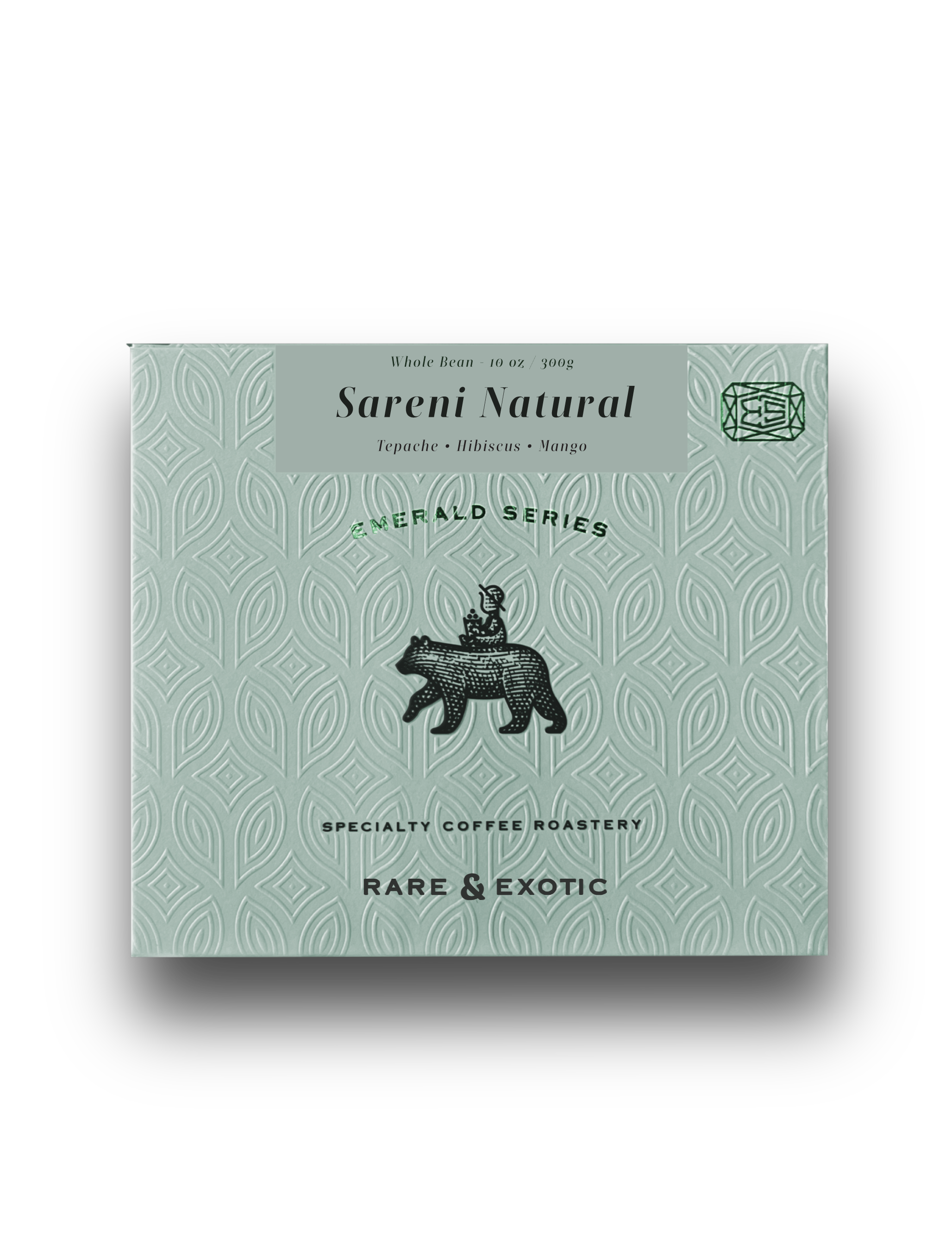
A natural from smallholders in Buesaco, Nariño, a high, cool region with volcanic soils. Sun-dried in the cherry for a fruit-forward sweetness and fuller body: tepache, hibiscus and mango with lively tropical fruit and bright acidity.
Tepache, hibiscus, mango
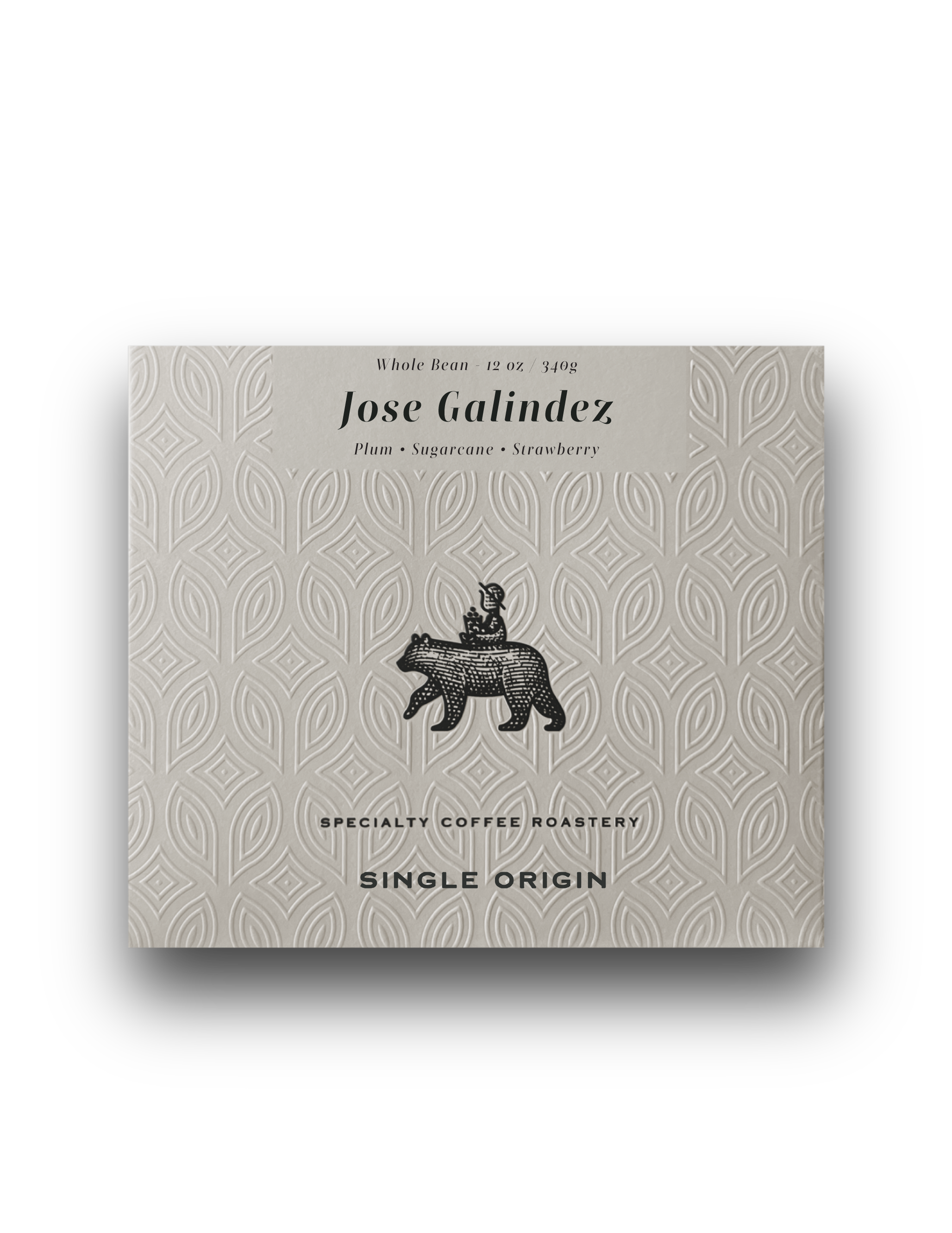
From La Primavera, a second-generation farm in Bruselas, Pitalito, with 17 hectares of coffee and 8 kept as nature reserve. José Oliver Galindez brings an agricultural-engineering background to his family's traditions. This Caturra ferments anaerobically for 100 hours and dries for about 25 days: plum, sugarcane and strawberry.
Plum, sugarcane, strawberry
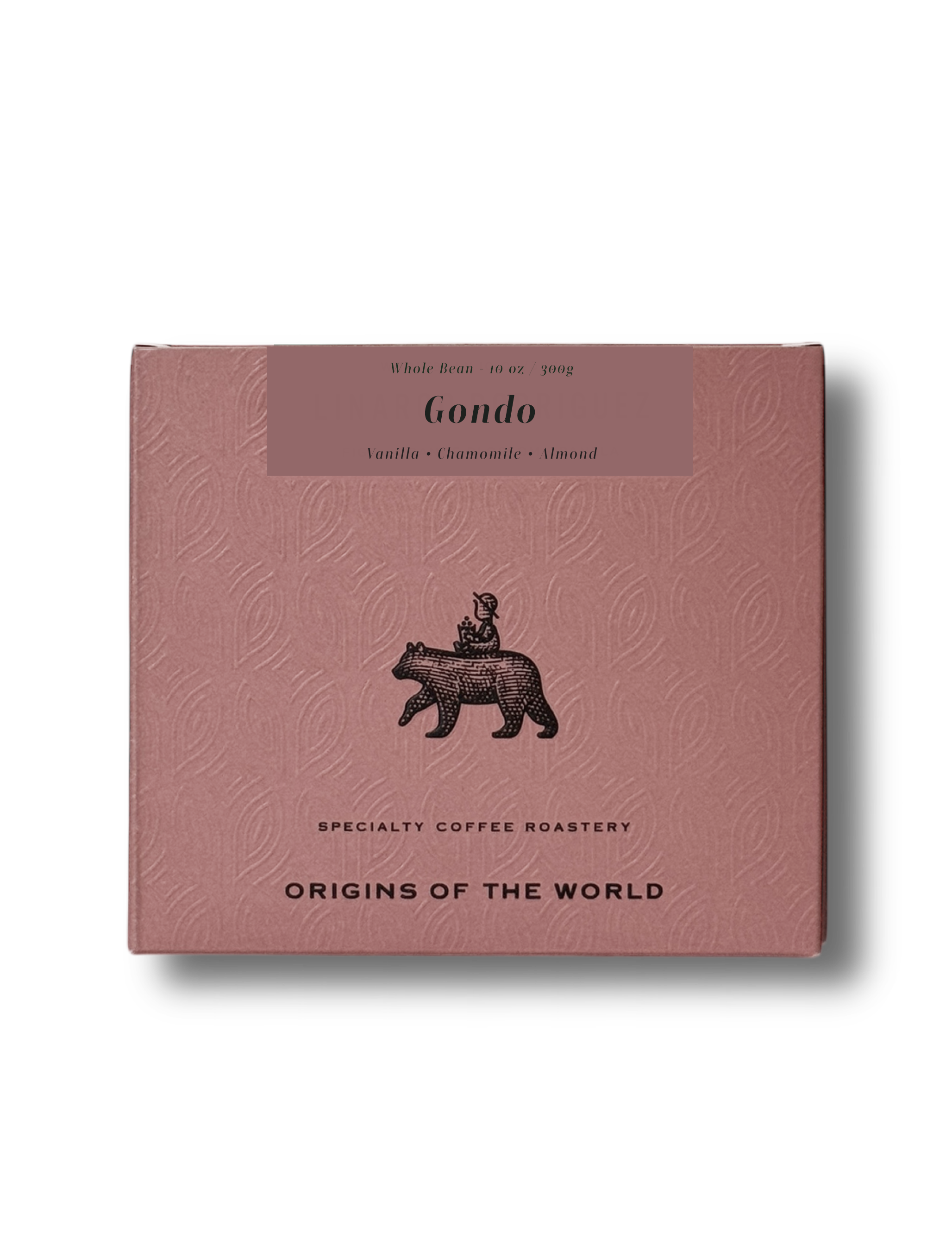
From Gondo Coffee Factory near Mount Kenya, set up in 1998 and serving 727 smallholders in Murang'a County who hand-pick through two harvests a year. Cherry is pulped the same day, fermented 16–18 hours, washed with recycled water and sun-dried.
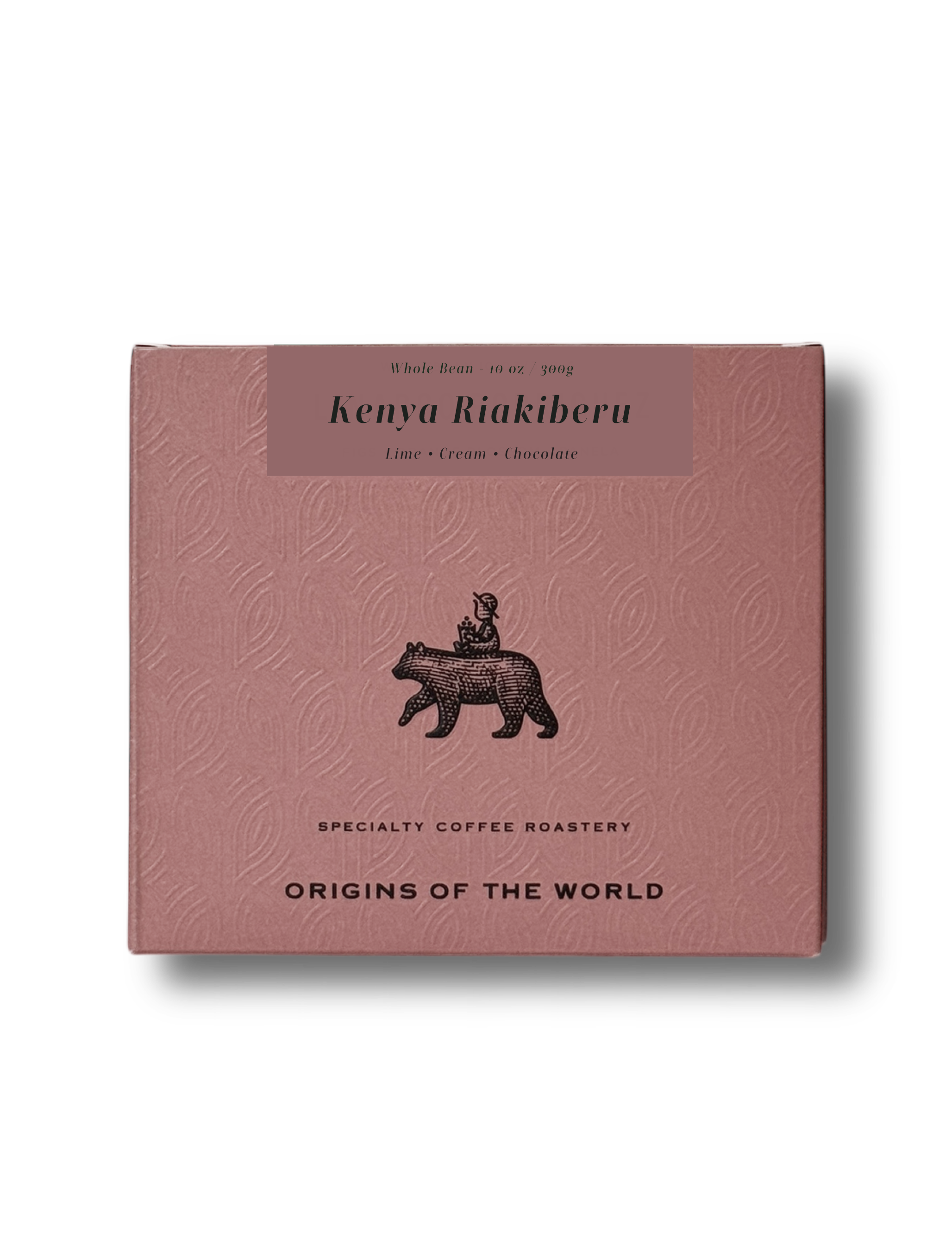
From Riakiberu Factory in Kamacharia, Murang'a, where red volcanic soils and steady rainfall suit SL28, grown alongside Batian and Ruiru 11. Hand-picked cherry is fermented, washed and dried on raised African beds for up to 22 days; the factory also runs tree planting, wastewater and intercropping programmes with its farmers.
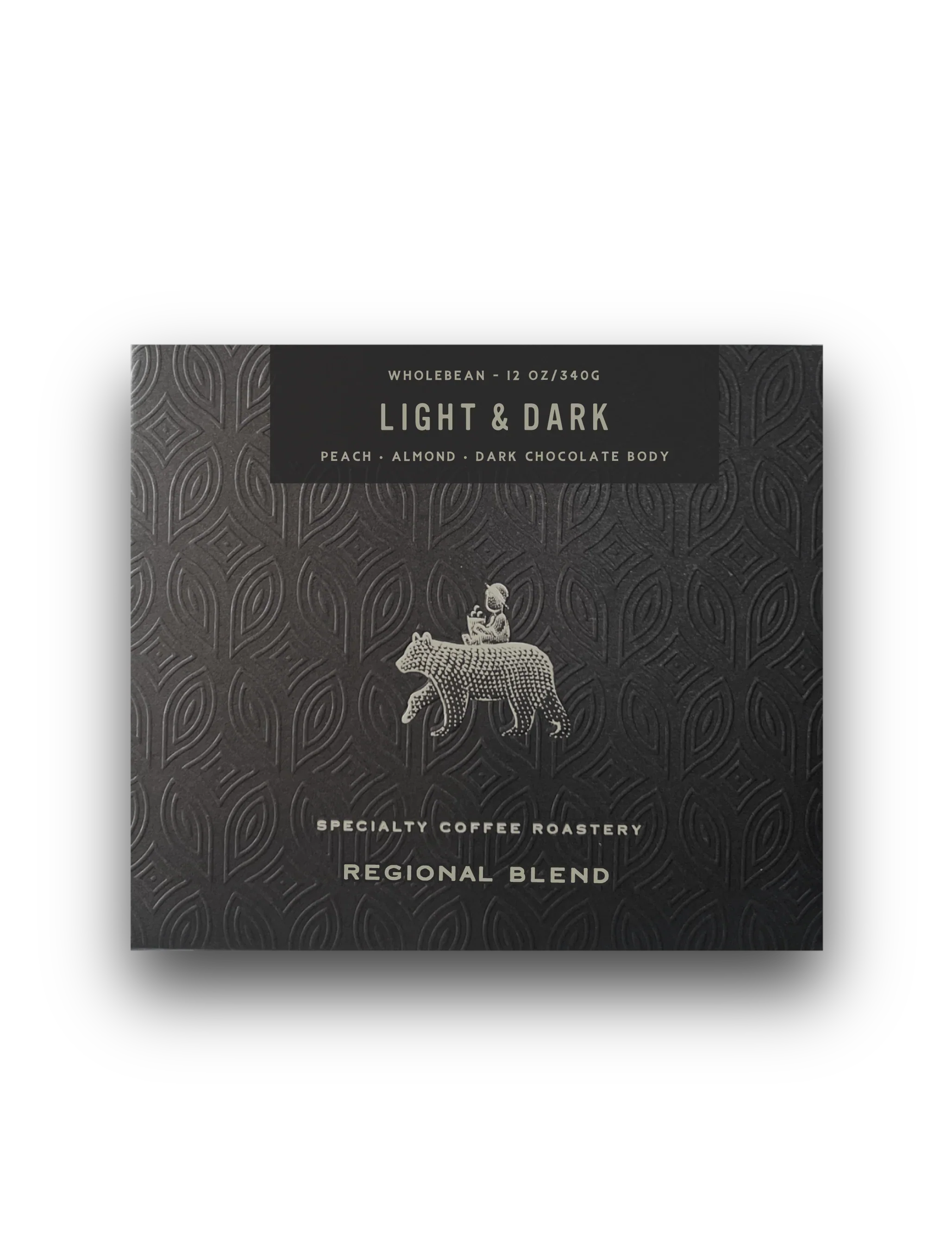
Light & Dark blends two roast styles into one harmonious cup — a darker roast approach that adds depth and a creamy texture, while a lighter roast brings bright, fruity notes. Billed as the best first step from a classic, traditional coffee profile towards the forefront of farm processing and modern coffee profiles. Source: theboyandthebear.com.
Bright, fruity notes with a creamy, darker-roast depth
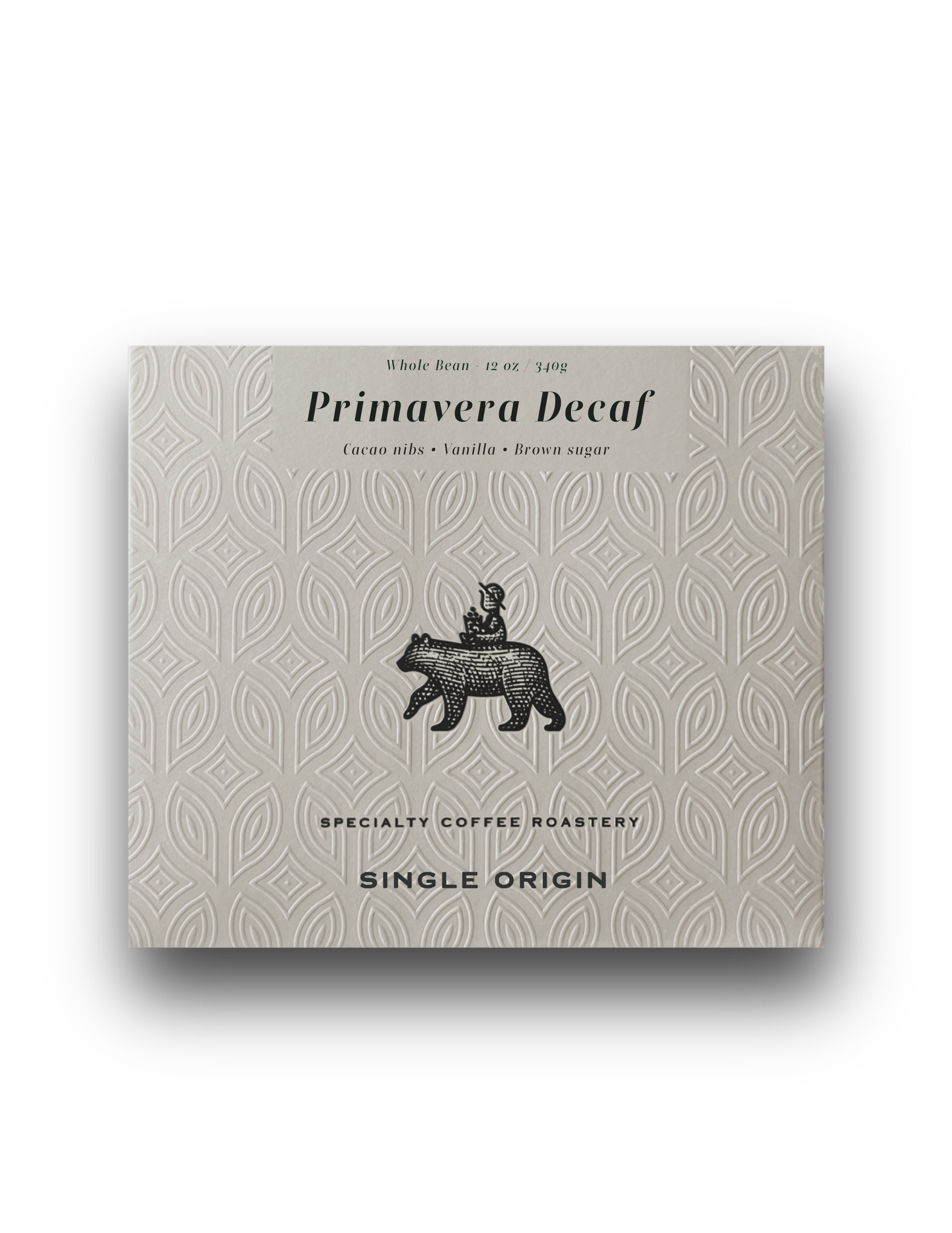
This particular lot of decaf is the work of 60–70 producers in the towns of Tesalia and Teruel. Their coffees are brought together not only by geography, but by a shared commitment to quality at every stage, including decaffeination. Source: theboyandthebear.com.
Decaf