
Roasteries / Bird Rock Coffee Roasters
Bird Rock Coffee Roasters
San Diego, CA
Specialty coffee roaster in San Diego roasting ethically sourced, single-origin and blended coffees since 2006. Runs 11 cafes across San Diego County, from La Jolla to Encinitas.
15
coffees
CA
base
Photos
Locations
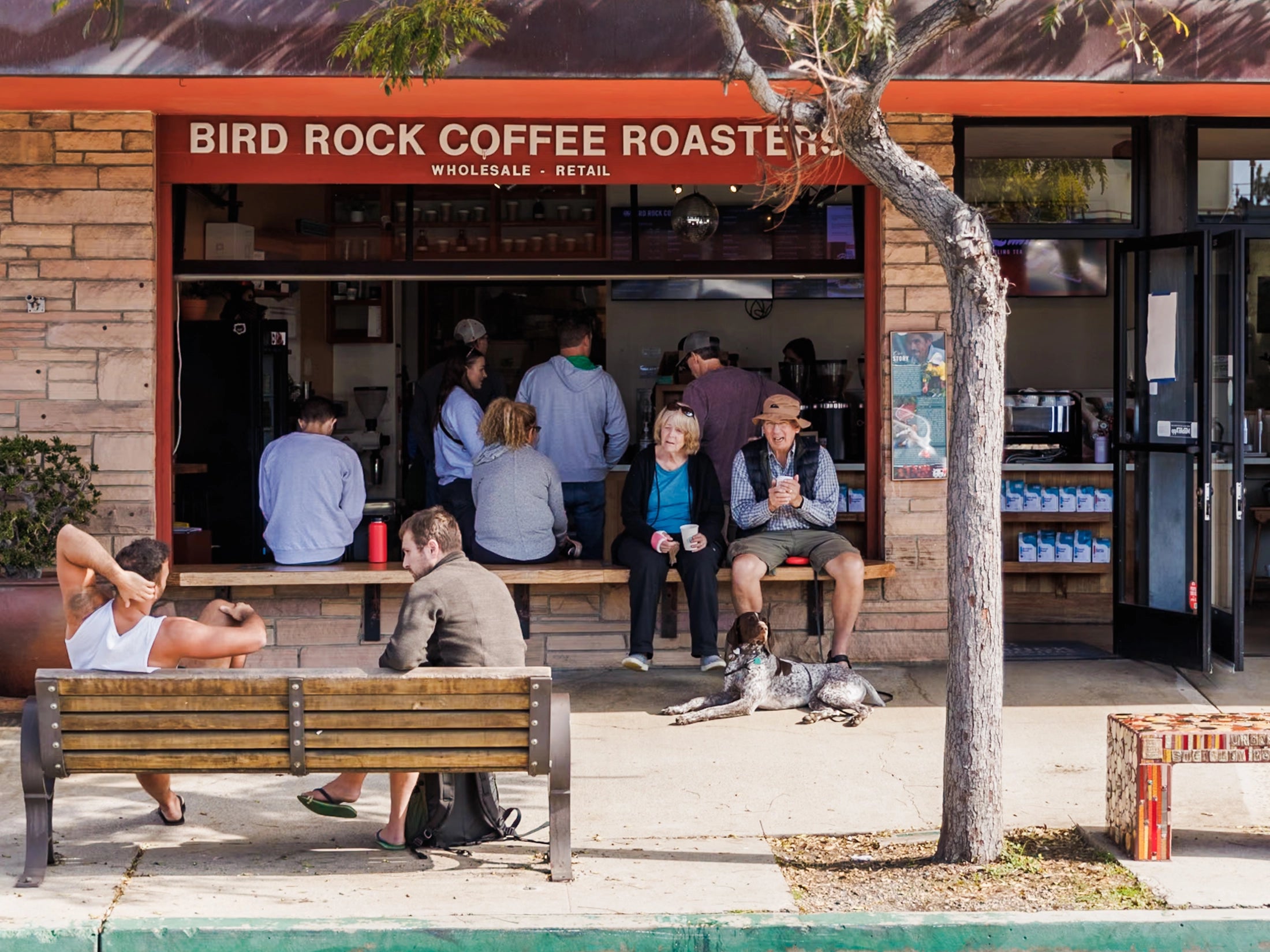
Bird Rock Coffee – La Jolla
5627 La Jolla Blvd, La Jolla, CA 92037
Bird Rock Coffee – Park and Market
1100 Market Street, Suite 120, San Diego, CA 92101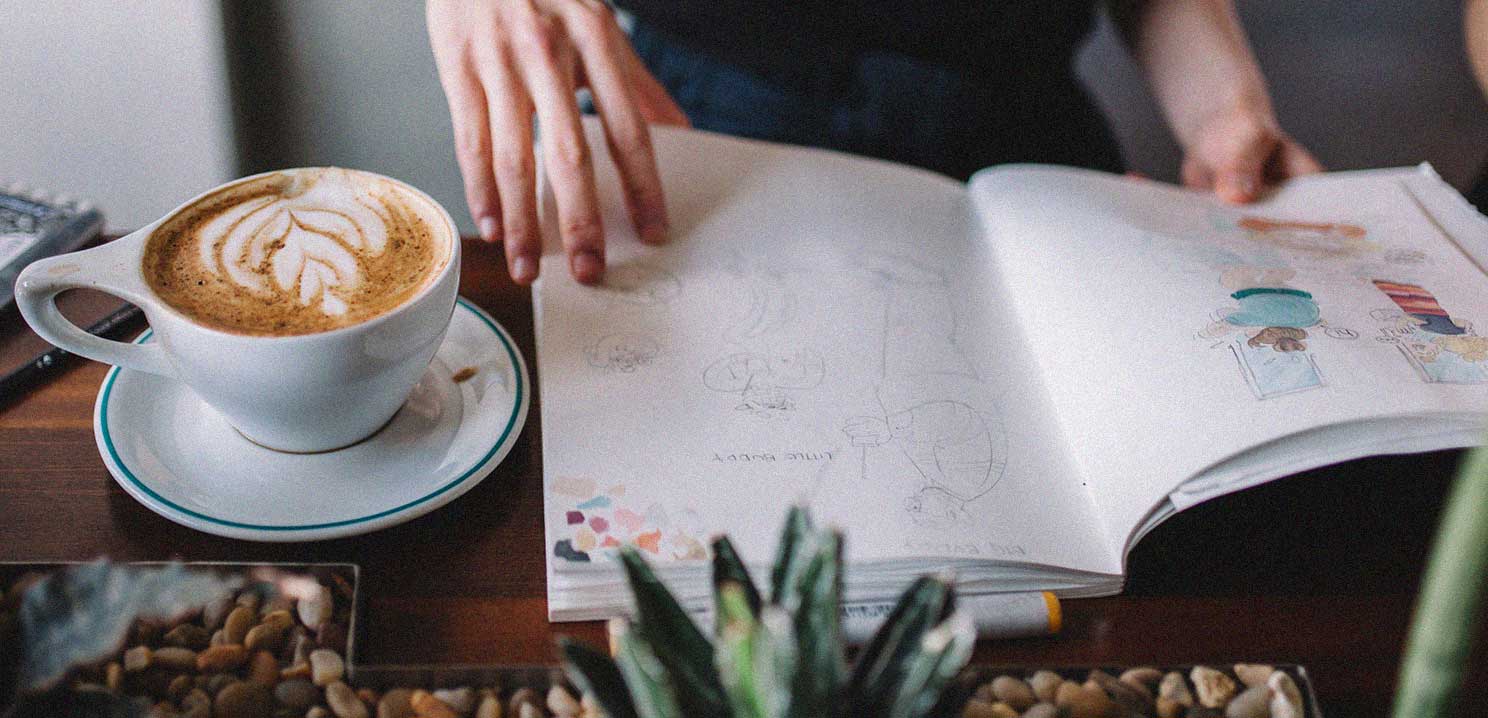
Bird Rock Coffee – Little Italy
2295 Kettner Blvd, San Diego, CA 92101
Bird Rock Coffee – Waterfront
1420 Kettner Blvd, San Diego, CA 92101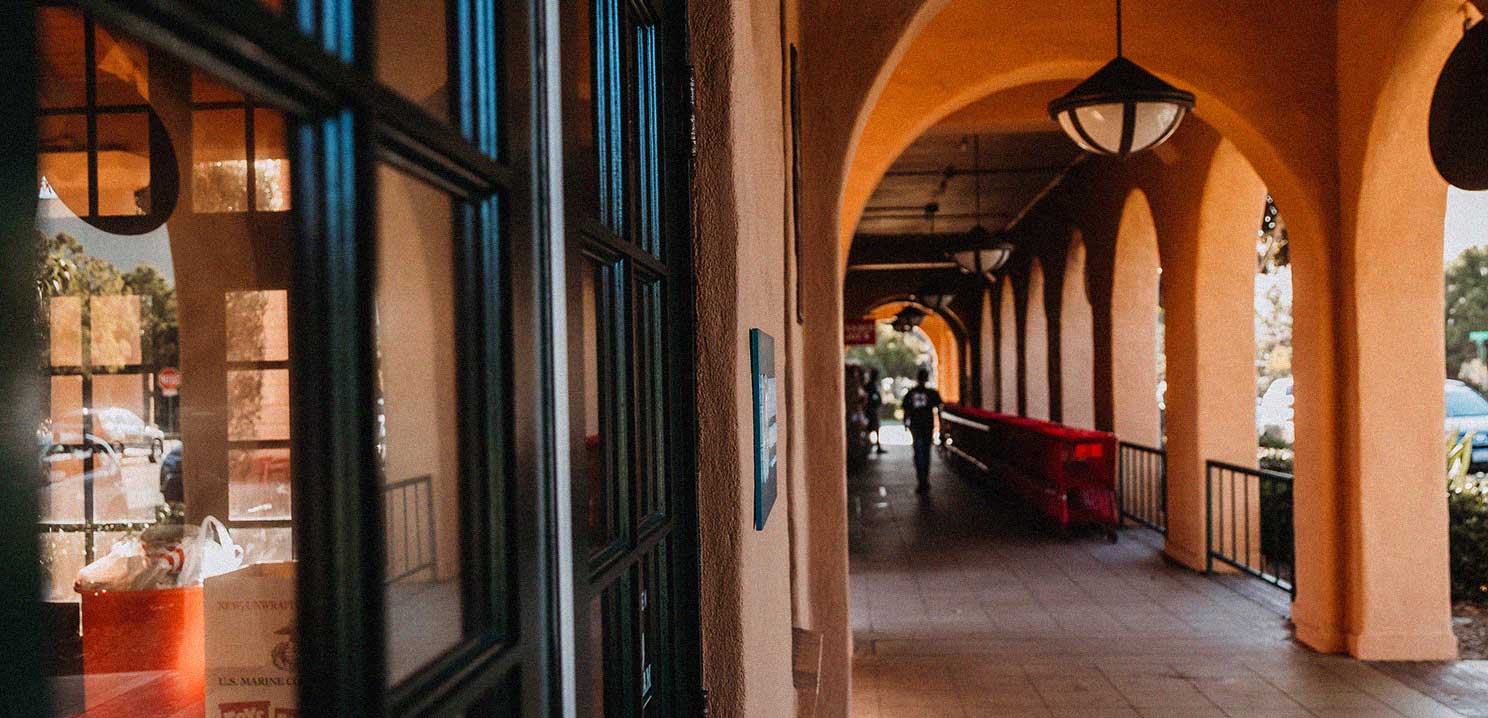
Bird Rock Coffee – Liberty Station
2401 Truxtun Rd, Suite 101, San Diego, CA 92106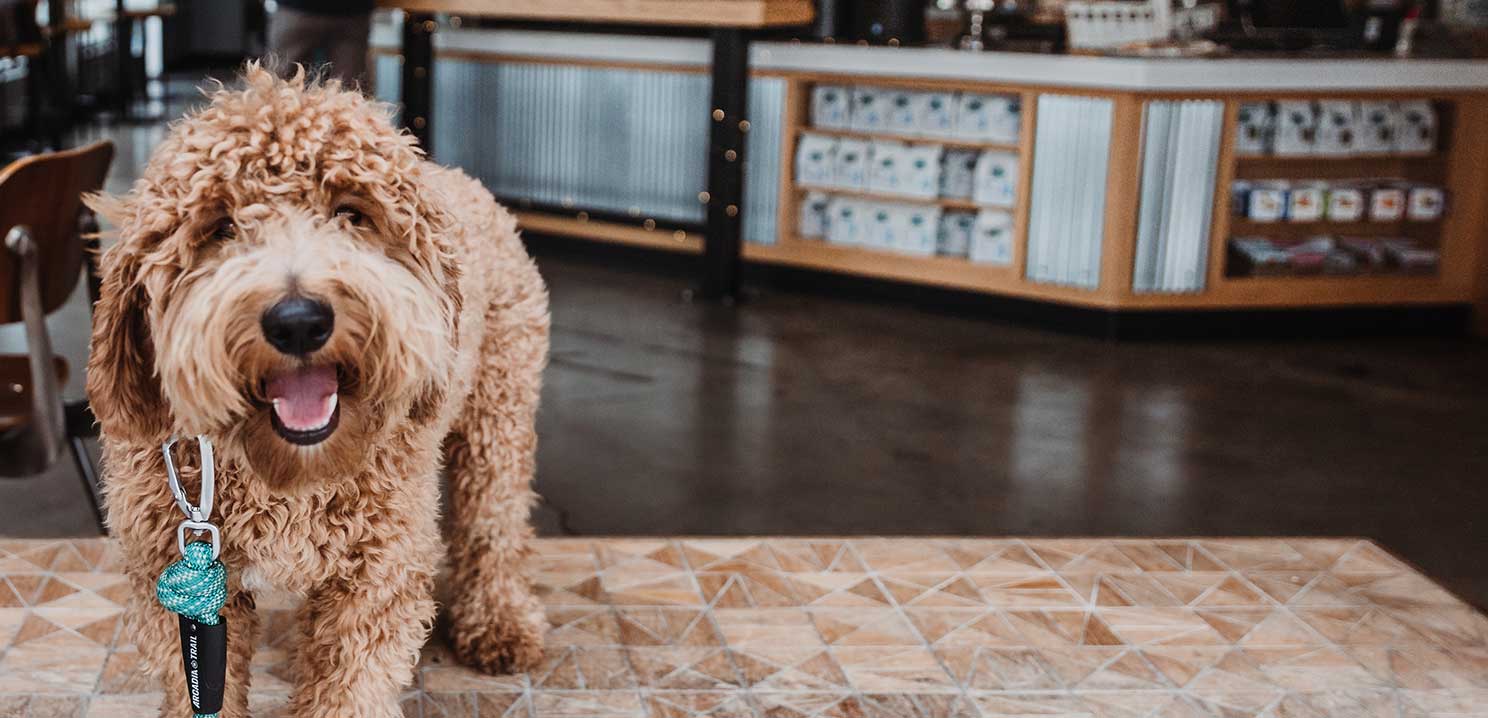
Bird Rock Coffee – Morena Blvd
1270 Morena Blvd, San Diego, CA 92110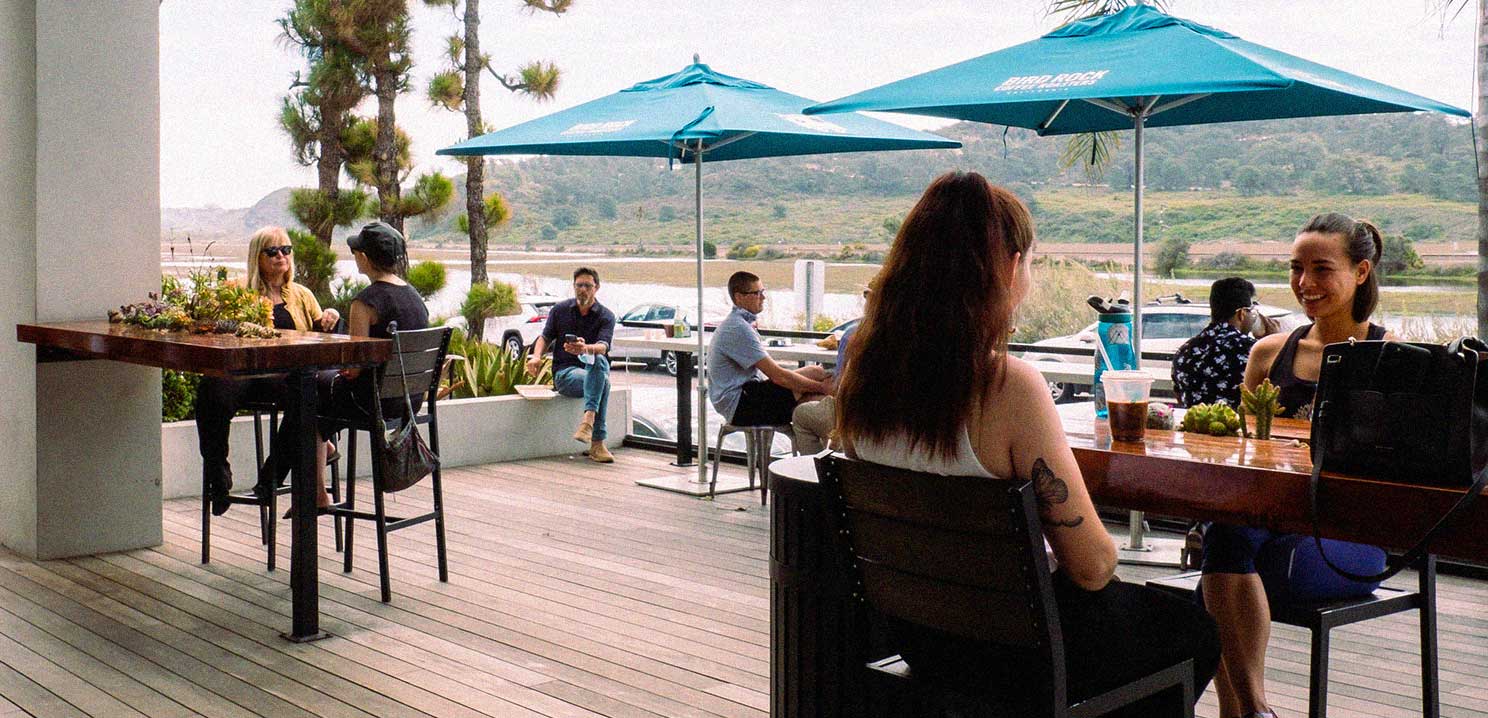
Bird Rock Coffee – Torrey Pines
2212 Carmel Valley Rd, Del Mar, CA 92014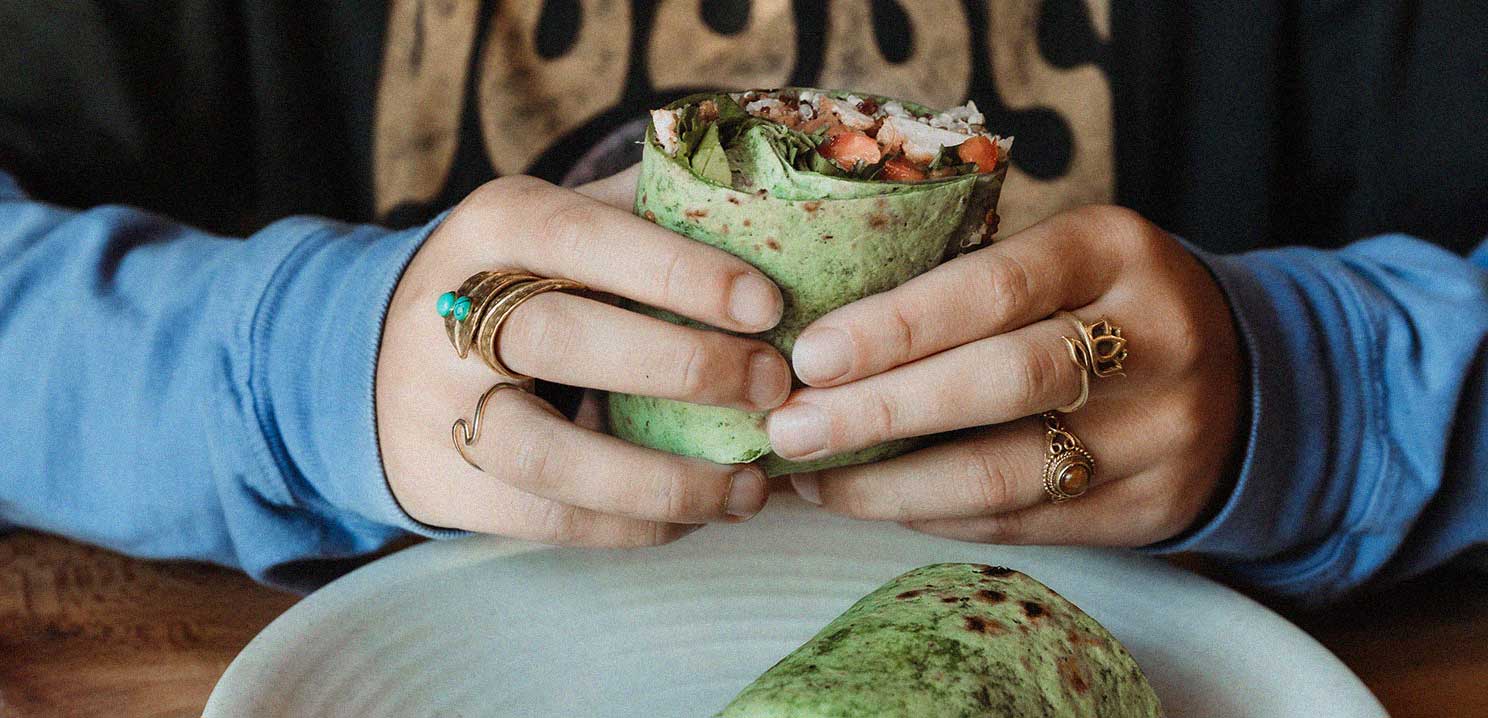
Bird Rock Coffee – Bressi Ranch
2656 Gateway Rd, Suite 150, Carlsbad, CA 92009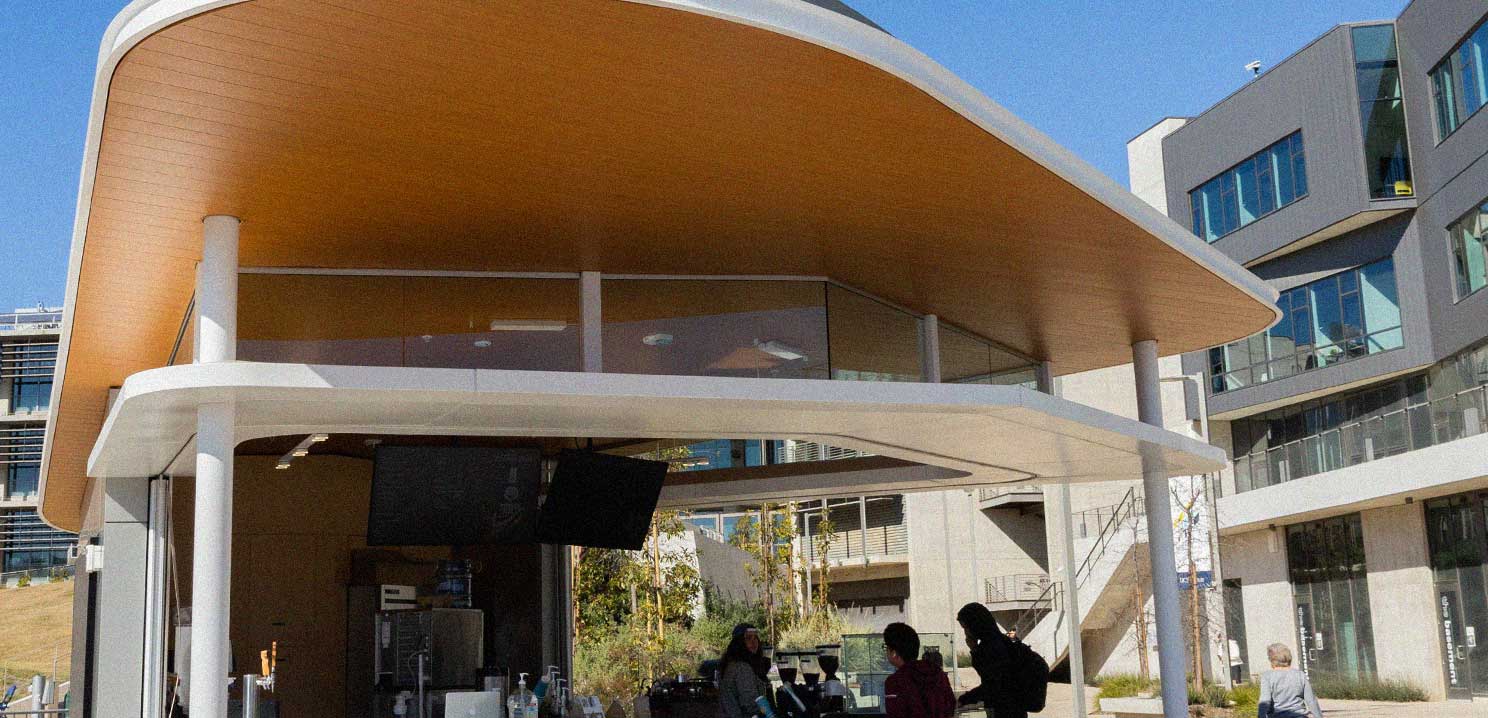
Bird Rock Coffee – UCSD
9500 Gilman Dr, La Jolla, CA 92093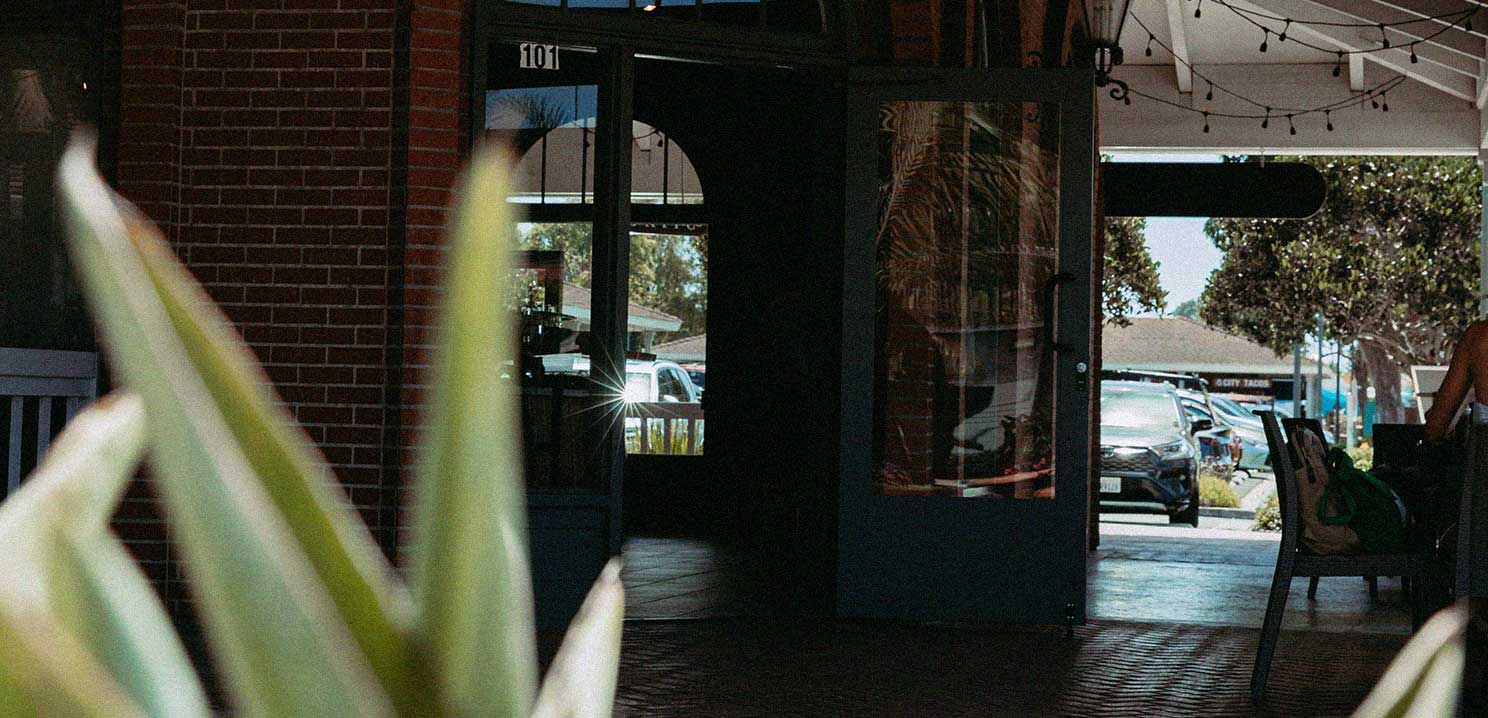
Bird Rock Coffee – Encinitas
947 S Coast Highway 101, Suite D101, Encinitas, CA 92024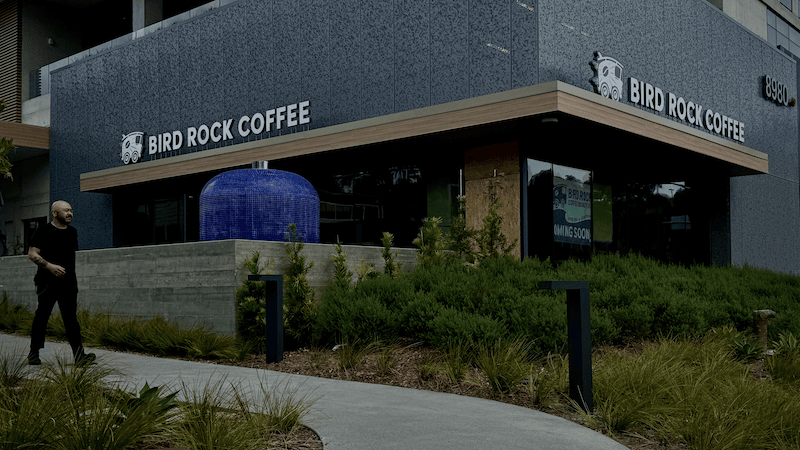
Bird Rock Coffee – The Village
8980 Villa La Jolla Dr, La Jolla, CA 92037Coffees
15 coffees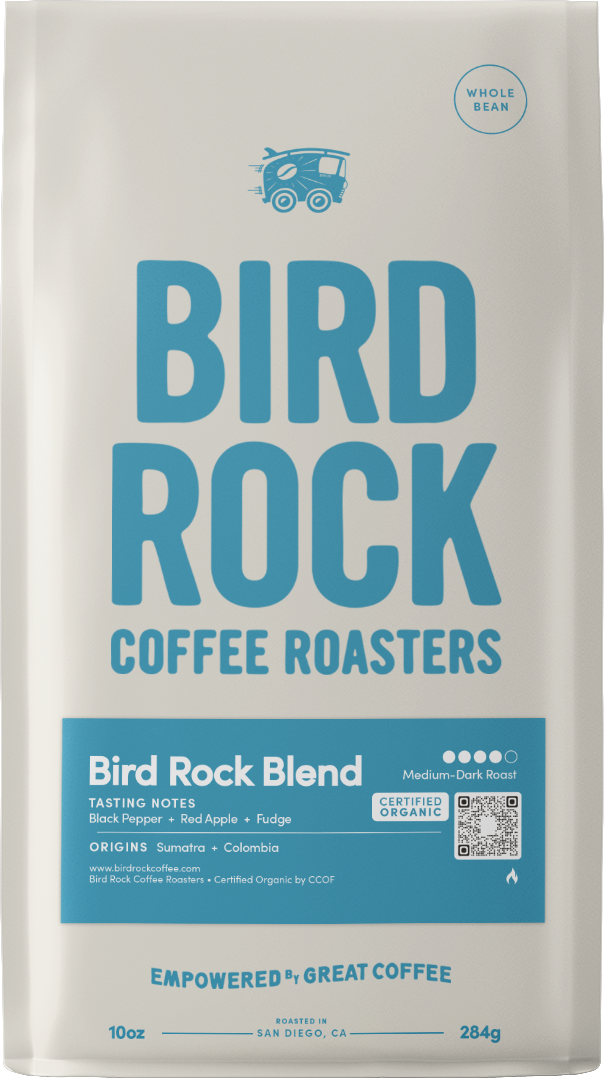
Bird Rock Blend is a nod to our roots, where it all started. This original blend is crafted to be approachable and consistently delicious, with a balanced profile and smooth everyday drinkability.
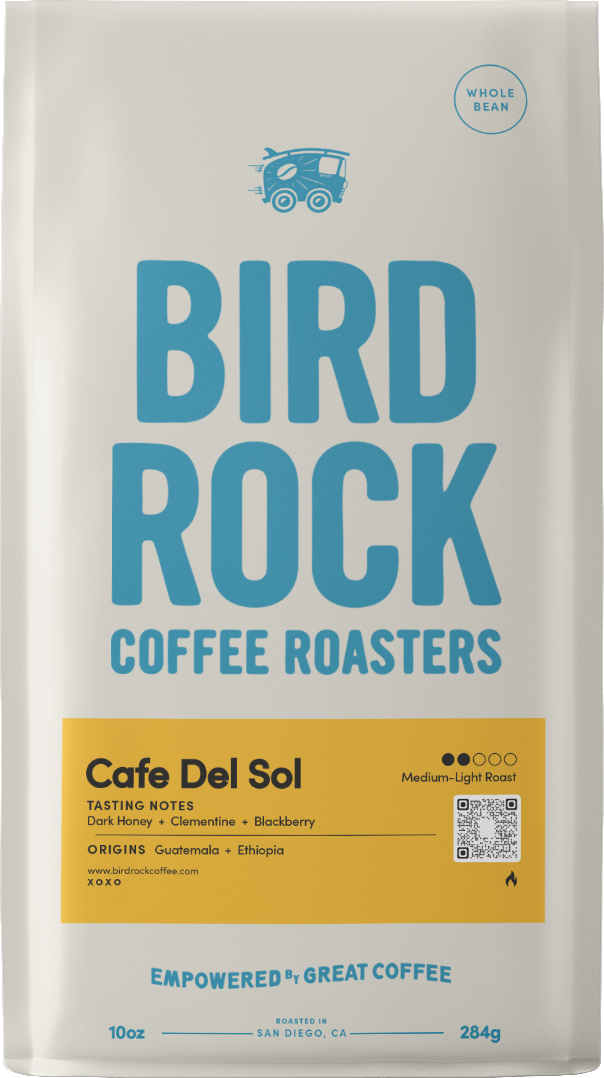
Our cold brew blend brings together incredible sweetness and dynamic flavors that are sure to be a delight for any coffee drinker. While drinking, delicate fruit dances across the palate eventually lingering and leaving its honey-like sweetness on the tongue. The Cold Brew method of making iced coffee has been gaining popularity over the years and offers an alternative for people who have sensitive stomachs. The method consists of steeping coarsely ground coffee in cold, fresh water for up to 24 hours produces a low acid coffee concentrate when filtered. The generally accepted brewing time frame is between 12 and 24 hours. While it seems like a long time to wait, it produces a rich and dense coffee beverage, almost like a cold version of espresso. It is versatile, as you can drink it straight, or add water to create the equivalent of a cold brewed coffee. The liquid concentrate can be stored in the refrigerator for up to six weeks and can be cut with water as needed.
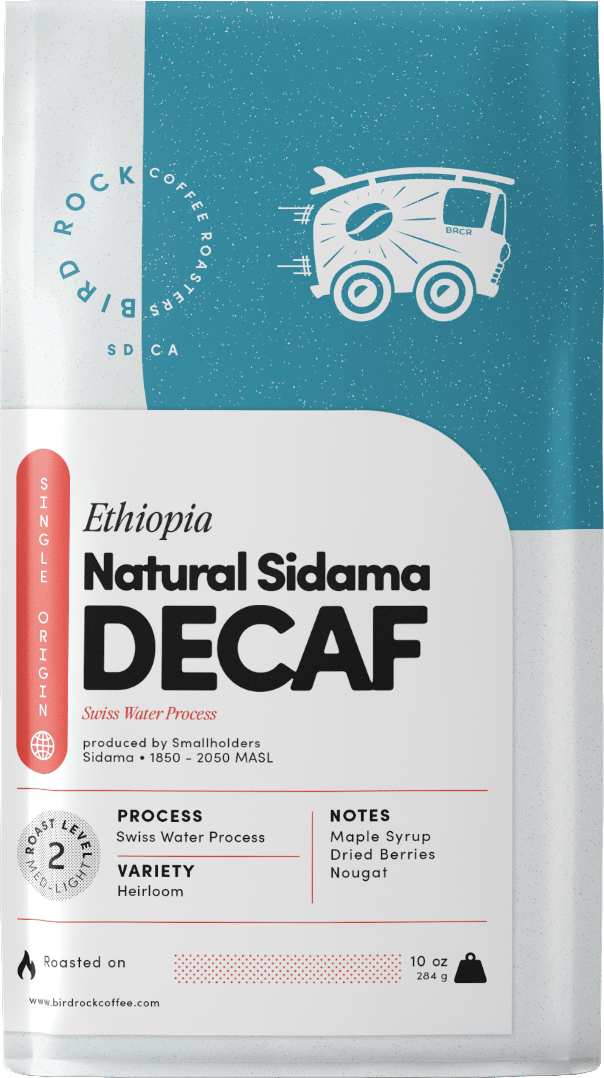
Our Swiss Water Decaf Natural Sidama brings the best of Ethiopian coffee to those seeking a caffeine-free option. Starting with the same exceptional natural processed coffee from 290 farmers in the Sidama region, this coffee undergoes the renowned Swiss Water Process, a 100% chemical-free decaffeination method that uses only pure water to gently remove caffeine. The Swiss Water Process was developed in Switzerland and perfected in British Columbia, Canada. Unlike solvent-based methods, it relies on solubility and osmosis to extract caffeine while preserving the coffee's essential flavor compounds. The green beans are immersed in hot water, creating a flavor-charged solution called Green Coffee Extract (GCE). This GCE is then passed through activated charcoal filters that trap only caffeine molecules, leaving all the desirable flavors intact. What sets this decaf apart is our commitment to starting with genuinely exceptional coffee. The natural process provides a foundation of berry sweetness and complexity that translates beautifully even after decaffeination.
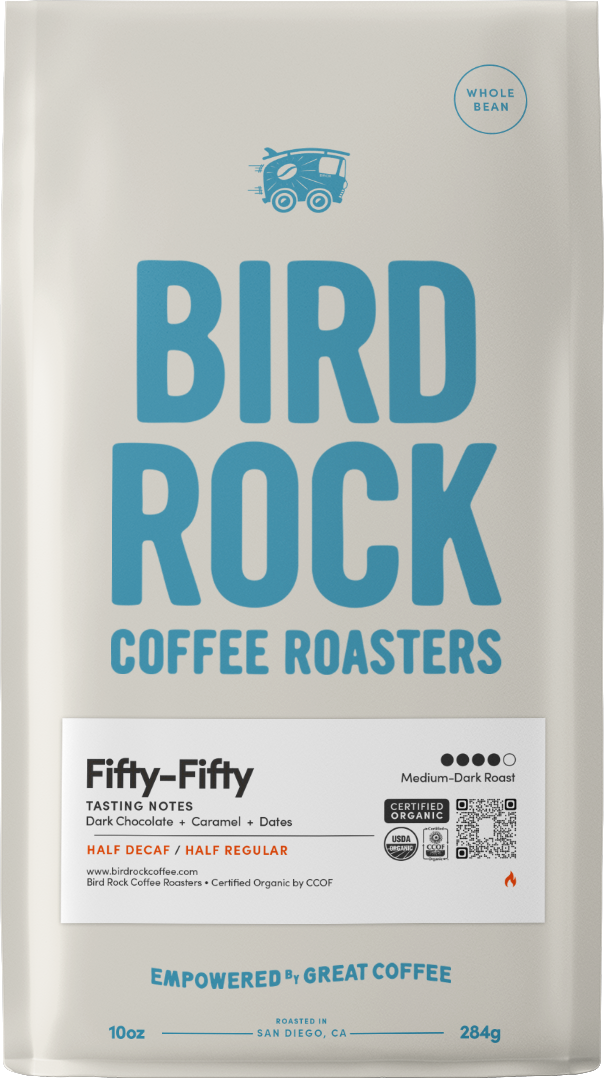
A little caffeine but not too much, this is a blend of decaffeinated coffee and full-octane beans. The blend is meant for those who are perhaps a bit sensitive to caffeine yet still need a little waking help in the morning, or for those needing a jolt in the afternoon but still want to sleep well at night. Of note: In 2012, this coffee landed on Imbibe Magazines list of 50 Most Notable Drinks.
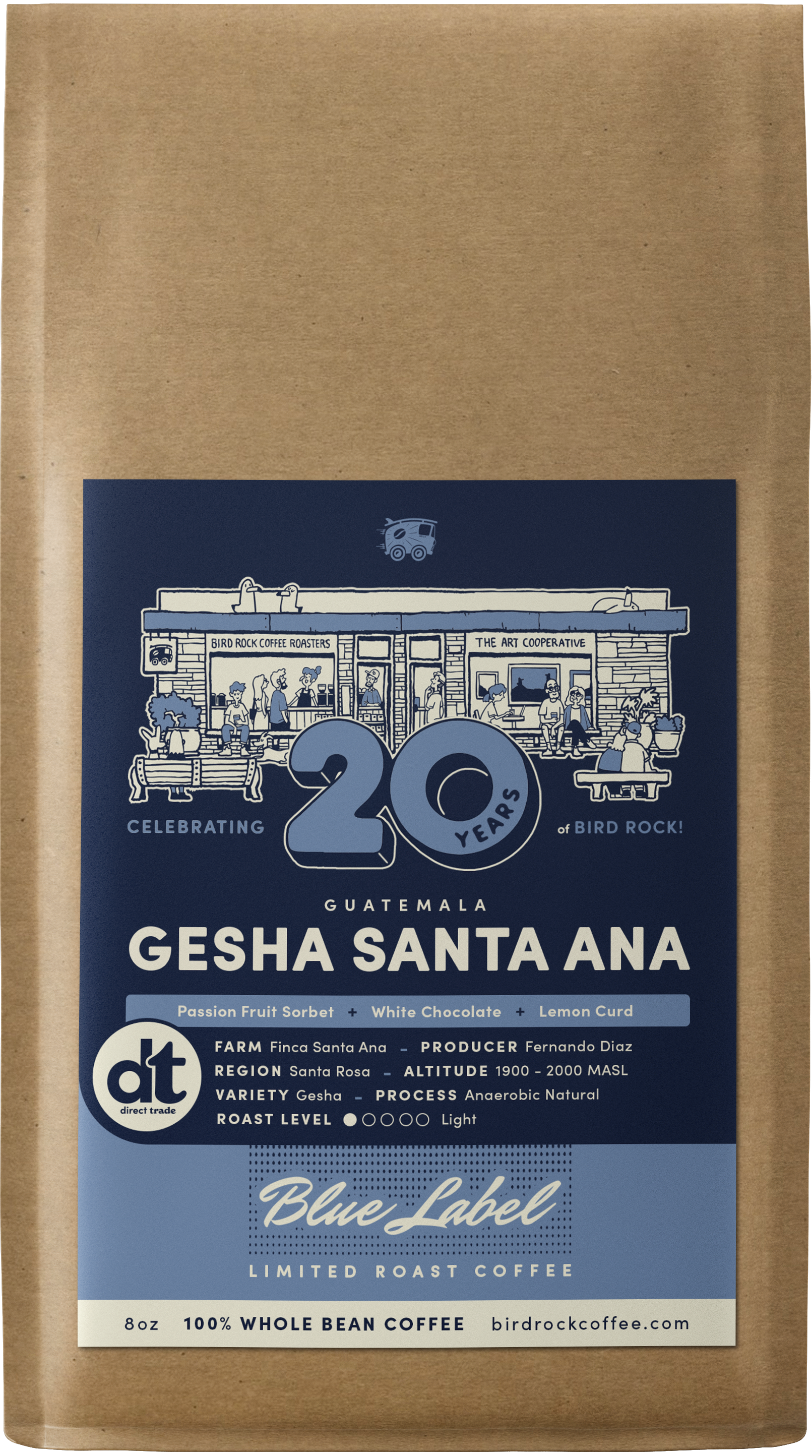
Twenty Years, One Extraordinary Coffee: Gesha Santa Ana Twenty years is a milestone worth celebrating. It is an opportunity to look back at where we began, recognize the people who helped shape us, and recommit to what we want Bird Rock Coffee Roasters to represent for the next twenty years. We could have created an anniversary blend. But when we thought about the coffee that would best tell our story, the answer was not a blend at all. It was a single-origin coffee from one producer, one farm, and one relationship that has grown alongside Bird Rock for more than a decade. Introducing Gesha Santa Ana , our 20th-anniversary coffee. A Relationship Rooted in Quality High on the slopes of La Gavia mountain in Guatemala’s Santa Rosa region, between the Tecuamburro and Pacaya volcanoes, sits Finca Santa Ana. The farm was established by Roberto Díaz in 1983 and is now led by his son, Fernando “Nando” Díaz. Bird Rock’s relationship with the Díaz family began in 2010, when we became one of the first two roasters to partner directly with the farm. By then, Santa Ana had already begun establishing itself as one of Guatemala’s exceptional coffee producers. The farm earned five placements in Guatemala’s Cup of Excellence: 10th place in 2007 15th place in 2009 4th place in 2010 9th place in 2012 16th place in 2015 Those awards were earned with Santa Ana’s traditional coffee varieties, including Bourbon, Catuaí, and Pache. But Nando was already thinking about what might come next. Searching for the Next Great Coffee By 2015, Nando and his brother had noticed a shift taking place in coffee competitions. Distinctive varieties such as Gesha, SL28, and Pacamara were increasingly appearing among the highest-scoring coffees. They wanted Santa Ana to continue evolving, but finding those seeds in Guatemala was difficult. For many producers, rare varieties had become part of a farm’s identity—something closely protected rather than freely shared. So the brothers widened their search, reaching out through coffee buyers and producers across Panama, Costa Rica, and Colombia. During his regular visits to Santa Ana, Bird Rock founder Chuck Patton heard Nando speak about the project as it moved from an idea toward reality. Seeds needed to be sourced. Paperwork needed to be pushed through. But the plans were being put into motion. Chuck contributed to the seed project by providing his input, data, cupping knowledge, and experience with different seeds. Additionally, he offered financial support to help make the collaborative project a reality. More importantly, the project became a collaboration shaped by the trust Bird Rock and Santa Ana had already built together. For Nando, that kind of partnership is what makes coffee different from nearly every other business. “This business is a totally different game in terms of relationships,” he told us. “I would say friendship. The conversations are held differently.” In 2015, Bird Rock and Santa Ana worked together to source approximately fifteen new coffee varieties for the farm’s experimental garden. In 2016, the first seeds were planted in the field. Nando chose to plant the Gesha at the highest reaches of Santa Ana, where elevation, climate, and careful farm management could give the variety the best opportunity to express itself. Then came the waiting. Coffee does not reward shortcuts. A newly planted tree requires years of care before it produces a harvest. Every decision—from spacing and pruning to picking and processing—shapes a cup that does not yet exist. That patience is part of what makes this coffee meaningful. The First Cup In 2017, Chuck introduced Nando to Jeff Taylor, his friend and Bird Rock’s new owner. During Jeff’s first visit to Santa Ana, they finally sat down to taste the farm’s Gesha together. It was the first time anyone had cupped a Gesha grown at Santa Ana. Nando still remembers what they discovered. “We had those rose notes in the cup,” he said. “I remember that very clearly.” That cup represented years of searching, planting, learning, and trusting that the work would eventually reveal something extraordinary. It also marked a new chapter in a relationship that had endured through changes at both the farm and Bird Rock. Roberto’s vision had passed to Nando and his family. Bird Rock had passed from one friend to another. Through it all, the commitment to the coffee—and to one another—remained. Why This Coffee Defines Our Anniversary For twenty years, Bird Rock has built its identity around carefully sourced, single-origin coffees and meaningful relationships with the people who produce them. Direct Trade, to us, has never been a line on a package. It means returning year after year. It means listening, learning, and investing in relationships whose best results may take years to emerge. Gesha Santa Ana embodies that philosophy. This is not simply a rare variety from a celebrated farm. It is the result of a shared idea that began more than a decade ago. It connects Bird Rock’s founder with its current owner, a father’s legacy with the next generation, and Santa Ana’s award-winning history with its drive to keep experimenting. Rather than blending many coffees to commemorate twenty years, we chose one coffee that expresses what has always mattered most to us: a remarkable place, an exceptional producer, and a relationship built for the long term. This label is a nod to our original location in Bird Rock, La Jolla, which opened in 2006. It embodies so much of who we are: community, a place to slow down, conversations shared over delicious coffee, and a welcoming space where stories have been told and friendships have grown for nearly two decades. It’s a reminder of where we started and the people who have made Bird Rock what it is today. Twenty years brought us to this cup. We hope you will be part of where it takes us next.
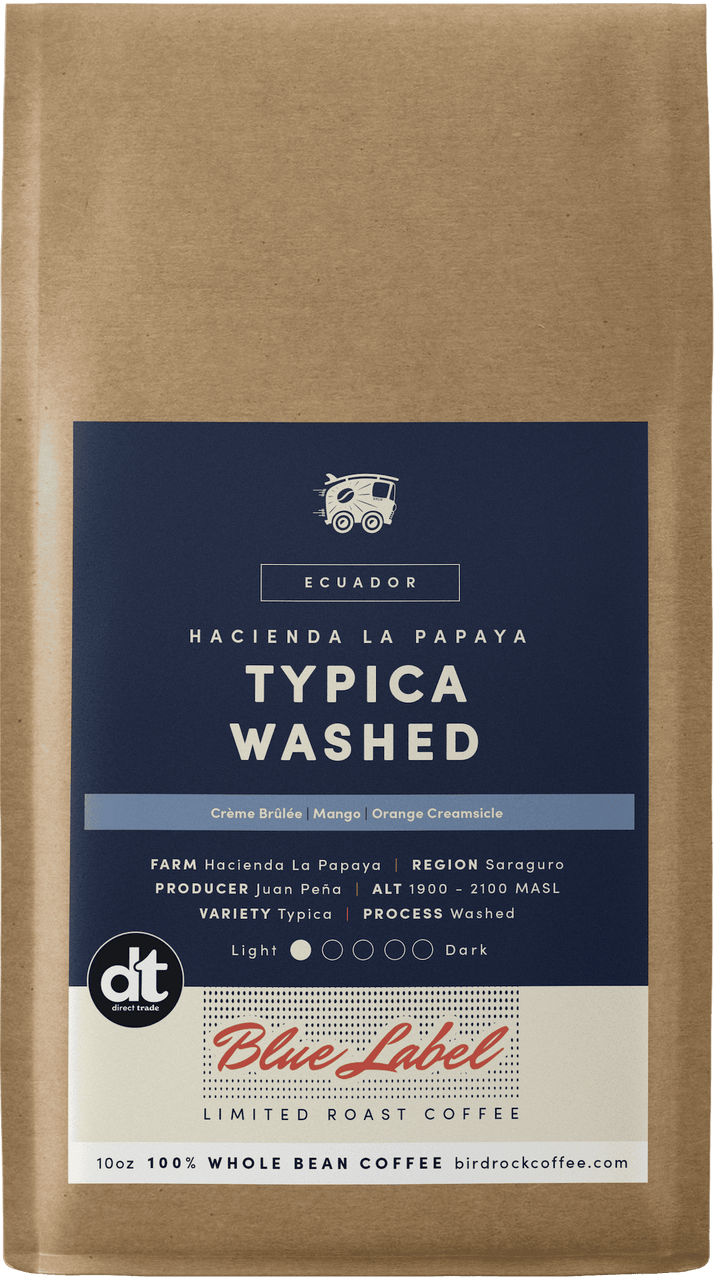
The Hacienda La Papaya farm and estate is owned and operated by Juan Peña — Ecuador’s most famous specialty-coffee producer. He and his coffee have multiple recognitions world wide due to his quality. Hacienda La Papaya coffees are the result of a meticulous integral process. The process begins in the nursery where the best seeds are selected, considering the origin and characteristics of the mother plants. Proper sowing techniques are applied for the correct development of the plant. This ensures efficient fertilization management throughout the farm and maximum control at each stage of plant’s growth. Juan is also always, actively engaged with many processing experiments. His farming is meticulous, scientific, curious, and giving: He provides neighbors and farm workers space in his nursery, along with seedlings, so that they can develop plots of their own.
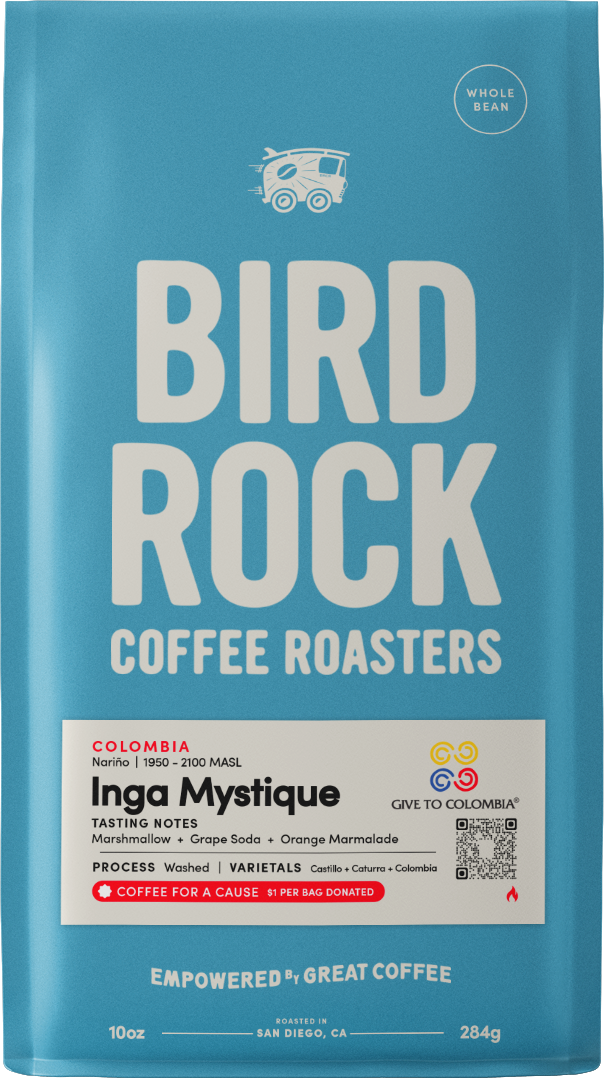
Colombia still needs our help as communities recover from the recent earthquake. You can support relief efforts by donating directly to one of the trusted organizations listed here, or by purchasing our September Cause Coffee, Colombia Inga Mystique. $1 from every bag sold will go to Give to Colombia to help support the people and communities impacted. Colombia’s Nariño department is one of the country’s most striking coffee landscapes. Bordering Ecuador and the Pacific Ocean, it sits near the equator where three Andean mountain ranges come together. The combination of very high elevations, reaching up to 2,500 meters above sea level, and fertile volcanic soils creates exceptional growing conditions for coffee. At night, warm air rises from the deep canyons and acts like a natural thermal blanket. As a result, the coffee cherries mature slowly, the seeds develop a dense structure, and the flavor profiles become remarkably complex. The region has become a respected center of coffee innovation thanks to the dedication of thousands of smallholder farmers and indigenous communities who have worked these lands for generations. In the Aponteña zone, the Inga indigenous community cultivates coffee on 17,500 hectares of sacred land spread across six vibrant communities. Guided by their ancestral Quichua Inga language and core principles of honesty, dignity, and communal well-being, the Inga people see coffee as both a livelihood and a cultural expression. Nearby in Tablón de Gómez, small farms thrive in a canyon-shaped microclimate. Young coffee trees grow under open skies, supported by natural humidity and wind. Traditional methods are central to production. Cherries are carefully harvested, fermented in tanks for 12 to 24 hours, then pulped and sun-dried for 12 to 15 days. Each year, the community produces about 300 tons of coffee, a reflection of their skill, stewardship, and intergenerational knowledge. Inga Mystique embodies this spirit, offering a taste of Nariño’s extraordinary terroir, ancestral traditions, and the deep connection between people and land.
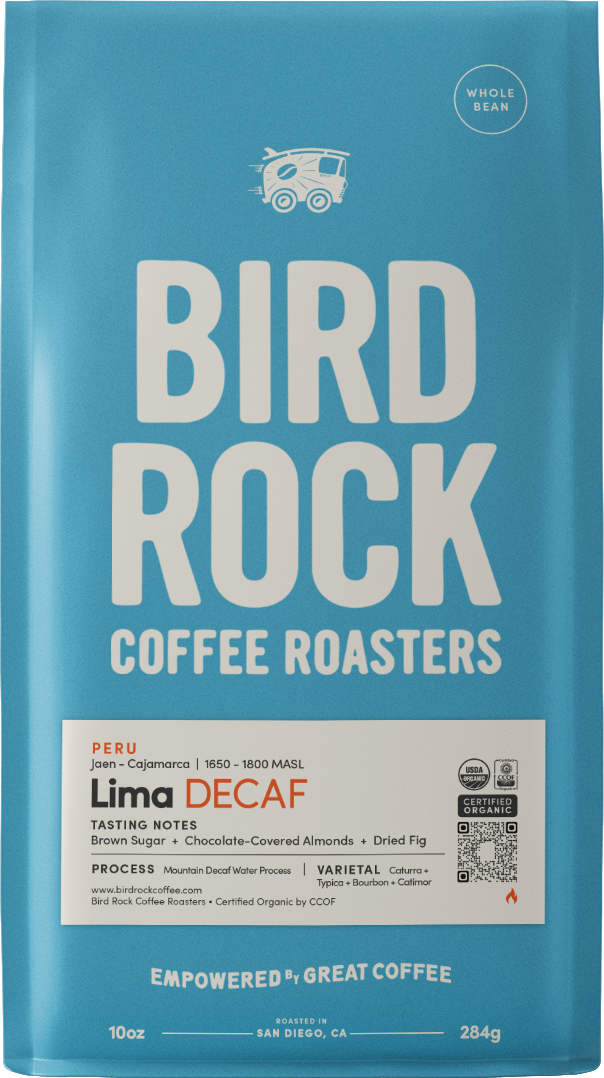
Rony Lavan is an ambitious and quality-driven cupper who has spent his career trying to carve out better and bolder coffees from small producers in Peru. While the country is emerging as a specialty market after many years of focusing on bigger lots and certifications, Rony's passion is with identifying and developing the top scores and the best cups. As president of the Lima Coffees exporting organization, Rony has already established himself as standing at the fore of microlot-quality coffees in Cajamarca. His first year with Lima Coffees, he entered the national competition and won; with the introduction of the Cup of Excellence competition to Peru in 2017, the country is poised to enter the international spotlight for its finest offerings. Rony and his coffees will be the ones to watch.
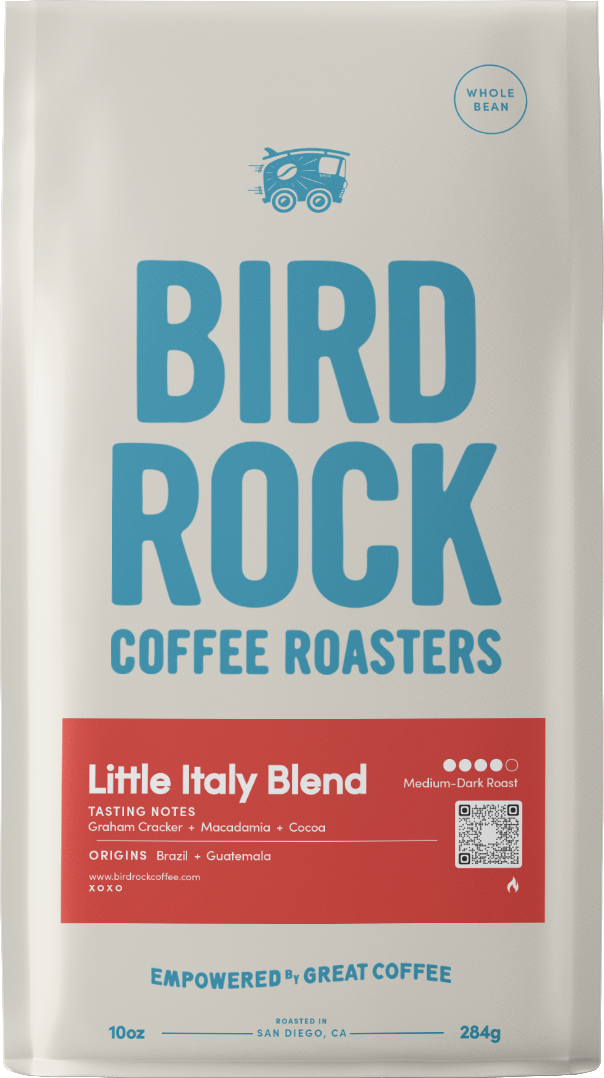
When we celebrated our 2nd anniversary at our Little Italy location in San Diego, we carefully crafted and blended a delicious full body coffee. This coffee will please any type of coffee drinker with its smooth flavors and light acidity.
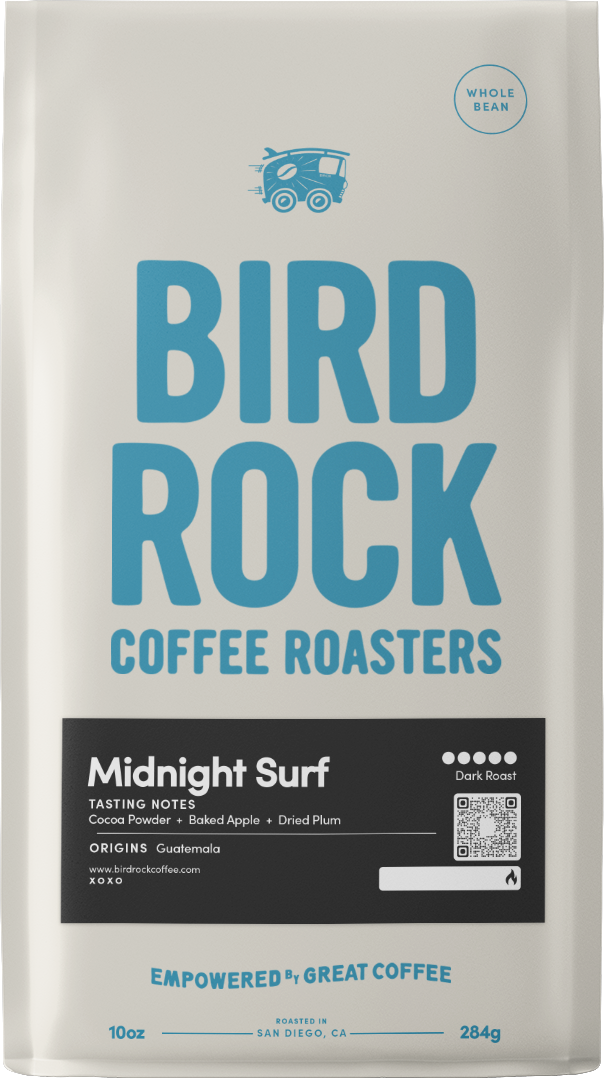
This dark roast is like a Midnight Surf; bold, intense, and perfect for catching a late-night caffeine wave. Formerly named "French Roast," this well-balanced blend features hints of cocoa powder, baked apple, and dried plum will fuel your energy through the night.
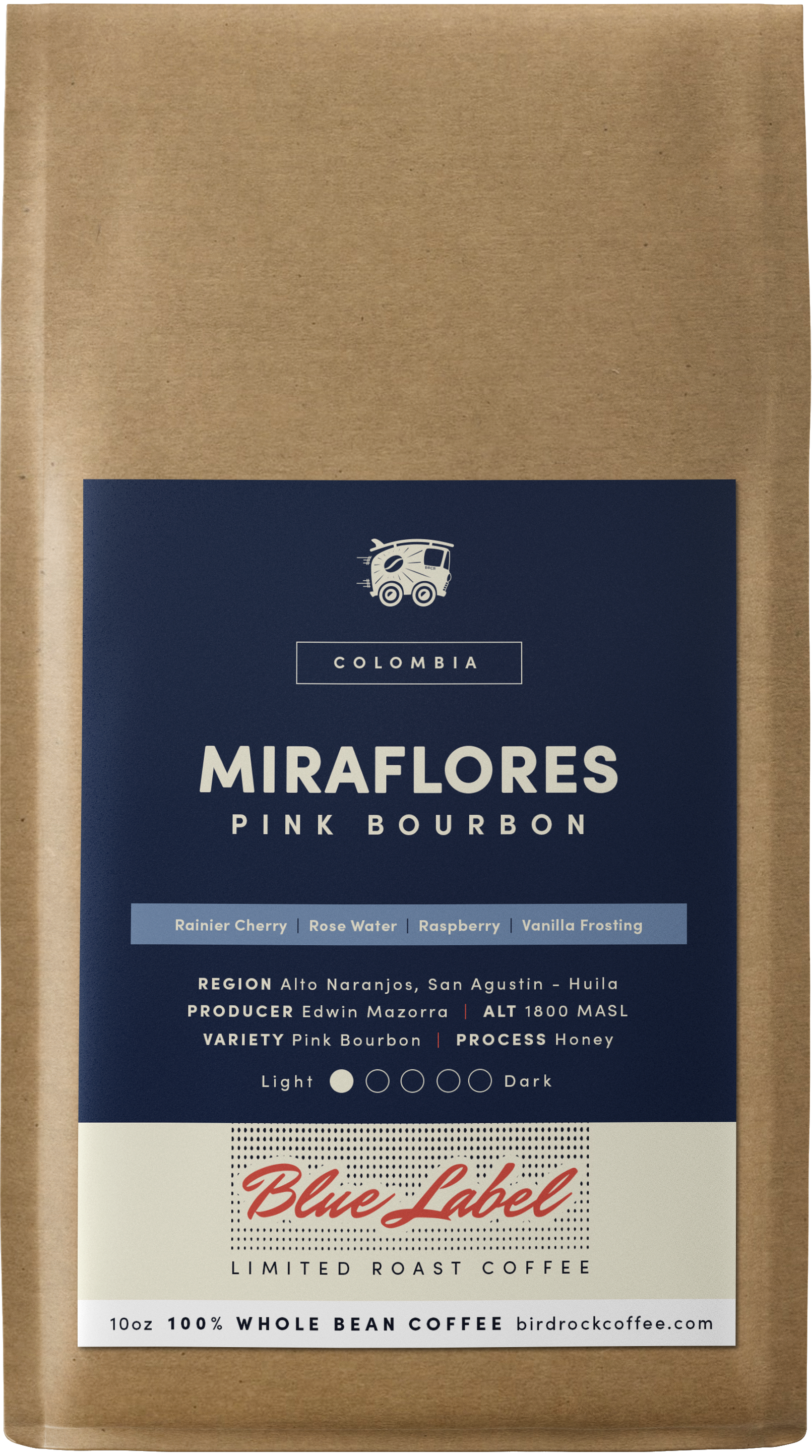
Coffee has always been at the heart of Edwin's family. Miraflores Farm belongs to his father, who acquired the property when it was producing coffee for the commodity market and the land had been neglected. Despite the challenges, the family saw its potential. With determination and hard work, they began restoring the farm, improving soil health, and replacing older coffee trees with varieties such as Caturra and Colombia, believing that quality coffee could create a better future. Edwin grew up among the coffee trees. As a child, he eagerly followed his father through the farm, learning every stage of coffee cultivation and developing a deep appreciation for the land. Today, he manages Miraflores Farm on behalf of his father, working alongside his family to continue the journey they began together. For them, coffee is more than a crop—it is a way of life that has created opportunities, strengthened family bonds, and shaped their future. A turning point came when Edwin saw the remarkable results a fellow producer achieved with Pink Bourbon. Inspired by its exceptional cup quality and market potential, he decided to plant the variety at Miraflores. It represented more than a new cultivar; it was an opportunity to move beyond selling coffee as a commodity and instead be rewarded for quality, craftsmanship, and the unique character of each harvest. Cultivating Pink Bourbon requires patience and precision. The trees need more space than many traditional varieties because of their vigorous branching, and successful production depends on careful management throughout the growing season. Edwin quickly realized that producing exceptional coffee is not simply about planting better genetics—it is about caring for every detail, from healthy soils and thoughtful farm management to meticulous harvesting and processing. Through technical support and training from InConexus, Edwin has strengthened every stage of production. From selecting high-quality seedlings to improving farm infrastructure and adopting sustainable agricultural practices, he continues to invest in the long-term future of Miraflores Farm. Soil conservation, reforestation, and responsible water management are now integral parts of the farm's philosophy. Edwin is deeply committed to protecting the land that sustains his family. He preserves a forest reserve that provides natural shade for the coffee trees and protects a crystal-clear stream that runs through the property, contributing to the farm's biodiversity and ecological balance Edwin's vision for Miraflores Farm is one of continuous improvement. He plans to introduce additional specialty coffee varieties, further refine cultivation and processing techniques, and continue investing in infrastructure to elevate cup quality. His goal is simple: to produce coffees that reflect the care, resilience, and passion of his family while sharing the unique character of Miraflores with coffee lovers around the world. Extended Flavor Notes This coffee presents a layered and expressive sensory profile. The dry fragrance and wet aroma are distinctly fruit-forward, with elegant floral notes reminiscent of fresh rose petals emerging as the coffee blooms. These aromatics lead into flavors of vanilla frosting and ripe red grape. beautifully balanced by a lively, juicy acidity. Its velvety mouthfeel enhances the cup's balance and structure, carrying the flavors into a long, clean finish. Lingering stone fruit notes culminate in the delicate sweetness of ripe Rainier cherry, leaving a memorable aftertaste that invites another sip.
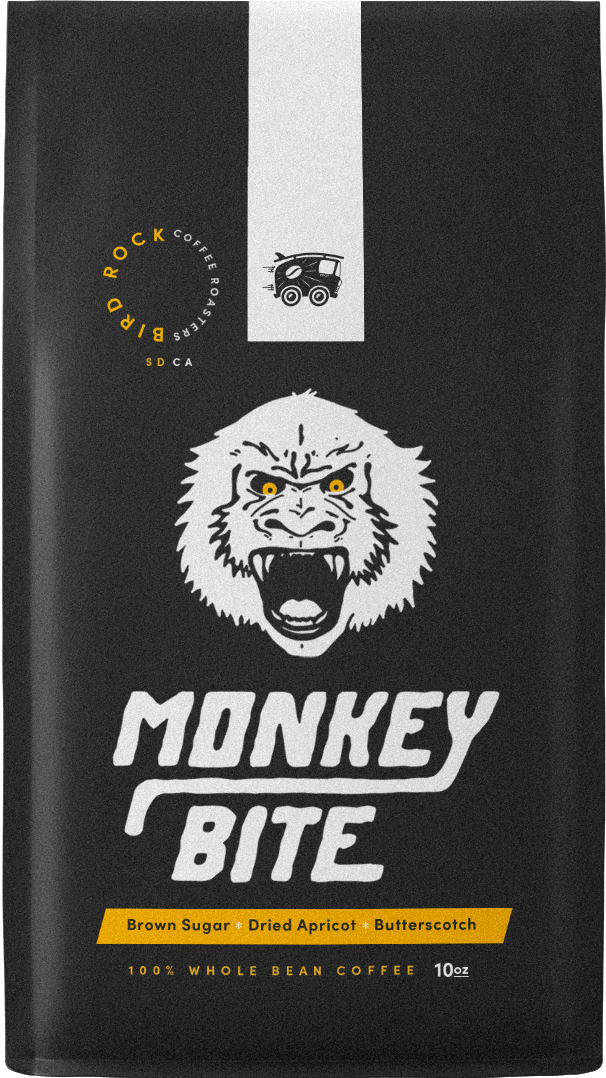
Dive into the heart of Bird Rock Coffee Roasters with our signature Monkey Bite Espresso, which is at the center of every espresso beverage at Bird Rock Coffee Cafes. This blend of African and South American coffees is sweet, complex, and a perfect example of modern third-wave espresso. Named for the harrowing monkey attack that our founder Chuck suffered through in Kenya, this blend is a top seller at the cafes and online. Our seasonal blend is carefully crafted and tested to be pulled as delicious straight espresso, drip coffee, or in a traditional milk-based drink (like a Cortado). This is the same fantastic blend we use in all our retail cafes. For espresso machines, we recommend a dose of 22 grams, resulting in about 24 grams (call it a fluid ounce) and a total extraction of 27-34 seconds, with the first drops visible at 10-12 seconds.
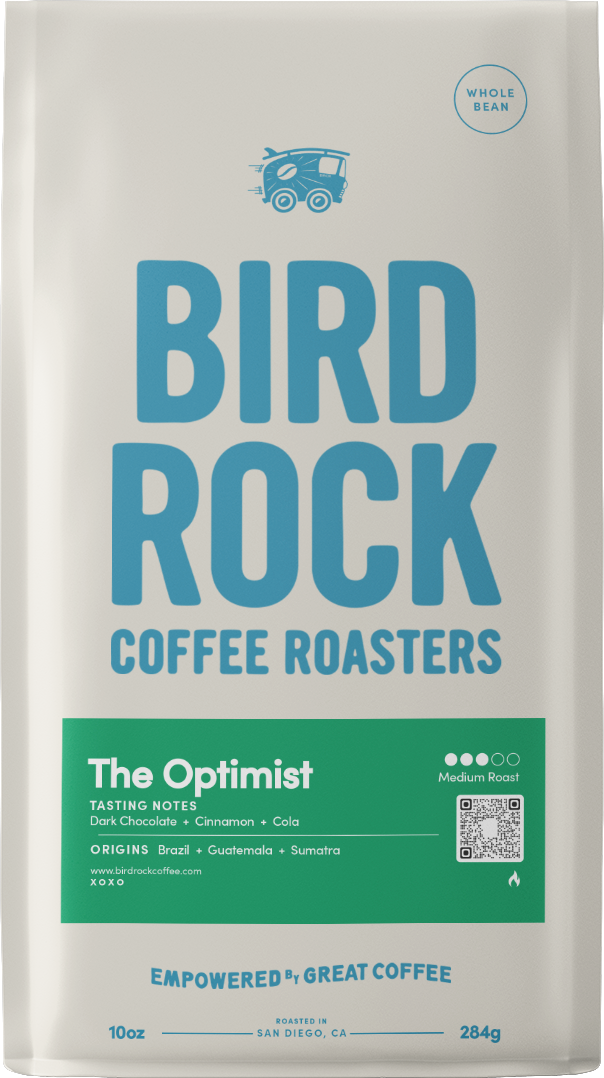
For the traditionalist, The Optimist Blend offers a timeless espresso experience. It’s the epitome of balance with a deep, chocolatey essence and a sweet, inviting finish. Versatile in nature, it is as delightful as a drip coffee as it is in a robust espresso.
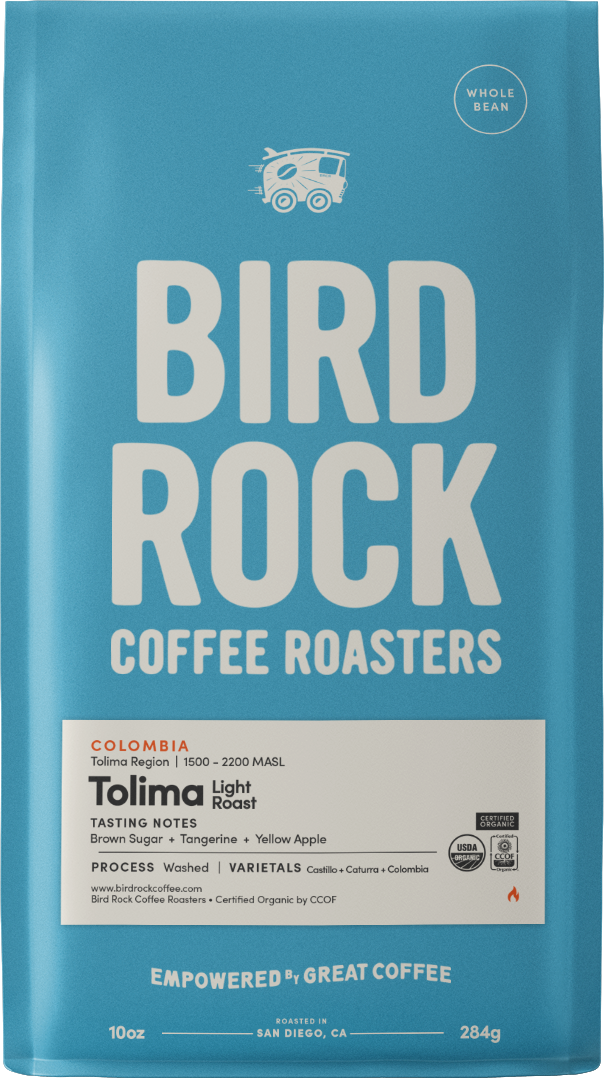
Certified Organic For many years Tolima has remained hidden in plain sight between other well-known coffee growing regions. In recent years, locally organized associations have taken the lead in creating market access for producers' coffees. This traceable blend with a vibrant regional profile comes from an association called Cooperativa Multiactiva de Asociaciones Agropecuarias del Tolima (Multicoop), which has 379 producers with small farms in the municipalities of Planadas, Rioblanco and Chaparral. Each producer has their own micro-mill where they carefully harvest cherries, depulp, ferment, wash, and gently dry the parchment on raised beds. Their impeccable farm management and post-harvest practices culminate into a clean and consistent blend, but there are also just enough differences from farm to farm to create a rich complexity of flavors. An export company called Mastercol provides crucial logistical support for things like warehousing and milling coffee for export to the international market, which provides better income for producers to reinvest in their farms and strengthen their families’ livelihoods.
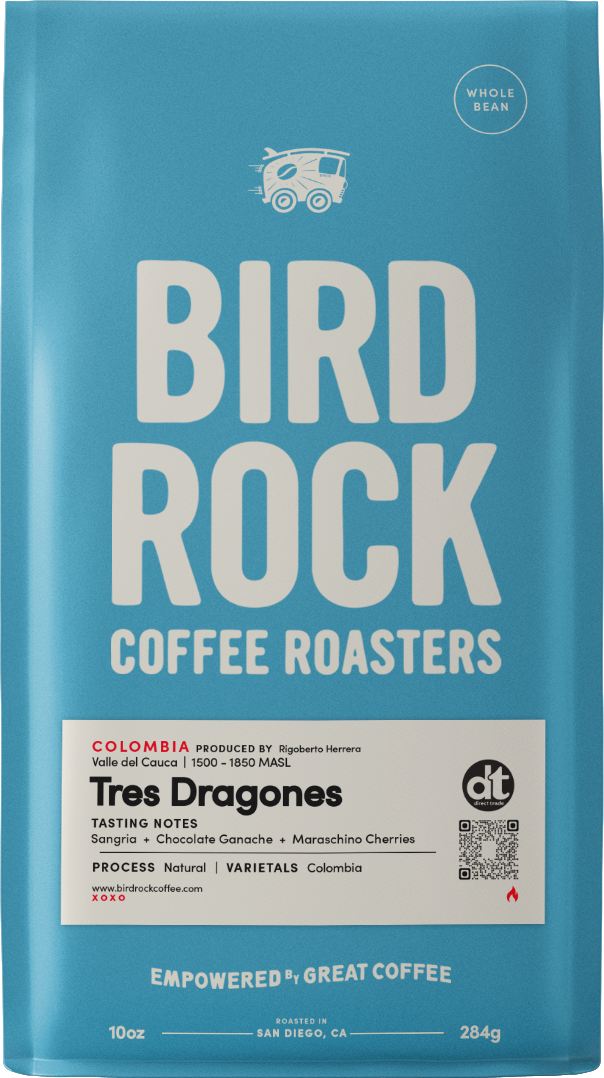
About Farm: Potosi Farm is located in the municipality of Caicedonia, Valle del Cauca Region of Colombia. with an altitude that range between 1430 to 1860 masl Has a 52 ha of crop area and is managed with sustainable agricultural practices. Potosi is been part of the tradition and history of Granja La Esperanza, since 1945. Herrera family introduce a diversity of coffee varietals to the farm that traditionally was planted with Typica. In 2017 a fire consume the original house and processing area of the farm, and from her Three Dragons is born. From the Herrera brothers at Café Granja La Esperanza: "This rich and expressive profile resurged from the ashes of our Potosi farm devastated a few years ago by a voracious fire, leaving just dust under our shoes. As always in Café Granja La Esperanza, we looked at the bright side of things and that is how we found ourselves in front of an empty space to redesign and organize our entire production facility. We adopted three dragons mechanical dryers to help us bring to life, with their fire, one of our most recognized and demanded profiles of last season. The versatility of the dragons showed us new ways of enhancing natural notes in this already beautiful profile making it richer in taste and intensity." About Process: The coffee cherries are picked manually and rigorously sorted before fermenting for 36 hours in cherry under controlled temperature. After fermentation, the coffee is move to one of the three dragons mechanical dryers for 48 hours, then moved to a solar drying facility for 15 days, until it reaches a humidity of 11%.