
Roasteries / Modus Coffee

Modus Coffee
Vancouver, BC, Canada
Modus is a Vancouver specialty roaster recommended by other BC roasters. It started as a roaster before opening its Mount Pleasant shop on West Broadway, and runs a roastery and studio in Burnaby that hosts tastings and roastery tours. The range spans named-producer lots — Ethiopian, Colombian, Rwandan and Burmese — its Selects series and collaboration coffees, plus a mobile coffee service.
8
coffees
Canada
base
Locations
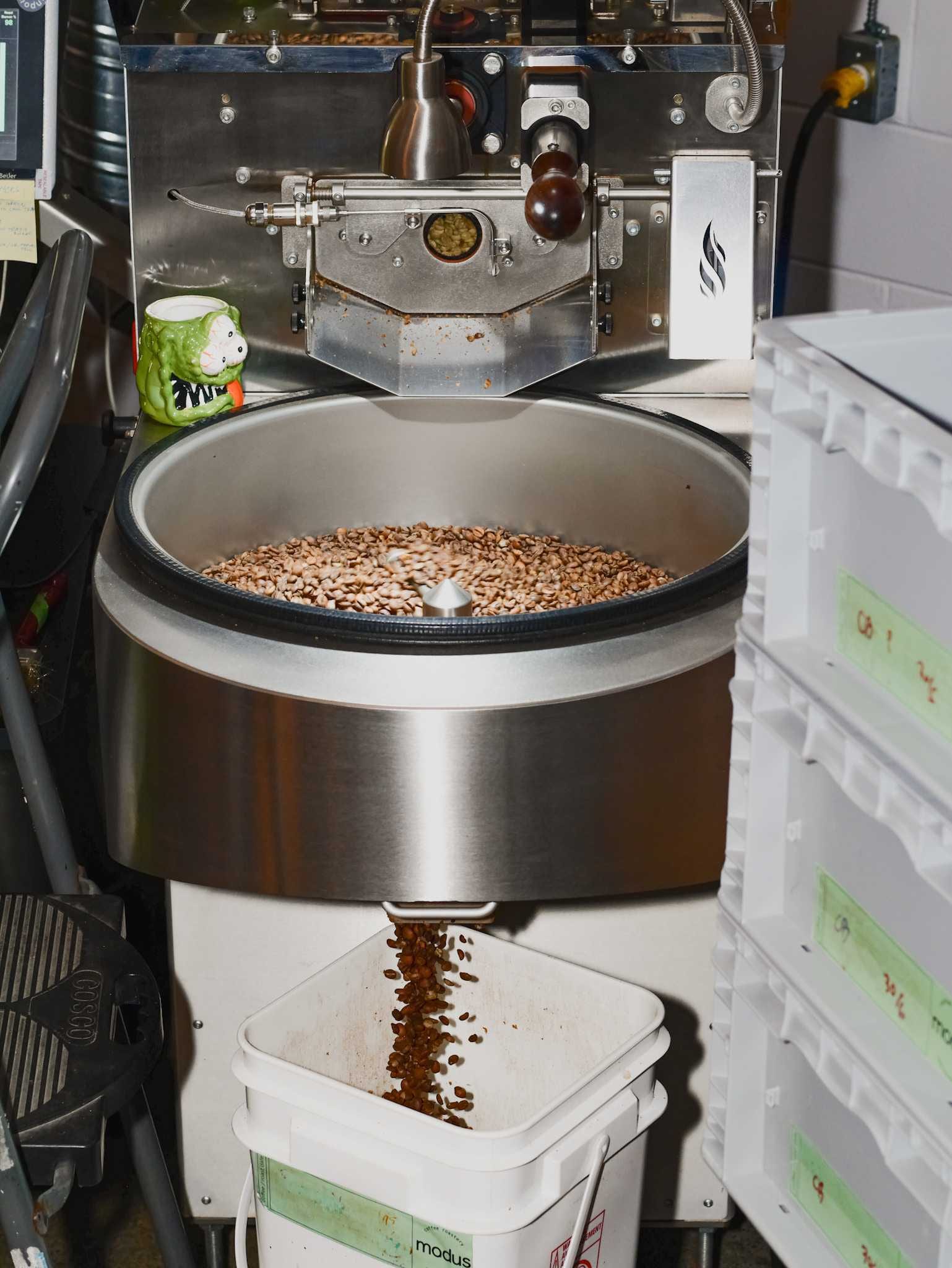
Modus Coffee – Burnaby Roastery & Studio
491 Sperling Ave, Burnaby, BC, CanadaOpen daily; Tuesdays by appointment only
Coffees
8 coffees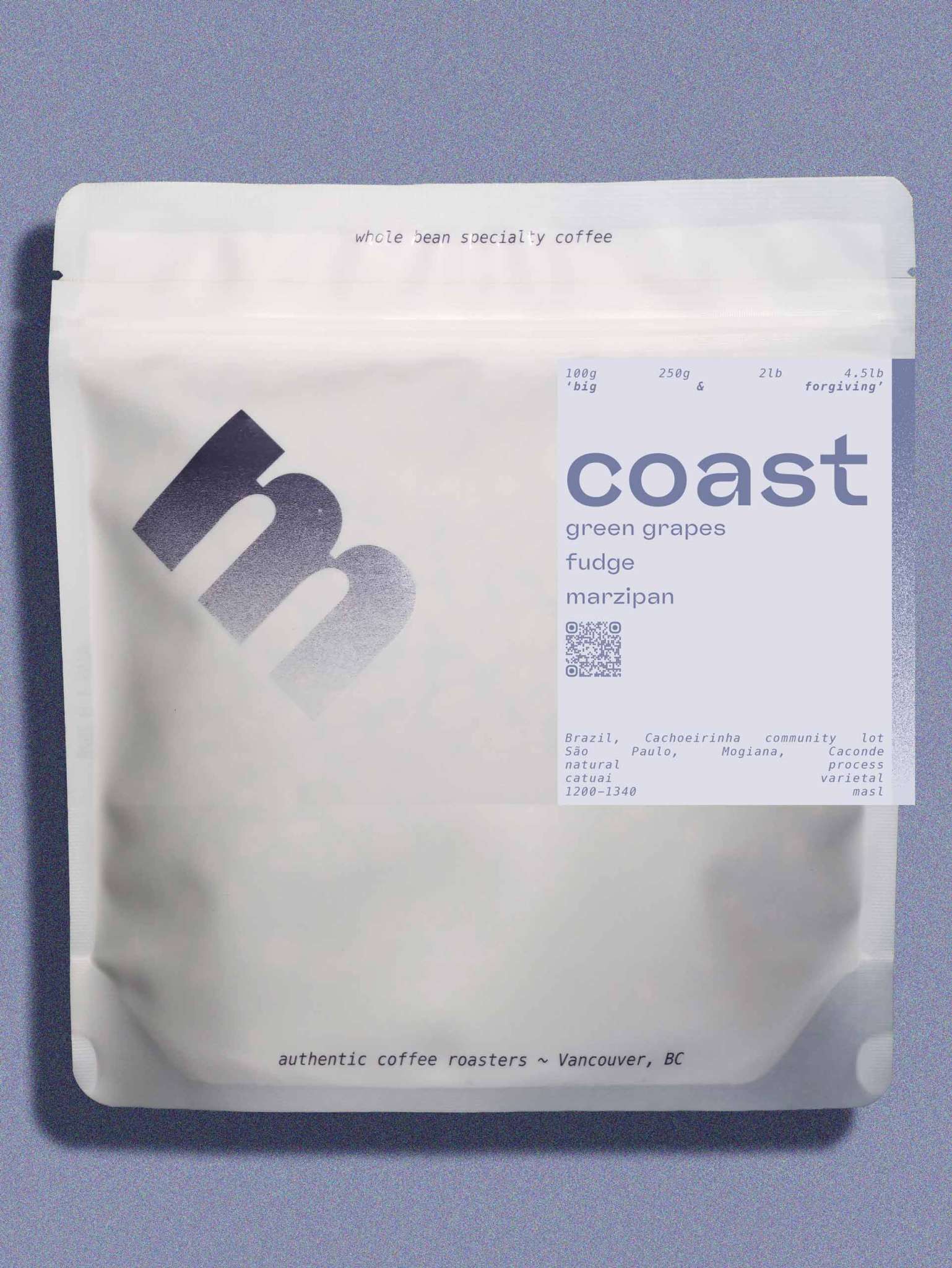
These beans were processed with a natural method. After harvest, the whole cherry is left with the fruit intact during drying. Cherries are spread in the sun and turned regularly. Next, the dried cherries are hulled to extract green beans. Leaving the whole cherry intact during the drying stage produces fruity, jammy, and sweet flavours with less acidity. This processing method is common in areas with limited water resources. Catuai is a widely cultivated Arabica coffee varietal known for its high productivity, compact growth, and adaptability to diverse environments. Developed in Brazil thro Source: moduscoffee.com (roaster’s own copy).
fudge, marzipan, green grapes

Natural process. Jose dubbed his specific approach to this a ‘sunrise’ natural. All coffee is hand picked, with 95% being fully ripe. It is a natural with a 96 hours of fermentation in closed tanks with water, and fermented in horizontally closed tanks (resulting in a minimal anaerobic fermentation). Finally dried in the sun on aerated beds until a 12% moisture is reached, approximately 14 days. At 27, Jose is pushing the limits on new-school processing, making the most out of La Florida. In recent years, many younger producers are actually exiting the coffee production world as it is ex Source: moduscoffee.com (roaster’s own copy).
bubblegum, latik (toasted coconut), tamarind

Yeast washed process. Coffee cherries are hand-picked and sorted, de-pulping the same day. The coffee is then fermented in traditional tanks for 24-36 hours with added yeast. Next, the mucilage is removed (washed). The final step is to dry the beans in two phases: first on open patios at a controlled temperature of 40 degrees celsius, and next in the shade. In total, the drying phase lasts about 5 days. At 37, Sebastian is a fourth-generation coffee farmer who pushes the boundaries of specialty coffee. Having started his coffee journey as a traditional grower, he has ventured into experimental Source: moduscoffee.com (roaster’s own copy).
papaya, jasmine, blue livewire
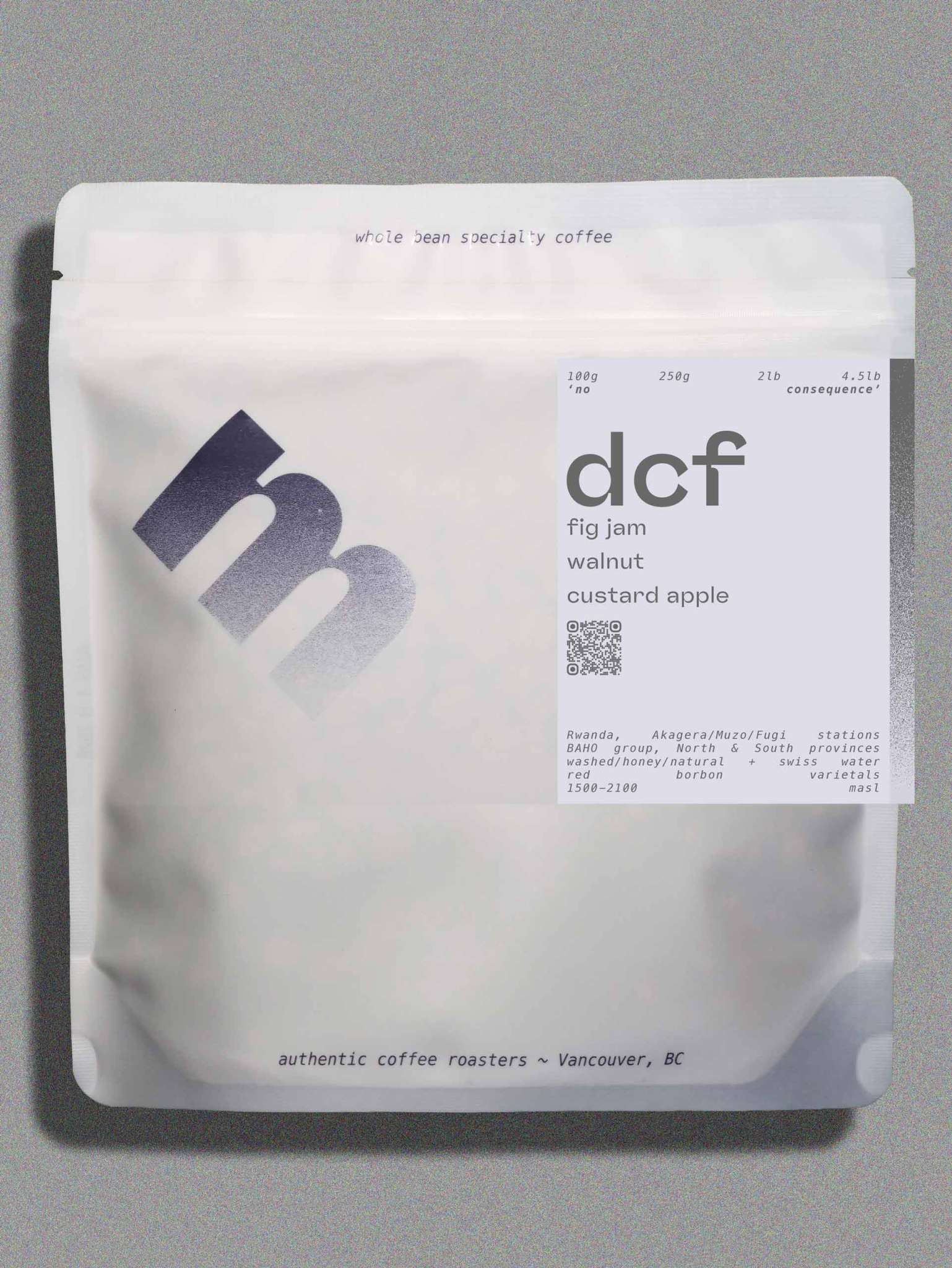
Coffees in this scenario are processed separately at the various mills, blended prior to export, and then finished at the Swiss Water plan in Vancouver. The Swiss Water Process is a chemical-free method of decaffeinating coffee that uses water, time, and temperature to remove 99.9% of caffeine. Green coffee beans are first immersed in fresh water to open their pores, then soaked in Green Coffee Extract (GCE), a water solution already saturated with coffee flavour molecules. Through a diffusion process similar to osmosis, caffeine migrates from the beans into the GCE. The caffeine is then captu Source: moduscoffee.com (roaster’s own copy).
fig jam, walnut, custard apple

Washed process. Processing can differ between producers, but most farms collect their cherries daily during the harvest and transport them to a local wet mill. Cherries are de-pulped using an eco-pulper on the same day, then left to ferment in tanks or plastic bags for 24 to 36 hours. Next, coffee is then dried on raised beds for around 14 days, before being stored in the mill’s warehouses until it is ready for export. Cafe Colis Resistencia – The group’s name honors their peaceful resistance against the Escobal silver mine, a project imposed without their consent that threatens their la Source: moduscoffee.com (roaster’s own copy).
cane sugar, pomelo, cherry pie

“Normally, naturals at the Banko Chelchele station are hand-sorted upon delivery and moved directly to raised screen beds to sun-dry. In the case of this special microlot, fresh cherry is sealed into carbon fiber drums with fresh cuttings of local rue and left to ferment anaerobically (deprived of fresh oxygen) for 10 full days between 15-18 degrees Celsius. This stage allows the sugars in the fruit to develop far beyond where they would in a traditional natural without the risk of over fermenting. The addition of the local herb infuses the cherry must that surrounds the fruit and create Source: moduscoffee.com (roaster’s own copy).
umeshu, lavender, juniper
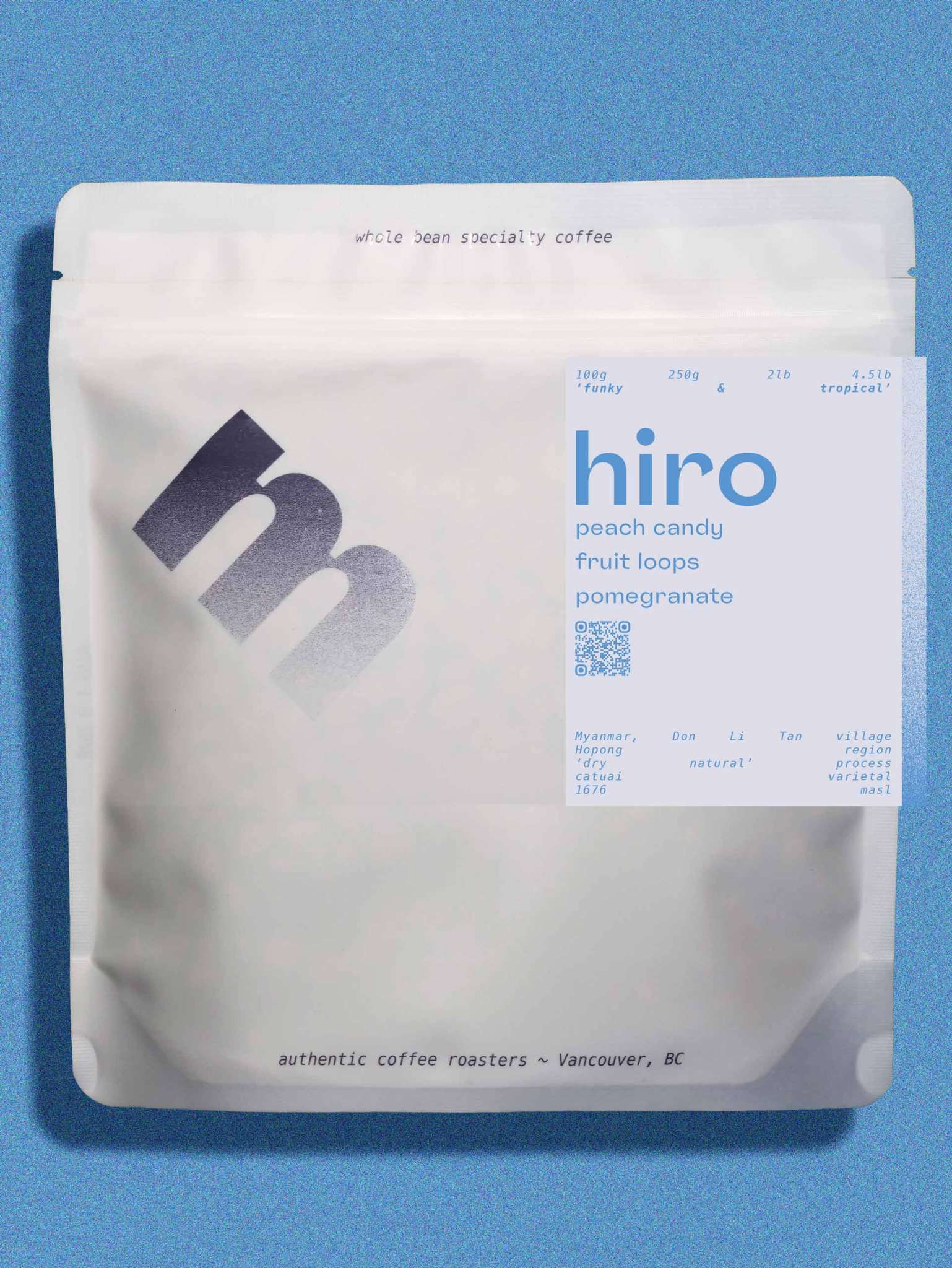
Also called dry processing:Whole cherry is left intact during drying. Cherries are spread in the sun and turned regularly. Dried cherries are hulled to extract green beans. Produces fruity, sweet flavors with less acidity. Common in areas with limited water resources Average drying: 18-22 days (first number for warmer days later in harvest, second number for cold days at beginning of harvest). Source: moduscoffee.com (roaster’s own copy).
peach candy, fruit loops, pomegranate
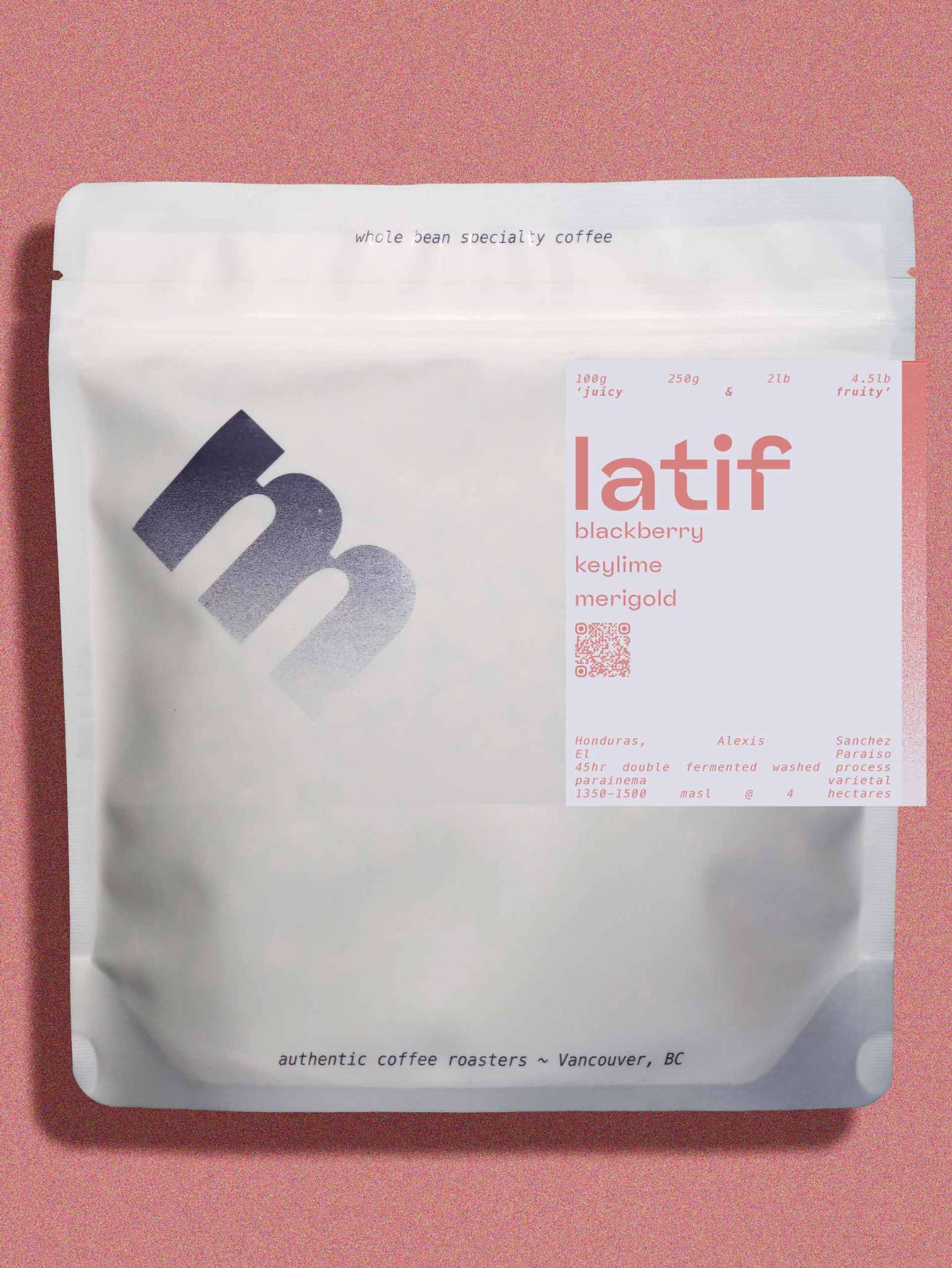
Washed: Cherries are picked and put into tanks or plastic bags to undergo a first 45-hour fermentation. They are then pulped and fermented for an additional 45 hours. After fermentation, the beans are placed on covered raised beds to dry for 25 to 30 days. Once dried, the cherries are stored in hermetically sealed bags to maintain their quality This is a big year for Alexis, as it’s his first year selling his lot within the specialty coffee market. Alexis is the brother of Danilo Sanchez, who is a key person in the group. Alexis himself has been growing coffee for 7 years now, and is a 3rd gen Source: moduscoffee.com (roaster’s own copy).
ribena juice, blood orange, shiso