Roasteries / Marshall Street Coffee
Marshall Street Coffee
Hamburg, Germany
Australian-style café and specialty coffee roastery in Hamburg's Altstadt, opened in February 2020 by Tristan and Marie, who bring a combined 17 years of coffee-industry experience from Germany and Sydney. Marshall Street brings Australian café culture to Hamburg — in-house roasted coffee, an all-day Aussie brekkie menu, and beans sourced from origins including Colombia, Burundi, Rwanda, Costa Rica, Honduras, Nicaragua, Kenya, Brazil and Uganda.
10
coffees
Germany
base
Location


Marshall Street Coffee
Schopenstehl 30, 20095 Hamburg, GermanyMon-Fri: 08:00-16:00 · Sat-Sun: 09:00-16:00
Coffees
10 coffees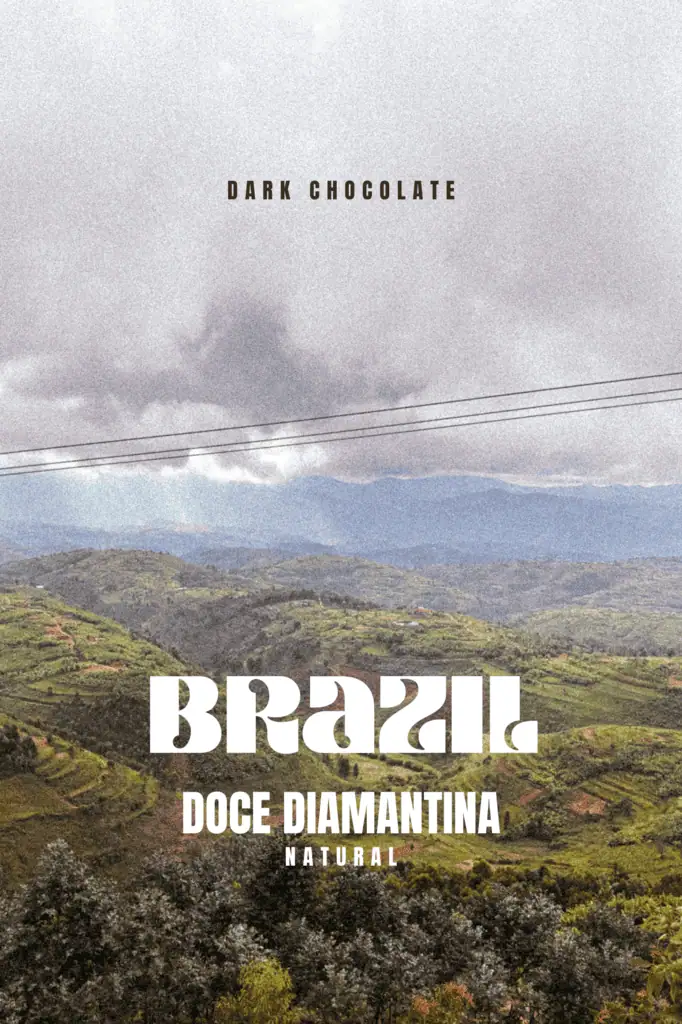
A naturally processed Cerrado lot from Exportadora Atlantica, prepared exclusively for Rehm & Co., where cherries dry on open patios. A strict selection process produces a sweet, versatile cup suited to blends or as a mild single origin. Harvested June to September.
Dark chocolate
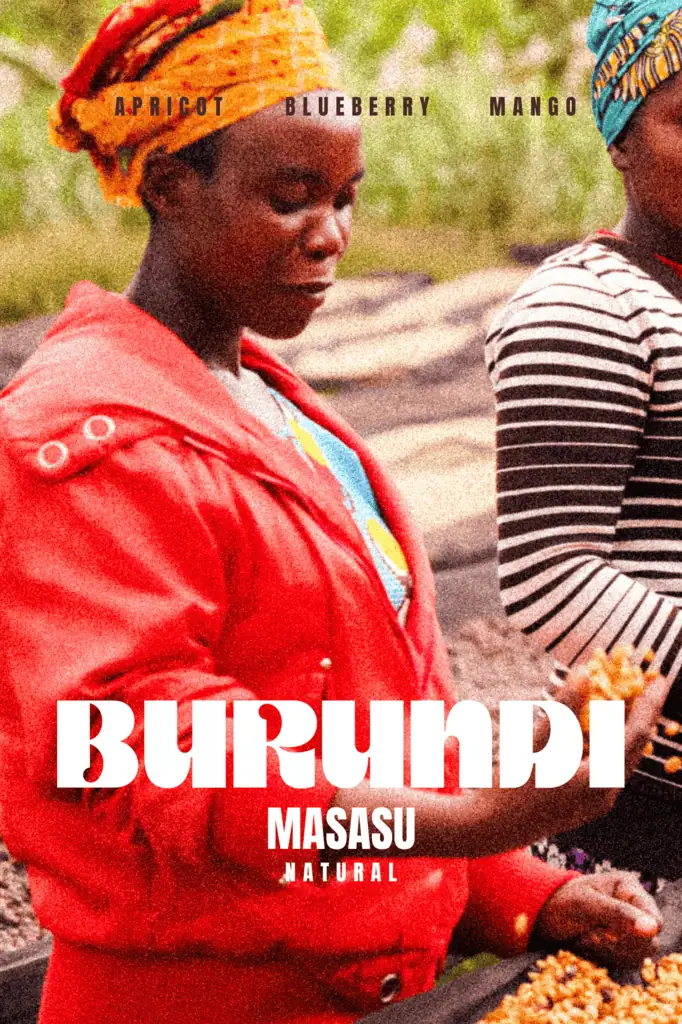
From the hilly Muyinga region in northern Burundi, where the Karambo washing station works with around 2,000 farmers across 50 hectares. The region's climate lends the Red Bourbon variety notes of apricot, blueberry and mango. Microlot.
Apricot, blueberry, mango
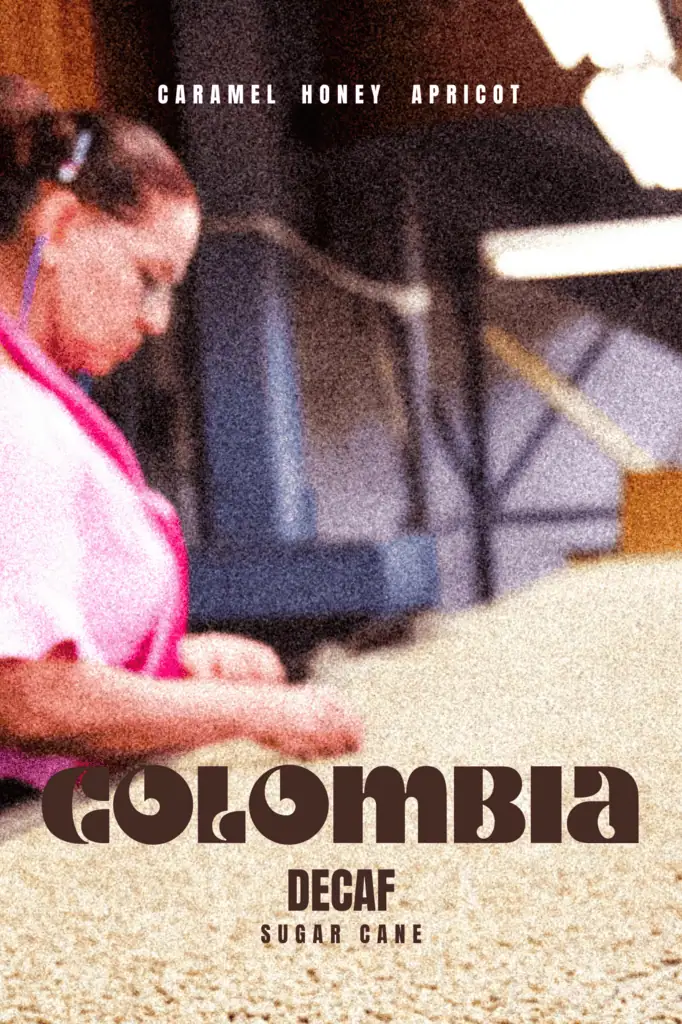
A washed Castillo lot from Antioquia, decaffeinated in Colombia using the chemical-free sugarcane (Ethyl Acetate) process: steam pre-treatment, soaking in naturally produced Ethyl Acetate to remove at least 97% of caffeine, then a final steam treatment to clear any residue, preserving the coffee's flavor.
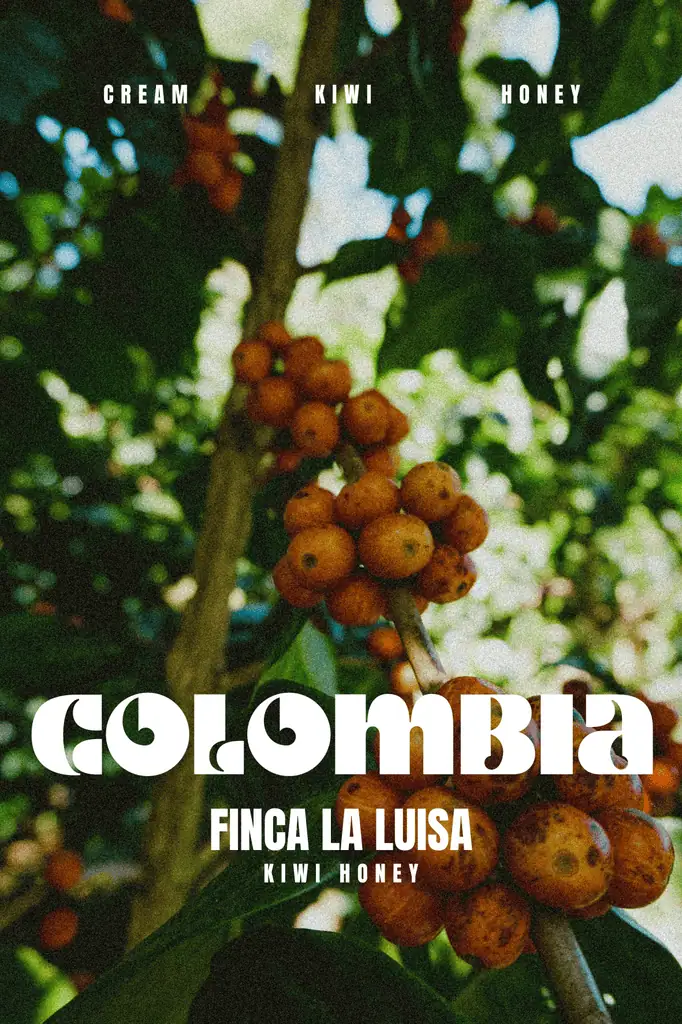
An experimental lot from the Vélez family's Finca La Luisa: cherries ferment 5 days in a sealed, CO2-flushed stainless tank, are depulped, then ferment a further 3 days with collected coffee juice and kiwi fruit before 5 days of drying.
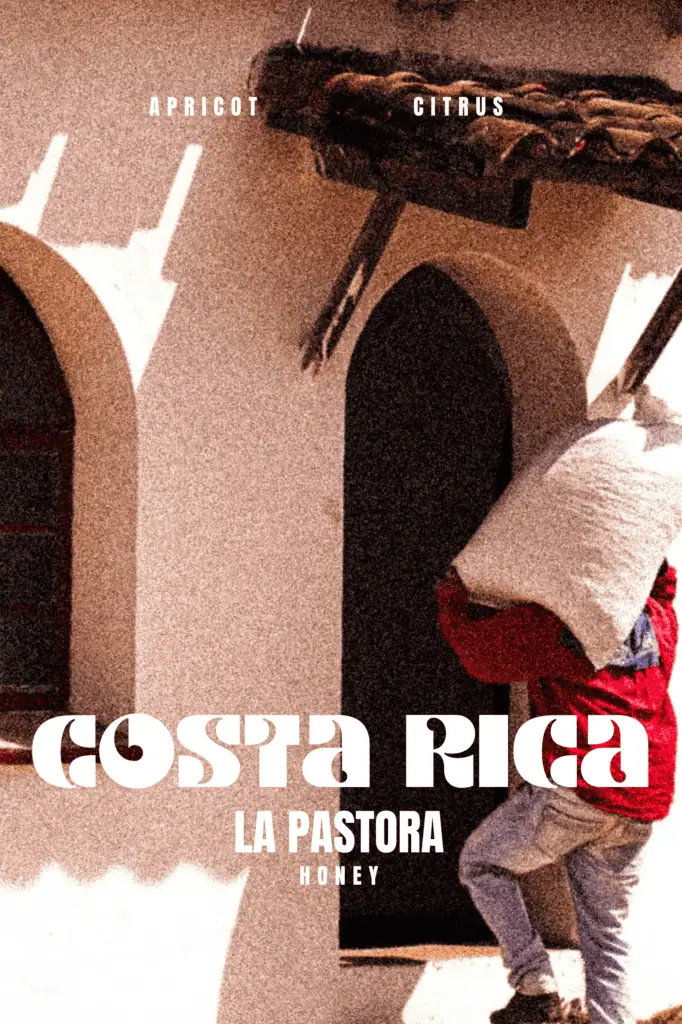
From Coope Tarrazu R.L., a cooperative established in 1960 by 228 small farmers and now working with around 3,000 producers, over 80% of whom farm 4 hectares or less. The cooperative provides members with credit, technical support and fertilizer, and an increasing number now run their own wet mills to control quality through processing.
Citric acidity, apricot, full body

A balanced 50/50 espresso blend combining Brazilian smoothness and sweetness from the Guaxupé cooperative with the balanced body and low acidity of washed Ugandan coffee from the Rwenzori mountain range.
Dark chocolate, nutty
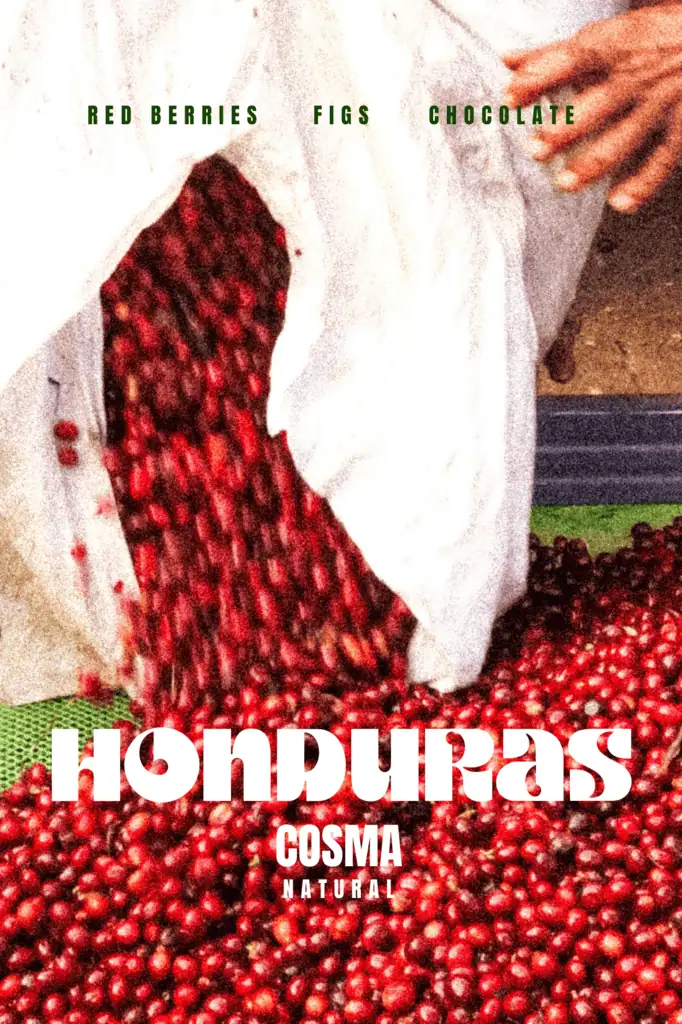
From the Marcala region of Honduras, known for sustainable, organic agriculture. Hand-picked cherries from COMSA S.A. grown in an ideal tropical climate for high-standard Arabica.
Red berries, figs, chocolate
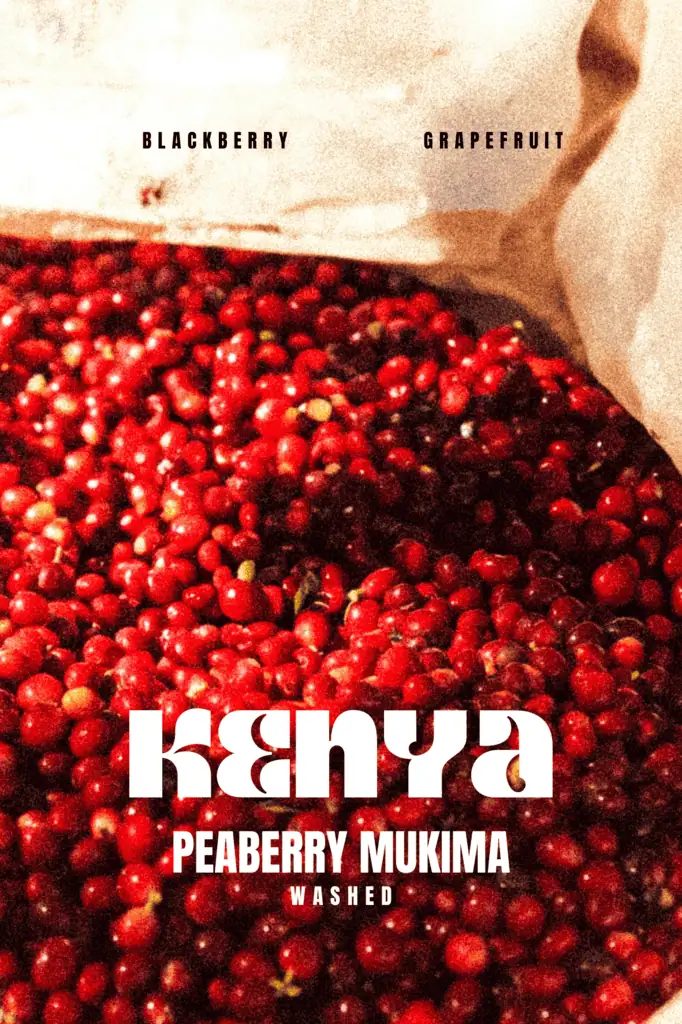
A peaberry lot sourced from several small farms on the slopes of Mount Kenya and sold at auction in Nairobi. Works well across brewing methods, from espresso to filter.
Grapefruit, blackcurrant, blackberry
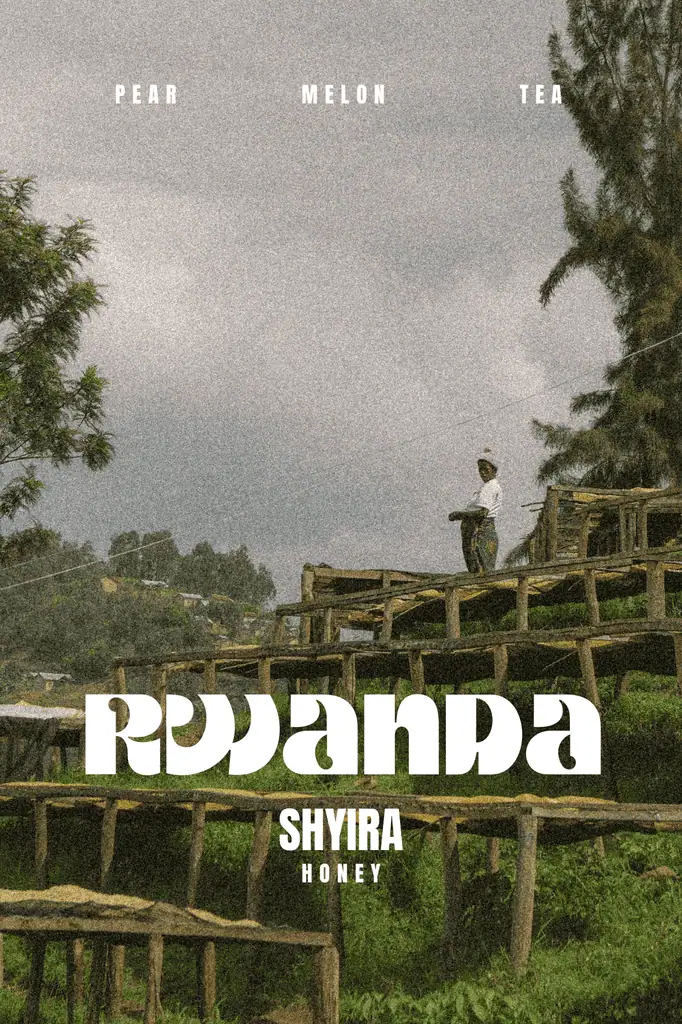
From Rwanda's misty Nyabihu hills at Shyira, the country's highest coffee washing station, founded in 2017 by Evariste Hagumimana and run by Muraho Trading. Volcanic, high-altitude terroir gives a cup with character comparable to Kenyan coffees.
Bright acidity, floral, complex fruit
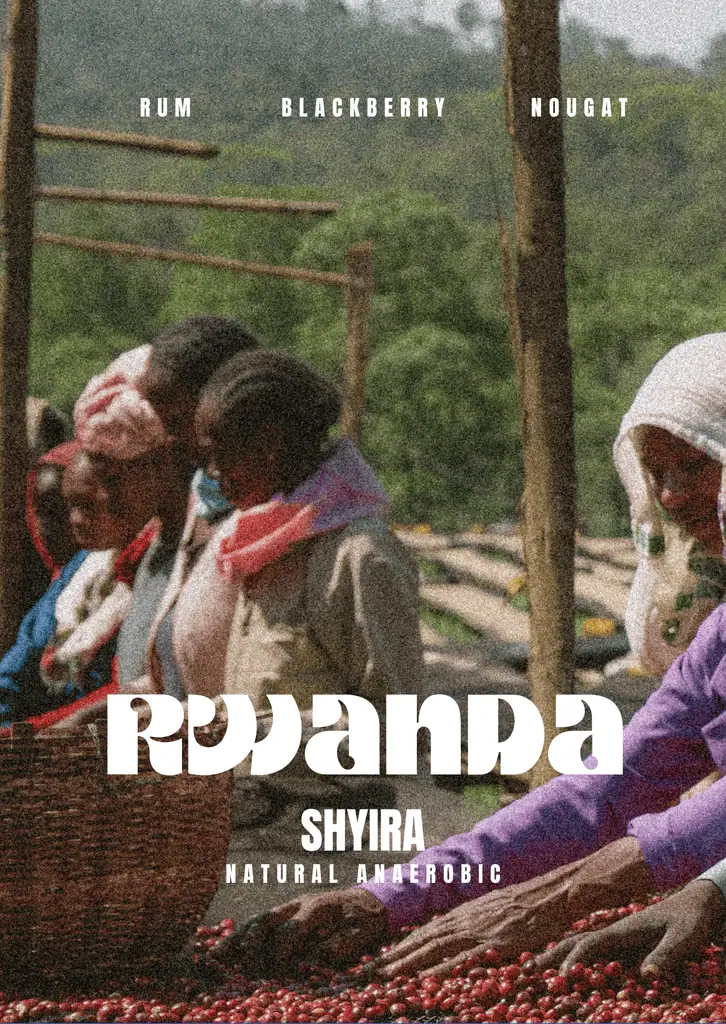
Red Bourbon cherries from Shyira, Rwanda's highest washing station, processed as natural anaerobic for an expressive cup — passion fruit, blackberry, nougat and a subtle rum-like sweetness with a rich, syrupy body.
Passion fruit, blackberry, nougat, rum