
Roasteries / Kanso Coffee Lab

Kanso Coffee Lab
Munich, Germany
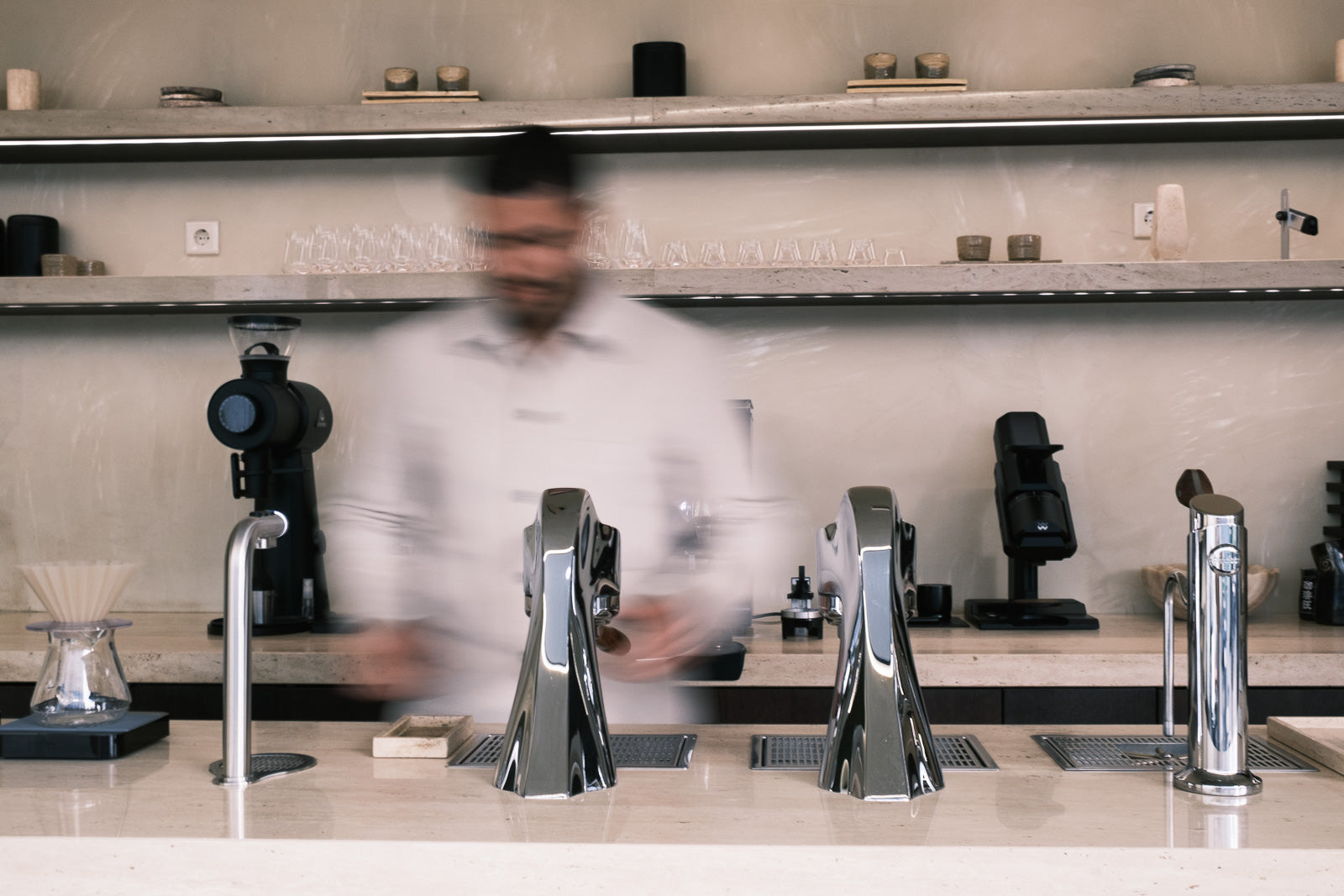
Kanso Coffee Lab is a small, minimalist coffee bar tucked in the Residenzpassage courtyard off Theatinerstraße in Munich's old town. Its Japanese-inspired design goes with a precise, pared-back approach to coffee: house-roasted, seasonally rotating single origins roasted lightly, a proper filter range served with a temperature-gauge tasting note, and a retail shelf of beans to take home.
9
coffees
Germany
base
Location
Coffees
9 coffees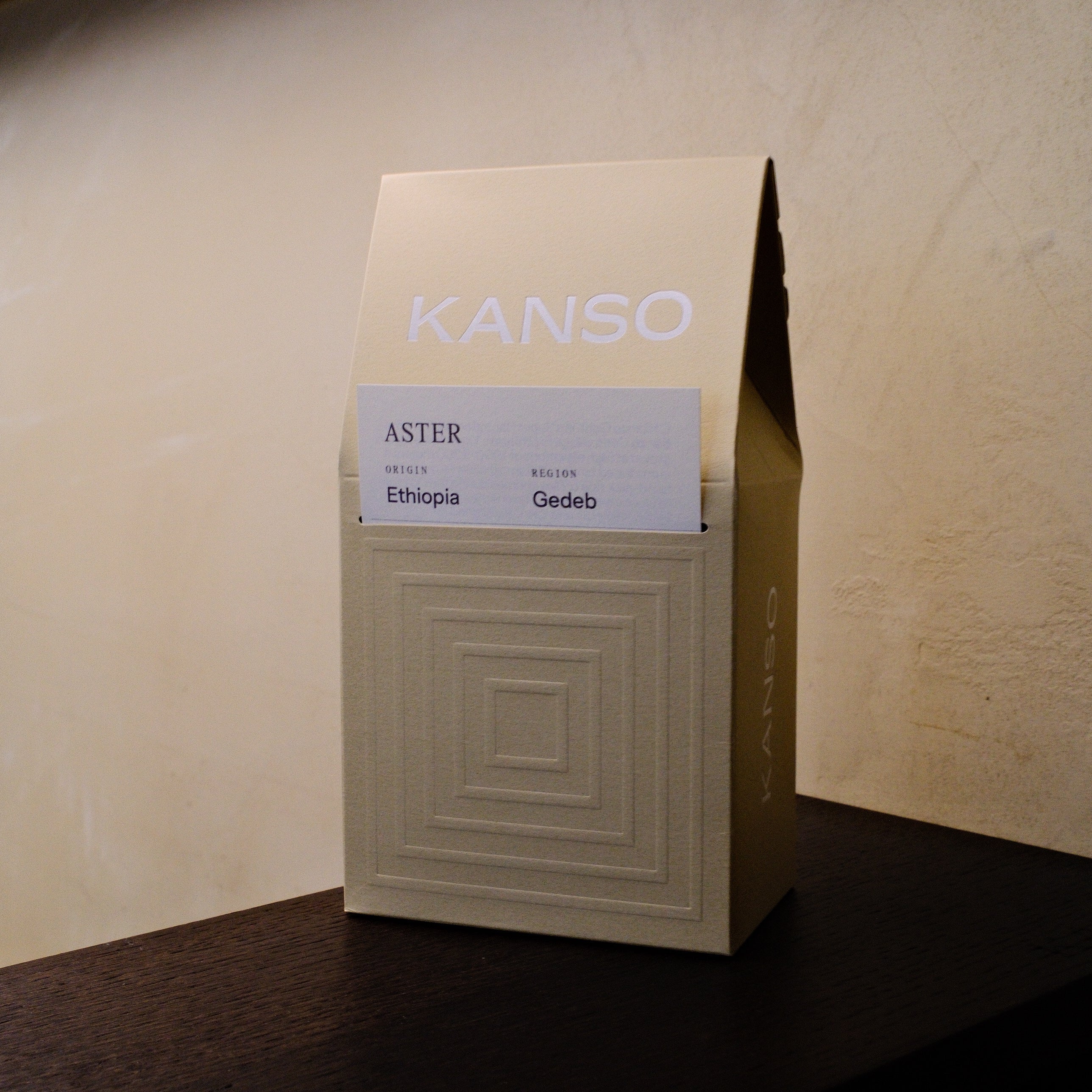
G1 Banko Gotiti is a Super Natural coffee from the Banko Gotiti village in Ethiopia’s Yirgacheffe region, grown at high elevations of 1,900–2,300 meters. It is produced by over 350 smallholder farmers who hand-pick ripe coffee cherries during the October to December harvest. The cherries are fermented for 36–48 hours and then slowly dried for 27–30 days, creating a complex, sweet, and well-developed flavor profile. After drying, the coffee is carefully cleaned, sorted, and packed under strict quality control before export.
Blueberry jam, peach, black tea, marzipan
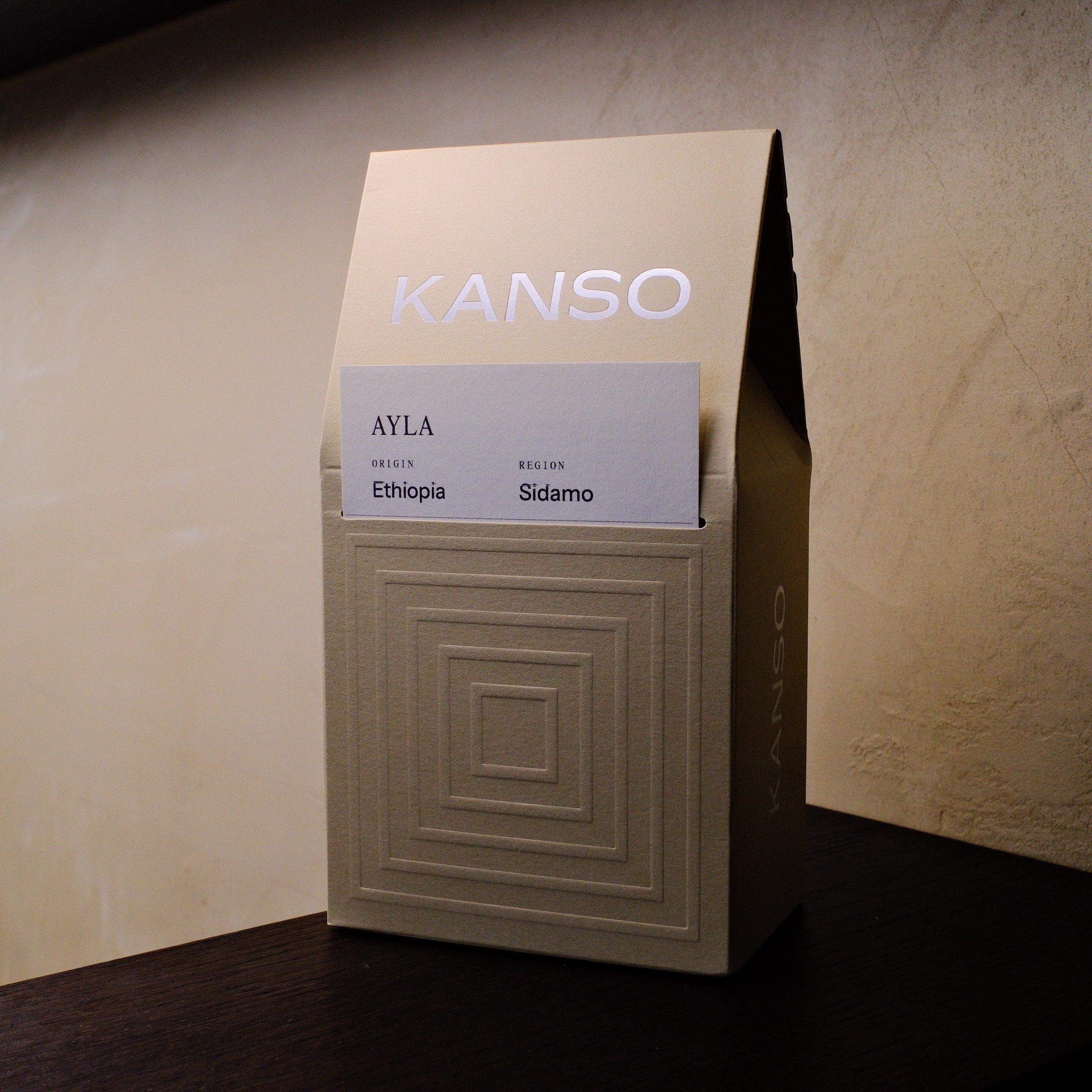
Ayla Washing Station, established in 2018 in Shantaweene, Sidamo, works with around 800 smallholder farmers growing coffee at elevations of 1,950–2,000 meters. This Grade 1 coffee is fully washed and produced from JARC 74110 and JARC 74158 varieties. Farmers handpick ripe cherries, which are carefully sorted, fermented for 36–48 hours, washed, and dried on raised beds to ensure consistent quality. Beyond coffee production, Testi Specialty Coffee supports local communities by investing in schools, clean water projects, and electricity access.
Blood orange, peach, black tea, jasmine, raspberry
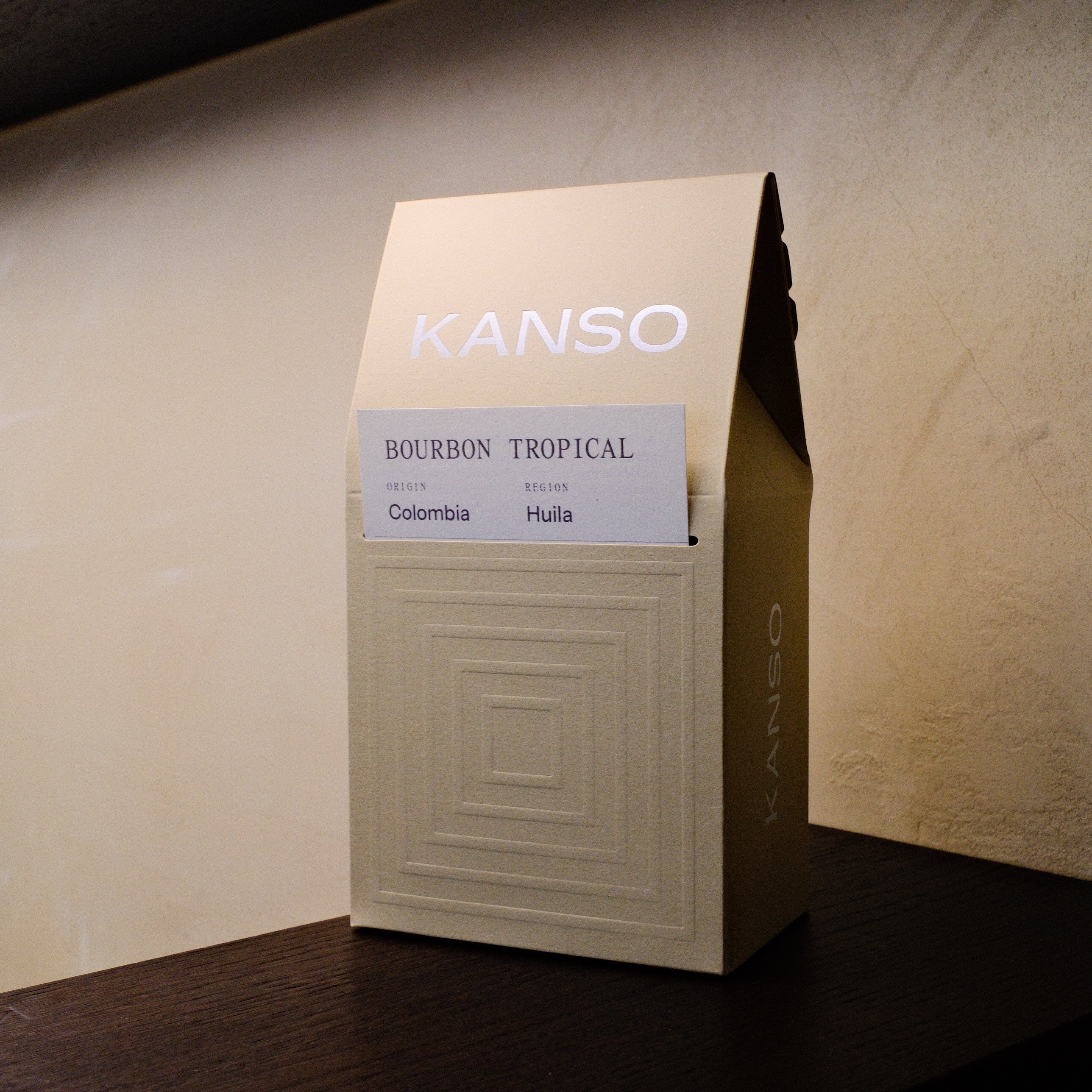
At Finca Vargas, ripe Pink Bourbon cherries are carefully hand-selected and dried whole to preserve the character of the fruit throughout processing. This natural method allows extended contact between the seed and cherry during drying, developing depth, texture, and complexity through slow fermentation and meticulous moisture control. The result is a coffee that reflects both the precision of the process and the distinct identity of the varietal.
Forest berries, strawberry, papaya, sour cherry, winey
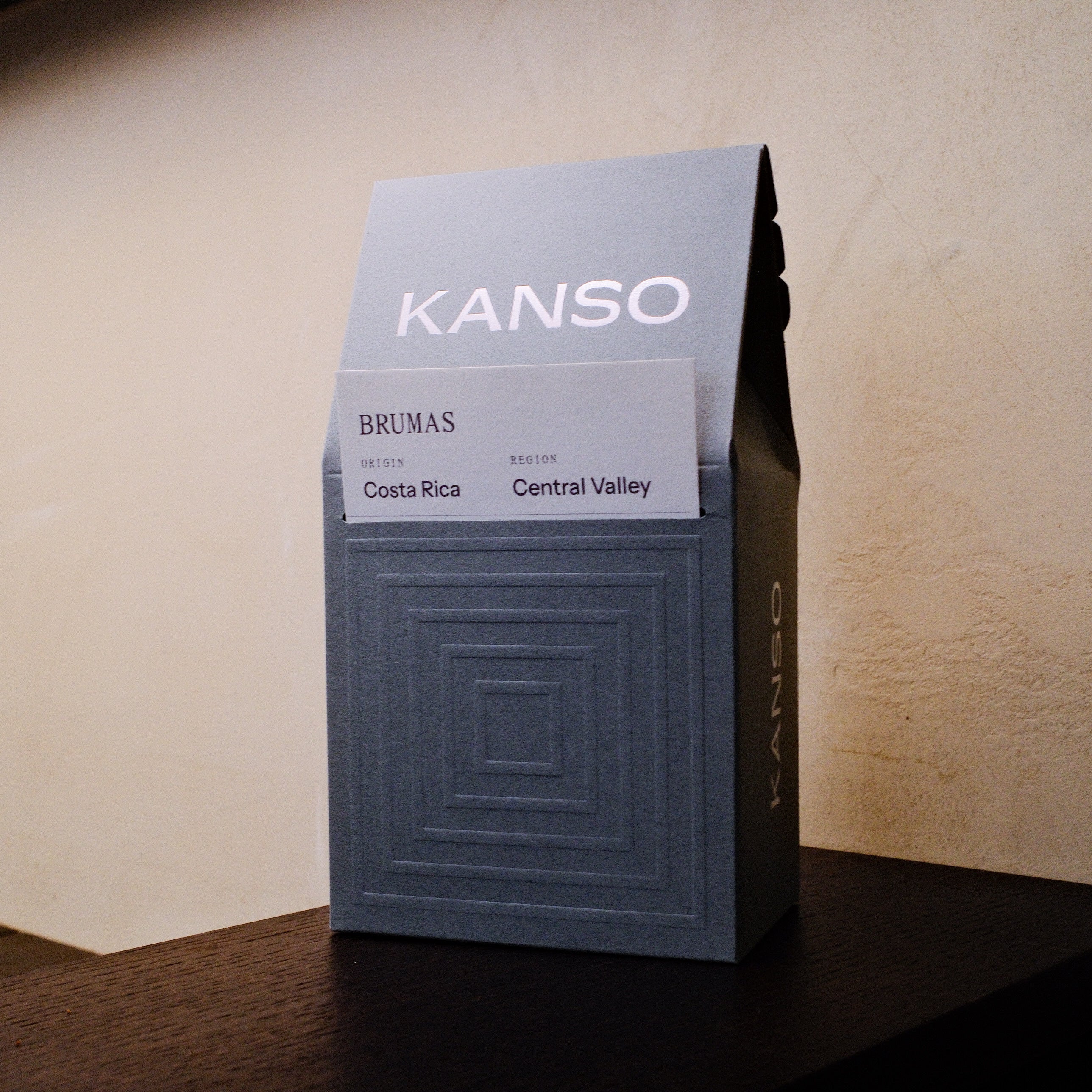
Brumas del Zurqui Micromill is a family-run coffee producer located in Costa Rica’s Central Valley region, sourcing cherries from nearby farms. Managed by fourth-generation producer Juan Ramon Alvarado Rodriguez, the mill combines traditional expertise with modern processing methods to ensure exceptional quality. The facility includes a cupping laboratory and roastery, reflecting its commitment to continuous improvement and consistency. Despite recent labor challenges, the family remains dedicated to producing outstanding coffee while creating positive social and economic opportunities for the
Mango, blackberry, hibiscus, dried tamarind, cocoa nibs
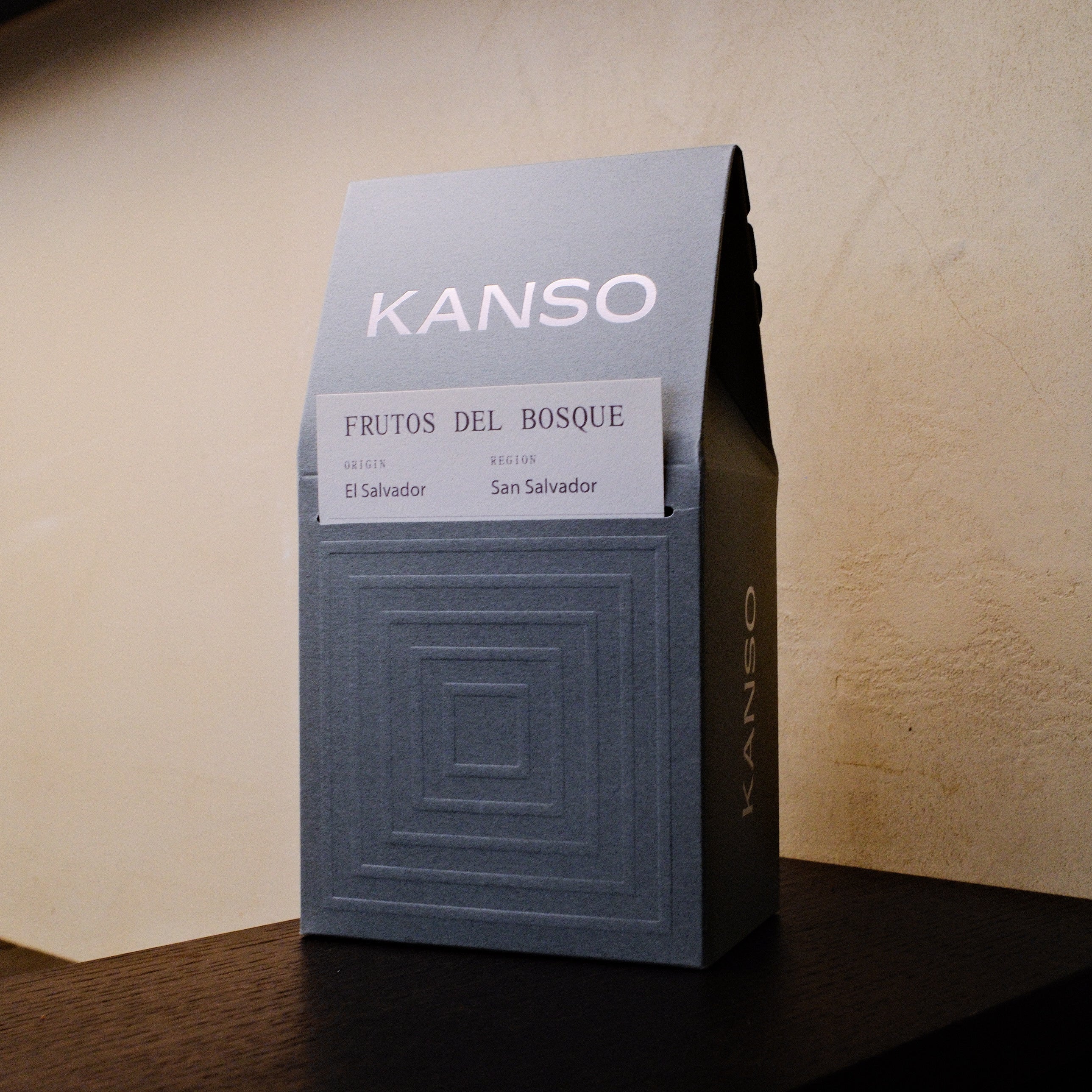
Miramar Farm, nestled in San Salvador’s volcanic El Bálsamo range, was revived in 2019 by Fernando Alfaro after years of neglect. Inherited from his grandfather, the farm retained traditional Bourbon and Typica coffee trees, which became the foundation for its renewal. Managed by the Alfaro Diaz Nuila family, Miramar focuses on sustainable, science-based cultivation—using soil analyses, tailored fertilization, and careful pest control. Ripe cherries are handpicked and processed through an anaerobic natural fermentation using local microorganisms, then dried on African beds.
Mirabelle plum, white peach, honey, orange, forest berries
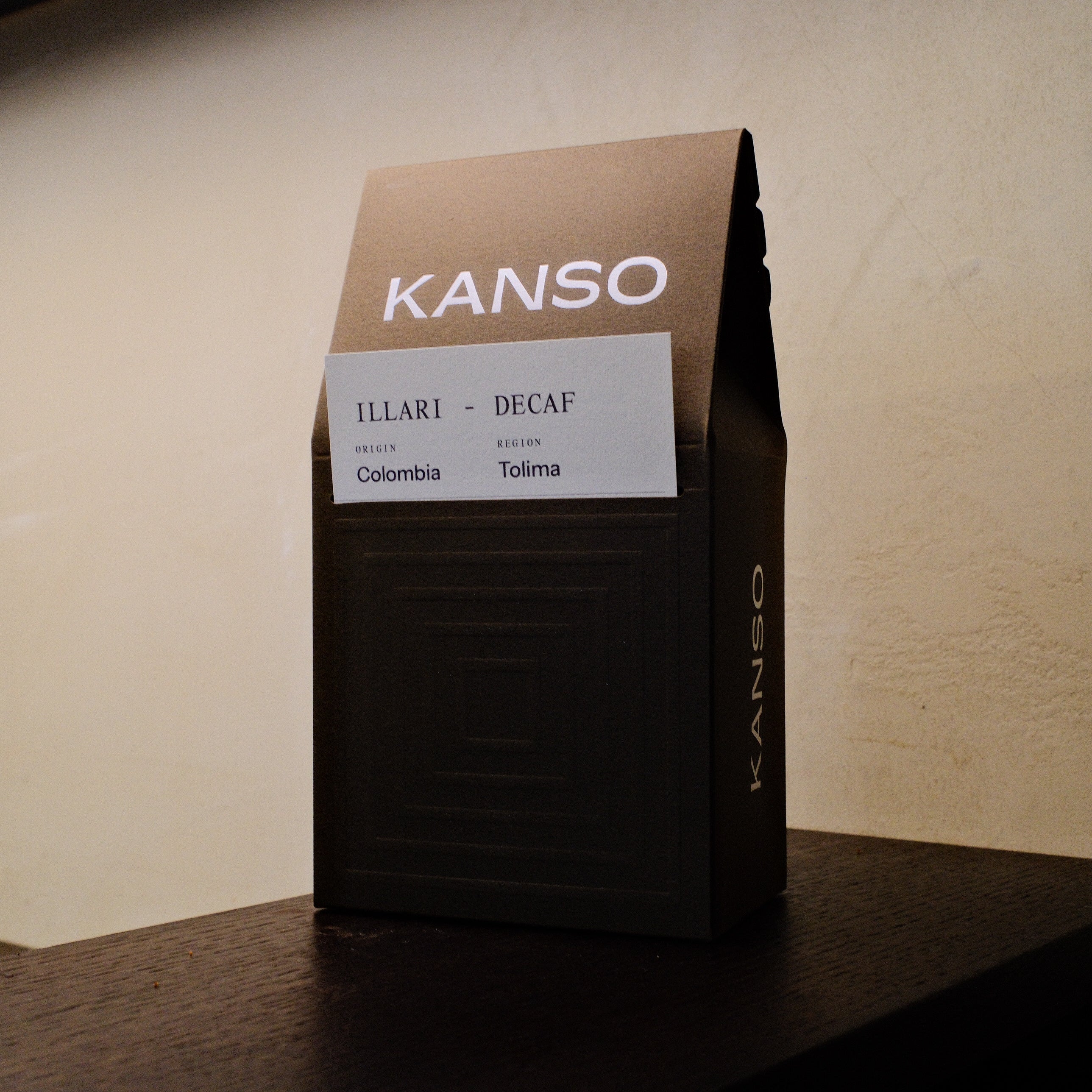
This Sugar Cane Decaf coffee comes from small farming communities in Planadas and Gaitania, Colombia, where more than 240 families cultivate coffee in protected, high-altitude regions. The coffee is decaffeinated in Manizales using the Sugar Cane process, which removes caffeine naturally with ethyl acetate derived from sugar cane. Grown under dense tree coverage and carefully hand-harvested, the result is a clean, sweet, and complex cup. The process preserves the coffee’s character while delivering a smooth decaf experience.
Orange, raspberry, molasses, brown spices
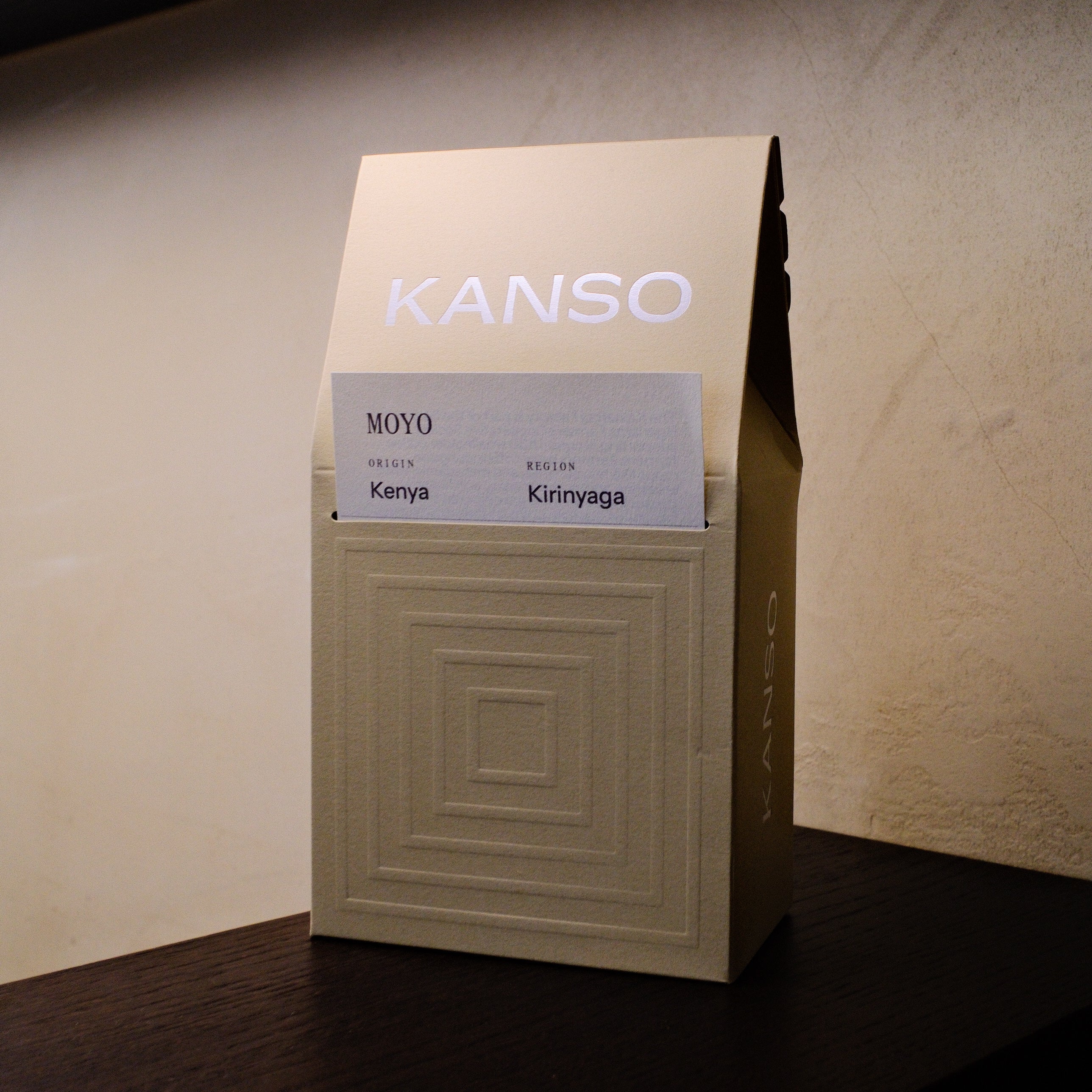
The Kainamui Factory is part of the New Ngariama Farmers Cooperative Society, supporting around 1,800 smallholder coffee farmers. Farmers grow coffee alongside crops like tea, bananas, and macadamia, while receiving agronomic training and financial support. Ripe cherries are delivered to the factory, where they undergo Kenya's signature washed process, including fermentation, soaking, and raised-bed drying. The highest-quality, traceable lots are selected as microlots, producing the bright, clean, and complex cup profile for which Kenyan coffees are renowned.
Red currant, nectarine, orange, rhubarb, hibiscus tea
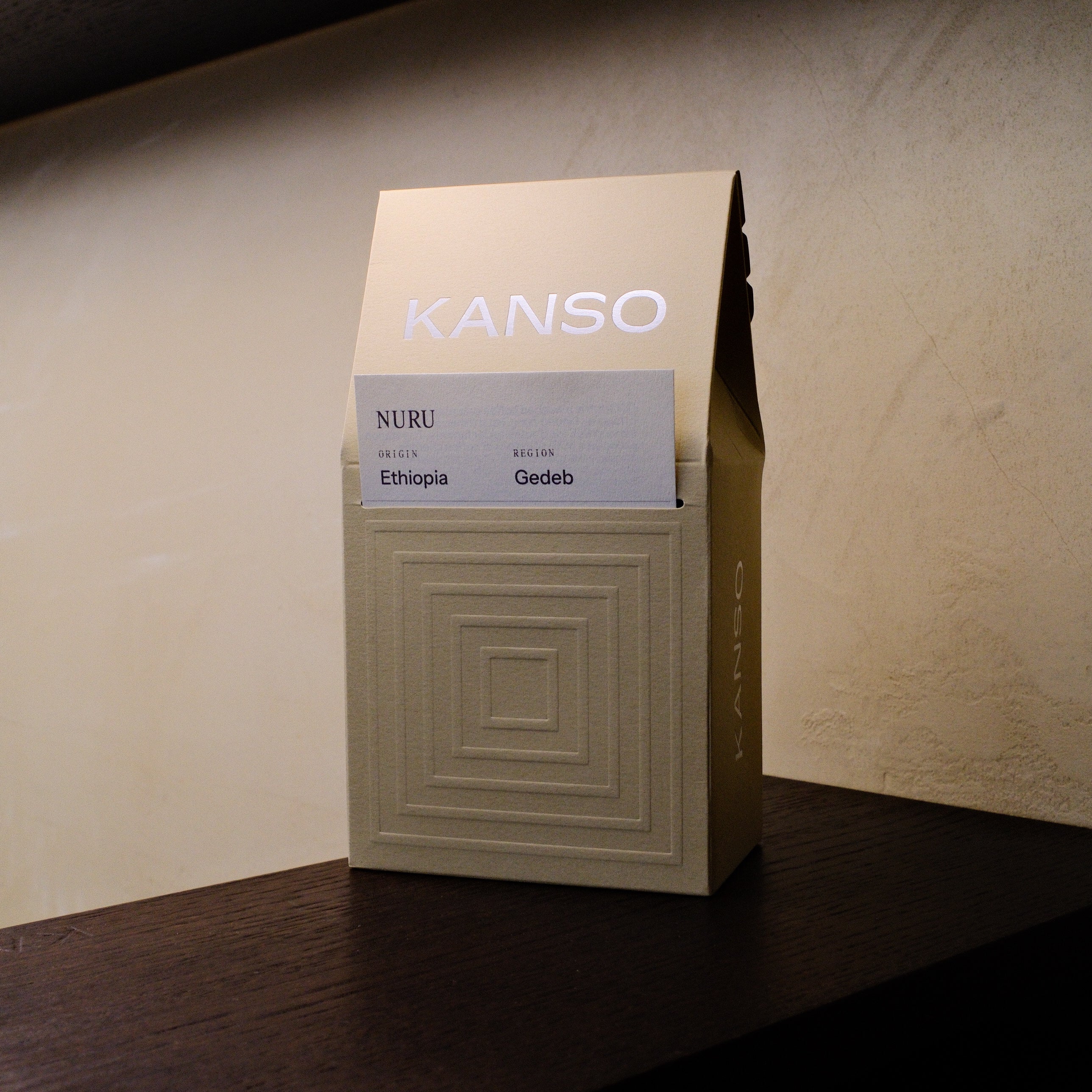
G1 Gotiti is a washed coffee processing station in Ethiopia’s Gedeo Zone, established in 2022 and serving 868 local smallholder farmers. The station processes 500–600 tons of coffee cherries annually using a carefully managed washed process to ensure high quality and consistency. It emphasizes sustainable practices through efficient water management, full traceability, and strict quality control at every stage of processing. In addition to producing premium coffee, the station supports local communities by providing coffee seedlings, financial assistance to farmers, and premium payments for co
Jasmine, orange zest, blackberry, lavender
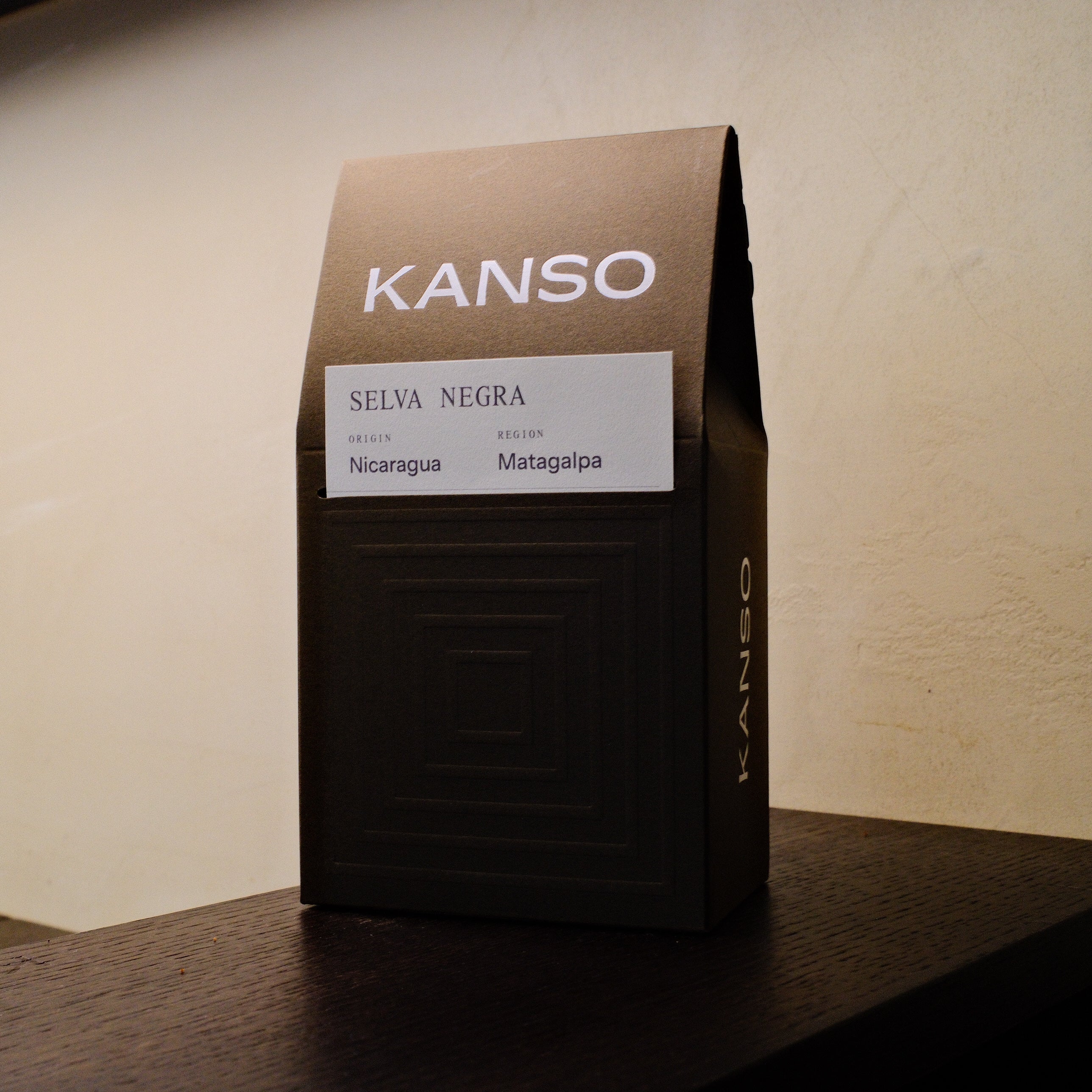
The Mierisch family has been growing high-quality, shade-grown coffee in Nicaragua for over 100 years, passing their craft down through generations. Their El Limoncillo farm in Matagalpa combines sustainable coffee production with the preservation of local flora and fauna. By cultivating different coffee varieties at varying altitudes, they achieve exceptional quality, balance, and character in every harvest. This dedication to tradition, innovation, and sustainability is reflected in every cup.
Pecan, caramel, milk chocolate, molasses, persimmon