
Roasteries / MOK Coffee

MOK Coffee
Brussels, Belgium
Founded in 2012 by two-time Belgian Cup Tasters Champion Jens Crabbé, starting with a single bar in his hometown of Leuven. MOK roasts on a Probat UG22, working seasonally with the same growers year after year to keep full traceability, and supplies its own cafés plus independent cafés, restaurants and wholesale accounts worldwide. It was ranked 16th best coffee shop in the world and 2nd Best Specialty Coffee Roaster in Europe & Middle East by Allegra, and named best coffee shop in Brussels by European Coffee Trip. The team includes the 2024 Belgian Cup Tasters Champion Yang-Bing Hong and the 2025 Belgian Brewers Cup Champion Marlies Jacques. MOK runs three sites: the Leuven bar (its original 2012 location), a Brussels flagship that opened in a former art gallery in late 2016, and MOK Studio — a coffee and listening bar in the lobby of record label PIAS, roasting on a Giesen W15. Source: mokcoffee.be.
15
coffees
Belgium
base
Locations
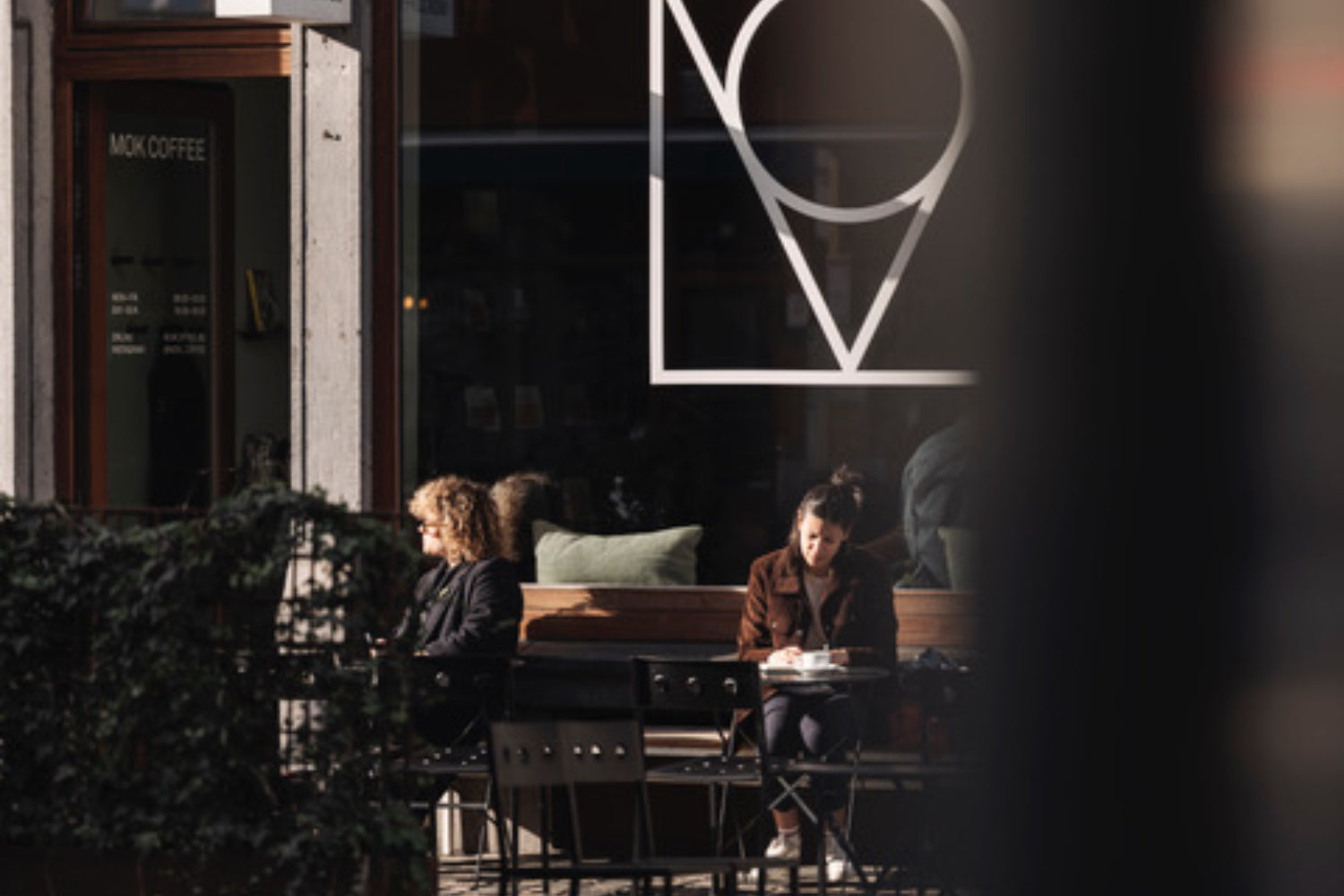
MOK
Antoine Dansaertstraat 196, 1000 Brussels, BelgiumMon–Fri 08:00–18:00 · Sat–Sun 10:00–18:00
+32 472 058 224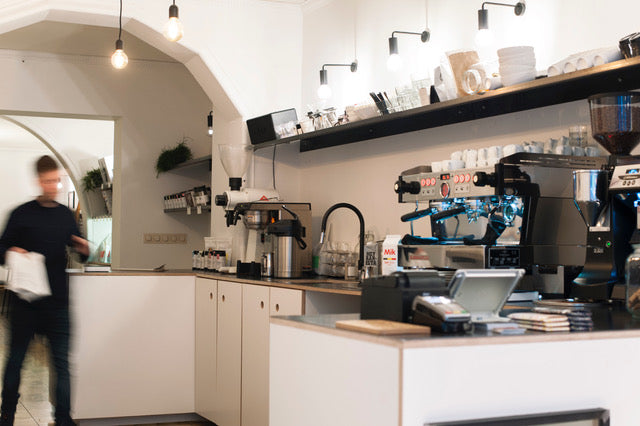
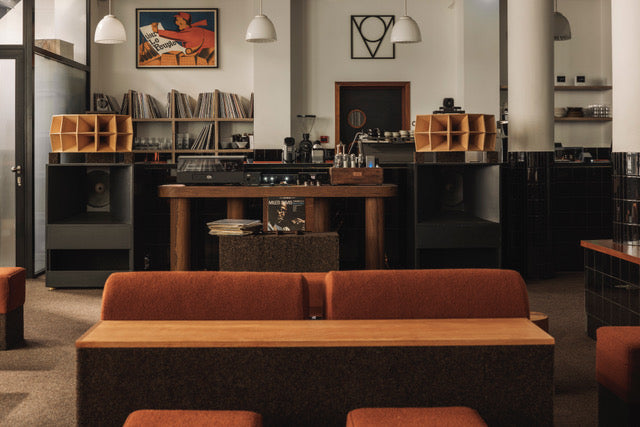
MOK Studio Brussels
Rue Saint-Laurent 36-38, 1000 Brussels, BelgiumWed–Fri 09:00–18:00 · Sat 11:00–18:00 · Closed Sun–Tue
Coffees
15 coffees
From Linarco Rodriguez, leader of the 117-producer Tierra Diversidad collective in Palestina, Huila. Cherries are floated, anaerobically fermented in sealed tanks for 48 hours, dried on raised beds for 20-28 days and rested in GrainPro bags before milling. Sourced through importing partner CATA Export. Source: mokcoffee.be.

Sidra — believed to be an Ecuadorian adaptation of Ethiopian heirloom varieties — from Finca El Alisal, run by Leonidas Jaramillo since 2017. Fermented in open tanks for 12 hours, depulped, washed and dried in temperature- and humidity-controlled polyshade greenhouses for 12-15 days. Sourced through importing partner Makicuna. Source: mokcoffee.be.

Typica Mejorado — likely a Bourbon x Ethiopian landrace cross — from Finca El Alisal. Cherries are oxidized in open tanks before depulping and washing, then dried in polyshade greenhouses for 12-15 days. Sourced through importing partner Makicuna. Source: mokcoffee.be.

Sidra from Olinka and Diana Velez's Finca Chorora on a south-facing hillside above the Macará Valley. Hand-picked, oxidized 24 hours, then anaerobically fermented in sealed tanks with isolated yeasts for 72 hours before drying on raised beds. Sourced through importing partner Makicuna. Source: mokcoffee.be.

Grade 2 heirloom from smallholder farmers around the Ayla Washing Station in Sidamo, southern Ethiopia — cherries are depulped, fermented for about 24 hours, graded in washing channels and dried on raised beds for 10 to 14 days. Sourced through importing partner Sucafina. Source: mokcoffee.be.

100% Brazil, no blends. Grown on the Barbosa family's 3322-hectare Fazenda D'Barbosa in Cerrado, farmed since the early 1900s and now run by Danilo Barbosa; cherries are mechanically harvested, aerobically fermented for 48-72 hours and dried naturally on patios. Full-bodied with ripe red fruit, hazelnut and chocolate. Sourced through importing partner Sucafina. Source: mokcoffee.be.

Washed lot from Marvin Carias, who has grown coffee at Finca Las Brisas since 1990 and runs his own wet mill with a closed-loop water system. Higher acidity than the Brazil (B), fuller body than the African (A). Sourced through importing partner Primavera Green Coffee. Source: mokcoffee.be.

Hand-picked 74114 cherries from smallholders in Buku Sayisa village, sealed and fermented for 5-10 days before drying on raised beds on-site. Sourced through importing partner Falcon Coffees after a visit to EDN's Addis Ababa headquarters in January 2026. Source: mokcoffee.be.

From Sasaba Washing Station in Kercha, Guji, which supports over 500 smallholder farmers above 2000 masl. Cherries are fermented 48-72 hours before washing and dried on raised beds for about 7 days. Sourced through importing partner Trabocca. Source: mokcoffee.be.

100% Brazil filter lot from the same Fazenda D'Barbosa MOK has partnered with since 2020. Full-bodied Cerrado cup with ripe red fruit, hazelnut and chocolate. Sourced through importing partner Sucafina. Source: mokcoffee.be.

A curated lot of strictly-hard-bean washed varieties from three Guatemalan growing regions, sugarcane-decaffeinated for an aromatic, juicy cup. Sourced through importing partner Coffee Bird. Source: mokcoffee.be.

AA grade from Ichuga Station in mountainous Nyeri, Central Kenya, run by the Kiama Farmer Cooperative Society on red volcanic soil. Depulped, fermented and washed, then dried on raised beds for about two weeks. Sourced through importing partner Sucafina — MOK's start of its 2026 Kenya line-up. Source: mokcoffee.be.

Geisha from Juan José Huillca's 2.5-hectare Finca Cedruyoc, on steep, rocky jungle terrain above Yanatile. Huillca makes his own liquid fertilizer from anaerobic fermentation of on-site organic waste. Sweeter and more distinctive than most Geishas. Sourced through importing partner Sucafina. Source: mokcoffee.be.

Geisha microlot from the Solorzano family's Reserva La Margarita, grown beneath native lemon, banana and macadamia trees. Pulped and fermented 16 hours, partially dried, fermented again for 36 hours, then dried on six-tier steel beds over 22 days. Sourced through importing partner Sucafina. Source: mokcoffee.be.

A mix of coffees that did not match their exact intended roasting profile but remain a high standard — a daily-driver blend that can include coffee roasted within the last three weeks, from different origins. Source: mokcoffee.be.